5 Common Pressure Transmitter Wiring Mistakes
Mistake 1 – Incorrect Wiring Color Codes and Connection Points
- Mistake 1 – Incorrect Wiring Color Codes and Connection Points
- Mistake 2 – Neglecting Proper Wiring Methods for 4-20mA Signal Transmission
- Mistake 3 – Overlooking Wiring Standards and Troubleshooting Techniques
- Mistake 4 – Ignoring Differences Between HART and 4-20mA Wiring
- Mistake 5 – Using Unsuitable Cable Types and Neglecting Environmental Factors
- Conclusion
- FAQ
- Partner with GAMICOS for Reliable Pressure Transmitter Solutions
- References
In factory control systems, getting the pressure transmitter wiring right is a must for getting accurate readings and efficient performance. When wire connections are done wrong, the problems go beyond simple measurement mistakes. They can damage equipment, cause unplanned downtime, and pose safety risks.
Wiring mistakes are still a problem in many fields, from processing oil and chemicals to making food and drinks. They lower the performance of systems and increase the cost of running them. Engineering managers, project managers, and automation experts can make sure that their monitoring systems give consistent, reliable results from the start by learning about these common mistakes and using tried-and-true ways to stop them.
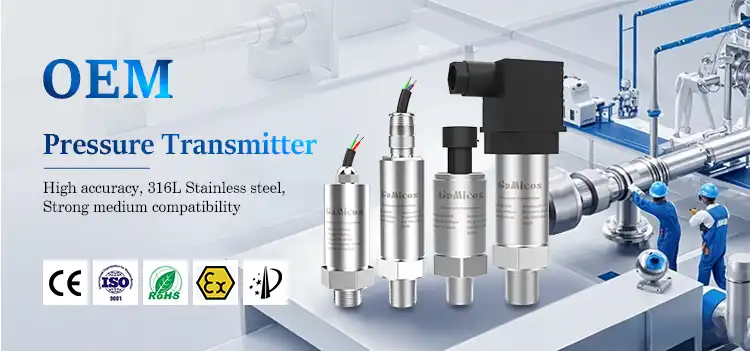
Mistake 1 – Incorrect Wiring Color Codes and Connection Points
Understanding Standard Color Conventions
Different makers and areas use different color code standards, which can be hard to understand when installing. Siemens and ABB may have different rules, but Rosemount usually uses red for positive links and black for negative ones. In North America, regional methods are often different from European standards. This is why it's important to double-check specs before starting any installation work.
Consequences of Miswiring
If you connect the lines wrong, you could get wrong pressure readings, lose the signal completely, or damage sensitive devices permanently. In one recorded case, a worker switched the polarities on several receivers, which stopped output for a week and required expensive replacement and recalibration of the equipment. The cost of the tools and the time lost in work added up to over $200,000 in damages.
Prevention Strategies
Most color-coding mistakes can be avoided by carefully following the wire plans given by the maker. Labeling each line on both ends and making clear notes during installation can be used as a guide for future upkeep. Teams can keep track of links in large, complicated systems by using standard circuit blocks and keeping a wire log. Teaching workers to use multimeters to check connections before turning on circuits adds an extra layer of safety that keeps damage from happening.
When working on big projects with many workers at the same time, it's especially important to understand these details. Approach and documents that are always the same make sure that anyone who needs to service the system in the future can quickly find the right links without having to guess or risk damaging the equipment.
Mistake 2 – Neglecting Proper Wiring Methods for 4-20mA Signal Transmission
Two-Wire Versus Three-Wire Configurations
The 4-20mA current loop is still the usual way to send analog signals, but many users get confused by the changes between two-wire and three-wire setups. Two-wire emitters get their power from the same loop that carries the signal. This makes installation easier, but you need to pay close attention to the loop resistance. Three-wire setups divide the power and data lines, which can be useful in some situations but makes installation more difficult.
Common Pitfalls in Current Loop Wiring
Reversed polarity is one of the most common mistakes people make when setting up current loops. If you switch the positive and negative wires, the emitter either doesn't work or gives you numbers that are all over the place. Pressure transmitter wiring is especially sensitive to this issue, as incorrect polarity directly compromises its ability to transmit a stable signal.
Signal integrity is lost when the power source is wrong, like when the voltage is too low or when the maximum loop resistance is exceeded. If the protection isn't good enough, electromagnetic radiation from motors, variable frequency drives, and high-voltage lines close can mess up the signal.
Best Practices for Reliable Signal Transmission
For effective current loop function, it is important to use the right grounding methods. To avoid ground loops that cause noise, the shield should only connect to ground once, usually at the remote end. Shielded twisted-pair wires keep the quality of the data even over long distances and are very good at blocking electromagnetic interference. Certified wiring kits from reputable companies make sure that everything works together and cut down on the time needed to fix problems.
Interference is kept to a minimum by moving away from power lines and keeping enough space between them. If you have to cross power lines, do it at a right angle instead of straight to them to lower the coupling effects. These methods make it easier for PLCs and distributed control systems to talk to each other. This cuts down on the time needed to set up new systems and improves their long-term dependability in complex industrial settings where many signal sources are working at the same time.
Mistake 3 – Overlooking Wiring Standards and Troubleshooting Techniques
Importance of Compliance with IEC and ANSI Standards
International standards like IEC 61326 and ANSI/ISA-50.00.01 set rules for how safe, well, and electromagnetically compatible industry instruments must be. Compliance makes sure that equipment from different makers works the same way and makes system integration easier. Honeywell and Yokogawa give detailed instructions to help engineering teams meet these needs. This lowers the chance of problems with compatibility and certification during the project approval stages.
Diagnostic Tools and Troubleshooting Methods
Getting the right monitoring tools is the first step to fixing problems. Digital multimeters check for continuity, measure loop resistance, and check voltage levels. Loop calibrators put in exact amounts of current to test how the sender responds and make sure that the tools that receive signals show correct readings. Pressure transmitter wiring can be thoroughly validated with these tools, as they help identify breaks or high resistance in the circuit. When compared to trial-and-error methods, these tools help techs quickly figure out whether the problem is with the emitter, the wires, or the receiving equipment.
Signal drop-offs are often caused by links that are rusted, wires that are broken, or too much loop resistance. Periodic problems could mean that the connections are loose or that the wires have been hurt by shaking. Problem spots can be found without having to take a lot of things apart by using calibrators and resistance readings in a planned way.
Value of Quality Components
Quality wire cables with plugs that are already put together save time and make sure that the connections are solid. Secure connections that are sealed against the environment keep out water and prevent rusting in tough circumstances. Buying high-quality parts that meet standards may cost more at first, but they save you a lot of money in the long run by requiring less upkeep and lasting longer. When making strategic purchases, putting quality ahead of low cost will improve operating efficiency and lower the total cost of ownership over the duration of the equipment.
Mistake 4 – Ignoring Differences Between HART and 4-20mA Wiring
Protocol Differences and Wiring Implications
The Highway Addressable Remote Transducer (HART) system adds digital transmission signals on top of the 4-20mA analog current loop. This lets data flow both ways without the need for extra wires. The wiring looks the same as with a normal 4-20mA setup, but with HART, you need to pay attention to wire capacitance and loop resistance, which affect the quality of the digital output. In traditional 4-20mA wire, the only thing that matters is keeping the current loop open. But in HART applications, both the analog current flow and the digital signal quality must be kept up.
Common Mistakes in HART Installations
Using wires with too much capacitance weakens the HART digital signal, which stops contact even if the analog readings are still correct. Putting in devices that don't have enough input resistance can overload the circuit and make digital communication less reliable. When multiple HART devices are connected in parallel without proper addressing, problems happen that make contact impossible. Many techs who only know basic analog loops don't think about these things, which can lead to systems that can measure pressure but can't diagnose problems or be set up remotely.
Selecting Appropriate Wiring Methods
The needs of the application determine which connecting method is best. Installations in dangerous areas may need naturally safe blocks that stop both power delivery and signal transfer. HART's troubleshooting features can find stopped impulse lines, which makes it possible to record differential pressure over long distances. Teams can choose between simple analog transfer and improved HART capabilities by knowing the ranges of pressure, the surroundings, and the data needs.
For mission-critical installs, the best emitter performance rests on matching the wire needs to the protocol requirements. If you take the time during the planning process to think about how people will communicate, you can avoid expensive changes that need to be made later when teams find that the technology they built can't support the features they want.
Mistake 5 – Using Unsuitable Cable Types and Neglecting Environmental Factors
Cable Selection for Different Industrial Scenarios
Shielded twisted-pair wires are the standard for connecting transmitters because they protect well against electromagnetic interference in most commercial settings. Pressure transmitter wiring frequently relies on this shielded twisted-pair configuration to maintain signal integrity. Common-mode noise is cancelled out by the curved design, and outside disturbance is blocked by the shield.
Coaxial wires screen better than other types, but they cost more and are harder to install because they are less flexible. Cables that are explosion-proof have extra layers of protection and flame-resistant materials that are needed in dangerous places that meet NEC 500 or IEC standards.
Environmental Challenges Affecting Cable Performance
Extreme temperatures wear down wire insulation over time. For example, normal PVC coats break easily in cold places and soften in hot ones. Some shielding materials can break down when exposed to chemicals in process areas. This can lead to short circuits and other safety risks. Conductors and links get worse when humidity and wetness get inside. Noise that messes up messages is caused by electromagnetic interference from motors, transformers, and radio frequency sources. If you don't think about these things when choosing cables, they will break down early, needing expensive fixes or shutting down without warning.
Strategic Procurement Considerations
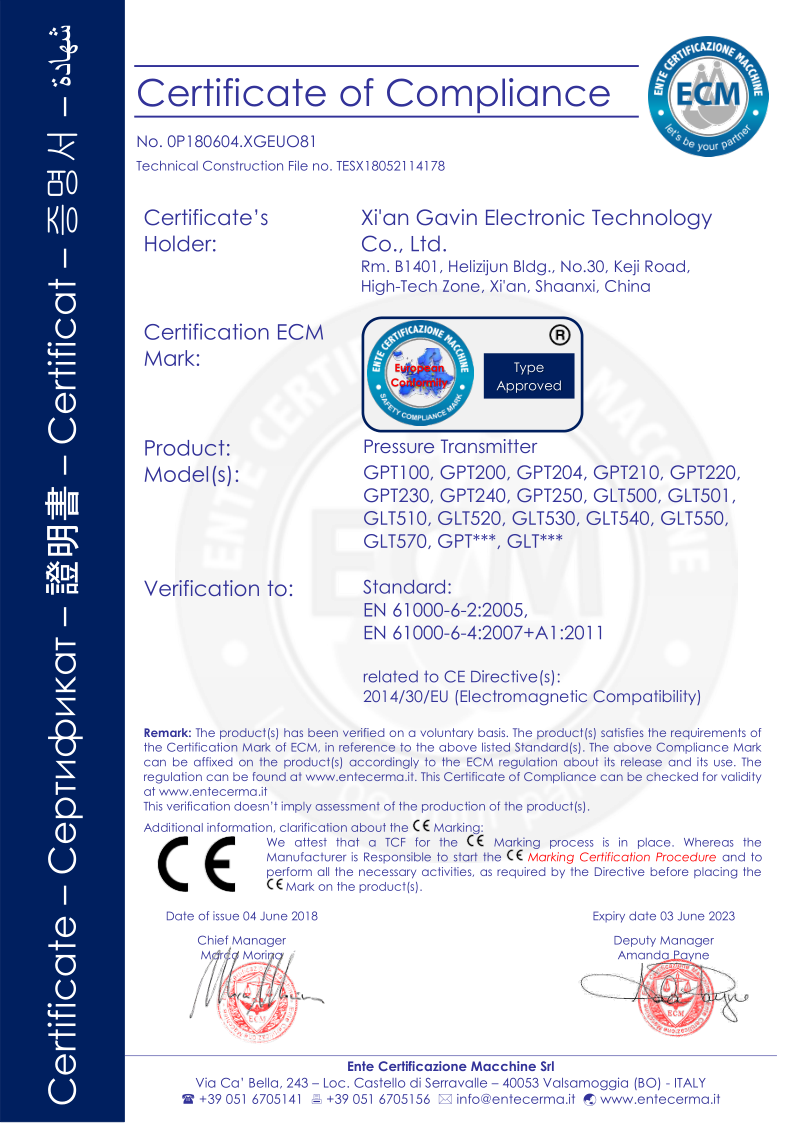
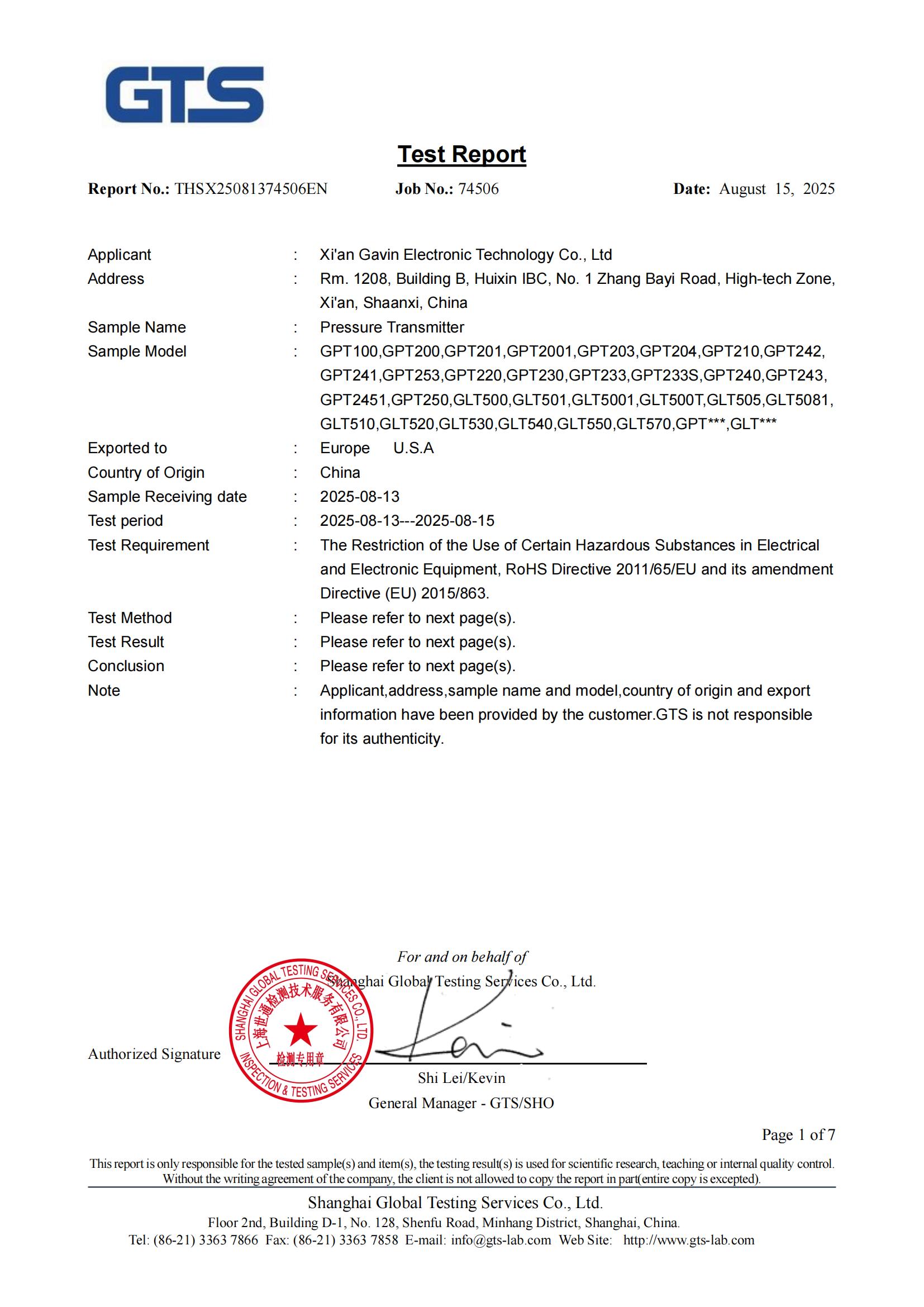
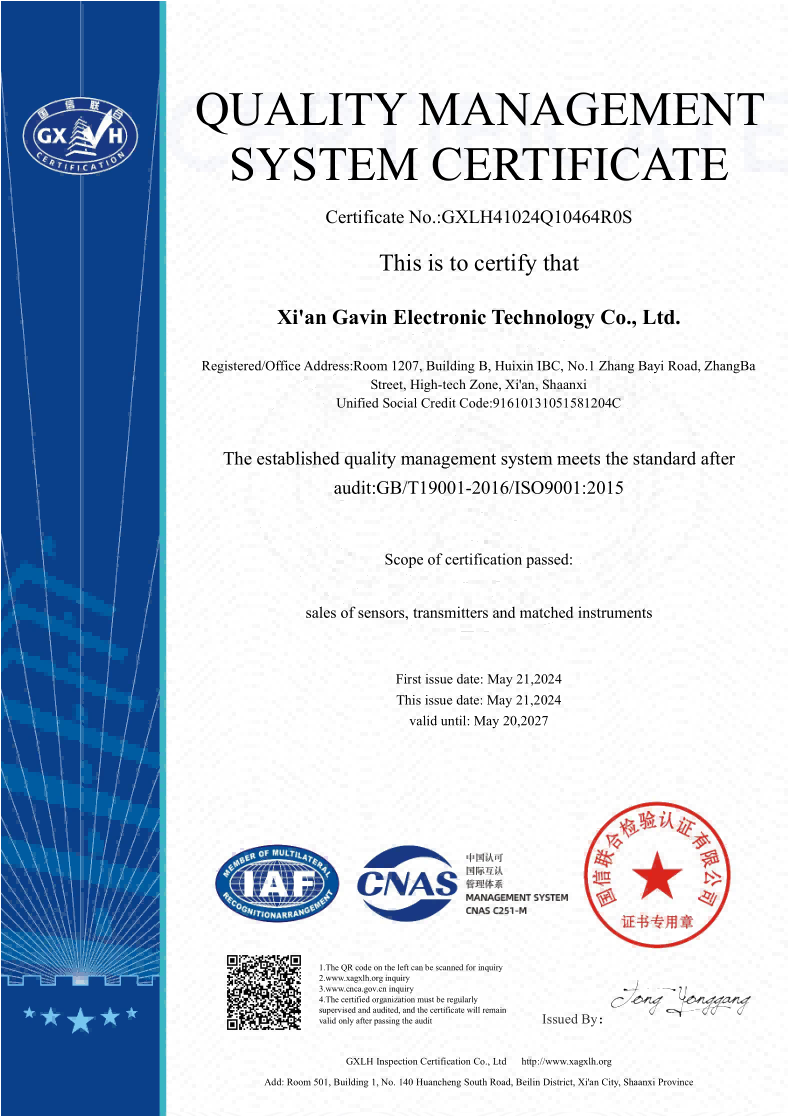
Assessing the dependability of suppliers guarantees steady product quality and supply for growth in the future. Checking for foreign certificates like CE, RoHS, and ISO compliance shows that goods meet the environmental and safety standards needed in global markets. Rather than just looking at the purchase price, comparing the total cost of ownership takes into account things like labor costs for installation, expected service life, and upkeep needs.
Custom wire connection options from reputable companies like GAMICOS meet the specific needs of each spot while making installation easier. Pre-assembled cables cut down on work that needs to be done in the field, remove connection mistakes, and make sure that the quality is the same at all assembly places. Working with providers who know how to solve problems that are unique to your application and provide technical help throughout the lifetime of a project makes operations more stable and creates long-lasting partnerships that are good for both parties.
Conclusion
Measurement accuracy, system reliability, and working efficiency are all greatly increased in industrial sites that avoid these five typical pressure transmitter wiring mistakes. Most installation problems in automation projects can be avoided by paying close attention to things like color coding, current loop setup, standards compliance, protocol requirements, and wire choice.
By using quality parts, following organized testing processes, and keeping detailed records, you can build strong systems that work well for years with little upkeep. Strategic relationships with experienced sellers who offer both high-quality goods and technical know-how add value that goes beyond the original purchase and helps with project completion and long-term operating excellence.
FAQ
How can I verify pressure transmitter wiring is correct before energizing the system?
First, compare all the connections to the manufacturer's wiring plan to make sure that the colors of the wires match the ends that are marked. Check with a voltmeter that there are no short circuits between the signal wires or to ground and that there is continuity between the emitter connections and the receiving equipment.
Check the loop resistance to make sure it meets the transmitter's requirements. For most devices, this is below 600 ohms. Before you put power in, make sure that the polarity is correct and that the positive and negative lines are lined up correctly along the signal path.
What are the key differences between wired and wireless pressure measurement systems?
Wired systems send data continuously and in real time over physical links. They are reliable and don't get affected by radio frequency disturbances. Wireless systems that use technologies like LoRa, NB-IoT, or 4G don't need cables to be installed, so they can be used in places where wires wouldn't work. However, they need to be managed with batteries or other power sources, and communication gaps can happen from time to time.
Can standard wiring practices apply uniformly across differential and gauge pressure transmitters?
Differential pressure sensors that measure flow or level usually need more than just basic wiring for the impulse line. They need to be properly vented and have moisture management set up, which can affect their accuracy. Gauge pressure transmitters that measure absolute or relative pressure usually use normal wiring methods that don't have these issues. However, the way the transmitter is mounted and the stability of the process link are still important for both types.
Partner with GAMICOS for Reliable Pressure Transmitter Solutions
To avoid making mistakes with your wires that cost a lot of money, you should first find a pressure sensor provider that knows what you need for your application and offers full expert support. GAMICOS makes high-precision pressure monitors, emitters, and full wiring systems that are made to work in harsh industrial settings. Our tech team has decades of experience working in the energy, food and beverage, pharmaceutical, chemical, and oil and gas industries. They help clients all over the world get the most out of their systems.
We can customize a lot of things for OEM and ODM customers, like the types of sensors, communication methods, interfaces, and even whole wiring harnesses to your exact needs. There are strict quality checks on every product, and they all meet worldwide standards like CE, RoHS, and ISO. Our expert support team is ready to help you choose the right wire types, fix problems with current setups, or find full wiring kits from a reliable pressure transmitter wiring maker. Get in touch with us at info@gamicos.com to talk about your pressure measurement problems and find out how our unique solutions can make your system more reliable while lowering its total cost of ownership.
References
1. Smith, J. and Anderson, K. (2021). Industrial Instrumentation Wiring Best Practices. McGraw-Hill Professional Engineering.
2. Peterson, R. (2020). HART Protocol Implementation Guide for Process Industries. ISA Publications.
3. Williams, D. (2022). Electromagnetic Compatibility in Industrial Automation Systems. Elsevier Technical Press.
4. Johnson, M. and Lee, S. (2019). Pressure Transmitter Installation and Maintenance Handbook. Instrument Society of America.
5. Thompson, A. (2023). Cable Selection for Harsh Industrial Environments. Wiley Industrial Engineering Series.
6. Chen, L. and Murphy, B. (2020). Troubleshooting Techniques for 4-20mA Current Loops. Butterworth-Heinemann Technical Publications.

Ivy
Ivy, product consultant, has focused on sensor consultation for ten years, is proficient in providing pressure and level measurement solutions for customers.
We're here to help — submit your request anytime!
Let us know how we can help solve your pressure level measurement challenge.
_1757930850792.jpg)
Recommended Blog
Vibration Causing Early Pressure Sensor Failure? Anti-Vibration Mounting
Wrong Pressure Range Selected? How to Choose & Replace Correctly
Vibration Causing Early Pressure Sensor Failure? Anti-Vibration Mounting
Wrong Pressure Range Selected? How to Choose & Replace Correctly