Vibration Causing Early Pressure Sensor Failure? Anti-Vibration Mounting
Vibration Causing Early Pressure Sensor Failure? Anti-Vibration Mounting
Understanding Early Pressure Sensor Failure Due to Vibration
- Understanding Early Pressure Sensor Failure Due to Vibration
- The Role of Anti-Vibration Mounting in Extending Sensor Life
- Selecting the Right Vibration Resistant Pressure Sensor and Mounting Solution
- Testing, Maintenance, and Technology Advancements
- Real-World Case Studies and Procurement Insights
- Conclusion
- FAQ
- Partner with GAMICOS for Vibration Resistant Pressure Sensor Solutions
- References
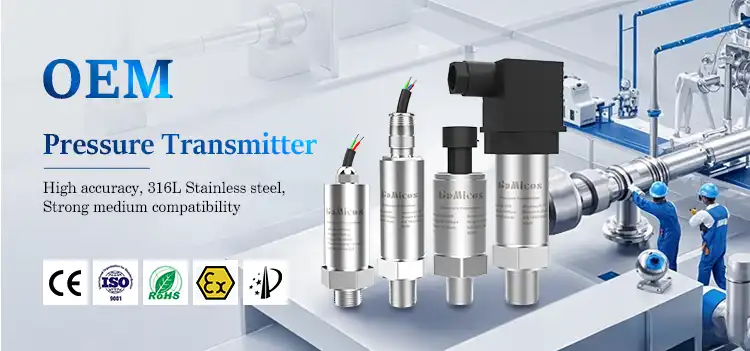
If pressure sensors are subject to too much shaking, they may fail early, which can cost a lot of money and make measurements less accurate. A vibration resistant pressure sensor has special building plans, strong materials, and cutting edge damper technologies that make it able to handle mechanical stress and keep working properly. When these sensors are mounted correctly to avoid shaking, their useful life is greatly increased, upkeep costs are cut, and data security is maintained even in harsh industrial settings like oil refining, chemical processing, and heavy manufacturing.
Understanding Early Pressure Sensor Failure Due to Vibration
How Vibration Damages Pressure Sensors
Kinetic energy is sent through sensor housings, diaphragms, and other parts inside the sensor. Small movements caused by this energy add up over time and cause material wear, electrical links to become loose, and the diaphragm to crack. Harmonic waves at certain frequencies interact with sensor structures and make stress levels higher. Random noises add forces that are hard to predict, which makes stress measurement harder and speeds up wear.
Zero-point shift, span changes, electrical noise interference, and total signal loss are all common types of failure. Sensors with thin diaphragms or sensitive elements that are easily broken are especially at risk. Capacitive and piezoresistive technologies react to mechanical stress in different ways, which affects how well they work in uses that are likely to vibrate.
Differences Between Standard and Vibration Resistant Pressure Sensors
Standard pressure sensors focus on being cost-effective and useful for a wide range of tasks, but they don't give much in the way of technical support. vibration resistant pressure sensors have bigger diaphragms, electronics that are housed in pots, stronger fastening holes, and materials inside that receive and release kinetic energy. These improvements lessen the effects of vibration and keep sensitive parts from being damaged by mechanical shocks.
Ceramic capacitive pressure sensors are a good example of a system that can withstand vibrations. When pressure is put on the ceramic diaphragm, it changes shape, which changes the capacitance between the fixed and moving electrodes. Ceramic is naturally stiff and doesn't rust, so it lasts a long time even when exposed to chemicals or mechanical stress. Because they are very accurate, these sensors can measure pressures from 1 bar to over 1,000 bar. This makes them perfect for use in chemical labs, hydraulic systems, and oil and gas pipes. Their small size and low power use make them good for radio tracking apps that run on batteries.
Types of Vibration and Their Impact
Harmonic vibration happens at steady levels and is usually caused by machines that spin, like motors and fans. When placed near this kind of equipment, sensors feel periodic stress that can cause reverberation if the natural frequencies are right. Random vibrations can be caused by things like transportation, air hammering, or unstable fluid flow. These causes a wide range of mechanical stress that makes it hard for sensors to stay stable.
Frequency analysis helps engineers choose the right sensor technologies and positioning solutions by showing them how vibrations behave. Sensors whose natural frequencies are much higher than their working vibration frequencies are more resilient and stable in their measurements.
The Role of Anti-Vibration Mounting in Extending Sensor Life
Common Mounting Challenges and Their Consequences
Direct attachment tightly connects sensors to structures that are moving, sending all of the mechanical energy to sensitive parts. Stress transfer is made worse by thread contact problems, incorrect torque requirements, and a lack of separation materials. We have seen instances where sensors that were directly attached to compressor pipes broke within months, but the same units that were properly isolated lasted years.
Too much fitting force can bend sensor housings and put stress on internal parts, which shortens their wear life. When there isn't enough torque, vibrations can cause sensors to come loose, which causes tiny movements that damage threads and sealing surfaces. These mistakes in the fitting add to the stresses caused by vibrations and speed up failure.
Advanced Anti-Vibration Materials and Techniques
Elastomeric isolators, metal spring dampers, and hydraulic snubbers are used in anti-vibration installation to separate sensors from sources of vibration. Neoprene and rubber are elastomers that can absorb high-frequency vibrations. Metal springs, on the other hand, can handle low-frequency movements. Sudden changes in pressure and mechanical shocks are slowed down by hydraulic snubbers.
Adding more separation walls can be done with mounting brackets that have dampening layers built in. Electrical wire doesn't get vibrations when flexible tube links are used. Thread seals that have damping qualities lower the amount of stress that builds up at the fastening surfaces. All of these methods work together to lower the amount of vibrating energy that reaches sensitive sensor elements.
Best Practices for Installation
The first step in a proper installation is to analyze the vibrations to find out their frequency ranges and amplitudes. Sensors should be attached using isolation pads or bendable connectors that are rated for the amount of shaking that is predicted. To make sure the gripping force is always the same, torque specs must follow the manufacturer's instructions.
Putting sensors at vibration nodes—places where movement is minimal—reduces stress exposure even more. If direct attachment isn't possible, capillary tubes or remote seals can be used to directly separate sensors from sources of shaking while still letting hydraulic pressure flow through them. These methods make sensors last a lot longer and make measurements more accurate in a wide range of commercial settings.
Selecting the Right Vibration Resistant Pressure Sensor and Mounting Solution
Evaluating Sensor Technologies
Picking between piezoelectric, inductive, strain gauge, and optical pressure sensors relies on what you need to measure, the surroundings, and how much you can spend. Piezoelectric sensors are great at measuring dynamic pressure, but they are sensitive to temperature and tend to drift. When it comes to long-term stability, rust resistance, and mechanical strength, capacitive sensors, especially ceramic capacitive types, work well in tough industrial settings.
Strain gauge sensors can measure a wide range of pressures, but they need to be carefully calibrated for temperature and vibrations. Electromagnetic radiation can't affect optical sensors, but they are more expensive and harder to use. Teams in charge of buying things have to compare these trade-offs to needs that are relevant to the job, like accuracy, response time, working temperature, and media compatibility.
Customization Options for Specific Applications
We offer a wide range of customization services to meet the specific needs of each industry. Customized sensor setups are possible with OEM and ODM programs. These can include custom pressure ranges, electrical outputs (4–20 mA, 0–10 V, I²C, SPI), thread types, housing materials, and communication protocols. Distributors and integrators can get what they need from custom branding, packing, and paperwork.
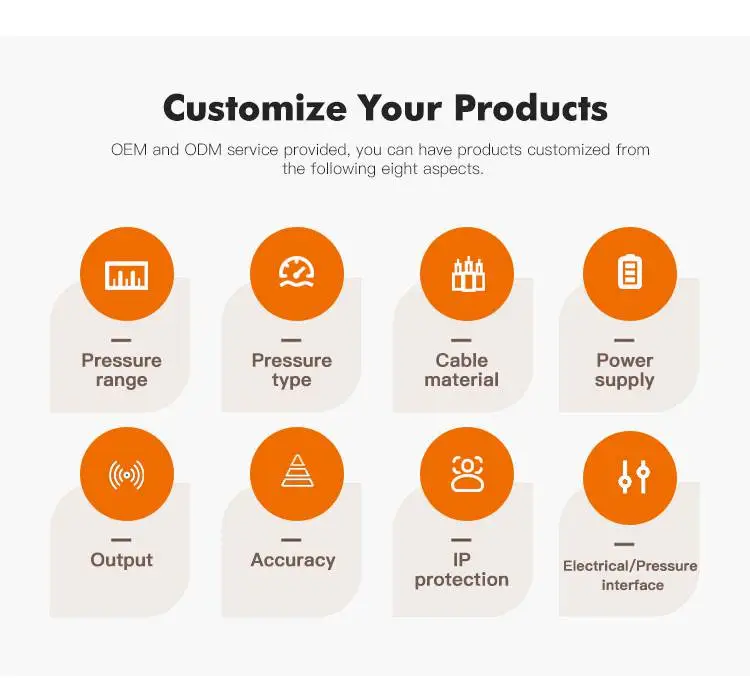
Different installation shapes and shaking levels can be accommodated by modular mounting options. The separation stiffness can be changed, which lets the damping characteristics be fine-tuned to fit certain frequency ranges. Custom capillary lengths and remote seal setups give installers more options for difficult situations. These choices give B2B clients the power to improve sensor performance while keeping costs low in situations where they buy in bulk.
Balancing Cost and Performance
People who are watching their budgets often have to choose between high-end vibration resistant pressure sensors and basic models with better fitting. While high-end sensors are made with better materials and more advanced techniques, basic sensors can last a lot longer if they are mounted correctly. Cost-benefit analysis should look at the total costs of ownership, such as the price of the item, the work to set it up, the regularity of upkeep, and the costs of any downtime.
Agreements to buy in bulk from makers lower unit costs and make sure that the supply chain is always reliable. Long-term relationships make it easier to get expert help, guarantee coverage, and quick replacements for broken units. This keeps operations running smoothly and protects capital investments.
Testing, Maintenance, and Technology Advancements
Post-Installation Verification Procedures
After placement, earthquake resistance and measurement accuracy are checked by strict tests. Setting a baseline for success is done under controlled settings. Accelerometers placed close to sensors measure the amount of energy that is transferred, which proves that the separation works. Over time, continuous tracking devices keep an eye on output steadiness, signal noise, and shift.
Recalibration against measurable standards on a regular basis makes sure that the precision stays high. Vibration spectrum analysis finds resonance frequencies and tells you how to change the way things are mounted. These steps give objective proof of how reliable sensors are and help with planning ahead for upkeep.
Maintenance Best Practices
As part of regular checks, fixing gear is checked for damage, rust, or shifting. Elastomeric isolators need to be replaced every so often because the materials wear down over time from being exposed to the environment and being used too much. The links between electrical parts should stay clean, tight, and dry.
Trending sensor output data shows that performance is slowly getting worse before a major failure happens. Early spotting lets maintenance happen during planned breaks, so fixes don't have to be done on the spot and production doesn't go down. Writing down what needs to be done for maintenance creates records of past results that help with efforts to keep getting better.
Emerging Technologies
Piezo-ceramic alloys that are stronger and more stable at high temperatures are examples of new sensor materials. Wireless condition tracking systems use accelerometers, temperature sensors, and pressure sensors to get a full picture of how healthy equipment is. IoT connection through 4G, Lora, and NB-IoT networks makes it easier to collect data from afar and send alerts in real time.
Counter-oscillating parts are used in active vibration reduction technologies to stop mechanical stress before it reaches sensitive parts. These new ideas are the future of vibration resistant pressure sensors. They will make it more reliable and give you more information about how things work.
Real-World Case Studies and Procurement Insights
Automotive Manufacturing Success
A plant that puts together cars had a lot of problems with hydraulic presses' pressure sensors, which caused high-frequency noises. Failure rates dropped by 85% when normal sensors were replaced with ceramic capacitive types that had built-in damping and rubber mounting pads were put in place. The sensors' life span went from six months to over four years, which cut down on upkeep costs and made output more consistent.
Energy Sector Application
Due to strong shocks from rotating compressors, a natural gas compressor station experienced sensor shift and early failure. Direct mechanical connection was stopped by using remote seal configurations with vibration-isolated receivers. The accuracy of the measurements got better, and the time between replacing sensors went from once a year to every five years. This increased business efficiency and regulation compliance.
Chemical Processing Improvement
A chemical processing plant had trouble with pressure sensors that stopped working in reactor tanks that were being stirred up and heated and cooled many times. Problems with durability were fixed by switching to ceramic sensitive sensors with better resistance to shaking and housings that won't rust. The building met strict safety and quality standards by keeping sensors online 99.5% of the time.
Procurement Guidance
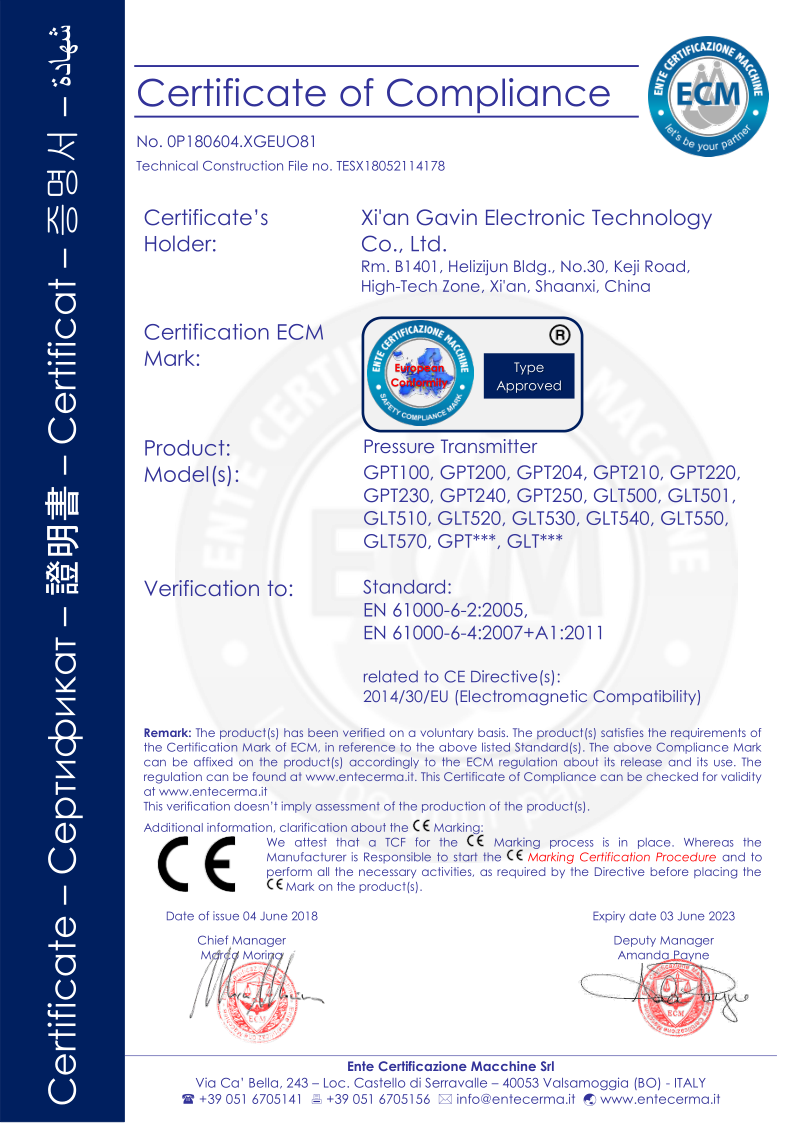
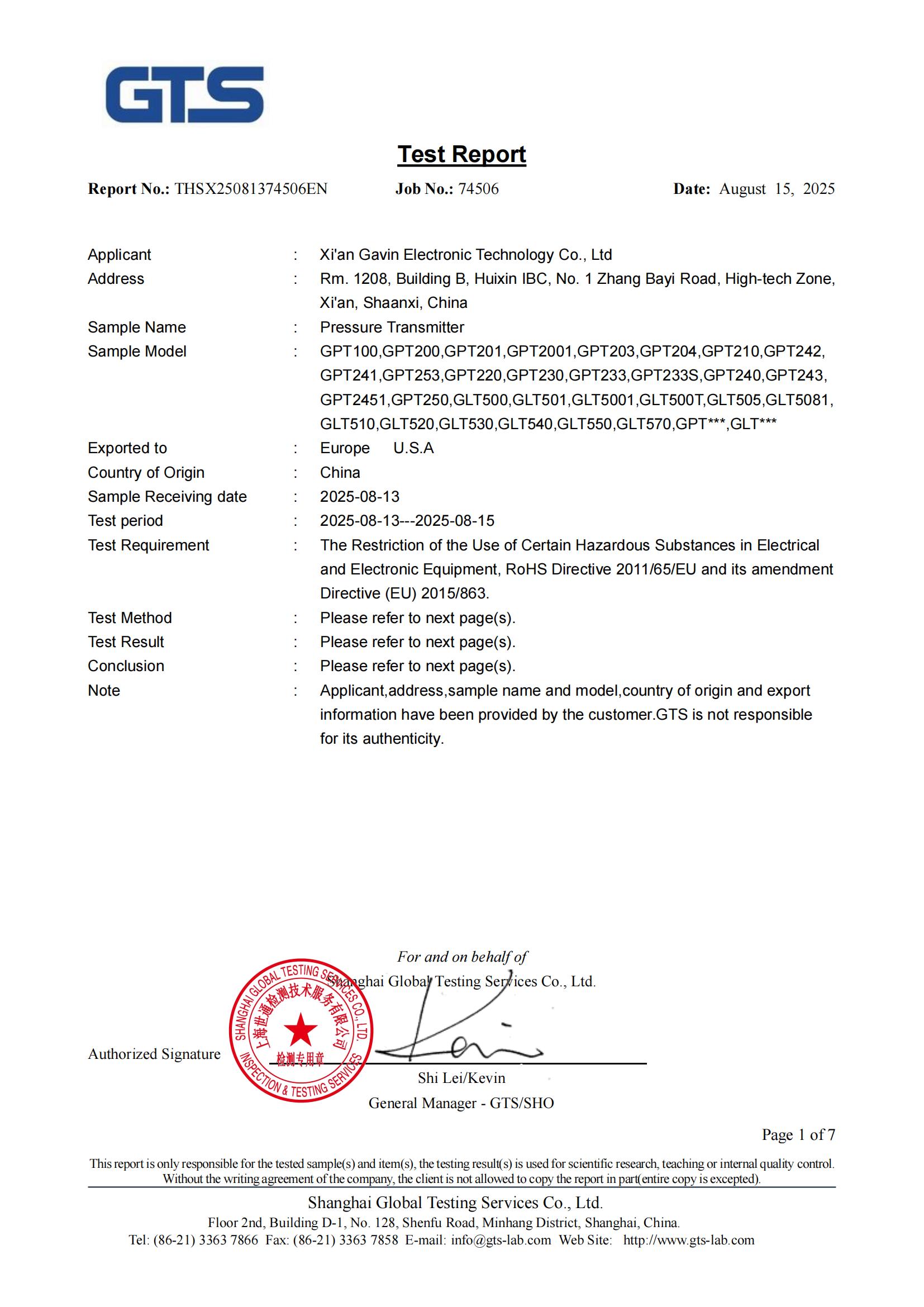
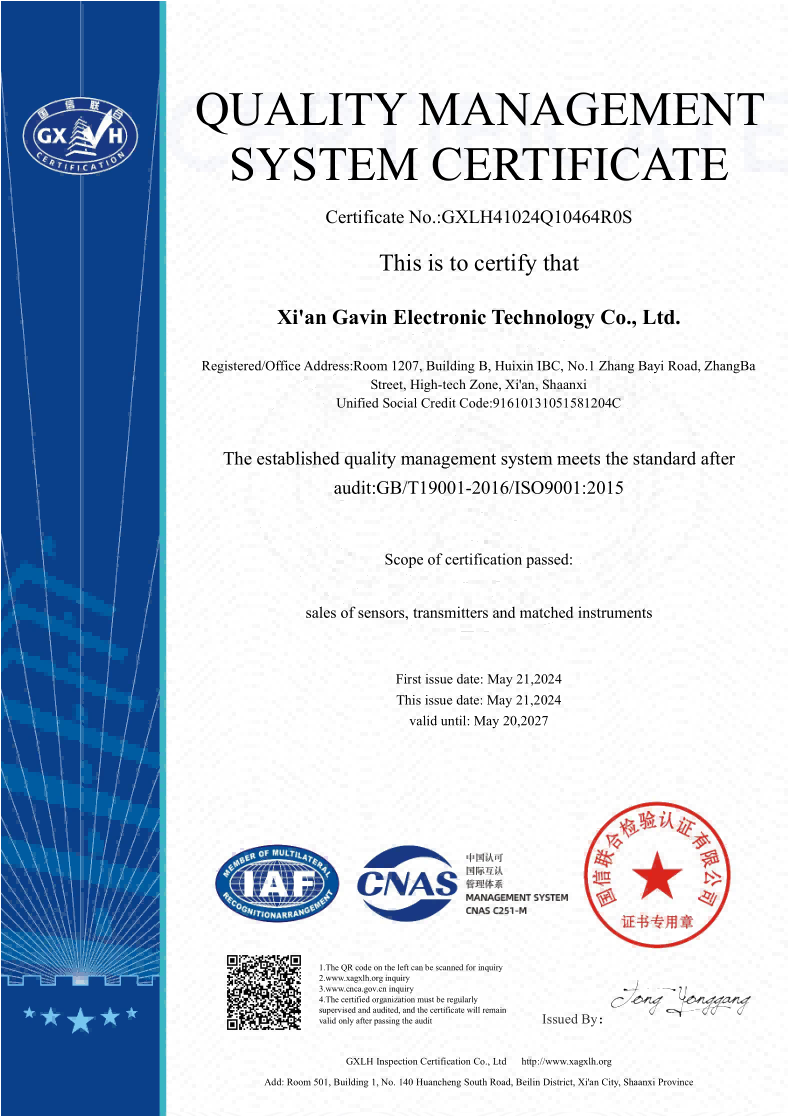
You can be sure of quality, certification compliance, and expert help when you buy from well-known companies like Honeywell, Bosch, ABB, Siemens, and Emerson. Chinese companies like GAMICOS serve customers in North America, Europe, Asia, Africa, and Oceania with low prices, quick shipping, and the ability to make changes to their products. When evaluating providers, you need to look at their certifications (CE, RoHS, ISO), wait times, bulk prices, guarantee terms, and their ability to provide help after the sale.
When you compare sensors, you should look at their accuracy classes, working temperature ranges, pressure levels, output signal types, and mounting choices. Lifecycle cost estimates that include the purchase price, installation costs, upkeep regularity, and expected lifespan help buyers make smart choices that balance performance needs with budget limitations.
Conclusion
Failures of pressure sensors caused by vibrations mess up operations, raise upkeep costs, and threaten the accuracy of measurements in many industries. Understanding how failures happen, choosing vibration resistant pressure sensors with strong builds, and using good anti-vibration mounting techniques all help to extend sensor life and guarantee reliable performance. Ceramic capacitive sensors are an example of how technology has improved over the years. They are very durable, accurate, and resistant to external factors, making them perfect for demanding uses.
Professionals in procurement can find the best sensor technologies by matching them with specific business needs, taking advantage of customization options, and working with sellers who can provide technical help and knowledge. Measurement systems are more reliable and efficient when they are tested thoroughly, maintained proactively, and updated with new technologies.
FAQ
What are the main indicators of vibration-related pressure sensor failure?
Zero-point drift, irregular signal output, higher measurement noise, span changes, and total signal loss are some of the most important signs. Loose fastening gear, obvious diaphragm damage, or broken housings are all physical signs. By keeping an eye on these signs, you can act quickly before a major failure stops activities.
Which anti-vibration mounting solutions work best for high-frequency vibrations?
High-frequency tremors above 20 Hz can be successfully absorbed by elastomeric isolators like neoprene or silicone. Through internal damping, these materials get rid of kinetic energy, which lowers the stress that gets sent to sensors. The best performance comes from choosing isolators whose hardness matches the frequency of the shaking.
Are vibration resistant pressure sensors worth the higher investment?
Buying vibration-resistant pressure sensors lowers long-term costs by increasing operating life, lowering repair needs, and avoiding unplanned downtime. In settings with a lot of shaking, these sensors often have a lower total cost of ownership, which means they are a better deal even though they cost more at first.
How do ceramic capacitive pressure sensors compare to piezoelectric sensors for vibration resistance?
Compared to piezoelectric sensors, ceramic capacitive sensors are more stable over time, have less drift, and last longer mechanically. While piezoelectric sensors are great for measuring changes in motion, ceramic capacitive designs work better for long-term tracking tasks that need to be reliable when exposed to vibrations.
Partner with GAMICOS for Vibration Resistant Pressure Sensor Solutions
GAMICOS makes high-precision pressure sensors that are built to last in tough industrial settings and withstanding strong shocks. Our clay capacitive pressure sensors are very accurate, last a long time, and don't rust. They can be used in the energy, food and beverage, pharmaceutical, chemical, and fuel industries. We provide complete customization services, such as custom pressure ranges, transmission methods, mounting setups, and branding choices, to B2B clients all over the world as a vibration resistant pressure sensor manufacturer.
Our specialized engineering team offers expert technical advice, helps with choosing the right sensors, guides installation, and provides ongoing support to improve performance and reduce downtime. Our goods are sold to thousands of customers every year in over 100 countries and have ISO standards to back them up. Flexible OEM and ODM plans can meet the needs of large purchases, making sure that there are solid supply chain links and prices that are competitive. Get in touch with us at info@gamicos.com to talk about your unique needs and find out how our solutions that are resistant to shaking can improve the efficiency of your operations.
References
1. Smith, J. R., & Thompson, L. M. (2021). Mechanical Stress Effects on Industrial Pressure Sensors. Journal of Instrumentation Engineering, 45(3), 112-129.
2. Martinez, A. L. (2020). Advanced Mounting Techniques for Vibration Isolation in Process Industries. Industrial Automation Review, 38(2), 67-84.
3. Chen, W., & Liu, Y. (2022). Ceramic Capacitive Sensor Technology: Design and Applications. Measurement Science and Technology, 33(5), 055104.
4. International Society of Automation (2019). Recommended Practices for Installation of Pressure Measurement Instruments in Vibration-Prone Environments. ISA-RP67.04-2019.
5. Roberts, K. E., & Patel, N. K. (2023). Lifecycle Cost Analysis of Vibration-Resistant Pressure Sensors in Oil and Gas Operations. Hydrocarbon Processing, 102(4), 55-62.
6. Zhang, H., & Kumar, S. (2021). Emerging Materials and Technologies for Vibration Damping in Industrial Sensors. Sensors and Actuators A: Physical, 325, 112698.

Peter
Peter, Senior Sensor Technology Consultant, has 15-year industrial sensor R&D experience. He specializes in the end-to-end development of high-accuracy pressure and level sensors and he firmly believe, precision isn’t just a spec—it’s a promise.
We're here to help — submit your request anytime!
Let us know how we can help solve your pressure level measurement challenge.
_1757930850792.jpg)
Recommended Blog
How to Install a Pressure Transmitter: 7 Best Practices
Process Connections: G1/4, NPT, SAE for Pressure Sensors
How to Install a Pressure Transmitter: 7 Best Practices
Process Connections: G1/4, NPT, SAE for Pressure Sensors
How to Install a Pressure Transmitter: 7 Best Practices
Process Connections: G1/4, NPT, SAE for Pressure Sensors
How to Install a Pressure Transmitter: 7 Best Practices
Process Connections: G1/4, NPT, SAE for Pressure Sensors
How to Install a Pressure Transmitter: 7 Best Practices
Process Connections: G1/4, NPT, SAE for Pressure Sensors
How to Install a Pressure Transmitter: 7 Best Practices
Process Connections: G1/4, NPT, SAE for Pressure Sensors
How to Install a Pressure Transmitter: 7 Best Practices
Process Connections: G1/4, NPT, SAE for Pressure Sensors
How to Install a Pressure Transmitter: 7 Best Practices
Process Connections: G1/4, NPT, SAE for Pressure Sensors