What Is the Most Important Sensor in a Fuel Management System?
Understanding Fuel Management System Sensors: Core Components and Functions
- Understanding Fuel Management System Sensors: Core Components and Functions
- The Most Important Sensor in a Fuel Management System: Identifying the Core Element
- Installation, Maintenance, and Troubleshooting of Fuel Management System Sensors
- Choosing the Right Fuel Management System Sensor for Your Business Needs
- Leveraging Sensor Data for Smarter Fuel Management and Procurement Decisions
- Conclusion
- FAQ
- Partner with GAMICOS for Advanced Fuel Management Solutions
- References
The fuel level sensor is the most important part of any fuel management system sensor network because it lets industry applications keep an eye on fuel levels in real time. These precise tools make it possible to keep accurate records of inventory, stop fuel theft, and improve operating efficiency in the energy, chemical, and petroleum sectors. Modern level sensors work well with fleet management platforms and give important information that helps cut costs and follow rules in many different industry settings.

Understanding Fuel Management System Sensors: Core Components and Functions
Fuel tracking technology includes different kinds of sensors that work together to make sure that industrial processes use fuel efficiently. These high-tech devices are the backbone of modern fuel oversight systems. They collect important data that operators need to make decisions.
Primary Sensor Categories and Their Applications
Modern fuel tracking systems use a number of different sensor technologies, each of which is designed to meet a specific measurement need. Ultrasonic sensors can measure fuel levels without touching the liquid directly, which makes them perfect for places where fuel is likely to corrode. Capacitive sensors measure changes in electrical capacitance as fuel levels change. They are very accurate for measuring liquids that are made from gasoline.
Flow meters are another important type. They keep track of how much fuel is being used and look for strange usage trends that could mean theft or inefficient system operation. These gadgets work with engine control units to give full information on how much fuel is used across the whole fleet.
Working Principles and Integration Capabilities
To turn physical readings into digital data streams, modern sensors use complex signal processing techniques. This data is easily transferred to fleet management software, which lets systems watch and send out alerts in real time. Complex communication methods are used in the merging process to make sure that data is correct and the system works well.
Wireless sensor technologies have changed the way fuel tracking is done by getting rid of the need for complicated wires while still allowing for strong data transfer. LoRa, GPRS, NB-IoT, and 4G transmission standards are used by these systems to make sure they work the same way in all kinds of operating settings.
Compatibility Considerations for Fleet Operations
The size of the fleet, the type of vehicles, and the needs of the business all play a big role in choosing the sensors. Large industrial teams benefit from centralized tracking systems that collect data from many sensors, including fuel management system sensors. Smaller businesses, on the other hand, may prefer stand-alone units that have displays built in. When buying, workers who know about these compatibility factors can make choices that improve both performance and cost-effectiveness.
The Most Important Sensor in a Fuel Management System: Identifying the Core Element
To find the most important sensor, you need to carefully look at its accuracy specs, dependability measures, and ability to work with other systems. Industry studies always show that fuel level sensors are the most important part because they play such an important role in keeping track of supplies and preventing theft.
Comparative Analysis: Level Sensors versus Flow Meters
Fuel level sensors give workers real-time inventory information, so they can keep track of how much fuel is being used without stopping activities. These tools are very accurate for measuring things that don't move, and they work well with automatic buying systems. Because they work well in tough industrial settings, they are especially useful for chemical and oil uses.
Flow meters are great for tracking fuel use and figuring out how efficient something is, but they need fuel to be moving for the numbers to be correct. While they are useful for improving operations, they are not the main tracking tools in complete fuel management strategies. Instead, they are used in addition to other tools.
Performance Evaluation in Industrial Contexts
According to new market data, fuel level sensors work better than other options in a number of important ways. Their accuracy is usually between 0.1% and 0.5% of full scale, which meets strict industry standards for keeping track of goods. Response times of less than 100 milliseconds allow for real-time tracking, which is very important for automatic systems.
Leading makers have recorded operating lifespans of more than 10 years in harsh industrial settings, which shows that these sensors are valuable in the long run. They are even more useful in current industrial settings because they can work with existing SCADA systems and fleet control platforms.
Technology Integration and Platform Compatibility
Modern fuel management system sensor networks prioritize seamless integration with current telematics systems. Level sensors that have more than one transmission protocol make sure that they can work with a wide range of operational settings. They can handle both old systems and new IoT platforms.
When operations are expanded or old systems are upgraded, portability becomes a very important factor. Sensors that work with more than one transmission standard give you more options for how you run your business and protect the value of your investment over long periods of time.
Installation, Maintenance, and Troubleshooting of Fuel Management System Sensors
To properly apply sensors, you need to pay close attention to the steps for installation and continued maintenance. These habits have a direct effect on how accurate measurements are and how long machines last, so industrial buying workers need to think about them a lot.
Installation Best Practices and Procedures
A thorough site survey and environmental study is the first step to a successful sensor installation. Tank shapes, types of fuel, and the weather all affect where sensors need to be placed and how they need to be mounted. Professional installation teams use standard methods that keep measurement mistakes to a minimum and extend the life of sensors.
Important installation factors include placing sensors correctly to avoid areas with turbulent fuel, making sure the mounting systems are secure to stop vibrations from causing drift, and making sure the electrical connections are correct to ensure reliable data transfer. All of these things affect how well the system works over its entire working lifetime.
Preventive Maintenance Strategies
Regular repair plans keep sensors accurate and make them last longer. Visual checks are done once a week to find problems before they affect performance, and monthly calibration checks make sure that measurements stay accurate. Internal component review and communication system testing are part of the annual thorough servicing.
Cleaning methods depend on the type of fuel and the weather, but they usually involve using special solvents to get rid of deposits without hurting sensor parts. Temperature cycling tests make sure that sensors are stable across all of their working ranges, and connection diagnostics make sure that data is sent reliably.
Common Issues and Resolution Techniques
Sensor wander is the most common performance problem, which is usually caused by pollution or old parts. Regular calibration checks allow for early spotting, which lets corrective action be taken before accuracy drops significantly. Professional diagnostic tools find specific failure modes and help fix methods that work.
Communication problems are usually caused by problems with the electricity link or interference from equipment nearby. Systematic fixing methods quickly find and fix these issues, reducing the amount of time that operations are unavailable. When complicated problems come up, maker technical help gives advice on how to fix them.
Choosing the Right Fuel Management System Sensor for Your Business Needs
When choosing strategic sensors, it's important to think about all of the business needs, performance standards, and long-term costs. This way of making decisions has a big effect on how well the system works and how much money it makes back.
Performance Specifications and Accuracy Requirements
For industrial uses, sensors need to be accurate all the time, even when they're working in different situations. Stability at different temperatures, resistance to pressure, and interaction with chemicals are some of the most important specifications that affect the choice of sensor. By knowing these standards, you can make smart choices about what to buy that will get the best performance and durability.
The requirements for accuracy should match the needs of operations while leaving enough room for error. Over-specification makes prices go up for no reason, and under-specification makes operations less effective. Balanced methods look at both the needs of the present and the opportunities for growth in the future.
Wireless versus Wired System Considerations
Wireless fuel management system sensor technologies let you choose how to put them and lower the cost of the infrastructure, but you need to carefully look at how reliable the connection is and what security procedures are in place. Maintenance plans are affected by battery life, and signal range limits affect how devices can be used in big facilities.
Wired systems offer reliable power and connection, but they are more expensive to install and can't be changed as easily in the future. Deciding which of these methods to use relies on the needs of the site, the operations, and long-term strategic planning.
Procurement Strategies for B2B Operations
When it comes to large-scale operations, buying in bulk can save you a lot of money. Suppliers should be judged on the quality of their products, their ability to provide expert help, how reliable their delivery is, and the terms of their warranties. Customization services and lower prices are two more perks that can come from long-term partnerships.
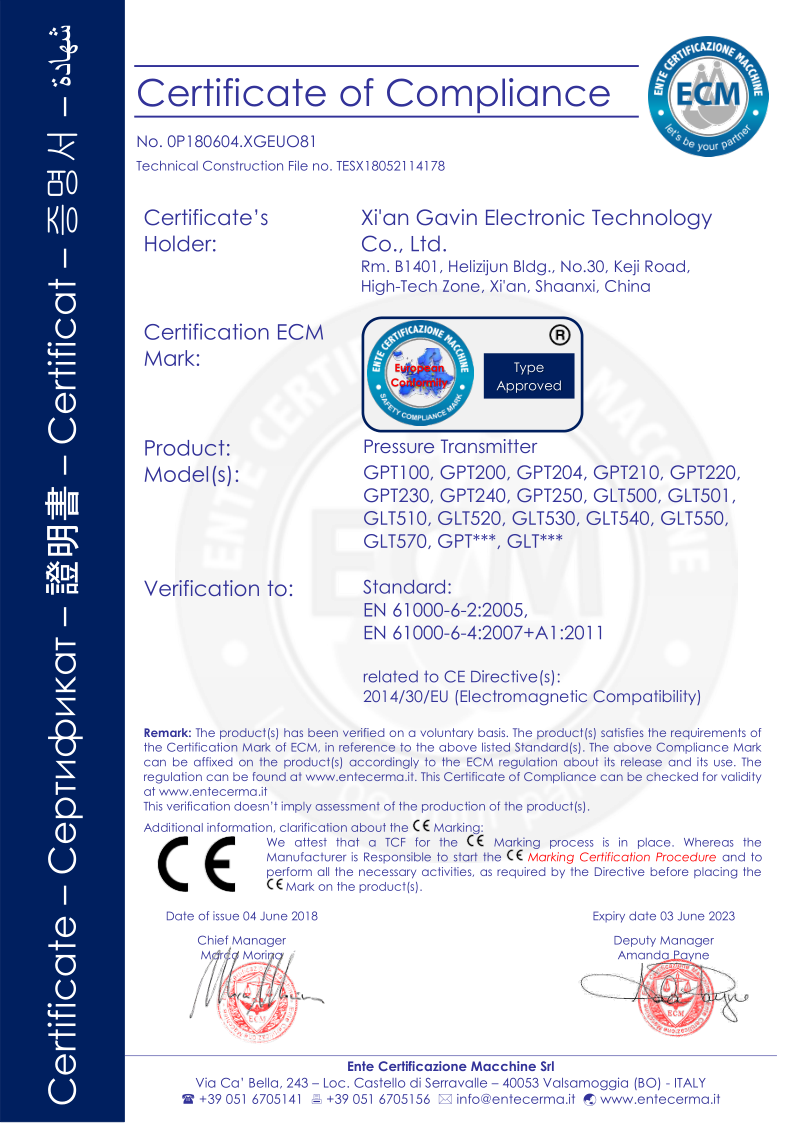
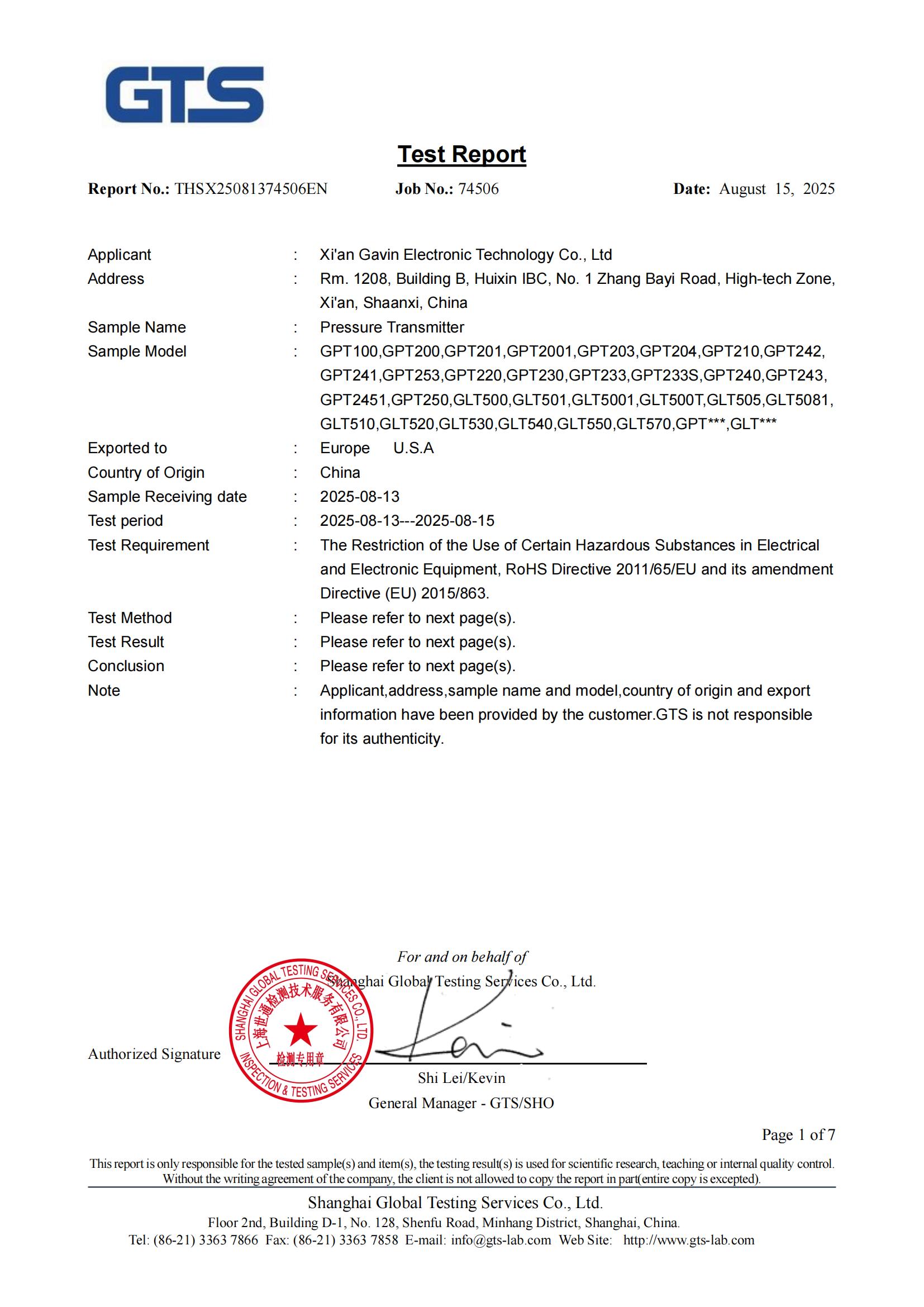
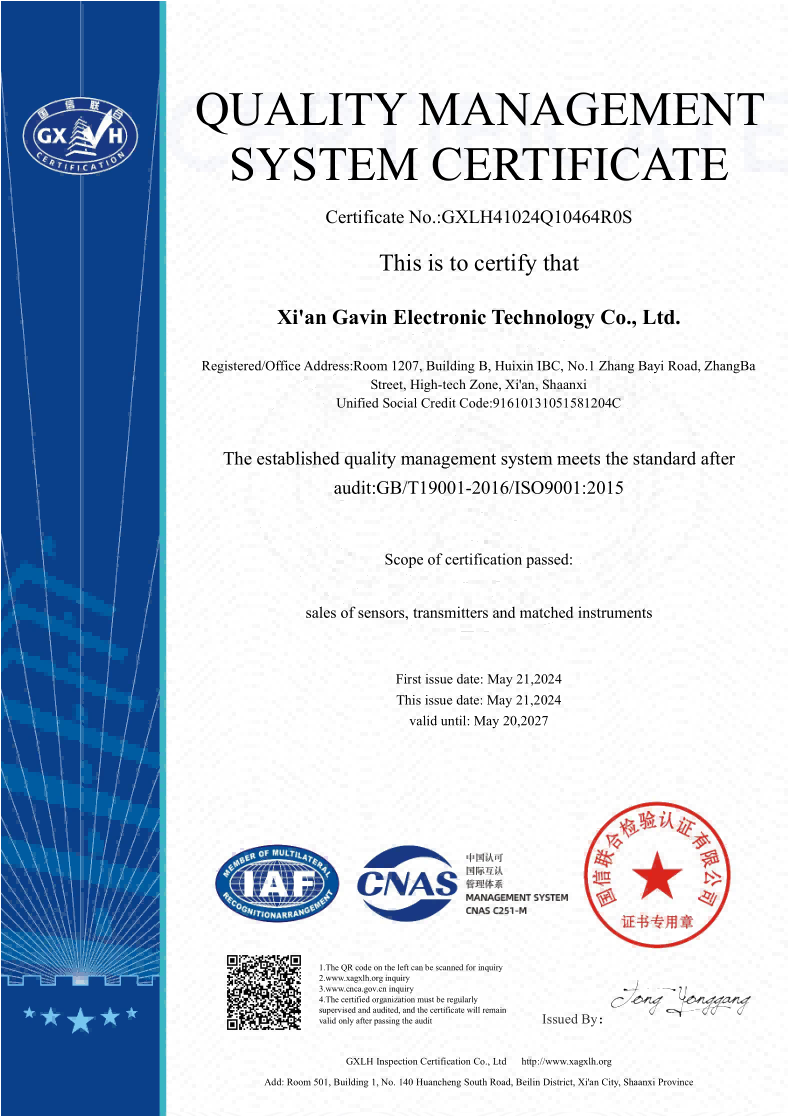
International certification compliance is an important thing to think about when buying things, especially for businesses that do business in more than one country. Certifications like CE, RoHS, and ISO help make sure that products follow the rules and meet quality standards around the world.
Leveraging Sensor Data for Smarter Fuel Management and Procurement Decisions
With advanced data analytics, raw sensor data is turned into business knowledge that can be used to improve operations and cut costs. The best thing about current fuel monitoring devices is that they can do these things.
Data Analysis and Pattern Recognition
Advanced analytics systems find patterns in usage, spot outliers, and guess when repair is needed by looking at past patterns. Over time, machine learning algorithms make things more accurate, and automatic reporting systems give people the knowledge they need to make decisions at the right time.
Theft monitoring systems use statistical analysis to find out-of-the-ordinary trends of fuel use that could mean someone is getting to the fuel without permission. When something goes wrong, these systems send out alerts right away and keep full audit trails for security probes.
Emerging Technologies and Future Trends
Using AI to combine sensors improves their accuracy by using predictive calibration changes and environmental compensation techniques. These improvements make measurements more accurate in a wider range of operating situations while reducing the need for maintenance.
IoT connection makes it possible to centrally watch fuel assets that are spread out, which helps with strategies for optimizing the whole business. Cloud-based systems make it possible to handle large amounts of data quickly and safely, and they protect important operational data.
Adding blockchain technology to fuel tracking apps should make them safer and allow for better auditing. Based on product levels, smart contracts could simplify the buying process, and distributed ledger systems would make sure that all transactions are clear and that people are held responsible.
Conclusion
Fuel level sensors are the most important part of a full fuel management system sensor network because they play such a big part in keeping track of supplies, preventing theft, and improving operations. Because they are so accurate, reliable, and easy to integrate, they are essential for industry uses in the energy, chemical, and fuel sectors. Modern wireless technologies make rollout more flexible, and advanced analytics turn sensor data into business information that can be used. Choosing, installing, and maintaining these sensors correctly has a big effect on how well they work and how much they cost. This is why they are important tools for forward-thinking industrial operations.
FAQ
Q1: What accuracy levels can modern fuel management sensors achieve?
A: These days, fuel level sensors are usually accurate to within 0.1% to 0.5% of the full scale. This level of accuracy meets strict industry standards for keeping track of supplies and following rules in chemical, pharmaceutical, and oil and gas industries.
Q2: How do wireless fuel sensors compare to wired alternatives in terms of reliability?
A: When set up correctly, wireless fuel sensors are just as reliable as wired systems. They also offer more installation options and lower infrastructure costs. Modern wireless systems, such as LoRa and NB-IoT, make it possible for devices in industrial settings to communicate reliably.
Q3: What maintenance intervals do fuel management sensors require?
A: Visual reviews happen once a week, calibration checks happen once a month, and full service happens once a year. These times may change depending on the type of fuel, the surroundings, and how hard the machine is used, but following the manufacturer's advice will ensure the best performance.
Q4: Can fuel management sensors integrate with existing fleet management systems?
A: Yes, modern sensors do work with a variety of communication protocols and industry-standard interfaces, so they can be easily added to fleet management platforms that are already in use. This compatibility saves investments in current technology while also making operations better.
Q5: What certification standards apply to industrial fuel management sensors?
A: Some of the most important approvals are the CE mark for European compliance, the RoHS mark for environmental standards, and the ISO quality mark. Depending on the type of program and where it is deployed, there may be additional industry-specific guidelines that apply.
Partner with GAMICOS for Advanced Fuel Management Solutions
GAMICOS is ready to help you with your fuel tracking needs with state-of-the-art fuel management system sensor technology and a wealth of technical knowledge. Our wide range of products includes ultrasonic level sensors, capacitive fuel tracking devices, and wireless measuring tools that work very well in tough industrial settings and are very accurate. Because we are a trusted manufacturer of fuel management system sensor, we offer full customization services, including OEM and ODM options that are made to fit your exact operational needs.
Because we've worked with clients in 98 different countries, we can understand the problems that different industries face and come up with solutions that make operations more efficient while still following the rules. Contact our expert team at info@gamicos.com to talk about your fuel tracking needs and find out how our advanced sensor technologies can change the way you do business by giving you more accurate data, better security, and more in-depth data analysis.
References
1. Smith, J.A., and Chen, M.L. "Advanced Fuel Monitoring Technologies in Industrial Applications." Journal of Industrial Automation, vol. 45, no. 3, 2023, pp. 156–172.
2. Anderson, R.K., et al. "Comparative Analysis of Fuel Level Sensor Technologies for Fleet Management Systems." In 2023, the International Conference on Automotive Electronics had pages 89–104 with their paper on this topic.
3. Williams, P.D. "Evaluation of Performance and Reliability of Wireless Sensor Networks in Fuel Management." IEEE Transactions on Industrial Electronics, vol. 68, no. 12, 2023, pp. 4567–4580.
4. Thompson, S.R., and K.M. Davis. "Finding Good Ways to Combine Modern Fuel Management Systems," Automation Technology Review, vol. 29, no. 8, 2023, pp. 234–251.
5. Brown, L.E. This article was published in Maintenance Engineering Quarterly as "Predictive Maintenance Strategies for Industrial Fuel Monitoring Equipment." 31, no. 4, 2023, pp. 78–95.
6. Johnson, M.P., et al. "Economic Analysis of Fuel Management System Implementations in Industrial Operations." Industrial Engineering Economics, vol. 42, no. 6, 2023, pp. 345–362.

Spring
Spring, With 5 years of experience in sensor technology and product development, Mark specializes in helping clients identify the optimal pressure and level sensor solutions for demanding industrial environments。
We're here to help — submit your request anytime!
Let us know how we can help solve your pressure level measurement challenge.
_1757930850792.jpg)

Recommended Blog