Rent vs Buy: Pressure Sensor Decision Guide
Understanding Pressure Sensors and Their Applications
- Understanding Pressure Sensors and Their Applications
- Rent vs Buy Pressure Sensors — Core Decision Factors
- Comparing Pressure Sensor Types for Purchase or Rental
- Evaluating Suppliers and Procurement Options
- Making the Final Decision: Rent or Buy?
- Conclusion
- FAQ
- Partner with GAMICOS for Your Pressure Measurement Needs
- References
It's not just your budget that you have to think about when you have to decide whether to rent or buy pressure sensors for your business activity. A pressure sensor is an electronic device that finds and records the force acting on an area and turns that physical property into electrical messages. It is an important part of many industrial processes.
Understanding the rent-versus-buy math can help you make sure that your buying strategy matches the realities of your business, whether you're in charge of an automation upgrade, starting a new oil plant project, or sending OEM modules to other countries. The right choice lowers your total cost of ownership, meets your technology needs, and makes your supply chain more resilient in B2B markets that are very competitive.
Understanding Pressure Sensors and Their Applications
The sense nerve system of modern industrial robotics is made up of pressure measurement devices. These tools turn mechanical force into electrical data that can be read, which lets people in many fields watch and handle things in real time.
Core Technologies Behind Pressure Measurement
There are three main sensor methods used in industrial pressure measurement today. Piezoresistive sensors use strain gauges on diaphragms that change shape when they are under pressure, which changes the electrical resistance in a corresponding way.Devices that use piezoelectricity make voltage straight from mechanical stress, which makes them perfect for measuring changes in motion.
Capacitive sensors check how the capacitance changes when pressure is applied to a flexible cushion and a set electrode. Each technology has its own benefits. For example, piezoresistive designs are very straight and inexpensive, piezoelectric units work great in high-frequency situations, and capacitive designs are more stable at very high and very low temperatures.
Industrial Applications Across Key Sectors
Making measurements of pressure is used in all parts of industry. In oil plants, sensors check the security of pipelines and tank levels to stop catastrophic breakdowns. Chemical makers need accurate pressure control to keep reaction conditions stable and keep workers safe. Pharmaceutical companies need sensors that are clean and have smooth surfaces so that they don't get contaminated during safe production.
Sanitary receivers are used in food and drink businesses to keep track of the forces in the processing and filling lines. Power plants keep an eye on the states of the turbines, the boilers, and the hydraulic systems. Differential pressure data are used to control air in HVAC systems, and they are also used to measure hydraulic press forces and tire filling levels on assembly lines for cars.
Critical Performance Specifications
Professionals in procurement have to look at sensors based on a number of important criteria. Specifications for accuracy usually fall between ±0.1% and ±0.5% of full scale, with tighter limits costing more. In changing processes, response time is important—some uses need micro reaction times. The operating temperature range tells you what kind of climate it can work in.
Industrial-grade units can work from -40°C to +125°C. The pressure range covers readings from zero, which is below air pressure, to very high pressures, which are higher than 10,000 PSI. Chemical resistance is ensured by media compatibility, and the type of output signal (voltage, current loops, or digital protocols) must match your control design.
Rent vs Buy Pressure Sensors — Core Decision Factors
During the whole lifetime of your project, the purchase mode you choose will affect its cost and operating freedom.
When Renting Makes Strategic Sense
There are strong reasons to rent pressure testing tools in some situations. Rental agreements often make short-term projects (less than six months) cheaper because they don't have to worry about devaluation. Rental options are helpful during the prototyping and development stages because they let engineering teams try out different types of sensors before deciding which ones to buy.
Applications that use a lot of technology and have measurement needs that change quickly tend to prefer rental models that let users switch out tools as their needs change. Seasonal or temporary activities, like watching a building site or doing event-based testing, keep capital from sitting useless during the off-seasons.
Purchase Advantages for Long-Term Operations
When used for longer than the key break-even points, which are usually 12 to 18 months based on the cost of the tools, buying pressure sensors outright is more cost-effective. When you buy in bulk for production lines or setups that run through your whole building, you can get savings that you can't get when you rent.
When sensors become system-specific assets, ownership is justified by integration needs that are unique to the system, such as specific communication methods, changed mounting setups, or private calibration profiles. Quality assurance programs that need accurate records of past calibrations and reliable performance tend to favor bought equipment that can be directly configured.
Financial Implications and Hidden Costs
When looking at a budget, it's important to look at the total lifetime economics, not just the prices. Rental deals cover repairs, tuning, and replacements as part of regular monthly payments. This makes cash flow easier, but costs add up over time. Purchase choices require upfront capital, which can reduce the amount of operating capital that is available and may mean that borrowing needs to be arranged.
In places where capital equipment write-downs are allowed, ownership gives you tax breaks, but your team will be responsible for upkeep and tuning costs. Buying inventory comes with management costs like insurance, storage, and keeping track of assets, which rental companies pay for.
Comparing Pressure Sensor Types for Purchase or Rental
Depending on the needs of the product and the operating setting, different detecting technologies work best with different buying methods.
Piezoresistive Sensors for General Industrial Use
Modern piezoresistive technology can be seen in the GAMICOS GPT200 general pressure sensor. A distributed silicon pressure sensor is the sensitive part of this device. It has processing circuits built in that turns millivolt data into standard voltage and current outputs so that computers, control instruments, and display systems can connect directly to it. To make sure it will work for a long time, each GPT200 goes through a series of tests that include design validation, object screening, process verification, cycle pressure tests, and weather modeling.
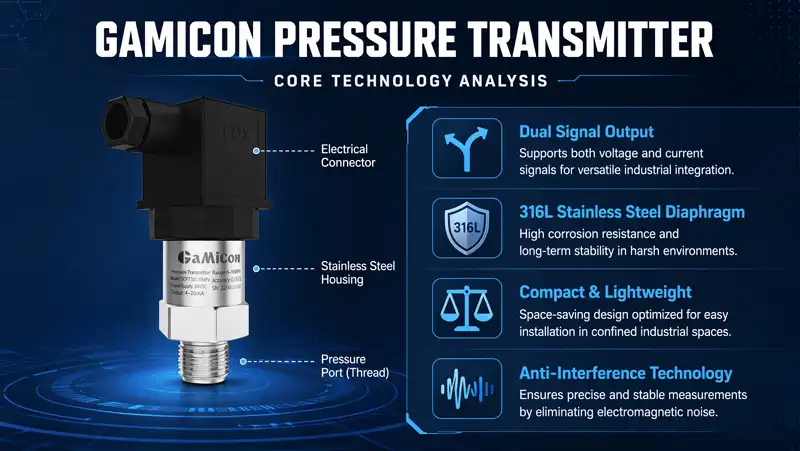
Here are some of the main benefits this gadget brings to business:
- 316L stainless steel isolation diaphragm construction provides exceptional chemical resistance and durability in harsh settings like chemical processes and offshore oil uses
- Micro amplifier with dual signal outputs can send signals in both voltage and current modes, so it can be used in a variety of control system designs without the need for extra signal filtering
- Superior anti-interference characteristics with better anti-interference features, high stability, and low drift specs maintain measurement integrity in electrically noisy industrial environments with variable frequency drives and high-power equipment
- Multiple electrical interface options enable seamless integration across international standards and regional tastes, which is very important for global OEM partners that serve a wide range of markets
- Compact, lightweight profile makes fitting easier in tight spaces and allows for a lot of OEM customization for named product lines
- Full pressure range coverage covers absolute, gauge, and sealed gauge measures within a single product family, reducing inventory complexity for distributors
These capabilities directly address the precision stability requirements and customization needs that sourcing managers prioritize when evaluating pressure measurement solutions for mission-critical applications.
Specialized Sensor Technologies
When there are fast changes in pressure, like in hydraulic shock tracking and combustion analysis, piezoelectric sensors are the best way to measure dynamically. Capacitive clay sensors work great in high-temperature situations and keep their accuracy for a long time, making them perfect for reference-grade measures.
Absolute pressure types measure in relation to a perfect vacuum, which is important for processes that are sensitive to altitude and tracking protected systems. Gauge pressure types are used to measure the atmospheric conditions and are useful for checking the level of a tank or a process line when changes in the atmospheric pressure can affect the readings.
Calibration and Accuracy Considerations
Sensor precision decreases over time and in response to changes in the surroundings and mechanical stress. When sensors are bought, they need to be re-calibrated on a regular basis—usually once a year for important applications—which costs money in lab fees and downtime. Rental companies often include testing services and official paperwork in their contracts, which makes things easier for people who are in charge of administration.
For high-precision tasks like making medicines or testing aircraft parts, you need accuracy within ±0.1% and full traceability. This means that you should work with sources who can provide full metrological support and replacement units during calibration rounds.
Evaluating Suppliers and Procurement Options
The choice of supplier is just as important as the specs of the tools when it comes to the success of the purchase and the efficiency of operations.
Key Supplier Assessment Criteria
A brand's image is a good indicator of how consistently good the quality is, since well-known makers stick to strict production standards. Broad product lines show technical know-how; suppliers with complete solutions for measuring pressure, level, temperature, and flow show they know how to integrate systems. Customization options are very important for OEM partners who need to change specs, add their own labels, or make special packages.
Competitive prices should be balanced with services that add value, such as expert advice and application building support. The amount of inventory, speed of shipping, and foreign delivery networks are all logistical factors that have a direct effect on project timelines and the robustness of the supply chain.
Industry-Leading Manufacturers
Global stars in their fields, such as Bosch, Honeywell, Texas Instruments, and Siemens, control the high-end market with their huge product lines and service networks that reach people all over the world. These top sources do great work on big industrial, aircraft, and car projects where name recognition and well-established approval methods are important.
For mid-sized businesses, regional experts and focused producers often offer better price freedom and quick tailoring. GAMICOS has a strong foothold in 98 countries by mixing cutting-edge technology with customer-focused service models, supporting engineering companies and instrument dealers with tailored measurement solutions spanning pressure, level, and wireless IoT integration.
Procurement Terms and Partnership Models
Cost-per-unit economics are affected by minimum order amounts, and buying in bulk can open tiered savings. For international shipping operations to work, there must be clear Incoterms deals that spell out where duty ends and insurance coverage begins. Lead times range from 8 to 12 weeks for unique designs that need to be approved by engineers to stock available for standard configurations.
The quality of the technical paperwork, which includes measurement sketches, performance charts, certification copies, and installation instructions for the pressure sensor, decides how well the integration works and how well the regulations are followed. Support systems for after-sales services that include guarantee terms, expert helpline availability, access to extra parts, and field service skills ensure that operations stay up and running for a long time.
Making the Final Decision: Rent or Buy?
Instead of just comparing costs, your final purchase direction should come from a thorough analysis.
Decision Framework and Evaluation Metrics
The main difference is still the length of the project—rentals work best for shorter contracts (less than 12 months), while sales work best for longer ones. Unit economics is affected by volume needs, and purchases that are made for large-scale operations are justified. It's important to know how important a performance is: mission-critical measures that support safety systems or regulatory compliance often need owned assets with controlled repair records.
Different businesses have different ways of setting their budgets, and the way they approve capital expenditures may favor operating cost rental models that get around CAPEX limits. Technology lifespan issues become important in areas that change quickly, where the risk of tools becoming obsolete makes hiring freedom a good idea.
Hybrid Procurement Strategies
Progressive buying mixes loan times at the start to test the proof-of-concept, followed by purchases when the needs of the application become clear. This method lowers technical risk and keeps cash safe during times of doubt. With a lease-to-own agreement, rental payments are applied toward the purchase price, making it easy to go from operating costs to owning an asset. Mixed fleets have both owned core inventory and hire capacity backups that can handle changes in demand without having to carry extra owned assets.
Supplier Relationship Development
Long-term source ties provide more value than just one-time transactions. Preferred seller deals make sure that attention is given to suppliers during times of lack and that they get better prices when they commit to large orders. Working together with the engineering teams of manufacturers on a technical level lets you co-create solutions that are tailored to specific needs and get early access to new technologies.
When you have fewer ties with vendors, it's easier to qualify them, it costs less to run your business, and you have more bargaining power because you're buying more. Consistent buying helps quality assurance because when a seller knows your needs, they can better meet those needs and make fewer mistakes.
Conclusion
Choosing whether to rent or buy pressure sensor and other pressure measuring tools requires a full analysis that takes into account budgets, working needs, and long-term buying goals. For short-term projects and tests, rental models offer freedom and known costs.
For established uses, ownership offers long-term savings and control. When choosing between piezoresistive, piezoelectric, and capacitive technologies, you need to think about the surroundings, the need for accuracy, and the need for integration. In competitive industrial markets, the key to successful buying is building relationships with suppliers that go beyond just comparing prices and include expert help, the ability to make changes, and dependable transportation.
FAQ
How long does a typical pressure sensor last in industrial service?
Industrial-grade pressure sensors usually work well for 5 to 10 years if they are set up and kept correctly. Actual lifespan varies a lot on how it's used. Sensors that are constantly changing between high and low pressure, extreme temperatures, or toxic media may need to be replaced sooner, while sensors that are used in safe tracking applications can last longer than 10 years. By finding drift before it gets too bad, regular calibration testing increases the useful life of a device. The GPT200 is built to last in harsh industrial settings thanks to its thorough validation testing and environmental approval process.
Can I rent pressure sensors for testing before purchasing bulk quantities?
A lot of companies that sell industrial equipment have evaluation programs that let you put equipment in place temporarily while the application is being tested. GAMICOS helps with engineering review projects that need to confirm measurement needs in the field before committing to large production runs. Get in touch with our expert team to talk about testing plans that fit your project's schedule and confirm your requirements.
What certifications should I require from pressure sensor suppliers?
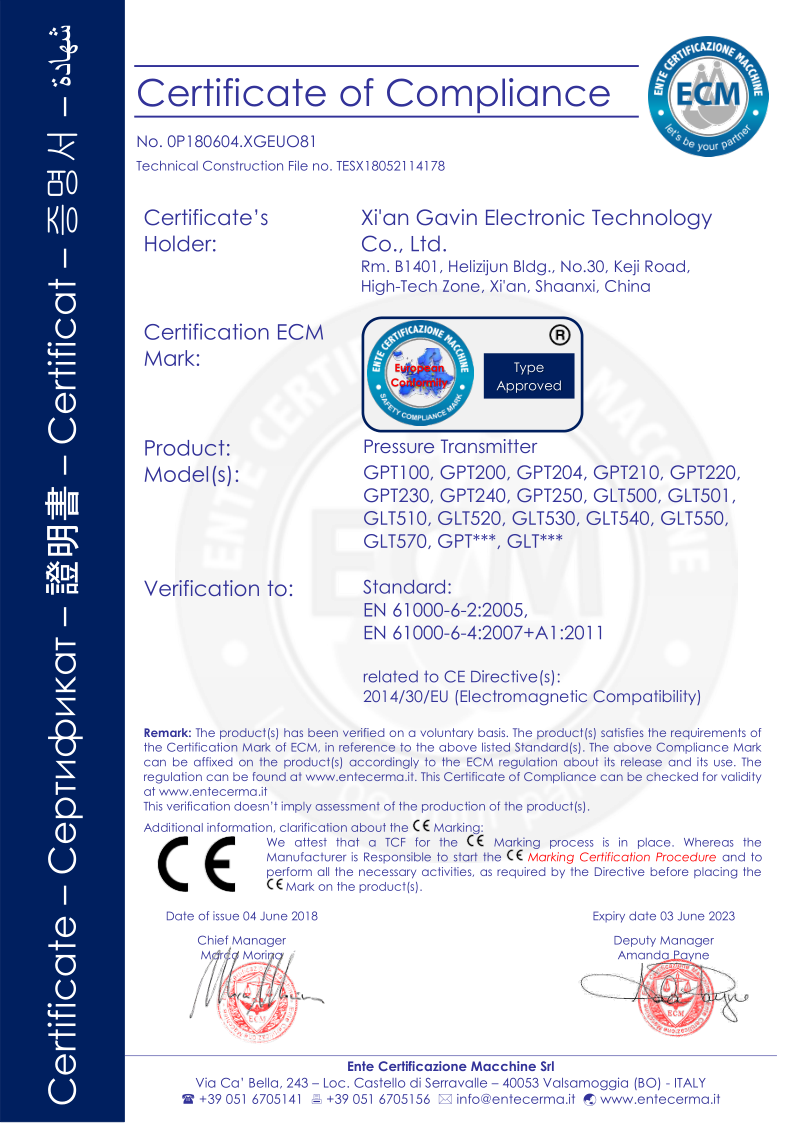
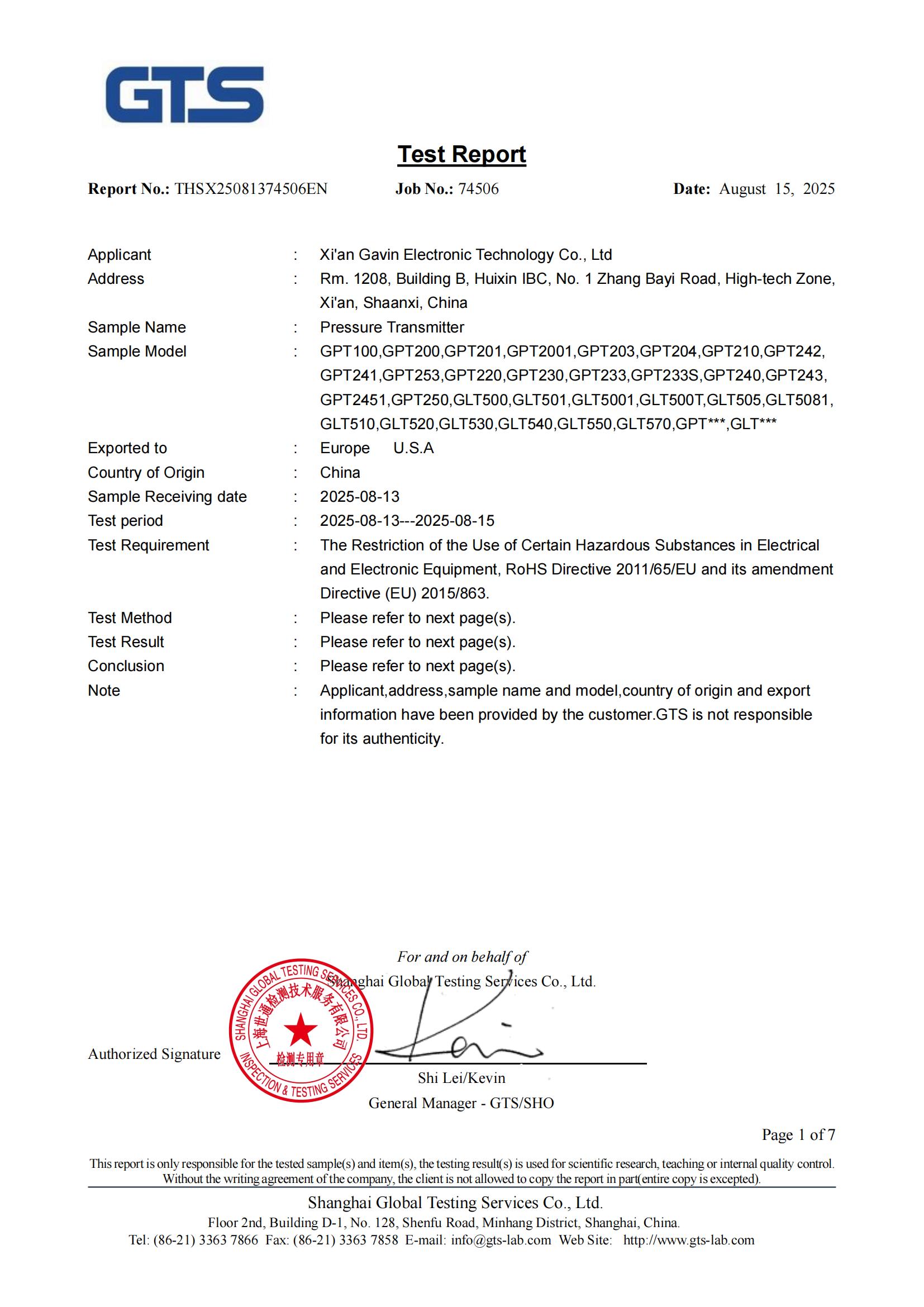
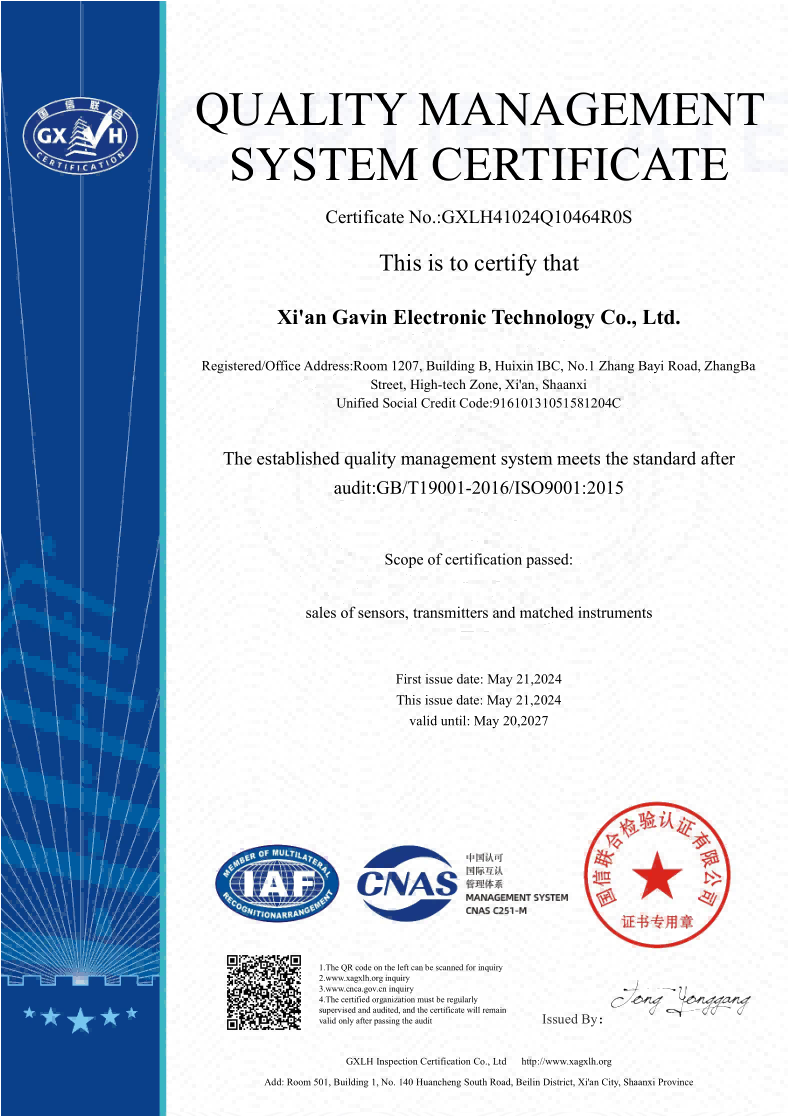
International quality approvals make sure that factory standards are always met. CE marking shows that a product meets the rules of the European Union, and RoHS approval shows that it meets the limits for banned substances. Having an ISO 9001 quality management license means that work is controlled in a planned way. Depending on the industry you're in, you may need approvals like ATEX for dangerous environments or 3-A for food processing, which are special to that industry.
Do wireless pressure sensors work reliably in industrial environments?
Modern wireless pressure sensors that use LoRa, NB-IoT, and 4G technologies work well in industrial settings. These systems get around the problems that come with standard wires in remote monitoring tasks like keeping an eye on tank levels and tracking pipeline pressure. IoT connection is built into GAMICOS wireless measurement systems so that data can be collected and managed in real time. This lets spread assets use predictive maintenance strategies.
Partner with GAMICOS for Your Pressure Measurement Needs
GAMICOS is ready to help you with your pressure sensing needs, whether you're looking for supplies for a short-term job or for the long term. As a pressure sensor maker with a lot of experience, we work with engineering firms, automation equipment builders, and OEM partners all over North America. Our GPT200 receivers and complete measurement systems use tried-and-true piezoresistive technology and offer a lot of customization options.
During the whole purchase process, our expert team helps with application building, optimizing specifications, and integration support. We keep a large stockpile to ensure quick delivery, and we offer open OEM customization options such as private labeling, brand etching, and changed interfaces. Contact our engineering experts at info@gamicos.com to talk about your unique measurement problems and find out how our quality-certified goods can help your business be more reliable and stand out from the competition.
References
1. Webster, J. G. (2018). The Measurement, Instrumentation, and Sensors Handbook, Second Edition. CRC Press.
2. Bonfig, K. W. (2017). Industrial Pressure, Level & Density Measurement: Technical Manual for Process Automation. Springer Publishing.
3. Liptak, B. G. (2020). Instrument Engineers' Handbook: Process Measurement and Analysis, Volume 1, Fifth Edition. CRC Press.
4. Morris, A. S., & Langari, R. (2021). Measurement and Instrumentation: Theory and Application, Third Edition. Academic Press.
5. Dunn, W. C. (2019). Introduction to Instrumentation, Sensors, and Process Control. Artech House Publishers.
6. Johnson, C. D. (2016). Process Control Instrumentation Technology, Eighth Edition. Pearson Education.

Ivy
Ivy, product consultant, has focused on sensor consultation for ten years, is proficient in providing pressure and level measurement solutions for customers.
We're here to help — submit your request anytime!
Let us know how we can help solve your pressure level measurement challenge.
_1757930850792.jpg)
Recommended Blog

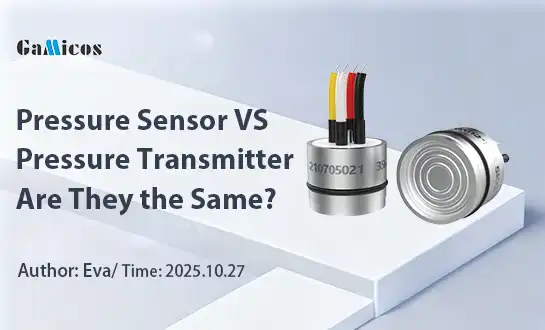
Pressure Sensor VS Pressure Transmitter: Are They the Same Thing?
Pressure Sensor VS Pressure Transmitter: Are They the Same Thing?
Pressure Sensor VS Pressure Transmitter: Are They the Same Thing?