ATEX & IECEx Requirements for Pressure Sensors
Understanding ATEX & IECEx Standards for Pressure Sensors
- Understanding ATEX & IECEx Standards for Pressure Sensors
- Explosion Proof Pressure Transmitter Explained
- Comparing Explosion Proof Pressure Transmitters with Alternative Safety Solutions
- Procurement Considerations for ATEX & IECEx Certified Explosion Proof Pressure Transmitters
- Ensuring Safety and Maximizing Performance in Hazardous Applications
- Conclusion
- FAQ
- Partner with GAMICOS for Certified Explosion Proof Pressure Transmitter Solutions
- References
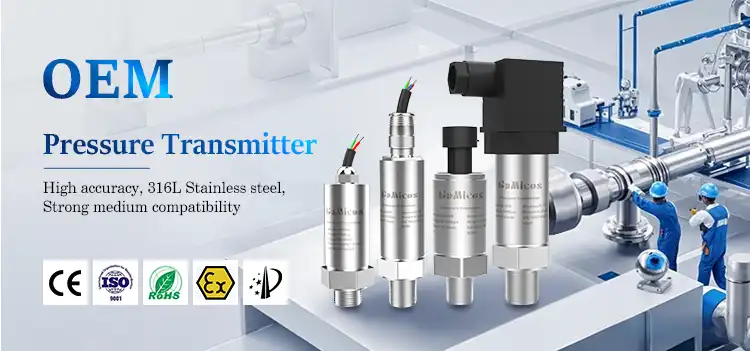
When working in dangerous factories with flammable gases, vapors, or dust, it is important to choose the right explosion proof pressure transmitter for safety and to follow the rules. The ATEX and IECEx approvals set the international standards for making sure that pressure measuring devices can work safely without setting off potentially dangerous atmospheres. These standards protect people, buildings, and equipment in fields like oil refining, chemical processing, medicine manufacturing, and energy production. Engineering managers, buying teams, and project leaders around the world must follow them.
Understanding ATEX & IECEx Standards for Pressure Sensors
What Are ATEX and IECEx Certifications?
ATEX, which stands for "ATmosphères EXplosibles," is a European law that controls safety gear and systems meant to be used in potentially dangerous environments. Any pressure monitor used in a country that is a part of the European Union must have ATEX approval in order to officially work in certain dangerous areas. IECEx, which is run by the International Electrotechnical Commission, is an internationally accepted licensing system that makes explosion safety standards the same in more than 30 countries. This makes it easier for companies to do business with each other and for foreign projects to follow the rules.
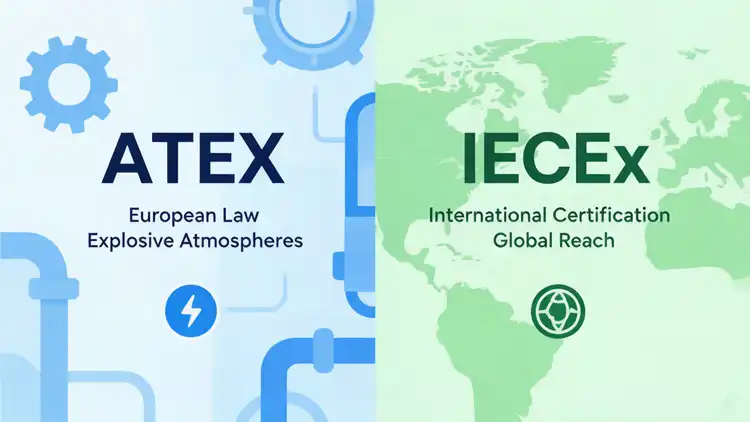
Both models try to keep fire sources out of places where flammable materials are present, but they are different in what they cover and where they can be used. IECEx is more widely accepted around the world, especially in Asia-Pacific, the Middle East, and some parts of Africa, while ATEX is mostly used in Europe. When buying things for installations around the world, procurement managers often look for devices that are dual-certified to speed up approvals and cut down on delays.
Hazardous Area Classification and Zoning
When choosing approved pressure monitors, it's important to know how to classify zones. ATEX splits dangerous areas into zones based on how often and for how long an explosive environment is present:
Zone 0 (or Zone 20 for dust): An atmosphere that is always or for a long time explosive.
Zone 1 (or Zone 21): The atmosphere is likely to explode during regular activities.
Zone 2 (or Zone 22): The atmosphere is not likely to explode, or it will only do so for short amounts of time.
In the same way, IECEx uses the same grid system, which makes it possible to match ATEX classes. The zone name has a direct effect on the amount of safety that the pressure sensor needs. Devices designed for Zone 1 uses, like explosion proof pressure transmitters with Ex-d (flameproof) housings, must be able to survive internal blasts without letting flames spread to the outside world.
Core Certification Requirements
To get an ATEX or IECEx approval, the design, material choice, and testing must be very thorough. Enclosures must be made of strong materials that can stop blasts inside and cool gases that are leaving through carefully planned paths of flame. These long, narrow tunnels let burned gases leave the housing while lowering their temperature below the point at which they would catch fire in normal air.
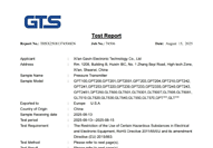
Mechanical strength, weather resistance, entry protection grades (usually IP66 or IP67), and electrical safety are all looked at in testing procedures. To make sure ongoing compliance, certification groups also look closely at the quality control processes, tracking systems, and technical paperwork used in production. When buying pressure sensors, it is very important to make sure that the certificates are real because using them without the right certification could put people in serious danger or even get them in trouble with the law.
Explosion Proof Pressure Transmitter Explained
Fundamental Concept and Purpose
A special tool called an explosion proof pressure transmitter is made to measure pressure correctly in dangerous places without setting off explosive atmospheres. In contrast to regular sensors, these ones have stronger housings, sealed wire openings, and flame path designs that keep any sparks or blasts inside and cool them down. This type of protection, called Ex-d or flameproof protection, makes sure that even if there is an ignition event inside the emitter, it can't spread to nearby flammable gases or vapors and start a fire there.
In oil refineries, remote platforms, chemical plants, pharmaceutical facilities, and mining operations, these devices are very important for controlling processes, keeping an eye on safety, and automating tasks. Because they can give accurate pressure readings without putting safety at risk, they are essential for uses with flammable materials and harsh working conditions.
Working Principle and Design Features
The explosion proof case is the most important part of the transmitter's safety design. Thick metal walls, usually made of aluminum alloy or stainless steel, are made to handle sudden changes in internal pressure and stop heat transfer that could raise the temperature of the outside to dangerous levels. Precision-machined flame paths, which are the small holes between the body and the detachable covers, let gases from the internal burning leave while cooling the outside enough to stop an outside spark.
A piezoresistive silicon sensor or etched thin-film strain gauge is often used as a pressure measuring element inside the box. It turns mechanical pressure into an electrical signal. This output is amplified and processed by signal processing hardware, which sends data to control systems and tracking equipment using standard protocols like 4-20 mA, HART, or Modbus. The whole system has to meet strict temperature class (T-class) rates, which make sure that the surface temperatures stay below the firing limits of certain gases that are present in the application area.
Distinctions from Intrinsically Safe Designs
Explosion proof and naturally safe devices both keep things from starting on fire, but they do so in very different ways. Intrinsically safe equipment controls the amount of electricity to a level that can't start a fire. This is done with shields or isolators that work with the equipment to keep the power and signal levels in check. Explosion proof receivers, on the other hand, let regular electrical operation happen but keep any blasts inside strong casings and slow them down.
Intrinsically safe devices are good for situations where they can run on low power and don't need heavy casings for installation. Explosion proof devices work great in places that need the most durability, with a lot of power, and at very high or very low pressures. To find the best security method, procurement teams have to look at application-specific needs like power supply, weather conditions, and ease of repair access.
Comparing Explosion Proof Pressure Transmitters with Alternative Safety Solutions
Technical and Safety Distinctions
Instrumentation used in dangerous areas can be protected in more ways than just explosion proof designs. Intrinsically safe (Ex-ia or Ex-ib) devices limit energy levels to stop burning, while improved safety (Ex-e) devices improve building to stop sparks from happening. Encapsulation (Ex-m) encases parts in resin to keep spark sources away, and pressurization (Ex-p) keeps the inside of a container at a positive pressure with inert gas to keep flammable atmospheres out.
Explosion proof pressure transmitters are unique because they are very strong and can be used in high-power situations. They can work in tough settings like shaking, shock, and toxic ones without the need for complicated extra systems. But they usually cost more than fundamentally safe options and need to be installed carefully to keep the flame path intact. To keep safety features from being compromised during maintenance, specific tools and trained staff are needed.
When it comes to safety, reliability varies. If you keep your explosion proof devices in good shape, they will work well for a long time and have fewer electrical parts that need to be calibrated on a regular basis than naturally safe systems that depend on external barriers. The range of certifications also varies. Equipment that is explosion proof usually covers a wider range of pressures and temperatures, which makes it more useful in a wider range of situations.
Evaluating Leading Manufacturers
Global companies that make ATEX and IECEx approved pressure sensors show they are very committed to following the rules by doing a lot of testing, keeping detailed records, and having a track record that can be seen in many different industries. To keep up with changes in the law, well-known brands keep specialized certification teams, spend money on state-of-the-art testing sites, and get involved in groups that create new standards.
When evaluating suppliers, procurement managers should make sure that the certificates they ask for are real by asking for the originals, making sure that the serial numbers can be tracked, and making sure that the suppliers are registered with recognized groups or certification agencies.
There is more trust when the supplier has a good name, can help after the sale, and has worked with similar uses before. Businesses like GAMICOS, which has worked with clients in 98 countries and formed relationships with research institutes, offer not only approved goods but also a lot of knowledge about how to use them and the ability to make changes that fit the needs of each business.
Procurement Considerations for ATEX & IECEx Certified Explosion Proof Pressure Transmitters
Verifying Authentic Certifications
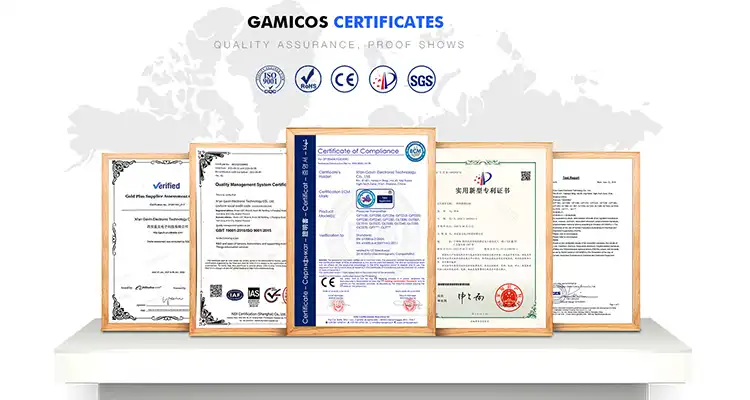
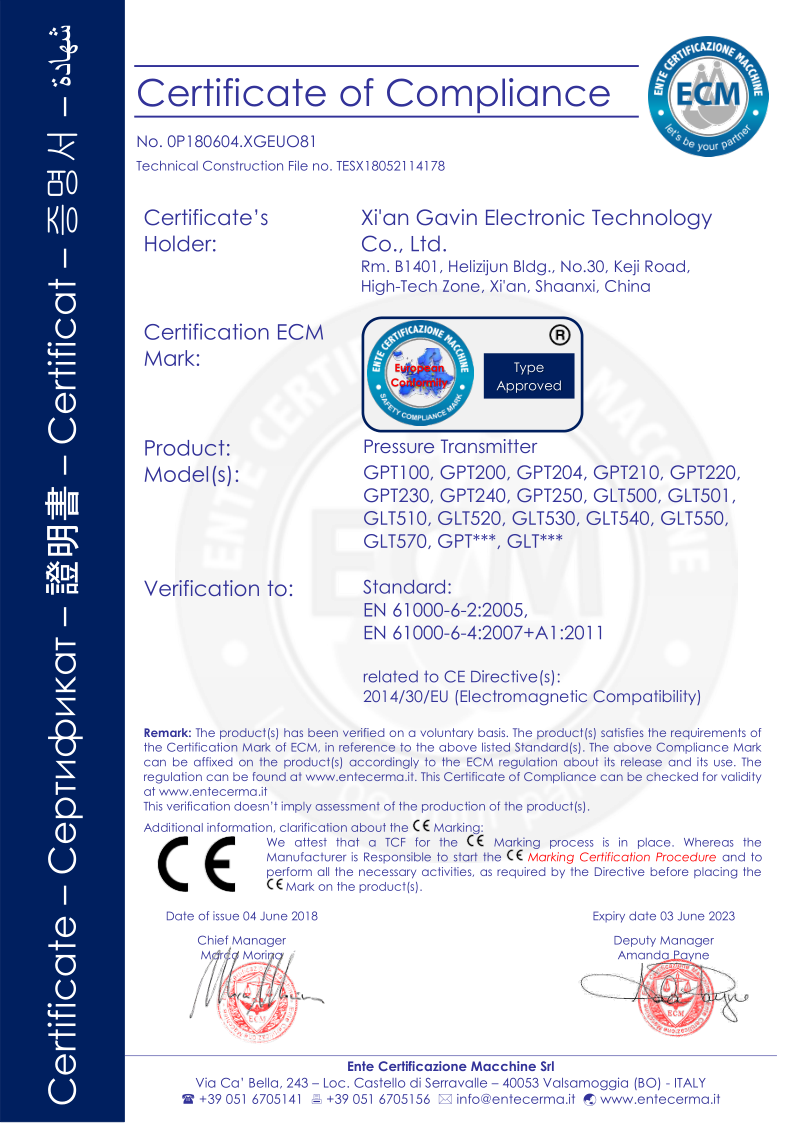
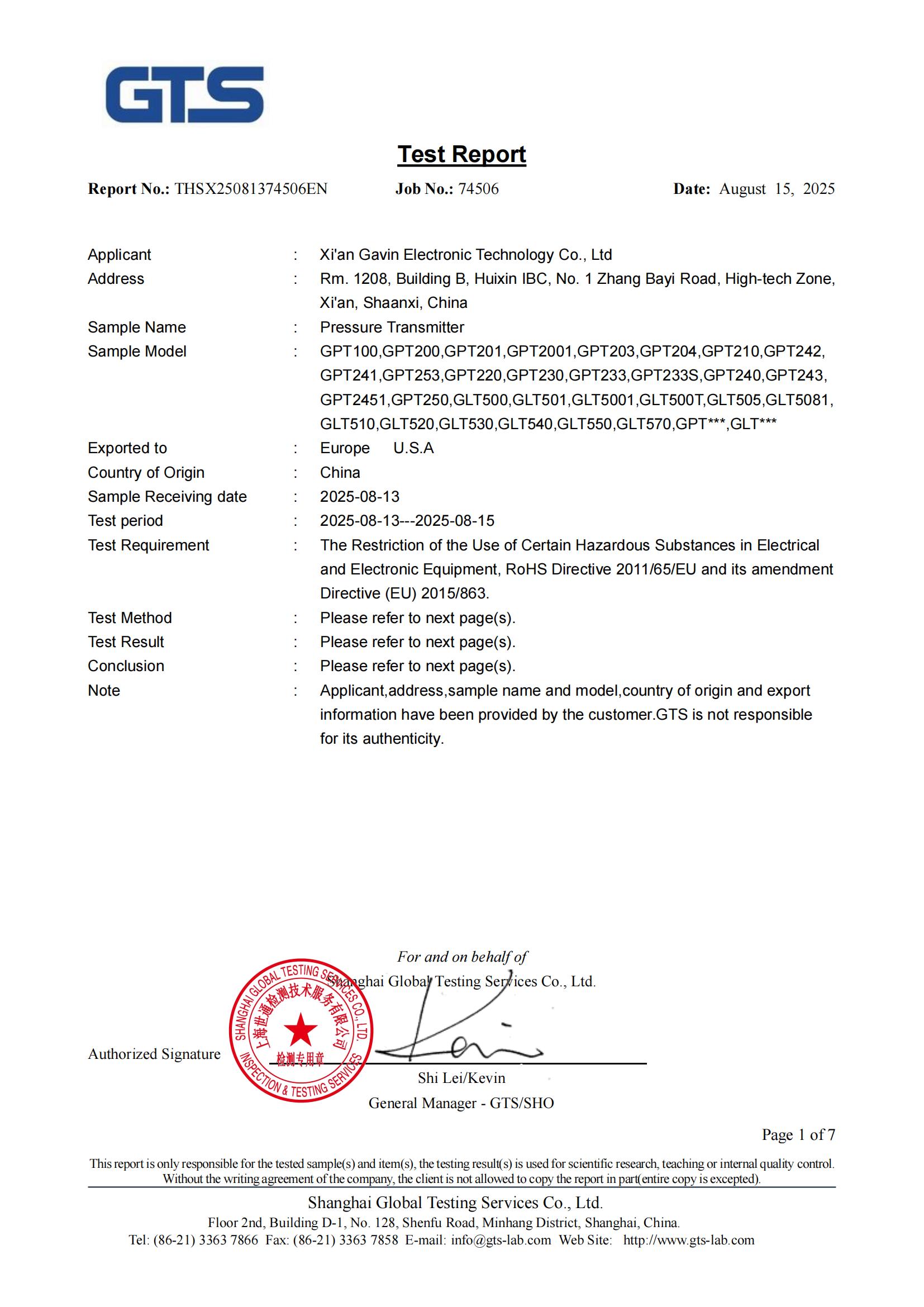
Verification of authentic approval keeps you safe from fake goods and makes sure you follow the law. ATEX certificates that are valid have the CE mark and a four-digit informed body number, like CE 0123. IECEx certificates have a unique number, a description of the equipment, and the name of the organization that issued the certificate. Check these information against official records kept by the European Commission (for ATEX) and the IECEx online certificate system to make sure they are correct.
On the nameplates of products, you should find approval marks, temperature class rates, equipment group classifications, and blast protection numbers. Check out the scientific datasheets for more information, such as the highest temperatures that the surface can reach, the temperature ranges that are normal, and the pressure rates. Suppliers with a good reputation give full paperwork packages that include installation instructions, testing certificates, and compatibility statements. This makes it possible to fully track equipment throughout its entire lifetime.
Supplier Assessment and Lead Times
Look at more than just price when deciding which providers to work with. Compliance history shows a company's dedication to quality and following the rules. Ask for examples from projects that are similar to yours and check for any licensing problems or product recalls that may have happened in the past. Lead times and the ability to complete large orders are affected by the number of factories that can make what you need. Manufacturers that have specific production lines for explosion proof pressure transmitters usually offer better quality and faster response.
When stock goods don't perfectly meet the needs of an application, the ability to customize them is important. GAMICOS specializes in OEM and ODM services and can change the type of sensor, the pressure range, the output signals, the connection holes, and even the material of the container to fit specific needs. This makes the system work better generally by reducing the need to choose between goods that are offered and those that are actually needed.
Delivery dependability has a big effect on project plans. Early on in the buying process, make sure you understand the wait times for standard and special setups, as well as the payment terms and shipping plans. Set up clear lines of communication and give each question its own expert contact person. This way, questions can be answered quickly and without delays caused by mistakes or missing details.
Price Factors and After-Sales Support
The prices of approved explosion proof receivers are affected by a number of factors, such as the high costs of certification, the use of special materials, precise manufacturing methods, and strict testing standards. The starting costs are higher than those of normal pressure monitors, but the investment pays off by making things safer, lowering insurance costs, and preventing accidents that cost a lot of money. Asking for detailed quotes makes it clear how much parts cost and helps find value engineering opportunities that don't put safety at risk.
Total cost of ownership is affected by warranty terms and the level of help available after the sale. Full guarantees that cover production flaws, early failures, and tuning drift protect your money and show that the seller trusts the quality of the product. Having access to technical support, such as application engineering help, fixing advice, and new parts, helps keep operations running smoothly and avoids downtime.
GAMICOS offers professional technical support teams to help customers choose the right products, install them, activate them, and find the best ways to use them. This way, customers can get the most out of their sensors throughout the entire duration of the equipment. Quick answers to questions, care tips, and repair services all help make sure that the system stays stable over time, which is important for safety-critical applications.
Ensuring Safety and Maximizing Performance in Hazardous Applications
Complementary International Standards
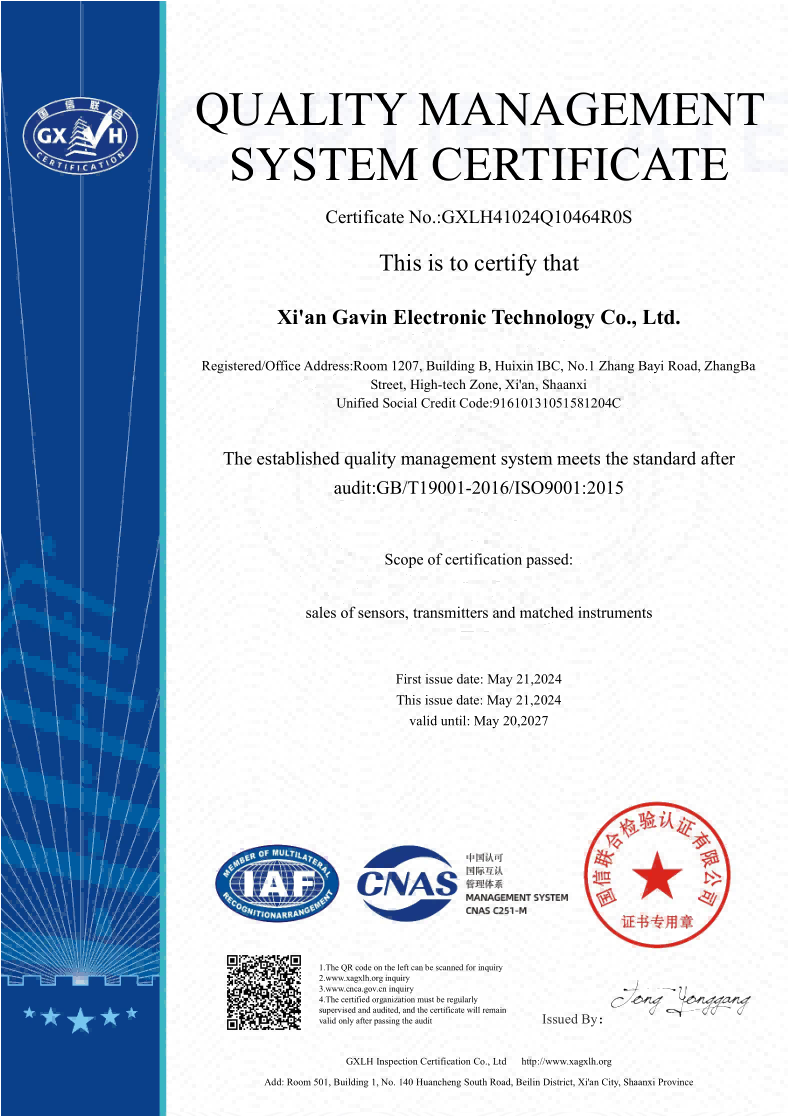
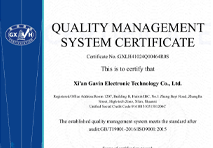
In addition to ATEX and IECEx approvals, there are a number of other standards that improve safety and efficiency in dangerous situations. ISO 9001 quality management approval shows that production methods are consistent, and ISO 14001 environmental management standards show that production methods are responsible. Industry-specific standards, like API (American Petroleum Institute) guidelines for oil and gas uses or 3-A Sanitary Standards for food and drug processing, add requirements that are right for the job.
Pressure equipment guidelines (PED for Europe) control how pressure-bearing parts are designed, made, and checked for compliance. These rules combine with explosion safety rules. Electromagnetic compatibility (EMC) guidelines keep technology from interfering with each other, which is important in industrial settings where electricity is often noisy. Certain environmental problems can be solved by certifying materials in ways like NACE compliance for rust resistance and oxygen service compatibility for acidic atmospheres.
Maintenance and Calibration Best Practices
Regular upkeep keeps the purity of blast safety and the accuracy of measurements. Visual checks should be done to make sure the state of the cage, looking for signs of rust, mechanical damage, and the flame path being lined up correctly. Cable openings need extra care because broken seals or loose connections make blast safety less effective and let water in, which breaks down electronic parts.
How often you need to calibrate depends on how important the application is, how it's being used, and any rules or regulations that apply. Many fields require calibration against known standards once a year, but stable uses may be able to go longer between calibrations based on data from past drift. GAMICOS pressure sensors go through a strict factory testing and quality checking process. They also get licenses from measurement institutions, which gives you faith in their initial accuracy. Field calibration should be done according to the manufacturer's instructions, using the right test tools and reference standards that have been written down.
Maintaining records of review dates, finds, correction actions, and testing results is important for keeping track of compliance and helping with governmental checks. In addition, these records show problems as they arise, before they become major problems. This allows for proactive replacement and avoids unexpected downtime. Replacing old sensors before they stop working completely keeps safety margins high and keeps you from having to rush to buy new ones.
Emerging Technology Trends
As technology keeps getting better, explosion proof pressure transmitters can do more. Digital communication methods, such as Profibus, HART, and Foundation Fieldbus, let you set up, diagnose, and plan for preventative maintenance from afar. LoRa, NB-IoT, and 4G wireless technologies lower installation costs and make it possible to watch places that couldn't be reached before. However, wireless devices that can withstand explosions have extra licensing problems.
Smart receivers with microprocessors can instantly fix problems and account for weather changes, nonlinearity, and long-term drift. New materials, like silicon carbide sensing elements and unusual metal diaphragms, make the working ranges bigger and make it easier for chemicals to react with them. Integrated IoT platforms use analytics to improve process efficiency and predict when repair is needed by collecting data from sensors that are spread out.
In the future, changes to certifications will cover these new technologies, setting safety standards for wireless contact in dangerous areas and security rules for industrial tools that are networked. Keeping up with changes in regulations helps buying teams predict what will be needed and choose tools that will still be useful in the future as standards change.
Conclusion
It's important to understand complicated legal systems, technical specs, and application-specific requirements in order to choose ATEX and IECEx approved explosion proof pressure transmitters. In the oil, chemical, pharmaceutical, and energy industries, where machine failures can have terrible results, these devices are important for keeping workers safe in dangerous settings.
To be successful in procurement, you need to carefully check the supplier's certifications, think about their long-term assistance skills, and think about the beginning price. When engineering teams work with seasoned manufacturers that offer proven compliance, customization options, and full technical support, they can be sure that the pressure measurement solutions they use will meet strict safety standards and work reliably for long periods of time.
FAQ
How can I verify the authenticity of ATEX or IECEx certifications?
For ATEX, check the license number against official records run by the European Commission. For IECEx, check the number against the IECEx website. Check that the information on the certificate, such as the weather class, equipment group, and safety type, match the names on the products. Ask the maker for the original certificates and make sure the informed body or licensing agency that issued them is recognized. Suppliers with a good reputation, like GAMICOS, offer full paperwork packages that include serial numbers that can be used to connect real items to their certificates.
What distinguishes explosion proof transmitters from intrinsically safe devices?
Explosion proof receivers have strong cases that keep fires inside and cool them down. Intrinsically safe devices, on the other hand, keep electrical energy below levels that could start an explosion. Explosion proof designs work well in harsh environments and with a lot of power, but they are larger and need to be installed carefully. Intrinsically safe equipment is easier to set up and has smaller parts, but it needs external obstacles and may not be able to handle all kinds of power. The decision is based on the needs of the product, the supply of power, and the surroundings.
Can explosion proof pressure transmitters be customized for specific ATEX or IECEx requirements?
Yes, a lot of makers do give personalization while still keeping their licenses. You can change the pressure range, the output signal, the materials used to make them chemically compatible, the connection holes, and the way the container is set up. GAMICOS offers full OEM and ODM services that let you change any model, feature, or standard to fit your needs. This makes sure that the goods you buy meet your specific needs without compromising the integrity of the approval process. Talk to providers early on about your needs to make sure they can meet them and to find out what this means for approval.
Partner with GAMICOS for Certified Explosion Proof Pressure Transmitter Solutions
You need a partner with proven knowledge, global reach, and an unwavering dedication to quality in order to find reliable ATEX and IECEx approved explosion proof pressure transmitters. GAMICOS has been providing high-quality pressure and level measurement tools to purchasing managers, engineering teams, and dealers in 98 countries for more than ten years. Our products go through a lot of testing and approval. They are supported by partnerships with research institutes and a number of technology patents that keep us coming up with new ideas.
As a reputable maker of explosion proof pressure transmitters, we provide flexible OEM and ODM design to meet your exact needs, from sensor types and transmission methods to housing materials and pressure levels. Our full quality control system, which has been approved by measurement organizations, makes sure that every unit meets worldwide standards before it is shipped. GAMICOS is ready to become your long-term supply chain partner. They offer strong bulk supply, reliable shipping plans, and skilled technical help throughout the duration of a product.
Email our engineering team at info@gamicos.com right now to talk about your application needs, get full datasheets, or get a price that is made just for your next project. We can help you get through the complicated licensing process and provide explosion-proof testing solutions that keep your people, equipment, and activities safe.
References
1. McMillan, G.K., & Considine, D.M. (2019). Process/Industrial Instruments and Controls Handbook, Sixth Edition. McGraw-Hill Education.
2. Redding, R.J. (2018). Explosion Protection: Electrical Apparatus and Systems for Chemical Process Plants. Institution of Engineering and Technology.
3. Nailen, R.L. (2020). Hazardous Area Classification in Petroleum and Chemical Plants. Butterworth-Heinemann.
4. International Electrotechnical Commission. (2021). IEC 60079 Series: Explosive Atmospheres Standards.
5. European Commission. (2020). ATEX Directive 2014/34/EU: Equipment and Protective Systems for Use in Potentially Explosive Atmospheres.
6. Instrumentation, Systems, and Automation Society. (2022). Industrial Pressure, Level, and Density Measurement: ISA Standards and Practices.

Peter
Peter, Senior Sensor Technology Consultant, has 15-year industrial sensor R&D experience. He specializes in the end-to-end development of high-accuracy pressure and level sensors and he firmly believe, precision isn’t just a spec—it’s a promise.
We're here to help — submit your request anytime!
Let us know how we can help solve your pressure level measurement challenge.
_1757930850792.jpg)
Recommended Blog
The 4-20mA Current Loop in Industrial Pressure Transmitters
Pressure Sensor Nonlinearity: Linearization & Calibration Tips
Pressure Sensor Range Too Large/Small? Rescaling & Re-ranging Methods
The 4-20mA Current Loop in Industrial Pressure Transmitters
Pressure Sensor Nonlinearity: Linearization & Calibration Tips
Pressure Sensor Range Too Large/Small? Rescaling & Re-ranging Methods
The 4-20mA Current Loop in Industrial Pressure Transmitters
Pressure Sensor Nonlinearity: Linearization & Calibration Tips