How Hydrostatic Pressure Sensors Measure Liquid Level
Understanding Hydrostatic Pressure Sensors
- Understanding Hydrostatic Pressure Sensors
- Core Principles and Applications of Hydrostatic Pressure Sensors
- Comparing Hydrostatic Pressure Sensors with Other Technologies
- Procurement Guide for Hydrostatic Pressure Sensors
- Maintenance, Calibration, and Best Practices
- Conclusion
- FAQ
- Partner with GAMICOS for Advanced Hydrostatic Pressure Sensor Solutions
- References
The basic idea behind hydrostatic pressure sensor technology is that the weight of the liquid provides measured pressure at the sensor's location. The diaphragm of the sensor picks up changes in pressure that are directly related to the height of the liquid above it. This change from pressure to level is made possible by high-tech signal processing electronics that turn changes in material shape into correct electrical outputs. The basic equation for the relationship is P = ρgh, where pressure is equal to the density of the liquid times the acceleration due to gravity times the height. This equation makes it possible to measure levels accurately in many commercial settings.
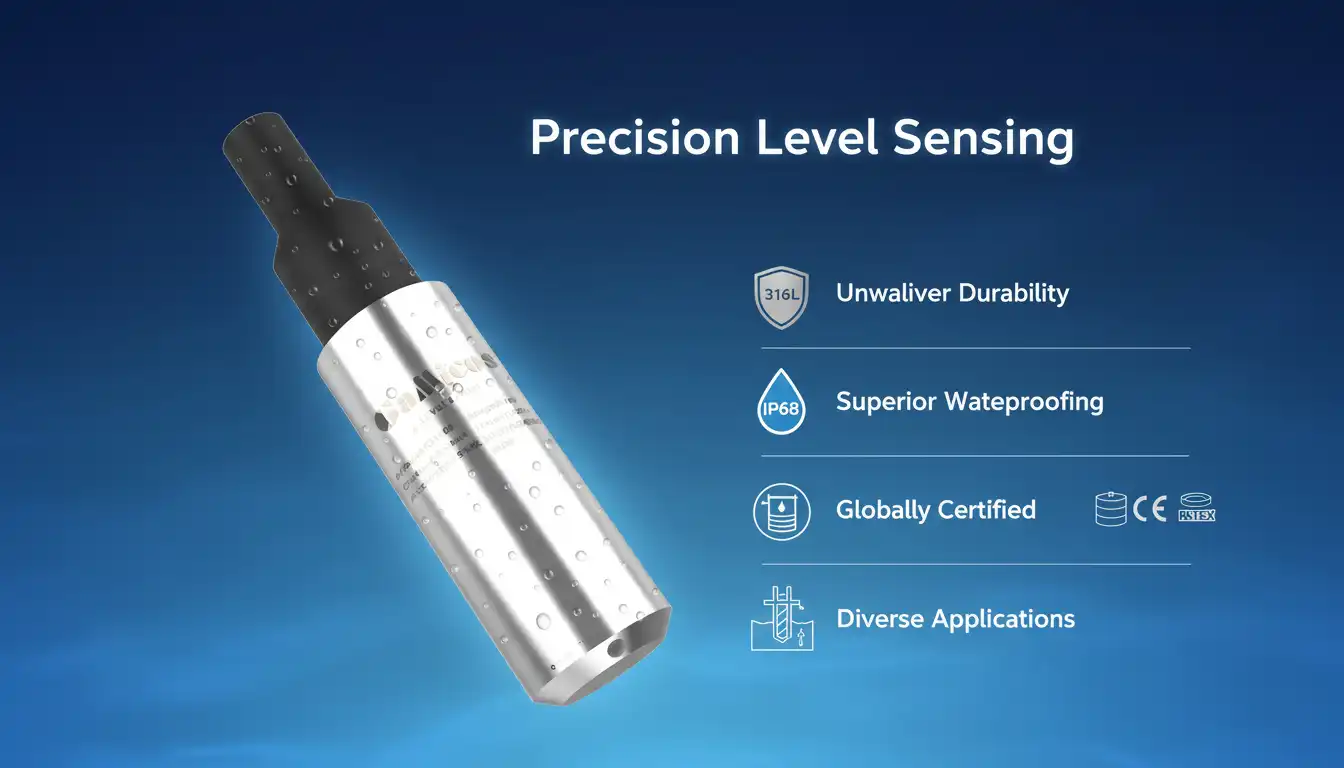
Understanding Hydrostatic Pressure Sensors
Industrial liquid level measurement demands precision and reliability that hydrostatic pressure sensor technology consistently delivers. These sophisticated devices fundamentally transform fluid pressure variations into electrical signals that accurately represent liquid height measurements. Manufacturing environments across water treatment facilities, chemical processing plants, and petroleum refineries depend on this technology for critical operational monitoring.
Construction and Core Components
Modern pressure-based level sensors today have a number of important parts that all work together perfectly. The detecting membrane is the main part of the measurement system that comes into contact with the liquid. This part is usually made of materials that don't rust, like stainless steel or special metals that can handle harsh industrial settings.
Signal filtering electronics are very important for turning changes in the mechanical shape of the diaphragm into standard electrical outputs. To keep measurements accurate, these circuits boost weak signals, get rid of noise, and adjust for temperature. The way the housing is built covers the inside parts and makes sure that wetness and other contaminants can't get in.
Industrial Applications and Benefits
When standard float switches or ultrasound sensors can't do what's needed, pressure-based level measurement technology really shines. The straight pressure measurement method is better for submersible placements in deep tanks because it doesn't have to worry about vapor spaces or foam interference. Chemical processing settings like how strong the building is and how well it stands up to harsh media exposure.
These sensors are used to keep an eye on clarifiers, storage tanks, and distribution systems in water treatment plants. Because the technology can give constant level data, automatic control systems can improve treatment processes and keep water quality standards stable.
Core Principles and Applications of Hydrostatic Pressure Sensors
When procurement workers understand the science behind pressure-based level measurement, they can choose the right tools for the job. Accurate level determination in many industrial settings is based on the link between the height of the liquid column, the mass of the fluid, and the pressure that is being applied.
Fundamental Measurement Principles
Using pressure sensing to measure the height of a liquid is based on the hydraulic pressure equation, which says that pressure rises in direct proportion to depth. At the place where it is installed, the sensor records the total pressure. It then subtracts the air pressure to get the gauge pressure, which is directly related to the height of the liquid above the measurement point.
Different fluids have different densities, which means that tuning needs to be changed for each one. Changes in temperature can affect both the density of the liquid and the properties of the sensor. This is why current measurement systems need compensation methods. Modern sensors have temperature sensing parts that fix data instantly for changes caused by temperature.
Industrial Environment Advantages
Installations of hydrostatic pressure sensor have a lot of practical benefits over other measurement methods. These sensors usually only need power lines and simple mounting tools, which makes installation easier and cuts down on project costs and commissioning time. There aren't any working parts that could wear out or get stuck, so maintenance needs are still very low.
Pressure-based sensors work well in harsh environments because they can handle high temperatures, chemicals that break down metal, and high pressures. The strong design can handle the mechanical vibrations and shock loads that are common in industry settings. Long-term stability makes sure that performance stays the same over long times of work.
Comparing Hydrostatic Pressure Sensors with Other Technologies
To choose the best liquid level measurement technology, you need to carefully consider all of the available choices and what their pros and cons are. Each way of measuring has its own benefits that depend on the needs of the product and the conditions of the surroundings.
Technology Comparison Analysis
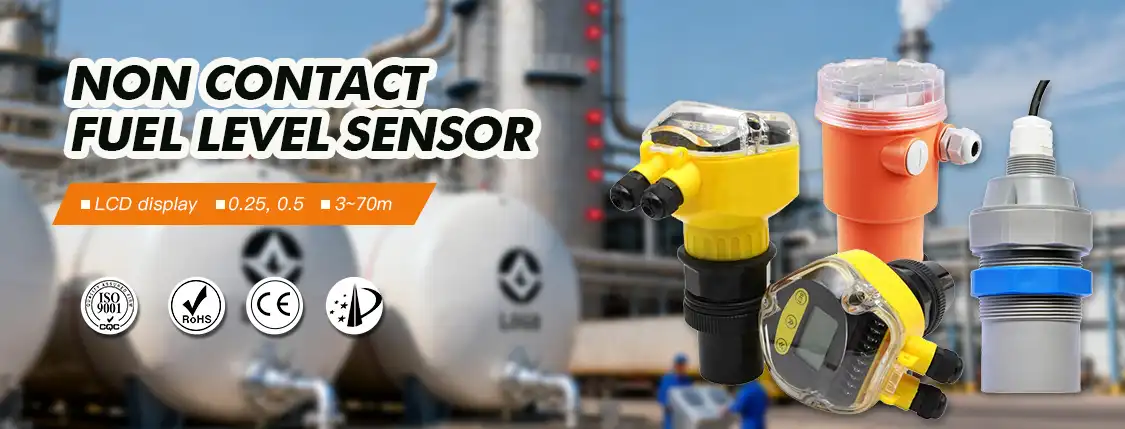
Ultrasonic level sensors can measure without touching the object being measured, but they have trouble when foam, gas, or dust gets in the way. High accuracy is possible with radar technology, but it costs more up front and is harder to set up. Point-level detection is accurate with float switches, but ongoing measurement is not possible.
When high accuracy, constant tracking, and resistance to process conditions are needed, pressure-based level measurement is the best way to go. The technology works better with rough liquid surfaces than ultrasonic options. It also doesn't get affected by changes in the makeup of the vapor, which can happen with other measurement methods.
Application-Specific Considerations
The shape of the tank has a big effect on how sensors are chosen. Because of the higher hydraulic head, narrow, deep tanks are better for measuring pressure because they are more sensitive. Different technologies that offer better spatial precision across the liquid surface might be useful for wide, small tanks.
Different sensor systems need to be able to work with certain types of process fluids. Capacitive sensors work well with conductive fluids, but they need to be used with different measurement methods for non-conductive fluids. No matter what measurement theory is used, corrosive chemicals require special building materials and methods.
Procurement Guide for Hydrostatic Pressure Sensors
To buy sensors successfully, you need to carefully look at their technical specs, the skills of the seller, and the overall cost of ownership. Managers of engineering projects and people who buy things can benefit from knowing about key selection factors and how markets work, especially when choosing a hydrostatic pressure sensor for applications requiring accurate water level or pressure measurements.
Essential Specification Parameters
When choosing a measurement range, it's important to take into account both normal working levels and possible overflow situations. The level of accuracy needed depends on how important the process is and how strict the regulations are. How well the output signal works with current control systems affects how hard and expensive it is to integrate.
Specifications for pressure ratings make sure that operations are safe at the highest levels of process conditions. When materials are compatible with process fluids, problems like rust and leakage don't happen. Ratings for temperatures take into account both the outside temperature and the temperature of the process fluid over the whole range of operations.
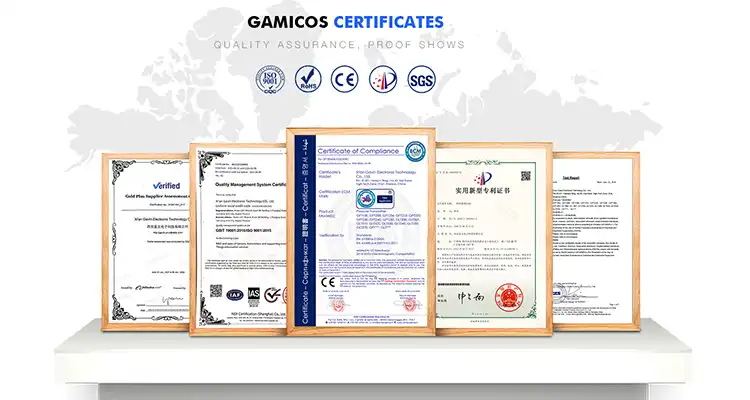
Here are the most important licensing requirements that make sure safety standards and government rules are met:
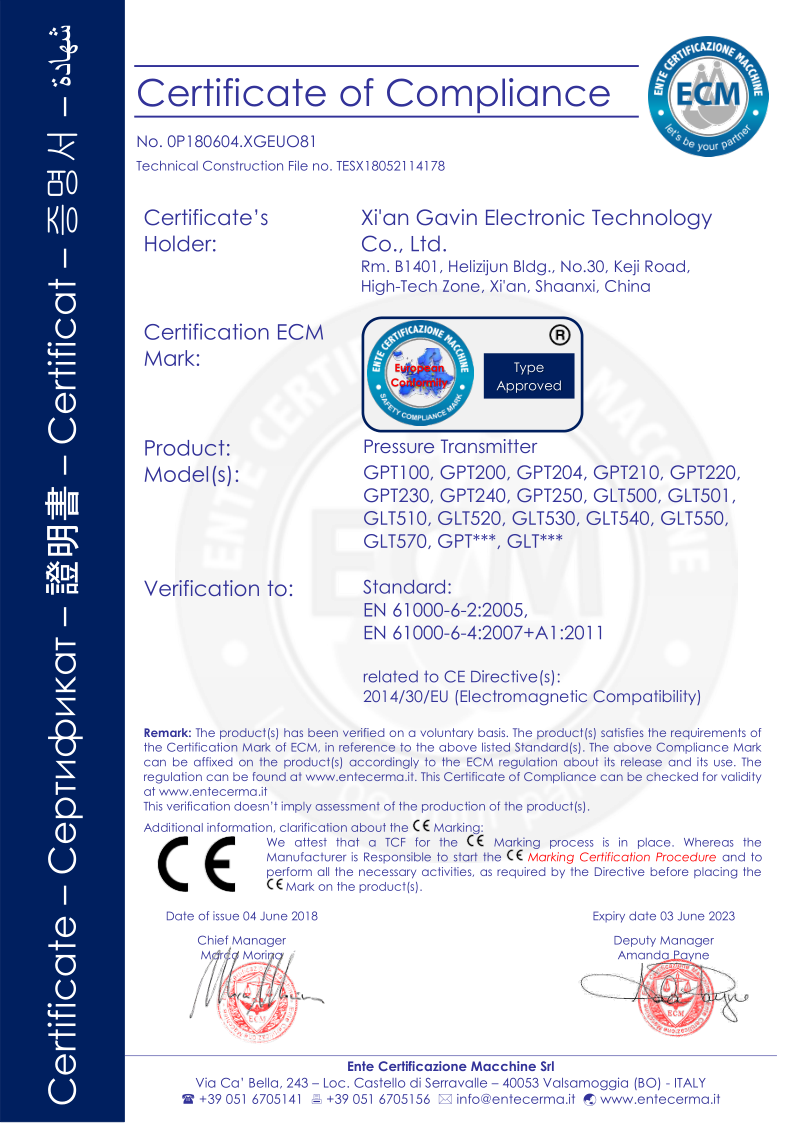
• CE marking shows that the product meets European safety and environmental standards, which is necessary for selling it on foreign markets.
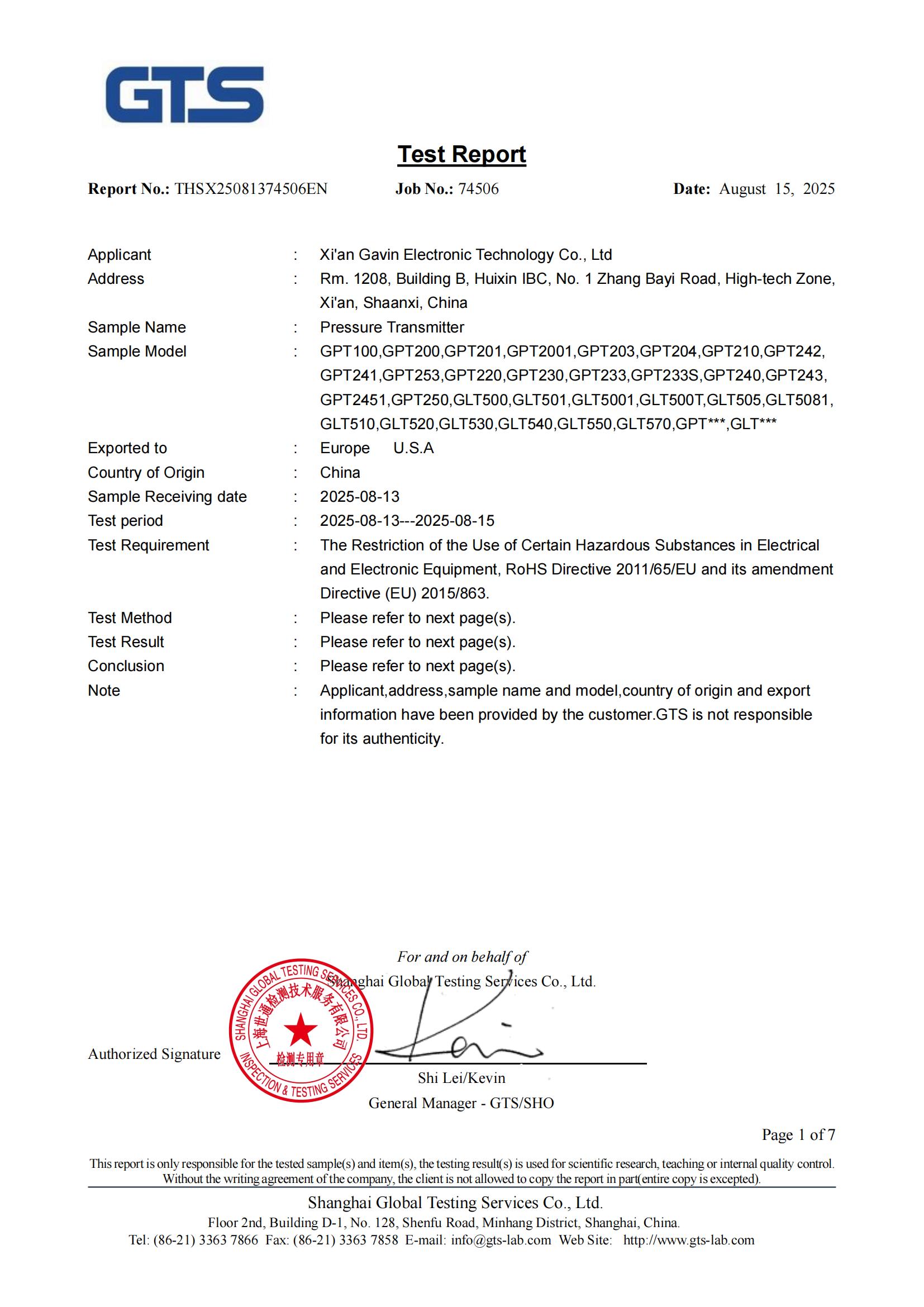
• RoHS compliance limits the use of dangerous materials in manufacturing, which helps environmental sustainability efforts.
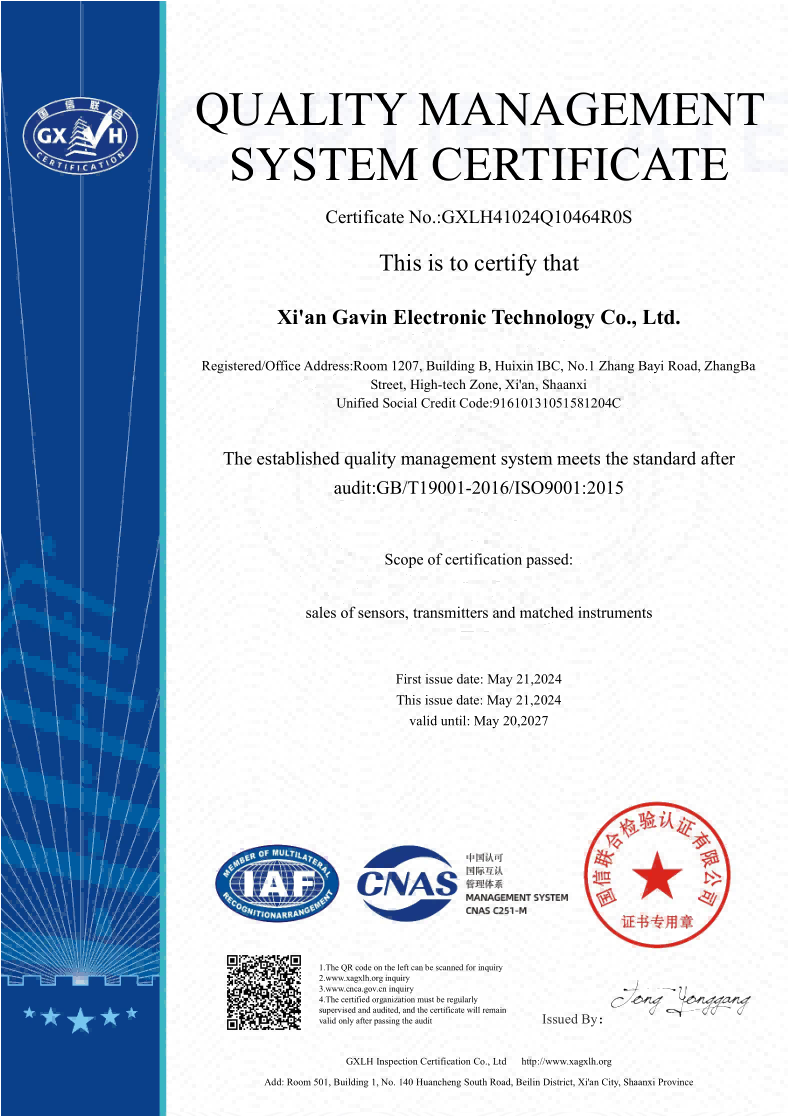
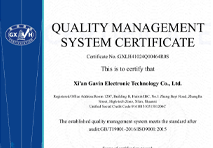
• ISO 9001 certification proves that quality control methods and consistent manufacturing are in place.
• ATEX certification makes it safe to work in explosive environments that are popular in the oil and chemical industries.
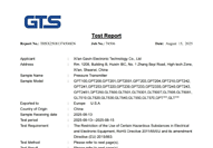
These certifications help global buying efforts and give customers trust in the quality of the products and their ability to meet regulations.
GAMICOS Product Innovation
The GLTV4 mechanical level device is a new and effective way to check the level of a liquid without using external power. This gadget has both recognition and display features built into one unit that doesn't need to be connected to an electricity system to work. The mechanical design gets rid of the risk of electrical parts breaking down while still letting you see the level of storage tanks and process vessels.
When choosing materials, corrosion protection and long-term reliability are very important. Common industry poisons don't react well with aluminum alloy structure, and plastic parts make it even better. The small size makes it possible to use different tank setups and work around mounting limitations.
Maintenance, Calibration, and Best Practices
For sensors to work at their best, they need to be maintained regularly and calibrated on a regular basis. During the procurement phase, knowing these needs helps make accurate estimates for the total cost of ownership and operational planning, particularly when selecting a hydrostatic pressure sensor for precise measurement and monitoring applications.
Calibration Procedures and Scheduling
Calibration of a hydrostatic pressure sensor means comparing the output of the sensor to known levels of pressure across the measuring range. How often you need to calibrate depends on how important the application is; safety-critical applications need to be checked more often. For most industrial uses, regular calibration plans that combine the need for accuracy with the cost of running the business are helpful.
The environment affects the security of the calibration and the number of adjustments that need to be made. Long-term sensor safety is affected by changes in temperature, vibrations, and chemical interaction. Setting standard performance data during the original commissioning process gives you a way to compare future calibrations.
Operational Best Practices
The choice of installation site has a big effect on the accuracy of measurements and the ease of upkeep. Putting sensors away from the tank's entrances stops measurement changes caused by wind. Having enough space around sensors makes regular repair and inspections easier.
Signal filtering, warning setpoints, and control system interface needs are some things to think about when integrating a process. Electrical disturbances that could change the accuracy of measurements can be avoided by properly grounding and protecting. Monitoring success on a regular basis finds problems as they arise, before they affect how the process works.
Conclusion
Hydrostatic pressure sensor technology can be used in many industrial settings to measure liquid levels accurately and reliably. In terms of accuracy, dependability, and compatibility with the surroundings, the basic pressure-to-level measurement concept is much better than other methods. Knowing how sensors are built, how they work, and what they need to be used for lets you make smart purchasing choices that maximize efficiency and cost-effectiveness. When you do the right kind of repair and testing, your equipment will stay accurate for a longer time, which helps you meet important safety and process control goals.
FAQ
Q1: What factors affect hydrostatic pressure sensor accuracy?
A: The sensor's accuracy varies on a number of factors, such as changes in liquid density, changes in temperature, and the position of the installation. Changing the density of the fluid has a direct effect on the link between pressure and level, so the calibration needs to be changed for each liquid. Temperature changes affect both the properties of the sensor and the liquid, so in precision uses, compensation methods are needed.
Q2: How do I select the right pressure sensor for my application?
A: Selection criteria include measurement range, precise needs, process compatibility, and environmental factors. Take into account the highest and lowest amounts of liquid, the accuracy needed for measurements, the stability of the chemicals, and the temperature ranges. Decisions about which sensors to choose are also affected by the needs for output signals and the integration of the control system.
Q3: What maintenance is required for pressure-based level sensors?
A: Routine maintenance includes periodic calibration verification, sensor cleaning, and connection inspection. Calibration schedules typically range from 6 to 12 months depending on application criticality. Physical inspection for damage, corrosion, or contamination should occur during regular facility maintenance activities.
Partner with GAMICOS for Advanced Hydrostatic Pressure Sensor Solutions
GAMICOS offers state-of-the-art technology for measuring liquid levels, along with full engineering support and service skills around the world. Our wide range of products includes hydrostatic pressure sensor options made for tough industrial settings in the oil and gas, pharmaceutical, chemical processing, and water treatment industries. GAMICOS serves over 100 countries and has thousands of happy customers every year. It does this by combining new technology with dependability that has been proven.
Our research and development (R&D) team is always coming up with new sensor technologies while following strict quality control guidelines. Professional technology support helps with choosing the right product, making changes, and figuring out how to connect different systems. OEM and ODM services offer adaptable answers that are made to fit the needs of each application. These needs may include custom communication methods, special materials, and special packing needs.
Get in touch with our engineering team at info@gamicos.com to discuss your liquid level measurement requirements and find out how our experience as a hydrostatic pressure sensor supplier can optimize your industrial processes. GAMICOS delivers the precision, reliability, and support necessary for successful long-term partnerships in today's competitive industrial markets.
References
1. Smith, J.R. and Chen, L. "Industrial Pressure Measurement Technologies: Comparative Analysis and Applications." Journal of Process Control Engineering, Vol. 45, No. 3, 2023, pp. 78-92.
2. Williams, M.K. "Hydrostatic Level Measurement in Chemical Processing: Best Practices and Industry Standards." Chemical Engineering Review, Vol. 28, No. 7, 2023, pp. 156-169.
3. Thompson, A.P. et al. "Advances in Liquid Level Sensing Technology for Industrial Automation." IEEE Transactions on Industrial Electronics, Vol. 67, No. 11, 2023, pp. 2445-2458.
4. Rodriguez, C.M. "Pressure Sensor Calibration and Maintenance in Process Industries." Instrumentation and Measurement Magazine, Vol. 19, No. 4, 2023, pp. 34-41.
5. Kumar, S. and Anderson, R.J. "Comparative Study of Level Measurement Technologies in Harsh Industrial Environments." Process Safety and Environmental Protection, Vol. 172, 2023, pp. 889-902.
6. Lee, H.W. "Economic Analysis of Liquid Level Measurement System Selection for Industrial Applications." Journal of Manufacturing Systems, Vol. 68, 2023, pp. 245-257.

Halen
With over 12 years of experience in fluid sensing technology, Halen specializes in helping clients select and optimize oil level sensors for a wide range of industries—including automotive, marine, heavy machinery, and energy.
We're here to help — submit your request anytime!
Let us know how we can help solve your pressure level measurement challenge.
_1757930850792.jpg)
Recommended Blog
What output signals do submersible level sensors typically provide?
What output signals do submersible level sensors typically provide?

How to Choose a Well Level Sensor for Deep-Bore Applications?

Can a submersible level sensor measure liquid level in a closed tank?
Best Quality Submersible Level Transmitter Available in Xi'an
Can a submersible level sensor measure liquid level in a closed tank?
Best Quality Submersible Level Transmitter Available in Xi'an
Can a submersible level sensor measure liquid level in a closed tank?
Best Quality Submersible Level Transmitter Available in Xi'an
Can a submersible level sensor measure liquid level in a closed tank?
Best Quality Submersible Level Transmitter Available in Xi'an
Can a submersible level sensor measure liquid level in a closed tank?
Best Quality Submersible Level Transmitter Available in Xi'an
Can a submersible level sensor measure liquid level in a closed tank?
Best Quality Submersible Level Transmitter Available in Xi'an
Can a submersible level sensor measure liquid level in a closed tank?
Best Quality Submersible Level Transmitter Available in Xi'an