Preventing Pressure Sensor Freezing in Low Temperatures
Understanding Pressure Sensor Freezing and Its Causes
- Understanding Pressure Sensor Freezing and Its Causes
- Principles of Low-Temperature Pressure Sensors to Prevent Freezing
- Proven Solutions and Best Practices to Prevent Freezing
- How to Choose the Best Low-Temperature Pressure Sensor for Your Needs
- Purchasing and Post-Purchase Support for Industrial Buyers
- Conclusion
- FAQ
- Partner with GAMICOS for Reliable Low-Temperature Pressure Sensor Solutions
- References
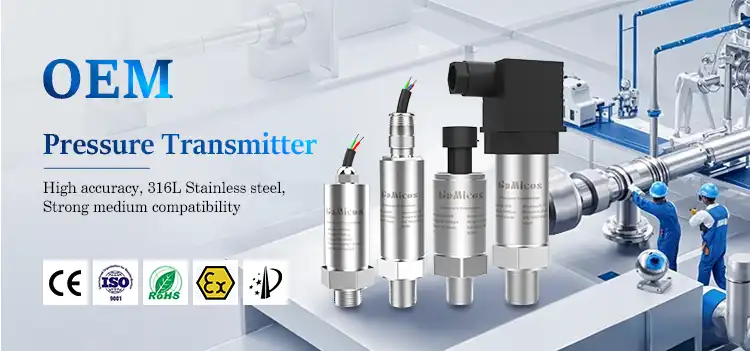
It takes a smart mix of the right sensor choice, mounting methods, and ongoing repair schedules to keep pressure sensors from freezing in cold weather. When made with special materials and design features, a low temperature pressure sensor can work accurately and reliably even when the temperature is below zero. These sensors have coats that don't crack when they freeze, temperature adjusting systems, and strong construction that keeps moisture out, which is the main cause of problems caused by freezing. Industrial teams can protect measurement accuracy in cold areas by learning how freezing affects sensor performance and taking proactive steps.
Understanding Pressure Sensor Freezing and Its Causes
What Is Pressure Sensor Freezing?
When moisture or mist that is stuck inside or around the pressure sensor freezes at low temperatures, the sensor stops working. This ice buildup stops the diaphragm from moving on the sensor, blocks the pressure ports, and leads to inaccurate measurements that make process control impossible. In the worst situations, ice growth can damage the detecting element mechanically, making the device useless. Industries that work in the north or deal with cold fluids often have to deal with this problem, which makes freezing avoidance an important thing to think about when buying things.
Primary Causes of Sensor Freezing
Most of the time, sensors freeze because of getting too much moisture in them. It builds up inside the device when humidity from the air or process condensation gets into the sensor case through wire connections, pressure ports, or seals that aren't completely sealed. This trapped water turns into ice when temperatures drop below 0°C (32°F). The problem is also made worse by the fact that materials shrink at very low temperatures. Standard sensor parts may shrink at different rates, leaving holes that let water in or stress cracks that weaken the structure.
Environmental exposure factors make the chance of freezing higher. When sensors are put outside without coverings, they come into direct touch with snow, sleet, and freezing rain. Rapid changes in temperature between day and night make patterns of mist that make it easier for moisture to build up. Process media that contain water vapor or are close to their freezing points can cause ice to form directly on the detecting diaphragm. This is especially true in natural gas pipes, cooling systems, or outdoor storage tanks.
Comparing Low-Temperature Sensors with Standard Models
Standard pressure sensors use common stainless steel diaphragms and all-purpose sealing materials to work in temperatures ranging from -20°C to +85°C. These gadgets don't have any special features that would help them work in cold weather. A low-temperature pressure sensor, on the other hand, has changes made to its design that make it work in subzero temperatures. These include diaphragm materials that don't change much at temperatures of -40°C or lower, special elastomers for seals that stay flexible in very cold temperatures, and interior shapes that keep wetness from building up.
Cold-rated sensors are different from normal units because their performance measures have been re-calibrated. More precise control is applied to temperature factors so that they stay accurate over a wider range of temperatures. Long-term cold-soak testing and temperature cycling tests are done by manufacturers to make sure sensors are stable. This focus on low-temperature performance makes sure that buying teams get devices that can give accurate readings in the Arctic, cold settings, and winter outdoor placements, all of which are places where regular sensors would fail.
Principles of Low-Temperature Pressure Sensors to Prevent Freezing
Sensor Technologies Optimized for Cold Applications
Several sensor designs work better in settings where it is freezing. Using thin-film sputtered technology, piezoresistive elements are sputtered directly onto a diaphragm base. This makes a compact structure with few gaps inside where water can gather. When compared to standard strain gauge setups, this one is less likely to freeze. Ceramic capacitive sensors are another choice that can withstand cold temperatures. Ceramic materials are very stable across a wide range of temperatures and naturally don't absorb water.
In more modern low temperature pressure sensor systems, silicon carbide (SiC) and aluminum nitride (AlN) plates are used instead of silicon. Even at very low temperatures, close to -196°C, these materials keep their mechanical and electrical features. Their thermal expansion rates are more like those of the house materials, which means that stress-induced drift is less likely to happen during thermal cycle. Thin films of polysilicon and silicon nitride are used as detecting elements because they keep their piezoresistive properties when normal materials would break or become unstable.
Frost-Resistant Features and Protective Technologies
Frost-resistant coats on sensor diaphragms keep ice from sticking to them and water from getting inside. When you treat the surface to be hydrophobic, water beads up and rolls off instead of spreading across the diaphragm surface. Adding heating elements makes things more complicated and uses more power, but they keep sensor parts above freezing temperatures, which stops ice from forming. Some designs have warmer wires that automatically turn on when the temperature outside gets close to certain levels.
Another layer of safety is hermetic closing technologies. Glass-to-metal covers and laser-welded housings stop any ways that water could get into the sensor space. Fill fluids whose freezing points are low send pressure from the process link to the detecting device while still being liquid when it's very cold. Silicone or fluorinated oils stay flexible at temperatures of -60°C or lower, so pressure can still be transferred even when temperatures drop around them.
Calibration Approaches for Temperature Stability
For low-temperature measurements to be accurate, calibration procedures must take into account how temperature changes affect sensor materials. Manufacturers do multi-point calibration over the whole working temperature range. They do this by making adjustment models that are saved in the digital sensor memory or used by editing the analog signal. There are temperature sensors next to the pressure element that give active correction methods real-time heat data.
When sensors get cold, the shape and features of the material change, which could cause zero points and span values to shift. These effects are described by advanced testing methods that use controlled heat cycling between room temperature and the lower working limit. Based on the current temperature readings, compensation methods then fix the output signals. This method keeps accuracy within ±0.5% of full scale over temperature ranges above 150°C, meeting the strict requirements of aircraft, pharmaceutical processing, and petroleum processes.
Benefits of Dedicated Low-Temperature Sensors
Putting in place sensors that are designed to work in cold places has real benefits. Longer service times and lower repair costs are the results of better longevity. Sensors that stay accurate in subzero temperatures get rid of measurement drift that needs to be fixed all the time. Process control stays steady, so problems with product quality and safety aren't caused by wrong pressure readings in the winter or when dealing cryogenics.
Less need for emergency service calls and less need to keep extra parts on hand lead to lower upkeep costs. When sensors keep working regularly through changes in seasonal temperatures, operations teams don't have to schedule unexpected breaks to update sensors. The initial cost of buying cold-rated sensors pays off in higher uptime and operating trust. This is especially true for remote sites that have trouble getting service in the winter.
Proven Solutions and Best Practices to Prevent Freezing
Environmental Controls and Installation Strategies
The first line of defense against cold temperatures is insulated shelters. Sensor temperatures are kept above freezing even when the surrounding environment drops well below zero thanks to weatherproof housings with thermal insulation. Heated shelters with adjustable settings let you actively control the temperature, but they need to be plugged in and watched over to make sure the heater works.
The right setting of the sensor reduces its exposure to freezing temperatures. Putting sensors in covered areas away from direct wind and rain helps keep ice from building up. When you put sensors on the warm side of shielded process pipes, the heat from the process can keep the sensors at the right temperature. When placing outside is not an option, setting sensors with sensing elements facing downward keep water from building up inside pressure ports.
Using the right fitting methods stops wetness from getting in. For cable openings to work, they need to have the right pressure reliefs and waterproof glands that can handle low temperatures. When you connect pressure ports, you need coatings that can handle both the process media and the temperature range. If there are condensation drains and breather vents, they need to be kept from getting iced up, which would keep moisture inside the housing.
Maintenance Protocols and Early Detection Methods
During the winter months, routine check plans should be carried out more often. Checks with the naked eye show if there is ice, frost, or moisture around the sensor housings and wire contacts. Zero-point verification testing checks sensor readings against reference standards to find drift caused by mechanical stress from freezing or the breakdown of computer parts.
Cleaning methods get rid of contaminants that help keep moisture in. Salt buildups on roads or in factories during the winter pull water from the air and make freezing problems happen faster. These hygroscopic leftovers can be removed by gently cleaning with the right chemicals. Inspections of pressure ports using borescopes or fiber-optic cameras show the formation of internal ice before the sensor fails completely. This lets the problem be fixed during routine maintenance instead of having to be fixed in an emergency.
Systematic methods are needed to fix sensors that are stuck. Thermal shock damage can be avoided by slowly warming things up. Never put direct heat sources like torches on sensor housings. Instead, use controlled warming cabinets or move the sensors to places that are already warm. Before putting sensors back into service after they've thawed, they should be fully functionally tested, which includes zero verification, span checks, and leak tests. Write down instances of freezing to find trends that could lead to better fitting or changes to the sensor specifications.
Real-World Success Stories from Cold Industries
During the winter, when temperatures dropped to -40°C, sensors at a plant in northern Canada that made frozen oxygen kept breaking down. Standard pressure sensors used to measure gaseous oxygen in storage tank farms got ice in the pressure ports, which messed up the measurements and set off fake high-level alarms. The facility moved to ceramic sensitive sensors with warm housings and had 99.8% uptime for three winters in a row, with no problems caused by freezing.
A drug company working with temperature-sensitive medicines needed precise pressure control in cold storage areas that were kept at -25°C. When normal sensors were first used, they drifted too much and had to be re-calibrated every month. By switching to thin-film etched low temperature pressure sensor units that can handle extreme cold, the regularity of testing was cut down to once a year, and production managers stopped complaining about measurement drift.
An oil platform in the North Sea had trouble keeping pressure sensors that checked the pressures in underwater pipelines from freezing. Using sensors that can work in temperatures as low as -40°C along with trace-heated sample lines and protected junction boxes cut the number of winter sensor failures by 87%. The combined method looked at both the sensor's abilities and the installation surroundings. This showed that stopping freezing needs more than just choosing the right sensors.
How to Choose the Best Low-Temperature Pressure Sensor for Your Needs
Evaluation Criteria for Procurement Decisions
• Accuracy specifications must be taken into account in accuracy standards. Check the data sheets to see the full error band numbers, which include both temperature span and zero changes, not just the accuracy at room temperature. If a sensor says it is accurate within 0.5% at 20°C, it may have a total error of 2% from -40°C to +85°C if it is not specifically adjusted. Make sure that the precision requirements cover the whole area of operation.
• Sensitivity requirements depend on the purpose. Pharmaceutical and electronics processes that need tight control can use high-resolution sensors with a span precision of 0.01%. For industrial uses like checking the level of a tank or the pressure in a tunnel, 0.25% precision may be fine. This lets you choose more durable and cost-effective sensor designs. You should weigh the need for sensitivity against the need for longevity and the level of outdoor exposure.
• Durability includes long-term steadiness, mechanical strength, and media compatibility. Stainless steel is good for most industrial settings, but for acidic media, you may need a special metal like Hastelloy or Monel. Ceramic sensor elements are better at withstanding chemicals in harsh fluids. When figuring out the pressure rating, you should choose sensors that are rated 1.5 to 2 times their normal working pressure to account for possible surge situations.
Supplier Reliability and Delivery Considerations
• Supplier evaluation includes looking at the operating skills of the supplier as part of the product specs. Check the quality systems used in production. For example, ISO 9001 certification shows that the quality management system is well-established, and ISO/IEC 17025 certification for testing labs shows that they are proficient in metrology. To make sure that promises about real-world results are true, ask for references from buyers who have used the product in similar ways and in similar environments.
• Delivery timelines have a big effect on project plans. Standard things from the store usually ship within two weeks, but special sensors may take six to eight weeks to make. Make wait times clear during the quote process and set up a backup stock for important purposes. If suppliers keep stock in regional distribution hubs, they can speed up emergency repair supplies compared to sending goods directly from factories overseas.
• Warranty terms protect purchases and show that the maker trusts you. Standard warranties last for one to two years, but premium sensor lines come with guarantees that last up to five years. Learn about the specifics of the guarantee. For example, some don't cover wear items like seals and O-rings, while others don't cover damage to the installation or media that doesn't work with the device. As important as the length of a physical guarantee is the availability of expert assistance for life.
Overview of Leading Sensor Manufacturers
• Omega Engineering has a wide range of products, such as thin-film strain gauge sensors that can work in -40°C temperatures and are good for general industrial uses. Heavy-duty pressure sensors from Honeywell are used in the oil and gas and petroleum industries. They have strong housings and can handle high overpressures. Bosch makes industrial sensors that are as reliable as car sensors, with a focus on long-term stability and sealing against the environment.
• Siemens offers integrated automated solutions that let pressure sensors talk directly to distributed control systems. This makes it easier for process businesses to get data. Different manufacturers focus on different strengths. Some put an emphasis on being able to customize goods, while others are more interested in making standard, high-volume products at low prices. The best decision is made by matching the skills of the vendors to the needs of the purchase.
• Emerging suppliers from Asia and Europe offer affordable options with good technical support and services that can be tailored to your needs. GAMICOS is a good example of this trend because they make cold-rated low temperature pressure sensors that meet international standards by mixing efficient production with technical know-how. Their track record of working with the oil, chemical, and energy industries in tough climates shows that they can handle difficult low-temperature tasks.
Bulk Purchasing and Customization Advantages
When you buy in bulk, you can get better prices. When you order more than 50 units, you can often get savings of 15 to 20 percent off the price per unit. Annual blanket orders with planned drops keep budgets stable and make sure there are enough supplies during busy project times. When stocking deals are negotiated, material is sent to wholesaler sites so that orders can be filled quickly. Payment is delayed until drawdown.
With customization choices, sensors can work with current systems without any problems. Different types of electrical connections, like M12 connectors, DIN connectors, or flying leads, can be used with different types of cables. Pressure port configurations can be changed to fit different types of process connections, such as NPT threads, flange bolts, or clean tri-clamp fittings. Digital standards like Modbus RTU or HART and output signal types ranging from 0 to 10V and 4-20mA make the device compatible with control system inputs.
Private marking and customizing packages help OEM applications and delivery companies build their brand identities. In areas where competition is high, laser-etched logos, personalized data sheets, and labeled packages help to set goods apart. Translating technical documents into local languages helps global marketing networks work. With these customization services, ordinary sensors can be turned into goods with extra value that fit with brand positioning strategies.
Purchasing and Post-Purchase Support for Industrial Buyers
Sourcing Genuine Sensors Through Trusted Channels
• Authorized distributor networks make sure that products are real and that they follow the rules. Distributors work directly with makers to make sure that the goods they sell are real and have valid certifications, not fake or gray-market items. They have famous types in store and can ship them right away. If there are any problems, they can also help with insurance claims. Local expert help in regional languages and time zones is also part of distribution agreements.
• Direct manufacturer purchasing works well for big projects and long-term ties with OEMs. This route gives you the most customization options and access to tech tools for solutions that are made just for your application. Manufacturers offer full paperwork packages that include testing certificates, material approvals, and compliance statements that are needed in businesses that are controlled. If you buy straight from the manufacturer, you don't have to pay the distributor's markup on large sales. However, there may be a minimum order quantity.
• Online B2B platforms connect buyers with various sellers, making it easier to compare prices and check out product details. These systems work with normal sensors for commodities, but suppliers' qualifications and the accuracy of the product need to be carefully checked. Before making large purchases from online sellers you don't know much about, ask for examples of the products and test results from a third party.
Understanding Lead Times and Warranty Coverage
• Standard product lead times range from one to three weeks for catalog pieces that are kept in stock by the maker. With custom setups, the time frame grows to four to eight weeks, which includes engineering review, sample proof, and setting up production. For pressing needs, express production services can cut down on plans to just two weeks, but they charge more. If you plan to buy things six to eight weeks before the delivery deadline, you can account for possible delays.
• Warranty coverage usually lasts for 12 to 24 months from the date of shipment. Coverage includes flaws in the manufacturing process, failed materials, and problems with the work itself. It does not include damage caused by incorrect installation, media mismatch, or use beyond the rated specs. Extra guarantee years cost 10 to 15 percent of the product's price and add to the coverage. There are different ways to meet warranty claims. For example, some makers send new units ahead of time while they look into returned units, which keeps production running as smoothly as possible.
• Understanding warranty exclusions prevents coverage conflicts by knowing what the guarantee doesn't cover. If you use sensors outside of their recommended temperature ranges, pressure limits, or media compatibility rules, your guarantee will not cover them. Damage caused by poor installation, overtightening, or contact during handling is not covered. Keeping installation records and operating logs that show how the product was used correctly helps with guarantee claims when things go wrong during the covering time.
Calibration Services and Technical Support
• Post-purchase calibration services After-sale testing services keep measurements accurate for the whole life of the sensor. Recalibration periods of once a year work well for custody transfer and regulatory compliance, while tracking that isn't as important may go to every two years. Calibration labs that are certified by ISO/IEC 17025 give out certificates that can be tracked back to national standards. Some makers offer on-site testing services with movable standards, which means that sensors don't have to be taken off and production doesn't have to stop.
• Maintenance services for digital sensors include cleaning, replacing seals, and updating their software. As part of preventive maintenance contracts, these services are bundled with faster substitute orders and priority expert help. When compared to ad hoc service requests, maintenance agreements make things easier for management and guarantee regular service quality.
• Ongoing technical support is very helpful when setting up sensors, fixing speed problems, or adding to a system. Manufacturers that offer applications engineering help improve the way sensors are chosen and installed. Technical help methods like email reporting systems, phone hotlines, and online knowledge bases quickly answer questions. Response time promises—often 24 hours for routine questions and four hours for serious ones—ensure that problems are solved quickly.
Conclusion
To keep pressure sensors from freezing in cold weather, you need a complete plan that includes choosing the right sensors, installing them correctly, and keeping up with their care. Low temperature pressure sensors made with special materials, frost-resistant features, and temperature adjustment systems work well in subzero temperatures, where regular sensors don't. For industrial buyers to find the best options for their needs, they need to carefully look at accurate specs, durability specs, and seller capabilities.
Protecting sensors from freezing damage by using protected housings, the right fixing places, and methods to keep wetness out is important. Setting up regular maintenance and inspection plans lets you find and fix freezing-related problems early, before they become major problems. Procurement teams can make sure that measurements are accurate by working with reputable companies that offer original products, strong warranties, and full technical support. This protects process control, product quality, and operational safety, even in harsh winter conditions and cryogenic applications.
FAQ
What design features distinguish low-temperature pressure sensors from standard models?
Designs for low-temperature pressure sensors use special materials, like silicon carbide plates and silicon nitride diaphragms, that keep their mechanical and electrical qualities even when they are very cold. They have frost-resistant layers on the detecting elements, airtight seals with glass-to-metal bonds that stop moisture from getting in, and temperature adjustment circuits that fix output signals that change because of changes in temperature.
Fill fluids with lower freezing points to make sure that pressure transfer works even when the temperature drops below 0°C. These changes allow operation at temperatures as low as -40°C while still meeting accuracy standards. In colder environments, normal sensors that are only rated to -20°C may shift, freeze, or stop working altogether.
What installation techniques prevent sensor freezing?
When work is done right, freezing risks are greatly reduced. Place sensors in safe areas that are away from wind and rain. Place measuring elements downward to keep water from building up in pressure ports. If you have to place something outside, use sealed or heated shelters. At all electrical links, use wire clamps and strain reliefs that are waterproof and rated for low temperatures.
To use process heat, put sensors on the warm side of shielded process pipes. Make sure that the seals around the pressure ports can handle cold temperatures and that the condensation drains are placed so that they don't get clogged with ice. These methods keep sensor temperatures above freezing levels and keep wetness from building up.
Can pressure sensors be customized for specific cold applications?
Options for customization fully meet the needs of each application. To fit the needs of a system, manufacturers change the temperature values, pressure ranges, output signs, and electrical links. Different thread standards, clamp types, and sterile fittings can be used with process links. For places that are acidic, housing materials can be improved, and special coats can be put on them to make them chemically compatible.
OEM systems can use private labels and customized paperwork. Support for engineering helps with integrating into specific systems. Custom sensors usually have a minimum order quantity of around 50 units. This means that customization is cost-effective for medium-sized projects and standard options are best for high-volume OEM production.
Partner with GAMICOS for Reliable Low-Temperature Pressure Sensor Solutions
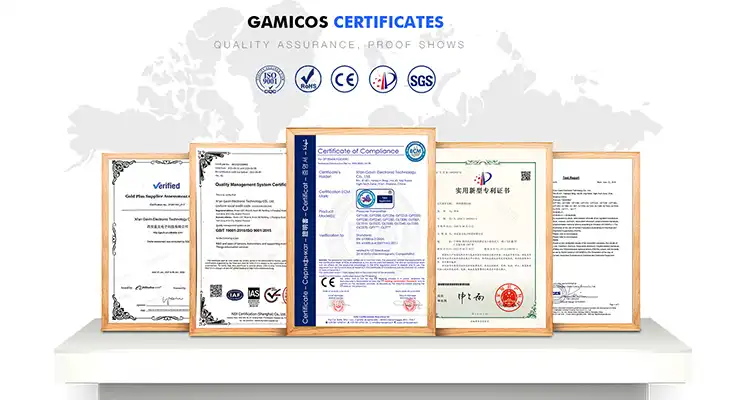
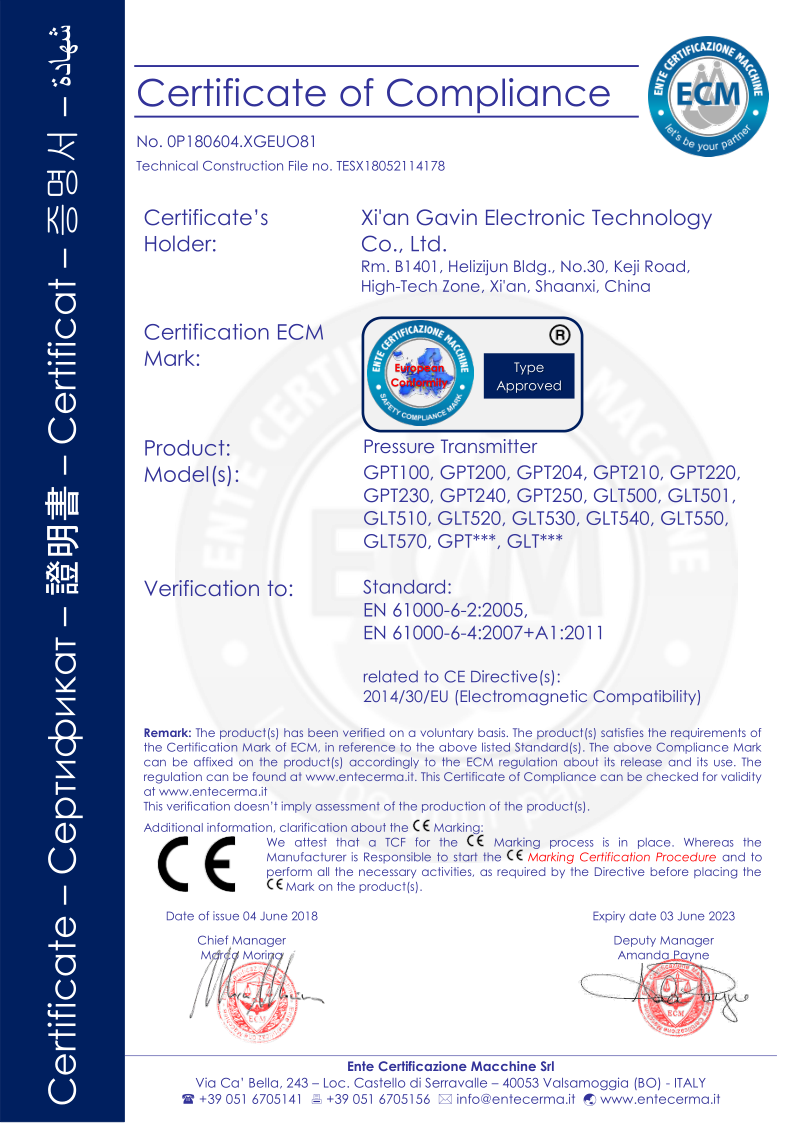
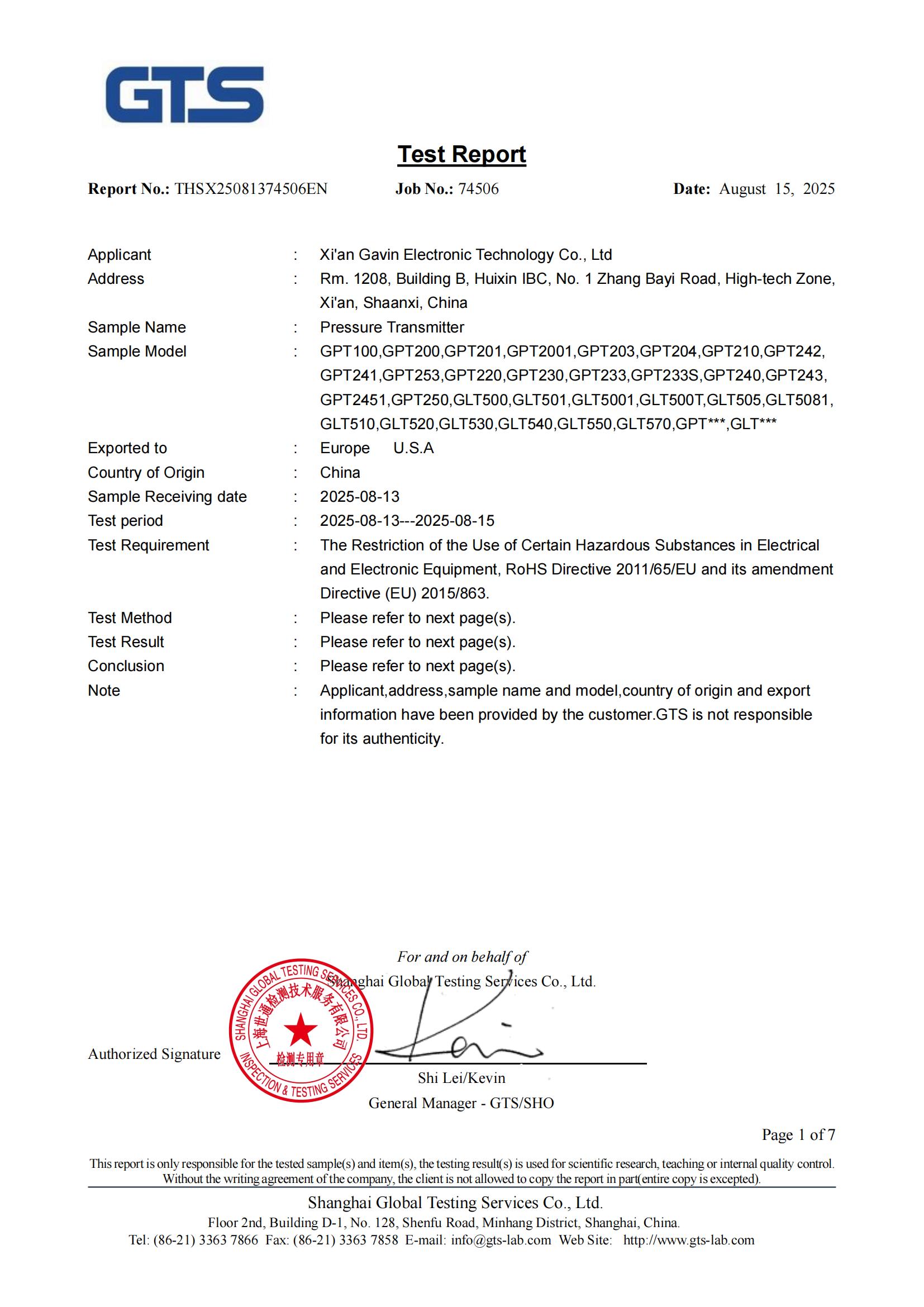
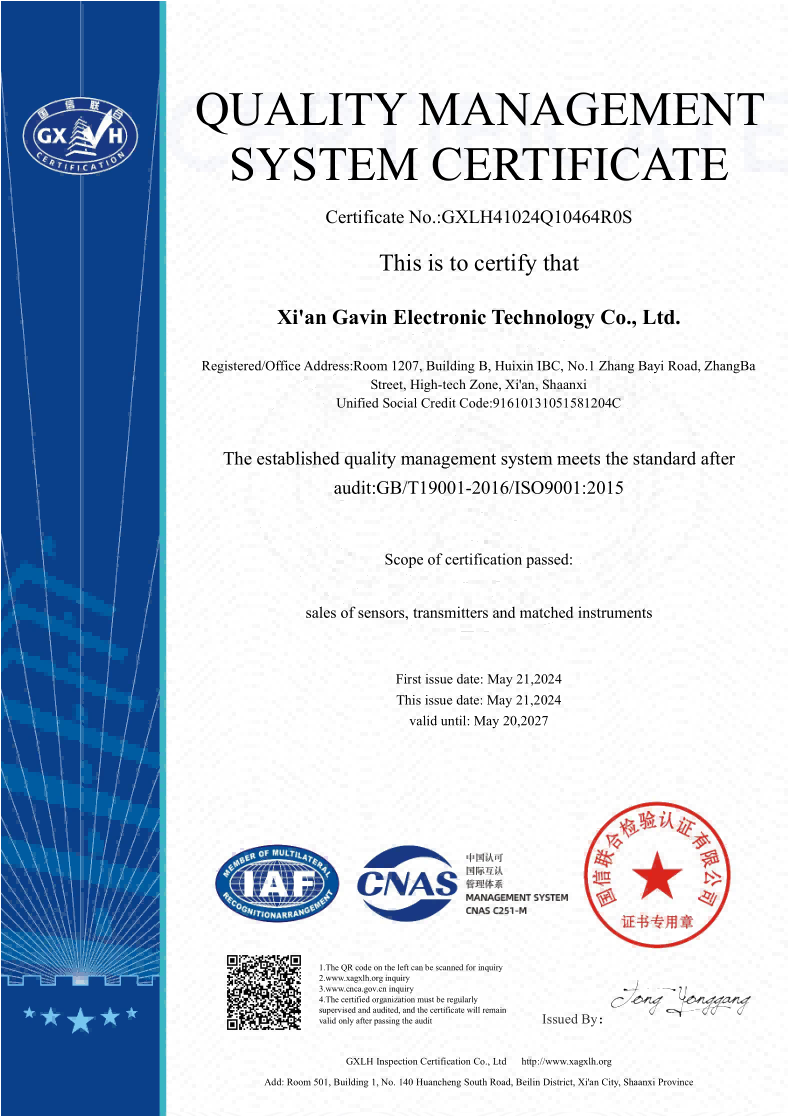
GAMICOS specializes in making high-precision low-temperature pressure sensors that can work in the hardest subzero conditions found in factories around the world. Our engineering team has worked in the energy, pharmaceutical, chemical, and oil industries in North America, Europe, and other cold climates for a long time. We offer full customization services that include choosing the type of sensor, setting up the interface, adapting the transmission protocol, and changing the size to exactly what you need. As a reliable provider of low-temperature pressure sensors, we keep strong quality control systems that are backed by CE, RoHS, and ISO certifications.
These make sure that we meet all international standards. Our ability to sell in bulk helps with both big industrial projects and OEM production needs. For large orders, we offer reliable shipping plans and reasonable prices. Technical support is available for the whole lifetime of a product, from helping you choose the right product to helping you install it and providing ongoing upkeep support. Contact our purchasing experts at info@gamicos.com to talk about your measurement problems in cold environments and get full quotes for freeze-resistant pressure sensors that are designed to work well in high temperatures.
References
1. Johnson, R. T., & Williams, K. M. (2021). Industrial Pressure Measurement in Extreme Environments. McGraw-Hill Professional Engineering.
2. Chen, L., & Petersen, A. (2020). "Design Considerations for Cryogenic Pressure Sensors," Journal of Instrumentation and Control Systems, 48(3), 112-129.
3. Anderson, D. S. (2019). Process Instrumentation for Cold Climate Operations. Elsevier Technical Publishing.
4. Zhang, W., Schmidt, H., & O'Connor, P. (2022). "Temperature Compensation Techniques in Thin-Film Pressure Sensors," Sensors and Actuators A: Physical, 315, 224-238.
5. Thompson, M. J. (2020). Reliability Engineering for Industrial Instrumentation. John Wiley & Sons.
6. National Institute of Standards and Technology. (2021). Guidelines for Pressure Sensor Calibration in Low Temperature Environments. NIST Special Publication 1200-3.

Ivy
Ivy, product consultant, has focused on sensor consultation for ten years, is proficient in providing pressure and level measurement solutions for customers.
We're here to help — submit your request anytime!
Let us know how we can help solve your pressure level measurement challenge.
_1757930850792.jpg)
Recommended Blog
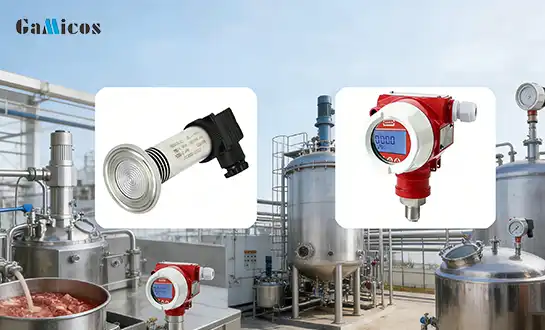
Sanitary vs Industrial Pressure Transmitters: Key Differences Explained
Pressure Transmitter Uses in Water and Wastewater Treatment
Top Applications of Pressure Transmitters in Process Control
Best Pressure Transmitter for HVAC and Energy Systems
Sanitary vs Industrial Pressure Transmitters: Key Differences Explained
Pressure Transmitter Uses in Water and Wastewater Treatment
Top Applications of Pressure Transmitters in Process Control
Best Pressure Transmitter for HVAC and Energy Systems
Sanitary vs Industrial Pressure Transmitters: Key Differences Explained
Pressure Transmitter Uses in Water and Wastewater Treatment
Top Applications of Pressure Transmitters in Process Control
Best Pressure Transmitter for HVAC and Energy Systems