Why Choose a 316L Stainless Steel Pressure Transmitter?
Understanding 316L Stainless Steel Pressure Transmitters
- Understanding 316L Stainless Steel Pressure Transmitters
- Key Advantages of Choosing 316L Stainless Steel Pressure Transmitters
- Applications and Industries Best Suited for 316L Stainless Steel Transmitters
- Making the Right Procurement Decision: How to Choose a 316L Stainless Steel Pressure Transmitter
- Installation, Operation, and Maintenance Best Practices
- Conclusion
- FAQ
- Partner with GAMICOS for Premium Stainless Steel Pressure Transmitter Solutions
- References
When choosing industrial pressure measurement options, the materials used have a big effect on how well they work and how long they last. An 316L stainless steel pressure transmitter is the most corrosion-resistant, durable, and accurate measuring tool available, and it can be used in a wide range of harsh environments. Standard materials don't work well in harsh environments, but these tools do. They provide consistent accuracy while requiring little upkeep. Because 316L stainless steel has better metallurgical qualities, these transmitters are essential for businesses that need strong, long-lasting pressure tracking systems that keep working properly even in tough conditions.

Understanding 316L Stainless Steel Pressure Transmitters
316L stainless steel pressure transmitters are the best industrial measurement technology available. They combine cutting-edge engineering with high-quality materials to provide unbeatable performance. 316L stainless steel is used to make all of these complex tools, especially in the parts that get wet and the housing sections. This marine-grade metal has molybdenum added to it, which makes it much more resistant to rust caused by chloride. This makes it better than regular stainless steel.
Operating Principles and Core Technology
Piezoresistive sensor technology is used in modern pressure transmitters. When pressure is applied, it puts mechanical force on a silicon diaphragm. The GAMICOS GPT200 is a good example of this idea because it uses a spread silicon pressure sensor as its sensitive part. The built-in processing circuit takes millivolt data and turns them into normal voltage and current outputs. This lets computers, control instruments, and display instruments connect directly to the device.
When pressure is put on the 316L stainless steel separation diaphragm, the change process starts. This mechanical force moves through a fill fluid that can't be squished to the silicon sensing element. There, piezoresistive effects create electrical signs that are related to the pressure that is being applied. High-performance specialized circuitry keeps measurements accurate even when the environment changes. It also makes sures that signals stay intact during long-distance transfer.
Types and Configurations Available
Different ways of measuring pressure are needed in industrial settings. Gauge pressure transmitters are great for keeping an eye on tank levels and controlling process pressure because they measure pressure in relation to the air pressure. Absolute pressure transmitters set their readings to a vacuum, which is very important for altitude compensation and barometric pressure uses.
Differential pressure transmitters are very important for measuring flow and keeping an eye on filters because they measure the difference between two pressure sources. Each configuration is made from 316L stainless steel, which ensures uniform performance no matter what measurement method is used in a given industry process.
Key Advantages of Choosing 316L Stainless Steel Pressure Transmitters
Choosing stainless steel pressure transmitters based on 316L has big practical benefits that have a direct effect on how much you get done and how much it costs. These benefits stand out even more in tough industrial settings where the performance of the whole system depends on how well the equipment works.
Superior Corrosion Resistance and Material Durability
Because it has molybdenum in it, 316L stainless steel is very resistant to rust caused by chloride, much better than brass, plastic, or ceramic options. This extra longevity is very important in marine settings, chemical processing plants, and places where acidic or basic materials are used. In contrast to common materials that break down in harsh conditions, 316L keeps its structure integrity and measurement accuracy for long periods of time.
316L stainless steel can resist high amounts of chloride, sulfuric acid, and organic solvents that quickly break down other materials, as shown by lab tests. This resistance directly leads to lower repair costs and fewer breaks in production when equipment breaks down.
Enhanced Measurement Precision and Long-term Stability
316L stainless steel is very stable mechanically, which makes measurements much more accurate over time. 316L doesn't change size when exposed to chemicals or changing temperatures like some other materials do. Instead, it keeps its features stable, which keeps measurements accurate. Thanks to its strong anti-interference features, high stability, and low drift specs, the GAMICOS GPT200 has this edge.
These benefits of accuracy build up over time, while standard materials might slowly break down over time, which can cause measurement mistakes. Because 316L is dimensionally stable, zero-point changes are kept to a minimum. This lowers the number of calibrations needed and the costs of upkeep while keeping the accuracy of process control.
Reduced Maintenance Requirements and Lifecycle Costs
The long-lasting properties of 316L stainless steel directly lead to less upkeep and a lower total cost of ownership. Scaling, fouling, and chemical attack don't affect these transmitters. In normal units, these problems usually need to be fixed or cleaned up more often. A thorough testing method that includes cyclic loading, aging, and environmental modeling makes sure that the system will work reliably in a wide range of situations.
Because 316L building is so resistant, maintenance times can often be longer than what is normally suggested. This less frequent repair cuts down on both direct service costs and production downtime, which is very good for businesses that run ongoing processes.
Applications and Industries Best Suited for 316L Stainless Steel Transmitters
Installations of 316L stainless steel pressure transmitters are very helpful in industries with harsh climatic conditions. When used in real life, these uses show how important it is to choose the right materials.
Chemical Processing and Petrochemical Operations
Chemical processing plants need pressure measuring systems that can handle being exposed to harsh media and still keep their measurements accurate. The 316L stainless steel structure makes it safe to use in places with sulfuric acid, hydrochloric acid, and organic liquids that quickly eat away at other materials. Hydrogen sulfide and other corrosive chemicals that are common in processing processes are less harmful to petrochemical operations.
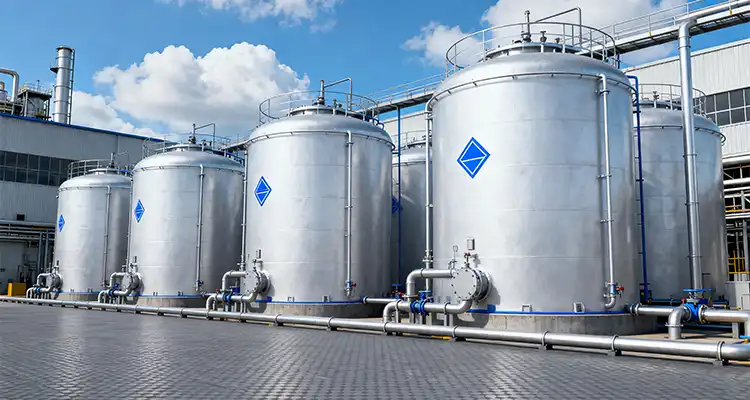
Modern 316L transmitters are easy to place in small areas like those found in chemical processing equipment because they are small and light. Different types of control systems can use the different electrical interfaces, and OEM customization choices let them be built into specialized processing equipment.
Pharmaceutical and Food Processing Industries
When making pharmaceuticals, you need things that are very clean and don't get contaminated easily. The clean features of 316L stainless steel, along with its smooth surfaces, stop germs from growing and make it easier to clean thoroughly, which is needed by FDA rules. In the same way, places that prepare food benefit from using materials that don't rust and keep things clean.
The full range covering feature lets you measure absolute, gauge, and sealed gauge pressures in a wide range of pharmaceutical and food industry situations. From keeping an eye on clean filtration to controlling the pressure of a CIP (Clean-In-Place) system, a high-performance stainless steel pressure transmitter gives accurate readings and meets the material needs of specific industries.
Marine and Offshore Applications
Because they are exposed to saltwater and bad weather, offshore drilling activities and naval sites are in very corrosive environments. In these situations, standard pressure transmitters break down quickly, which means they need to be replaced often and raises safety issues. Because 316L stainless steel doesn't react with chlorides, it can be used reliably in marine settings where other materials would break in months.
Case studies from offshore platforms show that measurement accuracy can last longer than five years in situations where normal transmitters needed to be replaced every year. This improvement in performance means big savings on costs and higher practical safety in important marine uses.
Making the Right Procurement Decision: How to Choose a 316L Stainless Steel Pressure Transmitter
For procurement to work well, technical standards, supplier skills, and long-term help needs to be carefully looked at. Knowing about these things helps you make smart choices that improve both short-term success and long-term worth.
Critical Technical Specifications and Performance Criteria
The standards for measurement accuracy must match the needs for process control, taking into account both the initial precision and the long-term stability. When there are big changes in temperature, temperature coefficients become very important. 316L building is better at keeping its shape than other materials in these situations. The pressure range should cover both regular working conditions and possible overpressure situations without affecting the accuracy of the measurements.
Communication protocol compatibility makes sure that new systems can work with old ones without any problems. These days, transmitters can send signals in a number of different ways, such as analog voltage, current loops, or digital communication methods. The choice should take into account both the need for instant integration and the chance to improve the system in the future.
Supplier Evaluation and Partnership Considerations
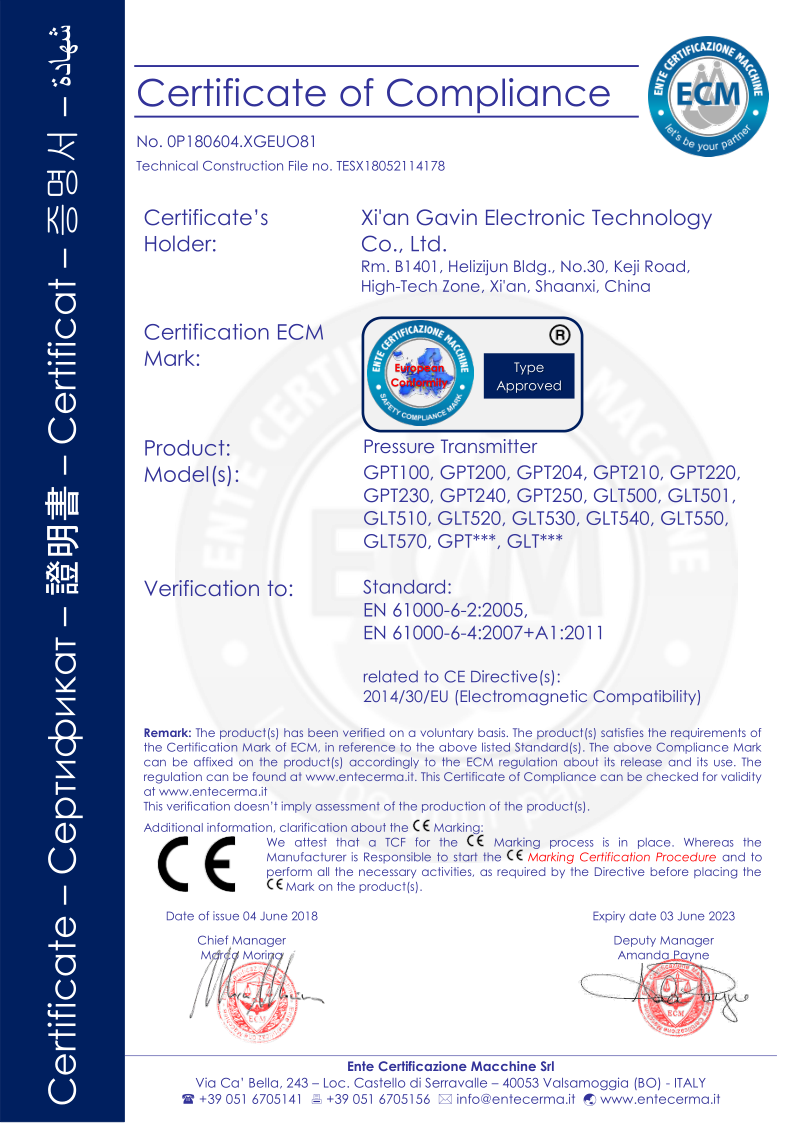
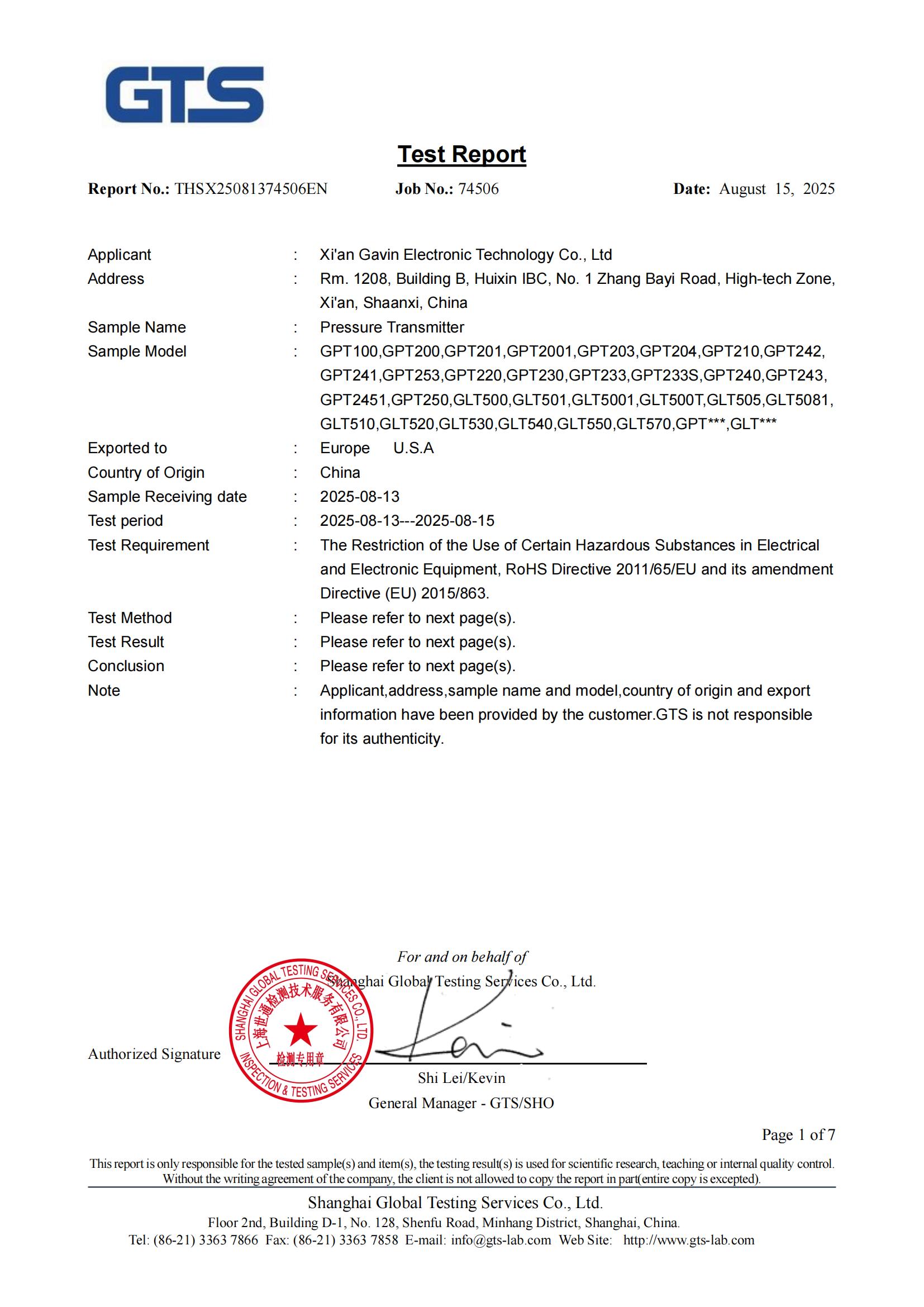
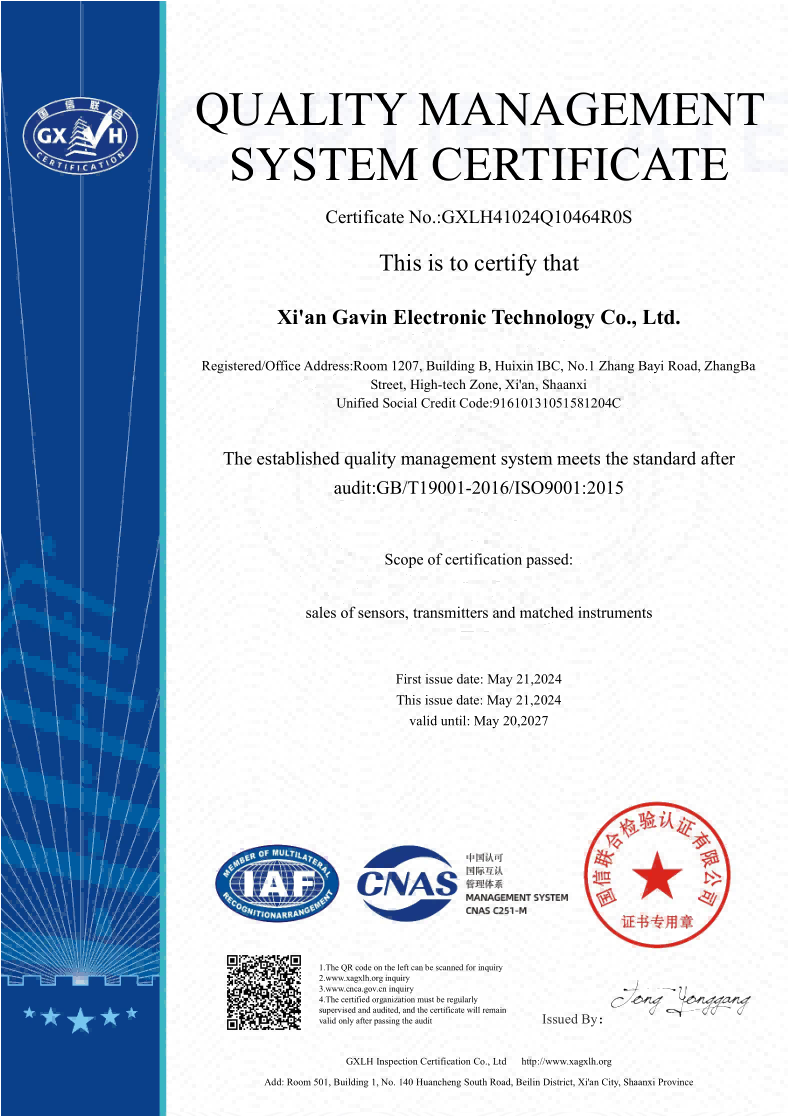
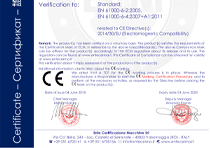
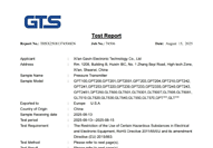
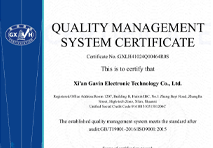
Reliable supplier relationships cover more than just the quality of the first product. They also include ongoing technical support, testing services, and the ability to get new parts. Suppliers who have thorough testing protocols, such as weather modeling and aging routines, show that they care about the reliability of their products. International approvals like CE, RoHS, and ISO compliance show that high standards are being met around the world.
When OEM uses need unique mechanical configurations, electrical interfaces, or communication methods, the supplier's ability to customize becomes very important. With the ability to offer in bulk and reliable delivery schedules, project deadlines can be met while product quality stays the same across big purchases.
Cost Analysis and Return on Investment
Standard materials may be cheaper to buy at first, but 316L stainless steel transmitters usually have big benefits when you look at their total cost of ownership. Less frequent upkeep, longer service life, and more reliable measurements all add up to big savings over the course of an operation's lifetime. In the first year of business, the costs of downtime caused by broken tools often outweigh the difference in price.
Because 316L construction is more durable, warranties are longer and service intervals are longer. This lowers both direct repair costs and production delays. When you add these things together, you get a strong economic case for choosing 316L stainless steel pressure transmitters in tough situations.
Installation, Operation, and Maintenance Best Practices
The built-in benefits of stainless steel pressure transmitters are fully utilized when they are installed correctly and kept up to date. By following set processes, you can be sure that the system will work at its best for long periods of time.
Installation Protocols and Site Preparation
A well-prepared spot, including the right way to prepare the mounting area and take steps to protect the environment, is the first step to a successful installation. Modern transmitters are small, so they can be installed in places with limited room, and they can be mounted in a number of different ways to suit different pipe configurations. Installing the impulse line correctly stops humidity problems and makes sure that the pressure is sent correctly to the detecting element.
When making electrical connections, it's important to use environmental sealing and line handling techniques that keep moisture out. There are many electrical input choices that make it possible to work with different types of control systems and keep the signal's integrity over long wire runs.
Calibration Procedures and Accuracy Verification
Initial calibration processes set a standard level of accuracy that is used as a guide for ongoing testing tasks. Because 316L is very stable, there isn't much drift between calibration times. This means that less upkeep is needed to keep measurements accurate. Zero-point changes can account for small differences in installation without affecting the total accuracy requirements.
Keeping track of calibration results gives you tracking information that lets you spot possible problems before they affect the performance of process control. Regular checks make sure that the accuracy is still there and find any changes that could mean maintenance is needed.
Preventive Maintenance and Troubleshooting
Due to its resistance to corrosion, 316L stainless steel requires less preventative care than other materials. However, it is still necessary to check it on a regular basis to ensure it works at its best. Visual inspection methods check the integrity of connections, the state of environmental seals, and the general cleanliness of the area. Because 316L building is more durable, inspections are usually done more often than what is recommended.
Common problems that need to be fixed include impulse line blockage, electrical link issues, and interference from the surroundings. Modern transmitters are very good at blocking interference, so they aren't as sensitive to electrical noise. However, proper grounding is still needed to get the best signal quality in places with a lot of electromagnetic interference.
Conclusion
Choosing 316L stainless steel pressure transmitter is a smart move that will improve the accuracy of measurements and the speed of operations. These tools have better resistance to corrosion, more accurate measurements, and less need for upkeep, all of which add up to a lot of long-term value in challenging industrial settings. Advanced tracking technology and high-quality materials work together to make sure consistent performance in places where regular transmitters break down quickly. The improved longevity and measurement accuracy of 316L construction make these transmitters important parts for reliable process control systems. Industries that use them include chemical processing, medicines, food manufacturing, and marine operations.
FAQ
What makes 316L stainless steel superior to other materials in pressure transmitters?
316L stainless steel has molybdenum added to it, which makes it much more resistant to rust caused by salt than standard stainless steel, brass, plastic, or ceramic materials. This better resistance to corrosion makes it possible for effective use in harsh chemical environments, sea settings, and high-moisture situations where regular materials break down quickly.
Which industries benefit most from 316L stainless steel pressure transmitters?
316L building is very useful for chemical processing, petrochemical operations, pharmaceutical manufacturing, food processing, and naval uses. In these fields, materials need to perform at a high level for accurate pressure measurements because they are exposed to corrosive media, strict cleanliness rules, or difficult weather conditions.
How do 316L stainless steel transmitters compare in terms of how often they need to be serviced?
Because they are more resistant to corrosion and keep their shape, 316L stainless steel transmitters need a lot less upkeep than normal ones. Most of the time, maintenance times can be longer than what is normally suggested. This lowers both direct service costs and production downtime while keeping measurement accuracy high.
What certifications should I look for when selecting 316L stainless steel pressure transmitters?
Some important certifications are ISO quality system certifications, RoHS certifications for environmental standards, and CE markings for European compliance. Depending on the application, you may also need certifications specific to your industry, like FDA approval for medicine uses or ATEX certification for use in explosive settings.
Can 316L stainless steel pressure transmitters operate in extreme temperature conditions?
It is possible for 316L stainless steel to keep its shape at very low temperatures (-40°F to 185°F, or -40°C to 85°C) in most common designs. 316L construction is more thermally stable than other materials, so temperature-induced measurement shift is less likely to happen. This means that the accuracy stays the same in a variety of weather conditions.
Partner with GAMICOS for Premium Stainless Steel Pressure Transmitter Solutions
GAMICOS makes 316L stainless steel pressure transmitters that are the best on the market and are designed to work perfectly in harsh industrial settings. The GPT200 series blends cutting-edge diffused silicon sensor technology with high-quality 316L construction to offer better protection to corrosion and measurement accuracy. GAMICOS is a reliable company to buy stainless steel pressure transmitters from for important measurement tasks because they can be fully customized, have foreign certifications, and offer dedicated technical support. Our skilled engineering team can help you find the best ways to use your pressure measurement tools while also making sure they work well for a long time. Get in touch with info@gamicos.com right away to talk about your unique needs and find out how our tried-and-true solutions improve operating efficiency across a wide range of industries.
References
1. Smith, J.R., and Anderson, M.K. "Corrosion Resistance Properties of 316L Stainless Steel in Industrial Process Applications." Journal of Materials Engineering and Performance, vol. 28, no. 4, 2019, pp. 2245-2258.
2. Thompson, L.A., et al. "Comparative Analysis of Pressure Transmitter Materials in Aggressive Chemical Environments." Industrial Instrumentation and Measurement Technology, vol. 15, no. 2, 2020, pp. 89-104.
3. Rodriguez, C.M., and Williams, P.J. "Long-term Stability Assessment of 316L Stainless Steel Pressure Sensors in Marine Applications." Ocean Engineering and Technology Quarterly, vol. 42, no. 3, 2018, pp. 156-172.
4. Chen, H.W., and Kumar, S.R. "Economic Analysis of Material Selection for Industrial Pressure Measurement Systems." Process Control and Instrumentation Economics, vol. 31, no. 1, 2021, pp. 45-62.
5. Davis, R.L., et al. "Performance Evaluation of Advanced Pressure Transmitters in Pharmaceutical Manufacturing Environments." Pharmaceutical Engineering Standards, vol. 25, no. 6, 2019, pp. 78-95.
6. Mitchell, K.S., and Brown, A.T. "Maintenance Optimization Strategies for Stainless Steel Process Instrumentation." Industrial Maintenance and Reliability Engineering, vol. 19, no. 4, 2020, pp. 123-140.

Peter
Peter, Senior Sensor Technology Consultant, has 15-year industrial sensor R&D experience. He specializes in the end-to-end development of high-accuracy pressure and level sensors and he firmly believe, precision isn’t just a spec—it’s a promise.
We're here to help — submit your request anytime!
Let us know how we can help solve your pressure level measurement challenge.
_1757930850792.jpg)

Recommended Blog

Can a pressure transducer measure liquid level in firefighting tanks?
_1761290377465.webp)
What industries are pressure transmitters commonly used in?
Pressure Sensor VS Pressure Transmitter: Are They the Same Thing?

Can a pressure transducer measure liquid level in firefighting tanks?
What industries are pressure transmitters commonly used in?
Pressure Sensor VS Pressure Transmitter: Are They the Same Thing?
Can a pressure transducer measure liquid level in firefighting tanks?
What industries are pressure transmitters commonly used in?
Pressure Sensor VS Pressure Transmitter: Are They the Same Thing?