Cable Length Effects on Pressure Sensor Signals
Understanding Pressure Sensor Signal Cables and Cable Length Impact
- Understanding Pressure Sensor Signal Cables and Cable Length Impact
- Key Factors Influencing Cable Performance Over Length
- Troubleshooting and Testing Pressure Sensor Signal Cables by Length
- Choosing the Right Pressure Sensor Signal Cable Based on Length and Application
- Future Trends and Innovations in Pressure Sensor Signal Cables
- Conclusion
- FAQ
- Partner with GAMICOS for Reliable Pressure Sensor Signal Cable Solutions
- References
In industrial settings, the length of the cable has a big effect on how pressure sensors talk to control systems. Engineers and purchasing managers need to know that adding one more meter to a pressure sensor signal cable can cause the signal to weaken, the electrical resistance to rise, and the cable to become more susceptible to electromagnetic interference. In oil pipelines, drug production lines, chemical processing plants, and food factories, the link between cable length and signal quality has a direct effect on how accurate measurements are.
When sent over 30 meters, analog signals often lose power, but digital methods can handle longer runs as long as they are shielded and have the right impedance matching. In the many years that we've been providing measurement solutions around the world, we've seen that forgetting to include certain cable specs during installation often leads to operating problems and measurement errors that make it hard to control the process.
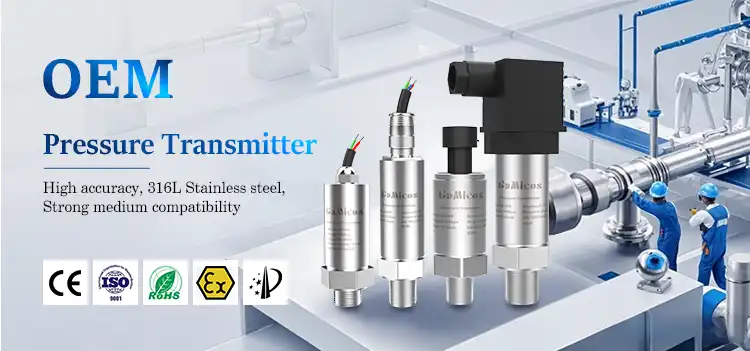
Understanding Pressure Sensor Signal Cables and Cable Length Impact
Anatomy of Signal Transmission Cables
Pressure sensor signal cables are made up of several important parts that work together to keep data safe. Electrical signals are sent from the sensor's output end to the receiving device by the conductor core. Around these cables are insulation materials that keep them from short circuiting and keep their electrical properties stable even when the temperature changes. Outside electromagnetic fields are kept at bay by shielding layers.
These fields are common in factories where motors, transformers, and variable frequency drives are used. At both ends, connector parts make sure that the physical and electrical link is safe. Each part of the cable affects how well it works as a whole, but the length of the cable makes each part's effects stronger, both good and bad.
How Distance Degrades Signal Quality
Several physical effects work together to lessen the signal and cause mistakes as the length of the cable grows. As you move farther away, electrical resistance builds up, which lowers the voltage in analog outputs like 0-10 V signals or 4-20 mA current loops. If you use the same cable specs, a 50-meter cable run might lose 2% to 3% of its data compared to a 5-meter link.
As the length of a cable increases, so does the capacitance between them. This causes low-pass filtering effects that slow down reaction times and smooth out sudden changes in the signal. This is especially hard to deal with when keeping an eye on hydraulic systems or air control lines that change pressure quickly.
Analog Versus Digital Signal Considerations
Different output types are better or worse at dealing with problems caused by long cables. The weakest signals are analog voltage signals, which can only go up to 30 to 50 meters before noise and distortion make them less accurate. Receiving devices that measure current instead of voltage can block out noise better than those that measure voltage. This means that series resistance effects can't affect messages up to 100 meters away.
Digital standards like HART, Modbus, and Profibus allow for error checks and signal recycling, and with the right wiring, they can work over lengths of several hundred meters. When long communication lines are needed for capacitive ceramic pressure sensors that send out analog data, you need to be very careful when choosing the pressure sensor signal cables.
Critical Electrical Parameters
Impedance matching is necessary when the cable length is longer than what the maker recommends. Signal reflections happen when impedances are not matched correctly. These reflections change patterns and lead to measurement mistakes. When figuring out voltage drop, you need to take into account both the resistance of the cable and the impedance of the load at the other end.
The capacitance of a cable is usually between 30 and 150 picofarads per meter, and over long runs, it can build up to large amounts. This stored charge changes the time it takes for signals to rise and can work with sensor output stages to make them unstable or oscillate. By knowing these factors, you can specify pressure sensor signal cables with the right conductor gauge, insulating qualities, and shielding configurations.
Key Factors Influencing Cable Performance Over Length
Insulation Material Selection
Insulation on cables does more than just keep electricity from getting in or out. Polyvinyl chloride (PVC) insulation is a cheap way to keep places up to 80°C and moderately heated or cooled. It can be used in many water treatment and HVAC uses. PTFE (polytetrafluoroethylene) shielding can handle temperatures up to 200°C and has low dielectric constants that keep capacitance effects to a minimum over long cable runs.
Fluoropolymer insulations are great for pharmaceutical cleanrooms and food processing areas with strict hygiene rules and strict washdown procedures because they are resistant to chemicals and keep their electrical properties fixed over a wide temperature range. The choice of material has a direct effect on how well the information stays in the pressure sensor signal cable as its length grows.
Shielding Architecture and EMI Protection
In factory automation settings where heavy machinery makes electrical sounds, electromagnetic interference is a big problem. Different insulation methods offer different levels of safety that work best for different cable lengths and sources of interference, pressure sensor signal cable is inserted into this environment.
When made from tinned copper, braided shields are very flexible and block 85 to 95% of low-frequency magnetic fields. This type of construction is good for cable runs of 10 to 50 meters in places that aren't too noisy, like water treatment plants or building control systems.
Foil shields made of an aluminum-polyester blend completely block high-frequency electric fields, but they are rigid and don't last long mechanically. For runs longer than 50 meters, engineers often ask for foil protection along with drain wires because radio frequency interference from wireless equipment or switching power sources can make measurements less accurate.
Combination shields that put foil inside braided shields offer the best safety for the toughest jobs. Chemical plants, factories, and steel mills that make a lot of electromagnetic interference need this two-layer method, especially when the pressure sensor signal cables are longer than 75 meters.
When properly grounded at one end to stop ground loops and keep low-impedance paths for interference currents, these shielding techniques offer strong security. Choosing the right shield design lets you increase the length of a reliable cable without losing signal quality.
Connector Quality and Compatibility
Connectors are important points where data purity can be lost, no matter how good the cable is. Industrial-grade connectors from well-known brands have gold-plated contacts that don't rust and keep their low contact resistance even after thousands of joining cycles. M12 circular connectors are now the usual way to connect sensors, and they offer IP67 protection against dust and water getting in.
Threaded locking devices keep things from coming apart because of vibration in places with a lot of vibration, like mobile equipment. When you choose the wrong connection, you add contact resistance that acts like the effects of cable length, which makes signal degradation problems worse. Specification of connection types that work with current infrastructure makes installation easier and more reliable in the long run.
Troubleshooting and Testing Pressure Sensor Signal Cables by Length
Common Length-Related Signal Problems
Long cable systems often fail in ways that can be traced back to factors that depend on distance. Signal attenuation shows up as lower output levels or narrower measurement ranges, which trick control systems into getting values that don't accurately reflect the real state of the process. Crosstalk happens when several pressure sensor signal cables run in parallel.
Signals from one circuit can connect to pairs next to each other through electromagnetic fields, and this effect gets stronger as the parallel run length increases. Insulation breaks down over long outdoor cable routes because of UV light, changing temperatures, and water getting in. This makes leaking currents and signal noise worse over time. Finding faults faster is easier when you know these patterns.
Systematic Testing Procedures
Using digital multimeters to check for unbroken cables along the length of the line is the first step in effective repair. By measuring the resistance between each cable and shield, you can tell if the insulation is breaking down or if water is getting in. Insulation resistance testing uses high voltages between cables to measure the quality of the insulation.
Insert the pressure sensor signal cable into the diagnostic process: readings below 100 megohms mean that the insulation is damaged and the pressure sensor signal cable needs to be replaced. Monitoring sensor output while introducing known changes in pressure is part of signal integrity testing. Received signals are compared to predicted values to figure out transmission loss. These methodical steps separate problems with the connection from problems with the sensor or device.
Length-Specific Diagnostic Strategies
Cable problems that are caused by being too long need specific testing methods. To find impedance irregularities, breaks, or shorts with meter-level accuracy along runs longer than 100 meters, time-domain reflectometry (TDR) sends fast-rise pulses through cables and analyzes the echoes.
By measuring capacitance between the cables, you can see if the collected capacitance fits the cable's specs and length figures. By comparing the signal strength at different link places along long runs, you can find the cable parts that are causing too much loss. Keeping track of standard readings taken during installation gives us a way to measure degradation during later upkeep tasks.
Choosing the Right Pressure Sensor Signal Cable Based on Length and Application
Matching Cable Specifications to Distance Requirements
The right choice of cable strikes a mix between professional efficiency and functional limitations. Short setups (less than 10 meters) can use standard PVC-insulated pressure sensor signal cables with basic foil protection to keep costs low and signal loss to a minimum. Better construction with PTFE insulation, braided protection, and bigger conductor gauges that lower resistance are good for medium-distance runs between 10 and 50 meters.
For uses farther than 50 meters, you need high-quality cables with combination shielding, twisted-pair design to get rid of differential noise, and low-capacitance dielectrics. When custom cable systems are ended to exact lengths, there is no extra coiling, which raises capacitance and lowers installation work.
Environmental Considerations
The installation setting sets other standards for the cable than just electricity function. For underground pipe setups, you need materials that keep out wetness and jacketing that can withstand soil poisons and bacterial attack for decades. For outdoor flying runs, the jackets need to be immune to UV rays and strong enough to handle wind loads and ice buildup.
Silicone or fluoropolymer insulations must be used in high-temperature areas near furnaces, ovens, or steam lines to keep their electrical and flexible qualities at high temperatures. Chemical exposure in processing plants needs to be checked for compatibility against certain substances, since strong solvents can get through normal PVC in just a few months. By making pressure sensor signal cables that are built to withstand the pressures of their surroundings, early breakdowns can be avoided.
Procurement Decision Factors
In addition to technical specs, B2B buyers look at a number of business-related factors. Pressure sensor signal cable with temperature ranges from -40°C to +125°C can be used in most workplace settings without the need for expensive, specialized materials. Standardizing connectors on M12 or DIN 43650 forms makes sure that they work with a variety of sensor brands and makes keeping track of extra parts easier.
When projects need hundreds of sensors with cable connections, volume price becomes important because quantity breaks make per-unit costs much lower. Reliable lead times keep project plans on track, which makes established providers with stock stocking systems useful business partners. When figuring out the total cost of ownership, these things are added to the price of a pressure sensor signal cable unit.
Future Trends and Innovations in Pressure Sensor Signal Cables
Advanced Material Development
New discoveries in material science keep making cables work better over longer distances. Graphene-enhanced shielding materials are smaller and lighter than traditional metal shields, but they are better at blocking electromagnetic interference. Cross-linked polyethylene insulations keep dielectric constants lower over a wider range of temperatures, which lowers the effects of signal capacitance.
Nano-filled polymer materials can withstand chemical attacks from harsh media and still remain flexible in very cold temperatures. These new materials could lead to pressure sensor signal cables that consistently send data over longer distances and in tougher conditions than current goods can handle.
Integrated Diagnostics and Smart Cables
Next-generation cables have sensors built in that check the health of the connection in real time. Fiber optics-based distributed temperature sensors finds hot spots that mean too much current or exposure to the environment. Partial discharge detection circuits find insulation degradation before it leads to full failure. This lets repair workers plan ahead. Time-domain reflectometry units built into cable terminations can find problems instantly and measure changes in cable length caused by damage or stress. These smart features cut down on the time needed to fix problems and keep critical applications from failing without warning.
Standardization Initiatives
Harmonized standards are constantly developed by industry groups to make buying easier and improve interoperability. Standards set by the International Electrotechnical Commission make sure that all makers use the same color code, connection pinouts, and electrical properties. Standardized pressure sensor signal cable names make it clear what the building is, which cuts down on specification mistakes during buying. With common connection ports, buyers are no longer limited to buying from a single source because of unique designs. Standardization efforts help buyers by giving them more seller choices, more reasonable prices, and easier upkeep tasks by using standard spare parts stocks.
Conclusion
The length of the cable has a big impact on how a pressure sensor system is designed and how well it works in commercial settings. When choosing pressure sensor signal cable for new installs or updates, it's helpful to know how distance affects signal transfer. No matter how far the signal travels, measurement precision is maintained by choosing the right cable based on its conductor gauge, insulation materials, protection design, and connection quality.
Systematic testing and repair methods quickly find problems with cables, reducing downtime and business interruptions. As material science and testing technologies improve, new cable solutions will make it easier to place and maintain cables over longer lengths while still ensuring reliable communication. Professionals in business-to-business buying balance scientific needs with practical concerns to make sure that reliable, low-cost pressure measurement tools support important industry processes.
FAQ
What is the maximum recommended length for analog pressure sensor cables?
Depending on the quality of the cable and the amount of noise in the surroundings, analog voltage output sensors usually stay accurate within 30 to 50 meters. Standard shielded cables can safely send current loop outputs like 4-20 mA signals up to 100 to 150 meters. If the distance is longer than these, signal boosters, repeaters, or switching to digital methods are needed.
How does cable shielding reduce electromagnetic interference?
When you protect a cable, an electrical barrier forms around the signal cables. This barrier blocks electromagnetic fields before they cause noise currents. Interference is sent to ground through low-impedance routes by the shield. This keeps it from connecting into signal cables. Low-frequency magnetic interference from motors and transformers can't get through braided shields, and high-frequency electric fields from radio emitters and switching circuits can't get through foil shields either.
Can I substitute standard electrical cable for specialized pressure sensor signal cable?
Standard electrical cable is missing important parts that are needed to send signals correctly. Most generic connections don't have the electromagnetic protection that is needed in industrial settings. This lets noise in, which messes up readings. The data quality drops over long distances when using these cables because they have more capacitance per unit length than special low-capacitance connections. In difficult situations, insulation materials might not be able to handle high temperatures or being exposed to chemicals.
Partner with GAMICOS for Reliable Pressure Sensor Signal Cable Solutions
Engineers and purchasing managers need more than just good sensors to get reliable pressure measurement systems. The accuracy of the whole system depends on the signal chain. GAMICOS specializes in pressure and level measurement systems that work well with each other because the sensors and cables are designed to work well together. In the oil, chemical, pharmaceutical, food processing, and energy industries, our expert team has a lot of experience matching pressure sensor signal cable systems to sensor outputs, transmission lengths, and weather conditions.
We make pressure sensors that have outputs that work best with different cable lengths and can handle analog data from 0 to 10 V and 4 to 20 mA as well as digital standards like HART and Modbus. Our flexible OEM and ODM services can make full systems with sensors, cables, and connections that are exactly how you want them installed and how far the cables need to run. This unified method gets rid of connection worries and makes sure that signals stay strong throughout your system.
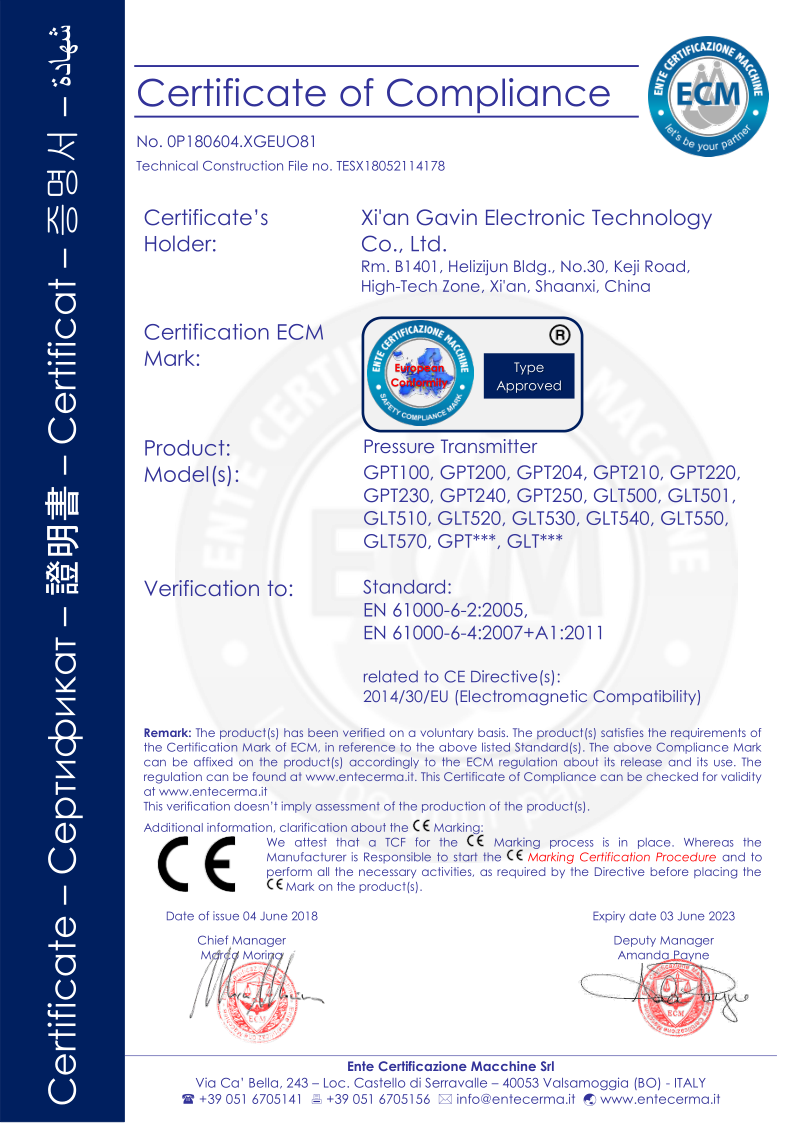
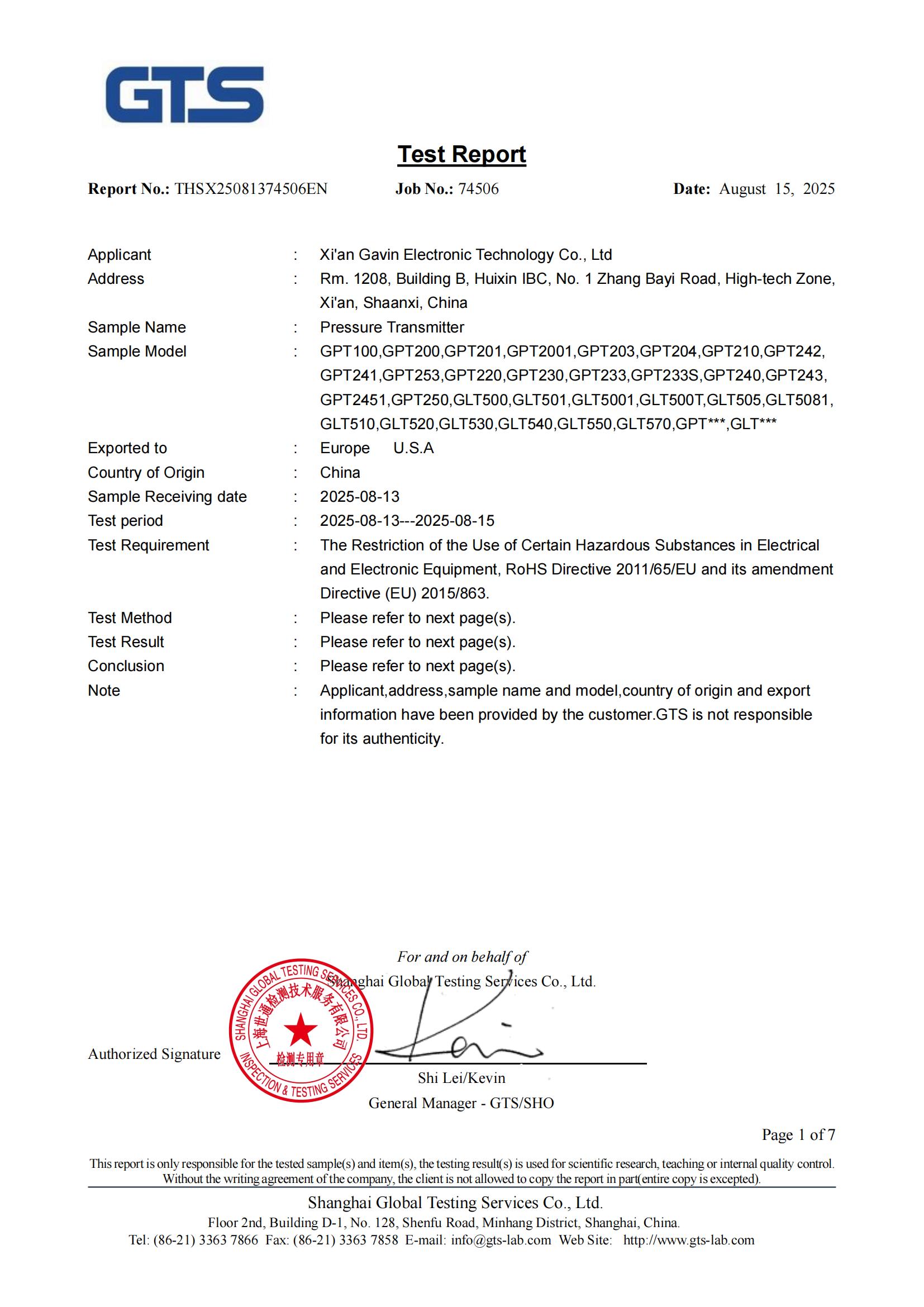
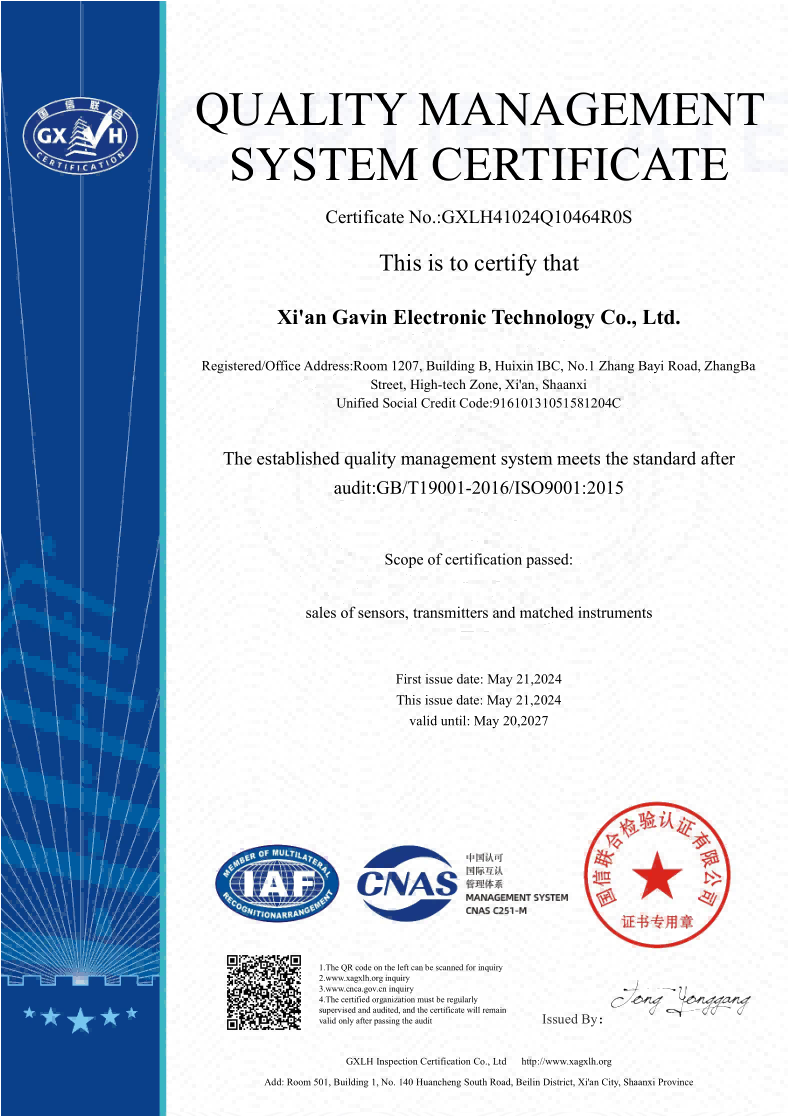
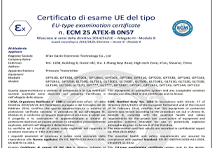
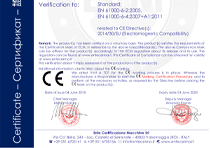
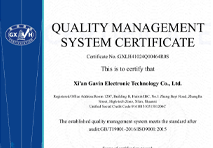
As a global company that makes pressure sensor signal cables, we work with purchasing teams in Australia, North America, Europe, the Middle East, and Southeast Asia. Our quality control systems keep up with certifications like ISO 9001, and our goods meet CE and RoHS safety standards, which make the process of getting government approvals easier. Technical support goes beyond just delivering products. It also includes installation instructions, help with setup, and tools for debugging that keep systems running efficiently.
Get in touch with our tech team at info@gamicos.com to talk about your need to measure pressure. We'll tell you which sensor and cable combinations will work best for your lengths, conditions, and accuracy needs. GAMICOS gives your processes the measurement stability they need, whether you need standard setups or custom-engineered options for tough installations.
References
1. Liptak, B. G. (2018). Instrument Engineers' Handbook: Process Measurement and Analysis (5th ed.). CRC Press.
2. Johnson, C. D. (2016). Process Control Instrumentation Technology (8th ed.). Pearson Education.
3. International Electrotechnical Commission. (2020). IEC 61158: Industrial Communication Networks - Fieldbus Specifications. IEC Standards.
4. Webster, J. G., & Eren, H. (2014). Measurement, Instrumentation, and Sensors Handbook: Electromagnetic, Optical, Radiation, Chemical, and Biomedical Measurement (2nd ed.). CRC Press.
5. Bentley, J. P. (2005). Principles of Measurement Systems (4th ed.). Pearson Education Limited.
6. National Instruments Corporation. (2019). Best Practices for Signal Conditioning and Data Acquisition in Industrial Environments. Technical White Paper Series.

Eva
Eva specializes in bridging the gap between cutting-edge sensor technology and market needs. With 8 years of experience in industrial product marketing, she has successfully launched multiple sensor product lines—from pressure transmitters to fuel level sensor—into global markets.
We're here to help — submit your request anytime!
Let us know how we can help solve your pressure level measurement challenge.
_1757930850792.jpg)
Recommended Blog
Wireless Pressure Sensor vs Wired: Which Is Better for Industry?
Best Wireless Pressure Transmitter for Remote Industrial Sites
Ceramic Pressure Sensor Uses in Corrosive Media Across Europe
Wireless Pressure Sensor vs Wired: Which Is Better for Industry?
Best Wireless Pressure Transmitter for Remote Industrial Sites
Ceramic Pressure Sensor Uses in Corrosive Media Across Europe