Long-Term Stability of Pressure Sensors Explained
Understanding Long-Term Stability in Pressure Sensors
- Understanding Long-Term Stability in Pressure Sensors
- Factors Affecting Long-Term Stability and Accuracy
- Best Practices for Ensuring Long-Term Stability in Industrial Use
- Evaluating and Comparing Pressure Sensors for Procurement
- Future Trends Impacting Pressure Sensor Stability
- Conclusion
- FAQ
- Partner with GAMICOS for Stable, Reliable Pressure Measurement Solutions
- References
When industrial processes depend on accurate readings, it's important to know how stable pressure sensors are over time. Long-term stability is a measure of how well a pressure sensor keeps its calibrated accuracy over months or years of constant use. The regularity of recalibration, the accuracy of the measurements, and the total cost of ownership are all directly affected by this feature. Whether you're in charge of oil refineries, drug production lines, or factories that make automation equipment, choosing measurement devices with proven stability profiles will help you avoid costly downtime and stay in line with regulations across all of your operations.

Understanding Long-Term Stability in Pressure Sensors
What Long-Term Stability Actually Means
Long-term stability means that a pressure sensor can keep measuring accurately without big changes for long amounts of time. Stability looks at how well something works over months and years in real-world situations, while short-term repeatability looks at how consistent it is over hours or days.
The Science Behind Sensor Drift
Aging of materials is one of the main causes of drift. When pressure, temperature, and mechanical stress are applied over and over again, tiny changes happen in the structure of sensing elements. When semiconductor materials sense pressure, piezoresistive devices may see changes in resistance as the crystal structures slowly move. Capacitive sensors with ceramic diaphragms are usually more stable than those with silicon-based diaphragms because ceramics are better at resisting changes in structure.
Environmental factors add to the problems of security. Sensor housings, diaphragms, and mounting frames can expand and shrink when the temperature changes. When cases aren't covered properly, humidity can get inside and damage electronic parts and signal processing circuits. Over time, these environmental factors add up and move sensor output farther away from its set values.
Quality of manufacturing has a big effect on how stable things are. How well sensors prevent drift depends on how precisely they are machined, what materials are used, how they are put together, and how well they are checked for quality. A diffused silicon pressure sensor and high-performance specialized circuits are used in the GPT200 general pressure transmitter to show how this concept works. To make sure it works well for a long time, this design goes through a lot of tests, such as screening the object, process verification and curing, cyclic loading and aging, and outdoor simulation testing.
Comparing Sensor Technologies
There are different stability traits for different sensing concepts. Piezoresistive devices are very sensitive and don't cost much, but they need to be carefully calibrated for temperature changes. Capacitive sensors, especially those with ceramic diaphragms, are very stable and don't move much. In the right situations, they can stay accurate for 10 to 15 years. Piezoelectric devices are great for measuring changes in pressure, but they aren't good for tracking static pressure. MEMS-based devices come in small packages and become more stable as manufacturing methods improve.
Factors Affecting Long-Term Stability and Accuracy
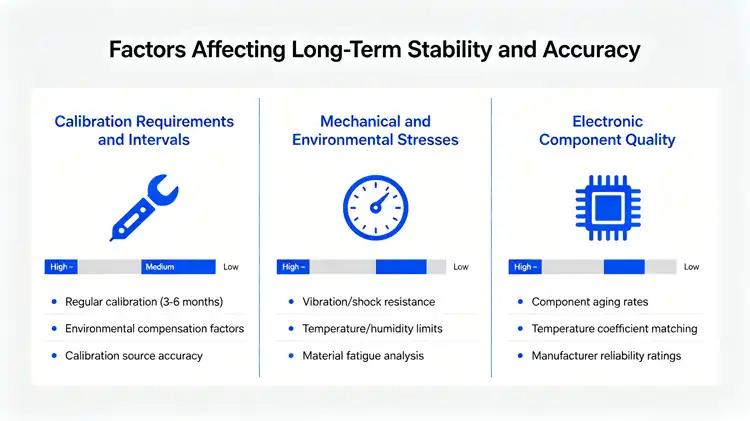
Calibration Requirements and Intervals
Schedules for calibration have a direct effect on the accuracy of measurements. In safe industrial settings, the calibration may need to be done once a year, but in harsh situations, it needs to be done more often. To set the right intervals, you need to know your specific working conditions, the level of accuracy you need, and your legal responsibilities. When making medicines, pressure sensors usually have tighter calibration rules than sensors that check the amounts of storage tanks in chemical plants.
Mechanical and Environmental Stresses
Over time, many stressors affect how well sensors work. Different parts of the sensor system expand and contract at different rates when temperatures rise and fall, which makes thermal cycling a big problem. Over time, this mechanical stress changes the way that applied pressure affects electricity output. Industrial machinery like pumps, compressors, and others can cause vibrations that can break mechanical links or wear out supporting structures.
Stability is in grave danger from contamination. In oil and gas uses, hydrocarbon deposits can build up on sensor diaphragms. In places where chemicals are processed, sensors are exposed to toxic chemicals that break down materials. The GPT200 solves these problems with an isolation diaphragm made of 316L stainless steel, which is very resistant to rust and great for tough uses.
Getting moisture into electrical parts can damage them and cause galvanic corrosion in wiring links. These problems can be avoided by using properly sealed cases with the right ingress protection grades. This keeps the signal integrity of the sensor throughout its useful life.
Electronic Component Quality
Amplification steps and signal conditioning circuits play a big role in maintaining steadiness. As passive parts age and semiconductor joints change, low-quality electrical parts experience drift. The GPT200 has a tiny amplifier with outputs for both voltage and current signals. It has strong anti-interference qualities, high stability, and low drift. This special hardware changes millivolt signals into standard outputs that can be directly connected to computers, control instruments, and display instruments. It does this while keeping the accuracy of the measurements while sending the signals over long distances.
Best Practices for Ensuring Long-Term Stability in Industrial Use
Installation Techniques That Minimize Drift
When something is installed correctly, it sets the stage for long-term security. Place pressure sensors in places where they will be least affected by changes in temperature and sound. Do not put things in places where there are temperature gradients because of direct sunlight, machine heat, or cold air. Use the right mounting tools that can handle temperature growth without putting stress on the sensing element.
Pay close attention to process links. To stop leaks without over-torquing fittings, thread sealants should be used with measured media and be put on properly. The GPT200 general pressure transmitter has a lightweight, small form that makes it easy to install and a number of electrical input choices. Because it can measure absolute, gauge, and sealed gauge pressures over the whole range, it can be placed in the best way for each purpose.
Environmental protection is very important. When putting monitors outside or in wet places, make sure you choose ones with good entry protection ratings. Think about adding more protected housings when conditions are worse than what the sensors can handle. Signal lines are protected from mechanical damage and electromagnetic interference when they are routed correctly.
Maintenance Protocols and Troubleshooting
Setting up regular repair plans keeps small problems from turning into big, expensive problems. Visual checks find rust, mechanical damage, or contamination before they get in the way of accurate measurements. Regular zero-point checks with portable calibration tools catch shift early, allowing for quick recalibration.
When looking into possible stable problems, you should first rule out other possible reasons. Make sure the voltage of the power source stays within the limits. Power that changes can affect the output of the monitor. Check the process links for leaks or blocks that could change how the pressure is sent. Check the wires for broken insulation or links that aren't tight enough, which can cause noise or weaken the signal.
Recalibration that can be done on-site cuts down on downtime and shipping costs. Portable calibrators that can be tracked back to their original source let you check and make adjustments in the field when drift goes beyond what is allowed. Keeping records of calibrations shows patterns of performance that help figure out what repair will be needed in the future.
Selecting the Right Sensor Type
For each use, a different sensor technology is needed. Piezoresistive pressure sensors, like the GPT200, work very well in industrial settings where they need to be reliable across a wide range of pressures and be very accurate. Because they are well-made and stable, they can be used in automation systems, process control, and OEM integration.
Capacitive ceramic sensors are very stable over time and are great for uses that want to keep motion to a minimum. They can handle changes in temperature and mechanical stress, which makes them perfect for precise measurements where calibration times need to be longer to get the most out of the system.
The conditions for the application guide the choosing process. Think about the pressure range, media compatibility, accuracy standards, output signal needs, and the surroundings. The GPT200 can be changed to fit a wide range of applications thanks to its OEM modifications, multiple electrical connections, and wide range of pressure measurement choices. Its stability is also maintained, which is important for industrial reliability.
Evaluating and Comparing Pressure Sensors for Procurement
Key Evaluation Criteria
When sourcing managers compare sensing choices, they have to look at a number of different specs. Specifications for accuracy tell you how accurate a number is under standard conditions, while specifications for stability tell you how pressure sensor accuracy stays over time. Look for drift specs that are written down and given as a percentage of full scale per year. Repeatability means that the results of multiple tests taken in the same settings are always the same.
The requirements for temperature coefficients show how the output changes as the working temperature range changes. When the temperature factors are lower, the natural stability is higher. The zero and span drift specs tell you how the offset and sensitivity change over time, which helps you figure out when you'll need to calibrate.
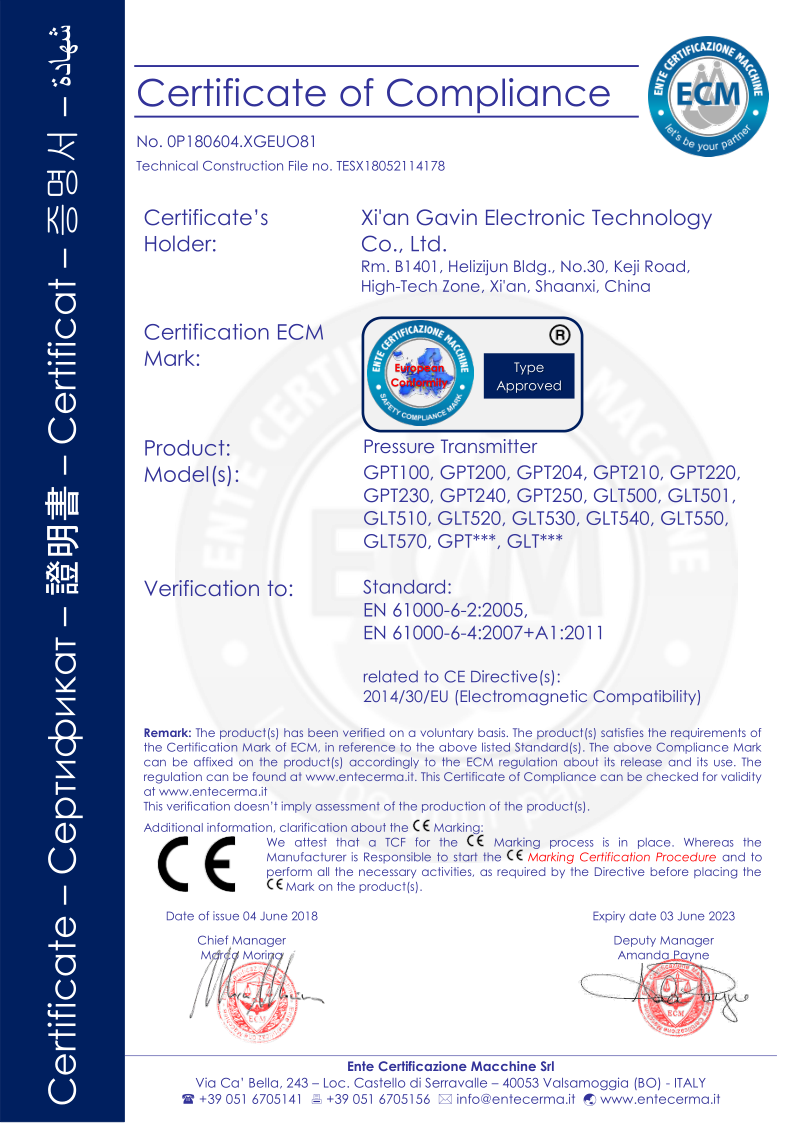
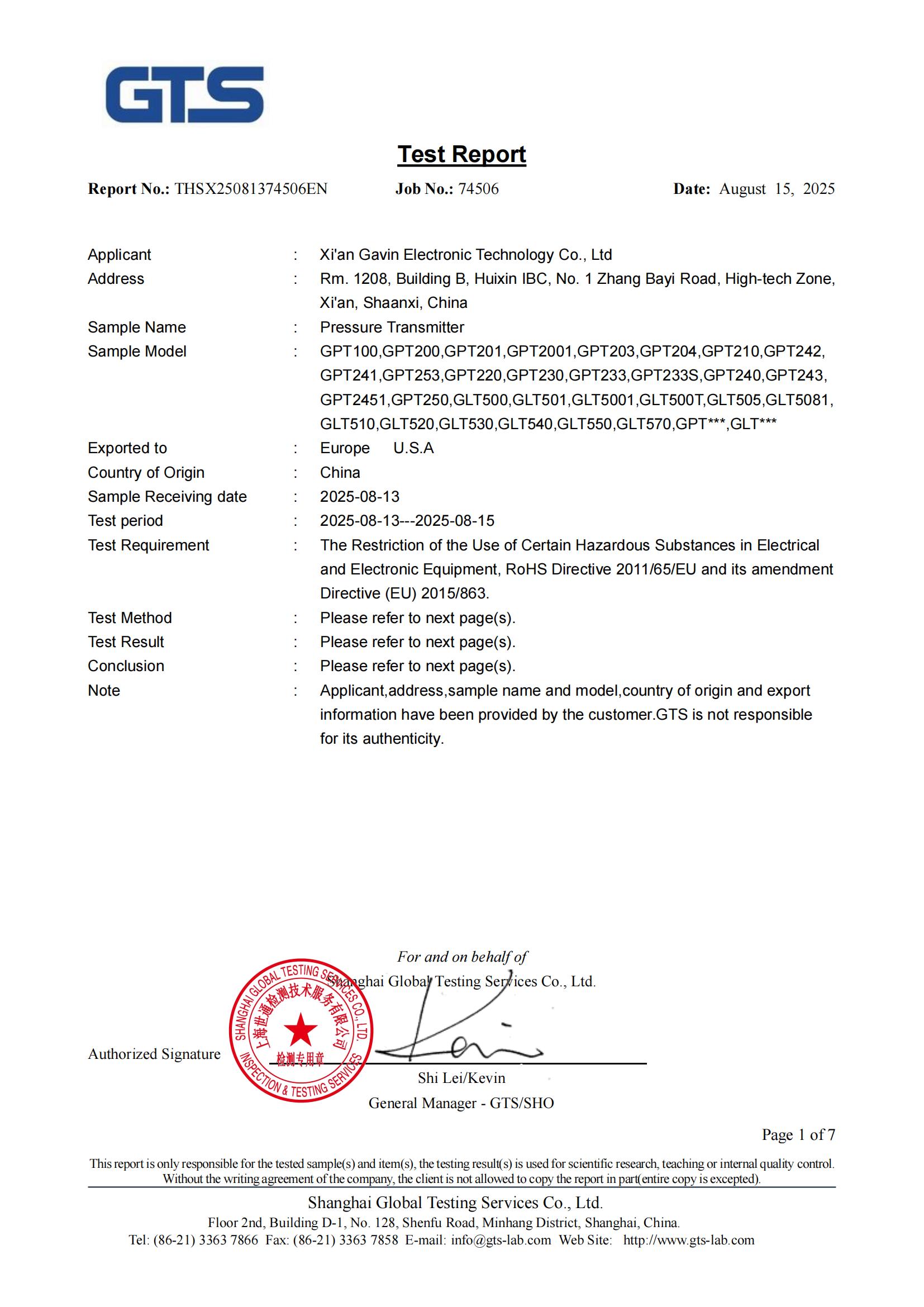
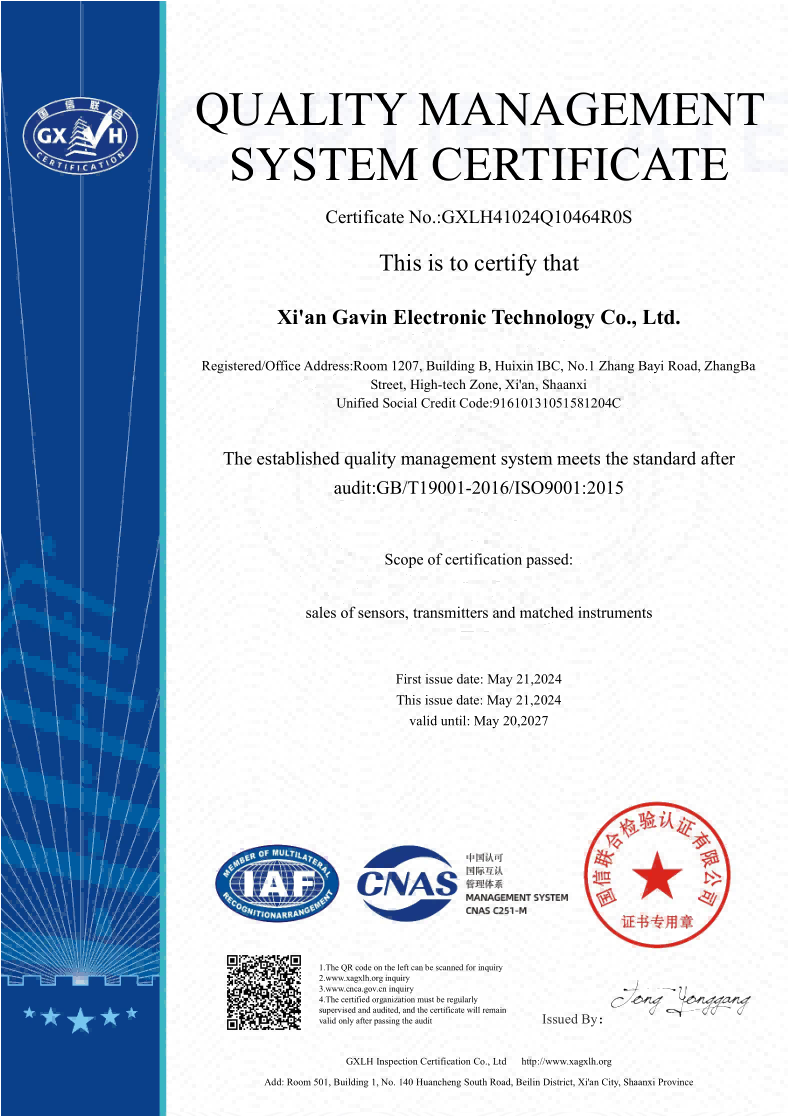
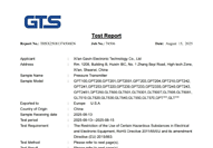
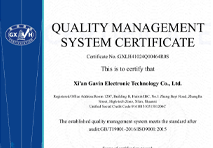
Supplier quality standards give people faith in the way things are made. Getting ISO 9001 approval shows that you care about quality management systems. Specific approvals for products, such as CE marking and RoHS compliance, make sure that they follow the rules. Calibration papers that can be tracked back to the metrology lab show that the product was tested in the plant and set performance standards.
Total operating costs are affected by how well technical help is available. Application engineering help from suppliers helps with choosing the right sensors and installing them correctly. When problems happen, troubleshooting takes less time when expert help is responsive. For project planning and inventory control, being able to buy in bulk and depend on shipping times are important.
Supplier Assessment Framework
When looking at possible providers, you need to look at their professional skills, the quality of their products, and their service infrastructure. Companies that have specific R&D teams and patent portfolios show that they are serious about coming up with new ideas and making technology better. Working with research centers shows that you have the engineering knowledge to turn science discoveries into useful goods.
Quality control methods in manufacturing have a direct effect on how stable a product is. Comprehensive testing methods, such as environmental modeling, cyclic loading, and aging processes, find problems with a product's trustworthiness before it gets to customers. The way that GPT200 sensors are tested shows how thorough they are; each unit goes through a lot of checks before it is shipped.
International buyers can get what they need through established service routes and global marketing networks. Suppliers that work with a wide range of local areas know how to meet the needs of different regulations and application conditions. Having experience in a lot of different fields, like oil, chemicals, pharmaceuticals, food and drinks, energy, and water treatment, is very helpful for finding useful applications.
Cost-Benefit Analysis
The initial cost of the sensors is only one part of the total costs of ownership. Stable sensors that don't need to be re-calibrated as often save money on labor, keep production running smoothly, and don't need as much calibration equipment. Longer operating life delays replacement costs and keeps installation costs from happening more than once.
When you buy in bulk, you usually save money and make sure that all of your sites have the same parts. Custom OEM options may have higher starting costs for tools, but they offer better system performance and better integration. To evaluate these trade-offs, you need to know the exact operating needs and lifecycle goals.
Depending on how important an application is, different procurement methods are used to balance cost and efficiency. For safety-critical readings, you need high-end sensors that are very stable. For non-critical tracking tasks, you may be able to get away with recalibration more often to save money on the initial investment.
Future Trends Impacting Pressure Sensor Stability
Advanced Materials and MEMS Innovation
New materials being used to make pressure sensors offer better steadiness. The study of diamond-like carbon layers makes things more resistant to chemicals and lessens the effects of friction in moving situations. New types of ceramics have lower temperature coefficients and better dynamic stability. These new materials gradually make sensors last longer while lowering drift.
As MEMS production methods keep getting better, smaller devices with better stability profiles are being made. Wafer-level packing lowers the stress that packages put on sensor elements. Integrated temperature correction and digital signal processing fix drift in real time, so measurements stay accurate even when the world changes.
Evolving Standards and Compliance
As time goes on, international calibration standards keep changing to make needs the same in all areas and businesses. Digital calibration papers that are verified by blockchain make it easier to track things and make paperwork easier to handle. In the future, proof might be possible without physically removing the sensor using remote calibration methods that use networked reference standards.
Lifecycle documentation and performance testing are becoming more and more important in regulatory standards. These compliance needs must be reflected in procurement specs, which should favor suppliers who offer detailed paperwork, long-term support agreements, and firmware updates that keep performance high as standards change.
Strategic Procurement Recommendations
To make measurement systems ready for the future, you need to work with providers who are committed to providing ongoing support. As transmission methods and diagnostic tools get better, manufacturers who give firmware changes make sensors more useful. Capital investments are protected by technical support agreements that make sure parts and services will always be available.
Looking at the paths that suppliers have taken to innovate helps find partners who can offer next-generation skills. Companies that put money into research and development, keep working on patents, and help make industry standards show that they are forward-thinking and can adapt to changing buyer needs.
Conclusion
Pressure sensor stability is an important requirement for measuring pressure in industry, as it has a direct effect on how reliable the system is, how much it costs to maintain, and the accuracy of the measurements. Knowing the things that affect stability, like the properties of the materials, the surroundings, the quality of the manufacturing process, and the choice of computer components, helps you make smart purchasing decisions that maximize the term value. Different detecting technologies have different stability patterns that work best for certain tasks.
For example, piezoresistive sensors are very flexible, while capacitive ceramic sensors are very accurate over a long period of time. Using the right installation methods, upkeep procedures, and calibration plans will make sensors last longer and keep measurements accurate. As the Internet of Things (IoT) and new materials keep making stability better, working with innovative providers who are willing to provide ongoing support will set up your measurement system for future success.
FAQ
How often should industrial pressure sensors be recalibrated?
How often you need to recalibrate relies on how important the application is, how it is used, and any rules or regulations that apply. In stable settings with non-critical readings, the pressure sensors may need to be re-calibrated once a year. However, in harsh conditions or for safety-critical uses, it needs to be checked every three to six months. Applications that work with drugs and food usually have to stick to tighter plans that are set by regulations. Monitoring trends in sensor performance helps find the best intervals.
What stability differences exist between piezoresistive and capacitive sensors?
When properly temperature-compensated, piezoresistive sensors have good sensitivity, are cost-effective, and have reasonable long-term stability. They work well in general workplace settings where recalibrating them once a year fits into the plan of operations. Capacitive ceramic sensors are very stable over time and don't move much. In the right settings, they can often stay accurate for 10 to 15 years. Because they don't react to changes in temperature or mechanical stress, they are perfect for uses that need longer testing intervals.
How can humidity-induced degradation be prevented?
Moisture can't get in if the box is properly sealed and has the right ingress protection standards. Housings with an IP67 or IP68 rating protect sensors that are installed outside or in wet areas. When cables come in, they need to be properly sealed. Instead of simple tube fittings, use cable ducts with compression seals. By choosing sensors with the right building materials, you can keep them from rusting from condensation. Adding a conformal coating to computer parts makes them safer.
Partner with GAMICOS for Stable, Reliable Pressure Measurement Solutions
Sourcing managers and engineering teams all over the world depend on GAMICOS to provide industrial-grade pressure sensor solutions that have been shown to be stable over time. Our GPT200 general pressure transmitter is a great example of how committed we are to reliability. It is made of 316L stainless steel, has high-stability piezoresistive sensing technology, and has been through a lot of outdoor testing to make sure it will keep working well for a long time. Before it is shipped, each unit goes through a lot of tests, such as cycle loading, aging routines, and weather simulations.
We know how hard it is for procurement professionals to choose the right measurement equipment—balancing the original investment against the costs over the equipment's lifetime, making sure the provider is reliable, and meeting the different technical needs of operations around the world. GAMICOS makes pressure sensors for customers in more than 100 countries. They have the scientific knowledge, production skills, and support infrastructure that you need to feel good about your sourcing choices. Our OEM and ODM services are very flexible, and you can completely change the sensor settings, connections, and packaging to fit your needs.
We not only produce high-quality goods, but we also provide the technical help and documents that are needed for integration to go smoothly. During the life of your sensor, our tech team helps you choose the right application, install it correctly, and fix any problems that come up. Our dedication to customer satisfaction guarantees that your measurement infrastructure will provide the dependability your operations need, whether you're upgrading industrial automation systems, creating OEM equipment, or setting up supply chains for distribution channels. Get in touch with our team at info@gamicos.com to talk about your unique needs and find out how our pressure sensors can help you improve your operations.
References
1. Tian, B., Zhao, Y., Jiang, Z., Zhang, L., Liao, N., Liu, Y., & Meng, C. (2017). Fabrication and structural design of micro pressure sensors for tire pressure measurement systems (TPMS). Sensors, 17(2), 422.
2. Chen, J., & Wang, Y. (2019). Long-term stability analysis of piezoresistive pressure sensors at elevated temperatures. IEEE Sensors Journal, 19(15), 6294-6302.
3. Kumar, S. S., & Pant, B. D. (2014). Design principles and considerations for the 'ideal' silicon piezoresistive pressure sensor: a focused review. Microsystem Technologies, 20(7), 1213-1247.
4. Eaton, W. P., & Smith, J. H. (1997). Micromachined pressure sensors: review and recent developments. Smart Materials and Structures, 6(5), 530-539.
5. Bao, M. (2000). Micro Mechanical Transducers: Pressure Sensors, Accelerometers and Gyroscopes. Handbook of Sensors and Actuators, Volume 8. Amsterdam: Elsevier Science.
6. Fragá, S., Pereira, J. M., Ferreira, L. O. S., & Soares, C. L. (2018). Pressure sensors: Working principles of static and dynamic calibration. Measurement, 120, 229-235.

Eva
Eva specializes in bridging the gap between cutting-edge sensor technology and market needs. With 8 years of experience in industrial product marketing, she has successfully launched multiple sensor product lines—from pressure transmitters to fuel level sensor—into global markets.
We're here to help — submit your request anytime!
Let us know how we can help solve your pressure level measurement challenge.
_1757930850792.jpg)
Recommended Blog
Pressure Sensor Range Too Large/Small? Rescaling & Re-ranging Methods
Aerospace Pressure Sensors in Aircraft Hydraulic Systems