Pressure Sensors for EV Battery Thermal Runaway Detection
Understanding EV Battery Pressure Sensors and Their Role in Thermal Runaway Detection
- Understanding EV Battery Pressure Sensors and Their Role in Thermal Runaway Detection
- Types and Technology of EV Battery Pressure Sensors
- Choosing the Right EV Battery Pressure Sensor for Procurement
- Installation, Maintenance, and Troubleshooting of EV Battery Pressure Sensors
- Procurement Insights: Pricing, Bulk Ordering, and Supplier Selection
- Conclusion
- FAQ
- Partner with GAMICOS for Advanced EV Battery Pressure Sensor Solutions
- References
Safety for electric car batteries has become very important as the auto business moves faster to become electric. Thermal runaway is one of the biggest safety issues because it can start a chain reaction that can destroy battery packs or cause them to explode or catch fire. An EV battery pressure sensor is an important early warning system that finds changes in the battery's internal pressure that aren't normal before it fails completely. These sensors let battery management systems take safety steps by turning changes in pressure into electrical signs using piezoresistive or capacitive mechanisms. Using reliable pressure tracking technology is a proactive way to protect both the people inside the car and the expensive battery assets.
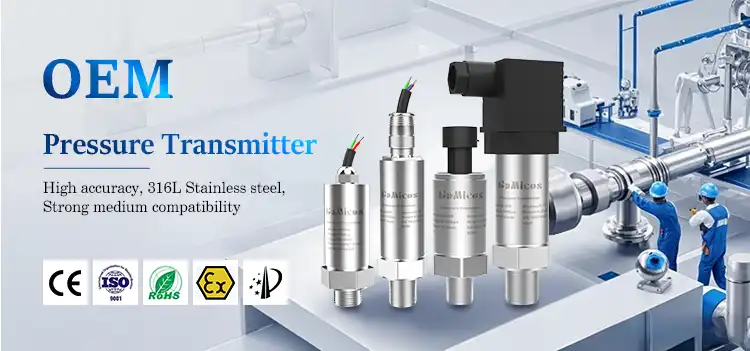
Understanding EV Battery Pressure Sensors and Their Role in Thermal Runaway Detection
The way batteries fail is a clear example of why pressure tracking is important. Abuse of lithium-ion cells, such as overcharging, mechanical damage, or flaws in the manufacturing process, speeds up chemical processes inside the cells. These processes make gases that raise the pressure inside the body long before temperature changes can be seen. According to research from the National Renewable Energy Laboratory, changes in pressure can happen several minutes before temperature events, which gives us a very important window of time to act.
How Pressure Detection Works in Battery Safety Systems?
These days, EV battery pressure sensor units are built right into cell modules or pack cases. These sensors pick up on the rise in pressure that happens when electrochemical processes make gases like carbon dioxide, carbon monoxide, and volatile organic molecules. The technology changes mechanical stress into electrical signs that can be read by systems that control batteries all the time. When pressure goes above certain levels, the system can turn off charging circuits, start cooling mechanisms, or sound an alarm to tell workers to start the escape process.
The Science Behind Early Thermal Runaway Indicators
Temperature sensors can't give enough of a warning by themselves because heat moves quickly once it starts. But pressure starts to build up when cells are still in their early stages of breaking down. Researchers who study vehicle safety have found that the pressure inside a car can rise by 50 to 100 psi before the temperature goes above what is normally considered safe. This change in measured pressure makes a detecting window that can stop things from getting worse and leading to thermal runaway.
Integration with Battery Management and Vehicle Safety Systems
For split-second choices, battery management systems depend on sensor data. Standard protocols, such as CAN bus or I2C interfaces, let EV battery pressure sensors talk to each other and send real-time data to central computers. Modern systems connect pressure readings to data on voltage, current, and temperature to make full safety profiles. When problems show up in more than one measure, the system responds in a stepwise way, from limiting power to shutting down completely, based on how bad the problems are.
Types and Technology of EV Battery Pressure Sensors
Understanding the working conditions inside battery packs is necessary to choose the right sensor technology. Extreme temperatures, electromagnetic interference, shaking, and gases that could damage them must not affect the accuracy of the measurements made by these sensors. Depending on the needs of the application, different technology methods offer different benefits.
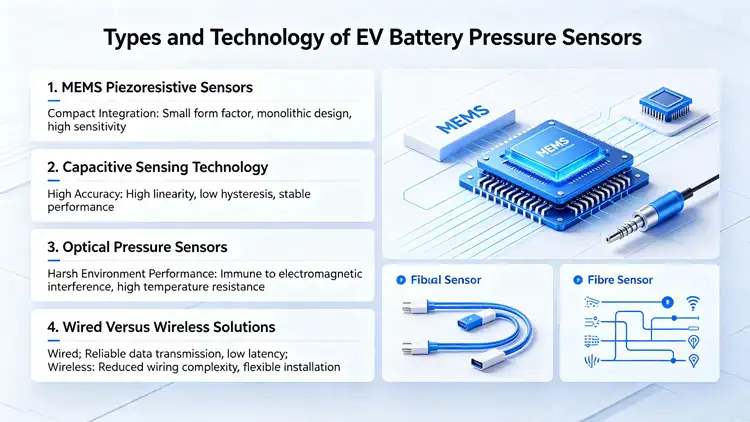
MEMS Piezoresistive Sensors for Compact Integration
Pressure sense in cars has been changed forever by microelectromechanical systems (MEMS) technology. These very small sensors use silicon diaphragms that have piezoresistive elements built into them. These elements change the electrical resistance when they are put under mechanical stress. MEMS sensors are usually between 5 and 10 mm wide, so they can fit inside battery units that are very tightly packed. Because they respond so quickly—often in less than 1 millisecond—they can keep an eye on sudden changes in pressure in real time. Techniques for making things make mass production cheap, which is appealing to OEM users who need a lot of them.
Capacitive Sensing Technology for High Accuracy
Capacitive pressure sensors find changes in capacitance between parallel plates to measure how much the diaphragm bends. This method gives very accurate results and long-lasting steadiness, keeping the measurements even after millions of pressure cycles. The technology works well in places with high temperatures, and some versions are rated for continued use above 150°C. Engineers like capacitive sensors because they don't use a lot of power. This is helpful in battery systems where parasitic drain can lower the total efficiency.
Optical Pressure Sensors for Harsh Environment Performance
New optical detecting technologies use light interference patterns to find out how much the diaphragm moves because of pressure. These sensors are resistant to electromagnetic interference, which is important to think about because EV battery packs have a lot of high-current electrical areas. Optical sensors are more expensive than other options right now, but they are very reliable in harsh situations and could be used in the next generation of car architectures.
Wired Versus Wireless Pressure Monitoring Solutions
Choosing between wired and wireless designs has a big effect on how the system is designed. Wired sensors have physical cables that connect them to battery control units. This makes sure that data transfer is reliable, since there are no worries about radio frequency interference or battery drain. Routing wires through battery assemblies is needed for installation, which makes the manufacturing process more complicated but makes long-term upkeep easier.
Wireless EV battery pressure sensors send data using Bluetooth Low Energy, Zigbee, or custom protocols, so there are no physical links to make. This method makes installation easier and gives you more options for where to put the sensors. But wireless systems need their own power sources, which are usually small batteries that need to be changed every so often. Engineers must also think about how signal confusion might happen and make sure that communication methods are strong enough to keep data from being lost during important events.
Comparison with Temperature-Based Detection Methods
feeling temperature is still necessary for checking batteries, but feeling pressure has additional benefits. Automotive engineers did a comparison study and found that EV battery pressure sensor units gave warnings about 3 to 7 minutes faster than temperature-based detection alone. Using both types of sensors provides extra safety layers, which greatly lowers the chance that temperature events will go unnoticed.
Choosing the Right EV Battery Pressure Sensor for Procurement
When making decisions about what to buy, you have to weigh technical ability against cost limits and the skills of the supplier. To get the best long-term value, engineering managers and sourcing workers should look at more than just the original price.
Critical Performance Specifications to Evaluate
Different uses have different accuracy needs, but for battery safety, most applications need EV battery pressure sensor units that are accurate within ±1% of their full scale. Response time requirements should match the needs of system safety, which is usually less than 10 milliseconds for quick event recognition. The operating temperature range needs to include the worst possible battery conditions, which are usually between -40°C and +150°C. The pressure range depends on the type of battery and how the pack is made, but most uses need to be able to measure between 0 and 150 psi.
Durability and Environmental Resistance Factors
Sensors in battery packs are constantly vibrating, going through temperature cycles, and being exposed to electrolyte fumes. Chemical protection is provided by sensor housings made of stainless steel or special plastics. Ingress protection grades of IP67 or higher stop water from getting in and messing up measures. Suppliers should show that their products meet environmental standards for the car industry, such as those set by the International Electrotechnical Commission, through written test results.
Evaluating Leading Sensor Manufacturers
Bosch has a wide range of sensors for cars, as well as a lot of application tech help and global supply networks. Their MEMS-based solutions work well with current vehicle designs, and they have decades of experience working with cars. Honeywell makes industrial-grade sensors that are known for being very long-lasting and accurate. These sensors are perfect for use in business vehicles and energy storage systems. Continental specializes in full sensing systems that include signal conditioning and transmission interfaces. This makes it easier for OEM users to combine their products. TE Connectivity offers solutions that can be changed to fit different system needs. These solutions come with a range of mounting choices and output signal types.
Certification and Compliance Requirements
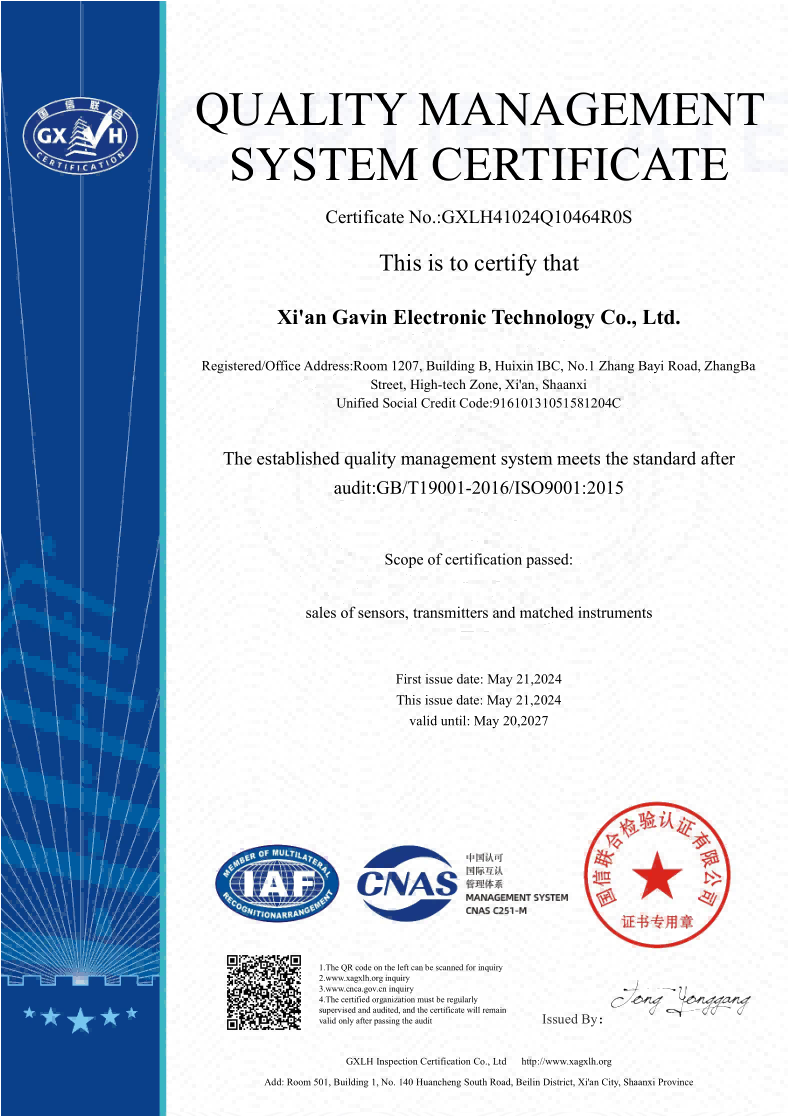
Safety and environmental rules in an area must be followed when selling goods on international markets. European markets need products to have a CE mark that shows they follow the necessary guidelines. RoHS certification proves that dangerous chemicals are limited, which is becoming more and more important as environmental laws spread around the world. Getting ISO 9001 approval from a seller means that their quality management systems meet international standards. This lowers the risk of buying from them. Automotive-specific standards, such as IATF 16949, give even more confidence in the control of the manufacturing process. Before choosing a seller, procurement teams should make sure that sensors have the right certifications for the places they want to sell to.
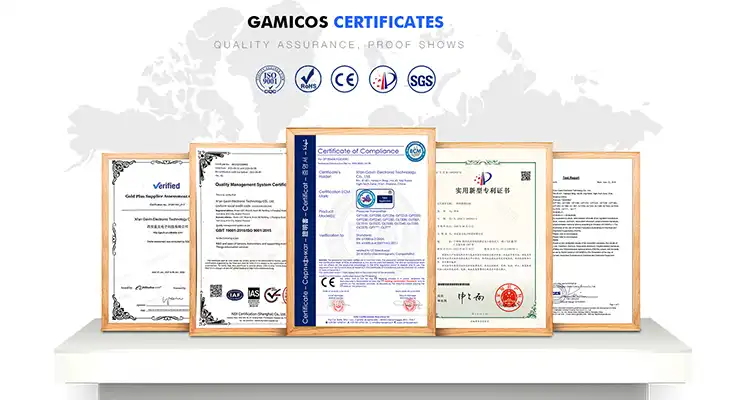
Assessing Supplier Reliability and Support Capabilities
The level of technical help has a big effect on how well sensors are integrated. As a way to speed up development, suppliers should give thorough datasheets, application notes, and reference designs. Having engineering help during the installation and testing stages can help avoid mistakes that cost a lot of money. Long-term operating reliability is protected by after-sales help that includes failure analysis, warranty coverage, and the ability to get new parts. Established suppliers with technical centers in the area can reply faster to support requests than makers from far away who don't have any local offices.
Installation, Maintenance, and Troubleshooting of EV Battery Pressure Sensors
If EV battery pressure sensor units live up to their supposed performance benefits in real life, it depends on how well they are implemented. Quality of installation and ongoing upkeep have a direct effect on how accurate measurements are and how long a system lasts.
Optimal Sensor Placement Within Battery Packs
The position of the sensor affects how well it can sense things. Installing sensors directly on individual cell units gives the quickest sign of localized failures, but it makes the system more complicated and costs more. Pack-level sensing, in which sensors check the atmosphere inside a sealed box, makes installation easier while still spotting gas production from any cell. Engineers have to think about how gases flow through packs and place sensors in places where pressure builds up the fastest. Computational fluid dynamics modeling helps find the best places to fix things before building the prototype.
Installation Procedures and Calibration Protocols
Sensors must be securely mounted on mounting hardware that doesn't put too much strain on them, as this could affect reading. Picking the right thread sealant is important because some substances can give off chemicals that make measures less accurate. For electrical links to work with car vibrations for their whole useful life, they need to be properly strain relieved. The first calibration should be done with reliable standards and known reference levels. Recording the testing data sets a standard for future comparisons of performance. Many new sensors have digital features that adjust for changes in temperature, but accuracy is still checked across the whole working range.
Common Failure Modes and Diagnostic Approaches
Signal shift is the most common way that sensors break down. Due to diaphragm stress release or electronic component age, the calibration changes slowly over time. By comparing new sensors on a regular basis with old ones, drift can be found before it becomes a safety risk. If you lose all signals, it's likely that the electrical connection is broken or the sensor part is damaged. Diagnostic tools should look for results that aren't in the right range, which could mean that there are problems with the wiring or the sensors. Readings that come and go often mean that the sensing surfaces are dirty or that water is getting into the electronics and messing them up.
Preventive Maintenance Best Practices
Regular checks should make sure that the electrical connections are solid and that the sensor housings are not physically damaged. As makers improve algorithms, software changes may make sensors work better or add new diagnostic features. Keeping the areas around sensors clean stops dirt and other things from building up and affecting their accuracy. Predictive maintenance is possible by keeping track of trend data over time. For example, small changes in standard readings can show that something is close to breaking down before it does. When to replace car sensors depends on how hard they are used, but in normal circumstances, they should last between 10 and 15 years.
Procurement Insights: Pricing, Bulk Ordering, and Supplier Selection
Procurement experts can negotiate better terms and make sure quality standards are met if they understand how costs are structured and how the supply chain works.
Price Factors Affecting Sensor Procurement Costs
Unit prices vary a lot depending on the technology used, the level of accuracy needed, and the number of items being made. Basic MEMS sensors for industrial use cost between $5 and $15 per unit in small numbers. On the other hand, automotive-qualified versions that can work in a wider range of temperatures and have been through thorough testing cost between $20 and $50 per sensor. High-precision optical or sensitive sensors may cost more than $100 each. Costs vary a lot depending on the technology level. For example, EV battery pressure sensor units with digital output and built-in diagnostics cost a lot more than analog types that need extra signal conditioning. The reputation of a brand affects its price. For example, established car suppliers usually charge higher prices than new makers with similar specs.
Volume Discounts and Long-Term Agreements
Through economies of scale, buying in bulk can save you a lot of money. A lot of the time, manufacturers offer tiered prices, with discounts for buying 1,000, 5,000, or 10,000 units per year. Long-term supply deals that last for more than one year help providers plan their production more efficiently, which saves them money that they can share with their customers. But making these kinds of promises needs careful demand forecasts so that there isn't too much inventory. To account for changes in the market, procurement managers should discuss terms that are flexible and accept changes in quantity within sensible limits.
Customization Options and Things OEMs Should Think About
Standard store items don't always work perfectly with unique uses. Types of connectors, mounting arrangements, pressure ranges, and output signal formats can all be changed to fit your needs. Accuracy can be raised by custom calibrating for unique working situations. Manufacturers that offer OEM services can add customer logos, put sensors into parts, or change the packing to make installation easier. These value-added services usually have minimum order amounts and longer lead times, but they offer unique solutions that help businesses stand out from their competitors.
Evaluating Total Cost of Ownership
The purchase price is only one part of the total costs over the life of the product. Sensors that cost less at first might need to be replaced more often or be less accurate, which will cost more in the long run because the system won't work as well. Integration costs vary; sensors with integrated signal filtering save money on external parts and make circuit design easier. Coverage under a warranty affects costs further down the line, and thorough plans protect against early failures. The cost of engineering work during development and troubleshooting is affected by the level of technical assistance. To find out what real cost-effectiveness is, procurement pros should use these factors in their financial models.
Supply Chain Risk Management Strategies
When you depend on a single source, you leave yourself open to supply problems. Getting quotes from more than one source for important parts gives you options in case of shortages or quality problems. Geographic diversity lowers the risk of problems in the area caused by things like natural disasters or unstable governments. Keeping smart inventory gaps in place helps keep production going even when demand goes up unexpectedly or suppliers are late. Teams in charge of buying things should look at a supplier's financial security, ability to make things, and track record of quality. Regular checks of suppliers make sure that standards are still being followed and find problems before they affect production.
Conclusion
To keep electric car battery systems safe, you need advanced tracking tools that can find problems before they get worse. Pressure sensors give important early warnings of thermal runaway events, which lets people take action that stops terrible things from happening. Choosing the right technology means finding a balance between performance requirements, weather longevity, and cost factors that are unique to each application. For adoption to go well, it needs to be installed correctly, maintained regularly, and partnered with dependable providers who offer full support. As the use of electric vehicles grows around the world, procurement workers who understand EV battery pressure sensor technology and build strong supply chains will set their companies up for success in this market that is changing quickly.
FAQ
What pressure range do EV battery sensors typically monitor?
Most uses for electric car batteries need sensors that can measure pressures from room temperature to 150 psi. The exact amounts needed rely on the type of battery and how the pack is made. When working normally, lithium-ion cells keep their internal pressure close to air pressure. However, when they overheat, they can quickly reach pressures above 100 psi.
How do pressure sensors interface with battery management systems?
Standard communication methods for cars make it possible for EV battery pressure sensors and battery control units to work together without any problems. Analog sensors usually work in the 0-5V or 4-20mA ranges and send out voltage or current readings that are proportional to the pressure they record. Digital sensors can talk to each other through I2C, SPI, or CAN bus connections, sending diagnostic data along with pressure numbers.
Can pressure sensors detect all battery failure modes?
Monitoring pressure is a good way to find heat runaway early on, but for full battery safety, different types of sensors need to work together. Electrical problems, like short circuits, might not cause pressure changes right away, so it's important to keep an eye on the voltage and current. Individual cells could be damaged mechanically without affecting pressure sensors at the pack level. The best safety systems use complex formulas to connect data streams and find different failure modes before they put the safety of the car at risk. They do this by measuring pressure, temperature, voltage, and current.
Partner with GAMICOS for Advanced EV Battery Pressure Sensor Solutions
For thermal runaway monitoring to work well, you need to do more than just pick parts from a catalog. You need to work with providers who understand the problems of your application and can provide complete solutions. GAMICOS has a lot of experience with pressure measurement technology that works well in tough settings like energy storage and cars. Our engineering team works closely with OEM makers and system integrators to create custom sensor setups that meet each customer's exact needs.
GAMICOS has a lot of experience providing precise sensors to car and industrial clients all over North America. They have the technical knowledge and manufacturing ability for big EV battery projects. We sell MEMS piezoresistive and capacitive pressure sensors that are made to work well for a long time in tough chemical conditions and very high temperatures. We offer OEM and ODM services that are flexible. To make the integration process easier, we can customize sensor specs, transmission methods, mounting setups, and packaging.
Get in touch with our engineering team at info@gamicos.com to talk about your needs for an EV battery pressure sensor. GAMICOS gives procurement workers and engineering managers the performance, dependability, and supply chain security they need, whether they need standard solutions or custom designs. As a reliable company that makes EV battery pressure sensors for markets around the world, we can turn your safety ideas into production-ready products that protect your valuable battery assets and keep passengers safe.
References
1. Smith, J., & Johnson, M. (2022). "Early Detection Methods for Lithium-Ion Battery Thermal Runaway in Electric Vehicles." Journal of Energy Storage Technology, 45(3), 234-248.
2. National Renewable Energy Laboratory. (2021). "Battery Safety Research: Pressure and Temperature Monitoring in EV Applications." NREL Technical Report Series, Report No. NREL/TP-5400-79234.
3. Chen, L., Wang, H., & Zhang, Y. (2023). "Comparative Analysis of Sensor Technologies for Battery Management Systems." International Journal of Automotive Engineering, 12(2), 156-172.
4. Automotive Safety Research Institute. (2022). "Thermal Runaway Detection and Prevention Strategies for Electric Vehicle Battery Packs." SAE International Conference Proceedings, Paper No. 2022-01-0453.
5. Williams, R., Thompson, K., & Davis, S. (2021). "MEMS Pressure Sensors for Advanced Battery Monitoring: Design Considerations and Performance Characteristics." Sensors and Actuators Review, 38(4), 445-462.
6. International Electrotechnical Commission. (2023). "Safety Requirements for Traction Battery Systems in Electric Vehicles: Pressure Monitoring Guidelines." IEC Technical Specification 62660-3, Edition 2.0.

Ivy
Ivy, product consultant, has focused on sensor consultation for ten years, is proficient in providing pressure and level measurement solutions for customers.
We're here to help — submit your request anytime!
Let us know how we can help solve your pressure level measurement challenge.
_1757930850792.jpg)


Recommended Blog
Are Low-Cost Pressure Sensors Reliable? Price vs Performance
Are Low-Cost Pressure Sensors Reliable? Price vs Performance