Pressure Transmitter Zero Drift: Diagnosis & Calibration Guide
Comprehending Zero Drift and Its Impact on Pressure Transmitters
- Comprehending Zero Drift and Its Impact on Pressure Transmitters
- Diagnosing and Measuring Zero Drift
- Comparing Pressure Transmitters Based on Zero Drift Performance
- Selecting and Procuring Pressure Transmitters with Minimal Zero Drift
- Calibration Best Practices and Long-Term Maintenance to Minimize Zero Drift
- Conclusion
- FAQ
- Partner With GAMICOS for Superior Zero Drift Performance
- References
Pressure transmitter zero drift is a slow change in the baseline signal that happens when there is no external pressure. This leads to inaccurate measurements that threaten the integrity of process control. In industries where accuracy is very important, like oil refineries, drug factories, and chemical processing plants, this effect can change how things are done. To fix pressure transmitter zero drift, you need to know what causes it, set up diagnostic methods, and make sure that your calibration practices are strong. This detailed guide was created to help engineering managers, sourcing professionals, and automation experts find, measure, and fix zero drift problems so that your pressure measurement systems work correctly for the whole time they're supposed to.
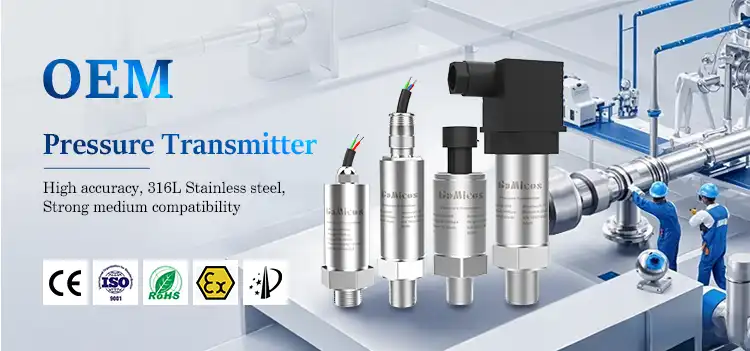
Comprehending Zero Drift and Its Impact on Pressure Transmitters
Stable standard readings are needed for industrial measurements to be accurate, but zero drift makes this basis weak. Zero drift changes the baseline on its own, which leads to regular measurement mistakes even at low pressure ranges. This is different from span drift, which changes the full-scale output proportionally. These differences need to be made clear to procurement managers and project engineers because they have a direct effect on how they choose tools and how much they budget for upkeep.
Defining Zero Drift Versus Span Drift
When there is no applied pressure and the transmitter output signal changes, the whole measurement range moves in the same direction. This is called zero drift. On the other hand, span drift changes the slope or sensitivity across the measurement range. It's important to tell these two things apart because the ways to fix them are very different. If a transmitter shows zero drift, it might read 0.5 psi when the real pressure is zero, and this difference would stay the same for all readings. Span drift would lead to mistakes that get bigger as the pressure goes up, so different testing methods would need to be used.
Primary Causes of Baseline Signal Shift
Zero drift growth in business settings is caused by a number of things. Mechanical stress from bad positioning or too much shaking slowly deforms sensing elements, changing the baseline in a way that can't be undone. Environmental factors like changes in humidity, acidic atmospheres, and changing pressures speed up the breakdown of diaphragm material. When line pressure changes a lot from what was set for testing, static pressure effects can move zero points. This is especially true in differential transmitters. When engineering teams specify tools and plan installations, they can better predict zero drift risks when they understand these processes.
Temperature-Induced Zero Drift Mechanisms
Temperature is the most important external factor that affects zero drift. When the temperature changes, the materials used in the sensing elements expand or contract, which changes the mechanical stress levels in the sensor assembly. Electronic parts have properties that change with temperature and cause standard values to shift. According to research, differential pressure sensors can lose 0.1% to 0.5% of their span for every 50°F change in temperature if they are not properly compensated.
Even though high-end transmitters have thermal correction circuits and materials that don't change much in temperature, harsh environments can still cause problems for even the best devices. When choosing equipment for uses that need to handle high temperatures, we suggest carefully comparing the working temperature ranges to the transmitter specs.
Long-Term Drift From Material Fatigue
During their operational life, pressure sensor elements are continuously subjected to mechanical stress, making pressure transmitter zero drift an important factor to monitor. Minimizing zero drift ensures consistent baseline readings and long-term measurement accuracy despite ongoing stress.
Pressure cycling causes tiny changes in the structure of diaphragm materials, which leads to slow zero point movement. Capacitive transmitters with thin metal diaphragms are especially prone to creep effects over long periods of time. Even though piezoelectric devices have great dynamic reaction, the signal tends to drift because the crystal properties change. A study of transmitters placed in petrochemical plants found normal zero drift rates of 0.05% to 0.2% per year. This shows how important it is to have regular recalibration programs.
Diagnosing and Measuring Zero Drift
For accurate zero drift identification, diagnostic methods must include checking the standard, keeping an eye on the surroundings, and comparing results. Standardized methods for measuring drift help engineering teams do their work more efficiently by letting them evaluate tools consistently across multiple installation sites.
Baseline Verification Procedures
To start the zero drift analysis, separate the transmitter from the process pressure. Both sides of differential units should be able to vent to atmospheric pressure, or gauge transmitters should be put in known zero-pressure circumstances. Before taking standard measures, wait at least 30 minutes for the temperature to level off. Check the current zero output against the installation records or the manufacturer's instructions. When deviations are more than ±0.1% of the measured span, they usually need to be fixed. During these checks, you should write down the temperature, relative humidity, and time since the last measure. This will help predictive maintenance programs by giving you useful trend data.
Calibration Point Verification Methods
A full review of drift includes more than just simple zero checks. It also includes multi-point calibration proof. Record the real transmitter outputs while applying precise reference pressures at 0%, 25%, 50%, 75%, and 100% of span. Draw the calibration graph and look at the patterns of variation. Pure zero drift shows up as a flat offset across all test points, while mixed zero and span drift shows mistakes that get bigger as the pressure goes up. This method of diagnosis shows if a simple zero change is enough or if a full recalibration is needed. Managers in charge of sourcing should make sure that providers give clear instructions on how to calibrate certain transmitter types.
Smart Transmitter Self-Diagnostic Capabilities
Modern digital transmitters have built-in diagnostics that keep an eye on basic steadiness all the time. These smart devices check the current working parameters against saved calibration data and send out alerts when drift goes beyond certain limits. More complex models keep track of drift rates over time, which lets you plan maintenance ahead of time, before mistakes in measurements affect process control. Protocols like HART, Foundation Fieldbus, and Profibus make remote troubleshooting easier, which means that you don't have to go to the site as often. When choosing tools for big projects, we suggest that smart devices with a lot of self-diagnostic features be given top priority, especially for important measurement points or places that are hard to get to.
Compensation Techniques for Drift Correction
To deal with zero drift, you need to use both hardware and software methods. Some hardware solutions are changing mechanical zero screws, removing sensing elements that are worn out, or setting up environmental protection systems. Software adjustment uses microprocessor-based methods that use correction factors that are based on data from regular calibrations. Smart transmitters let you change the zero setting from a distance using digital communication methods, so you don't have to do it by hand as much. Some more advanced types have automatic zero trim tools that make up for drift that happens between calibrations. When automation managers compare transmitter choices, they should look at these pay features and weigh the original cost against the cost of upkeep over time.
Comparing Pressure Transmitters Based on Zero Drift Performance
The choice of transmitter technology has a big effect on zero drift susceptibility. When buying something, it's important to compare different technologies because they all have different drift patterns that work best for certain applications.
Piezoelectric Versus Capacitive Sensing Technologies
Piezoelectric transmitters make an electrical charge that is proportional to the amount of mechanical force that is applied. They have great dynamic reaction, but they have problems with baseline drift. These devices are great at measuring pressure changes, but they need to be re-calibrated every so often to give correct steady readings. Capacitive transmitters sense diaphragm movement by changing capacitance. They offer better zero stability and less long-term drift.
Capacitive technology is mostly used in process control situations where stable and accurate static pressure reading is more important than dynamic reaction. From working with clients in chemical processing, we know that capacitive transmitters usually stay stable at zero within a range of ±0.1% per year, while piezoelectric equivalents tend to drift by ±0.5% under the same operating conditions.
Smart Digital Versus Analog Transmitter Architectures
Digital transmitters that use microprocessors for signal processing are much better at managing zero drift than their analog counterparts. Digital devices store calibration factors in non-volatile memory, use temperature compensation algorithms in real time, and let you change the zero setting from a distance without having to physically touch the device.
Passive electrical parts in analog transmitters change over time and with temperature, so they need to be calibrated more often by hand. Even though digital transmitters cost more at first, they are more cost-effective in the long run because they require less upkeep and are more reliable for measuring. When reviewing bids, people in charge of procurement should think about lifecycle costs. They should also keep in mind that high-end digital technology often offers better value over a 10-year service horizon.
Differential Versus Gauge Transmitter Design Considerations
Differential pressure sensors that measure small changes in pressure against high line pressures have a hard time keeping zero drift. When line pressure changes, the mechanical stress on the detecting diaphragms is changed, which causes the baseline to move. To reduce the effects of static pressure, good differential transmitters use balanced designs and strong diaphragm materials.
However, zero drift is still a bigger problem than with gauge transmitters that measure absolute pressure. When you need to measure low differential pressure accurately while line pressures change, you need high-end transmitters with specs that specifically address static pressure effects. When you define differential units, you should ask for specific performance data that shows zero drift across the predicted line pressure range.
Leading Manufacturer Performance Benchmarks
After decades of engineering improvements, global industry names have set performance standards. Emerson's Rosemount transmitters have very good zero stability thanks to their improved temperature compensation and unique sensing technology. Silicon resonant sensor technology is used in Yokogawa EJA line devices, which achieve drift rates below 0.1% over five years. Siemens SITRANS P types offer good performance at a reasonable price, making them a good choice for uses that want to save money.
Ceramic sensing elements in Endress+Hauser Cerabar instruments make them more resistant to chemicals and more stable when they move in harsh process settings. The options that ABB and Honeywell offer are strong and handle a wide range of communication protocols. Engineering managers should judge these companies based on the needs of their specific applications, keeping in mind that high performance requires a corresponding investment but yields real operating benefits.
Selecting and Procuring Pressure Transmitters with Minimal Zero Drift
A good transmitter procurement combines the need for technical performance with the limitations of the budget and the skills of the seller. Structured selection criteria make evaluating vendors easier and make sure that the equipment meets the performance standards for zero shift.
Critical Selection Criteria for Low-Drift Applications
There are several factors that must be carefully evaluated when selecting transmitters for precise measurement tasks. One critical consideration is pressure transmitter zero drift, as minimizing this drift ensures long-term accuracy, reduces recalibration frequency, and maintains reliable readings in high-precision applications. Specifications for accuracy should include both short-term and long-term stability promises, which are usually given as a percentage of span over set amounts of time.
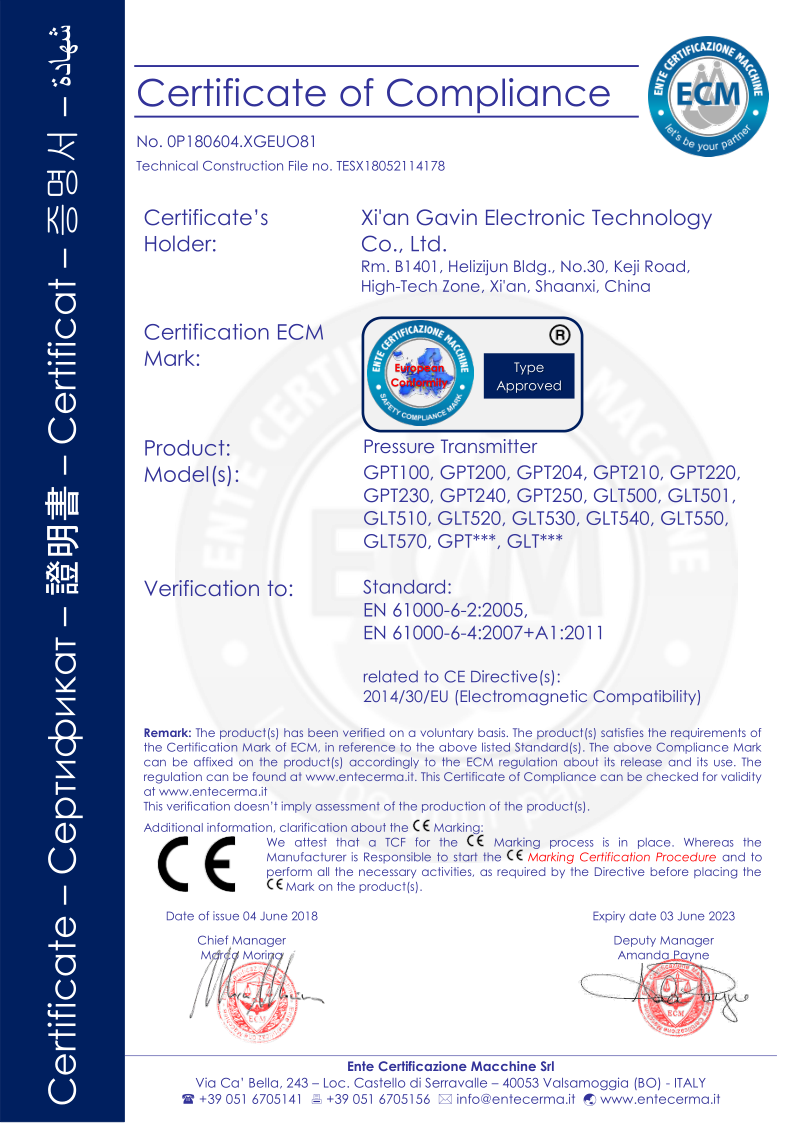
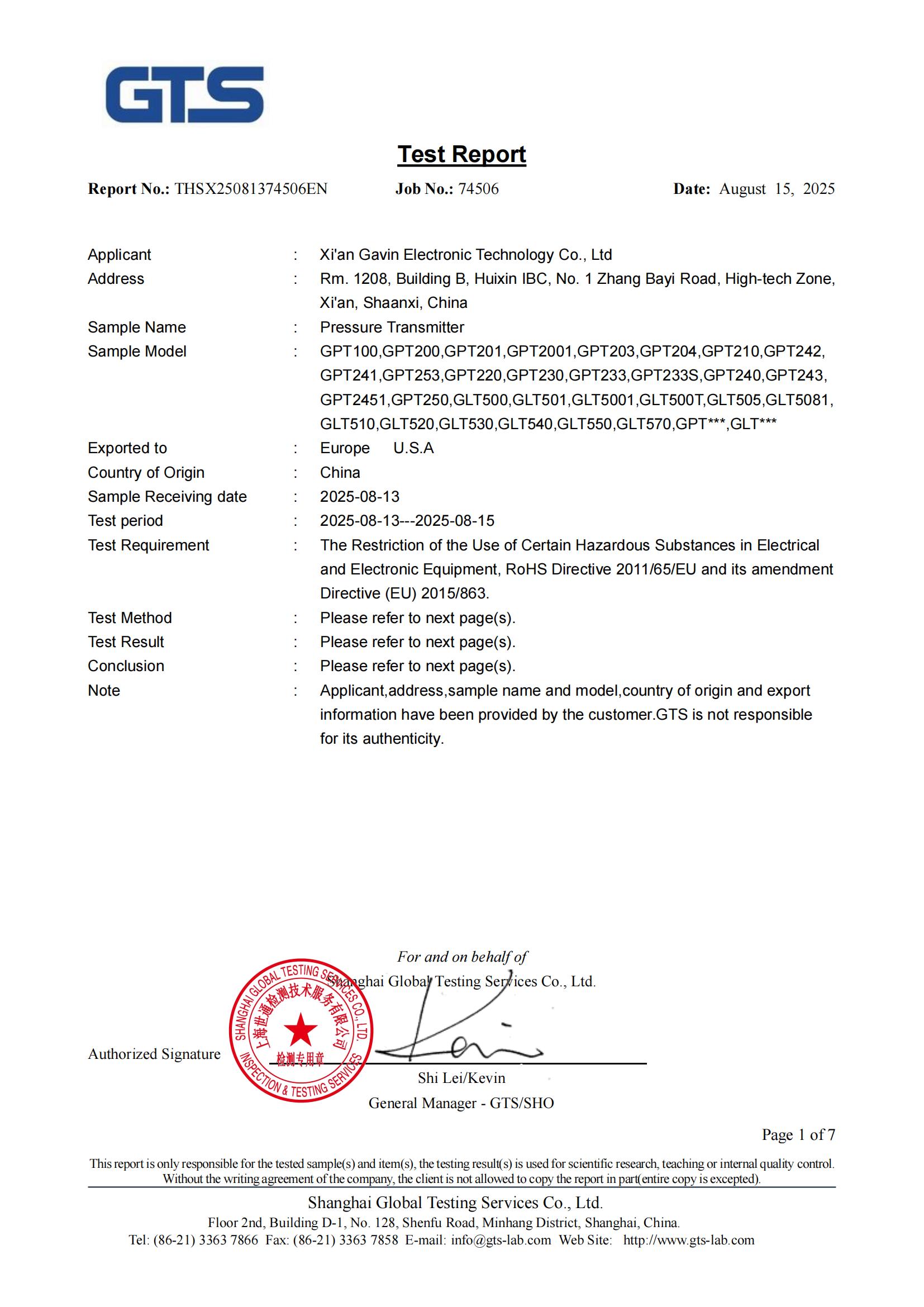
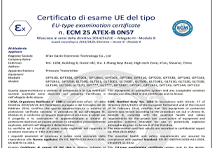
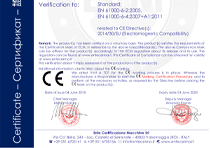
Temperature effect specs show how the environment affects basic stability. The best devices offer less than 0.1% drift per 50°F. Overpressure effects, vibration resistance, and electromagnetic compatibility scores show how well the material is able to fight common things that cause drift. When materials are compatible with process media, damage caused by rust is stopped. Certification compliance, such as CE, RoHS, ATEX, and FM approvals, makes sure that products are accepted by regulators in all foreign markets. To make it easier to compare suppliers objectively, R&D managers should create thorough specification grids that include these factors.
GAMICOS makes high-stability pressure transmitters that are designed to have as little zero drift as possible by using cutting-edge compensation technology and high-quality sensing materials. Our product line meets a wide range of industry needs in the food production, pharmaceutical making, chemical processing, and energy creation sectors. We provide measurement solutions that are both technically excellent and reliable in real life by working with research centers and coming up with new ideas all the time.
Evaluating Supplier Technical Support Capabilities
In addition to product specifications, the technical skill of the supplier has a big effect on how well the measurement system works in the long run. Full datasheets with specifics on drift, testing methods, and usage instructions show a high level of technical knowledge. Technical support teams that are quick to respond, know how to fix problems with installation and measurements, and can suggest the best settings are very helpful.
Operational mistakes can be cut down by teaching repair workers about zero drift and how to set up effective calibration processes. Risks can be reduced by warranty terms that show the maker is confident in zero steadiness performance. Sourcing managers should look at these aspects of help along with the product standards, keeping in mind that skilled sellers are more like partners than just vendors.
Benefits of OEM Customization for Zero Drift Optimization
Standardized transmitters work well for most uses, but unique setups are often better for more specific tasks. OEM partnerships let you choose the exact detecting element that fits your pressure range, media compatibility needs, and weather conditions. Different temperature correction methods that work with different thermal profiles help keep drift to a minimum in situations with extreme temperatures. Baseline changes caused by moisture can be reduced by changing the designs of homes to better protect the environment.
Specialized electrical output setups make it easier to integrate systems while keeping the tuning stable. Custom software with monitoring methods that are specific to a program improves the ability to do predictive maintenance. Engineering firms in charge of big projects gain a competitive edge by working with original equipment manufacturers (OEMs) to get better measurement solutions that aren't offered in catalog goods.
Bulk Procurement Strategies and Value Optimization
Buying a lot of tools at once can get you better deals on prices and make sure that all of your setups are the same in terms of specs. When you commit to buying in bulk, you usually get 15% to 30% off the price compared to buying in small amounts. Setting standards for chosen transmitter types streamlines the collection of extra parts, makes maintenance training easier, and speeds up the troubleshooting process. Total value goes up when you negotiate longer warranty terms, faster access to expert help, and regular recalibration services.
Setting up deals with chosen suppliers that include clear performance metrics encourages quality and on-time delivery. Distributors and exporters that serve regional markets can save money by buying in bulk, which keeps inventory costs in line with demand trends. We help our foreign partners by offering OEM programs that are flexible enough to meet different volume needs while still keeping the same high quality standards.
Calibration Best Practices and Long-Term Maintenance to Minimize Zero Drift
Systematic testing and preventative repair are the most important parts of pressure transmitter zero drift control. Well-thought-out programs make sure that measurements are accurate throughout the life of a transmitter while also making the best use of upkeep resources.
Recommended Calibration Frequency and Scheduling
Intervals between calibrations rely on how important the application is, how bad the working environment is, and how well drift has worked in the past. Applications that are safety-critical, like emergency stop systems, should be checked every three months. Process control data that affect the quality of the product usually need to be calibrated every six months. For tracking tasks that aren't as important, the periods may be extended to once a year.
For newly placed transmitters, the initial calibration should be sped up every three months, six months, and then once a year to set baselines for drift rate. Harsh settings with high or low temperatures, toxic air, or strong vibrations need to be calibrated more often than mild ones. For stable, non-critical applications, we suggest using risk-based calibration methods that put more resources toward critical data and longer intervals for less important ones based on historical performance trends.
Environmental Monitoring and Drift Prevention
Active control of the surroundings lowers the number of times zero drift happens and increases the time between calibrations. Thermal cycling effects are lessened by putting transmitters in temperature-controlled shelters. Vibration separation mounting methods keep mechanical stress from building up. Moisture shields and purge gas systems keep sensitive electronics safe from movement caused by humidity. Pressure snubbers stop pressure pulses that wear out the diaphragm faster.
Heat tracing devices keep temperatures stable in open settings where the temperature of the air can change a lot. These safety features raise the cost of installation, but they pay for themselves in a big way by lowering the need for upkeep and making measurements more accurate. When planning a project, engineering teams should think about investments in environmental safety. It's important to remember that spending money up front often saves a lot of money in the long run.
Case Studies Demonstrating Effective Drift Management
A drug company that had problems with batch quality often found that important sterilization autoclaves had pressure sensors that were moving out of place. By checking the calibration every three months and putting in temperature-controlled enclosures, zero drift incidents dropped by 85%, which led to better batch stability and fewer quality rejects. A petrochemical plant with more than 200 pressure measurement points set up risk-based calibration stages.
They made sure that safety-critical readings were checked every three months and stable monitoring points were checked every 18 months. This method cut the amount of work needed to do annual testing by 40% while keeping safety standards. An oil rig in the ocean got rid of old analog transmitters and replaced them with smart digital devices that can constantly diagnose themselves. Condition-based maintenance was made possible by remote tracking, which cut worker visits to the platform by 60% and increased the accuracy of measurements. These cases show how strategic drift management can improve operations in a way that can be measured.
Practical Tips for Extending Transmitter Lifespan
A few simple steps can greatly increase the life and security of a pressure sensor. Avoid putting things in places that will get strong sunlight, rain, or big changes in temperature. Put transmitters on rigid buildings to cut down on vibration transfer. Use the right impulse pipe materials and fitting methods to keep them from freezing or plugging up.
Install separation valves so that the transmitter can be taken out without stopping the process. This will make tuning and servicing easier. Keep water out of the electronics in the transmitter by installing the pipe correctly and keeping the seals in good shape. Keep accurate measuring records that show how drift changes over time. This will allow you to repair parts before they break. Teach people who work in servicing the right way to calibrate installed transmitter models. These basic methods, while not very exciting, make things much more reliable for very little money.
Conclusion
To keep pressure transmitter zero drift under control, you need to know a lot about how drift works, how to do focused diagnostics, how to choose the right tools, and how to do organized maintenance. Zero drift problems happen in many fields, from making medicines to processing oil. They make measurement accuracy dangerous, which is needed for process control, product quality, and safety. Technical knowledge and practical execution strategies that are adapted to specific operating settings are needed for drift control to work well.
Industrial organizations keep measurement accuracy throughout the lifecycles of their equipment by choosing the right sensing technologies, setting up strong calibration processes, and working with capable providers who offer full support. Investing in good transmitters and planned repair programs pays off handsomely by lowering process variability, cutting down on quality incidents, and making operations more reliable.
FAQ
How frequently should we calibrate pressure transmitters to control zero drift?
The regularity of calibration is mostly determined by how important the application is and the working setting. Measurements that are important for safety should be checked every three months, while process control uses usually need to be calibrated every six months. In general, tracking apps may go up to once a year. Harsh settings, like those with high temperatures, acidic conditions, or a lot of shaking, need to be calibrated more often than mild settings. When new transmitters are set up, the initial calibration routines can be sped up to set standard drift rates.
Can zero drift be completely eliminated in pressure transmitters?
Due to basic material qualities and environmental factors, complete removal is still not possible. Modern transmitters, on the other hand, use clever compensation technology to keep drift to almost nothing for most uses. With temperature adjustment algorithms, stable sensing materials, and strong mechanical design, high-end devices achieve zero stability within a 0.05% range every year. Smart transmitters that can continuously calibrate themselves cut down on effective error even more.
Which industries face the most significant zero drift challenges?
For legal compliance and product accuracy, pharmaceutical manufacturing needs very stable measurements. Chemical processes at high temperatures and in acidic conditions speeds up the breakdown of transmitters. Making semiconductors, which needs very exact process control, can handle small differences in measurements. Offshore oil sites that have to deal with strong vibrations, extreme temperatures, and limited access for upkeep are hard to keep track of.
Partner With GAMICOS for Superior Zero Drift Performance
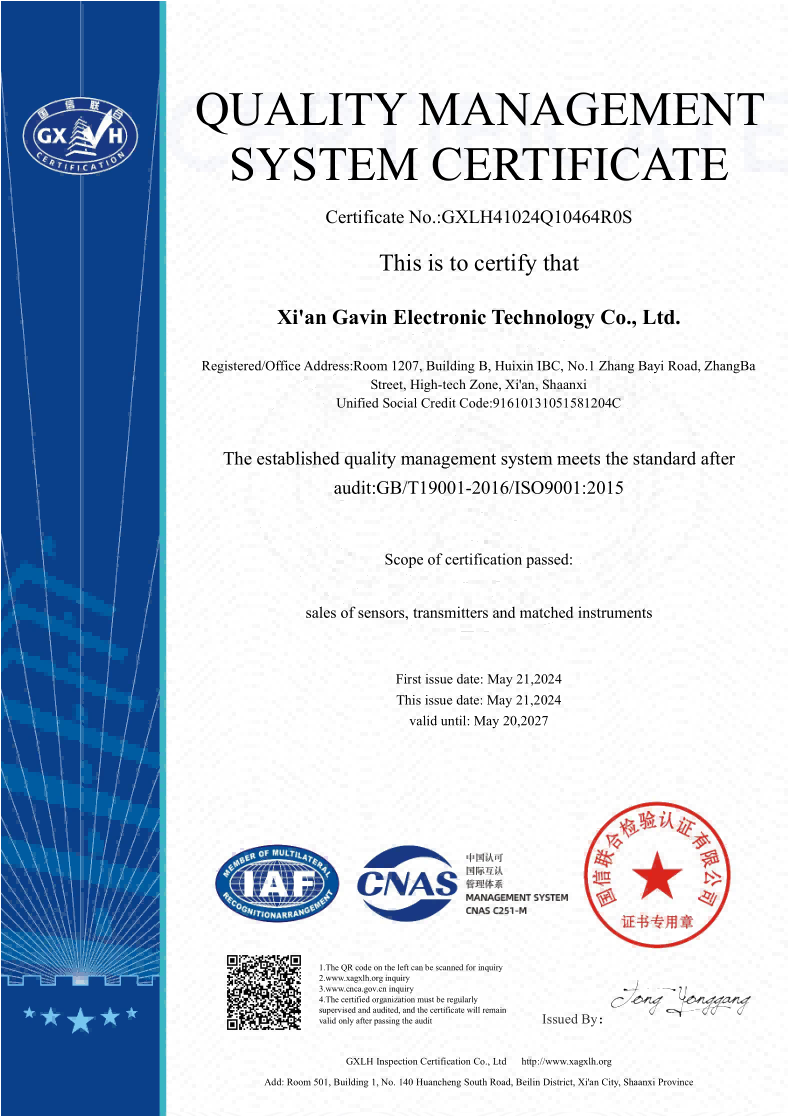
Accurate measurements are the key to practical success in all fields. Through cutting edge compensation technology, high-quality materials, and strict quality control, GAMICOS creates high-tech pressure transmitter systems that are designed to have almost no zero drift. Our wide range of products is used in many industries that need accurate pressure measurements, such as chemical processing, medicine making, food production, energy generation, and more. We have helped customers in more than 100 countries, so we know how to deal with a wide range of legal standards and operational problems.
Our expert team will help you choose the best configurations for your process conditions, surroundings, and performance needs through individual consultations. GAMICOS has a wide range of manufacturing options, including regular stock items and OEM solutions that are made to fit specific needs. These options are supported by multiple patents and ongoing R&D investments. We help big projects buy in bulk by offering reasonable prices, on-time deliveries, and full after-sales service that includes expert support, help with calibration, and upkeep advice.
Connect with our engineering specialists to discuss your pressure measurement challenges and discover how GAMICOS pressure transmitter zero drift solutions enhance your operational reliability. Contact us at info@gamicos.com to access detailed technical datasheets, request application consultations, or discuss OEM partnership opportunities. As a trusted pressure transmitter zero drift supplier, we deliver measurement solutions combining technical excellence with practical value, helping you maintain process accuracy, reduce maintenance costs, and achieve operational goals.
References
1. Liptak, B.G. (2018). Instrument Engineers' Handbook: Process Measurement and Analysis, Fifth Edition. CRC Press.
2. Johnson, C.D. (2016). Process Control Instrumentation Technology, Eighth Edition. Pearson Education.
3. American Society of Mechanical Engineers (2020). Performance Test Code for Pressure Measurement, ASME PTC 19.2.
4. International Society of Automation (2019). Specifications and Installation of Pressure Transmitters for Process Automation, ISA-51.1.
5. Webster, J.G. & Eren, H. (2017). Measurement, Instrumentation, and Sensors Handbook: Spatial, Mechanical, Thermal, and Radiation Measurement, Second Edition. CRC Press.
6. Dunn, W.C. (2015). Fundamentals of Industrial Instrumentation and Process Control, Second Edition. McGraw-Hill Education.

Spring
Spring, With 5 years of experience in sensor technology and product development, Mark specializes in helping clients identify the optimal pressure and level sensor solutions for demanding industrial environments。
We're here to help — submit your request anytime!
Let us know how we can help solve your pressure level measurement challenge.
_1757930850792.jpg)
Recommended Blog