Pressure Sensor Operating Temperature Range Guide
Understanding the Operating Temperature Range of Pressure Sensors
- Understanding the Operating Temperature Range of Pressure Sensors
- Types of Pressure Sensors and Their Temperature Range Characteristics
- Challenges and Solutions in Managing Pressure Sensor Temperature Effects
- How to Choose Pressure Sensors for Extreme Operating Temperatures
- Conclusion
- FAQ
- Partner with GAMICOS for Temperature-Optimized Pressure Measurement Solutions
- References
Pay close attention to the working temperature ranges when choosing the right pressure sensor for commercial use. A pressure sensor only works consistently in certain temperatures. For normal devices, these temperatures are usually between -40°C and +125°C, but some specialized units can work in temperatures as low as -55°C and as high as +200°C. Extreme temperatures have a direct effect on the accuracy of measurements, the security of signals, and the life of sensors. When pressure sensor are used outside of their recommended temperature range, drift happens, accuracy changes, and parts fail before they should. Knowing these temperature ranges helps purchasing managers, engineering teams, and research and development (R&D) experts pick devices that work well in tough industrial settings and don't need costly repairs or downtime.
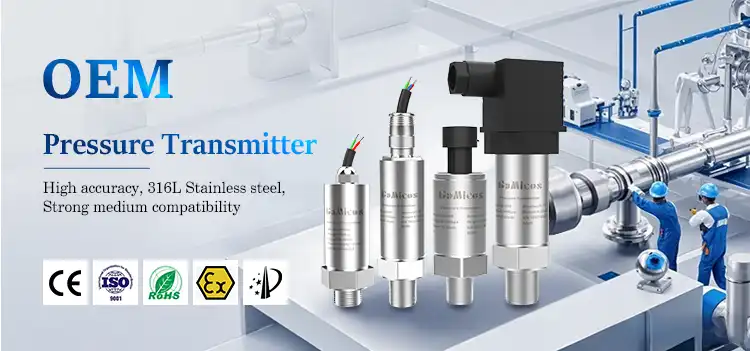
Understanding the Operating Temperature Range of Pressure Sensors
What Defines Operating Temperature Range
An operating temperature range tells you the range of temperatures that a pressure sensor can handle without losing its accuracy or structural integrity. This is not the same as storage temperature, which talks about safe settings when something is not working. Industrial pressure sensor must always work within their rated range, without losing performance. Temperature changes the electrical and mechanical features of the sensitive elements, whether they are piezoresistive, capacitive, or piezoelectric. Temperature affects the way materials expand, the tolerances of electrical parts, and the integrity of the housing. For these reasons, controlling temperature is very important for making sure that industrial pressure tracking systems work well.
How Temperature Influences Sensor Performance
Changes in temperature have more than one effect on pressure sensor. When temperature changes the physical features of sensing parts, sensitivity changes. When the temperature of a spread silicon piezoresistive sensor changes, the resistance changes, which changes the regularity of the output signal. When standard values change because of thermal stress on diaphragms and mounting frames, this is called zero-point drift.
When the full-scale output changes with temperature, this is called span drift, and it needs correction circuits to keep the accuracy. Long-term exposure to high temperatures speeds up the aging process of materials, especially glue, seals, and electronic parts. This shortens the life of devices and makes upkeep more necessary for industrial automation systems.
The Role of Temperature Compensation Technology
Temperature compensation is built into modern pressure sensor to balance the effects of temperature on reading accuracy. Built-in correction circuits check the temperature of the environment and change the output signals as needed to keep the accuracy high across the whole working range. The sensitive part of the GPT200 general pressure transmitter is a diffused silicon pressure sensor. It has high-performance specialized circuitry that offers strong anti-interference, high stability, and low drift.
This built-in processing circuit changes millivolt data into normal voltage and current outputs so that computers, control instruments, and display instruments can connect directly to it. Advanced correction algorithms and strong piezoresistive sensor technology keep the device accurate even when temperatures change, which can happen in places like chemical processing, oil refining, and pharmaceutical manufacturing.
Material Selection and Design Considerations
The temperature resistance and usefulness of a sensor depend on its elements. The GPT200's isolation diaphragm is made of 316L stainless steel, which was chosen because it doesn't rust and stays stable at high and low temperatures. This material can handle harsh media in uses like chemical handling, pharmaceutical production, and making food. The form of the housing is also important.
Small, light structures help heat escape and lower thermal mass, which lets them respond faster to changes in temperature. Electrical links must be able to handle changes in temperature without coming loose or rusting. Different installation needs can be met by the GPT200's multiple electrical interface choices, which also ensure stable signal transfer in harsh thermal conditions.
Types of Pressure Sensors and Their Temperature Range Characteristics
Piezoresistive Pressure Sensors
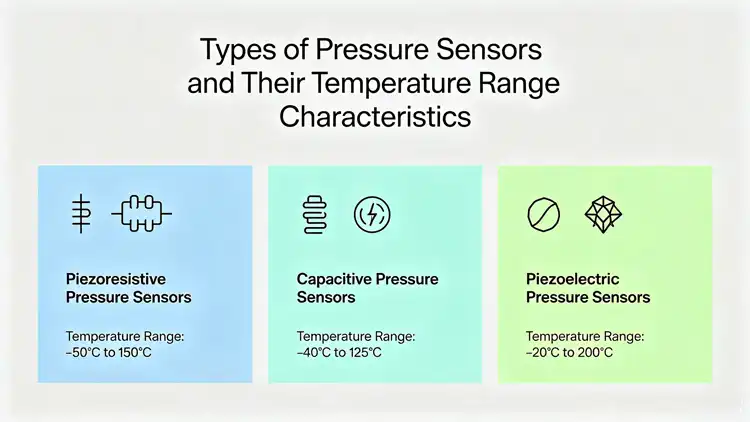
Because it works so well at high temperatures, piezoresistive technology is the most popular way to measure pressure in industry. When these things are put under mechanical force, semiconductor strain gauges change their resistance. Standard piezoresistive pressure sensor work effectively from -40°C to +125°C, and some types can work from -55°C to +150°C. The GPT200 pressure sender uses piezoresistive sensor technology, which is very stable and reliable.
This makes sure that the long-distance signal transfer is safe and reliable overall. Complete design validation, workpiece screening, process verification and curing, cycle loads and aging, and outdoor modeling testing are all things that every product goes through. This strict qualification method makes sure that the product will work the same way in all temperatures, like those found in oil and gas pipelines, energy production facilities, and outdoor industry setups.
Capacitive Pressure Sensors
Capacitive sensors figure out how much pressure there is by changing the capacitance between wires when the diaphragm bends. A ceramic capacitive pressure sensor has a cushion made of clay that changes shape when pressure is put on it. It's an electrode, and the set electrode is what makes a capacitor. When the pressure changes, the deformation of the diaphragm changes the capacitance between the sensors. This is then measured and turned into an electrical output that is related to the change in pressure.
Most capacitors can work in temperatures ranging from -40°C to +125°C, and some ceramic versions can work in temperatures up to +200°C. These sensors work great in situations that need to be very accurate and stable over time. This is especially true in the pharmaceutical and electronics industries, where exact pressure control is very important.
Piezoelectric Pressure Sensors
Piezoelectric sensors make an electrical charge that is related to the amount of mechanical stress that is put on them. These gadgets can work in very cold temperatures (-196°C) all the way up to +700°C in special high-temperature versions. When it comes to temperature stability, quartz crystal piezoelectric parts are better than ceramic options. However, piezoelectric technology only counts changes in dynamic pressure and not steady pressure. This means that it can only be used to watch over combustion, find explosions, and analyze dynamic processes. High-temperature piezoelectric sensors are used to test engines for spacecraft, fuel injection systems, and welding. Other technologies can't handle the high temperatures used in these applications.
Comparing Temperature Performance Across Technologies
Procurement managers should look at more than just raw temperature numbers when choosing pressure transmitters for uses that need to be sensitive to temperature. For general industrial use, piezoresistive sensors are the best choice because they are accurate, cheap, and can work in a wide range of temperatures. Because they are more stable over time and move less, capacitive devices are perfect for pharmaceutical and food processing uses where calibration gaps need to be longer.
Piezoelectric sensors can work in the hottest and coldest conditions, but they need special signal preparation and can only be used for active measurements. The piezoresistive design of the GPT200 covers the whole temperature range and can measure absolute, gauge, and sealed gauge pressures from -40°C to +125°C. This meets most industrial automation needs while still being reliable and cost-effective.
Challenges and Solutions in Managing Pressure Sensor Temperature Effects
Common Temperature-Related Issues
In industrial settings, temperature problems can make pressure sensor measurement tools less accurate and reliable. When the temperature changes around the zero point, the standard number moves, even if no pressure is applied. This is called zero-point drift. Span drift changes the full-scale output, which leads to measurement mistakes that get bigger as the pressure goes up.
Rapid changes in temperature, called thermal shock, put mechanical stress on diaphragms, mounting structures, and electronic systems, which could damage them or cause them to fail early. When sensors cool below the dew point, condensation forms. This creates moisture that damages connections and breaks electrical circuits. These problems happen a lot in places like chemical plants, oil factories, and outdoor sites where the weather changes every day and during the seasons.
Built-In Compensation Strategies
Manufacturers deal with the effects of temperature by using methods for integrated correction. The GPT200 has a microamplifier that sends out voltage and current signals. It also has temperature correction built in, which checks the temperature of the environment and changes the output to match. When the temperature changes, the piezoresistive detecting element's resistance changes, but matched resistor networks smooth these out.
Microprocessor-based emitters use digital compensation methods that use polynomial correction models that come from multi-point calibration at different temperatures. The accuracy of these answers stays within ±0.5% of full scale over the whole working range. Strong anti-interference properties and high stability make sure that adjusted signals work well even in noisy industrial settings with motor drives, cutting equipment, and variable frequency drives.
Design Features That Enhance Thermal Resilience
By making smart engineering choices, robust sensor design reduces problems caused by temperature. The isolation diaphragm made of 316L stainless steel in the GPT200 is very good at conducting heat, so the temperature is spread out evenly and there aren't many thermal slopes that cause stress and shift. When the temperature changes, hermetically sealed housings keep wetness out of the gadgets inside.
Small and light designs lower thermal mass, which speeds up thermal equilibration and lowers the time it takes for the process temperature to reach the sensor body temperature. OEM design options let engineers choose the best materials, coatings, and housing shapes for different thermal conditions, like high-temperature steam systems in power plants or cold storage facilities for liquefied gases.
Preventive Maintenance and Calibration Practices
Regular care makes sensors last longer and keeps their accuracy in uses that need to handle high temperatures. When possible, regular calibration at real working temperatures fixes drift and checks performance. Thermal cycling can cause rust or weakening of electrical connections, which can be found by inspecting them. Protective measures like heat shields, insulation wraps, or remote diaphragm seals keep sensors from being affected by high process temperatures while still letting pressure flow through them. These ideas are shown in automotive pressure tracking systems.
For example, engine oil pressure sensors can survive being exposed to +150°C for long periods of time, but they need special materials and regular calibration to stay accurate over the course of a vehicle's lifetime, which can be more than 200,000 miles. Petrochemical plants use similar methods, setting sensor checks for planned repair breaks to make sure the accuracy of the measurements.
How to Choose Pressure Sensors for Extreme Operating Temperatures
Assessing Your Temperature Requirements
A careful study of the process is the first step in setting temperature requirements. Write down the standard temperature range, the highest and lowest temperatures that can go beyond that range, the rate at which the temperatures change, and the length of time that extreme conditions last. Think about whether the process temperature directly affects the pressure sensor body or whether environmental factors are more important.
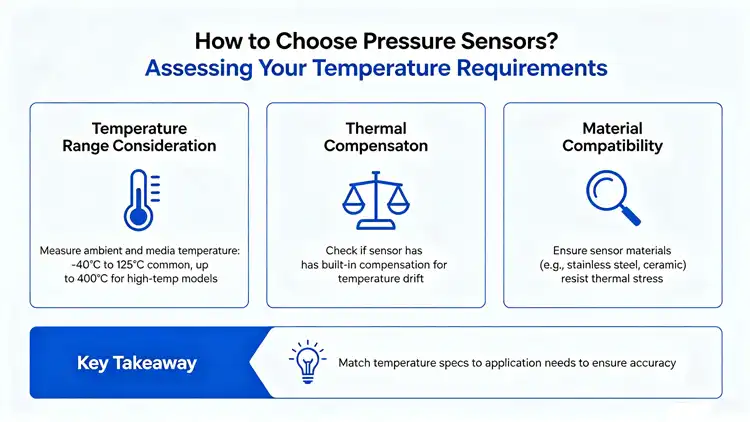
Chemical reactors can keep process temperatures at +180°C while the ambient temperature stays at +25°C. Choosing the right positioning and isolation methods is just as important as the temperature grade of the sensor. For outdoor systems in desert conditions, summer highs of +60°C and possible winter lows of -20°C mean that sensors need to be rated higher than what seems necessary to make sure they work in all four seasons.
Evaluating Leading Manufacturers and Technologies
Pressure sensors made for extreme temperatures are available from a number of well-known names. Honeywell makes ruggedized sensors that can handle temperatures up to +175°C for use in aircraft and industry. Bosch makes equipment for cars that can handle temperatures up to 150°C in engine areas. Texas Instruments makes sensor parts that can work in a wider range of temperatures for OEM options. OMRON makes industrial control sensors that work well in factories even when the temperature is high.
The GPT200 line from GAMICOS has similar performance and goes through a lot of weather simulation testing to make sure it works in a certain range of temperatures. When you compare datasheets, you can see that there are small differences in how accuracy decreases with temperature, how stable the device is over time, and how long it needs to start up after temperature changes.
Critical Procurement Parameters
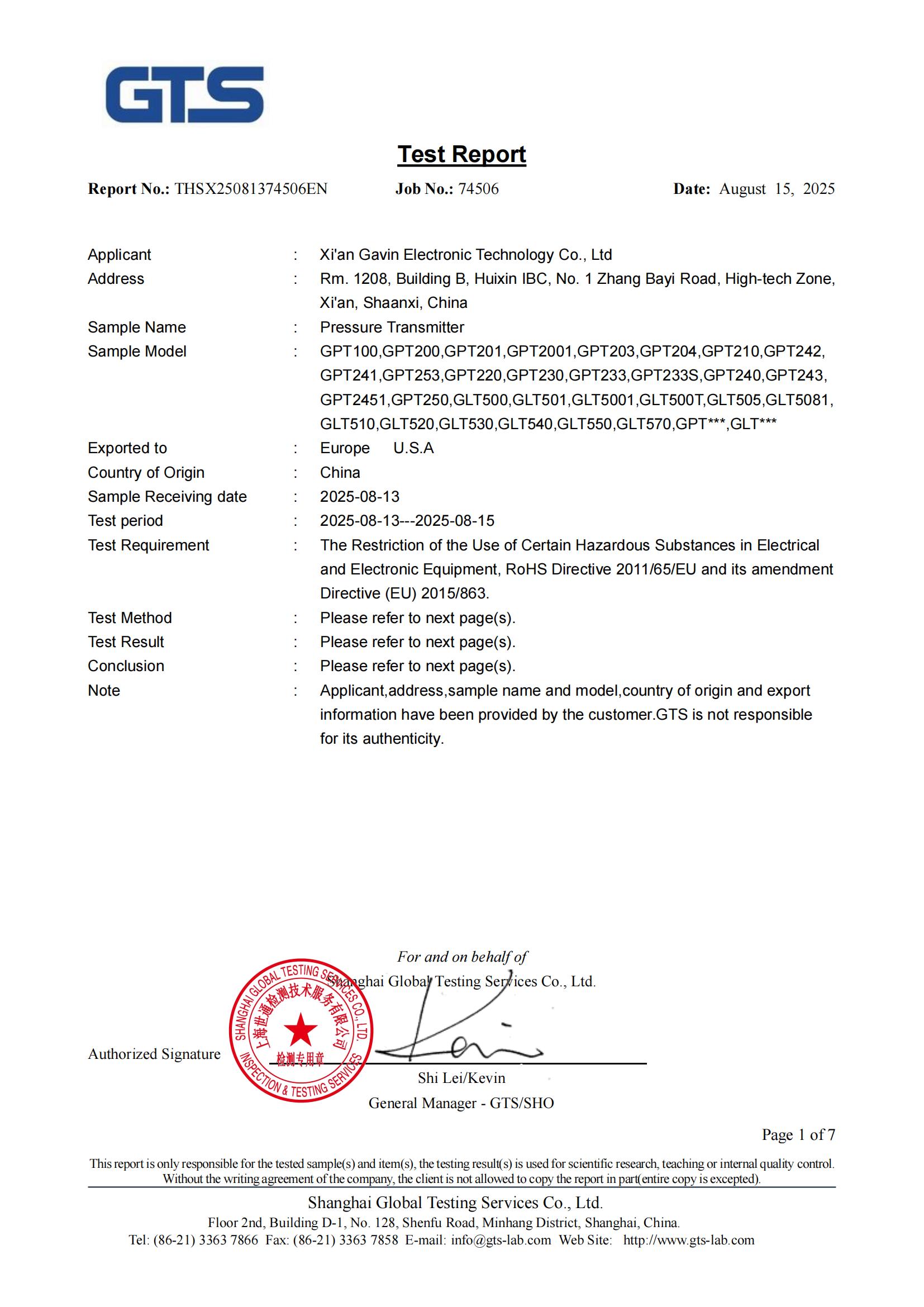
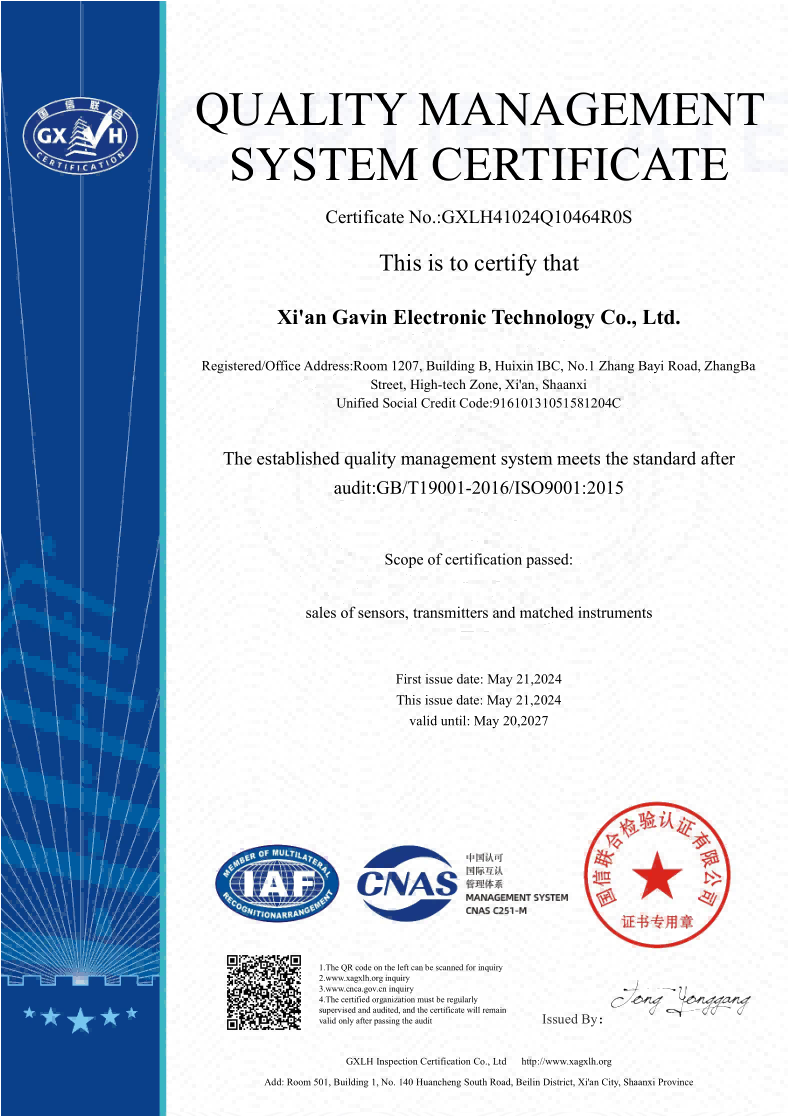
Sourcing managers need to look at more than just temperature scores when they look at specs. Specifications for accuracy should be given at a number of temperatures throughout the working range, not just at room temperature for testing purposes. The amount of drift is measured by temperature coefficient numbers, which are usually given as a percentage of span per degree Celsius. Certifications like CE, RoHS, and ISO approval make sure that products meet regulations and are made well.
Project plans and inventory planning are affected by minimum order amounts, wait times, and availability. The GPT200 has a number of different electrical interface options to meet different installation needs. It can also be customized by OEMs to meet specific application needs, which makes it ideal for engineering contractors and industrial project general contractors who are in charge of managing large-scale automation deployments.
Matching Sensors to Application Environments
Different businesses have different temperature problems that need specific answers. For handling food and drinks, you need clean designs that can handle temperatures between -20°C and +85°C and are easy to clean. When making medicines, the amounts needed are similar, but there needs to be more paperwork and validation help. In chemical processing and treating petroleum, sensors are exposed to higher temperatures (+150°C to +200°C) and harsh media. This means they need strong separation diaphragms and materials that don't react with chemicals.
When fossil fuels or green energy are used, sensors are exposed to large changes in temperature and are outside. The GPT200 can measure absolute, gauge, and sealed gauge pressures, so it can be used in a wide range of situations. This is made possible by GAMICOS's many years of experience working with clients in 98 countries in the chemical, oil and gas pipeline, food and medical, and energy sectors.
Conclusion
Temperature control is an important part of choosing the right pressure sensor and making sure the application works well. Understanding how temperature affects the three types of sensors—piezoresistive, capacitive, and piezoelectric—helps engineers and buying workers choose the right devices for the job. The GPT200 pressure sender is a great example of current sensor design. It uses strong piezoresistive technology, temperature compensation, 316L stainless steel construction, and extensive testing to make sure it works well from -40°C to +125°C. Choosing the right sensors, calibrating them regularly, and doing preventative maintenance can help with temperature problems.
This reduces drift, increases gadget life, and keeps measurement accuracy high. New technologies like advanced materials, digital compensation, and IoT integration keep making temperature possibilities bigger and operating costs lower. Working with innovative makers gives you access to these new technologies, which helps you do your job better in tough industry settings.
FAQ
What happens if I use a pressure sensor outside its specified temperature range?
When you work above the recommended temperature, a lot of problems happen. Because correction circuits can't properly correct for heat effects, accuracy goes down. When mechanical stress builds up on diaphragms and seals, they could leak or break. Electronic parts may break down right away or age faster than usual. Temporary excursions can sometimes cause drift that can be fixed, but repeated violations cause lasting damage that needs to be replaced.
How often should I calibrate pressure sensors in extreme temperature environments?
How often you need to calibrate relies on the temperature, how accurate you need it to be, and the quality of the pressure sensor. As a general rule, sensors should be calibrated once a year in moderate temperatures (-20°C to +80°C), checked every six months in harsh settings (-40°C to +125°C), and checked every three months for extreme uses that are getting close to their limits. No matter what the world is like, critical safety apps may need to be validated more often.
Which pressure sensor type works best for high-temperature industrial processes?
For most commercial uses up to +150°C, piezoresistive sensors are the best choice because they can handle high temperatures, are accurate, and are cheap. Capacitive devices are more stable for use in temperatures up to 200°C. Piezoelectric sensors can handle temperatures of up to 500°C, but they can only measure changes in dynamic pressure. The GPT200 piezoresistive transmission works well in a wide range of temperatures and is reliable for most industrial automation tasks.
Partner with GAMICOS for Temperature-Optimized Pressure Measurement Solutions
To find the best pressure sensor manufacturer, you need to look at their professional skills, quality control, and help systems. GAMICOS is an expert in making solutions for measuring liquid level and pressure. Every year, they help thousands of customers in over 100 countries, such as the US, Germany, Australia, and Brazil. Our focus on the customer means that we get to know your exact application needs in order to provide customized goods and solutions, whether they are for chemical processing, oil and gas pipes, food and medical production, or energy generation.
The GPT200 pressure sensor shows how committed we are to quality: it has been tested in a wide range of environments, is made of 316L stainless steel, and can be customized in a number of ways, such as through OEM and ODM services that include name engraving and special designs. Our professional technical support team helps you choose the right product, install it, and set it up so that the sensors work at their best. Email us at info@gamicos.com to get thorough datasheets, unique quotes, and advice from experts.
References
1. Webster, J.G. (2017). The Measurement, Instrumentation and Sensors Handbook: Spatial, Mechanical, Thermal, and Radiation Measurement. CRC Press.
2. Fraden, J. (2016). Handbook of Modern Sensors: Physics, Designs, and Applications. Springer International Publishing.
3. Wilson, J.S. (2018). Sensor Technology Handbook. Elsevier Science & Technology.
4. Patel, M.R. & Beik, O. (2020). Sensors for Mechatronics: Industrial Applications and Design Solutions. Academic Press.
5. Bhushan, B. (2019). Springer Handbook of Nanotechnology: Temperature Effects on Nano-Scale Sensor Performance. Springer-Verlag.
6. Ripka, P. & Tipek, A. (2021). Modern Sensors Handbook: Temperature Compensation Methods in Industrial Pressure Measurement. ISTE Press - Elsevier.

Ivy
Ivy, product consultant, has focused on sensor consultation for ten years, is proficient in providing pressure and level measurement solutions for customers.
We're here to help — submit your request anytime!
Let us know how we can help solve your pressure level measurement challenge.
_1757930850792.jpg)
Recommended Blog
Pressure Transmitter Zero Drift: Diagnosis & Calibration Guide
Pressure Transmitter Zero Drift: Diagnosis & Calibration Guide
Pressure Transmitter Zero Drift: Diagnosis & Calibration Guide
Pressure Transmitter Zero Drift: Diagnosis & Calibration Guide