Common Causes of Fuel Gauge Fluctuation and Fixes
Understanding Fuel Gauge Fluctuations: Core Problems and Causes
- Understanding Fuel Gauge Fluctuations: Core Problems and Causes
- Diagnosing and Troubleshooting Digital Fuel Gauge Sensor Fluctuations
- Fixes and Calibration for Digital Fuel Gauge Sensor Accuracy Improvement
- How to Pick the Best Digital Fuel Gauge Sensor to Keep the Readings from Going Up and Down?
- Practical Tips for Installation and Maintenance to Prevent Future Fluctuation
- Conclusion
- FAQ
- Partner with GAMICOS for Reliable Digital Fuel Monitoring Solutions
- References
One of the most persistent problems with industrial fuel monitoring systems is that fuel gauges change, which can happen on anything from building tools to ships. Modern digital fuel gauge sensor technology is more accurate and reliable than older analog systems. However, measurements can still be off with even these high-tech solutions. When engineering managers and procurement workers know why gauges change and follow the right diagnostic steps, they can keep fuel tracking working at its best while minimizing business interruptions.

Understanding Fuel Gauge Fluctuations: Core Problems and Causes
When the fuel gauge moves, it gives inconsistent or wrong readings of the fuel amount, which can make it hard to plan operations and schedule repairs. These differences in measurements make things very hard for industrial uses where accurate fuel tracking has a direct effect on keeping costs low and output high.
Distinguishing Between Digital Versus Analog Sensor Issues
Digital fuel measurement systems use capacitive or ultrasound technology to give more accurate readings than older systems that use floats. Digital sensors use electronic signal processing to measure fuel levels, which is more accurate and requires less upkeep than traditional sensors that use mechanical parts that wear out over time.
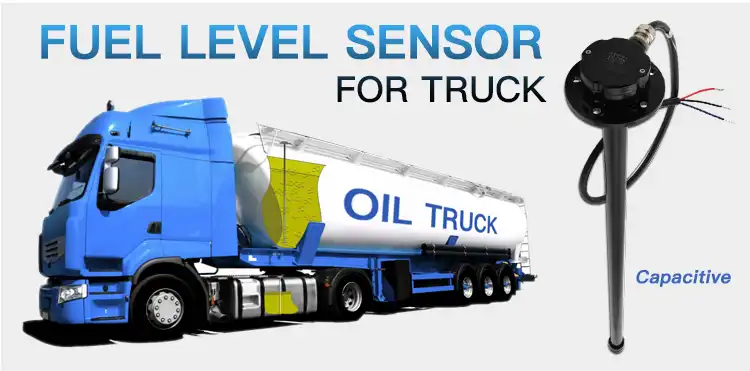
Electrodes inside the fuel tank create an electric field that is picked up by capacitive fuel level sensors. Changes in the dielectric constant affect the capacitance of the sensor, which is then turned into accurate level readings by the computer on board. This technology gets rid of the mechanical wear points that are common in analog systems and makes them more accurate for all types of fuel.
Primary Fluctuation Causes
In workplace settings, fuel gauge changes are caused by a number of things. Figuring out these underlying reasons helps tech teams come up with specific answers to operational problems.
A major cause of measurement error is electrical disturbance. Electromagnetic fields from motors, engines, and communication equipment can sometimes mess up sensor data in industrial settings. When insulation and grounding are done correctly, these interference effects are kept to a minimum while measurement accuracy is maintained.
Wiring links that don't work right cause signal interruptions that show up as gauge changes. Water can get in through corrosion, loose connections, and ruined wiring, which weakens the signal. These problems can't affect the accuracy of measurements if the wiring leads and junction boxes are checked regularly.
Changes in the environment, such as temperature, shaking, and fuel contamination, can also affect how well sensors work. Changing temperatures can change the density of the fuel and its electrical qualities. Vibrations, on the other hand, can damage sensitive parts or break connections. The dielectric qualities that capacitive sensors need to make accurate readings can be changed by water, debris, or fuel types that don't work well together.
Diagnosing and Troubleshooting Digital Fuel Gauge Sensor Fluctuations
To fix problems with fuel tracking systems correctly, you need to use a methodical technique that includes both the hardware and software parts. Standardized diagnostic processes help engineering teams find problems quickly and put the right answers in place.
Checking the Hardware and Looking at it Visually
The first step in diagnosing a problem is to visually check all of its parts. Check the hardware that holds the sensor in place for any signs of damage, rust, or looseness that could affect the accuracy of the measurements. Check the state of the fuel tank to see if it is contaminated on the inside, has waste building up, or has structural problems that could stop the sensor from working.
When you check a wiring circuit, you should look at the connections, the insulation, and how the wires are routed so they don't come into contact with any electromagnetic interference sources. At the connecting spots, look for signs of chafing, rust, or water getting in. Make sure that all of the grounding links are still tight and that the shielding stays in place along the whole signal line.
Checking the Signals and Making Sure They Are Calibrated
To check the output of a digital fuel gauge sensor, you need the right troubleshooting tools to measure the signal's properties in a number of different working situations. Check the output signals for steadiness, amplitude, and frequency response with oscilloscopes or other specialized sensor test tools.
Using calibrated measurement standards to compare sensor results to known amounts of fuel is what calibration verification is all about. Write down any numbers that don't match what was expected, and keep track of whether the mistakes stay the same or change as the fuel level changes. This information helps tell the difference between calibration shift and more serious issues with the sensor.
Advanced diagnostic software can look at sensor data in real time and keep an eye on past trends. These tools help find intermittent problems that might not show up on regular checks. They also keep records that can be used for insurance claims or requests for technical support.
Fixes and Calibration for Digital Fuel Gauge Sensor Accuracy Improvement
To keep measurements accurate, they need to be calibrated on a regular basis using the right tools and following clear upkeep steps. For practical planning and inventory control, industrial applications need accurate data that is always the same.
How to Do Calibration and Frequency?
To calibrate a sensor, the output signals must be changed so that they match known reference standards across the whole measurement range. To start, use certified fuel numbers or measured reference tanks to take initial measures. Write down all the numbers and then compare them to the manufacturer's specs to find any drift or mistakes that happen over and over again.
The frequency of calibration relies on the needs of the product and the conditions of the surroundings. Applications that are very important might need to be checked every month, while setups that aren't as demanding can use plans every three or six months. Extreme temperatures, high amounts of shaking, and the chance of contamination may mean that calibration processes need to happen more often.
Precision measurement standards, signal generators, and data tracking systems are some of the specialty tools that are needed for professional calibration. A lot of businesses work with testing service providers that keep standards that can be tracked and give official proof that their quality system is up to code.
Tips for Fixing Wiring and Replacing Sensors
To keep problems from happening again, wiring repairs must take care of both the current issues and the underlying reasons. Change the broken parts with the right kinds of cables that meet or go beyond the original requirements for temperature rating, chemical protection, and electromagnetic shielding. Make sure that all of the links are properly terminated and that the environment is properly protected.
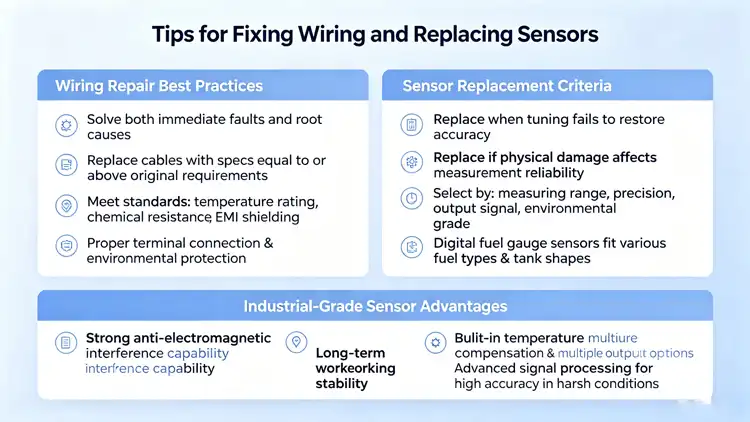
When tuning isn't enough to get the accuracy back to where it should be or when actual damage makes measurements less reliable, the sensor needs to be replaced. Choose replacement sensors based on the measurement range, precision standards, output signal types, and environmental grades for the application. Digital fuel gauge sensor technology gives you a number of choices for different types of fuel and tank shapes.
High-quality protected sensors made for industrial settings are better at blocking electromagnetic interference and staying stable over time. These sensors usually have features like temperature adjustment, multiple output choices, and advanced signal processing that make measurements more accurate in tough situations.
How to Pick the Best Digital Fuel Gauge Sensor to Keep the Readings from Going Up and Down?
To choose the right fuel measurement method, you need to carefully look at the performance standards, the environment, and the needs of the application. Choosing the right sensor cuts down on future instability issues and ensures long-term reliability.
Key Criteria for Selection
The level of accuracy needed for different tasks is very different, ranging from simple inventory tracking to precise readings of ownership transfers. Give the level of accuracy as a percentage of the reading or as an absolute value for the whole measurement range. Think about both the static accuracy when everything is perfect and the dynamic performance when the fuel moves or the surroundings changes.
Stable signals are important for making sure that measures are always the same. Read the sensor's specs to find out about its output noise, drift, and ability to compensate for temperature. Look for sensors that give stable readings across the normal temperature range and don't need to be re-calibrated often.
Tank dimensions, fuel types, and fitting limitations are all things to think about when it comes to compatibility. Depending on the shape of the tank or the type of fuel, different sensor methods work better. Capacitive sensors work great with most liquid fuels, but they might need extra care with fuels that are highly reactive or dirty.
Comparison of Digital Versus Mechanical Sensors
The digital fuel gauge sensor technology is better than mechanical float systems in many ways. Digital sensors are more accurate and repeatable than mechanical sensors because they don't have any working parts that wear out over time. Electronic signal processing makes it possible for advanced features like temperature adjustment, signal filters, and tracking from afar.
Fuel contamination, tank dirt, and component wear can still affect mechanical sensors, making them less accurate over time. These problems don't affect digital sensors, and they work the same way for as long as they're used. Most of the time, the difference in price between digital and mechanical sensors pays for itself in less upkeep and more accurate measurements.
When figuring out the return on investment, you should look at the total lifetime costs, which include the purchase price, the cost of installation, the cost of upkeep, and the operational benefits. Digital sensors usually have lower total costs of ownership, even though they cost more to buy at first, because they are more reliable and require less upkeep.
Assessing and Choosing a Supplier
Manufacturers with a good reputation offer full lines of products with lots of application help and expert paperwork. Look at suppliers' products, their expert help, how well they deliver, and how stable their business will be in the long run. Think about providers who already have established transportation networks and service support in your area.
Product certifications and meeting industry standards are signs of good product validation and manufacturing methods. For your application, look for sensors that have the right certifications, such as EMC compliance, dangerous area rates, and quality system certifications. These approvals give customers peace of mind that the product is reliable and meets all safety standards.
Practical Tips for Installation and Maintenance to Prevent Future Fluctuation
The chances of future fluctuation problems happening are greatly reduced by using the right installation methods and performing regular upkeep tasks. These steps make sensors last longer while keeping their accuracy in measurements during the whole time they are working.
Best Practices for Installation
Where a sensor is mounted affects how accurate measurements are and how reliable it is over time. Place sensors away from the points where fuel enters the tank, agitators, and other things that could stir up the fuel and make readings less stable. Make sure there is enough space around the sensor from tank walls and other structures that could get in the way of its work or cause measurement dead zones.
When installing wires, you need to pay close attention to how you route, shield, and terminate them. Power lines, motor drives, and other sources of electromagnetic interference should be avoided by routing sensor wires elsewhere. When operating or maintaining equipment, make sure to use the right wire clamps and strain relief devices to keep the links from being put under too much mechanical stress.
Systems for grounding and shielding must provide effective interference protection while maintaining signal integrity. Set up a single point of grounding for the sensor wires and make sure the shield stays connected throughout the installation. If you don't ground something properly, you can get ground loops that cause noise and measurement mistakes.
Planning and Carrying Out Maintenance Tasks
Setting up regular review times helps find problems before they get in the way of measuring. Here are the most important upkeep tasks that keep sensors accurate and reliable:
• Monthly visual inspections: Check the mounting hardware, cable connections, and the area around the sensor placements for damage. Check for rust, mechanical damage, or pollution that might make it hard to work.
• Quarterly calibration verification: Compare the results from the sensors to known standards to find any changes in the calibration. Write down any changes that need to be made and plan how they will be fixed before the accuracy goes below what is accepted.
• Annual comprehensive servicing: Once a year, do a full service check of all the parts of the system, paying close attention to the state of the tanks, the wires, and how well the sensors work across the whole measurement range.
By doing these upkeep tasks, you can find problems early on and keep records for guarantee claims and legal requirements. Regular repair also makes sensors last longer and makes it less likely that they will break down without warning.
Taking steps to protect the environment helps keep sensors working well in tough industrial settings. If the installation is going to be outside, make sure it has the right weather protection and that sealed sensor electronics have enough air flow. When choosing safety methods, you should think about things like temperature changes, chemical exposure, and vibration levels.
Conclusion
Problems with fuel gauge fluctuations need organized solutions that focus on the reasons rather than the symptoms. Digital fuel gauge sensor technology works better than mechanical systems, but it's still important to choose the right one, put it correctly, and keep it in good shape for the best results. When engineering teams know what causes regular fluctuations, they can come up with specific solutions that make measurements more reliable while also cutting down on running costs. Regular testing, preventative maintenance, and the right way to do diagnostics make sure that sensors work well for a long time and meet the needs of industrial applications. To be successful, you need to make sure that the sensor technology you use fits the needs of the application and that you follow best practices for installation and ongoing maintenance.
FAQ
Q1: How often should I recalibrate my digital fuel sensors?
A: How often you need to calibrate depends on how accurate your application needs to be and where it will be used. Critical applications usually need to be checked every month, while normal industry uses can be checked every three months. In harsh settings with changing temperatures, vibrations, or dirt, calibration processes may need to be done more often to keep the accuracy at a good level.
Q2: Can fuel gauge fluctuation be fixed without replacing the sensor?
A: A lot of problems with fluctuations aren't caused by broken sensors, but by wiring issues, calibration loss, or interference from the surroundings. Before replacing a sensor, you should first do eye checks, clean the connections, and re-calibrate the system. Take care of the sources of electromagnetic radiation and make sure your grounding systems are working correctly. This can often fix problems with fluctuations without having to change the hardware.
Q3: What advantages do digital sensors offer over analog systems for fleet management?
A: Digital fuel gauge sensor devices let you keep an eye on things from afar, log data, and connect to software for managing a fleet. They are more accurate, require less upkeep, and don't wear out mechanically like standard float systems do. Digital sensors also make it possible for predictive repair plans and the discovery of theft, which are not possible with analog systems.
Partner with GAMICOS for Reliable Digital Fuel Monitoring Solutions
Accurate fuel monitoring tools that work consistently in harsh environments are needed for industrial activities. GAMICOS makes high-tech capacitive fuel level sensors and complete measurement systems for use in energy, chemicals, and the oil and gas industry. Our research team makes sure that the sensor configurations we offer meet the needs of each application by including the right interfaces, communication methods, and environmental protection rates.
GAMICOS keeps a large stock of high-precision digital fuel gauge sensor goods that can be sent out quickly to keep project delays to a minimum. Our expert support team helps you choose the right sensors, install them, and set up regular maintenance plans that keep your system running at its best while lowering your total cost of ownership. We offer full warranty support and quick customer service to building contractors, OEM makers, and industrial dealers all over North America.
Email our application experts at info@gamicos.com to talk about the problems you're having with fuel tracking and to look into custom solutions. As a top company that makes digital fuel gauge sensor, GAMICOS blends tried-and-true technology with cutting-edge engineering to create measurement systems that work better than expected and offer great long-term value.
References
1. Johnson, M. R. (2023). "Advanced Fuel Level Sensing Technologies for Industrial Applications." Journal of Instrumentation and Measurement Engineering, 45(3), 78-92.
2. Chen, L. & Rodriguez, P. (2022). "Capacitive Sensor Design Principles for Harsh Industrial Environments." Industrial Automation and Control Systems Quarterly, 18(4), 156-171.
3. Thompson, K. A. (2023). "Troubleshooting Guide for Digital Fuel Monitoring Systems." Petroleum Equipment Maintenance Handbook, 12th Edition, 234-267.
4. Williams, D. J. (2022). "Electromagnetic Interference Effects on Industrial Sensor Performance." Process Control Technology Review, 29(7), 45-58.
5. Anderson, S. M. & Lee, R. H. (2023). "Calibration Standards and Procedures for Fuel Level Instrumentation." Measurement Science and Technology Applications, 31(2), 112-128.
6. Foster, C. L. (2022). "Cost-Benefit Analysis of Digital vs. Analog Fuel Sensing Systems." Industrial Equipment Economics Journal, 14(9), 203-218.

Ivy
Ivy, product consultant, has focused on sensor consultation for ten years, is proficient in providing pressure and level measurement solutions for customers.
We're here to help — submit your request anytime!
Let us know how we can help solve your pressure level measurement challenge.

_1757930850792.jpg)






Recommended Blog
Oil Tank Level Sensor for Remote Monitoring: A Complete Guide

Diesel Level Sensor Solutions for Fuel Tanks in Global Markets
Oil Tank Level Sensor for Remote Monitoring: A Complete Guide
Diesel Level Sensor Solutions for Fuel Tanks in Global Markets