Process Connection Installation: Thread, Flange & Clamp
Comprehending Pressure Sensor Process Connections
- Comprehending Pressure Sensor Process Connections
- How to Choose the Right Pressure Sensor Process Connection?
- Installation Best Practices for Thread, Flange & Clamp Connections
- Performance Impact of Process Connections on Pressure Sensors
- Procurement Considerations for Pressure Sensor Process Connections
- Conclusion
- FAQ
- Partner with a Trusted Pressure Sensor Process Connection Supplier
- References
Choosing the correct pressure sensor process connection has a direct effect on the accuracy of measurements, the speed of installation, and the safety of long-term operations in industrial settings. Whether you're working with pressure sensor process connection, clamp, threaded, or flanged connections, procurement managers and engineering teams can avoid making mistakes that cost a lot of money by knowing how to install them and how they work.
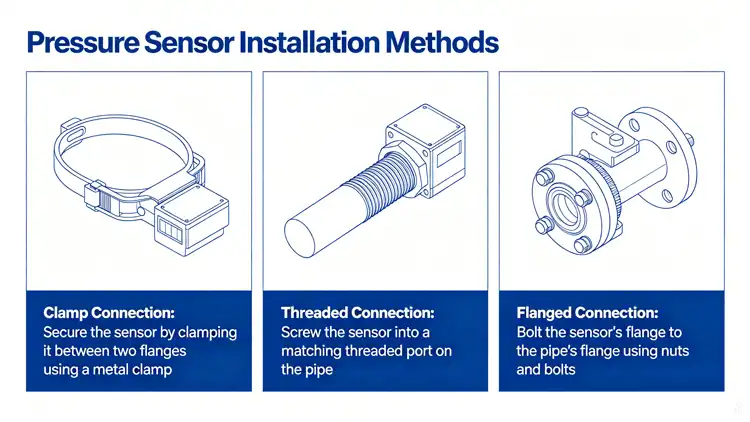
At GAMICOS, we've seen how choosing the right link can change the accuracy of pressure measurements in oil plants, clean rooms for pharmaceuticals, and food processing lines. This guide shows you the important things that affect your choice, like how well the materials work together and how much force they can handle. This will help you choose sensors that work well with your automation system.
Comprehending Pressure Sensor Process Connections
There is a physical and functional link between your measuring tool and the process media you are monitoring through the pressure sensor process connections. These connections keep the sensor safe while letting the fluid or gas pressure reach the detecting element. The choice of connection affects not only how fast the work goes, but also how well it stops leaks, how easy it is to do upkeep, and how well it meets industry standards.
Defining Process Connections and Their Role
It is the threaded, flanged, or fixed contact that connects the pressure sensor to pipes, tanks, or process equipment. This is called a process connection. This link needs to be able to handle working forces, acidic media, and changes in temperature without losing its seal. This link is what lets the measuring element—which is usually a ceramic diaphragm or strain gauge—get accurate pressure readings that aren't messed up by the mechanics. If you don't choose the right connections, stress buildup can form that hurt sensor output and shorten service life.
Common Connection Types: Thread, Flange, and Clamp
Threaded connections use screw holes that are cut into the body of the sensor or through adapters. In North America, the most common standard is NPT (National Pipe Thread), and in Europe, the most common standard is BSP. Most thread sizes are between 1/8" and 1" NPT, and sealants or PTFE tape are used to make sure the system doesn't leak. These links work great in small spaces where flanges can't be used because of lack of room.
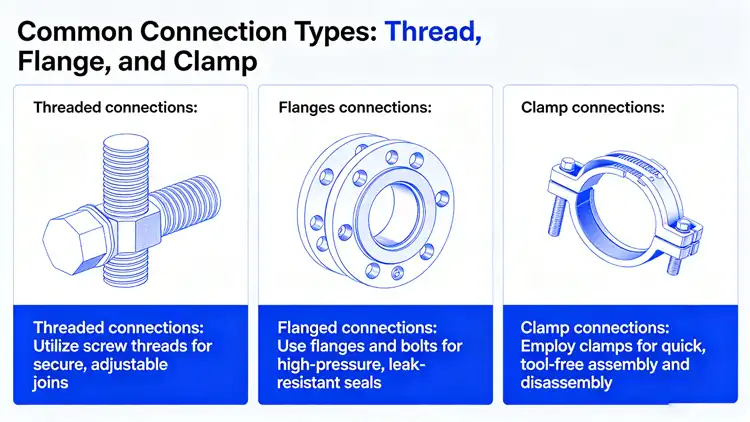
Flanged connections use bolted joints with seals pressed between matched flange faces. The ANSI B16.5 and DIN standards spell out the sizes of the flanges, the pressure ranges (Class 150 to Class 2500), and the bolt designs. Flanged sensors work well in high-pressure situations (above 3,000 psi) and on long process lines where parts need to be taken apart often for repair. Material for gaskets like PTFE, graphite, or metal-reinforced composites are picked based on how they will be exposed to chemicals and temperature.
Clamp connections, especially Tri-Clamp or Tri-Clover fittings, are used most often for safety reasons in the food, drink, and drug businesses. In these connections, a ferrule is held in place by a movable collar, and the seal is made by a gasket that is usually made of silicone or EPDM. Clamps come in sizes ranging from 0.5" to 4" and make it easy to take parts apart quickly for CIP (clean-in-place) processes without using a lot of tools.
Material Selection Criteria for Optimal Performance
Connection materials must resist both mechanical stress and chemical attack. 316L stainless steel offers excellent corrosion resistance for general industrial use and FDA-compliant sanitary environments. Brass suits lower-cost applications with non-corrosive fluids and moderate pressures below 1,000 psi. Hastelloy C-276 addresses severely corrosive media like hydrochloric acid or sulfuric acid, albeit at premium cost. Material hardness and thermal expansion coefficients also influence seal integrity under temperature cycling between -40°C and 200°C.
How to Choose the Right Pressure Sensor Process Connection?
To pick the right pressure sensor process connection type, you need to carefully look at the process conditions, legal requirements, and operating limits. If you don't take these things into account, sensors could fail early, require expensive repairs, or cause safety problems during setup.
F-1 Criteria Screening: Pressure, Temperature, and Fluid Compatibility
Setting standard working conditions is the first step in the decision process. Pressure rates need to include safety reserves. For example, sensors rated for 5,000 psi can work with systems that only need 3,000 psi of working pressure to handle short-term jumps. Extreme temperatures can change both the materials used for seals and the size of the link bodies. For example, PTFE seals break down above 260°C, so graphite substitutes are needed.
Fluid compatibility is more than just pH levels; it also takes into account the amount of particles and the flow. Abrasive slurries demand recessed diaphragms protected by flanged connections, while low-viscosity solvents may leak through improperly torqued threaded joints. Sanitary processes require electropolished surfaces with Ra values below 0.8 µm, achievable only through clamp or special hygienic flanges.
Comparing Thread, Flange, and Clamp Connections
Each connection type presents distinct advantages and limitations across installation complexity, leak risk, and maintenance intervals:
Threaded connections install rapidly with minimal tooling—hand wrenches suffice for many applications. Leak resistance depends heavily on proper torque (typically 30-50 ft-lbs for 1/2" NPT) and sealant quality. Cross-threading during installation damages both sensor and process port threads, requiring costly replacements. These connections suit stable environments with infrequent sensor removal.
Flanged connections deliver superior leak resistance under vibration and thermal cycling due to distributed bolt loading and large gasket contact areas. Installation demands precise flange alignment to prevent gasket crushing or uneven stress distribution. Maintenance accessibility proves excellent since bolt removal detaches sensors without disturbing adjacent piping. However, installation time increases threefold compared to threaded options, and larger footprints challenge crowded skid designs.
Clamp connections excel in hygienic applications requiring frequent cleaning and inspection. Tool-free disassembly reduces downtime during routine maintenance, while smooth internal surfaces prevent bacterial colonization. Pressure ratings typically cap at 150 psi and 300°F, limiting use in high-energy processes. Gasket replacement intervals (every 6-12 months) add recurring costs absent in metal-sealed flange designs.
International Standards and Certification Requirements
Following well-known guidelines makes sure that the new system works with the old one and passes legal checks. In the US, ASME B1.20.1 governs NPT thread dimensions and tolerances. ISO 228-1 specifies parallel (BSP) threads common in European markets, which seal differently than tapered NPT designs. Flanged connections must align with ASME B16.5 (North America) or EN 1092-1 (Europe) to guarantee bolt hole alignment and pressure ratings.
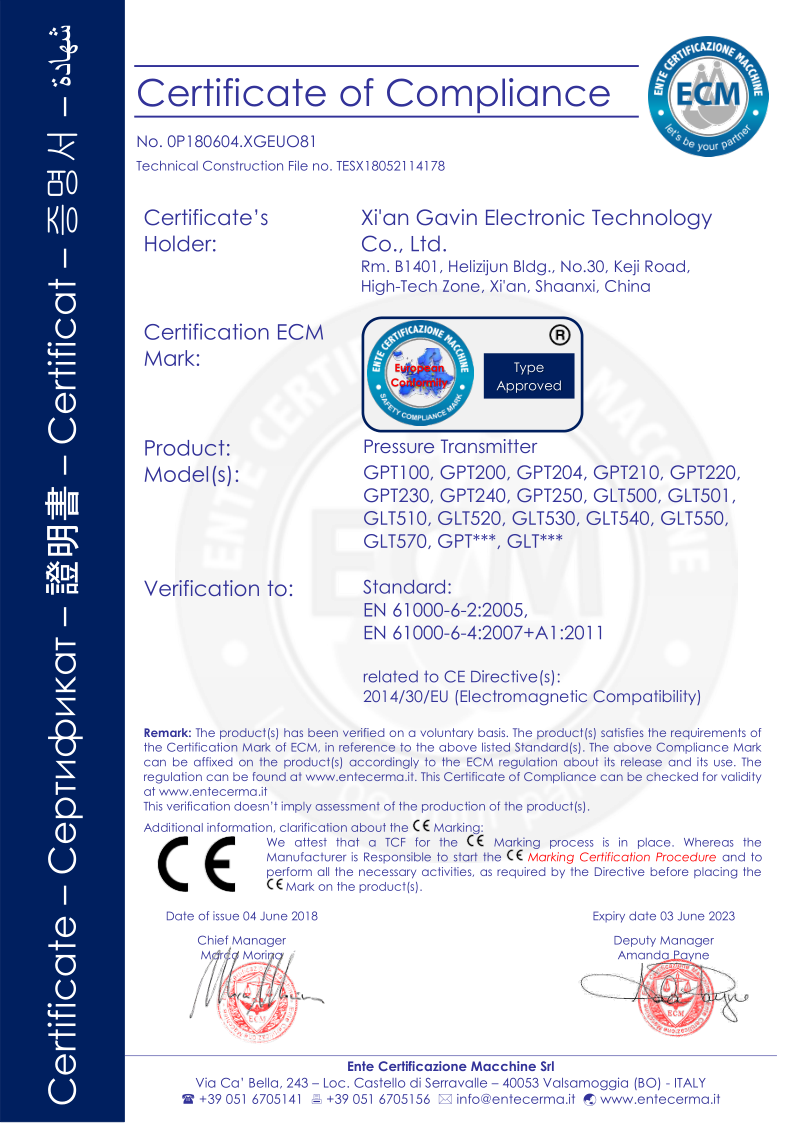
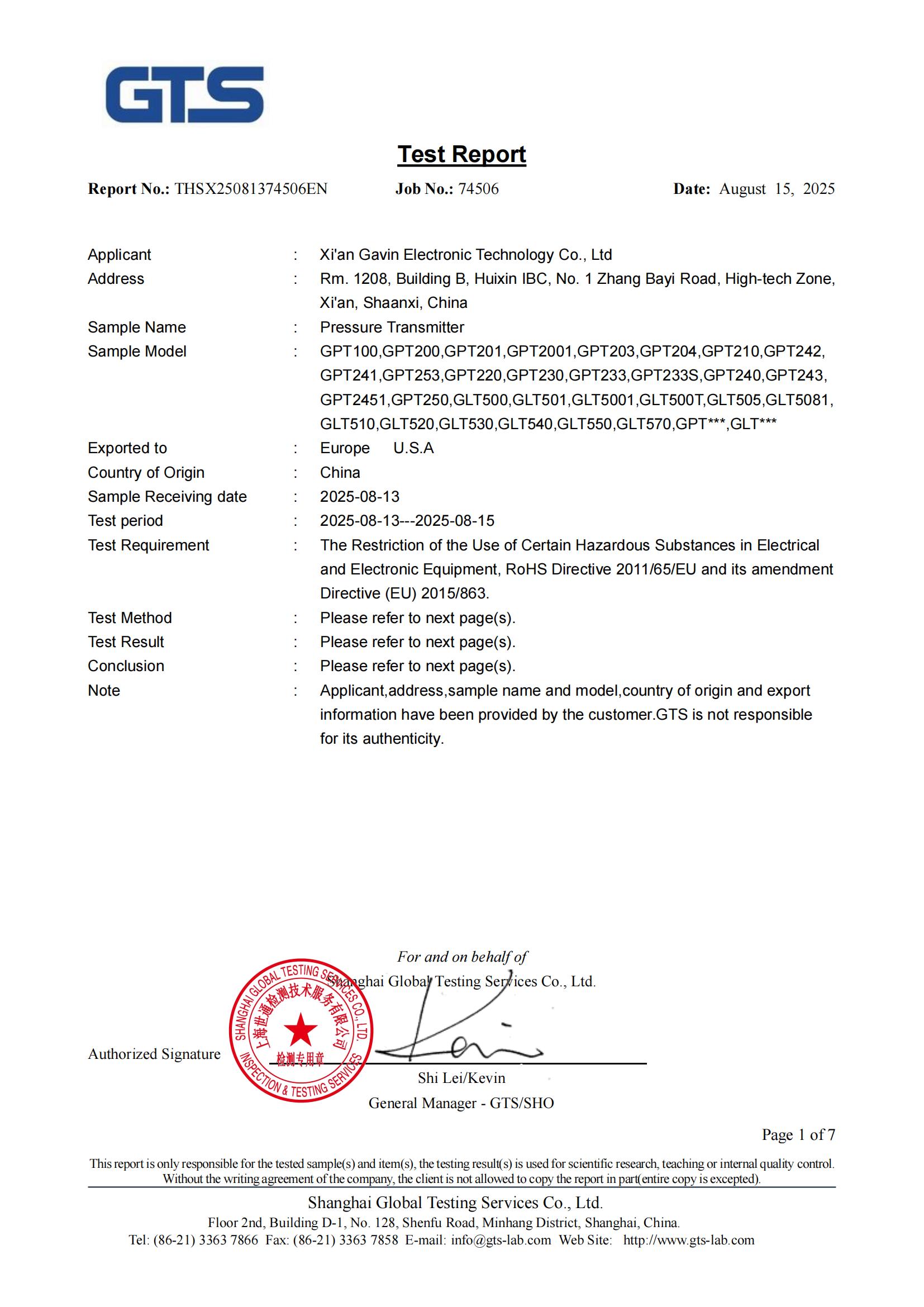
Certifications like CE marking, RoHS compliance, and ISO 9001 manufacturing credentials reassure procurement teams about product quality. Sanitary certifications such as 3-A Sanitary Standards and FDA 21 CFR 177.2600 are mandatory for food-contact sensors. Hazardous area installations demand ATEX (Europe) or IECEx (international) approvals for explosion-proof connections.
Installation Best Practices for Thread, Flange & Clamp Connections
Using the right fitting methods keeps measurements accurate and stops failure modes from happening too soon. For each type of pressure sensor process connection, you need to pay special attention to how to use force, alignment, and sealing methods.
Threaded Connection Installation Guidelines
To start, use lint-free cloths to clean both the male and female threads to get rid of any dirt or old sealant residue. To keep the process from getting dirty, apply 2-3 wraps of PTFE tape along the thread direction, avoiding the first two threads. Tighten the sensor by hand until the resistance goes up. Then, apply calibrated torque wrenches to reach manufacturer specifications—typically 25 ft-lbs for 1/4" NPT and 50 ft-lbs for 1/2" NPT. Over-torquing crushes internal sensing elements, while under-torquing permits weeping under pressure cycling. Thread engagement should extend at least 3-4 full threads to distribute stress adequately.
Flanged Connection Installation Guidelines
Keep the flange sides within 0.5° of being aligned to keep the gasket from stretching. Choose a gasket material matching process temperature and chemistry. Soft gaskets (rubber, PTFE) compress easily but degrade faster, while spiral-wound metal gaskets handle extreme conditions at higher bolt loads. Tighten the bolts by hand in a star design, then apply 30% of final torque in sequence. Increase to 60%, then 100% torque in successive passes—typically 50-150 ft-lbs depending on flange class—allowing gasket stress relaxation between passes. Verify flange gap uniformity using feeler gauges to confirm even gasket compression.
Clamp Connection Installation and Maintenance
Check the sides of the gaskets for scratches or other marks that could make them less sterile. Position the gasket squarely between ferrule faces, ensuring the tri-clamp band engages both ferrule grooves uniformly. Hand-tighten the wing nut or quick-release latch until resistance builds, then apply an additional quarter-turn with tools.
Excessive tightening deforms gaskets and reduces reusability. During CIP cycles, monitor gasket condition for swelling or hardening indicative of chemical incompatibility. Replace gaskets showing compression set exceeding 20% to maintain reliable seals. After maintenance, conduct bubble leak tests with soapy water or approved tracer gases at 110% operating pressure.
Performance Impact of Process Connections on Pressure Sensors
The design of a pressure sensor process connection affects more than just its mechanical stability. It also has direct effects on the accuracy of measurements and the life of the sensor by transferring stress, changing temperature, and linking vibrations.
Mechanical Stress and Sensor Output Distortion
When threaded fitting is done incorrectly, bent moments happen that move the sensor diaphragm, causing zero-point changes of up to 2% of the full-scale range. When the temperature changes, the stainless steel process ports and brass fittings don't expand or contract the same amount. This causes cycle stress, which speeds up fatigue cracks. When these loads are attached to diaphragms, they are picked up by strain gauges as fake pressure signs. We've observed installations where over-torqued sensors drifted 50 psi at constant process pressure, necessitating complete replacement.
Thermal Expansion and Vibration Transfer
Thermal expansion is limited by flanged connections with rigid bolt patterns, which creates compression loads during heat-up processes. This problem is made worse by the fact that aluminum flanges and stainless steel sensors have different expansion factors. Vibrations from nearby pumps or agitators get into the pressure signal through direct-mount links and make it noise. In places with a lot of vibration, these effects can be lessened by using capillary-isolated sensors or vibration-dampening adapters.
Common Pitfalls and Preventive Strategies
Leaks are still the most common fitting problem, which is usually caused by thread sealant that isn't good enough or seals that are broken. Damage to sensors during installation shows up as irregular output or signal loss when diaphragms crack under too much force. Readings are wrong when air pockets get stuck in process connections while they're being filled or when particles build up in ports that aren't flush with the surface. Some ways to stop this from happening are to vacuum-prime the process lines before the sensors are turned on, use flush-mount diaphragms for viscous fluids, and use standardized tools for torque verification methods.
Procurement Considerations for Pressure Sensor Process Connections
A good buying process combines the skills of suppliers, the ability to make changes, and the dependability of logistics to meet project deadlines and quality standards for pressure sensor process connections.
Custom and OEM Connection Solutions
For common uses, standard catalog links are fine, but for specific processes, custom designs work best. OEM pressure modules with links that are designed for a specific purpose make assembly easier for equipment makers who want to add sensors to their own machines. Customization choices include non-standard thread sizes matching old equipment, parts made of unusual alloys that are wetted for use with harsh chemicals, and built-in electrical connections that cut down on connecting mistakes in the field. These custom solutions often make systems more reliable while making it easier to keep track of extra parts.
Evaluating Supplier Reliability and Certifications
Third-party certificates and quality management systems are ways that trusted makers show they are following the rules. Calibration certificates that can be traced back to NIST standards and ISO 9001 approval both prove that the manufacturing process is consistent. Manufacturer guarantees that last between 12 and 24 months cover problems with the product, but it is still the buyer's duty to make sure it is installed correctly. Technical hotlines and field service techs are part of after-sales help that speeds up fixing when installation problems arise. Before buy orders are finalized, we give preference to sellers who offer application engineering help to define the best link setups.
Bulk Ordering and Delivery Logistics
To avoid storing costs and goods going out of date, large projects need orders that are timed to match building stages. Lead times for normal connections are usually between 4 and 6 weeks, but they can be up to 10 to 14 weeks for special setups that need to be approved by the designer.
For specific links, the smallest order size is between 50 and 200 units, which makes uniformity across various process lines more likely. For foreign shipping, fragile sensing elements need to be protected. Export-grade crates with desiccants and shock signs lower the number of damage claims. There are choices for faster freight that can help with project delays, but the higher costs (200–300% of regular shipping) justify use only for essential tools.
Conclusion
The choice of pressure sensor process connection has a big effect on how well pressure sensors work over the whole life of the equipment. For safe uses, threaded connections are simple and small. Flanged interfaces are strong in high-pressure systems that need to be reliable, and clamp fittings allow for clean operation in sanitary industries.
When you install things the right way, using measured torque for threads, methodical bolt tightening for flanges, and careful gasket handling for clamps, you can avoid common failure modes like leaks and stress-induced shift. Engineering teams can choose the best designs when they know how links affect sensor accuracy through sound transfer and heat expansion. It is important to look at a supplier's licenses, customization options, and ability to coordinate supplies when buying sensors. This will make sure that projects go easily from the design stage to the testing stage.
FAQ
What distinguishes NPT from BSP threaded connections?
NPT uses curved threads that close through thread interference, which means that sealer and certain torque values must be used. In BSP, parallel threads are used, and an O-ring or glued seal at the thread base stops leaks. In North America, NPT rules the markets, while in Europe and Asia, BSP does. When you mix these standards, leaks happen because the taper angles and thread pitches are very different.
How do I select gasket materials for flanged pressure sensors?
Match the makeup of the seal to the temperature and process medium. PTFE can take most poisons up to 260°C, but it will creep when pin loads are high. Graphite can handle temperatures up to 650°C and harsh chemicals, but it needs more bolt pressure. Extreme temps and pressures are fine for spiral-wound metal gaskets, but they need precise flange surface finishes. Check ASME B16.20 and the chemical compatibility charts provided by the maker.
Can clamp connections handle high-pressure applications?
Because of the strength of the collar and seal, standard Tri-Clamp connections can only handle 150 psi and 300°F. Ratings for high-pressure clamps with strengthened necks go up to 500 psi, but above 300 psi, flanged connections are usually more cost-effective. Before selecting clean connections in high-pressure systems, you should always check the manufacturer's pressure values for specific clamp sizes and materials.
Partner with a Trusted Pressure Sensor Process Connection Supplier
GAMICOS has supplied thousands of factories around the world with accurate pressure sensors that can connect to a variety of surfaces using thread, flange, and clamp connections to meet the needs of different processes. Our engineering team works with the people who have a stake in the project to choose the best connection types, such as NPT threads for small installations, ANSI flanges for high-pressure refinery service, and safe clamps for clean rooms for pharmaceuticals.
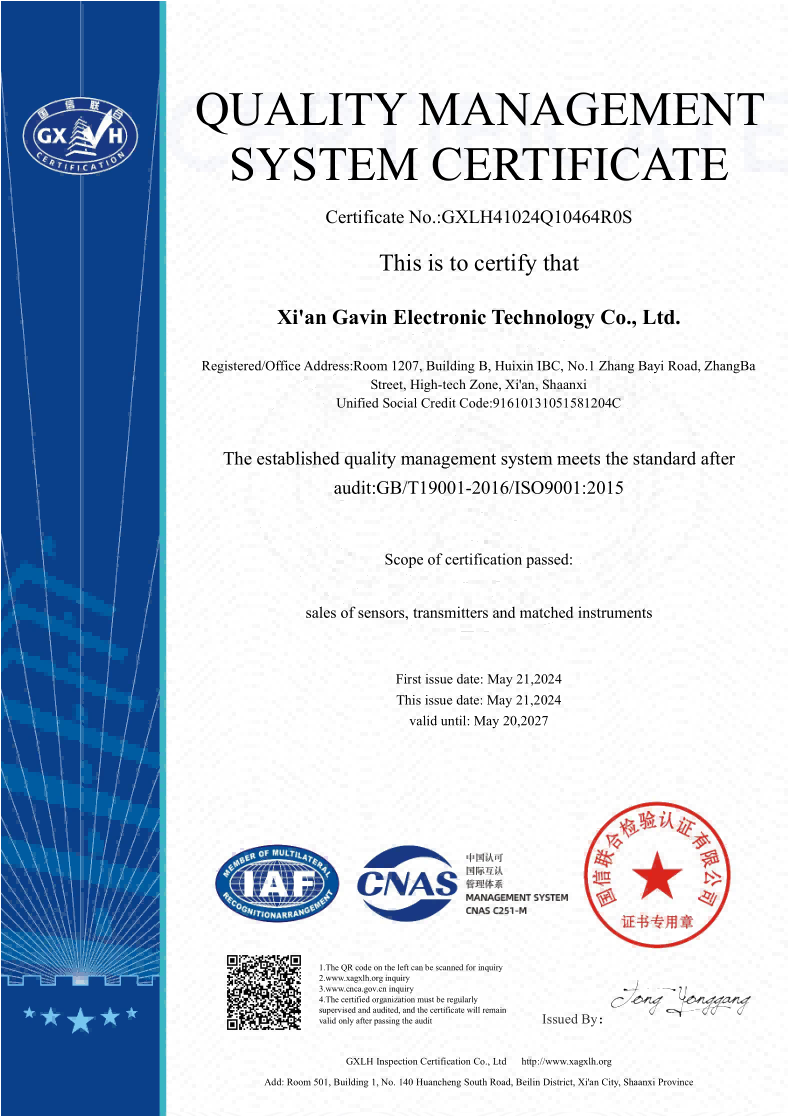
We follow ISO 9001 standards for manufacturing and have CE, RoHS, and other industry-specific certifications to make sure we're in line with rules in all places around the world. We offer OEM customization options for a wide range of sensor types, transmission methods, and link materials, so we can make solutions that exactly meet your needs. Our infrastructure for bulk supply supports big project amounts with solid lead times, and our technical support team (info@gamicos.com) helps with installation and operation. Get in touch with us to talk about your pressure measurement problems and find out how our pressure sensor process connection knowledge can help your project succeed faster.
References
1. Smith, R. & Thompson, L. (2021). Industrial Pressure Measurement: Installation and Best Practices. Technical Publishing International.
2. American Society of Mechanical Engineers (2020). ASME B16.5: Pipe Flanges and Flanged Fittings. ASME Standards Committee.
3. Martinez, C. (2019). "Process Connection Selection for Hygienic Applications." Journal of Industrial Instrumentation, 34(2), 112-128.
4. European Committee for Standardization (2018). EN 1092-1: Flanges and Their Joints - Circular Flanges for Pipes, Valves, Fittings and Accessories. CEN Publications.
5. Johnson, P. & Williams, K. (2022). "Impact of Installation Torque on Pressure Sensor Accuracy." Measurement Science Review, 15(4), 87-95.
6. International Society of Automation (2020). Process Instrumentation Installation Guidelines: Pressure Sensing Devices. ISA Technical Report.

Peter
Peter, Senior Sensor Technology Consultant, has 15-year industrial sensor R&D experience. He specializes in the end-to-end development of high-accuracy pressure and level sensors and he firmly believe, precision isn’t just a spec—it’s a promise.
We're here to help — submit your request anytime!
Let us know how we can help solve your pressure level measurement challenge.
_1757930850792.jpg)


Recommended Blog

Top Ceramic Pressure Sensors for Chemical Plants in Europe

Top Sanitary Pressure Transmitter Suppliers in Europe & America
Top Wireless Pressure Sensors for Pipeline Monitoring in Europe
Industrial Wireless Pressure Sensor with App and Remote Alarm
Top Ceramic Pressure Sensors for Chemical Plants in Europe
Top Sanitary Pressure Transmitter Suppliers in Europe & America
Top Wireless Pressure Sensors for Pipeline Monitoring in Europe
Industrial Wireless Pressure Sensor with App and Remote Alarm
Top Ceramic Pressure Sensors for Chemical Plants in Europe
Top Sanitary Pressure Transmitter Suppliers in Europe & America
Top Wireless Pressure Sensors for Pipeline Monitoring in Europe
Industrial Wireless Pressure Sensor with App and Remote Alarm