IP Ratings Guide: IP65, IP67, IP68 for Pressure Sensors
Comprehending Pressure Sensor IP Ratings: Meaning and Standards
- Comprehending Pressure Sensor IP Ratings: Meaning and Standards
- Comparing IP65, IP67, and IP68 Ratings for Pressure Sensors: Which One to Choose?
- How to Select and Purchase Pressure Sensors with the Right IP Rating?
- Ensuring Optimal Performance: Installation, Maintenance, and Testing of IP-Rated Pressure Sensors
- Conclusion
- FAQ
- Partner with GAMICOS for Certified Pressure Sensor IP Rating Solutions
- References
Understanding the pressure sensor IP rating is important when choosing industrial pressure sensors because it has a direct effect on how long the equipment lasts, how safe it is to use, and the total cost of ownership. The IEC 60529 worldwide standard defines IP grades, which show how well sensor housings keep dust and water out.
To choose between IP65, IP67, and IP68 levels of protection, you have to compare the external exposure of your application to specific approval standards. This guide tells procurement managers, engineering teams, and sourcing professionals how to choose, test, and put in place pressure measuring devices that work reliably in oil refineries, clean rooms for pharmaceuticals, offshore energy platforms, and water treatment plants.
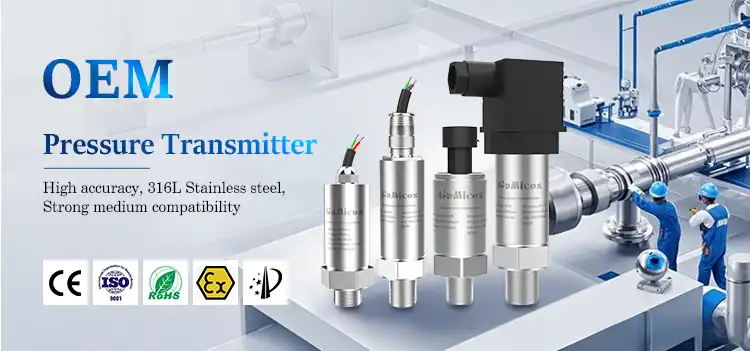
Comprehending Pressure Sensor IP Ratings: Meaning and Standards
What Does IP Rating Mean for Industrial Pressure Sensors?
The pressure sensor IP rating tells you how well a sensor container protects against solid objects and liquids using the Ingress Protection (IP) code. There are a lot of different natural risks that pressure sensors in grain elevators, chemical splash zones, and undersea pipes have to deal with. If you want to know exactly what amount of security a gadget offers, an IP rating is a normal way to say it.
Decoding the Two-Digit IP System
Each IP rating has two numbers in it. The first number (0–6) shows how well the seal protects against objects, going from no protection at zero to full dust-tight closing at six. The second number (0–9) tells you how much liquid protection there is. At zero, there is no protection, and at higher numbers, you can get continued high-pressure water jets or continuous submersion. A sensor with the number IP67 on it is completely protected from dust (6) and can withstand being submerged in water for 30 minutes (7).
IEC 60529 International Standard and Testing Protocols
The IEC 60529 standard sets the testing methods, length, and pass/fail conditions. Certified labs put sensors in controlled dust rooms, water spray nozzles, and immersing tanks while keeping a close eye on them. Test records and approval marks are ways for manufacturers to show that they are following the rules. Engineering managers should check these when they qualify suppliers. This thorough testing makes sure that an IP rating really shows how resistant something is to weather damage and not just marketing speak.
IP Ratings Versus NEMA Standards in North America
In Europe and Asia, IP codes are most often used, but in North America, NEMA (National Electrical Manufacturers Association) container types are more common. NEMA 4X is similar to IP66, and NEMA 6P is similar to IP68. Understanding both models helps sourcing managers put global supplier offers on a single evaluation grid. This is especially helpful when they are in charge of managing projects between different countries or putting together tools from different suppliers.
Comparing IP65, IP67, and IP68 Ratings for Pressure Sensors: Which One to Choose?
Dustproof and Waterproof Capabilities Explained
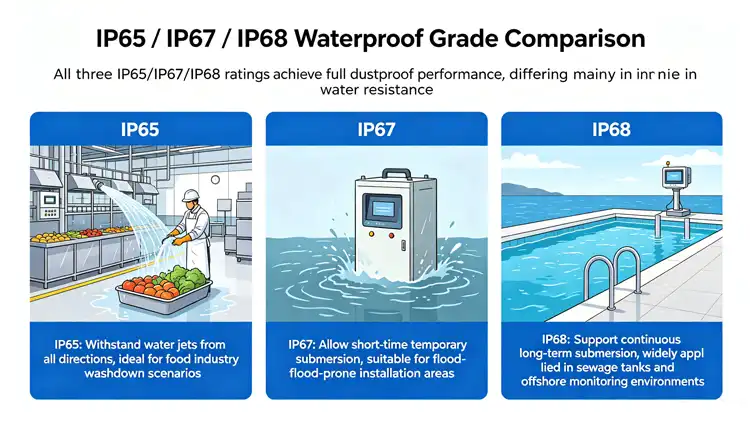
All three grades ensure a seal that keeps out dust and meets the best level of solid particle protection. The differences show up in how well they fight water. IP65 sensors can handle water jets coming from any direction, making them good for cleaning food processing lines with a pump. IP67 devices can handle short submersion, which makes them perfect for sensors placed near floor drains where floods can happen by mistake. IP68 types can be submerged continuously at depths defined by the maker. This is necessary for watching the ground below in wastewater treatment tanks or for offshore fishing.
Environmental Conditions That Dictate Your Choice
Real-world dangers must be mapped out before the best pressure sensor IP rating can be chosen. Any grade above IP65 is good for dusty cement plants, but water exposure varies a lot. IP67 is a good starting point for outdoor projects that will be exposed to rain, snow, and humidity. Chemical companies that use high-pressure washdown procedures might need IP68 to keep solvents from getting in during deep cleaning rounds. Temperature changes, UV rays, and mechanical vibrations can also affect the choice of enclosure material. For example, better IP ratings are often given to stainless steel housings with fluoroelastomer seals to keep the enclosure's integrity during chemical and temperature attacks.
Understanding Submersion Depth and Time Limits
IP67 says that it can be submerged up to one meter for up to 30 minutes. This is just a normal test setting and doesn't mean that it will work in any other situation. IP68 doesn't have a single meaning for depth; instead, makers list specific submersion levels and times, like three meters for two hours or ten meters for 24 hours. The procurement teams have to match these specs to the real depths of the installations, taking into account safety gaps and the chance that equipment will break down and make the diving time longer.
Cost-Performance Trade-Offs and Total Ownership Considerations
Higher IP grades mean more expensive materials, more complicated building methods, and the need for specialized closing technologies. An IP68 sensor might cost 20–40% more than an IP65 sensor that does the same job of measuring. But if a buried pump station fails too soon, it costs a lot more because of the need for emergency fixes, process downtime, and the chance of polluting the environment. Lifecycle costs, such as how often upkeep needs to be done and how often things need to be replaced, often make the initial investment in strong entry protection worth it.
Industry Case Studies: Oil & Gas and Water Treatment Success Stories
After several failures due to salt spray rust, a petroleum plant in the Middle East raised the protection level of pressure sensors on offshore platforms from IP65 to IP68. The extra protection made the sensors last 150% longer, cut down on repair trips, and made sure that safety rules were followed better. On the other hand, a local water authority thought IP67 sensors were good enough for tracking above-ground valves, which saved money without lowering reliability. These cases show how important it is to match the entry protection to the real outdoor exposure instead of using the highest grades.
How to Select and Purchase Pressure Sensors with the Right IP Rating?
Aligning Sensor Specifications with Operational Requirements
Pressure sensors need to meet certain requirements for their measurement range, accuracy class, output signal type (4–20 mA, Modbus, IO-Link), process connection threads, and temperature adjustment. In a 40 bar hydraulic system, a sensor that is protected by IP68 but can only handle 10 bar of pressure doesn't work. As part of a complete design grid that includes performance, environmental, and integration needs, the pressure sensor IP rating should be included as one of the criteria on procurement forms.
Evaluating Reliable Brands and OEM Customization Options
Well-known companies that are IEC 60529 certified offer test results with documentation, confirmation by a third party, and tracking. GAMICOS specializes in making unique pressure sensor systems for the energy, medicine, and oil and gas industries. They offer IP65, IP67, and IP68 designs. Our engineering team works with clients to change the designs of building materials, electrical plugs, and cable glands while making sure they meet strict environmental and legal standards and keep the accuracy of the measurements.
Verifying Certifications and Supplier Authenticity
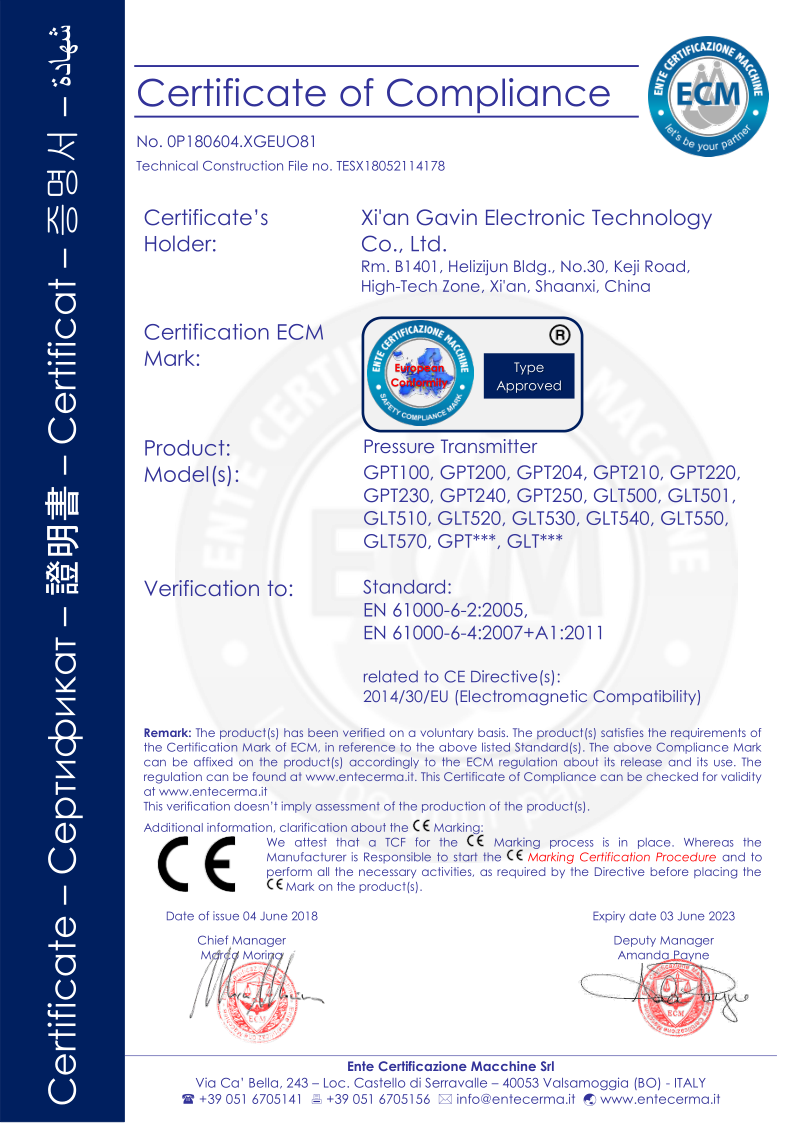
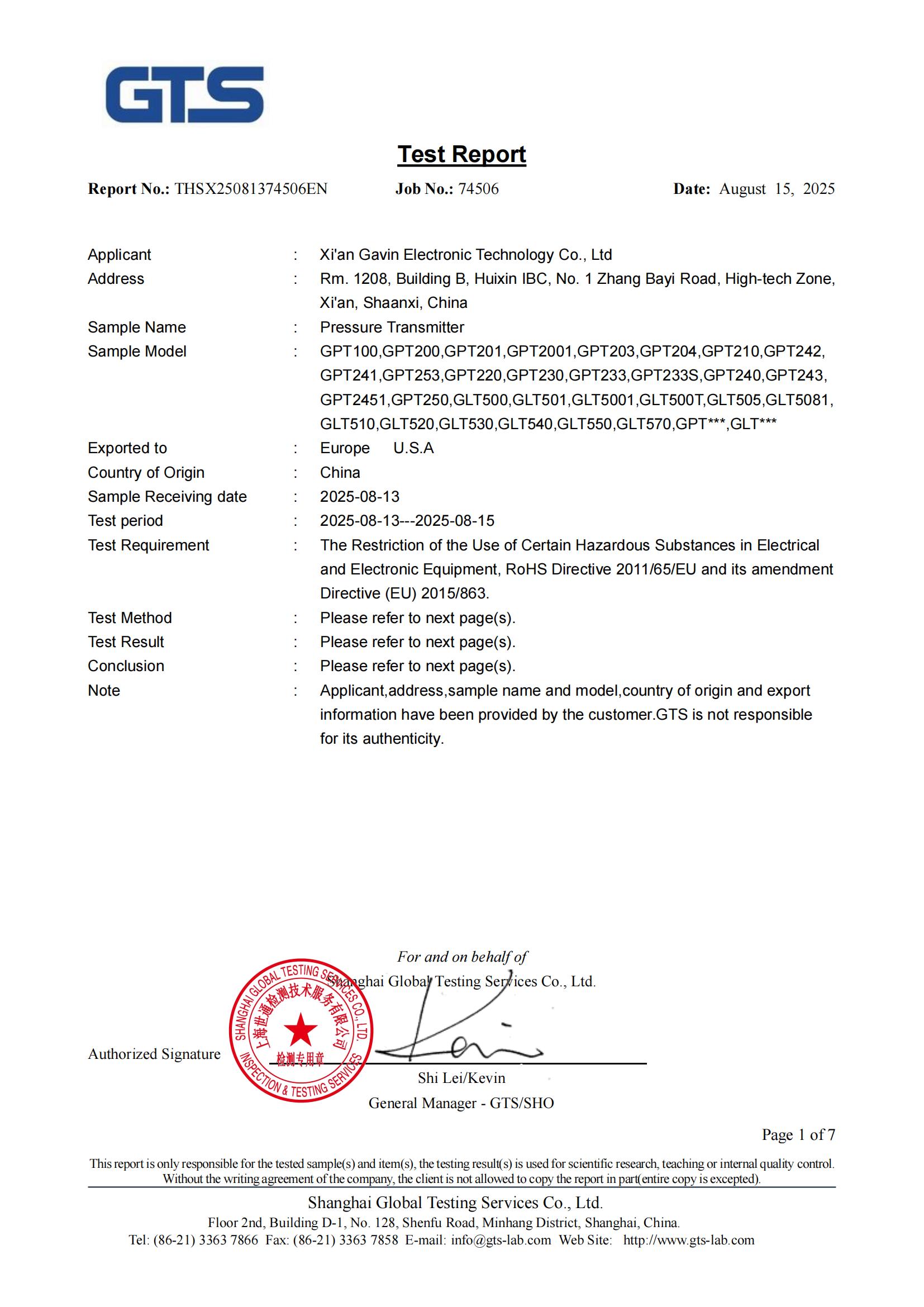
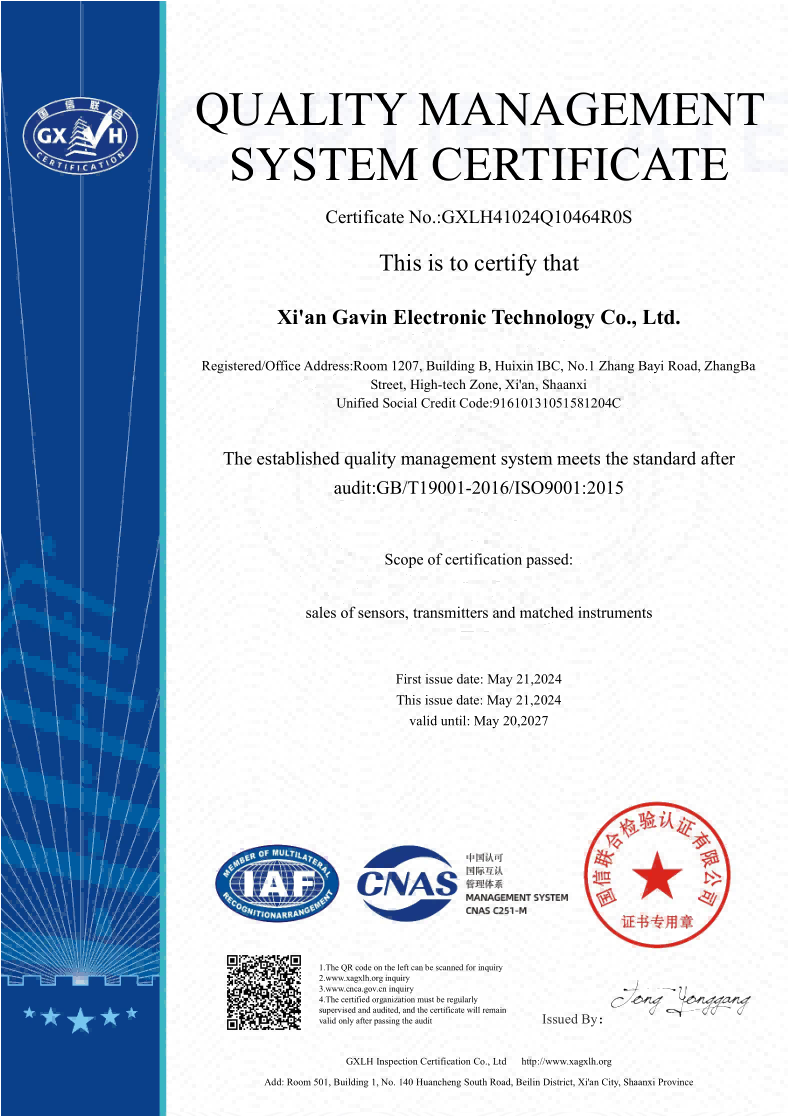
Ask for copies of IP rating test certificates that were given out by reputable labs. Check certificate numbers with the organizations that issued them to make sure they are real. Also, suppliers should have ISO 9001 quality management approval, which shows that they have full control over the design, production, and testing processes. Third-party surveys and customer references give you even more peace of mind, especially when you're buying in bulk or for safety-critical reasons.
Pricing Insights and Bulk Purchasing Considerations
Volume savings usually apply to sales of more than 50 units, and they get even better at 200 and 500 units. For normal IP67 sensors, lead times are two to four weeks. For special IP68 versions, tooling and approval may take six to eight weeks. Talk about outline deals that lock in prices for 12 months. This will protect you from changes in the value of the currency and the prices of raw materials, especially if you are buying from other countries.
Warranty and After-Sales Support Factors
Industrial pressure sensors come with warranties that last between 12 and 24 months. These warranties cover flaws in the materials or the work that was done, but not damage caused by misuse or bad fitting. Make it clear how to file an insurance claim, how long it takes for technical help to respond, and if there are any nearby service centers that are open. Suppliers that offer online tests, testing services, and fast repair programs lower the risk of downtime and make relationships stronger over time.
Ensuring Optimal Performance: Installation, Maintenance, and Testing of IP-Rated Pressure Sensors
Installation Best Practices to Preserve IP Integrity
Before installing pressure sensor IP rating, you should check the seals and O-rings to make sure they are in good shape. Tighten cable glands and pipe fittings to the manufacturer's specs. If you over-tighten them, the seals will break, and if you under-tighten them, water will get in. Place sensors so that direct jet spray or pooling water doesn't happen, unless the product is rated IP68 for ongoing immersion. For sensors with vents, use cable clamps or desiccant plugs that let air flow to keep condensation from forming. This will stop temperature cycling, which can damage electronics even in protected housings.
Routine Maintenance and Inspection Schedules
Visual checks should be done every three months to look for cracks in the case, worn seals, and connection rust. As part of yearly preventative maintenance, dirt must be cleaned from diaphragms, zero and span measurements must be checked, and IP protection must be tested again using portable entry testers. Keep track of test results and trends—gradual seal wear lets you know that it's time to replace it before it fails catastrophically.
Impact of Harsh Environments on Sensor Longevity
Exposure to chemicals, rough particles, and high temperatures all speed up the age of seals and the corrosion of housings. In hydrocarbon settings, fluoroelastomer (Viton) seals work better than regular nitrile, and ceramic or sapphire diaphragms are better at resisting gritty slurries than stainless steel. Knowing how materials work together and picking the right changes during buying can increase working life and lower the total cost of ownership.
In-Field Testing Methods and Third-Party Inspections
Portable IP testers play out tests for dust and water entry at installation sites. This makes sure that the factory-certified safety was kept during field assembly. Inspections by a third party during approval provide independent proof for insurance, legal compliance, and contractual needs. Asset management systems work better with test results that are written down because they allow for planned upkeep and better replacement processes.
Conclusion
When picking the right pressure sensor IP rating, you have to weigh the need for safety from the environment against cost and performance goals. IP65 is good for limited indoor uses that might get wet sometimes. IP67 is better for short-term soaking risks in washdown areas, and IP68 is best for setups that will be submerged in water all the time. When making a purchase choice, you need to think about entry protection, measurement requirements, approval proof, source dependability, and lifetime cost analysis.
Working with seasoned makers that offer customization, thorough testing, and quick technical support will make sure that your pressure measurement equipment gives you correct, reliable data in harsh industrial settings. Tough mounting methods, proactive upkeep, and regular validation tests ensure that the IP rating stays valid for the entire operating life of the sensor. This maximizes the return on investment and reduces unplanned downtime.
FAQ
What is the key difference between IP67 and IP68 pressure sensors?
The main difference between pressure sensor IP ratings of IP67 and IP68 is that IP67 sensors can be submerged up to one meter for 30 minutes at a time, making them ideal for places that get flooded or washed down on occasion. IP68 sensors can be submerged in water for an unlimited amount of time at levels defined by the maker, which can be anywhere from one to several meters.
How can I maintain IP protection after sensor installation?
Check the case, seals, and wire glands for damage or wear on a regular basis. If you change the plugs or cut more holes after installation, the IP certification will no longer be valid. When doing repair, use protected covers and change seals right away if they start to wear down. When putting it back together, make sure you follow the manufacturer's torque recommendations to keep the watertight seal.
Are higher IP ratings always necessary for industrial applications?
Not all the time. If the weather stays warm, over-specificating IP scores adds to the cost without adding any value. Control rooms inside buildings that can control the temperature may only need IP54, while outdoor sites in dry areas need IP65 to work effectively. Do thorough risk estimates to make sure that the entry protection matches the exact level of exposure, achieving the best cost-benefit ratio.
Partner with GAMICOS for Certified Pressure Sensor IP Rating Solutions
GAMICOS makes pressure sensor options that are specifically designed to meet your entry protection needs, whether you need IP65 for panel-mount setups or IP68 for uses that are submerged in water all the time. You and our research and development team can work together to make custom housings for sensors, electrical connections, and communication protocols. We back this up with strict IEC 60529 testing and full approval paperwork.
For the oil, chemical, pharmaceutical, and energy businesses in North America, Europe, and beyond, we are a reliable source for pressure sensor IP ratings. We offer bulk supply, reliable lead times, and full expert support. Email us at info@gamicos.com to get product datasheets, price quotes, or to talk about OEM customization opportunities that make sensor performance fit your business needs.
References
1. International Electrotechnical Commission. "IEC 60529: Degrees of Protection Provided by Enclosures (IP Code)." 2013 Edition.
2. National Electrical Manufacturers Association. "NEMA Standards Publication 250: Enclosures for Electrical Equipment (1000 Volts Maximum)." 2020 Revision.
3. Johnson, M.R., and Chen, L. "Environmental Protection Standards for Industrial Instrumentation: A Comparative Analysis of IP and NEMA Ratings." Journal of Process Instrumentation, Vol. 45, No. 3, 2021, pp. 112–128.
4. Smith, T.A. "Pressure Sensor Selection for Harsh Environments: Case Studies from Oil & Gas Applications." Industrial Automation Quarterly, Vol. 18, No. 2, 2022, pp. 76–89.
5. European Committee for Standardization. "EN 60529: Classification of Degrees of Protection Provided by Enclosures." 2019 Edition.
6. Williams, P.K., and Rodriguez, E. "Lifecycle Cost Analysis of IP-Rated Sensors in Water Treatment Facilities." Water & Wastewater Engineering Journal, Vol. 33, No. 4, 2023, pp. 204–217.

Ivy
Ivy, product consultant, has focused on sensor consultation for ten years, is proficient in providing pressure and level measurement solutions for customers.
We're here to help — submit your request anytime!
Let us know how we can help solve your pressure level measurement challenge.
_1757930850792.jpg)
Recommended Blog
Guide to Intrinsically Safe & Explosion-Proof Pressure Transmitters
Guide to Intrinsically Safe & Explosion-Proof Pressure Transmitters