Pressure Sensor Cost Optimization: Best Value Selection Within Budget
Pressure Sensor Cost Optimization: Best Value Selection Within Budget
Understanding Pressure Sensor Cost Dynamics
- Understanding Pressure Sensor Cost Dynamics
- Comparing Pressure Sensor Options for Best Value
- Strategic Procurement Approaches for Cost Optimization
- Selecting a Brand: Trusted Suppliers Versus Cost-Saving Generics
- Best Practices for Ensuring Long-Term Cost Efficiency
- Conclusion
- FAQ
- Partner with GAMICOS for Optimized Pressure Sensor Solutions
- References
Controlling the pressure sensor cost while keeping performance is still a major problem for procurement managers and engineering teams when finding pressure measurement instruments. The sticker price is only one part of the pressure sensor cost calculation. Other costs include installation, calibration, lifecycle upkeep, and possible downtime. When making strategic buying choices, you have to weigh short-term budget constraints against long-term operational dependability. B2B workers can cut costs without losing measurement accuracy or durability by understanding how costs change over time, comparing sensor technologies, and finding reliable suppliers. This book talks about useful tips you can use to get the best value when buying pressure sensors within your budget.
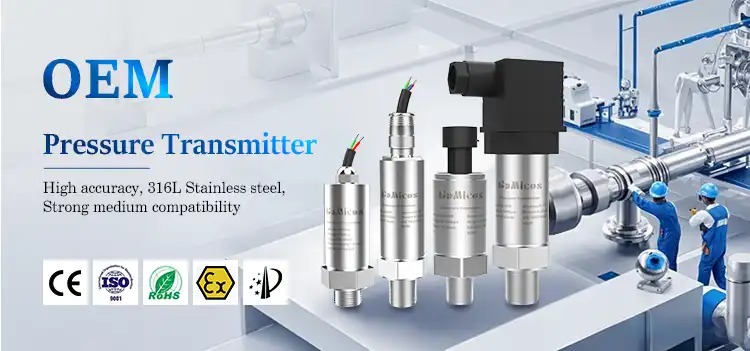
Understanding Pressure Sensor Cost Dynamics
To figure out how to buy pressure sensors without going broke, you need to know about the many factors that affect prices across the market.
Material Quality and Sensing Technology Impact Pricing
How much a pressure sensor cost depends a lot on the materials used to make its core parts and the way it finds pressure. Capacitive pressure sensors, which change the capacitance between electrodes by movement of the diaphragm, usually have different prices than piezoresistive or piezoelectric options. Ceramic capacitive pressure sensors usually have prices in the middle range because they are very resistant to chemicals and don't change much in temperature.
Stainless steel housing is more durable in tough industrial settings, but it costs more per unit than regular housings. The insulating materials—air gaps, silicone, or ceramic—have a direct effect on how hard it is to make and how much it costs in the end. Accuracy grades are based on the quality of the sensing elements, and instruments with higher precision use better materials and tighter production limits.
Hidden Costs Beyond Purchase Price
A full cost study looks at more than just the beginning costs of buying something. Different types of sensors have different installation requirements. For example, portable pressure sensors may require less wiring work, but they also have specific rules for replacing batteries. Calibration services are investments that are made over and over, especially for uses that need to keep accuracy very high. When you buy something from another country, the shipping costs depend on where the seller is located and how much you order. For safety checks, the need for more documentation may mean extra costs. Downtime costs during sensor failure or replacement can be much higher than the price of the equipment itself. This is why dependability rating is so important when evaluating vendors.
Comparing Pressure Sensor Options for Best Value
To choose the right pressure sensors, you have to weigh the performance features against the application needs, the pressure sensor cost, and the budget.
Low-Cost Versus Premium Sensor Trade-offs
Budget-level pressure sensors are good for non-critical tracking where moderate accuracy is enough and the surroundings stays the same. Most of the time, these devices come with simple output signals and a limited warranty. For tough industrial uses, premium capacitive pressure sensors offer better precision, wider temperature ranges, and longer durability. For standard process control settings, mid-range solutions strike a good mix between low cost and dependability.
Knowing what level of accuracy you really need keeps you from spending too much on precision that you don't need and from saving money by not meeting your standards. Total ownership costs are affected by warranty length and replacement terms in a big way, with better coverage models offered by premium names.
Wireless Versus Wired Cost-Performance Profiles
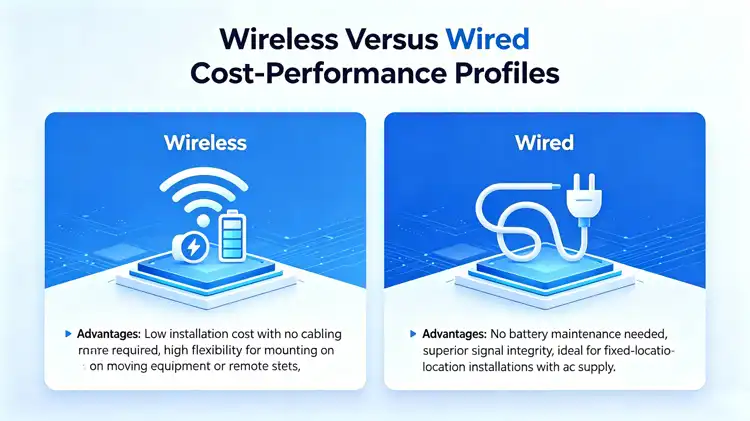
The cost study for wireless pressure sensors includes more than just the higher starting price. It also includes installation savings from not having to run cables and lower labor costs. Battery-powered wireless units need to be replaced on a regular basis, but they can be put in a variety of places, such as on moving equipment or in remote areas.
For fixed placements with easy access to power sources, wired sensors are the best choice because they don't need to be managed by batteries and can work without interruptions. Wired setups still have better signal integrity, but current wireless protocols are reliable enough for most industrial monitoring tasks. Integrating with current control systems might choose one technology over another based on how well it works with the current infrastructure.
Industrial-Grade Versus Standard Specifications
Industrial-grade capacitive pressure sensors are built to last and have wider temperature ranges and better resistance to electromagnetic interference (EMI) for use in industrial settings. These requirements lead to higher prices, but they also keep things from breaking down too soon in tough situations with shaking, temperature changes, or electrical noise. Standard standards are cheaper and work well in controlled settings like labs and climate-controlled buildings. When environmental grades are properly matched to real application conditions, value is maximized. This is done by avoiding over-specification and making sure there are enough performance margins for practical variability.
Strategic Procurement Approaches for Cost Optimization
Smart buying strategies help procurement teams get the best pressure sensor cost while keeping quality standards high and relying on suppliers they can trust.
Leveraging Bulk Orders and OEM Pricing
Manufacturers of pressure sensors can use tiered pricing when you make a volume promise. This lowers the cost per unit by a large amount for big setups or distributor inventory builds. OEM partnerships let equipment makers who are putting measurement tools into their products get customized sensor setups at good prices.
By negotiating yearly supply deals, you can protect prices against changes in the market and be sure that deliveries will happen on time for projects. The most volume benefit is gained by combining purchases made for multiple projects or sites. Talking about long-term purchasing plans with suppliers during bargaining shows resolve and makes price talks stronger.
These smart ways of buying cut costs in a real way while also making sure the supply chain stays stable, which is important for getting projects done and keeping track of goods.
Requesting Detailed Cost Quotations
For clear quote methods, you need to list all the parts that go into the sensor, along with the hardware, calibration certificates, mounting accessories, and paperwork packages. Asking for different line items for shipping, customs taxes, and handling fees keeps budget changes from happening out of the blue.
During the quote review process, making it clear about the warranty terms, return policies, and availability of expert help sets clear standards. To really compare quotes from different providers, you need to make sure that the requirements are all the same, not mixed up with different levels of performance. Understanding how to pay and the value of the currency changes how much something costs, especially when buying something from another country.
Calculating Total Cost of Ownership
Aside from the cost of buying the item, the total ownership costs include labor for installation, time for setup, calibration intervals, and the chance that it will break down. A capacitive pressure sensor that works for 10 to 15 years is a better deal than cheaper options that need to be replaced every three years, even though the cheaper ones cost less at first. Lifecycle cost estimates are more accurate when upkeep ease, spare parts availability, and expert help responsiveness are taken into account in cost models. The ongoing costs of running wireless networks are the energy used by powered sensing and data transfer.
Selecting a Brand: Trusted Suppliers Versus Cost-Saving Generics
To find the right balance between a brand's image and its budget, you need to look at quality assurance systems, support infrastructure, and records of long-term stability.
Established Brand Value Propositions
Well-known makers of pressure sensors, such as Honeywell, Siemens, and ABB, offer a lot of help with application engineering, detailed product documentation, and well-established quality control systems. Their prices show how much they spend on research and development, tests for approval, and global service networks. These companies make sure that their products are always available and can be used in repair situations. Certification portfolios that include CE, RoHS, ATEX, and approvals relevant to the business make it easier to make sure that regulations are being followed. Most warranty programs cover more than just the basics. They also usually offer quick replacements and helpful technology support.
Evaluating Emerging Suppliers
Alternative providers, especially specialized makers that focus on measuring instruments, can offer lower prices without lowering the quality standards. GAMICOS is a good example of this method because it combines technical know-how in capacitive pressure sensor technology with the ability to make changes easily and offer reasonable prices. When evaluating new providers, you need to check their certifications, ask for sample units for validation testing, and see how quickly they respond to technical support requests. Expectations for dependability can be seen in manufacturing quality systems, inspection processes, and traceability documents.
Supplier Support Infrastructure
No matter how much the pressure sensor cost at first, services after the sale have a big effect on its long-term value. The availability of technical support helps with installation, debugging, and making the most of applications. Calibration services, either in-house or through qualified partners, make sure that the accuracy of sensors for their whole lives. Inventory of spare parts and wait times for replacements affect how maintenance is planned and how much inventory is needed. Logistics efficiency for global activities is affected by having regional representation or direct foreign shipping capabilities.
Best Practices for Ensuring Long-Term Cost Efficiency
To get the most out of your investments in pressure sensors, you need to pay attention to pressure sensor cost, how well they are installed, how they are maintained, and how their performance is tracked throughout their operating lifetimes.
Proper Installation Techniques
When you place something correctly and follow the torque and pressure port connection specs, you can keep it from breaking down early and getting measurements wrong. Following the manufacturer's fitting instructions will protect your warranty and get the best results. Keeping sensor housings from being mechanically stressed, keeping electrical lines dry, and making sure there is enough vibration isolation all help to increase operating lifespan. If you build an impulse line correctly for remote mounting uses, you can avoid measurement errors and response delays.
Routine Maintenance and Calibration Schedules
Setting calibration times based on how important the application is, government rules, and maker suggestions helps keep measurement accuracy high. By checking the fixing tools, electrical connections, and pressure ports on a regular basis, problems can be found before they happen. Cleaning methods that are right for the process media stop contamination from building up and changing how sensors respond. Predictive maintenance and lifecycle management work better when calibration results, maintenance tasks, and performance trends are written down.
Performance Monitoring and Procurement Optimization
Keeping track of how often sensors fail, how their calibration changes over time, and how much it costs to maintain sensors from different manufacturers and types helps with future purchasing choices. By looking at performance data, you can find the best replacement times that balance the cost of calibration with the loss of accuracy. Keeping an eye on how technology changes allows for smart upgrades that bring about better skills or lower costs. Supplier performance scorecards that are based on quality, shipping reliability, and support timeliness help with choosing which vendors to work with.
Conclusion
To find the best pressure sensor cost within your budget, you need to look at a lot of factors, not just the buy price. These should include installation, calibration, upkeep, and the sensor's reliability over its entire life. Strategic methods to buying things, like negotiating quantities, analyzing quotes in detail, and planning the total cost of ownership, help people make smart choices.
Finding the best value propositions means balancing the image of the brand with the new skills of the seller. Using the right construction methods and keeping up with routine upkeep will extend the life of the equipment and improve its accuracy. Understanding capacitive pressure sensor technology, such as ceramic diaphragm designs and variable capacitance principles, helps choose the right specifications for the job without over-engineering or making false savings.
FAQ
How is pressure sensor cost calculated beyond the unit price?
Beyond the stated unit price, a thorough pressure sensor cost study takes into account many other factors. Installation work, attaching tools, and the time needed to get everything up and running are all instant extra costs. There are up-front prices for calibration certificates, paperwork packages, and compliance testing. Ongoing costs include services for regular recalibration, upkeep checks, and possibly new parts. International buying is affected by shipping costs, government fees, and handling charges.
There are hidden costs when specs aren't clear enough and things fail early or when measurements are off and need to be fixed. Total ownership cost modeling over the projected operating lifespan gives accurate budget estimates that take into account all types of costs over the service life of the sensor.
Should I choose branded or generic pressure sensors for my application?
Which branded or alternative provider to choose relies on how important the application is, how much risk you are willing to take, and how much help you need. Established names with a history of reliability and full certifications are usually the best choice for critical safety uses, regulatory compliance environments, or demanding process conditions. Standard tracking apps that are easy to maintain and have fewer bad effects when they fail can work with alternative providers that have been carefully checked out and offer competitive prices.
When looking at cost-effective choices, evaluating supplier quality systems, asking for validation samples, and checking out expert support skills can help lower risks. Minimum initial price isn't always the best way to get value. Long-term ties with suppliers, consistent product supply, and helpful customer service are often better.
Partner with GAMICOS for Optimized Pressure Sensor Solutions
To find the best mix between pressure sensor cost and performance, you need to work with a supplier who has knowledge and is aware of your particular application's needs. GAMICOS specializes in making capacitive pressure sensors, transducers, and unique measurement systems for the energy, petrochemical, industrial automation, and medicinal industries in more than 100 countries. Our engineering team can help you choose the best sensors by giving you expert advice. Our OEM and ODM services are also very flexible, so you can get specifications that are exactly what you need.
GAMICOS offers low prices without lowering the quality of their products, whether you need a lot of them for a big job or specific sensor combinations for a one-of-a-kind use. Our approvals, strict quality control systems, and quick technical help make sure that your sensor will work reliably for as long as it is used. As a reliable pressure sensor maker, we provide clear quotes that include all costs. This lets you plan your budget correctly and make smart buying decisions.
Email our team at info@gamicos.com to talk about your pressure measurement needs and get thorough quotes that are made to fit your project's needs and your budget. We're dedicated to helping you reach your goals for cost saving while also meeting the needs of your operations for measurement accuracy and dependability.
References
1. Johnson, M. R., & Williams, K. T. (2023). Industrial Pressure Measurement: Technology Selection and Cost Analysis. Instrumentation Press.
2. Chen, L., & Peterson, D. A. (2024). "Total Cost of Ownership Models for Process Instrumentation." Journal of Industrial Automation, 38(2), 145-162.
3. Anderson, P. J. (2023). Strategic Procurement in Industrial Automation: Best Practices for Sensor Acquisition. Manufacturing Technology Publications.
4. Roberts, S. E., & Martinez, C. (2024). "Capacitive Pressure Sensor Technology: Performance and Economic Considerations." Sensors and Transducers International, 51(4), 78-94.
5. Thompson, H. W. (2023). Optimizing Measurement Instrument Lifecycle Costs in Process Industries. Process Engineering Institute.
6. Kumar, R., & Hoffmann, T. (2024). "Supplier Selection Criteria for Critical Instrumentation: Balancing Cost and Reliability." Industrial Procurement Quarterly, 29(1), 33-49.

Ivy
Ivy, product consultant, has focused on sensor consultation for ten years, is proficient in providing pressure and level measurement solutions for customers.
We're here to help — submit your request anytime!
Let us know how we can help solve your pressure level measurement challenge.

_1757930850792.jpg)






Recommended Blog
How to Install a Pressure Transmitter: 7 Best Practices
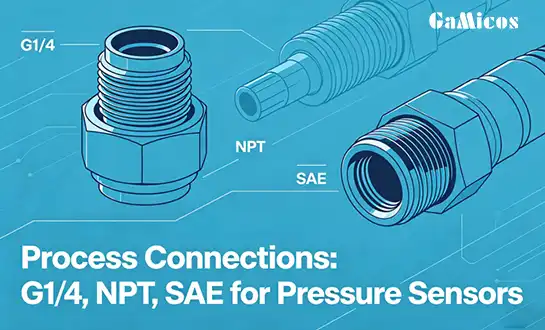
Process Connections: G1/4, NPT, SAE for Pressure Sensors

Pressure Sensor Wetted Materials: Steel, Ceramic, Hastelloy
Pressure Overload Damaged Sensor? Overpressure Protection & Recovery
How to Install a Pressure Transmitter: 7 Best Practices
Process Connections: G1/4, NPT, SAE for Pressure Sensors
Pressure Sensor Wetted Materials: Steel, Ceramic, Hastelloy
Pressure Overload Damaged Sensor? Overpressure Protection & Recovery
How to Install a Pressure Transmitter: 7 Best Practices
Process Connections: G1/4, NPT, SAE for Pressure Sensors
Pressure Sensor Wetted Materials: Steel, Ceramic, Hastelloy
