Pressure Sensor Still Inaccurate After Calibration? Overlooked Factors
Pressure Sensor Still Inaccurate After Calibration? Overlooked Factors
Understanding Pressure Sensor Accuracy and Calibration Challenges
- Understanding Pressure Sensor Accuracy and Calibration Challenges
- Key Overlooked Factors Affecting Pressure Sensor Accuracy
- Practical Solutions to Improve Pressure Sensor Accuracy Post-Calibration
- How to Choose and Procure High-Accuracy Pressure Sensors for Your Business
- Case Studies: Overcoming Persistent Accuracy Issues in Real-World Applications
- Conclusion
- FAQ
- Partner With GAMICOS for Superior Pressure Measurement Solutions
- References
You just finished carefully calibrating your pressure monitor and are now expecting it to work perfectly. The results, however, continue to change, and the pressure sensor accuracy is still erratic. A lot of tech and sourcing managers don't understand how common this situation is. Even though calibration gets rid of standard mistakes, there are still some hidden factors that can make measurements less accurate even after they have been properly calibrated. Professionals in charge of industrial automation systems, OEM production lines, and process control applications need to understand these important but often ignored factors. This is because measurement accuracy has a direct effect on operating safety and efficiency.

Understanding Pressure Sensor Accuracy and Calibration Challenges
Defining Accuracy Versus Precision in Pressure Measurement
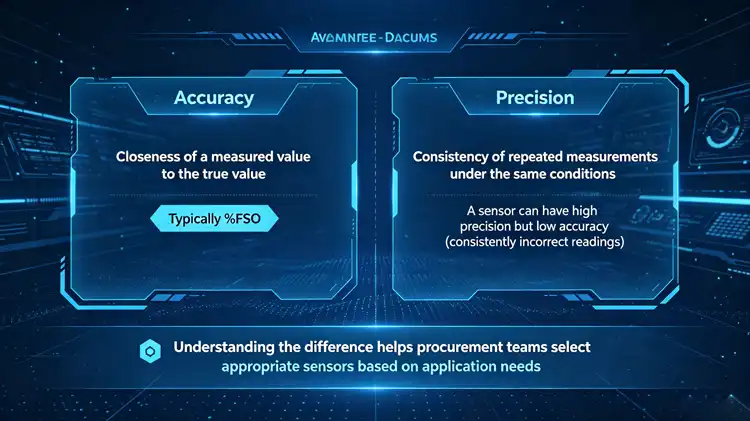
People often mix up accuracy and precision, but they refer to different parts of a sensor's performance. How close a recorded number is to the real pressure is called its accuracy. This is usually shown as a percentage of full-scale output (%FSO). Precision means that measures can be made again and again under the same conditions. It is possible for a sensor to be precise without being accurate, giving the same wrong reading every time. Knowing this difference helps procurement teams look at datasheets more carefully and choose tools that meet the needs of the specific application instead of settling for specs that aren't clear.
International Standards Governing Sensor Performance
What are the world rules for measuring and reporting pressure sensor accuracy? ISO 9001 sets standards for quality management, and ANSI/ISA-37.1 talks about performance requirements for pressure sensors in more detail. These guidelines say what the testing settings should be, how the environment should be, and how much error is allowed. Checking that suppliers follow these well-known standards when judging them makes sure that promises of accuracy are based on standard testing methods and not manufacturer-specific readings that might leave out important error sources.
Why Calibration Sometimes Fails to Deliver Expected Results
Calibration changes the output of a sensor so that it matches reference standards at certain test places, but it has its limits. When you use single-point calibration, you can only fix offset errors. You can't fix spread errors or non-linearity. There is a chance that the environment used for calibration will be very different from the real working conditions. This could cause temperature-related errors that weren't there during calibration. Errors can be spread by problems with the equipment, like the uncertainty of the reference standard and the precision of the calibration tool. Human factors, like using the wrong link methods or not giving enough time for stabilization between test points, also make calibration less accurate.
Key Overlooked Factors Affecting Pressure Sensor Accuracy
Environmental Influences That Induce Measurement Errors
Environmental factors have a big effect on how well sensors work, but they aren't always taken into account when systems are designed or installed. Changes in temperature are the biggest problem facing the world. When process or outdoor temperatures change from what was calibrated, even sensors that are supposed to compensate for temperature changes can experience zero drift and span shift. When temperatures vary across the sensor housing, they put mechanical stress on the diaphragm, which changes how it works. This is especially true in sensors where the detecting element doesn't have enough thermal separation.
Being exposed to humidity can weaken the qualities of electrical insulation, making leakage tracks that cause offset mistakes. When condensation forms on circuit boards or inside electrical boxes, it causes measurement noise and, over time, rust that makes accuracy impossible to restore. For use in damp places like clean rooms for pharmaceuticals or food processing plants, sensor designs that are completely sealed and have an ingress protection grade of IP67 or higher are needed.
Mechanical noise is added to the pressure signal by moving tools, pumps, and compressors. High-frequency vibrations can wear down diaphragm materials, and lower-frequency waves can make pressure changes that control systems might get wrong. Pressure sensor accuracy is directly compromised when such mechanical noise masks the true pressure reading.
Sensors that are installed directly on equipment that is moving and aren't properly isolated wear out faster and have shorter service lives. Variable frequency drives, switching power sources, and wireless communication devices all send electromagnetic waves into signal conditioning circuits. These waves cause output noise that covers up the real pressure signal. EMI is more likely to happen when wire runs don't have enough insulation and when grounding isn't done correctly, especially in analog sensor designs.
Installation Pitfalls Compromising Sensor Performance
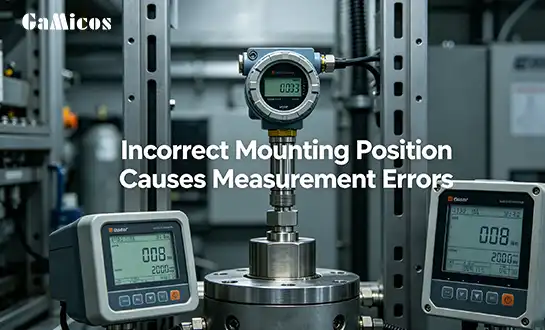
Installation mistakes are a big reason for accuracy loss that can be avoided. If you don't place the diaphragm correctly, it can be stressed in different ways, which can cause offset mistakes that calibration can't fix. When placed horizontally, sensors that were made to be mounted vertically may behave differently because of the effects of gravity on the internal parts.
Wiring problems, like using the wrong wire gauge for the cable length, making bad connections between the terminals, or routing close to power lines, can cause voltage drops and noise pickup that mess up sensor readings. These effects are lessened by using insulated wire with proper grounding at one end, but these details are often missed when installing in the field.
Stability of sensor data is directly affected by the quality of the power source. Noise in the excitation voltage is caused by voltage ripple, brief spikes, and bad control, which directly leads to measurement error. These issues get worse when you share power sources with inductive loads like motor starts and solenoid valves.
Technological Limitations of Different Sensor Types
During the data path from the sensor to the controller, electrical interference can still affect analog sensors that send voltage or current. Long wire runs with changing temperatures cause changes in the resistance that affect the 4-20mA signal. Voltage outputs are also affected by impedance mismatches and loading effects.
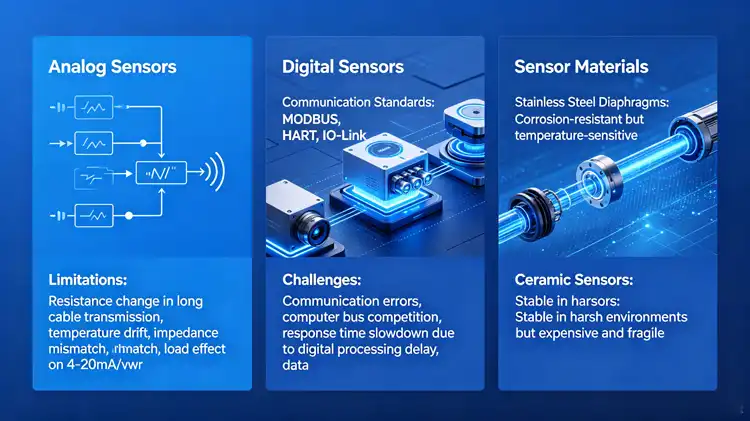
Digital sensors that use the MODBUS, HART, or IO-Link transmission standards are better at blocking noise, but they also come with their own set of problems. Response time and data security can be harmed by communication mistakes, bus contention, and delays in digital processing. When it comes to application ease, wireless sensor designs give up accuracy. For example, their normal accuracy specs are ±1.0% FSO, while high-precision wired sensors' specs are ±0.25% FSO.
How a material is made affects its long-term security and how well it works with the surroundings. In chemical uses, stainless steel diaphragms are very resistant to corrosion. However, their mechanical qualities change more with temperature than silicon-based sensor elements. Ceramic sensors are very stable in hard conditions, but they are more expensive and tend to break more easily when they are being installed.
Practical Solutions to Improve Pressure Sensor Accuracy Post-Calibration
Advanced Calibration Techniques and Best Practices
Multi-point calibration makes accuracy much better by describing how a sensor acts across the whole measurement range, not just at one or two places. When you test at five or more evenly spaced pressure values, you can fix any non-linearity and get data for polynomial curve fitting that better shows how the sensor really responds. When temperature compensation calibration is done at several temperatures within the predicted working range, correction coefficients are made that signal processing methods use right away.
Setting up regular plans for recalibration stops precision from dropping over time. For important uses like making medicines and measuring custody transfers, the device may need to be recalibrated every three or six months. For less demanding uses, the times can be pushed back to once a year or twice a year. Keeping track of the past of testing shows patterns in performance that help with planning preventative maintenance. Pressure sensor accuracy is maintained through these scheduled recalibrations, ensuring reliable readings over the sensor's operational life.
Selecting Sensors Tailored to Operational Contexts
To pick sensors that are right for an application, you need to look at the temperature, humidity, pressure, accuracy level, and reaction time requirements. Sensors with low temperature coefficients and on-chip temperature correction work better in places where temperatures change a lot. In places with a lot of shaking, sensors need to be built tough and have interior damping.
When you compare well-known sensor makers, you can see how cost and efficiency can be traded off. Honeywell has many product lines for use in aircraft, medical, industrial, and medical settings. Their accuracy rates range from ±0.05% to ±1.0% FSO. Bosch specializes in automotive-grade sensors that are made to work in tough situations. For example, fuel rail pressure sensors can be accurate within ±0.5% to ±1.0% and have response times of less than 2 milliseconds. Texas Instruments offers sensor and signal filtering options that work well with OEM applications that need to save money.
System Design Measures for Sustained Performance
Installing sensors correctly starts with putting them in places with stable temperatures and low shaking, away from areas where the process media flows rough. When you use pipes and isolation valves, you can take out sensors for repair without stopping the process. EMI-related mistakes can be avoided by routing cables so that they stay away from power lines and use continuous shield grounding.
Noise is reduced by signal conditioning at the sensor or a junction box nearby. This is done by changing low-level sensor signals to more reliable transmission forms before long wire runs. Voltage spikes caused by magnetic loads and lightning can be stopped by transient suppressor devices. Power source filtering gets rid of ripple and keeps the stimulation voltage steady.
As part of regular upkeep, you should look for physical harm, corroded connectors, and worn cables. By looking at how sensor outputs change over time, you can spot slow changes that could mean a failure is coming soon, so you can replace the sensor before its accuracy drops too far. Keeping extra sensors that are known to be calibrated cuts down on downtime when they need to be replaced.
How to Choose and Procure High-Accuracy Pressure Sensors for Your Business
Defining Requirements Based on Application Demands
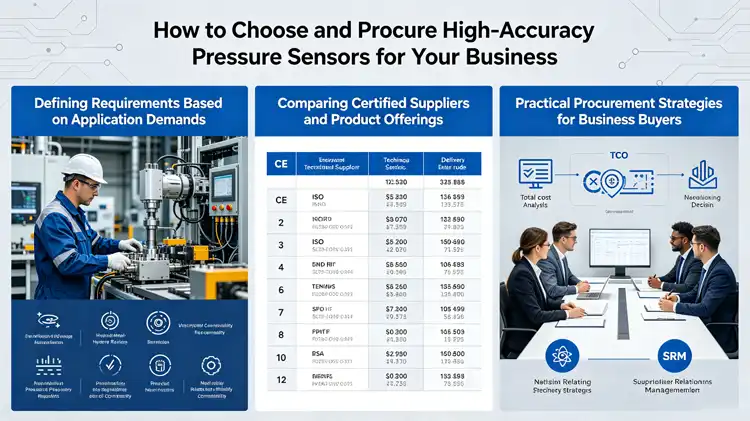
The standards for accuracy should match the goals and safety gaps for process control. Higher-accuracy sensors are worth the extra cost when they are used in places where measuring pressure directly affects the quality of the product, like when sealing medicinal tablets or controlling hydraulics precisely. It is easier to understand the requirements when accuracy is measured in real pressure units instead of %FSO. This is especially true for low-pressure situations where small percentage mistakes can lead to big absolute errors.
Ratings for the environment need to be based on the worst possible situations, not on normal working conditions. Long-term dependability is ensured by listing the temperature range, air exposure, shaking levels, and chemicals that are safe to use. Response times depend on how the process works. For example, fuel pump systems need micro responses because pressures change quickly, while tracking tank levels can handle slower responses.
Comparing Certified Suppliers and Product Offerings
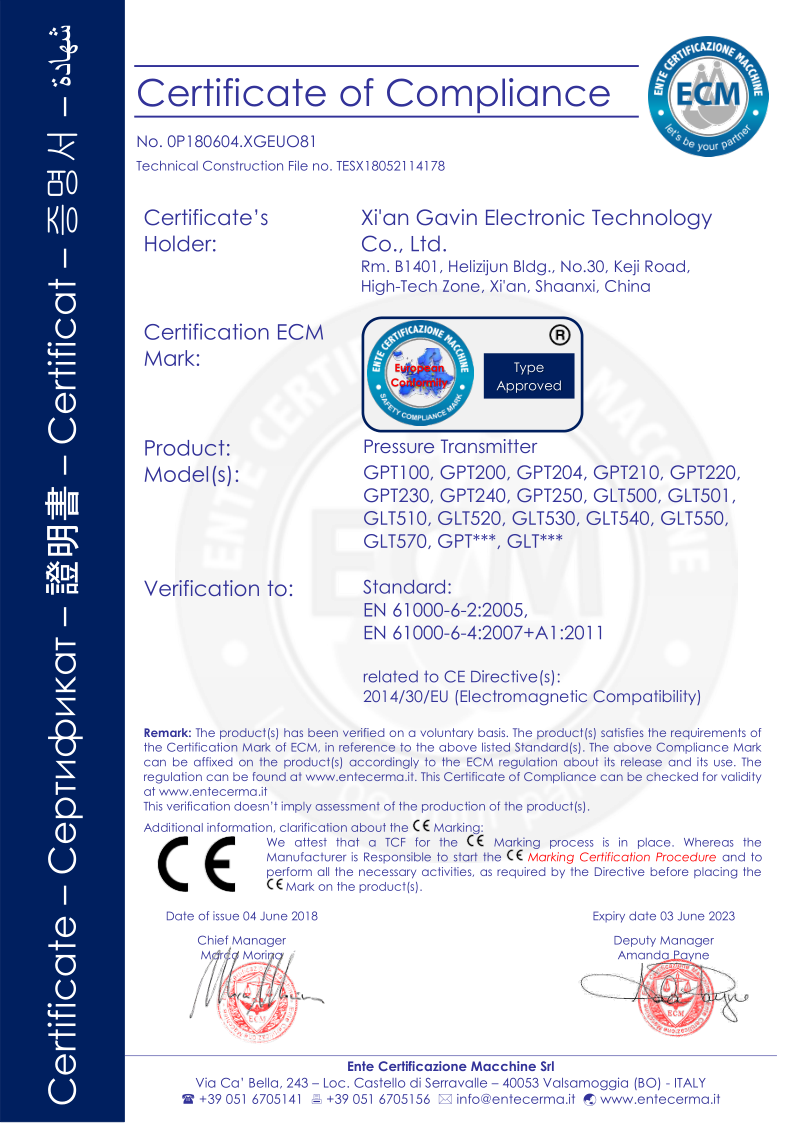
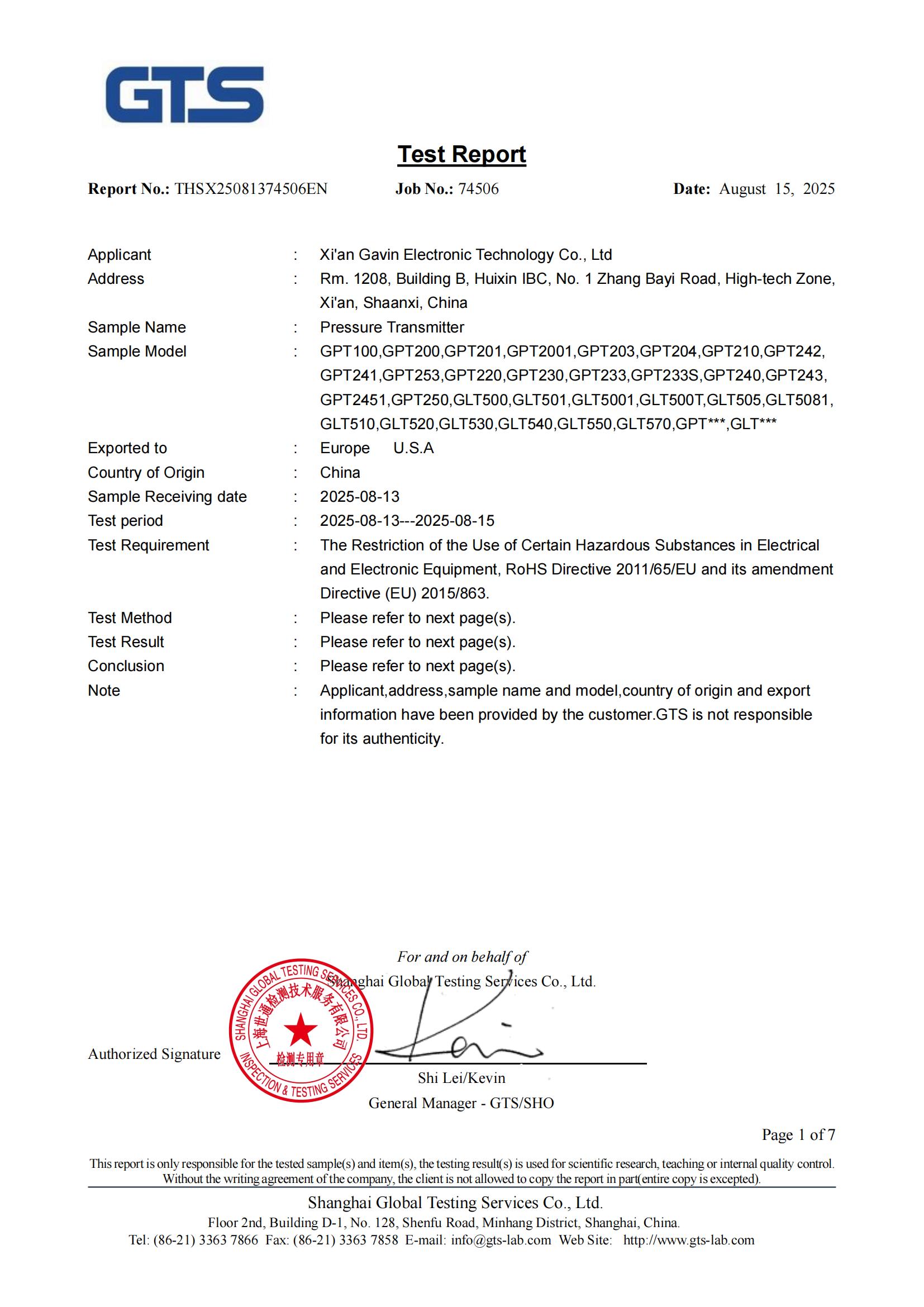
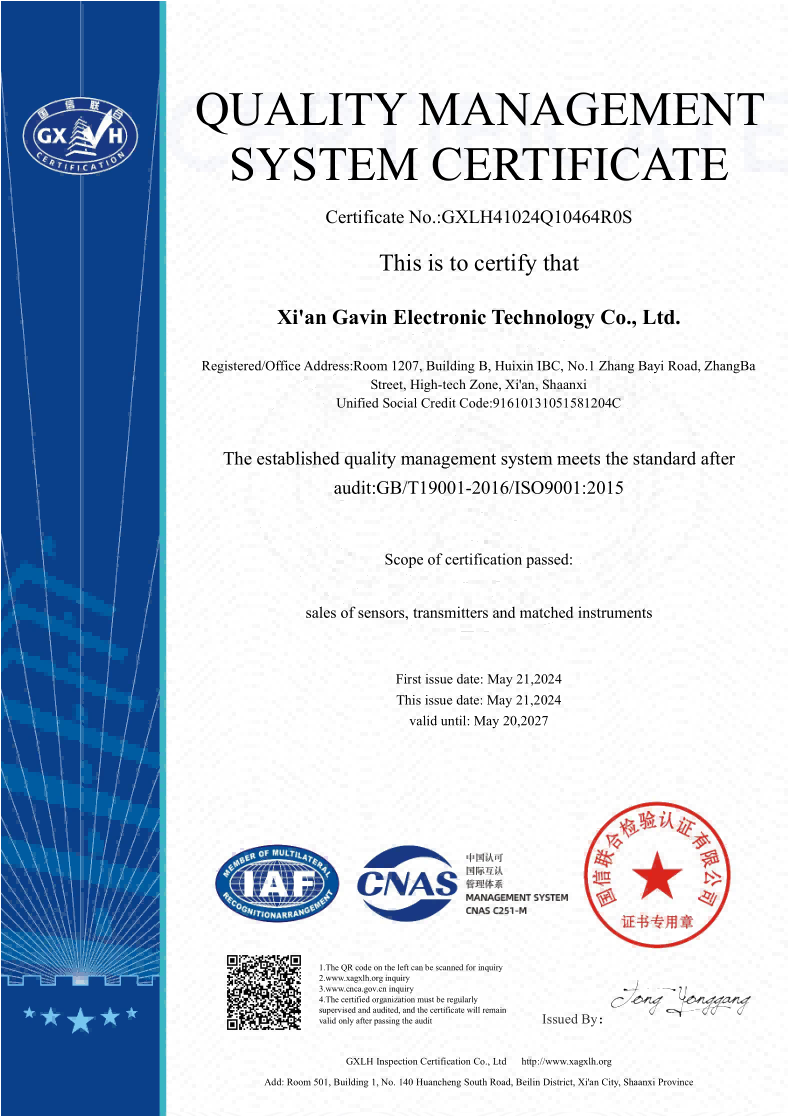
As part of evaluating a supplier, you should check their certificates, such as ISO 9001 for quality management, CE marks for European markets, and RoHS compliance for environmental rules. When you look at the calibration papers, you can be sure that they are traceable to national standards through accredited calibration labs. Pressure sensor accuracy is directly influenced by the quality of these calibration practices and supplier certifications. The terms of the warranty and the availability of technical help show that the provider is committed to long-term partnerships.
When you compare products, you can tell the difference between analog current/voltage output sensors that are good for easy setups and digital sensors that can do more complex diagnostics, have more setting options, and block out noise better. The total cost of ownership for a sensor is lower over its lifetime if calibration promises and the availability of recalibration services are looked at.
Practical Procurement Strategies for Business Buyers
Agreements to buy in bulk from qualified sources lower unit costs and make sure that the quality of the products used on big projects stays the same. Accuracy guarantee programs, in which providers promise to send sensors that have already been tested and calibrated, ready to be installed, cut down on field calibration costs and speed up project timelines.
Asking for sample trial units before ordering a lot of them lets you test them in real-world situations, which can show compatibility problems that specs might not be able to predict. Setting up framework deals with multiple suppliers for different sensor technologies gives you the freedom to choose the best sensor for each application while keeping prices low.
Case Studies: Overcoming Persistent Accuracy Issues in Real-World Applications
Industrial Process Control: Resolving Thermal Drift
Even though they were regularly calibrated, a chemical processing plant had problems with the accuracy of pressure sensors in reactor tanks. It was found that sudden changes in the process temperature from 20°C to 120°C caused thermal gradients through the sensor housings that happened faster than the temperature adjustment methods could fix them.
As an answer, normal industrial transmitters were swapped out for high-precision thin-film sensors that could sense temperature and make advanced adjustments. These devices use thin films of silicon carbide, which are very stable at high temperatures and have compensation methods that take into account temperature changes that don't happen in a straight line. Temperature calibration at 25°C, 75°C, and 125°C made correction factors that lowered errors caused by temperature from ±2.0% FSO to ±0.25% FSO across the whole working range.
Automotive Fuel Systems: Meeting Stringent Accuracy Demands
Under severe vibration and temperature changing from -40°C to 150°C, an automaker working on direct fuel injection systems had trouble with fuel rail pressure sensor accuracy. After thermal cycle, standard car sensors showed drift of more than 1.5% FSO, which is not acceptable for emissions compliance.
The engineering team worked with a specialized sensor maker to get custom sensors with corrugated silicon diaphragms that made linearity better and lowered stress concentrations. Polysilicon sensor elements that were sputtered gave very good sensitivity with little distortion. High-resolution analog-to-digital converters with 16-bit resolution and low noise picked up signal details that let complex correction methods work. A lot of tests proved that the accuracy was within ±0.5% across the whole climatic range. This met regulatory standards and cut down on calibration rejects during production.
Wireless Sensor Networks: Balancing Accuracy and Practicality
A city's water company put wireless pressure devices all over their distribution network to check on the health of the system and find leaks. Problems with accuracy were seen in the first launches. These were caused by changes in battery voltage, the effects of weather on equipment, and radio frequency interference.
To find a solution, we had to agree to slightly less strict accuracy requirements (±1.0% FSO instead of ±0.5% FSO for wired sensors) in exchange for more rollout options and lower installation costs. Environmental and interference effects were kept to a minimum by choosing monitors with extended temperature compensation, voltage control, and frequency-hopping spread spectrum communication.
Setting up processes for validating wireless sensor data against reference gauge readings at key locations gave faith in the overall system performance and helped find sensors that were not working normally and needed attention. This practical method found a good mix between accurate measurements and cost concerns, providing useful information for tracking networks.
Conclusion
Realistic pressure sensor accuracy requires more than just calibration; it also needs to take into account things like the surroundings, how the sensor is installed, and the technology used. Even after testing, temperature effects, shaking, electromagnetic interference, and mounting mistakes can often make measurements less accurate. Long-term accuracy is maintained by using advanced testing methods, choosing sensors that are right for the job, and following best practices for system design.
Instead of just looking at the specs on a datasheet, procurement teams should look at certifications, expert support, and how well the product works in real-world situations when judging providers. The case studies show that persistent problems with accuracy can be fixed by using focused methods and systematic analysis.
FAQ
What accuracy level should I specify for industrial applications?
The level of accuracy needed depends on how important the process is and what the control goals are. Most of the time, ±0.25% FSO or better is needed for safety-critical applications and quality-sensitive processes. However, ±0.5% to ±1.0% FSO accuracy is fine for basic monitoring purposes. When setting specs, you should think about how measurement uncertainty affects your control methods and the end result of the product or process.
How often should pressure sensors be recalibrated?
How often you need to recalibrate depends on the needs of the application, the harshness of the surroundings, and government rules. Pharmaceutical and custody shift forms usually need to be recalibrated every three to six months. For industrial process control, calibration needs to be done once a year, but for non-critical tracking uses, it may only need to be done every two years. By showing real drift rates, trending past calibration data helps find the best intervals.
Can environmental factors be compensated after installation?
Modern sensors have temperature adjustments and digital signal processing that allow them to adapt to changes in their surroundings as long as they don't go beyond what was planned. But how well correction works depends on how good the sensors are and how complicated the program is. Extreme situations that go beyond what the sensor can handle cannot be fully adjusted for. It is still better to use proper construction methods that reduce environmental stress than to rely only on pay.
Partner With GAMICOS for Superior Pressure Measurement Solutions
Achieving exceptional pressure sensor accuracy demands more than off-the-shelf products—it requires a manufacturing partner who understands your unique challenges. GAMICOS specializes in designing and producing high-precision pressure sensors with accuracy ratings from ±0.25% FSO to ±0.5% FSO, suitable for demanding industrial automation, chemical processing, and OEM applications. Our engineering team provides comprehensive technical support from sensor selection through installation and commissioning, ensuring optimal performance in your specific operating environment.
We serve sourcing managers, engineering teams, and project managers across North America, Europe, and global markets with products certified to CE, RoHS, and ISO standards. Our flexible OEM/ODM customization services include sensor type selection, interface configuration, communication protocol adaptation, and custom packaging to strengthen your brand identity. With experience supporting clients in 98 countries and production capacity for reliable bulk supply, GAMICOS delivers consistent quality and dependable delivery schedules. Contact our team at info@gamicos.com to discuss your pressure measurement requirements and discover how our high-accuracy pressure sensor manufacturer capabilities can optimize your operational reliability.
References
1. Webster, J. G. (2019). The Measurement, Instrumentation, and Sensors Handbook: Spatial, Mechanical, Thermal, and Radiation Measurement. CRC Press.
2. Johnson, C. D. (2018). Process Control Instrumentation Technology (8th ed.). Pearson Education.
3. Liptak, B. G. (2020). Instrument Engineers' Handbook, Volume One: Process Measurement and Analysis (5th ed.). CRC Press.
4. Bentley, R. E. (2017). Handbook of Temperature Measurement Vol. 3: The Theory and Practice of Thermoelectric Thermometry. Springer.
5. Bao, M. & Wang, W. (2021). "Future of microelectromechanical systems (MEMS)." Sensors and Actuators A: Physical, 323, 112644.
6. ISO 21748:2017. Guidance for the use of repeatability, reproducibility and trueness estimates in measurement uncertainty evaluation. International Organization for Standardization.

Halen
With over 12 years of experience in fluid sensing technology, Halen specializes in helping clients select and optimize oil level sensors for a wide range of industries—including automotive, marine, heavy machinery, and energy.
We're here to help — submit your request anytime!
Let us know how we can help solve your pressure level measurement challenge.
_1757930850792.jpg)
Recommended Blog

Preventing Pressure Sensor Freezing in Low Temperatures

Field vs Laboratory Calibration: Which is Better for Your Application?
Process Connections Don't Match? Adapter Selection & Installation
-in-Pressure-Sensors_1780543819914.webp)
Preventing Pressure Sensor Freezing in Low Temperatures
Field vs Laboratory Calibration: Which is Better for Your Application?
Process Connections Don't Match? Adapter Selection & Installation
Preventing Pressure Sensor Freezing in Low Temperatures
Field vs Laboratory Calibration: Which is Better for Your Application?
Process Connections Don't Match? Adapter Selection & Installation