Process Connections Don't Match? Adapter Selection & Installation
Understanding the Problem: Why Process Connections Don't Match
- Understanding the Problem: Why Process Connections Don't Match
- Types of Pressure Sensor Adapters and Their Applications
- Step-by-Step Installation Guide for Pressure Sensor Adapters
- Comparing Pressure Sensor Adapters: How to Choose the Best for Your Needs
- Troubleshooting Common Problems with Pressure Sensor Adapters
- Conclusion
- FAQ
- Partner with GAMICOS for Reliable Pressure Measurement Solutions
- References
In business settings, process links that don't match up happen more often than we'd like to admit. A pressure sensor adapter is needed when the threads on your pressure sensor are NPT and the threads on your pipeline are BSP, or when the thread sizes are off by just a few millimeters. These precision-engineered parts connect connections that don't work with each other, making sure that there are no leaks and that measurements are accurate. When picking the right adapter, it's important to know about thread standards, pressure rates, and material compatibility. These are all choices that have a direct effect on the long-term stability and performance of industrial automation systems.
Understanding the Problem: Why Process Connections Don't Match
The Root Causes of Connection Incompatibility
Different industrial threading standards around the world cause process link problems. North American markets are dominated by NPT (National Pipe Thread), while European and Commonwealth markets are dominated by BSP (British Standard Pipe). Asian production is already hard enough without having to deal with metric threads. When buying managers buy sensors from different sources in different parts of the world or add sensors to systems that are already in place, these standard differences make it harder for the systems to work together, which can push back the installation schedule.
Manufacturing errors can also make it hard to connect things. Differences between sensor makers can make it hard to fit, even if the threads are from the same family. Even if the stated sizes look the same, a sensor made to ISO standards might not work perfectly with equipment made to ASME standards. In high-temperature situations where metal expands at different rates in different parts, temperature expansion factors make things even more complicated.
Risks of Improper Adapter Selection
If you choose the wrong connector, you put your operations at serious risk. Leaks at connection places put workers at risk, especially in chemical and oil plants that handle dangerous fluids. Not only are small leaks dangerous, but they also make it harder for capacitive pressure sensors and other precise tools to measure accurately. Unplanned breaks, emergency fixes, and possible regulatory violations can all have a financial effect.
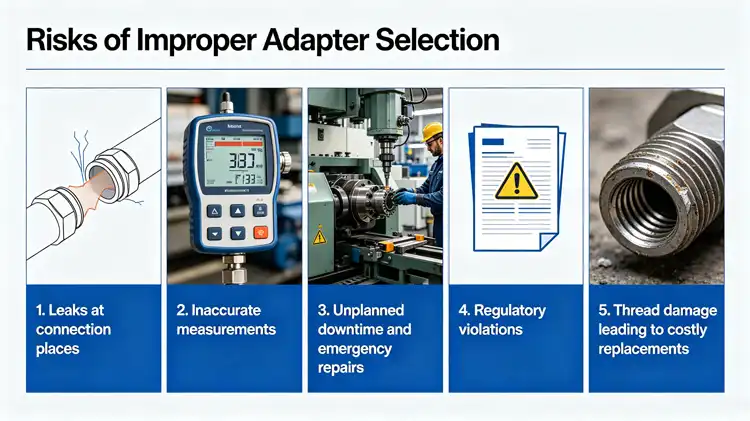
Another very serious risk is thread harm. Forcing connections that don't fit can damage the threads, which means you'll have to buy new, expensive parts. When threads get broken in stainless steel systems used in food and drug processing, whole parts of pipes may need to be cut out. Managers in charge of engineering know that the cost of good adapters is small compared to the cost of fixing setups that didn't work.
How Adapters Bridge Different Standards
Good adapters are like perfect bridges between systems that don't work with each other. A well-designed thread adapter keeps the pressure integrity while working with various pitch angles, crest shapes, and closing mechanisms. For closing, NPT threads use taper interference, while seals or O-rings are usually used with BSP parallel threads. Adapters that work well take into account these basic changes in how closing is done.
Choosing the right material for fittings is just as important as making sure the sizes are correct. Adapters made of stainless steel don't rust when used in chemical processing, brass is cheap and useful in general industry use, and special metals can handle high temperatures in the energy sector. The adapter is no longer just a measurement converter; it becomes an integral part of the pressure limit.
Types of Pressure Sensor Adapters and Their Applications
Thread Type Categories and Their Standards
Knowing about thread groups helps with buying choices. NPT adapters have threads that curve at an angle of 60 degrees. When these threads are tightened to certain torque values, they make interference plugs. The British Standard Pipe Taper (BSPT) is similar to a taper but has a different thread size and angle. When installing BSPP (British Standard Pipe Parallel), you need to use a different method than when installing taper threads because BSPP uses straight threads with separate closing parts.
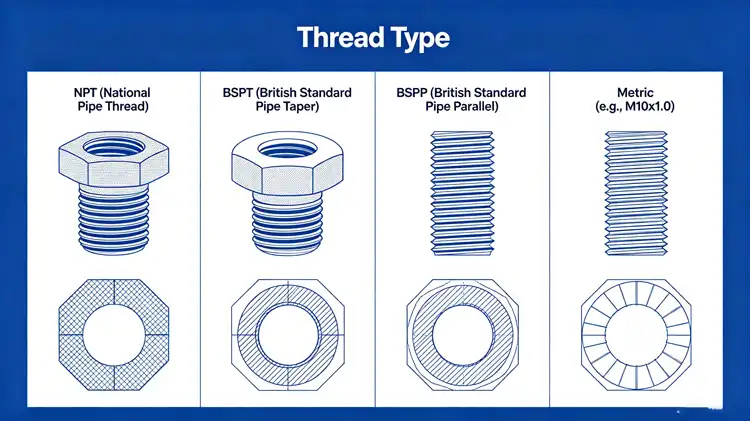
Metric adapters are labeled with ISO standards and have names like M10x1.0 or M12x1.5, where the first number is the width and the second number is the thread pitch. These straight threads are often found in automation tools from Europe and Asian OEM goods. Adapters that change between the standard and metric systems must keep pressure values exactly the same during the change.
Material Selection for Different Industries
Each industry needs link devices made of certain materials:
- 316L stainless steel: This grade is needed for hygiene reasons in the food and drink, medicinal, and aerospace industries. Its passivated surface stops germs from growing and can handle harsh cleaning chemicals. Pressure levels usually go up to 10,000 psi, which is good for handling lines that use high pressure.
- Brass (C36000): Brass is good for general industry uses because it is easy to machine and doesn't rust. Brass adapters are often used in HVAC systems because they are cheap and work with refrigerants. Most of the time, pressure limits stay below 3,000 psi.
- Carbon Steel (A105): Carbon steel is used in oil and energy industries because it is strong and can handle high temperatures. In wellhead monitoring and industrial process control, these adapters can handle pressures of more than 15,000 psi.
- Exotic Alloys (Hastelloy, Monel): For specialized chemical processing, adapters that can handle conditions with acids, caustics, or high chloride levels are needed. Investing in rare materials keeps catastrophic corrosion breakdowns from happening in harsh working conditions.
The pressure sensor adapter must be included in the documentation for material approval, which is now very important for safety. For jobs that need ASME B31.3 pressure pipe compliance, engineering companies need mill test reports (MTRs) that prove the chemical makeup and mechanical qualities of the pressure sensor adapter.
Compatibility Considerations Beyond Threading
All of the pressure levels in the measurement chain must match up. When put between a 5,000-psi monitor and system, an adapter rated for 3,000 psi makes a weak point. Ratings for temperature are also important. For example, normal Viton O-rings fail above 400°F, so PTFE or metal seals are needed for high-temperature use. Managers of automation should make sure that the device meets or goes beyond both the sensor and system standards.
Media compatibility goes beyond the body of the connector and includes the sealing parts. For hydrocarbon service, you need a different kind of rubber than for water or steam service. Chemical resistance plans help choose the right seal material so that chemical attacks don't cause it to fail too soon. Adapter design decisions that guarantee long-term stability are based on knowing process factors like pressure spikes, thermal cycles, and vibration.
Step-by-Step Installation Guide for Pressure Sensor Adapters
Pre-Installation Verification Checklist
Before you start the installation, make sure that the adapter's specs match the link needs of both the sensor and the system. Use thread gauges to make sure that the thread types match; eye analysis alone is not accurate. Check the adapter's paperwork for pressure and temperature levels to make sure they are higher than the highest possible working conditions by the right amount of safety margins.
Check the threads for any damage or dirt. Use the right solvents to clean all the link surfaces and get rid of any production oils, dirt, or leftover sealant. Electropolished surfaces need lint-free wipes and cleaning products made for medicinal use in order to be used for sanitary purposes. Get the right tools ready, like precise torque wrenches, thread glue or PTFE tape, and equipment for finding leaks to make sure the job was done right after installation.
Correct Installation Procedures
To use thread sealer, you need to use the right method for the type of thread. When you look at NPT tapered threads from the end, wrap the PTFE tape three to four times clockwise, starting two threads from the end. Do not cover the first thread so that sealer does not get into the process and contaminate it. Liquid thread seals are good for bigger links, but they need time to dry before they can be pressed together.
Use measured torque tools to tighten adapters according to the manufacturer's instructions. Not tight enough can cause leaks, and too tight can damage threads or crack adapter bodies. Depending on the thread size and material, torque values can be anywhere from 10 ft-lbs for small fittings to 50 ft-lbs or more for bigger links. Pipe wrenches should never be used on precision adapters. Instead, you should use hex or flare-nut wrenches, which won't damage the fitting surfaces.
Once the adapter is in place, place the sensors correctly. For best performance, capacitive pressure sensors and other mechanical tools often need to be placed in a certain way. It is best not to put adapters in places where sensors stick out into fast-moving flow streams because this can cause turbulence that changes results. Make sure there is enough space for future repair access and cable hookups.
Post-Installation Validation Methods
Before the system is turned on, leak testing makes sure that the installation is solid. Bubble tests with solutions of soapy water can be used to find gas line leaks visually. To do pressure decay tests, you need to isolate the part, raise the pressure to normal levels, and watch for drops in pressure that could mean there are leaks. Pressure sensor adapter can be used to monitor pressure accurately during these decay tests. Ultrasonic leak monitors find small leaks that people can't hear.
In high-accuracy situations, the adapter may need to be recalibrated after it is installed. If the adapters are made correctly, they shouldn't change the numbers from the sensors, but checking the measurements against known standards makes sure they are correct. Keep track of standard values for future use in troubleshooting. Set up a tuning plan that takes into account how important the application is and the rules that must be followed.
Comparing Pressure Sensor Adapters: How to Choose the Best for Your Needs
Key Evaluation Criteria for B2B Buyers
Total cost of ownership is directly related to how long a material lasts. Even though they cost more at first, stainless steel adapters last longer and don't need to be maintained as often in harsh settings. Lifecycle costs, which include substitute work and downtime, often show that higher-quality materials are better than cheaper ones that need to be replaced more often.
In accurate measurement tools, keeping the accuracy up is very important. Good adapters don't add a lot of dead space and don't make pressure gaps that slow down sensor reaction. The inside shape of the connector should allow for smooth flow changes with no sharp edges or holes where media can get stuck, which is especially important in clean process applications.
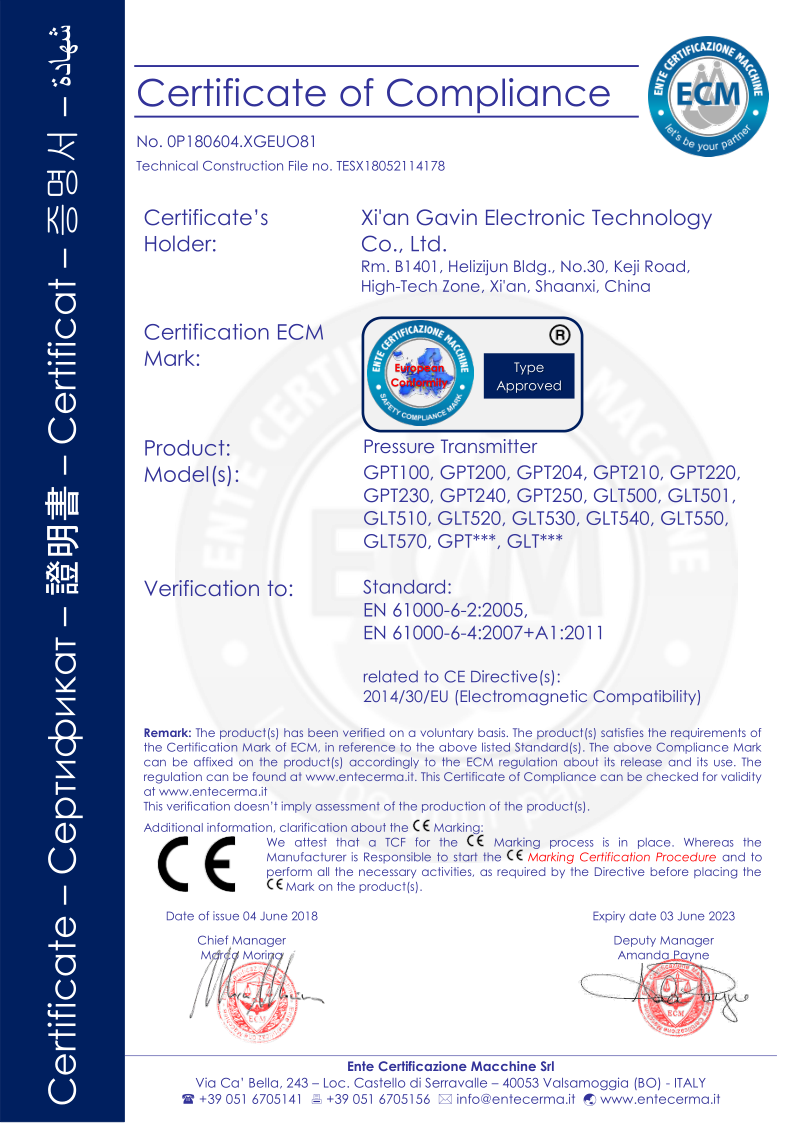
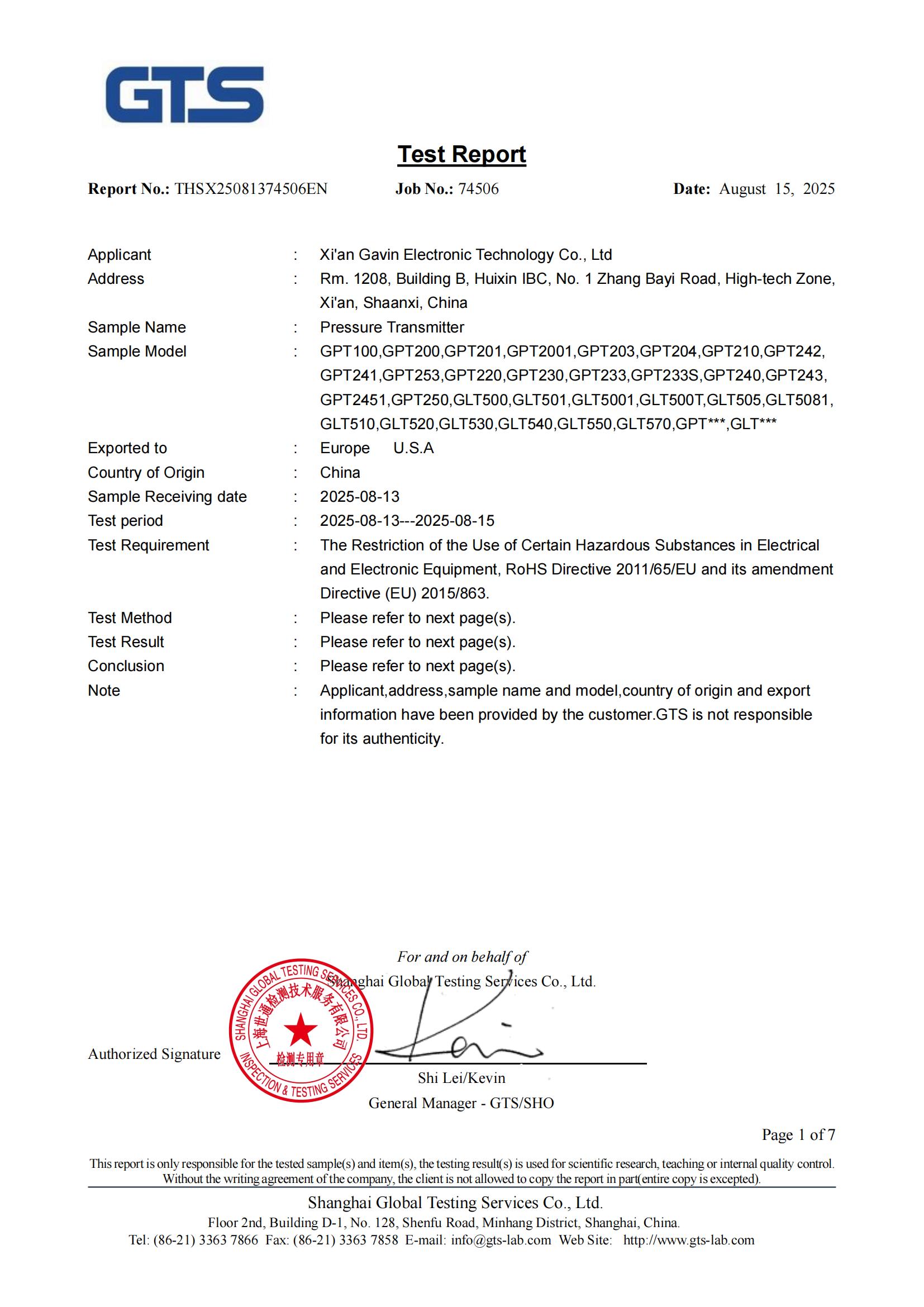
Certification compliance affects buying choices in all businesses that are regulated. CE marking lets you sell your products in Europe, and RoHS compliance makes sure they are safe for the environment. Adapter choice may be limited by standards specific to the industry, such as 3-A Sanitary Standards for dairy processing or ATEX approval for dangerous environments, even if other factors are taken into account.
Sourcing Strategies and Customization Options
Direct buying from manufacturers lets you make changes that you can't do through middlemen. When you work with an OEM, you can change the specifications to include unique thread pairs, special materials, or built-in features like temperature adjustment. By making deals with makers to buy in bulk, you can get better prices and be sure of regular quality and delivery times.
Distributor relationships make projects with more than one source faster and more flexible. Well-known wholesalers keep a wide range of adapter types from many makers in stock, which makes it easier to get what you need when projects need different types of connections. Technical help from experienced dealers is useful because it helps engineering teams figure out how to meet complicated requirements.
Customization is more than just changing the size. Depending on the project, it may need special coats, a wider range of temperatures, or paperwork packages that meet certain quality standards. When a supplier offers ODM services, they can make custom adapter designs that do more than one thing. For example, they can combine adapters with isolation diaphragms, snubbers, or manifold blocks to make kits that work together.
Balancing Cost and Performance
Cost and performance must be balanced. When figuring out a price, you should look at the total cost of delivery, which should include shipping, import taxes, and the cost of keeping the goods. When buying in bulk from approved makers in places like China, buyers can save money, but they have to plan for longer lead times and communication issues when doing so. Even though they cost more per unit, domestic providers can respond quickly to urgent needs or small amounts.
The terms of the warranty and the availability of professional help have a big impact on how much something is worth. Reputable companies back their goods with full guarantees and helpful customer service teams. Having access to application engineering help during design and fixing saves time and cuts down on installation mistakes. This is especially helpful when adding sensors to complicated automation systems, such as when integrating a pressure sensor adapter into the setup.
Troubleshooting Common Problems with Pressure Sensor Adapters
Identifying and Resolving Leak Issues
Most leaks at adapter links are caused by mistakes in the installation process, not problems with the product itself. There are gaps in tapered thread interference fits when the torque is too low, and cracks or deformations in the sealing surfaces happen when the torque is too high. Minor leaks can usually be fixed by re-tightening to the right specs, but for chronic leaks, the whole thing needs to be taken apart and inspected.
If the threads get damaged from cross-threading or corrosion, the adapter needs to be replaced. Adding more sealant or over-tightening to damaged threads to try to fix them creates a fake sense of security that breaks when the temperature changes or the machine shakes. When you replace damaged adapters, make sure to check the matching threads on the sensors and process links as well. The damage often goes beyond the adapter itself.
Leaks happen later when seal material breaks down. When chemicals or heat break down O-rings, they become harder and less flexible, which finally lets leaks happen. As part of routine preventive maintenance, seals should be replaced on a regular basis based on the manufacturer's instructions and the history of service. Upgrading to seal materials that work better together stops this from happening again.
Addressing Calibration Drift and Accuracy Problems
When measurement errors are linked to adapters, they are usually caused by problems with the way they were installed. When adapters make dead legs or pockets that don't move, measurement lag happens. This is especially bad for processes that change over time. These dead volumes can be gotten rid of by redesigning adapter direction or choosing low-profile combinations.
Temperature changes that happen on adapters can cause measurement mistakes in systems that don't have correction. When adapters have very different expansion coefficients than the parts around them, thermal expansion puts stress on sensor diaphragms. Choosing materials that match the thermal properties of the system reduces these effects as much as possible, but using the right fastening methods also helps.
Maintenance Best Practices and Replacement Guidelines
Schedules for regular inspections find problems before they become fails. Corrosion, mechanical damage, or signs of weeping can be seen visually during maintenance shutdowns. Checking the torque makes sure that the links haven't come loose because of vibrations or changes in temperature. Changing iffy connections as part of planned maintenance ends up being much cheaper than fixing things that break down suddenly.
When making economic replacement choices, fix costs are weighed against the value of the part. It's better to replace small brass adapters than to try to fix them, but it's better to recondition big stainless steel custom adapters. Support services from suppliers, like expert help, quick access to replacement parts, and emergency shipping, affect long-term ties with suppliers for important uses.
Keeping track of the adapter's specs, installation dates, and care records lets you plan ahead for when it needs to be replaced. By keeping track of failure modes and service life across similar sites, you can find systemic problems that need to be fixed by making changes to the design or the specifications. This method is based on data and makes the best use of maintenance funds while keeping the system reliable.
Conclusion
In conclusion, getting rid of process connection mismatches by choosing and installing the right adapters, such as the pressure sensor adapter, saves measurement accuracy, system safety, and working efficiency. When engineering teams know about thread standards, material requirements, and fitting methods, they can make decisions that meet the needs of the application. Investing in good adapters and following the right installation steps will ensure long-lasting performance and keep you from having to pay for expensive fails. Paying attention to these link details between sensors and industrial processes is important for a pressure measurement system integration to go well.
FAQ
Can I use brass adapters in high-pressure chemical processing applications?
Most of the time, 3,000 psi is the highest pressure that brass fittings can handle in commercial settings. When working with chemicals, it's important to check that the media won't damage the chemicals. For example, brass rusts quickly when exposed to ammonia and doesn't work well with some acids. For chemical uses above 3,000 psi, adapters made of stainless steel or a special metal that can handle both pressure and chemicals are usually needed.
How do I determine the correct torque specification for adapter installation?
Specs for torque depend on the thread type, size, and material. In their product documentation, manufacturers include torque charts that show how to set up popular setups. When specific data isn't available, general rules say that steel bolts should be torqued at 1.5 ft-lbs per 1/16" of thread size. Calibrated torque wrenches make sure that the torque is always the same; hand-tightening isn't accurate and can cause damage or leaks.
What's the difference between using PTFE tape versus liquid thread sealant?
PTFE tape works well on tapered threads like NPT, creating a mechanical seal through interference. It stays clean, doesn't need to be cured, and can handle most temperatures. Liquid sealants are better at keeping threads from vibrating loose than tape and can fill in gaps better than tape. However, they shouldn't be used on straight threads that use O-ring or gasket seals because the sealant can get in the way of proper compression.
Partner with GAMICOS for Reliable Pressure Measurement Solutions
GAMICOS makes high-precision pressure sensors and complete measurement systems for tough industrial uses. Our engineering team knows how hard it is for procurement managers to connect sensors that don't work with all the same equipment standards. That's why we offer custom pressure sensor adapter solutions that work with a wide range of thread types, materials, and pressure ratings to make sure that system integration goes smoothly.
As an experienced pressure sensor adapter supplier, we maintain extensive inventory supporting rapid project timelines while offering OEM and ODM customization for specialized requirements. Our quality control systems ensure every adapter meets strict dimensional tolerances and pressure ratings, backed by comprehensive testing and certification documentation. Whether you need standard adapters for immediate delivery or custom-engineered solutions for unique applications, our technical support team assists with specification, installation guidance, and troubleshooting.
Contact our team at info@gamicos.com to discuss your specific process connection requirements. We serve engineering contractors, automation equipment manufacturers, and industrial facilities across North America with reliable products and responsive support that keeps your projects on schedule.
References
1. Blevins, T.L. & McMillan, G.K. (2019). Process Control: Theory and Applications in Industrial Automation. Wiley-IEEE Press.
2. Stewart, H.L. (2021). Pneumatic and Hydraulic Instrumentation: Process Control and Connection Standards. McGraw-Hill Professional.
3. Lipták, B.G. (2018). Instrument Engineers' Handbook: Process Measurement and Analysis (5th ed.). CRC Press.
4. American Society of Mechanical Engineers. (2020). ASME B1.20.1: Pipe Threads, General Purpose. ASME International.
5. International Organization for Standardization. (2019). ISO 228-1: Pipe Threads for Tubes and Fittings - Verification by Measurement. ISO Standards.
6. Noltingk, B.E. (2020). Instrumentation Reference Book (4th ed.). Butterworth-Heinemann.

Ivy
Ivy, product consultant, has focused on sensor consultation for ten years, is proficient in providing pressure and level measurement solutions for customers.
We're here to help — submit your request anytime!
Let us know how we can help solve your pressure level measurement challenge.
_1757930850792.jpg)
Recommended Blog

Pressure Transmitter Zero Drift: Diagnosis & Calibration Guide

Pressure Transmitter Zero Drift: Diagnosis & Calibration Guide