Why 16mm Small Probe Sensors Are Ideal for Deep Wells
Understanding Well Depth Sensors and Their Role in Deep Wells
- Understanding Well Depth Sensors and Their Role in Deep Wells
- Advantages of 16mm Small Probe Sensors Over Traditional Well Depth Sensors
- Comparing 16mm Small Probe Sensors with Other Well Depth Sensor Types
- How to Select and Install 16mm Small Probe Sensors for Deep Wells?
- Procurement Insights: Finding the Right 16mm Small Probe Sensor Supplier
- Conclusion
- FAQ
- Partner with GAMICOS for Reliable Well Depth Sensor Solutions
- References
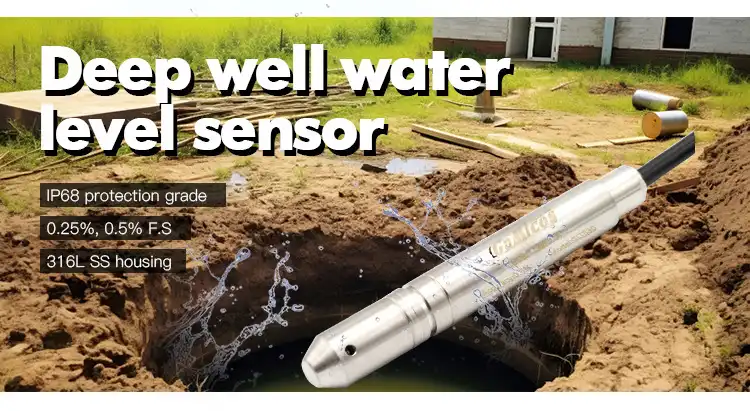
For deep well monitoring to work, the instruments used must be very accurate and able to provide constant, accurate data in harsh circumstances. A well depth sensor with a small size is clearly better than ones that are bigger when it comes to accurately measuring groundwater levels. For narrow boreholes and deep well uses, the 16mm small probe sensor has become the best choice because it saves room and measures very accurately. Traditional monitors can't work in confined wellbores, but these submersible devices can. This makes them essential for projects that collect oil, handle water for cities, water crops, and keep an eye on the environment. Their strong construction and advanced pressure-sensing technology make sure that they work reliably even at depths of more than 200 meters, meeting the urgent need for accurate tracking of liquid levels in difficult underground settings.
Understanding Well Depth Sensors and Their Role in Deep Wells
Core Technologies in Liquid Level Measurement
Several measurement rules are used by modern groundwater tracking devices to keep accurate track of liquid levels. Pressure-based monitors pick up on the hydrostatic forces that the water column is putting on them and turn them into electrical signs. Time-of-flight analysis is used to figure out how far something is by measuring the sound waves that bounce off the top of a liquid. Capacitive sensors check how the electrical capacitance changes as the water level around the receiving elements changes. Depending on the well diameter, depth needs, and environmental factors, each technique has its own benefits.
Critical Applications Across Industries
Accurate depth measurement has a direct effect on how well operations run in many areas. In farming settings, irrigation managers make the best use of water by keeping an eye on how fast aquifers drain and how they fill up again. Real-time groundwater data help municipal water officials keep supply and demand in balance. This keeps people from extracting too much water, which could cause the ground to sink or saltwater to enter. Continuous level tracking is needed at industrial sites in the mining, chemical, and oil industries to keep processes under control and follow environmental rules. Groundwater data is used by hydrological research institutions for early warning systems of natural hazards and studies of climate change.
Environmental Challenges in Deep Well Monitoring
Standard measuring tools have a hard time getting past the unique problems that deep wells pose. Pressure rises by about one bar for every 10 meters of depth, so monitors need to be built well and have the right pressure values. Surface water and groundwater can be 30°C or more apart in temperature, so materials that don't expand or contract too much are needed. Borehole widths that are too small—sometimes as little as 50mm—limit the size of sensors and make placement more difficult. Over time, mineral deposits, organic growth, and garbage buildup can make measurements less accurate, so sensors that are better at resisting fouling are needed.
Advantages of 16mm Small Probe Sensors Over Traditional Well Depth Sensors
Space-Efficient Design for Narrow Boreholes
The small 16 mm circle shape is a big step forward in designing sensors that are smaller. This thin design lets sensors be installed in boreholes and standpipes where regular sensors can't fit. This means that current infrastructure can be monitored more easily and without having to spend a lot of money on well changes. For a well depth sensor, the streamlined shape keeps flow from getting blocked inside the well tube as little as possible. This preserves natural hydraulic conditions and ensures that measurement accuracy reflects real groundwater behavior rather than man-made disturbance patterns.
Superior Accuracy and Stability
Small probe sensors have improved pressure-sensing parts that make readings very accurate over a wide range of temperatures. The GAMICOS GLT530 model has accuracy rates of ±0.1%FS, ±0.25%FS, or ±0.5%FS, based on the needs of the application. This gives accurate data for making important decisions. The fully welded closing on the combined structure keeps water out and keeps the calibration stable even after long periods of submersion. Built-in signal processing circuits clean up the data sent to tracking systems by adjusting for changes in temperature and electrical noise.
Here are the core performance advantages these devices deliver in demanding applications:
- Extended Measurement Range: It can measure water levels from 1 meter to 500 meters, so it can be used with both small monitoring wells and deep mining boreholes. This flexibility makes buying things and keeping track of goods easier for businesses that have a wide range of wells.
- Robust Environmental Resistance: The fully sealed design doesn't break down when exposed to changes in temperature, chemicals, or mechanical stress. Corrosion-resistant materials last longer in harsh groundwater chemistry conditions, which lowers the number of replacements needed and the cost of doing so over the life of the product.
- Simplified Installation Process: The two-wire current output configuration gets rid of the need for complicated wiring, so techs can finish installs quickly with few specialized tools. The non-polar design stops connection mistakes that could harm electronics or give wrong results.
- Low Maintenance Requirements: The lack of moving parts or visible sense elements makes it less likely that biofouling will happen and the machine will wear out faster. Routine testing intervals are longer than those of other technologies, which saves money and time for busy industrial sites.
These benefits work together to solve production problems that purchasing managers and engineering teams keep running into when they try to choose groundwater tracking tools. The smaller size makes it possible to add features to existing wells without having to abandon them and drill them again, and the design makes it easier to maintain, which lowers the total cost of ownership over the lifecycle of the equipment.
Certification and Compliance Standards
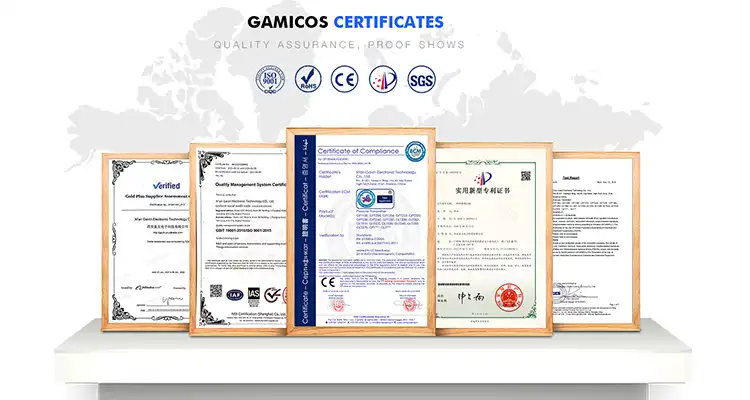
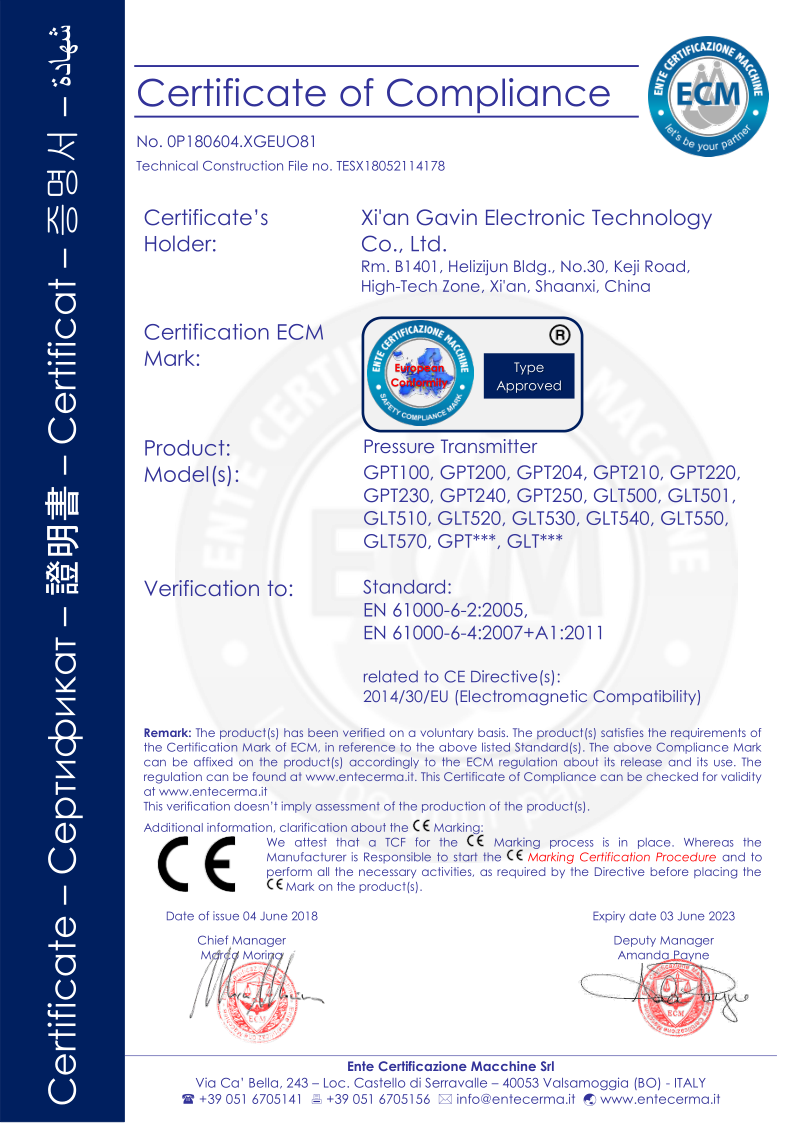
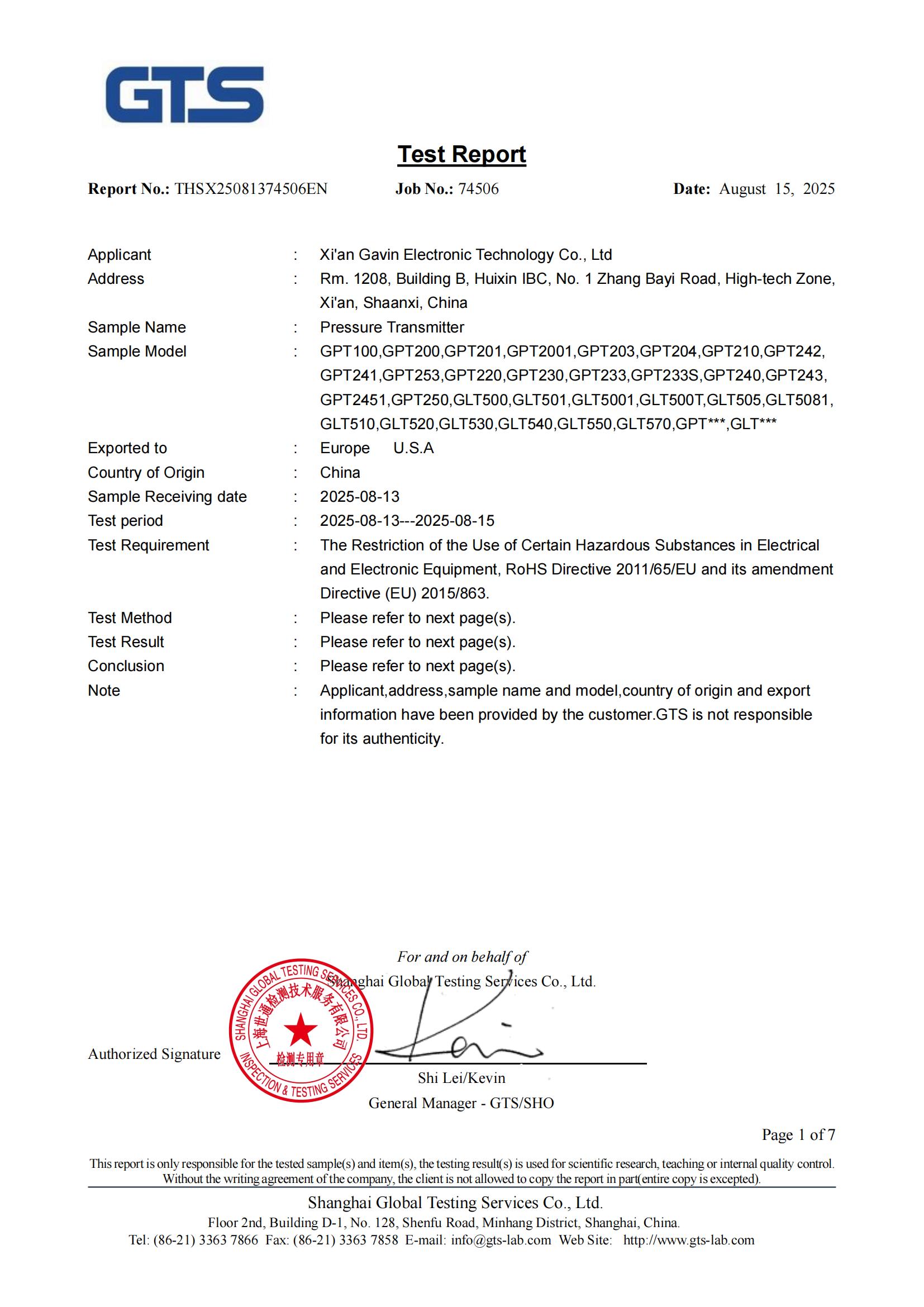
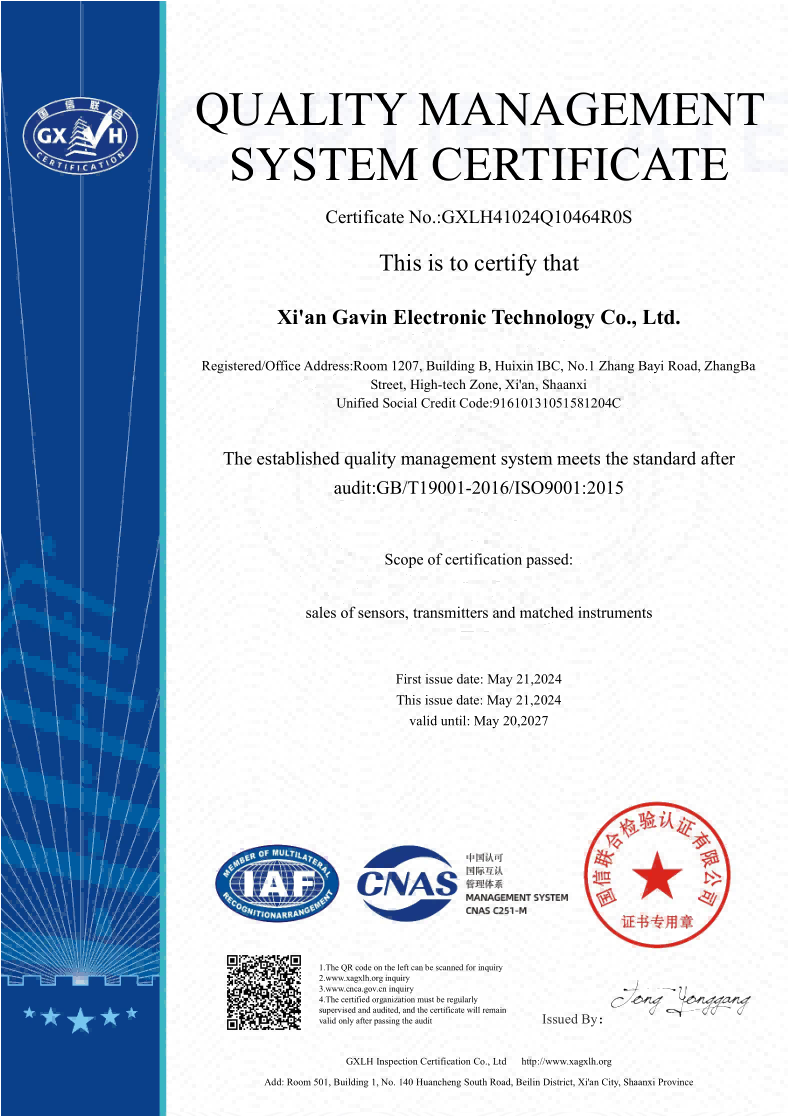
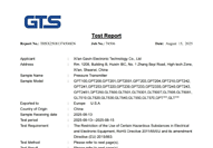
If a business wants to buy something from another business, they have to follow international rules. Small probe sensors with CE, RoHS, and ATEX certifications show that they meet European safety, environmental, and dangerous atmosphere standards. This makes it easier to get them through customs and get regulatory approval in global markets. These certifications show that the manufacturing process follows strict quality control rules and the goods can work safely in industry settings.
Comparing 16mm Small Probe Sensors with Other Well Depth Sensor Types
Pressure vs. Ultrasonic Measurement Technologies
Ultrasonic sensors work great in places where pollution is a worry, like chemical processing or pharmaceutical manufacturing, where measurements need to be taken without touching the object being measured. But they aren't as good in deep wells where air, foam, or turbulence makes it hard for sound waves to travel. Pressure-based small probe sensors are more accurate for tracking groundwater than surface sensors because they don't change when there is an air gap. This is because surface conditions change with the seasons. The direct contact measurement method gets rid of mistakes that come from different temperature levels in the air above the liquid surface, which happens a lot with ultrasonic devices in deep wells. Pressure sensors are also better at picking up on small changes in level, which is an important skill for studying aquifers and finding leaks.
Wired vs. Wireless Data Transmission
When making modern purchases, you have to think about things like power access and the means for sending data. Wired sensors with two-wire 4-20mA current loops offer strong connection with low power use, making them perfect for remote areas without cell service or stable electricity. Current signaling is immune to noise, so data stays correct even when cables are run over long distances, like over 1000 meters between the wellhead and the control room. Wireless setups that include LoRa, NB-IoT, or 4G connection give installers more options and get rid of the problems that come with moving cables in complicated site plans. However, wireless systems need battery management plans or solar charging infrastructure, which makes planning for upkeep over the course of the system's lifespan more difficult. For a well depth sensor, organizations need to look at the needs of each place and weigh the benefits and drawbacks of easy installation versus long-term dependability and running costs.

Long-Term Cost Analysis
The initial purchase price is only one part of the total cost of ownership. Other parts include the work for installation, the regularity of calibration, the collection of spare parts, and the replacement rounds that will eventually happen. Small probe sensors are good for the economy because they last longer and don't need much upkeep. The long-lasting design lowers the number of failures compared to sensors with moving parts or screens that are easy to damage. Manufacturers offer bulk buying programs that offer discounts based on the amount bought. These discounts have a big effect on project costs for large-scale deployments. Standardizing on a single sensor platform can help organizations that are setting up tracking networks at multiple well sites by making it easier to train technicians and keep track of extra parts and by allowing them to take advantage of economies of scale when negotiating prices.
How to Select and Install 16mm Small Probe Sensors for Deep Wells?
Key Selection Criteria
Setting up application settings is the first step in properly specifying a sensor. The maximum depth grade must be higher than the lowest expected water level by a sufficient amount to ensure safety, taking into account yearly changes and long-term trends of aquifer depletion. The level of accuracy needed depends on the purpose of the measurements. For example, hydrological study needs more accuracy than simple irrigation schedule. It is important that the type of output signal matches the tracking system that is already in place. This could be traditional 4-20mA, digital Modbus, or wireless protocols. When materials are compatible with the nature of groundwater, sensors don't break down too quickly. Most of the time, stainless steel housings work well, but in very acidic or salty environments, special treatments may be needed. The temperature grade has to cover the expected working range, which includes both the temperature of the groundwater at depth and the temperature of the air at the top.
Installation Best Practices
A careful site inspection is the first step to a successful installation. Check that the sensor body and wire can fit by measuring the inside diameter of the well cover. Check the wellbore for any blockages, broken casing pieces, or too much debris that could make it hard to install sensors or get accurate data. Find the best sensor depth by placing the probe below the lowest predicted water level while keeping it submerged enough to avoid measuring errors during events of rapid water loss. Procedures for deployment depend on the depth and ease of the well. For shallow wells, the sensor wire can be used as a lowering line during installation by hand. For deep wells, winches or other specialized deployment tools are needed. Secure the wire at the wellhead using the right strain relief techniques to stop it from moving up and down due to mechanical vibrations or heat expansion. Use conduit or protected sleeving to keep uncovered wire parts safe from UV damage, rodent damage, and mechanical abuse.
Calibration and Maintenance Protocols
The first test checks the accuracy of the well depth sensor against known standards or readings made with portable water level meters. Take baseline readings when everything is fixed so that you have a way to measure success for future validation checks. Set the warning levels on the monitoring system to let workers know when numbers don't seem right. This could be due to sensor drift, cable damage, or interference from the well pump. Maintenance plans should include checking the measures on a regular basis, looking over the wires and connections, and cleaning the sensor probe if biofouling or mineral deposits build up. Keeping records of repair tasks helps quality assurance programs and meets legal standards for compliance. Trending historical data helps figure out the best time to change something before it loses accuracy and affects practical choices.
Procurement Insights: Finding the Right 16mm Small Probe Sensor Supplier
Evaluating Manufacturer Credentials
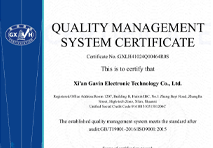
To have a successful buying relationship, you need to choose suppliers who have a history of making industrial sensors. Well-known companies keep full quality control systems that are approved to ISO standards. This makes sure that all of their products work the same way from one batch to the next. Look for companies that have dedicated research and development teams and hold patents in sensor technology. This shows that they can keep coming up with new ideas to meet the changing needs of the market. Global transport networks show that suppliers are stable and have the organizational skills needed to get projects done on time. Companies that serve a wide range of foreign markets in North America, Europe, the Middle East, Southeast Asia, and Australia bring useful knowledge from different industries to discussions about customization. Because they are familiar with a wide range of regulatory settings, they make compliance paperwork for international projects easier.
Understanding Pricing Structures
Transparent price models take into account many cost factors, such as the type of sensor, the number of items ordered, the level of customization needed, and the shipping terms. The price of a base sensor usually goes up or down depending on its measurement range, level of accuracy, and material requirements. Discounts for large orders are given for promises to buy a lot. This makes standardization across multiple project sites a good economic move. Customization services like OEM marking, changing the length of the cables, or setting up outputs in a way that doesn't work with other devices may come with extra costs that should be made clear when getting a quote. When doing business internationally, payment terms and currency choices can have an effect on planning your cash flow. Suppliers that have been around for a while can make plans that are flexible to fit different purchasing practices and budgets. When you figure out the total landing cost, you have to include the cost of shipping, any customs taxes, and any fees for import paperwork.
After-Sales Support and Warranty Coverage
Premium suppliers are different from commodity vendors because they offer full expert help. Throughout the lifetime of a product, responsive tech teams help with choosing sensors, installing them, fixing problems, and making the best use of their performance. Quality assurance programs and regulatory filings can be helped by detailed technical documents like calibration certificates, material specs, and dimensional drawings. Warranty policies protect purchase investments against flaws in the manufacturing process and mistakes that happen before they should. Standard warranty times are between 12 and 24 months, but for important uses, you can get a longer warranty. Having clear guarantee terms that explain what the warranty covers, how to make a claim, and what can be done to fix the problem stops arguments and keeps the business running when equipment breaks down.
Conclusion
With smart engineering and proven performance, the 16mm small probe sensor solves some of the most important problems that come up when tracking deep wells. Because it's small, it can be installed in narrow boreholes where other measurement devices can't work. This lets more tracking be done without changing the infrastructure. The high accuracy standards, sturdy construction, and low upkeep needs ensure that the data is accurate and useful for making decisions in water resource management, industry process control, and environmental protection. As a well depth sensor, these sensors make it easy for organizations to improve their groundwater tracking systems or start new projects, while also making sure that the projects are cost-effective and follow all the rules. Small probe sensors are the best choice for challenging deep well uses that need uncompromised performance because they are technically superior and easy to obtain.
FAQ
Q1: What maximum depth can 16mm small probe sensors reliably measure?
A: Good small probe sensors work effectively at depths greater than 200 meters, and some types are even rated for 500 meters of water column. GAMICOS's GLT530 line has measurement lengths from 1 meter to 500 meters, so it can be used for almost any groundwater monitoring task. Instead of probe width, depth relies on how well the sensor is built, how much pressure it can handle, and how well the seal works.
Q2: How often should well depth sensors undergo calibration?
A: The regularity of calibration depends on the environment, the need for accurate measurements, and what the maker suggests. Verification checks are usually done once a year for industrial uses, but they may need to be done every three months for research-grade tracking. In harsh chemical conditions or when temperatures change quickly, testing may need to be done more often to keep up with accuracy standards.
Q3: What causes common sensor failures in deep well applications?
A: As algae or bacteria grow on sensor surfaces, biological gunk builds up and slowly lowers their accuracy. Seals or sensing elements can be broken by mechanical damage during installation or repair work. Measurement mistakes happen when things are installed incorrectly, like when there isn't enough cable strain relief or when the depth isn't set correctly. If there isn't enough surge protection, lightning hits that damage surface electronics can also damage sensor circuits. By understanding how these failures happen, you can take steps to stop them from happening, like preparing the spot properly, handling things carefully, and putting on safety gear.
Partner with GAMICOS for Reliable Well Depth Sensor Solutions
To improve your deep well tracking system, you need to work with a well depth sensor supplier that has a lot of experience and is dedicated to technical excellence and customer success. GAMICOS brings decades of specialized expertise in liquid level and pressure measurement, serving thousands of industrial clients across 100+ countries with certified sensors engineered for demanding applications. Our GLT530 small diameter submersible sensor combines 16mm compact design, ±0.1%FS accuracy, and 500-meter depth capability with CE, RoHS, and ATEX certifications—delivering the performance and compliance your projects demand. We provide comprehensive OEM/ODM customization services including modified parameters, specialized interfaces, and branded packaging to match your specific requirements. Contact our technical team at info@gamicos.com to discuss your deep well monitoring challenges and receive personalized sensor recommendations backed by responsive support throughout installation, calibration, and ongoing operation.
References
1. American Water Works Association. (2019). Groundwater Monitoring Systems: Design, Installation, and Data Management. Denver: AWWA Press.
2. International Society of Automation. (2021). Pressure and Level Measurement Technologies for Industrial Applications. Research Triangle Park: ISA Publications.
3. Johnson, R.H. & Thompson, M.K. (2020). "Comparative Analysis of Submersible Sensor Performance in Deep Well Environments." Journal of Hydrological Engineering, 25(4), 112-127.
4. National Groundwater Association. (2022). Best Practices for Well Instrumentation and Monitoring. Westerville: NGWA Press.
5. Peterson, L.D., Chang, W.Y., & Martinez, S.R. (2018). "Miniaturized Pressure Sensors for Narrow Borehole Applications: Engineering Challenges and Solutions." Sensors and Transducers Journal, 220(9), 45-58.
6. World Bank Water Supply and Sanitation Division. (2021). Advanced Instrumentation for Water Resource Management in Developing Regions. Washington: World Bank Technical Papers Series.
Spring
Spring, With 5 years of experience in sensor technology and product development, Mark specializes in helping clients identify the optimal pressure and level sensor solutions for demanding industrial environments。
We're here to help — submit your request anytime!
Let us know how we can help solve your pressure level measurement challenge.
_1757930850792.jpg)
Recommended Blog
How to Select the Right Level Pressure Sensor for Harsh Environments
How to Select the Right Level Pressure Sensor for Harsh Environments
How to Select the Right Level Pressure Sensor for Harsh Environments
How to Select the Right Level Pressure Sensor for Harsh Environments
How to Select the Right Level Pressure Sensor for Harsh Environments
How to Select the Right Level Pressure Sensor for Harsh Environments