How to Buy Level Sensors Online: A Trusted Guide
Understanding Industrial Water Level Sensors: Types and Applications
- Understanding Industrial Water Level Sensors: Types and Applications
- Key Factors to Consider When Buying Industrial Water Level Sensors Online
- Comparing Popular Industrial Water Level Sensor Solutions
- How to Navigate the Online Buying Process for Industrial Water Level Sensors?
- Installation, Maintenance, and Troubleshooting Tips for Industrial Water Level Sensors
- Conclusion
- FAQ
- Partner with GAMICOS for Reliable Industrial Water Level Sensor Solutions
- References
Before you buy an industrial water level sensor online, you need to carefully look over the technical specs, the supplier's reputation, and the fit of the sensor with your needs. This reliable guide tells you what you need to know to get reliable level measurement solutions, from understanding sensor technologies to making sure the seller is certified. Whether you're looking for petrochemical plants, wastewater treatment plants, or constant-pressure water supply systems, making smart purchasing decisions will save you money in the long run and improve operating efficiency. B2B buyers can be sure they're choosing monitors that work well with other automation systems and meet strict industry standards if they follow organized buying strategies.
Understanding Industrial Water Level Sensors: Types and Applications
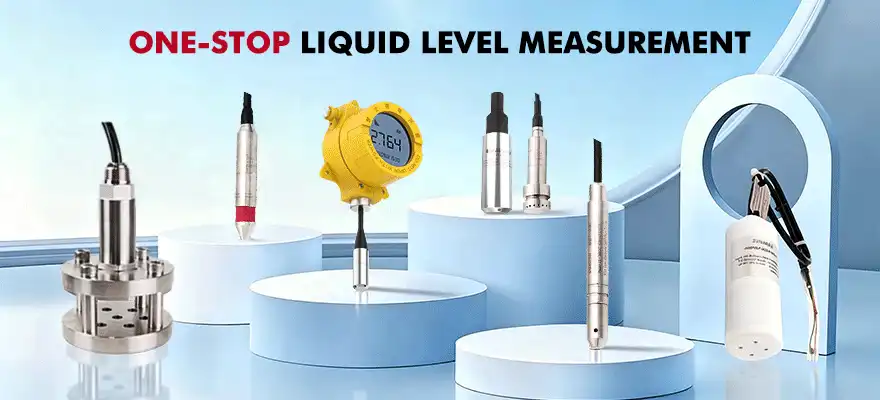
Devices that measure liquid levels are the building blocks of process automation in many fields. These industrial water level sensors measure the amount of fluid in a system and send that information to control systems. This lets systems keep accurate records and act automatically. The technology behind these gadgets is very different, and each one has its own benefits that depend on the needs of the application.
Hydrostatic Pressure Sensors
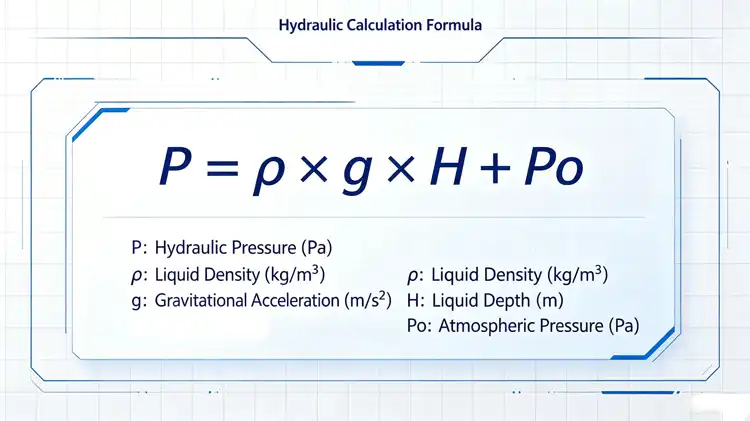
Submersible pressure monitors work on a simple idea: the height of the liquid is directly related to the atmospheric pressure. When these things are submerged in a tank or storage, they measure the pressure of the fluid column above them. The formula for the calculation is P = ρ × g × H + Po, where ρ is the density of the liquid, g is the force due to gravity, H is the depth of the sensor, and Po is the pressure in the air. This technology gives accuracy down to the millimeter level for all kinds of liquids, from clean water to thick industrial fluids. When it comes to corrosion-resistant conditions, like chlorinated water in swimming pools and acidic solutions in chemical processing plants, stainless steel building, especially 316L grade, is the best.
Ultrasonic Level Sensors
Sound waves are used in non-contact ultrasound technology to find out how much liquid is in a container without submerging the container. Time-of-flight readings are used to figure out how far away something is by sending out high-frequency pulses that bounce off the top of the liquid. This method gets rid of the worry of sensor fouling, which makes it perfect for liquids that are thick, acidic, or dirty and would damage contact-based devices. Real-time tracking is only possible with fast response times, which is very important in flood control systems and rapid-filling uses. An additional benefit is that sensors can be installed in a variety of ways. For example, they can be mounted on top of tanks or containers without requiring complicated wiring changes. But thick foam can mess up ultrasonic readings; radar devices work better when this happens.

Capacitive Level Sensors
Capacitive technology checks the amount of liquid by looking for changes in the electrical capacitance between the sensor electrode and the reference electrode. Capacitance goes up in the same way that the liquid lifts and covers more of the probe. These sensors work best in solid liquids where accurate detection is important. However, over time, electrode rust may mean that they need to be cleaned or re-calibrated. This method is good for finding small changes in levels inside containers, and it works reliably in controlled settings.
Float Switches
Usually, float systems depend on physical movement to set off switches at certain levels. These devices are easy to use and don't cost much, but they aren't as accurate or long-lasting as current electronic monitors. They work well for simple tasks where exact measures aren't necessary, but they may need to be serviced more often because of mechanical wear. Accurate level reading is needed for safety, economy, and following the rules in many fields, from treating wastewater to working in the oil field. Chemical plants need sensors that don't rust, while pharmaceutical companies need sensors that are clean and don't get contaminated. Knowing these differences helps buyers match the powers of sensors to the needs of their operations.
Key Factors to Consider When Buying Industrial Water Level Sensors Online
To choose the right level measurement tools, you need to carefully look at a number of scientific and financial factors. Buyers have to find a mix between performance needs and price limits while also making sure they can rely on the supplier. Selecting an industrial water level sensor demands systematic evaluation of multiple technical and commercial parameters.
Defining Application Parameters
The size of the tank, the qualities of the liquid, and the weather all have a direct effect on the choice of monitor. For example, measurement values for a 50-meter water container are different from those for a 2-meter chemical mixing tank. Sensor compatibility is affected by the density of the liquid, changes in temperature, and the presence of solids or foam. For swimming pool level monitoring, devices must be able to handle chlorinated water and still be accurate to the millimeter. High-rise buildings that use constant-pressure water supply systems need monitors that can respond quickly and send stable signals so that the pressure stays the same.
Communication and Integration Requirements
Smart control systems in modern factories use sensors to keep things running smoothly. Standardized data outputs are needed for Programmable Logic Controllers (PLCs) and Supervisory Control and Data Acquisition (SCADA) systems to work together. You can use 4-20mA analog signals, RS485 digital standards, or LoRa, GPRS, NB-IoT, or 4G networks for wireless IoT connection. The GLT500 underwater water level monitor sends out standard industrial signals that can be used with a wide range of control systems. It can automatically adjust for temperature changes and fix digital circuits that have been programmed. Different petrochemical, pharmaceutical, and water conservation projects have different integrated needs that can be met by different signal output choices.
| GLT500 Submersible Level Sensor | |
| Pressure range | 0~1m...200mH20 |
| Output signal | 4~20mA 0~5V 1~5V 0.5~4.5V 0~10V RS485 |
| Power supply | 5V,12~30VDC |
| Operating temperature range | -30~80℃ |
| Comprehensive error | ±0.5%FS(standard), ±0.25%FS |
| Medium compatible | Compatible with 316L SS of all kinds of medium |
| Protection | IP68 |
Supplier Credibility and Support
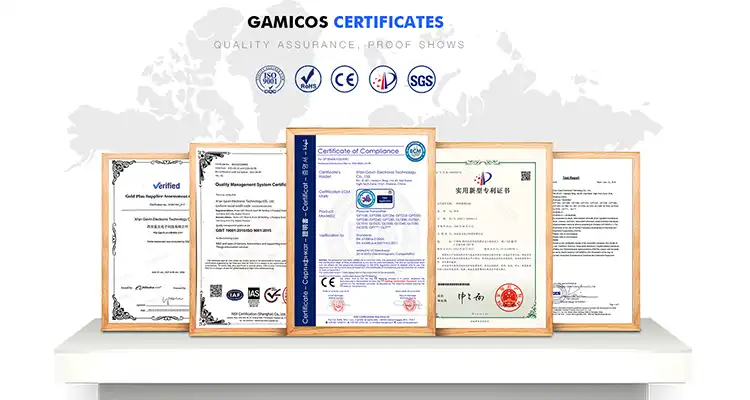
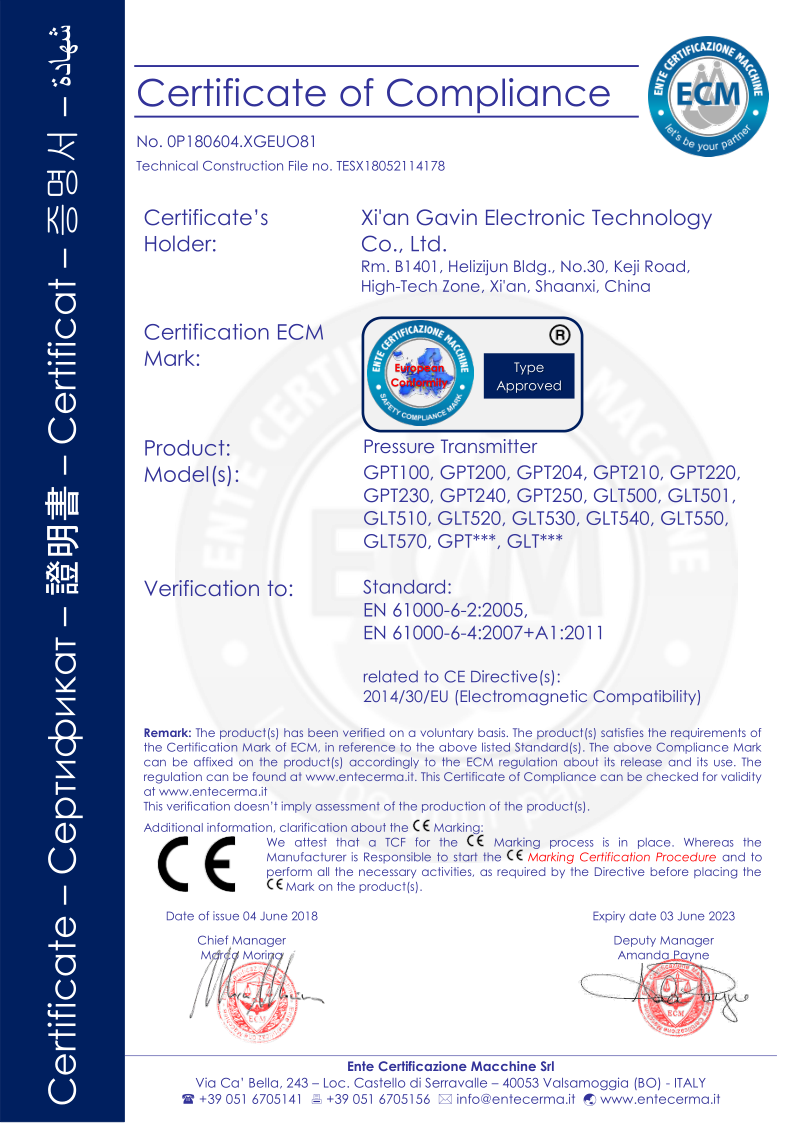
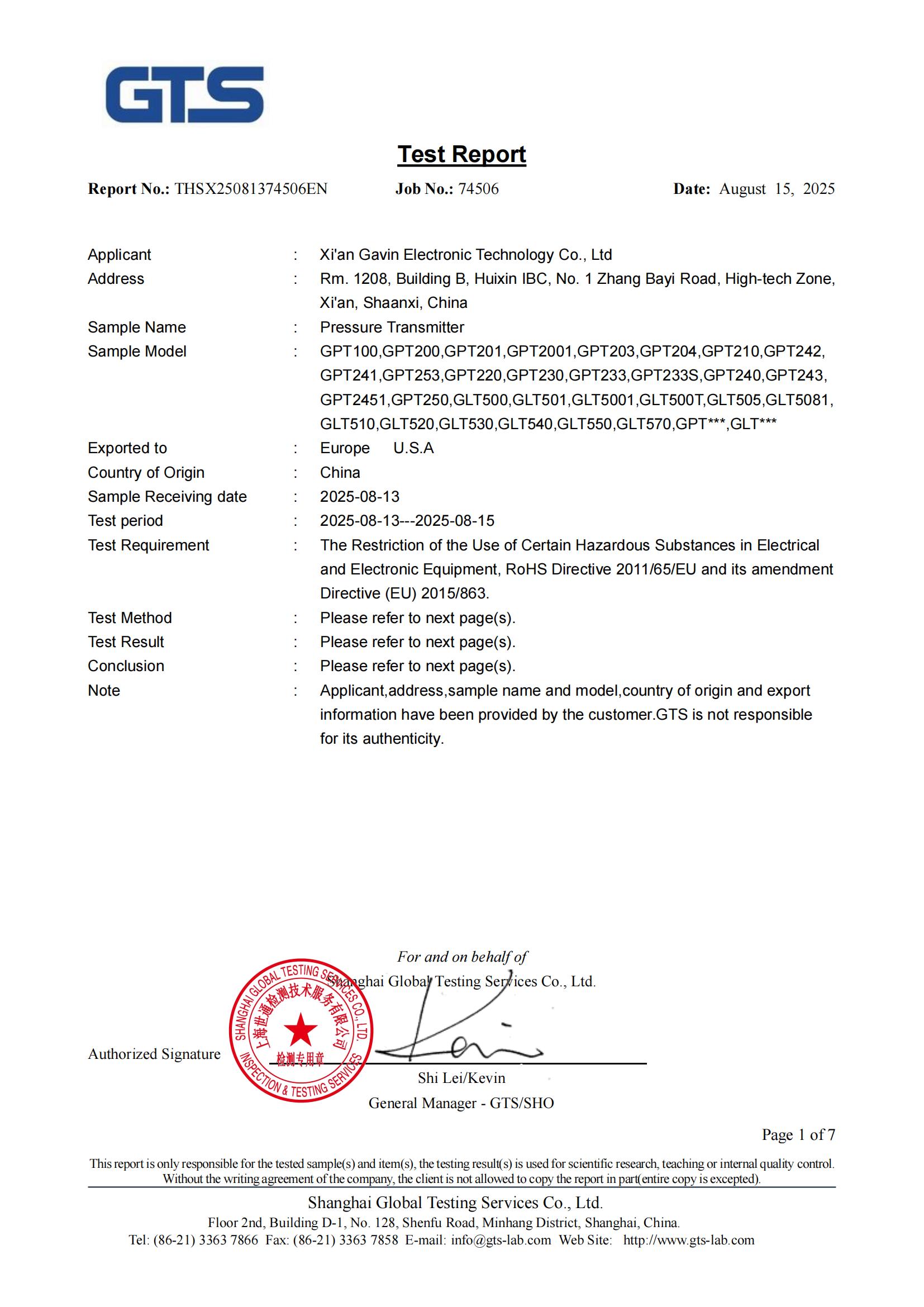
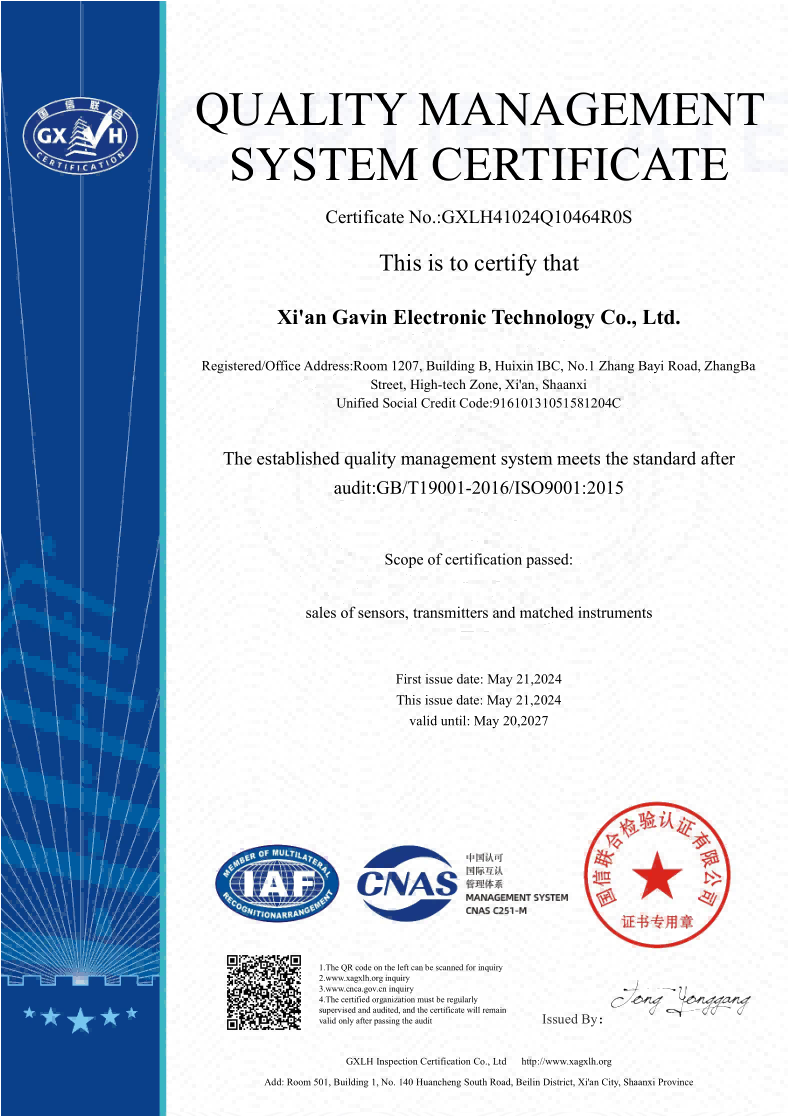
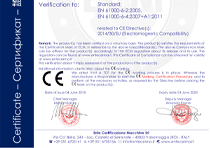
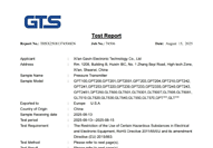
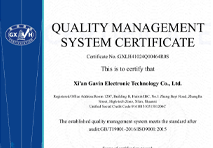
Checking the skills of suppliers guards against getting low-quality goods or service that you can'rely on. Check for certificates like CE, RoHS, and ISO compliance, which show that the product meets international quality standards. Testimonials and case studies from real customers show how well a provider works and how quickly they respond to requests. Full expert support helps with choosing the right product, installing it, and fixing problems. Warranty terms and promises of service after the sale show that the seller is sure the product will last. When suppliers offer OEM and ODM customization services, they show that they can adapt to different application needs, such as those for specialized wire materials or custom housing designs.
Quality Assurance and Durability
Multiple layers of cover make sensors last longer in harsh circumstances. The GLT500 is built from all stainless steel and has fully waterproof sealed circuit technology, so it will last in harsh settings. Anti-clogging liquid entry designs and pressure vent holes keep debris from building up, which extends the life of the system. Different types of cables, such as those that are resistant to wear, oil, and acid-alkali, are available to meet a range of application needs. Even in harsh situations, high-strength venting wires keep correct atmospheric pressure adjustment.
Comparing Popular Industrial Water Level Sensor Solutions
In different working settings, different measurement methods work best. By knowing their various strengths, you can choose the best industrial water level sensors that meet your scientific and financial needs.
Ultrasonic Versus Submersible Pressure Sensors
Ultrasonic sensors are better than touch-based sensors for measuring things that are acidic or dirty, where touching something could be dangerous. People who want simple setup will like how easy they are to set up and how little care they need. But things in the surroundings, like changes in temperature, humidity, and direct sunlight, can make measurements less accurate. Vapor and humidity can get in the way of data transfer. When used in safe liquid settings, submersible pressure monitors are more reliable. Because they have a simple structure with no moving parts, they are very reliable and require little upkeep over long periods of time. Different tank depths can be measured from 1 to 200 meters, and unique levels can also be made. The technology can accurately measure a wide range of liquids, from water to thick pastes. It doesn't care if the measured media foam, settle, or have different electrical properties. The service life is usually 4-5 years in regular situations and 2–3 years in harsh settings, so it's a great investment in the long run.
Capacitive Sensors for Specialized Applications
Capacitive sensors can accurately measure the amount of a liquid when it is clean and stable and there is no risk of contamination from direct touch. They work well in situations where a high level of awareness to small changes in the signal is needed, but electrode upkeep is always a concern. This technology works well in smaller cases where other types of sensors can't fit because of lack of room.
Cost and Performance Balance
To get the best budget, you need to look at how tough the sensors are, how much power they use, and the total cost of ownership. Long-term costs are affected by things like how hard it is to install, how often it needs to be maintained, and how long it is expected to last. Because they last longer and don't need as much upkeep, submersible pressure sensors often have lower overall costs, even if they cost more up front. In dirty places, ultrasonic sensors may need to be cleaned and re-calibrated on a regular basis, which can add to the costs of running the business. The standards for measurement accuracy must match the performance specs. For tasks that need accuracy down to the millimeter level, you need high-quality pressure monitors that can adjust for temperature. For uses that aren't as important, simpler technologies may work just fine, saving money without lowering operating safety.
How to Navigate the Online Buying Process for Industrial Water Level Sensors?
To successfully buy industrial water level sensors online, you need to carefully evaluate suppliers, communicate clear specifications, and plan your processes.
Verifying Supplier Credentials
Suppliers with a good reputation keep clear records of their quality control and certifications. Look for inspection papers from reputable measurement organizations that were written by a third party. Look at customer case studies from related industries. For example, if you run a sewer treatment plant, look at what other suppliers have done in that field. Established sellers with a long history of exporting show that they are good at foreign paperwork and shipping. GAMICOS has users in more than 100 countries, such as the US, Germany, Australia, and Brazil. It is a good example of the global reach and dependability that careful buyers should look for.
Specifying Custom Requirements
OEM and ODM services let you make solutions that are perfect for your specific wants. Include things like the measurement range, the length and material make-up of the wire, the attaching tools, the type of signal output, and any special coatings or materials that need to be chemically compatible. Specifications that are very detailed keep people from getting confused and make sure that the goods that are delivered work well with other systems. During the quotation phase, ask for technical models and proof of compliance.
Understanding Lead Times and Logistics
Manufacturing plans change based on how complicated the design is and how many orders there are. Standard types can be sent out within days, but special sensors take a few weeks. Make sure you understand when things will be made, how they will be shipped, and what paperwork is needed to get them through customs. Reliable providers give you tracking information and let you know ahead of time if there are any delays. Installation problems can be avoided by coordinating supply times with project goals.
Wholesale and Volume Pricing
Large projects get savings and better terms because of their size. Talk about how to set prices for large sales and make deals for long-term supply needs. When two companies work together for a long time, they can usually get better prices, more flexible scheduling, and better technology help. Buyers who are in charge of multiple sites or projects that come up over and over again should discuss terms that reward loyalty and make buying more reliable.
Installation, Maintenance, and Troubleshooting Tips for Industrial Water Level Sensors
When industrial water level sensors are set up and maintained correctly, they work better, are more accurate, and last longer. By following best practices in your business, you can avoid common problems and lower your total cost of ownership.
Installation Best Practices
For stable results, submersible pressure monitors need to be mounted securely at the right depths. Don't put yourself near the places where the tank enters and exits, as turbulence could change your measures. Cable placement should keep them from getting strained or worn down. In areas with a lot of foot traffic, use safety tubes. To keep correct atmospheric pressure adjustment, make sure that the venting tubes stay clear and unblocked. To keep echos from getting messed up, mount ultrasonic devices so that they are perpendicular to the top of the liquid and not touching any walls. Make sure that the electrical connections are made according to the manufacturer's instructions and the rules in your area.
Routine Maintenance Procedures
Regular inspections keep sensors accurate and extend their life. Cleaning submersible sensors on a regular basis is helpful to get rid of dirt or bacterial growth, especially when they are used in wastewater. Check the stability of the wire for damage or wear, and quickly replace any worn parts. Check the correctness of the signal output by calibrating it against known reference values on a regular basis. Most good devices stay calibrated for a long time, but in important situations, they should be checked once a year. Clean the faces of ultrasonic sensors to get rid of any dust or moisture that could stop signals from going through.
Troubleshooting Common Issues
Signal drift is often a sign of sensor fouling, wire damage, or the wearing down of electrical parts. Many motion problems can be fixed by cleaning the sensor surfaces and making sure the electrical connections are solid. Electrical interference can cause readings to be off; make sure the grounding is correct and hide signal wires when they are in an area with a lot of electrical noise. Extreme temperatures can affect the accuracy of sensors if the automatic adjustment fails. Make sure the compensation circuitry works properly and think about moving to sensors that can handle a wider range of temperatures. Zero shift mistakes usually need to be re-calibrated by following the manufacturer's instructions.
Conclusion
When you buy industrial water level sensors online, you need to pay close attention to the application needs, the sensor technology you choose, and how well the seller meets those needs. By knowing how underwater pressure, ultrasonic, and capacitive sensors work, buyers can choose the right technologies for their needs based on the surroundings and the level of accuracy they need. Buying things online comes with some risks, but they can be lessened by looking at sellers' certifications, ability to customize products, and customer service after the sale. The GLT500 underwater water level sensor is a great example of modern sensor design.
It is made of durable stainless steel, automatically adjusts to different temperatures, and can be set up in a number of different ways to suit a wide range of applications, from wastewater treatment to industrial operations. Sensors last longer and keep their accuracy when they are installed correctly, maintained regularly, and troubleshooted in a planned way. When sourcing managers, engineering teams, and project leaders follow this structured method, they can safely find reliable level measurement solutions that improve business efficiency and safety compliance.
FAQ
Q1:What measurement range do I need for my application?
A: It depends on how deep the tank is and how much space is needed above it. For most commercial uses, lengths of 1 to 10 meters are enough for normal tanks and reservoirs. Deeper sites, like wells or big water holding tanks, need sensors that can work at depths of 20 to 200 meters. The GLT500 has a number of different pressure ranges to fit different depths, and custom ranges can be made for specific uses. Remember to think about future growth needs when choosing a range so that you don't have to replace it too soon.
Q2: How do submersible sensors perform in chemically aggressive environments?
A: Building with stainless steel, especially 316L grade, is very resistant to many acidic liquids, such as acids, alkalis, and chlorine water. The GLT500 has special cable choices made from materials that are resistant to acid and alkali, so they will last longer in harsh chemical conditions. But when people order, they should be sure to include the exact chemical compositions to make sure the materials will work together. This is because some violent substances may need extra protective layers or different house materials.
Q3: What is typical lead time for custom sensor orders?
A: Standard models usually ship between 5 and 7 business days, but unique designs that need special wires, mounting tools, or measurement ranges take between 2 and 4 weeks to make and test for quality. Depending on production ability, orders for a lot of items may make wait times longer. Setting clear deadlines during the quote process makes sure that delivery fits in with the project's plans.
Partner with GAMICOS for Reliable Industrial Water Level Sensor Solutions
GAMICOS offers highly accurate measuring tools backed by a full range of expert support and customization services. The GLT500 submersible water level monitor uses silicon piezoresistive sensor technology and comes with automatic temperature adjustment, programmable digital correction, and multiple layers of safety made for harsh industrial settings. We are a top company that makes industrial water level sensor manufacturer. We work with petrochemical plants, pharmaceutical plants, wastewater treatment plants, and constant-pressure water supply systems all over North America, Europe, and Asia.
Our engineering team is here to help you choose the best sensor configurations for your needs, whether you need special cable materials for harsh conditions, custom measurement ranges, or the ability to connect to existing SCADA systems. GAMICOS goods meet international standards and are priced competitively for large sales. They have CE, RoHS, and ISO certifications, and quality checks from well-known metrology institutions.
Sourcing managers, engineering directors, and project leaders can email our team at info@gamicos.com to get specific technical help and quotes that are made to fit your measurement needs. Experience the dependability of sensors that are used by thousands of customers in over 100 countries. They come with quick customer service and open OEM/ODM services that raise the value of your brand.
References
1. Chen, W. & Liu, H. (2021). Industrial Liquid Level Measurement Technologies: Principles and Applications. International Journal of Process Control Engineering, 15(3), 234-251.
2. Morrison, R. (2022). Submersible Pressure Sensors in Water Management Systems. Water & Wastewater Technology Press.
3. Thompson, J. & Anderson, K. (2020). Ultrasonic versus Hydrostatic Level Measurement: A Comparative Analysis. Industrial Automation Review, 28(7), 89-104.
4. European Committee for Standardization (2023). Level Measurement Devices: Safety and Performance Standards. EN Standards Documentation Series.
5. Singh, P. (2022). Corrosion Resistance in Industrial Sensors: Materials and Design Considerations. Materials Science in Instrumentation Quarterly, 19(2), 167-183.
6. Williams, D. & Zhang, L. (2021). B2B Procurement Strategies for Industrial Measurement Equipment. Supply Chain Management in Process Industries, 12(4), 312-329.

Halen
With over 12 years of experience in fluid sensing technology, Halen specializes in helping clients select and optimize oil level sensors for a wide range of industries—including automotive, marine, heavy machinery, and energy.
We're here to help — submit your request anytime!
Let us know how we can help solve your pressure level measurement challenge.
_1757930850792.jpg)
Recommended Blog
Key Features to Look for in Submersible Level Transducers
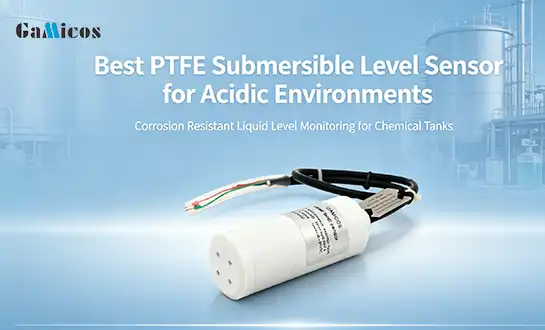
Best PTFE Submersible Level Sensor for Acidic Environments
GLT570 Submersible Pressure Transducer for Harsh Chemicals
Why 16mm Small Probe Sensors Are Ideal for Deep Wells
Key Features to Look for in Submersible Level Transducers
Best PTFE Submersible Level Sensor for Acidic Environments
GLT570 Submersible Pressure Transducer for Harsh Chemicals