Key Features to Look for in Submersible Level Transducers
Understanding Submersible Level Transducers and Their Importance in Well Water Monitoring
- Understanding Submersible Level Transducers and Their Importance in Well Water Monitoring
- Key Features to Evaluate When Choosing Submersible Level Transducers
- Comparing Top Submersible Level Transducers for Well Water Depth Measurement in 2026
- Best Practices for Installation, Calibration, and Maintenance of Submersible Level Transducers
- How to Choose the Right Submersible Level Transducer for Your Procurement Needs?
- Conclusion
- FAQ
- Partner with GAMICOS for Reliable Well Water Depth Sensor Solutions
- References
When procurement teams choose submersible level sensors for industrial well tracking, they have to make important choices that have a direct effect on the accuracy of the measurements, the life of the system, and how well it works. A well water depth sensor needs to be accurate even when it's submerged, which can be hard to do, and it also needs to work with current automation systems without any problems. Knowing which technical factors really count, like how the sensors are built, how accurate the measurements are, the communication methods used, and how well they can handle the environment, is what separates successful installations from time-consuming and expensive troubleshooting processes. This guide helps engineering managers, sourcing professionals, and project leaders carefully evaluate submersible transducers. This way, you can be sure that your investment meets both short-term operating needs and long-term reliability standards.

Understanding Submersible Level Transducers and Their Importance in Well Water Monitoring
Submersible level sensors are precise devices that measure the depth of a liquid by turning hydraulic pressure into standard electrical signals. Unlike ultrasonic sensors that are fixed on the surface or external pressure devices, these transducers work completely underwater, picking up changes in pressure at specific levels to figure out the exact heights of the water column. This operating principle works very well in deep wells where other measurement methods have trouble because of foam, turbulence, or air interference.
Why Submersible Technology Outperforms Alternative Measurement Methods?
Some of the best things about underwater transducers become clear when you look at how well different sensor technologies work. Ultrasonic devices need clear signal lines and can get it wrong when the temperature changes or when they're measuring liquids that have foam on them. Even though radar level devices work well for big tanks, they are usually too expensive for simple well monitoring tasks. These problems are solved by submersible sensors, which measure pressure directly at the source. This means that the data is always the same, no matter what the surface conditions or atmospheric factors are.
Critical Role in Industrial Water Resource Management
In many business areas, accurate data on liquid levels is necessary for important business results. Water companies need to keep an eye on groundwater all the time to make sure they're getting the most out of it and not depleting aquifers. To keep storage pressure steady, oil and gas companies need accurate measurements in injection wells. Chemical processing plants keep an eye on storage wells to make sure they have enough raw materials and don't overflow. Each application needs accurate measurement data that helps with making proactive decisions instead of reactive disaster management.
Economic Impact of Measurement Accuracy on Operations
Studies on industrial automation show that even a 1% error in measurements can cause practical cost differences of more than $50,000 per site per year in large-scale water management systems. These losses are kept to a minimum by high-precision underwater sensors like the well water depth sensor, which provide measurement accuracy within ±0.1% to ±0.5% of full scale. This allows for better process control, less waste, and better use of resources. This accuracy has a direct effect on the purchase return on investment, which is why high-end sensor specs are needed for important tasks.
Key Features to Evaluate When Choosing Submersible Level Transducers
To choose the right underwater sensors, you need to carefully look at their technical specs and make sure they meet the needs of your application. It depends on the following factors whether a monitor will work reliably over time or become an upkeep headache.
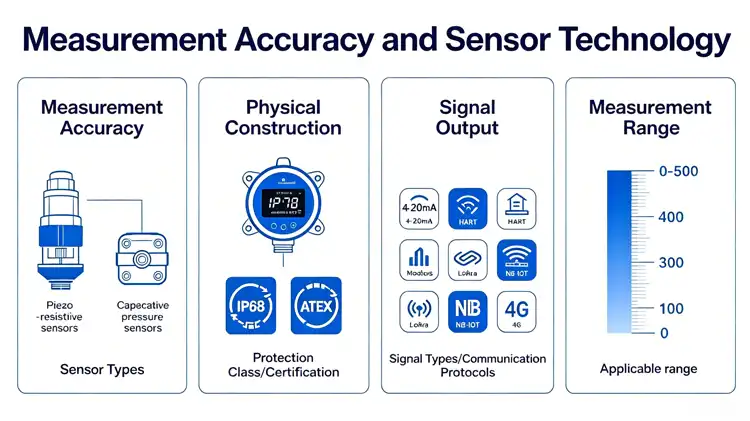
Measurement Accuracy and Sensor Technology
Specifications for accuracy describe how closely sensor readings match up with real liquid amounts when conditions are stable. For industrial uses, accuracy levels usually need to be between ±0.1%FS for precise pharmaceutical processes and ±0.5%FS for general tracking of water storage. Some of the best things about different instrument systems are:
Piezo-resistive sensors use silicon diaphragms that have resistive elements built in that change their electrical properties when they are pressed. This technology is widely used in industry because it is very stable at high temperatures, small, and cheap. The GLT530 and other similar devices use piezo-resistive elements inside fully welded stainless steel housings to get precision scores of ±0.1%FS across measurement ranges from 1 to 500 meters of water column.
Capacitive pressure sensors check for changes in the dielectric between two electrical plates that are divided by materials that react to pressure. These sensors work great in places that are very acidic and where piezo-resistive designs have trouble being compatible with chemicals. Long-term performance is stable with this technology, but it usually costs more to buy at first.
These differences in technology help engineering teams match sensor design to the environment and budget, making sure that requirements fit real working needs instead of being too specific.
Physical Construction and Environmental Protection
Industrial-grade sensors are more durable in harsh well settings than consumer-level devices. Standard designs have a probe diameter of 25–38 mm, but specialty small-diameter sensors like the GLT530 have profiles of 16–19 mm that are good for narrow monitoring wells or existing infrastructure that is hard to get to. The choice of material directly affects how well it resists rust and how long it lasts. When building with Grade 316L stainless steel, it doesn't react with salt in brackish water, and titanium metals can handle harsh chemicals in industrial process wells.
Ratings for environmental security describe how submersible something is and how well it keeps water out. IP68 certification means that it can be submerged continuously in water up to 1 meter deep, and ATEX certification means that it can be used in possibly explosive environments close to oil activities. Equal attention should be paid to the design of the cables. Polyurethane jackets protect against wear and UV damage, and vented cables stop measurement mistakes caused by changes in atmospheric pressure during sensor fall.
Signal Output and the Ability to Integrate Systems
Field tools and centralized control systems must work together smoothly in modern industrial setups. Current output signals are still the standard for long-distance transfer in industry. 4-20mA two-wire versions are the most common because they are immune to noise and don't require much wiring. This analog format sends both measurement data and diagnosis data over a single pair of cables, which makes installation easier and saves money on materials.
The 0-5VDC and 0-10VDC voltage output choices work well for shorter cable runs where loop power configurations are not realistic. Digital connection methods like HART, Modbus RTU, and RS485 make it possible for advanced diagnostics, remote setup, and network topologies with multiple drops. Wireless transducers that use LoRa, NB-IoT, or 4G connection get rid of the need for cables completely, but they also bring up issues with power management and possible communication failure issues in rural areas. Specifications for purchases should strike a balance between how easy it is to install right away and how much upkeep and system growth are needed in the long run.
Measurement Range and Application Suitability
The transducer's measurement range needs to include the expected changes in liquid level plus a safe amount of room for unexpected working conditions. When you specify a range that is too small, the sensors get saturated and you lose data during peak level events. When you specify a range that is too large, you lose accuracy and precision. The well water depth sensor platform can be set to work with water depths from 0 to 500 meters, so it can be used for both small monitoring wells and deep geothermal boreholes. This makes it easier to buy things for projects that involve wells of different depths, and it also makes it easier to keep track of extra parts and do upkeep.
Comparing Top Submersible Level Transducers for Well Water Depth Measurement in 2026
At the moment, the market offers many choices that balance efficiency, licensing requirements, and financial terms. Knowing how the best products differ helps procurement teams figure out what vendors can do and work out good supply deals.
Performance Benchmarks Across Leading Manufacturers
Internationally known names like Honeywell, Siemens, and OMEGA have strong reputations for measuring accuracy and offer a lot of application tech support. These companies usually charge high prices for their goods because they have a lot of certifications, global service networks, and a history of success in important situations. More and more, new technology providers are offering affordable alternatives with similar technical specs at much lower unit costs. These are especially appealing for bulk purchases or OEM integration situations.
This competitive stance is shown by the GLT530 small-diameter underwater transducer. The device is confirmed to be accurate within ±0.1%FS to ±0.5%FS, has measurement ranges for the 1–500m water column, and is fully compliant with CE, RoHS, and ATEX. It meets or exceeds the standards expected of high-end goods. The small (16–19 mm) diameter of the probe makes it possible to place it in monitoring wells that are too narrow for normal sensors. Non-polar two-wire current output makes installation easier because there are no worries about polarity when connecting in the field.
Evaluating Wireless Versus Wired Deployment Options
Wireless underwater sensors are useful in situations where wiring is either too expensive or not possible. Getting rid of cable infrastructure is good for tracking temporary building sites, remote agricultural wells, and environmental sampling that is spread out. Modern wireless devices can measure things almost as accurately as their wired counterparts, but procurement teams need to carefully weigh the practical needs against the battery life, communication range, and data transfer frequency. Wired transducers are still the best choice for fixed industrial setups that need real-time data all the time, reliable contact, and the ability to work for an endless amount of time without needing to be charged. The money spent on infrastructure like cables pays off because it's no longer necessary to change batteries and measuring update rates are better, which supports closed-loop process control.
Certification Requirements and Supplier Credentials
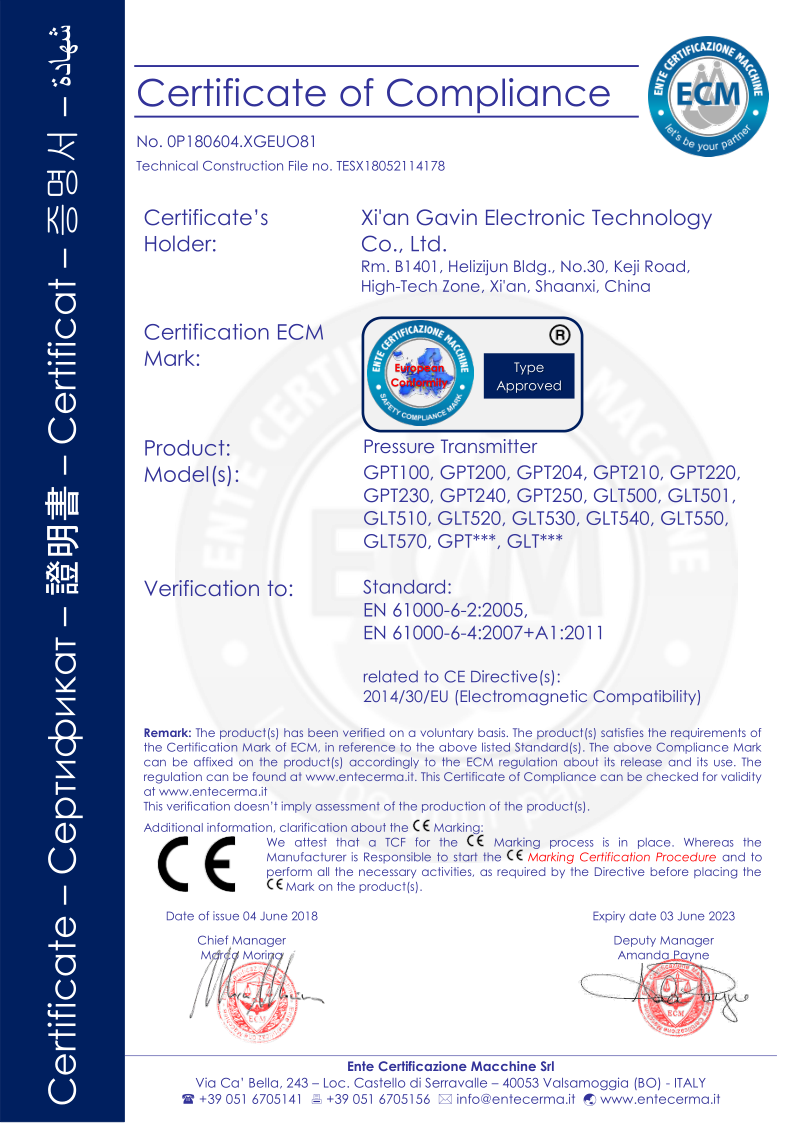
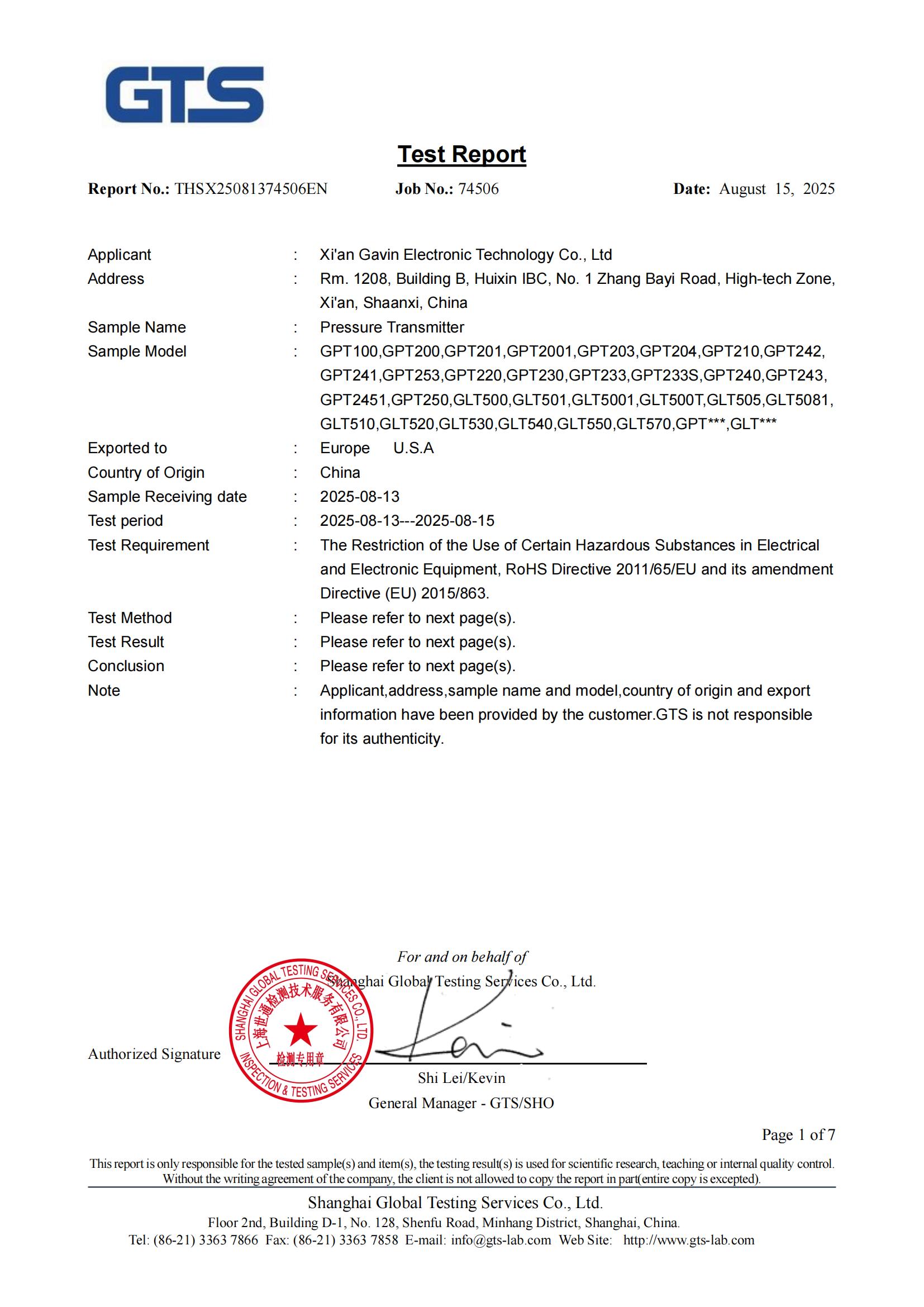
International certification compliance has a direct effect on the ability of controlled businesses and overseas markets to buy things. The CE mark shows that the product meets European standards for health, safety, and the environment. RoHS certification shows that banned substances are being used correctly, which is something that global companies are being forced to do more and more as part of their supply chain environmental policies. When sensors are put in places that are dangerous or explosive, like food, chemical, and oil storage facilities, they need to be ATEX certified.
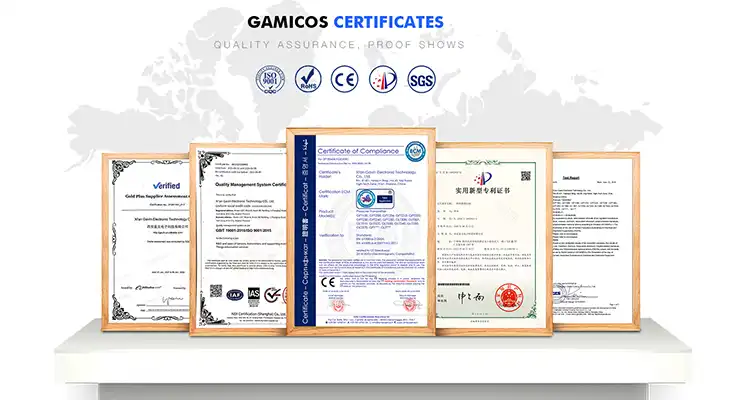
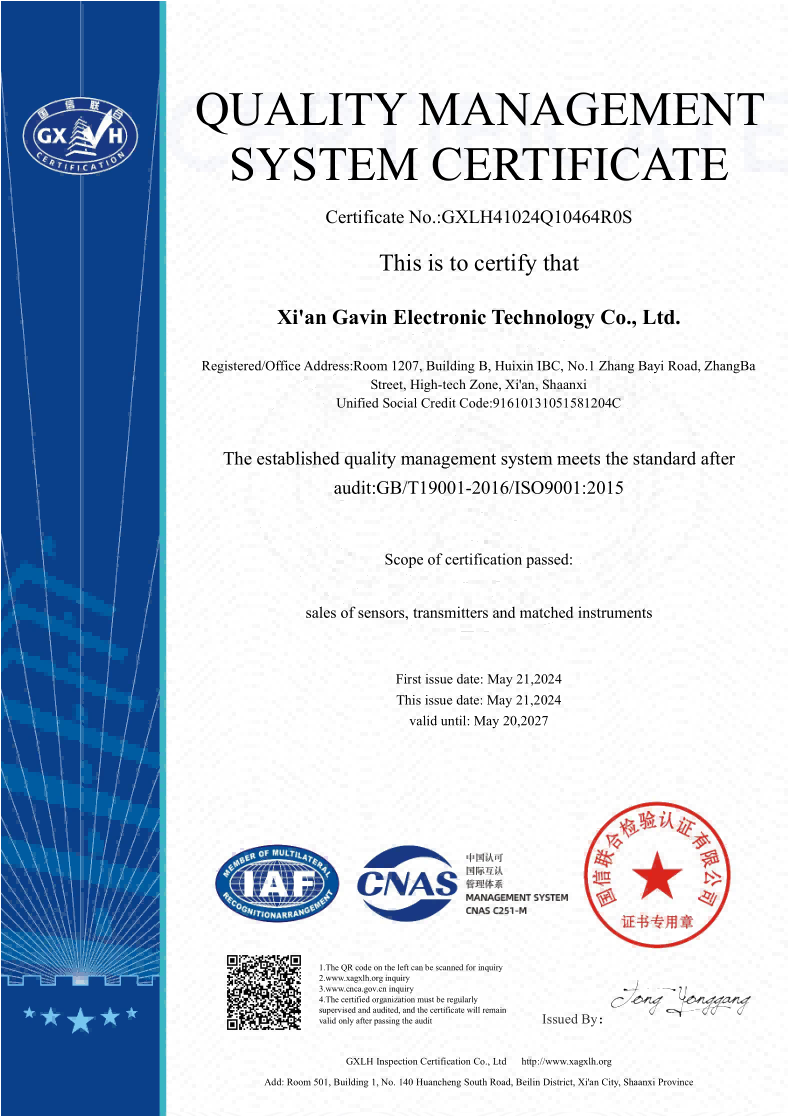
In addition to product certifications, the qualifications of the seller should also be carefully looked over. Having an ISO 9001 quality management certification means that there are systematic rules in place for manufacturing and written methods for quality assurance. Trustworthy measurements and following audit rules are made possible by third-party calibration certificates that can be traced back to national metrology standards. Well-known companies keep calibration labs with weather controls and reference standards that meet international metrological standards. This way, devices ship with confirmed accuracy specifications instead of just counting on production testing.
Best Practices for Installation, Calibration, and Maintenance of Submersible Level Transducers
Following the right steps for rollout will increase the accuracy of measurements and the life of the system while reducing the need for troubleshooting and unexpected repair.
Installation Methodology for Optimal Performance
Careful site preparation and wire management are the first steps to a successful installation of a well water depth sensor. Instead of touching the walls of the well case, which can cause measurement noise through mechanical shaking, transducers should be free to move within the column of the well using cable strain relief that is built in. Cable connection points need to be securely anchored to keep sensors from falling and to allow for thermal expansion when temperatures change with the seasons. When you route cables correctly, you can avoid sharp turns that go beyond the minimum bend radius and damage the insulation on the conductors or the paths for vented tubes.
The amount of immersion has a big effect on how well measurements work. When sensors are put near the bottom of wells, dirt can build up on the diaphragms, which can lead to measurement drift and, eventually, sensor failure. The best place for the transducer is in the middle third of the normal range of levels. This makes sure that it is fully submerged when the water level is low and stays away from sediment zones. Vented cable terminations must stay above the highest amount of water that can be anticipated and must be sealed in a way that keeps water out and doesn't change the atmospheric pressure reference.
Calibration Protocols and Frequency Requirements
Factory calibration gives you a basic level of accuracy, but field verification makes sure the work was done right and sets performance standards for ongoing upkeep. As part of the initial commissioning process, the sensor output should be checked against certified reference readings that cover the predicted working range at multiple points. Before systems are put into production service, this process finds problems with installation, communication, or damage that happened during shipping. The frequency of ongoing calibration relies on how important the application is and how harsh the working environment is. Monitoring of municipal water supplies usually requires an annual check to make sure that measurement accuracy rules are being followed. Based on past stable data, calibration times are often pushed back to 12 to 18 months for industrial process uses that use clean water. Corrosive or sediment-filled surroundings need to be checked every three months and calibrated every six months to find errors before they get too big of a problem.
Preventive Maintenance Strategies
Regular repair makes sensors last longer and keeps them from breaking down when they're needed most. Visual checks every three months find problems like damaged cables, corroded connectors, or unusual silt buildup that needs to be fixed. Cleaning sensing diaphragms once a year gets rid of mineral buildup and biological growth without hurting the protection layers or mechanical seals. For proper cleaning, light acidic solutions made for stainless steel should be used instead of rough methods that damage surfaces and speed up rust.
Monitoring diagnostic signs lets you know early on when problems are starting to happen. Gradual output shift outside of testing intervals is a sign of diaphragm fouling or seal wear. Readings that aren't stable could mean that the cables are damaged, water is getting in, or there is electrical interference from nearby equipment. By keeping track of these trends, you can change sensors before they break during scheduled repair windows instead of having to do it on the spot during production. Keeping an inventory of spare sensors that are matched to the installed base makes it possible to replace them quickly, which limits the disruption to production.
How to Choose the Right Submersible Level Transducer for Your Procurement Needs?
When making strategic buying choices, you have to weigh technical needs against business factors like total cost of ownership, supplier skills, and the availability of long-term support.
Defining Application-Specific Requirements
Instead of starting with the highest performance that is available, a good sensor specification for a well water depth sensor starts with writing down the actual operational needs. The measurement range should include the predicted level changes plus an extra 20% to account for unusual situations, without being too detailed, which lowers the resolution. The need for accuracy comes from the need for process control. For example, closed-loop pump control has stricter requirements than simple high/low warning features. Material choice and safety scores are greatly affected by environmental factors. When watching groundwater at a neutral pH, cheap 316L stainless steel construction can be used. But when tracking acidic mine drainage, better materials or protective coats are needed. Extreme temperatures have an effect on sensor electronics and wire materials. This is especially important for geothermal systems or systems that freeze and thaw every winter and spring.
Budget Optimization Without Compromising Quality
Effective buying weighs the initial cost of purchasing against the costs of ownership over time, such as the time it takes to install and calibrate the item and how long it is expected to last. Premium-priced sensors from well-known brands justify their higher unit costs with longer warranties, better technical support, and a track record of reliability that lowers the cost of maintenance. Value-tier goods from reputable makers are a great deal for uses that can handle standard accuracy requirements and basic feature sets.
Through quantity savings and negotiated supply agreements, volume buying can cut costs by a large amount. Standardization makes it easier to handle spare parts and train people in upkeep, which is helpful for projects that use a lot of identical sensors. OEM customers who put sensors in equipment can get the best prices by using customization programs that change the specs, packing, and paperwork to exactly what the customer needs while getting rid of features that aren't needed and drive up costs.
Supplier Evaluation Criteria
Long-term procurement success relies on both the skills of the seller and the details of the product. The ability to meet project deadlines for large orders depends on the manufacturing capacity. This is especially important for installations that happen in stages or during certain times of the year. Response times for technical help, calibration services, and guarantee support are affected by the geography of the support infrastructure. When compared to centralized repair facilities that need longer shipping times, suppliers with localized service centers have less equipment downtime.
Being able to customize gives OEM uses and specialized installs a competitive edge. Flexible makers handle custom wire lengths, modified signal outputs, special calibration ranges, and private marking without excessive minimum order numbers or extended lead times. This adaptability is especially useful when standard store goods don't exactly meet the needs of an application but full custom engineering is too expensive. GAMICOS shows these provider strengths by offering full OEM/ODM services that meet specific customer needs in terms of measurement range, probe diameter, output signals, and approval standards. The company's research team works closely with customers to make sure that the sensor's features match the conditions of the real application, rather than forcing designs to fit within the limits of the standard product.
Conclusion
It is important to carefully consider the accuracy of the measurements, the sturdiness of the construction, the ability to integrate with other systems, and the supplier's support infrastructure when choosing submersible level sensors. For a well water depth sensor, high-performance models like the GLT530 are very reliable in industrial settings because they are carefully designed, have all the necessary approvals, and can be customized in a number of ways to meet different needs. To do procurement right, you need to weigh technical requirements against total ownership costs and put supplier ties that support long-term operating success at the top of your list. Making smart choices based on the needs of each application, carefully evaluating suppliers, and lifetime cost analysis will make sure that measurement systems work well for a long time. The best way to get the most out of your sensor purchases is to work with expert manufacturers that offer technical advice and full support.
FAQ
Q1: How often should submersible level transducers be calibrated?
A: How often calibration is done relies on how important the product is and how bad the environment is. Regulatory compliance applications usually need to be checked once a year, but tracking an industrial process in clean water settings can go on for 12 to 18 months based on known stability trends. When there are harsh conditions like acidic liquids, a lot of silt, or very high or low temperatures, the calibration needs to be done more often—possibly every three months with a full calibration every six months. Setting a baseline for performance during commissioning helps figure out the best times for each location.
Q2: Do wireless submersible transducers match wired sensor accuracy?
A: Modern wireless sensors can measure things as accurately as wired ones. Their specs are usually within ±0.25% to ±0.5%FS, which is what is required by normal industry standards. The most important things to think about are connection reliability, battery life, and data transfer frequency, not the ability to measure things directly. When choosing a wireless solution for vital process control applications, it's important to think carefully about network coverage, power management, and accepted data update rates. Wireless solutions work great for remote areas and temporary installs.
Q3: What risks accompany low-quality submersible transducers?
A: Sensors that aren't up to par cause more problems than just the original cost saves. If the external protection isn't good enough, moisture can get in and cause electronics to fail early and measurements to drift. Poor materials speed up rust, which shortens the life of the equipment and could contaminate the liquids that are being watched. Poor quality control during manufacturing leads to inaccurate products that need to be re-calibrated often and eventually replaced. Total ownership costs go up because of these problems, which cause more repair work, stop production, and make process control less reliable. These risks can be avoided by buying certified goods from reputable makers, which come with full warranty security and a track record of reliability.
Partner with GAMICOS for Reliable Well Water Depth Sensor Solutions
GAMICOS is an expert in high-precision liquid level measurement technologies used in process control, environmental tracking, and industrial automation all over the world. Our GLT530 submersible level sensor is designed to meet the unique difficulties of deep well monitoring. It has a small 16-19mm probe, great accuracy from ±0.1%FS, and measurement ranges up to 500 meters of water column. Global compliance is ensured by full CE, RoHS, and ATEX certifications, and open OEM/ODM customization can meet the specific needs of each project, such as changing probe sizes, wire lengths, and private labeling programs.
As a well-known company that makes well water depth sensors, we help sourcing teams with every step of the project, from figuring out the initial specifications to helping with installation and providing ongoing testing services. When standard goods don't exactly meet the needs of an application, our tech staff works directly with customers to come up with custom solutions. Large-scale projects and phased installations can be supported by reliable shipping schedules and the ability to buy in bulk. Competitive volume price helps keep costs down without lowering quality standards. Get in touch with our technical team at info@gamicos.com to talk about your unique well monitoring needs and get detailed product suggestions that are tailored to your operational setting and performance goals.
References
1. Anderson, M.R. & Chen, L. (2023). Industrial Pressure Measurement: Technologies and Applications. Technical Publishing International.
2. European Committee for Standardization (2022). Pressure Transmitters for Industrial Process Control: Performance Specifications and Testing Protocols. CEN Technical Report 15839.
3. Hoffman, J.D. (2024). Submersible Level Sensing in Groundwater Monitoring: Best Practices and Case Studies. Journal of Hydrological Instrumentation, 41(3), 127-145.
4. International Society of Automation (2023). Recommended Practice for Installation and Calibration of Submersible Level Transmitters. ISA-RP51.1-2023.
5. Reynolds, T.K. & Patel, S.N. (2023). Comparative Analysis of Liquid Level Measurement Technologies for Industrial Applications. Instrumentation Science and Technology, 52(2), 201-228.
6. Zhang, W., Martinez, A. & O'Brien, K.P. (2024). Long-term Performance Evaluation of Submersible Pressure Transducers in Harsh Industrial Environments. Sensors and Actuators B: Chemical, 398, 134567.

Peter
Peter, Senior Sensor Technology Consultant, has 15-year industrial sensor R&D experience. He specializes in the end-to-end development of high-accuracy pressure and level sensors and he firmly believe, precision isn’t just a spec—it’s a promise.
We're here to help — submit your request anytime!
Let us know how we can help solve your pressure level measurement challenge.
_1757930850792.jpg)
Recommended Blog
What output signals do submersible level sensors typically provide?
What output signals do submersible level sensors typically provide?
What output signals do submersible level sensors typically provide?

How to Choose a Well Level Sensor for Deep-Bore Applications?
How to Choose a Well Level Sensor for Deep-Bore Applications?
How to Choose a Well Level Sensor for Deep-Bore Applications?