Guide to Ultrasonic Water Level Sensor Calibration
Understanding Ultrasonic Water Level Sensor Calibration
- Understanding Ultrasonic Water Level Sensor Calibration
- Step-by-Step Ultrasonic Water Level Sensor Calibration Guide
- Comparing Ultrasonic Sensor Calibration with Other Level Sensors
- Best Practices and Advanced Tips for Maintaining Ultrasonic Sensor Accuracy
- Procurement Insights: Choosing and Buying Calibrated Ultrasonic Water Level Sensors
- Conclusion
- FAQ
- Partner with GAMICOS for Precision Level Measurement
- References
Calibrating an ultrasonic water level sensor ensures accurate distance measurement by adjusting its readings to account for environmental factors like temperature, humidity, and installation conditions. The process involves setting a zero reference point at the sensor mounting position, establishing a span measurement at a known liquid surface distance, and verifying the output signal matches actual levels. Proper calibration eliminates measurement drift caused by sound velocity variations and signal interference, enabling reliable non-contact level monitoring in tanks, reservoirs, and industrial process vessels where precision directly impacts operational efficiency and safety.
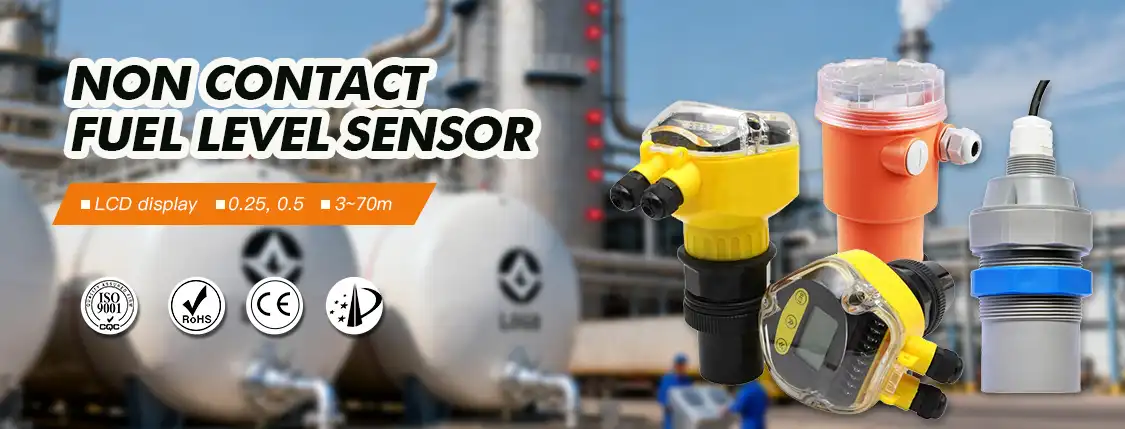
Understanding Ultrasonic Water Level Sensor Calibration
Why Calibration Matters for Measurement Accuracy
Ultrasonic water level sensors work by sending out high-frequency sound pulses and timing how long it takes for the waves to reach the top of the liquid and bounce back. The sensor figures out how far away something is by using the formula: Distance = (Time × Speed of Sound) / 2. Calibration makes sure that this estimate stays correct by taking into account variables in the real world that change how sound waves travel. Without regular calibration, measurement drift builds up, which can cause mistakes in inventory, problems with process controls, and even safety risks in important areas like chemical storage or drug production.
Fundamental Principles Behind Ultrasonic Measurement
Sound waves are mechanical movements that need a medium to move through. Ultrasonic pulses move through air at about 343 meters per second at 20°C, but this speed changes depending on the temperature, humidity, and pressure of the air. When ultrasonic energy hits a change in density, like the line where air and water meet, the wave bounces back to the transducer. Water or slurries, which have a higher density, reflect light strongly. Foam, on the other hand, is porous and absorbs energy, sending weak messages. Knowing these physical principles helps engineers figure out what problems might come up with tuning in different work settings.
Common Sources of Calibration Drift
Over time, a number of things change how accurate sensors are. Changes in temperature have a big effect on the speed of sound, which speeds up by about 0.6 m/s per degree Celsius. Installation mistakes, like fixing angles that are too tilted or things that get in the way of the sensor's beam path, cause regular errors that need to be fixed through calibration. Signal quality goes down when the sensor surface gets damaged physically by chemicals, dust, or physical wear and tear.
Weak mirrored signals can be messed up by electrical noise from nearby motors or variable frequency drives. Vibration from pumps or agitators makes false sounds that make measurement systems lose their way. By understanding these processes of drift, preventative maintenance plans can be made that keep accuracy from dropping.
Step-by-Step Ultrasonic Water Level Sensor Calibration Guide
Preparation and Safety Requirements
Gather the necessary tools before starting the calibration process for the ultrasonic water level sensor. These should include a laser distance meter or precision measuring tape, calibration software or a mobile programmer, a stable power source, and safety gear that is right for the installation site. During testing, make sure that the environment stays steady.
Stay away from times when the temperature changes quickly or when there is a lot of wind that could move the liquid surface. Make sure there are no things in the measurement area that could cause fake sounds. Read the manufacturer's instructions to find out how to calibrate your individual type of device. If you are working with live process equipment, make sure that all of the electrical links meet safety standards and that everyone is trained in how to lock out and tag out.
Zero Level Setting and Span Calibration
The zero reference point is the distance between the sensor face and the nearest point that can be measured, which is usually the bottom of the tank or the lowest level. Place the sensor where it will stay and use a standardized measuring tool to find the real distance to the zero reference. To set the zero point, enter this number into the sensor setup.
By setting the distance to the highest predicted liquid level, span calibration sets the range of measurements that can be made. Once the tank is filled to a certain level, the distance from the sensor should be measured and saved as a span number. The sensor can now connect the range of real distances to the range of output signals, which are usually numbers in the 4-20 mA current loop or digital protocol.
Signal Optimization and Validation Testing
Modern devices, like the GUT series ultrasonic level meter, can automatically change the power, the gain, and the temperature to get the best signal quality. These features should be turned on during testing so that the device can adjust to the sound surroundings. The GUT series uses cutting-edge recognition technology and powerful software that automatically blocks out noise and focuses on the real liquid surface sound.
Once the calibration settings have been entered, the level should be measured at a number of known points within the measurement range as part of the validation tests. Check the accuracy of the sensor values against the physical measures to make sure they are within the allowed range, which for good industrial instruments is usually ±0.25% of full scale.
Troubleshooting Erratic Readings and Interference
Systematic troubleshooting finds the cause when sensors give unreliable or wrong results even after being calibrated. Surface turbulence that causes uneven reflection angles is a common cause of inaccurate readings. To fix this, move the sensors away from fill streams and agitators or use averaging functions to smooth out changes. If the sensor picks up multiple false echoes from inside the tank, it needs to have its beam angle changed or software features turned on to find the right surface sound.
Water vapor, steam, or chemical fumes take ultrasonic energy, which causes signal loss in vapor-rich environments. Radar technology may be needed instead because foam and vapor environments are too dense for ultrasonic waves to work. Random jumps in the output signal are a sign of electrical interference. Make sure the grounding is correct and keep signal lines away from high-voltage equipment.
Comparing Ultrasonic Sensor Calibration with Other Level Sensors
Calibration Complexity Across Technologies
Ultrasonic water level sensors need to be re-calibrated every so often to keep their accuracy because the speed of sound changes depending on the surroundings. Capacitive sensors detect changes in the dielectric constant and usually keep their calibration stable. However, they need to be physically connected to the process medium, which makes upkeep more difficult in environments where the medium is acidic or fouling. Radar level monitors send out electromagnetic waves that are not affected by temperature or pressure.
They rarely need to be calibrated again after the first setup, but they are much more expensive. Magnetostrictive sensors are very accurate because they use completely different magnetic principles. However, their mechanical float parts need to be maintained, which is not needed with non-contact technologies. Each technology has its own tuning trade-offs between how hard it is to use, how accurate it is, how much it costs, and what kinds of uses it can handle.
Real-World Performance and ROI Considerations
A chemical company switched from measuring levels with pressure to using properly adjusted ultrasound sensors and got 99.2% inventory accuracy, up from 95% before. This cut down on waste by $47,000 per year in raw materials. The non-contact measurement got rid of diaphragm seal failures, which used to cause unexpected shutdowns that lasted an average of 12 hours each time.
Ultrasonic sensors cost more at first than simple pressure detectors, but they paid for themselves in 18 months because they got rid of wet parts and the downtime that comes with tuning. This example shows how calibration affects the total cost of ownership. In the long run, technologies that don't need complex recalibration or frequent component replacement are less valuable than sensors that can keep their accuracy through easy processes.
Application-Specific Selection Criteria
Ultrasonic monitors are used in indoor water treatment applications where the temperature stays fixed because they are cheap and easy to calibrate. Temperature-compensated models, like the GUT series, help outdoor storage tanks that experience big changes in temperature. These models change their estimates automatically as conditions change. Foam consumes ultrasonic energy and makes echoes that aren't accurate, so radar technology is needed in places where foam is common. To meet legal requirements, sanitary pharmaceutical uses often need non-contact measurement. This means that properly calibrated ultrasonic or radar monitors are better than touch methods that pose a risk of contamination.
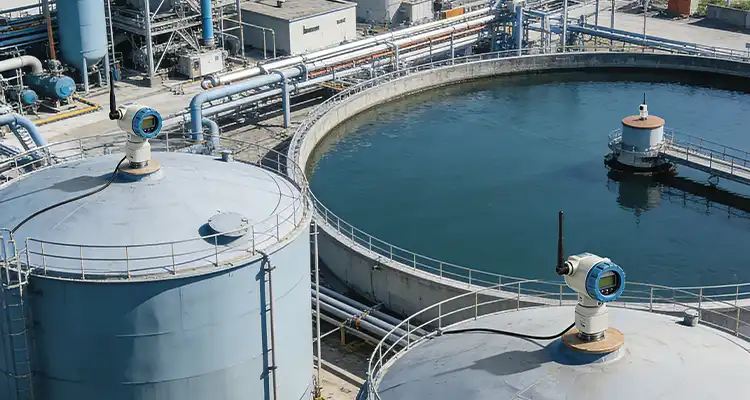
Best Practices and Advanced Tips for Maintaining Ultrasonic Sensor Accuracy
Recommended Calibration Intervals
Industrial sites should set up calibration plans for the ultrasonic water level sensor based on how important the application is and how bad the surroundings is. Important applications for custody transfers or regulatory compliance should be checked against traceable standards every three months. Calibration is usually needed once a year for standard process tracking in stable settings. In harsh environments with changing temperatures, toxic vapors, or a lot of dust, the adjustment may need to be done every six months or even every three months. OEM apps that add sensors to manufactured goods should calibrate the sensors in the plant and give full paperwork to end users. End users should then do field testing during commissioning and every year after that.
Automated Calibration and Monitoring of IoT
Continuous troubleshooting features built into modern measurement systems cut down on the need for human calibration. The GUT series has a number of output choices, such as RS485 digital communication, which lets you check signal quality measures like echo amplitude and signal-to-noise ratio from afar. When these sensors are connected to industrial IoT platforms, they send data about their performance to cloud-based analytics that can see when accuracy starts to drop over time before it affects operations. Maintenance teams are notified automatically when echo strength drops below certain levels or temperature correction exceeds certain levels. This starts proactive calibration instead of fixing after measurements fail.
Data Filtering and Signal Processing Techniques
Increasing the accuracy of measurements requires more than just actual calibration. It also requires complex data processing. Here are the main things that high-tech ultrasound gadgets can do to stay accurate:
- Adaptive gain control changes the receiver's sensitivity automatically based on the strength of the echo. This accounts for changes in the surface state, such as smooth liquid flow versus rough flow.
- Multi-echo tracking looks at many mirrored signals to tell the difference between the real surface and fake echoes that are caused by foam layers or structures inside the body.
- Temperature compensation algorithms use built-in or external temperature monitors to constantly change the calculation of how fast sounds are moving.
- Statistical filtering uses moving averages or median filters to get rid of random noise while keeping quick level changes.
These processing methods work together to make the useful working range bigger and less sensitive to changes in the surroundings. Compared to basic threshold recognition methods, signal processing can improve accuracy by 30 to 50 percent if it is set up correctly during testing.
Preventative Maintenance and Manufacturer Support
Regular cleaning programs keep sensors calibrated and greatly extend their useful life. Every three months, clean the surface of the transducer with soft brushes and mild liquids that are safe for the sensor's wet materials. Do not use rough cleaners that could damage the piezoelectric element. Check the links between the cables for rust or water getting in and messing up the signal.
Make sure the fixing clamps are still in place and that the sensor is still facing the same way it was originally. Leading makers offer a wide range of technical support services, such as help with calibration, new parts, and software changes that improve performance. By working with prompt providers, you can be sure that you will have access to experts when you run into tricky calibration problems.
Procurement Insights: Choosing and Buying Calibrated Ultrasonic Water Level Sensors
Supplier Evaluation Criteria
To choose the right provider for an ultrasonic water level sensor, you need to look at more than just the product specs. Ask for calibration papers that are backed up by national standards and show how well each sensor works at different points in its measurement range. Technical paperwork that is complete should include electrical specs, calibration methods, debugging guides, and measurement models.
This will help with both installation and long-term upkeep. Manufacturers usually back their products with warranties that last between 12 and 24 months and cover replacement or repair of any broken parts. Check how quickly the supplier's technical support team can respond. For example, can they help with application engineering during the planning phase of the project and troubleshooting when practical issues arise?
Factory Calibration Versus Field Calibration
Knowing about the different types of testing helps project managers balance the need for accuracy with the cost of the work. Factory calibration uses approved reference tools to do standardized tests in a controlled lab setting. This gives the most accurate results and the right paperwork for regulated industries. This choice is good for situations where sensors need to be shipped straight to installation places and only a little setting up is needed.
Field calibration or customer calibration choices let users change settings after installation to fit the measurements of a particular tank and get the best performance in the real working environment. A lot of projects use a mix of approaches. First, the performance is calibrated in the workshop, and then it is checked out in the field and tweaked during launching.
GAMICOS GUT Series Advantages for Easy Calibration
Our GUT series ultrasonic level meters are great examples of great design because they are easy to calibrate and give accurate readings. The non-contact design gets rid of the risk of process contamination and needs less upkeep than wetted technologies. Automatic power change and gain control adapt to changing conditions without any help from the user. Built-in temperature compensation keeps the accuracy high across all working temperatures.
Different output choices, like configurable relay, high-precision 4-20 mA current, and RS485 digital connection, let you build a wide range of control systems. The optional die-cast metal housing with an IP67 grade can handle harsh industrial settings, and its high level of directivity focuses ultrasonic energy for longer measurement ranges of up to 15 meters in some cases.
The device has a lot of software features that make tuning easy. These features can be accessed through simple menus or PC-based setup tools. Calibration processes can be done by anyone in less than 30 minutes as long as they follow clear instructions. This practical simplicity cuts down on the time needed for setup and the cost of ongoing upkeep, which is something that procurement managers value. The GUT series can be used to measure liquids and slurries in many fields, such as chemical processing, food and beverage production, energy production, and water treatment.
Bulk Procurement and Customization Options
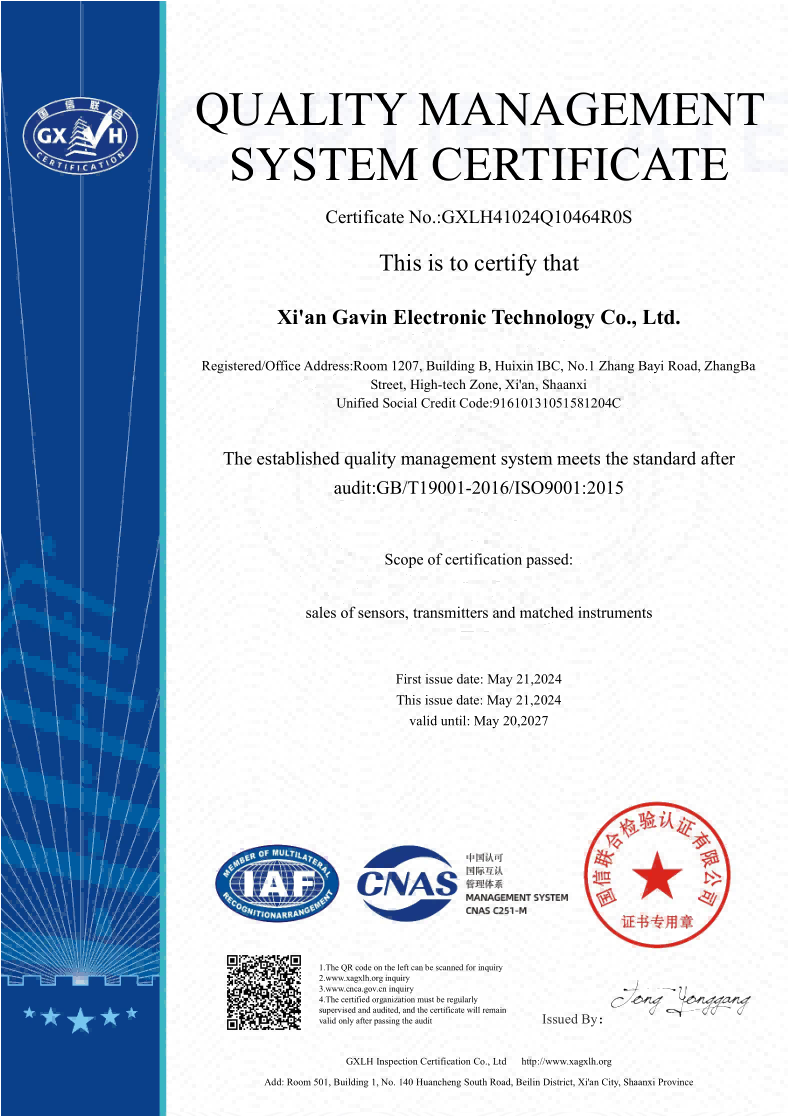
For big projects, it's helpful to have providers who offer bulk discounts, reliable delivery times, and the ability to make changes. GAMICOS offers professional OEM and ODM services that let you fully customize the mechanical dimensions, output specs, and connection methods to fit the needs of your system. Our production capacity allows us to handle large orders, and we keep strict quality control standards that are backed up by licenses from measurement institutions.
Engineering contractors who are in charge of multiple projects like that we can send sensors that are already set up and loaded with project-specific settings. This cuts down on the time needed to activate the sensors in the field. Flexible minimum order amounts and packaging choices that work with their market outlets help importers and distributors build regional inventory.
Conclusion
Ultrasonic water level sensors go from being simple devices to precise measurement tools that support operational success with the right calibration. Understanding the basic ideas behind ultrasonic waves, following structured methods for calibration, and using best practices for ongoing maintenance all contribute to accurate measurements that have a direct effect on managing supplies, making processes more efficient, and improving safety.
Comparing different measurement technologies helps engineers choose the best ones for each job, and setting fair goals for return on investment (ROI) helps them decide what to buy. Advanced features like automatic correction and IoT integration make it easier to calibrate sensors and also make them last longer. Long-term measurement programs that work well are built on partnerships with suppliers who can provide calibrated tools, detailed paperwork, and quick support.
FAQ
How Often Should I Calibrate My Ultrasonic Level Sensor?
How often calibration is done relies on how important the ultrasonic water level sensor is and the conditions outside. Applications for critical custody transfers or regulatory compliance usually need to be checked every three months. Standard industrial process tracking in stable settings usually needs to be calibrated once a year. Extreme temperatures, corrosive atmospheres, or high levels of pollution may mean that the testing needs to be done every six months.
Can I Calibrate Sensors Myself or Should I Hire Professionals?
Technically trained repair staff can do basic calibration processes using the tools and instructions given by the maker. Zero and span adjustments that are done by following clear directions offer almost no risk as long as the right safety rules are followed. Professional calibration services are often needed for complicated problem-solving, baseline calibration that needs traceable reference standards, or paperwork needed to meet regulatory requirements.
What Signs Indicate My Sensor Needs Recalibration?
Several signs point to a loss of accuracy that needs to be fixed by recalibration. Values that are regularly higher or lower than readings made by hand show that there is systematic error. If you get results that aren't steady even though the process is stable, that means there are problems with the signal processing. Problems with range setup can be seen when output signals get stuck at the lowest or highest numbers. If the diagnostic data shows a lower sound amplitude, it means that the detector is dirty or breaking down.
Partner with GAMICOS for Precision Level Measurement
Choose GAMICOS as your trusted ultrasonic water level sensor maker to improve the accuracy of your measurements and the dependability of your operations. Ultrasonic level meters in our GUT line give you the speed, freedom, and ease of calibration that tough industrial settings need. Because they automatically adjust for temperature, have multiple output protocols, and are built to IP67 standards, these sensors will work reliably for years with little upkeep.
GAMICOS has worked with clients in 98 different countries, so they know what problems procurement managers and tech teams actually have to deal with. We provide full expert support throughout the entire project lifecycle, from choosing the right product and making any necessary changes to help with installation and ongoing problem-solving. Our OEM/ODM services are very flexible, so we can handle large orders with specs, packing, and paperwork that are exactly what you need. Each sensor goes through a strict quality check and is certified by a recognized metrology organization. This makes sure that the instruments you receive work according to the published specs.
Email our applications tech team at info@gamicos.com to talk about the problems you're having measuring levels. For more information on the GUT series and all of our other sensors for sale, please ask for full product datasheets, testing instructions, and project quotes. Find out how working with a responsive provider dedicated to technological progress and customer satisfaction can change the accuracy of measurements in all of your sites.
References
1. Webster, J. G., & Eren, H. (2018). Measurement, Instrumentation, and Sensors Handbook: Electromagnetic, Optical, Radiation, Chemical, and Biomedical Measurement (2nd ed.). CRC Press.
2. Lipták, B. G. (2016). Instrument Engineers' Handbook, Volume One: Process Measurement and Analysis (5th ed.). CRC Press.
3. Bera, S. C., & Mandal, H. (2019). Study on ultrasonic sensor based level measurement with temperature compensation. Measurement Science Review, 19(4), 177-182.
4. Brassier, P., & Hosten, B. (2015). Ultrasonic level measurement: Error analysis and optimization. Ultrasonics, 61, 1-9.
5. Morris, A. S., & Langari, R. (2020). Measurement and Instrumentation: Theory and Application (3rd ed.). Academic Press.
6. International Society of Automation. (2017). ANSI/ISA-51.1-1979 (R2016): Process Instrumentation Terminology. ISA Standards.

Eva
Eva specializes in bridging the gap between cutting-edge sensor technology and market needs. With 8 years of experience in industrial product marketing, she has successfully launched multiple sensor product lines—from pressure transmitters to fuel level sensor—into global markets.
We're here to help — submit your request anytime!
Let us know how we can help solve your pressure level measurement challenge.
_1757930850792.jpg)
Recommended Blog

Why Radar Level Sensors Excel in Pharmaceutical Process Tanks
Why Radar Level Sensors Excel in Pharmaceutical Process Tanks
How Diesel Level Sensors Improve Accuracy in Fuel Tank Monitoring
How Diesel Level Sensors Improve Accuracy in Fuel Tank Monitoring