Wireless vs Wired: Selecting the Best Tank Level Sensor
Understanding Tank Level Sensors: Wired vs Wireless Technology
- Understanding Tank Level Sensors: Wired vs Wireless Technology
- Key Differences and Comparison of Wireless vs Wired Level Sensors
- Benefits and Challenges of Wireless Level Sensors in Industrial Applications
- Choosing the Right Tank Level Sensor: Decision-Making Criteria for B2B Buyers
- Recommendations and Next Steps for Industrial Procurement Managers
- Conclusion
- FAQ
- Partner with GAMICOS for Your Tank Level Measurement Needs
- References
Industrial buying managers still have to make a big choice between portable and wired tank level sensors. A Wireless Level Sensor is perfect for retrofit projects and dangerous areas because it allows for easy placement and real-time online tracking without requiring a lot of cables. When it comes to stable, high-precision measurements, wired sensors are best for permanent placements with well-established infrastructure. Which option will give your facility the most efficiency, dependability, and long-term value depends on your operational needs, such as the type of fluid, the climate, your budget, and your integration needs.
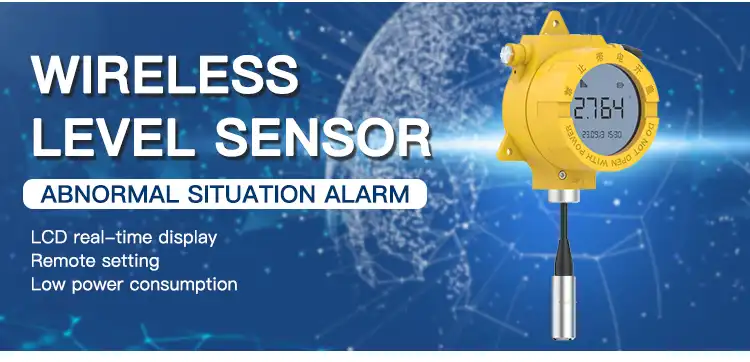
Understanding Tank Level Sensors: Wired vs Wireless Technology
Core Sensing Technologies
Several tried-and-true technologies are used to measure the level of fluids in industrial tanks. Each one works best in a certain setting and with a certain type of fluid. Using time-of-flight to figure out distance, ultrasonic sensors send out sound waves that bounce off of wet objects. These devices work well in a wide range of situations and are not affected by changes in the density or conductivity of the liquid. Radar level monitors use radio signals to measure without touching anything. They are very accurate in places where vapor, high temperatures, or dangerous fluids make measurement difficult.
Capacitive sensors reliably measure changes in level in both conductive and non-conductive liquids by detecting changes in the electrical capacitance between probe parts. Submersible pressure monitors measure hydrostatic pressure to find the depth of a liquid. They can give accurate readings even when the water is rough or very hot. Each sensing method has its own benefits, and the one that is chosen depends on things like the shape of the tank, the qualities of the fluid, the level of accuracy needed, and the environmental risks at the installation site.
Wireless Communication Protocols
Wireless Level Sensors send measurement data using a number of different transmission formats that are designed to meet the needs of the business world. LoRaWAN technology allows for low-power, long-range communication that is perfect for tracking large sites or places that are far away. Cellular networks, such as GPRS, NB-IoT, and 4G, make it easy to send data in real time to central control rooms or management tools in the cloud. These systems get rid of the need for actual wires between sensors and control infrastructure. This makes installation much easier in places where cable routing is hard to do.
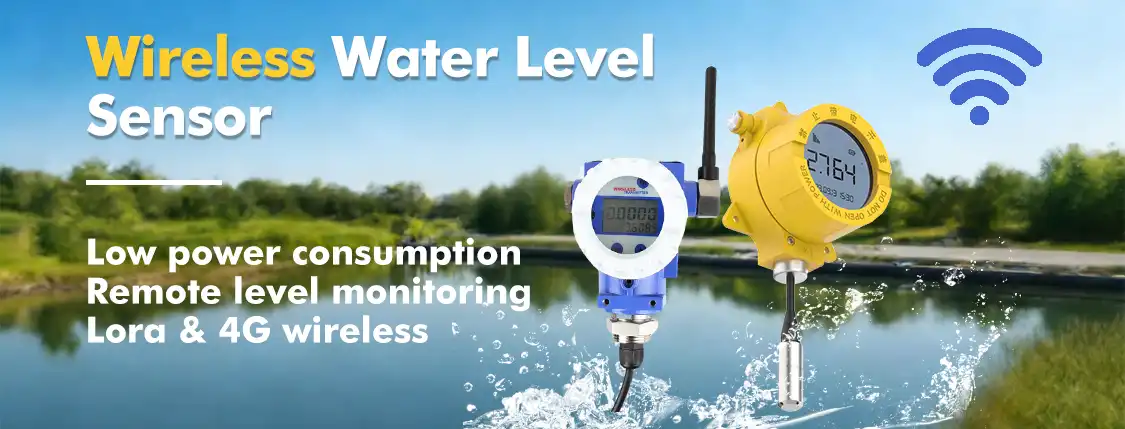
Power control is an important thing to think about when using wireless technology. High-quality lithium batteries can work for many years, which means they don't need to be serviced as often but can still be monitored continuously. Some advanced systems use methods for collecting energy, which increases their useful life and lowers the number of times they need to be replaced batteries in hard-to-reach or dangerous places.
Wired Sensor Infrastructure
Traditional wired sensors send information through special cables that provide power and data exchange at the same time. Some common signal standards are 4-20mA analog outputs, which don't pick up noise very well over long wire runs, and digital protocols like Modbus RTU and HART, which allow two-way contact for advanced setup and diagnosis. These well-known standards work perfectly with the distributed control systems (DCS) and programmable logic controllers (PLC) that are already used in many factories.
To protect the purity of the signal and follow electrical codes, cable lines, conduit systems, and junction boxes must all be carefully planned out for wired installs. While wired systems are more difficult to set up than wireless ones, they ensure power access and constant contact without having to worry about batteries dying or wireless interference affecting the accuracy of measurements.
Key Differences and Comparison of Wireless vs Wired Level Sensors
Installation Complexity and Flexibility
By getting rid of a lot of cables, wireless devices greatly lower the time and cost of installation. Mounting a wireless device only needs a safe physical attachment and setting up the transmission parameters. This means that it can be used in places where running wires would be too expensive or not possible. This benefit is especially useful when adding on to current tanks that don't have the right equipment or when monitoring needs to happen in a lot of different places.
For wired monitors, cable lines need to be carefully planned out, which usually means digging trenches, installing conduit, and working with electricians. These upfront investments make projects take longer to finish and cost more, but they build lasting structures that will allow them to run reliably for a long time. Wired installs may be easy for facilities that already have cable trays and junction box networks, especially when adding new sensors to existing measurement points.
Maintenance Requirements and Lifecycle Costs
When it comes to care, here are the main differences between wireless and wired systems:
Wireless Sensor Maintenance: Taking care of the batteries is the main part of maintenance. Most high-capacity lithium batteries can work continuously for three to five years before they need to be replaced. Modern cellular devices have low-battery alerts that are sent through tracking systems. This lets you plan when to change the battery ahead of time. Monitoring the signal quality makes sure that communication is stable, and checking the transmission strength and network connection on a regular basis keeps data gaps from happening.
Wired Sensor Maintenance: The links between the cables, the junction boxes, and the places where the cables terminate need to be checked for corrosion or damage that could affect the signal's integrity. Visual checking and continuity testing must be done on a regular basis to make sure that wires are not physically damaged by the environment, machine impacts, or rodent activity. But cable sensors don't need any upkeep for the batteries, so they can work continuously without being stopped at set times.
A lifecycle cost study needs to look at things like installation costs, continued maintenance needs, and the ability to change how things work. Wireless systems are cheaper to install at first, but they need batteries that need to be replaced on a regular basis. While wired installations require a bigger initial investment, they are easier to maintain and last longer, so they are a good choice for fixed installations with stable measurement needs.
Integration with Industrial Control Systems
Industry 4.0 and the Industrial Internet of Things (IIoT) frameworks work well with wireless sensors because they send data straight to cloud platforms or business resource planning (ERP) systems. This connection makes it possible for advanced analytics, predictive maintenance algorithms, and online tracking to be used from anywhere with internet access. Real-time screens let you see right away what the amounts of tanks are at all of your locations, which helps with centralized inventory management and automated reordering processes.
Standard industrial standards make it easy for wired sensors to work with current control systems. The Modbus RTU and HART transmission standards let you connect directly to PLC and DCS systems that control a wider range of automated processes. These tried-and-true interfaces make sure that they work with older equipment and allow for advanced setup and troubleshooting by adding digital communication layers on top of the 4-20mA signaling.
Precision and Reliability in Industrial Environments
The accuracy of measurements rests more on the sensing technology than the connection method. When properly configured, both wireless and wired methods can achieve the same level of accuracy. Ultrasonic, radar, and pressure-based sensors are very accurate—within 0.5% of full scale or better—and meet strict needs for uses like process control, inventory accounting, and changing who has ownership of something.
Signal dependability varies between methods depending on the surroundings. Wired sensors can always talk to each other, even if there is electromagnetic interference, metal buildings are in the way, or the sensors are far away from the control rooms. Wireless systems may lose their signals in buildings made of a lot of steel, places with a lot of electromagnetic noise from variable frequency drives, or places where the transmission distance is too long. These problems can be avoided by doing thorough site studies and placing gateways in smart ways. This makes sure that wireless networks work reliably in tough industrial settings.
Benefits and Challenges of Wireless Level Sensors in Industrial Applications
Primary Advantages of Wireless Solutions
Wireless measurement technology has huge advantages that solve long-standing problems in industry. When compared to wired solutions, installations that don't require actual cabling are 40–60% cheaper. This is especially true when tracking needs to be done across multiple tanks or in rural areas. This cost advantage lasts longer than just the initial rollout, since adding measurement points to grow operations only needs placing Wireless Level Sensors and setting up the network, not making big changes to the electrical infrastructure.
Across many businesses, real-time remote tracking makes operations safer and more efficient. Chemical processing plants can see right away what the amounts are in their storage tanks, so they can act quickly if something is wrong before it gets worse and causes a safety issue or stops production. Continuous level data helps water treatment plants figure out the best times to pump, which uses less energy while keeping service levels steady. Oil and gas companies can keep an eye on faraway wellhead tanks without sending workers to dangerous places. This keeps workers safer and cuts down on running costs.
Scalability is another great benefit, since wireless networks can easily add more sensors without having to change the architecture or spend a lot of money. Facilities that are implementing phased automation put in place beginning tracking systems and add to them as budgets allow, creating complete measurement networks that help with data-driven operational optimization. This adaptability is especially helpful for engineering contractors who have to manage projects whose scope changes or whose budget limits mean that they have to apply them in stages.
Addressing Wireless Implementation Challenges
To avoid data gaps, managing battery life needs to be planned out in a structured way. If you choose devices with high-capacity lithium batteries and low-power transmission methods, you can go three to five years between replacements under normal use. By adding battery tracking alerts to supervisory systems, repair tasks can be planned ahead of time to be done during planned shutdowns instead of having to be done in an emergency. Solar panels and other technologies that collect energy can be useful in some situations, but they need to be compared to the power needs of sensors and the energy sources that are available.
Concerns about wireless interference affect sites in places with a lot of electromagnetic noise and radio frequency sources. By carefully inspecting the site before specifying the sensors, possible disturbance sources and the best transmission frequencies can be found. Choosing the right antennas, strategically placing gateways, and adjusting transmitting power all help to make signals more reliable. Modern frequency-hopping spread spectrum technologies and strong error correction techniques keep transmission safe even in radio frequency settings that are hard to work with.
Extreme temperatures, high humidity, and corrosive atmospheres are some of the environmental factors that require the right sensor housing grades. Choosing housings with an IP66 or IP67 rating keeps gadgets safe from dust and water getting in. Temperature-compensated sensors stay accurate even when temperatures change with the seasons or because of a process. Choosing the right material for wet parts makes sure that they are chemically compatible with the fluids being measured. This stops rust that could affect the accuracy of the measurement or shorten the life of the sensor.
Real-World Performance Improvements
A chemical dealer in the Midwest put wireless ultrasonic devices in 47 storage tanks that were previously checked twice a day by hand with dipsticks. The installation cut the cost of work by 18 hours per week and made it possible to always see how much stuff was on hand. Automated low-level alerts stopped three possible stockouts during the first year of operation. This kept production from stopping, which would have cost $127,000 in lost income and customer fines. The wifi network was set up in eight days, while the same wired equipment was expected to take four weeks.
Wireless tracking of clarifier and holding tank levels makes municipal water treatment plants more efficient in a way that can be measured. One facility cut the cost of pumping energy by 14% by using real-time level data to optimize pump performance and lower peak-demand power rates. The wireless system allowed for centralized monitoring across three geographically different plants. This meant that one operator could handle operations that used to need dedicated staff at each site.
Choosing the Right Tank Level Sensor: Decision-Making Criteria for B2B Buyers
Application-Specific Assessment Factors
The properties of the fluid have a big impact on the choice of sensing technology. Clean water, oil products, and food-grade liquids can be measured with almost any technology. Corrosive chemicals, on the other hand, need monitors that are compatible with the materials they are made of. Ultrasonic measurements are harder to make when liquids turn into foam or mist, so radar devices are better, even though they cost more. Capacitive and guided wave radar technologies can work with conductive fluids, but they can't with non-conductive materials, which need ultrasound or non-contact radar methods.
The size and shape of the tank affect how the sensor must be mounted and the measurement range that must be used. Tanks that are tall and have small sizes can use ultrasound or radar sensors on top that can measure up to 70 meters away. Wide, small tanks might need more than one place to measure to account for bumps on the surface or uneven filling patterns. Specialized underwater devices or external measurement technologies can help with the unique problems that underground storage tanks have.
The right sensor certificates and housing standards are based on things like the outdoor temperature, changes in air pressure, and ratings for explosive atmospheres. For outdoor setups, you need weatherproof shelters that can handle a wide range of temperatures throughout the year. Certifications for dangerous locations, like ATEX, IECEx, or Class I Division 1 approvals, make sure that equipment can be used safely in places where explosive vapors are present. By knowing these environmental factors during the design process, you can avoid expensive repairs or fails to meet safety standards.
Key Evaluation Metrics for Procurement Decisions
Different tasks need different levels of measurement accuracy. For example, inventory accounting can usually handle ±1% error, but pharmaceutical production or ownership transfer may need ±0.25% accuracy or higher. The smallest level change that can be seen is called sensor resolution. It is usually given as a percentage of the full-scale range or exact measurement units. Specifications for repeatability show how consistent measurements are across multiple readings taken in the same conditions. This can affect the security of process control and the accuracy of inventory.
Communication that works with current hardware keeps system interaction problems from being too expensive. For wireless sensors to work, they need to be able to communicate using protocols that work with gateways or cloud platforms. For physical versions, the output signals need to be able to work with control system input modules. Standard protocols, such as Modbus RTU, HART, and analog 4-20mA, make sure that a lot of devices can talk to each other. On the other hand, private communication methods may force procurement to stick with a single vendor environment.
When evaluating a supplier, more than just the product specifications are looked at. Delivery reliability, expert help quality, and warranty terms are also taken into account. Standard goods usually have lead times of two to four weeks for well-known makers. Customized configurations may take six to eight weeks. A lot of the time, deals to buy in bulk get you better prices, priority scheduling for production, and specialized technical support resources. A warranty that lasts for two to three years protects you from quality problems and lowers your total cost of ownership by covering repair or replacement costs.
Strategic Supplier Partnership Considerations
Long-term ties with suppliers provide value that goes beyond just buying products. Manufacturers that offer full OEM and ODM customization support private labels, changed casings, custom wire lengths, and changes to communication protocols that meet the needs of each application. This versatility is very important for companies that make tools and want to add sensors to their own systems, as well as for wholesalers who work with niche markets that have special needs when it comes to packaging or certification.
The level of technical help has a big effect on how well deployment goes and how operations continue. When choosing a product like a Wireless Level Sensor, responsive engineering help makes sure that the best specs are used for the particular application, not just general suggestions. Support for installation through thorough documentation, video tools, and phone advice cuts down on commissioning time and avoids mistakes in setup. Ongoing expert support for fixing problems, improving speed, and adding new technologies keeps the system working well for longer periods of time.
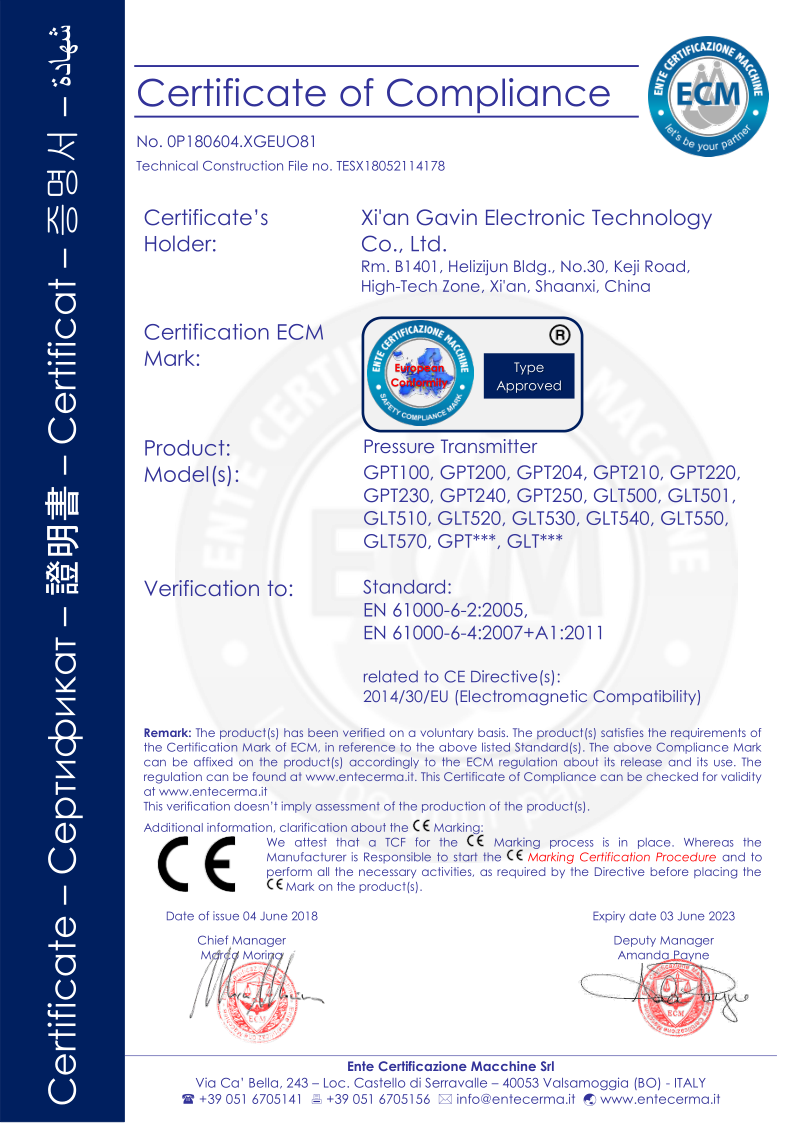
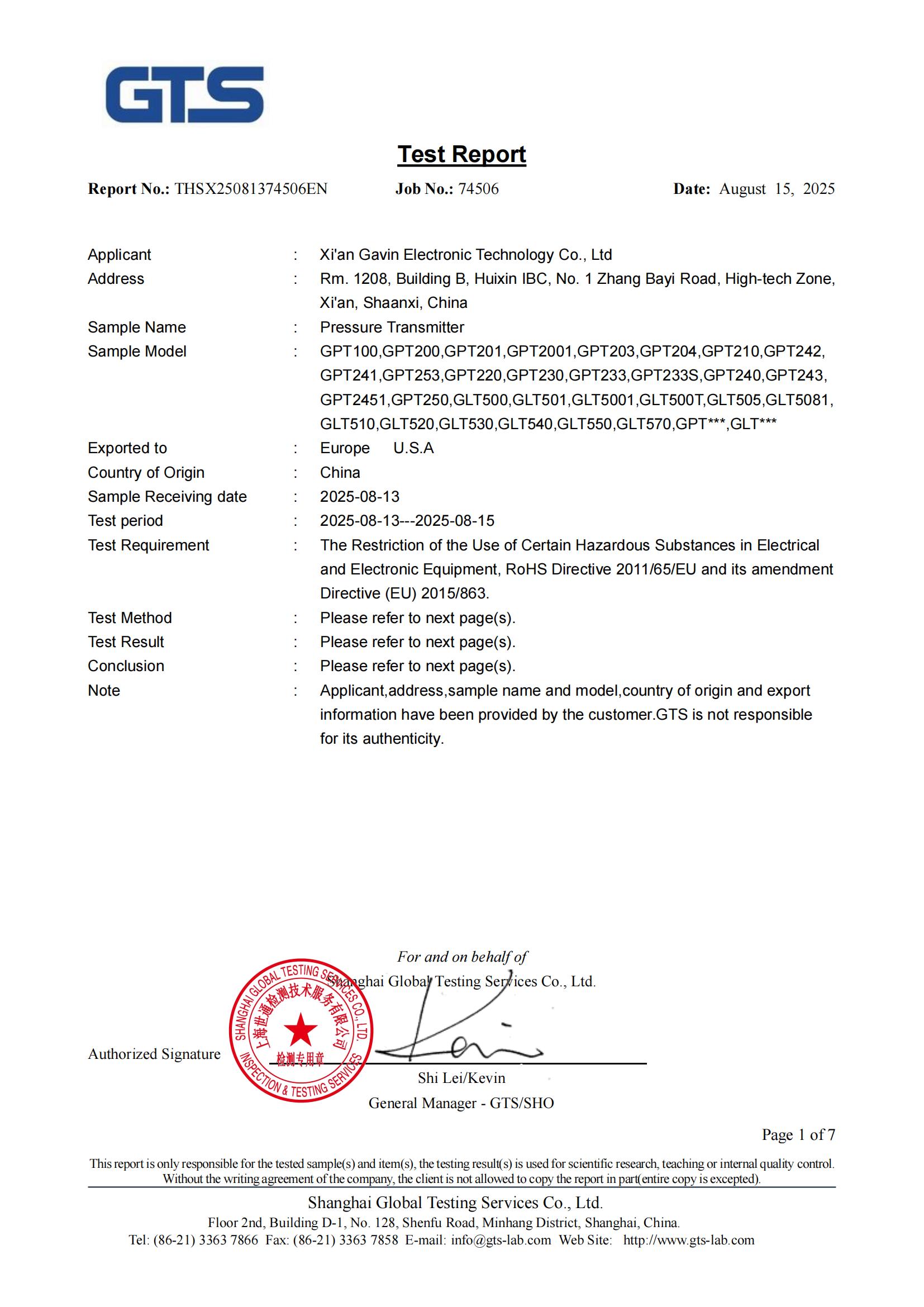
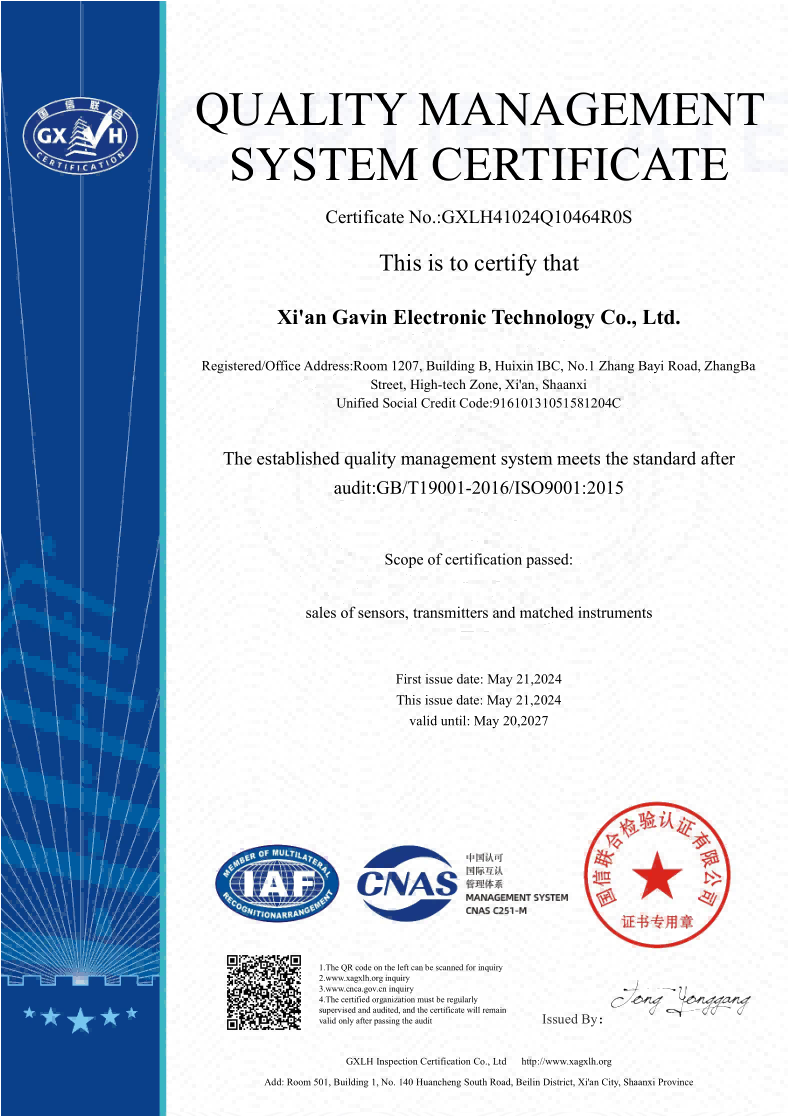
International certifications like CE marking, RoHS material limits, and ISO 9001 quality management show that a maker is dedicated to quality and following the rules. These certifications make it easier to buy goods, make it easier to check that they are compliant, and make sure that production methods are always the same. Procurement managers in regulated industries put a high priority on sellers who keep complete certification files that make it easier to qualify equipment and meet regulatory paperwork needs.
Recommendations and Next Steps for Industrial Procurement Managers
Optimal Application Scenarios for Each Technology
Wireless solutions work best in certain situations where their benefits outweigh the problems they cause. Wireless technology is very helpful for retrofit projects that add tracking to existing tanks because it keeps operators from having to deal with the hassle of installing cables. Temporary tracking can be set up quickly and doesn't require permanent infrastructure investments during building, launching, or seasonal operations. Batteries-powered wireless sensors with cellular connectivity make it possible to watch places that don't have access to electricity or communication networks. This kind of tracking wasn't possible before.
Installations in dangerous areas with potentially explosive atmospheres often choose wireless methods that reduce the number of electrical links and possible fire sources. Distributed tank farms that cover big areas can save money on infrastructure costs by using wireless networks instead of running a lot of cables between sites. Applications that need to be set up quickly or easily can be changed, like rental tank tracking or trial projects, benefit from the portability and ease of installation of wireless technology.
Wired sensors are still the best choice for fixed installs in buildings that already have a set electricity infrastructure and control system design. Applications that need very accurate measurements and constant data flow prefer wired connections because they avoid possible contact gaps that can happen with wireless connections. Wired sensors that meet strict reliability standards are often required for critical safety systems that need to work without fail and follow the rules. For high-density measurement tasks in small process areas, wired infrastructure might be cheaper than wireless networks that need multiple ports and control of communication.
Strategic Technology Adoption Guidance
To find the best balance between cost, speed, and scalability, you need to look at both short-term project goals and long-term operational strategies. If a facility wants to go digital, it should focus on getting IoT-ready wireless monitors that work with advanced analytics and cloud-based management tools, even if they cost more at first. This method looks to the future and sets up a measurement system that works with Industry 4.0 features like predictive maintenance, automated inventory management, and seeing all of an organization's data at once.
Hybrid sensor networks that use both wired and wireless technologies make operations more flexible and make the most of investments already made in infrastructure. Critical measurement points that support safety interlocks or regulatory compliance use wired sensors to ensure the highest level of dependability, while secondary tracking points use portable devices to balance cost and ease of use. This combined method covers the whole building, matches measurement value with the right technology, and gets the best return on instrumentation investment.
Phased implementation methods let people slowly start using new technologies without using up all of their professional or capital resources. Pilot projects that put wireless tracking in a few places test how well it works in real-world situations. This builds trust and technical knowledge within the company before the full rollout to the whole building. If the pilots go well, they show real benefits like less work, better efficiency, and higher safety. This gets support from stakeholders for wider adoption in more places or for more uses.
Conclusion
When deciding between wireless and wired tank level sensors, you need to carefully think about the needs of the application, the installation environment, and your long-term operating goals. A Wireless Level Sensor offers the most adaptability and ease of installation, allowing for quick setup, remote monitoring, and networks that can grow as needed, all in line with Industry 4.0 digital efforts.
Wired sensors are reliable, work all the time, and work well with existing control systems. This makes them perfect for fixed setups that need the highest level of accuracy. If you know exactly what you need, like the properties of the fluid, the environment, how it needs to be integrated, and your budget, you can choose the technology that will give you the best results in terms of measurement accuracy, operating efficiency, and long-term value across a wide range of industrial uses.
FAQ
How do wired and wireless monitors compare in terms of how accurate their measurements are?
The quality of measurements relies more on the sensing technology than on the way the data is sent. Ultrasonic, radar, and pressure monitors can work with or without wires and still be very accurate, usually within ±0.5% of full scale or better when properly set up. The main difference is in how reliable the communication is, not how well it can measure things. For example, environmental factors can affect the transfer of wireless signals, but wired links always send data, no matter what the radio frequency conditions are.
For how long should I expect wireless tank level monitors to last on a charge?
Modern wireless devices are powered by high-quality lithium batteries that can usually work nonstop for three to five years in normal circumstances. The actual battery life depends on how often data is sent, how far away it is sent, the temperature of the environment, and how much power sensors use. Devices that use energy-efficient methods like LoRaWAN and have optimal measurement times get the most out of their batteries. Some advanced systems send low-battery alerts through tracking networks, which lets replacements happen during planned repair tasks instead of having to be done in an emergency.
Can wireless sensors safely work in tough industrial settings?
When wireless devices are made for industrial use, they are built to last and have the right environmental protections to work reliably in harsh circumstances. Enclosures with an IP66 or IP67 rating keep out water, dust, and chemicals. Temperature-compensated electronics keep the accuracy even when the temperature is very high or very low. Choosing the right material for wet parts makes sure they are compatible with chemicals, which stops rusting. When you do a proper site study, place your gateway strategically, and choose the right communication protocol, you can avoid interference or signal loss. This lets you successfully deploy wireless technology even in difficult buildings with metal structures or electromagnetic noise sources.
Partner with GAMICOS for Your Tank Level Measurement Needs
GAMICOS offers complete Wireless Level Sensor systems backed by a lot of tech know-how and performance that has been tested in more than 100 countries. We offer modern ultrasonic, radar, and underwater pressure sensors that can communicate in a number of ways, including via LoRa, GPRS, NB-IoT, and 4G. These sensors can be used in a wide range of industrial settings.
As a Wireless Level Sensor maker with a lot of experience, we offer full OEM and ODM customization services. We can change the specifications, enclosures, and transmission methods of the sensors to fit your exact needs. Our dedicated technical support team helps with choosing the right product, giving installation instructions, and ongoing improvement, making sure that the rollout goes smoothly and that the system works reliably for a long time.
We know the unique problems that buying managers in the oil, chemical processing, water treatment, and food production businesses have to deal with. GAMICOS strictly controls quality throughout the entire production process. Our goods have a number of foreign certifications, such as CE, RoHS, and ISO 9001. We are your trusted supply chain partner because we offer competitive bulk buying deals, reliable delivery schedules, and quick service after the sale. Get in touch with our engineering team at info@gamicos.com to talk about your unique tank level tracking needs and find out how our custom solutions can help you run your business more efficiently while still meeting high standards for accuracy and dependability.
References
1. Smith, J.R. and Williams, K.L. (2022). Industrial Level Measurement Technologies: Selection and Application Guide. Instrumentation Publishers International.
2. Thompson, M.A. (2021). "Wireless Sensor Networks in Process Industries: Performance Analysis and Best Practices." Journal of Industrial Automation and Control, 45(3), 178-195.
3. Chen, Y. and Rodriguez, P. (2023). IoT-Enabled Tank Level Monitoring: Implementation Strategies for Industrial Facilities. Technology Press.
4. Anderson, R.K., Peterson, L.M., and Zhang, H. (2022). "Comparative Lifecycle Cost Analysis of Wired versus Wireless Level Sensors in Chemical Processing." Industrial Engineering Review, 38(2), 89-107.
5. European Industrial Automation Association (2023). Standards and Guidelines for Tank Level Measurement Systems in Hazardous Areas. EIAA Technical Publication 2023-07.
6. Mitchell, S.D. (2021). "Battery Management and Power Optimization Strategies for Wireless Industrial Sensors." Sensors and Instrumentation Technology, 52(4), 234-249.

Eva
Eva specializes in bridging the gap between cutting-edge sensor technology and market needs. With 8 years of experience in industrial product marketing, she has successfully launched multiple sensor product lines—from pressure transmitters to fuel level sensor—into global markets.
We're here to help — submit your request anytime!
Let us know how we can help solve your pressure level measurement challenge.
_1757930850792.jpg)
Recommended Blog
What output signals do submersible level sensors typically provide?
What output signals do submersible level sensors typically provide?
What output signals do submersible level sensors typically provide?