Diesel Level Sensor Supplier Trends in Europe and America
Current Landscape of Diesel Level Sensor Suppliers in Europe and America
- Current Landscape of Diesel Level Sensor Suppliers in Europe and America
- Technological Trends and Evolution in Diesel Level Sensors
- Key Factors Influencing Diesel Level Sensor Procurement Decisions
- Common Challenges and Solutions in Diesel Level Sensor Use and Maintenance
- Future Outlook: Supplier Innovation and Market Trends in Europe and America
- Conclusion
- FAQ
- Partner with GAMICOS for Advanced Diesel Level Measurement Solutions
- References
In both Europe and the United States, the fuel tank sensor market is changing quickly because of new technologies and changing business needs. As fuel tank sensors get smarter, purchasing managers in the oil, chemical, energy, and industrial automation industries are rethinking their partnerships with suppliers to find measurement solutions that are accurate, long-lasting, and easy to integrate. Today, there is a balance between well-known industry players and new, specialized makers who can offer customization and quick technical support. This meets the complex needs of B2B buyers who want long-term reliability and compliance with strict international standards.
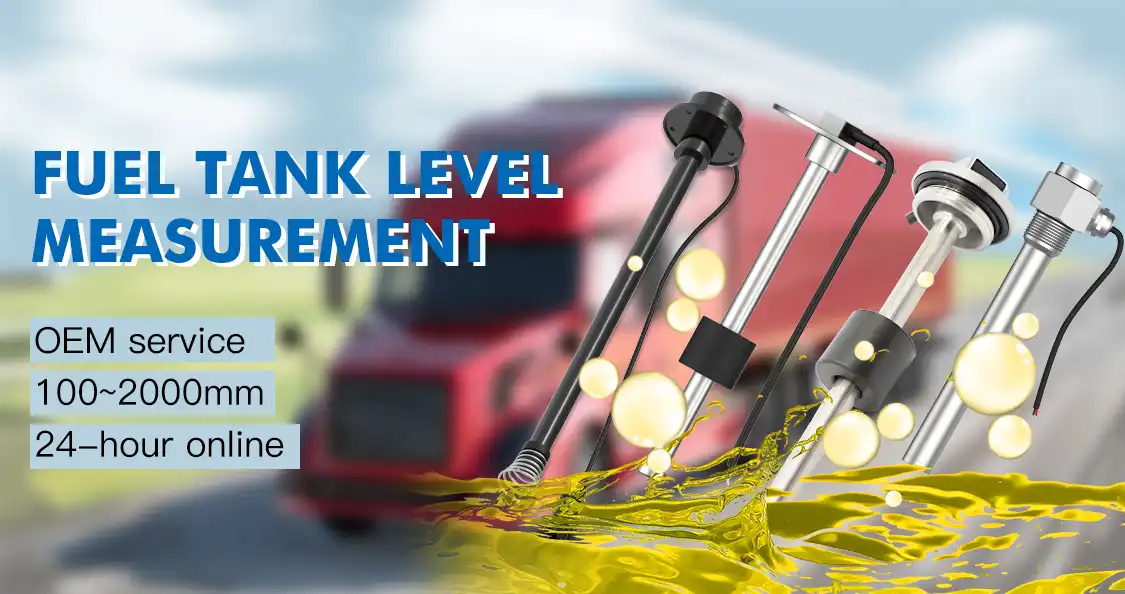
Current Landscape of Diesel Level Sensor Suppliers in Europe and America
Diesel level measurement technology is sold in both Europe and the United States. Both markets are competitive, with both large global companies and smaller, more specialized device makers. Big players like Bosch, Siemens, Honeywell, and Eaton have a big share of the market thanks to decades of building their reputations and offering a wide range of products. Large industrial clients come to these companies because they have well-established delivery networks and full warranty plans.
That being said, the market has grown a lot beyond these well-known names. With a greater focus on customization, specialized providers now offer solutions that are tailored to meet the needs of specific applications, ranging from tracking fuel in ships to bulk storage facilities. Instead of making products that work for everyone, engineering contractors and companies that make automation equipment value providers who offer custom communication methods, flexible output configurations, and mounting solutions that are made for each application more and more. The difference between OEM and aftermarket sellers is now very important for making choices about what to buy. OEM companies usually ensure that their products will work with current systems and offer longer warranties. On the other hand, aftermarket options are cheaper and can be delivered faster. When buying managers understand these differences, they can better balance budget limits with practical risk factors.
Regional Strengths and Certification Requirements
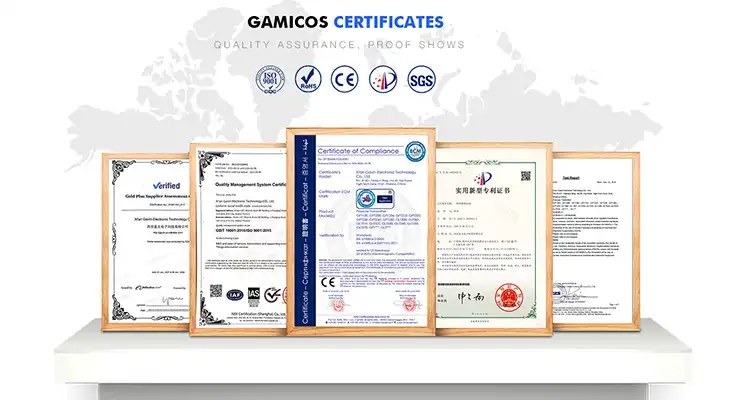
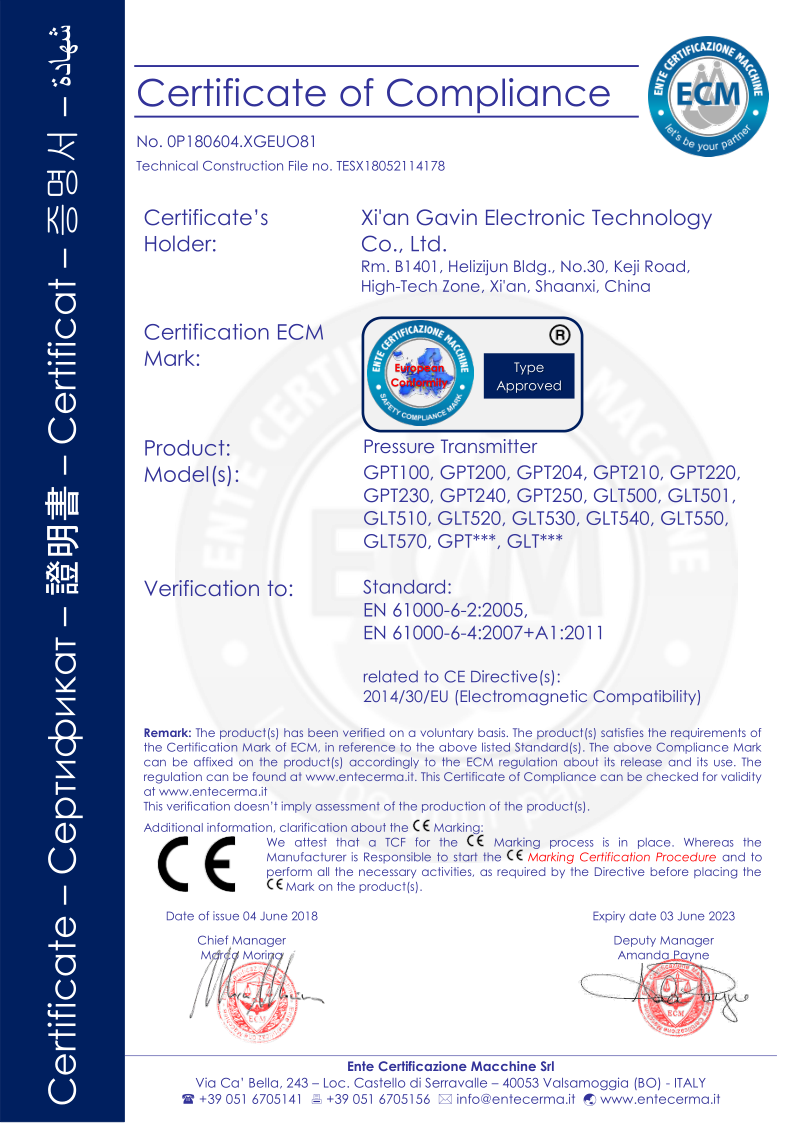
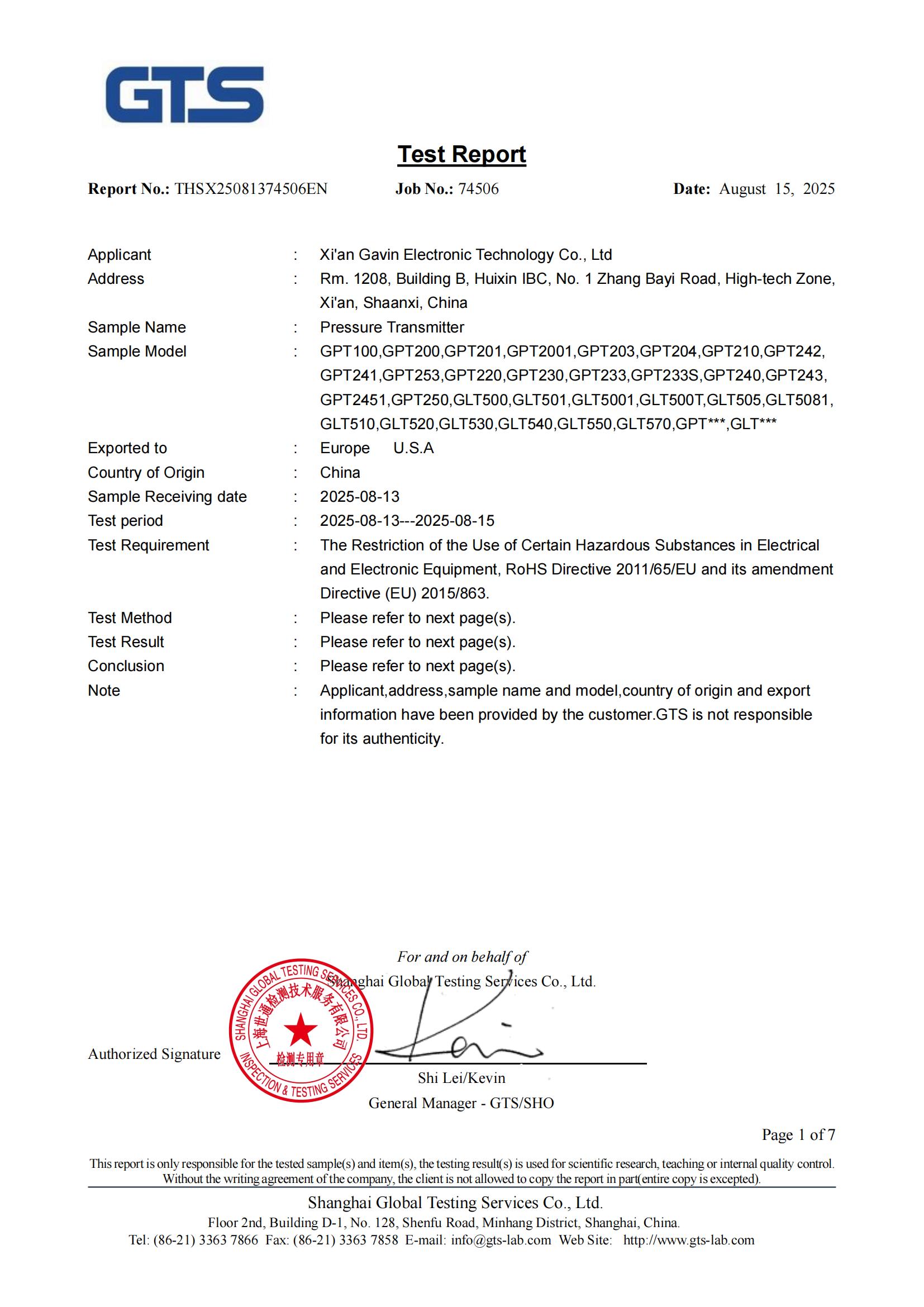
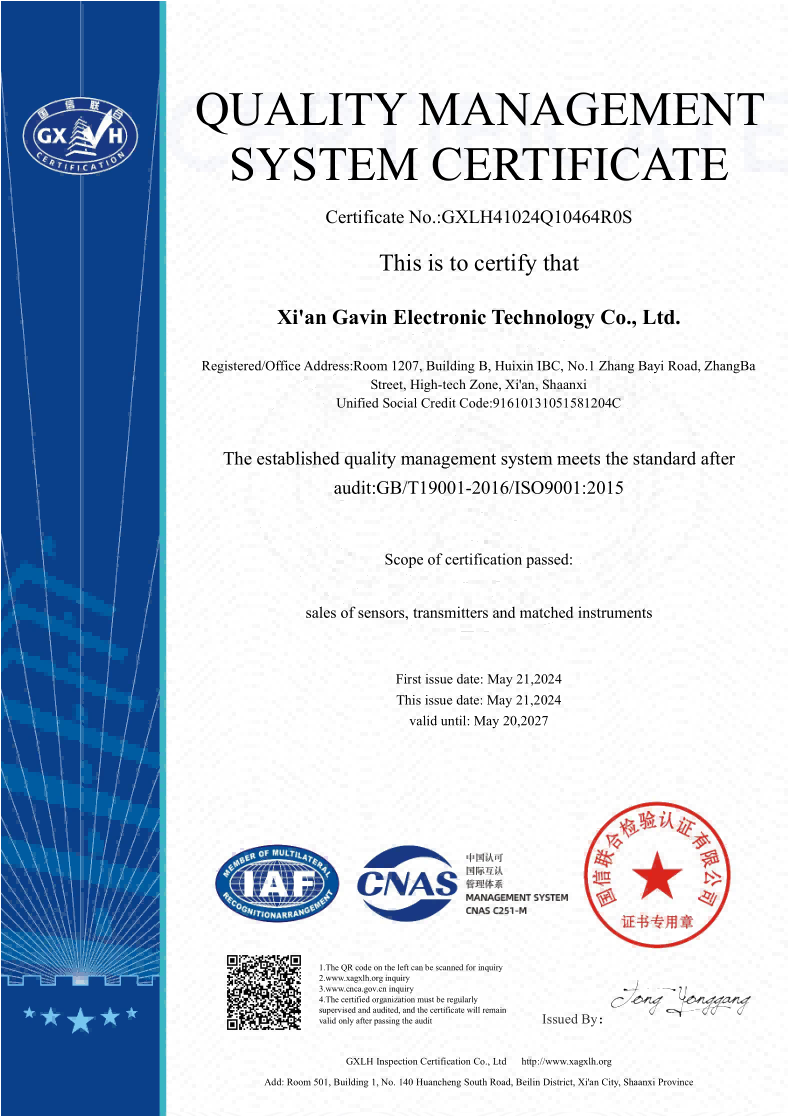
European providers put a high value on meeting ATEX explosion-proof certifications, CE marking, and RoHS environmental standards. These are legal requirements that can't be changed for activities in any EU member state. In the same way, American markets put a lot of weight on UL ratings and following industry-specific rules for installing in dangerous places and handling oil. Professionals in charge of purchasing must make sure that the sellers they choose keep up-to-date certifications that are important to their work areas. This extra work keeps you from having to wait for expensive delays caused by equipment not working during the testing phase and makes sure that you're following the insurance rules for industrial sites.
Smart Technology Integration
Smart monitor technologies that can communicate wirelessly are becoming more and more popular among suppliers. IoT devices send data in real time to centralized tracking systems. This helps with planned repair and cuts down on unplanned downtime. Suppliers that offer backward compatibility, which lets organizations slowly upgrade systems without replacing the whole infrastructure, are very helpful for handling old setups while also launching modernization projects.
Technological Trends and Evolution in Diesel Level Sensors
In the past, measuring diesel level mostly relied on float-based mechanical systems and basic resistance sensors. These had problems like drifting accuracy, being easily contaminated, and being hard to install. Most of the time, these old methods needed to be maintained on a regular basis and had trouble staying accurate when temperatures and fuel makeup changed. Integrating silicon piezoresistive pressure sensing elements with high-tech signal filtering electronics has made a big difference in modern measurement technology for the fuel tank sensor. The GAMICOS GLT5001 is an example of this new technology. It uses very reliable silicon piezoresistive pressure sensors as its main measurement parts, along with automatic temperature adjustment and customizable digital circuit correction.
This method gets rid of a lot of the ways that moving parts can fail while still providing higher accuracy over a wider range of working conditions. Modern gadgets have more than one output choice, like analog voltage, current loop, and digital communication methods, which makes it easy to connect them to different types of control systems. OEM makers who are making customized fuel management units and engineering contractors who are adding measurement systems to bigger industrial automation projects will benefit the most from this freedom.
Wireless Capabilities and Real-Time Analytics
With the rise of portable measurement technologies, diesel storage uses have changed in a big way. Lora, GPRS, NB-IoT, and 4G transmission modules let tank farms that are spread out physically be monitored from afar without having to build expensive hardwired infrastructure. Real-time data analytics tools look at continuous measurement streams to find trends in usage, find leaks that don't make sense, and improve the logistics of refueling. These features work great with Industry 4.0 ideas, which means that managing fuel supplies will change from a reacting to a predictive model. When sourcing managers look at providers, they should give more weight to those that offer complete IoT integration paths backed by detailed technical documentation and help with implementation.
Durability Enhancements for Harsh Environments
Industrial diesel uses need to be very resistant to weather damage. The GLT5001 is fully welded and has an IP68 grade for security. This means it can work reliably in tough conditions, like marine installations that are exposed to saltwater and vibrations, or outdoor storage tanks that experience big changes in temperature. Models with magnetic suction bases have anti-vibration features made just for mobile tank tracking on cars and portable gear. Explosion-proof certifications (ATEX) are still needed for jobs that involve handling oil, and sellers have to show that they are compliant by following strict testing procedures. Professionals in procurement should ask for proof of licensing and make sure it applies to the specific hazardous area ratings that govern their sites.
Key Factors Influencing Diesel Level Sensor Procurement Decisions
When businesses buy diesel measurement systems from each other, they have to think about a lot of technical and business factors that go beyond the initial purchase price. Engineering managers and buying workers need to look at full value propositions that include accuracy requirements, long-term dependability, the ability to customize, and the supplier's ability to provide support.
Measurement Accuracy and Calibration Standards
The level of precision needed depends a lot on the application. Operators of bulk storage can handle measurement errors of up to 0.5% of the full scale, but to meet emissions standards, fuel injection system tracking needs to be accurate to within 0.1%. Understanding the accuracy needs of a specific application keeps you from selecting and paying too much for too tight of tolerances, while still making sure there are enough performance gaps. Methods of calibration have a big effect on maintaining accuracy over time. Suppliers who give factory calibration with paperwork that can be used to find standards make rollout ready right away. Temperature compensation methods are necessary for diesel uses that go through seasonal changes because they stop false readings that are caused by changes in fuel density.
Compatibility and Integration Considerations
Compatibility with automation systems is a very important factor in the buying process. Sensors like the fuel tank sensor need to work with current SCADA systems, PLC controllers, and fuel management software without needing a lot of special code. When suppliers offer specific integration guides, sample code, and communication methods that are already set up, commissioning times and labor costs go down. The GLT5001 can generate both analog and digital signals, so it can be used with a wide range of system architectures. This ability to be changed is especially helpful for retrofit projects that want to improve older setups but can't afford to update the whole system.
Customization Capabilities and OEM Support
OEM makers and engineering companies often need changes that are specific to an application. These changes could be different mounting arrangements, custom cable lengths, different communication protocols, or private-label branding. GAMICOS offers full OEM and ODM services that let you change models, parameters, packing, and paperwork to fit your needs. This makes it easy to integrate into your own equipment designs while keeping quality high throughout the production process. For big projects, it's important for suppliers to be able to provide goods in bulk and stick to shipping dates. During the seller approval process, procurement managers should check suppliers' manufacturing capacity, inventory policies, and transportation partnerships to lower the risk of project delays.
Warranty Terms and After-Sales Support
The warranty terms and how quickly technical help responds have a big effect on the total cost of ownership. Suppliers who offer longer warranties show that they trust the stability of their products and protect customers financially in case they break down early. Just as important, professional support teams that are easy to reach and can fix problems with installation and operation keep expensive downtime from happening. GAMICOS has a professional technical support team that helps with choosing the right product, installing it, making sure it works right, and making sure that the user is always getting the most out of it. This way, sensors work at their best throughout their entire operating lives. This method is focused on the needs of the customer and handles real-world problems that industrial operators face instead of just giving them product specs.
Common Challenges and Solutions in Diesel Level Sensor Use and Maintenance
Diesel level measurement methods sometimes have problems that make it hard to control fuel, even though technology is getting better. Knowing the most common ways that equipment breaks down and doing preventative maintenance can make it last longer and keep the accuracy of measurements.
Diagnosing Inaccurate Readings
Differences in measurements are usually caused by more than one thing. Over time, sensor calibration drift happens slowly, especially in places where temperatures change a lot or where there is a lot of mechanical shaking. When contaminants build up on sensor elements, like water condensation, sediment layers, or bacteria growth in diesel fuel, they can make pressure transmission less accurate. To find out how much of a difference there is in measurements, systematic diagnostic methods compare sensor outputs to standardized dip-stick readings or portable ultrasonic level measures. Considerable departures from the manufacturer's specs mean that the system needs to be re-calibrated or a part needs to be replaced.
Electrical System Troubleshooting
Problems with the stability of the wiring show up as signal loss that comes and goes, readings that aren't accurate, or total contact failures. Moisture getting in at the connection places, wire damage from mechanical wear, and not having enough grounding are common causes. The IP68 grade and fully welded construction of the GLT5001 make it less vulnerable to external factors, but it is still important to follow the right installation procedures. On a regular basis, inspection methods should check that cable routing is safe from sharp edges and moving parts, look at connecting seals to see if they are wearing down, and measure circuit continuity and insulation resistance. These preventative steps find problems as they start to happen before they get so bad that they stop working.
Maintenance Best Practices
Setting up organized repair plans cuts down on unplanned downtime by a large amount. It is suggested that you check the calibration of the fuel tank sensor on a regular basis, usually once a year or every six months, depending on how important the application is. You should also clean the sensing elements so that they aren't damaged, and you should keep track of performance trends so that you can plan ahead for maintenance. Suppliers who offer detailed repair instructions and testing services make it easier to meet ongoing operating needs. GAMICOS helps customers by providing full after-sales service, which includes quick responses, help with upkeep, and expert advice to ensure stable long-term operation in a wide range of industrial settings.
Future Outlook: Supplier Innovation and Market Trends in Europe and America
Because of new technologies, government rules, and changing customer needs, the diesel level sensor supplier market is always changing. In the next few years, buying tactics will be affected by a number of new trends.
Smart, Connected Device Proliferation
Industrial workers will buy more IoT-enabled measurement systems as they realize how useful it is to keep an eye on things from afar all the time. When suppliers spend money on wireless communication, cloud-based analytics tools, and mobile application interfaces, they put themselves in a good situation. This connection makes it possible to handle tank installations that are spread out physically from one place. This is especially helpful for fuel distribution networks, marine fleets, and industrial operations with multiple sites. GAMICOS has a lot of experience putting Lora, GPRS, NB-IoT, and 4G wireless technologies into measuring tools, so they can directly meet this market trend. Working with research centers and a dedication to constant innovation are ways that the company makes sure that product development is in line with new industry needs.
Environmental Sustainability Focus
As regulations put more pressure on reducing pollution and stopping leaks, the need for highly accurate and dependable measurement systems that stop fuel waste grows. Smart sensors that find unusual patterns of use or slow drops in level that mean there is a leak help meet environmental compliance goals while lowering running costs. Suppliers that show they care about the environment by following RoHS rules, using sustainable production methods, and managing a product's lifecycle will be favored by companies whose sustainability efforts are becoming more important in purchasing decisions.
Customization and Service Differentiation
As measurement technology improves, the things that set one company apart from another move from simple specs to full solution delivery. For B2B customers with specific organizational problems, suppliers that offer application tech support, customized setups, fast prototyping, and flexible purchasing terms are the best value packages. In GAMICOS's customer-focused approach, knowing specific application needs is more important than pushing standard goods. This interactive approach, along with years of experience working with clients in 98 countries, makes it possible to solve problems effectively in a wide range of workplace settings.
Digital Transformation of Supply Chains
Digital tools that make it easy to compare suppliers, simplify request-for-quotation workflows, and track performance are changing the way procurement is done. Suppliers that use these technologies but also offer responsive human technical help strike a balance between speed and relationship-building, which is important for building long-term relationships. Engineering managers and buying professionals should look for suppliers that can show they are both technically skilled and committed to working together with customers. These are the qualities that will help partnerships succeed as the industry changes quickly.
Conclusion
Industrial procurement experts can find both possibilities and challenges in the diesel level sensor supply landscape in both Europe and the United States. While well-known suppliers have a track record of being reliable, specialized makers like GAMICOS offer new ideas, the ability to customize products, and quick support that can adapt to changing operating needs for the fuel tank sensor. As technology moves toward smart, connected devices and accuracy standards rise, it is important to carefully evaluate suppliers by looking at more than just their product specs. To get measurement systems that support operational excellence and long-term competitiveness across a wide range of industrial uses, good procurement strategies combine technical requirements, certification compliance, cost factors, and the possibility of forming partnerships with suppliers.
FAQ
Q1: What distinguishes fuel level sensors from fuel tank sensors?
A: While the terms are often used interchangeably, fuel level sensors usually mean the measuring tool itself, while fuel tank sensors can include whole monitoring systems with parts for level measurement, temperature reading, and quality monitoring. In diesel uses, level sensors measure the height or volume of liquid, while full tank tracking systems give more information to help with fuel management choices.
Q2: How can I ensure diesel level sensor accuracy over time?
A: To keep measurements accurate, they need to be checked against measurable standards on a regular basis, kept clean through proper installation and filters, and their temperature had to be adjusted to account for changes in fuel density. By choosing sensors with long-term stability standards that have been proven and writing down repair schedules, you can stop calibration drift and make sure that the sensors last longer.
Q3: What advantages do OEM sensors offer compared to aftermarket alternatives?
A: Original Equipment maker (OEM) sensors usually come with a warranty that covers longer periods of time and is backed by established maker support networks. They are also promised to work with original equipment. Aftermarket choices might save you money and get them to you faster, but you need to carefully check the specs, make sure they meet certification requirements, and see if the seller has the expert support you need to make sure they work well in the long run.
Partner with GAMICOS for Advanced Diesel Level Measurement Solutions
At GAMICOS, we know that picking the right fuel tank sensor supplier can have an effect on your bottom line, how well your business runs, and how well you follow the rules. Our GLT5001 diesel level sensor uses tried-and-true silicon piezoresistive technology and comes with a lot of customization choices. For example, it has a magnetic suction base model for mobile use and explosion-proof certifications that meet ATEX, CE, and RoHS standards. We offer flexible OEM/ODM services, big supply options, and quick technical support to engineering managers, sourcing professionals, and automation experts in the oil, chemical, energy, and marine industries. Email our team at info@gamicos.com to talk about your exact measurement needs and find out how our custom solutions can help you solve your business problems accurately and reliably.
References
1. Anderson, M. & Thompson, R. (2022). Industrial Fuel Management Systems: Technology and Best Practices. Industrial Press Inc.
2. European Committee for Standardization. (2021). EN 13617: Petrol Filling Stations - Safety Requirements for Construction and Performance of Metering Pumps, Dispensers and Remote Pumping Units.
3. Hoffmann, K. (2020). An Introduction to Measurements using Strain Gauges. Hottinger Baldwin Messtechnik GmbH.
4. International Organization for Standardization. (2019). ISO 4266: Petroleum and Liquid Petroleum Products - Measurement of Level and Temperature in Storage Tanks by Automatic Methods.
5. Miller, J.P. (2023). "IoT Integration in Industrial Process Measurement: Trends and Implementation Strategies." Journal of Industrial Automation, 47(3), 234-251.
6. Webster, J.G. & Eren, H. (2021). Measurement, Instrumentation, and Sensors Handbook: Electromagnetic, Optical, Radiation, Chemical, and Biomedical Measurement (2nd ed.). CRC Press.

Eva
Eva specializes in bridging the gap between cutting-edge sensor technology and market needs. With 8 years of experience in industrial product marketing, she has successfully launched multiple sensor product lines—from pressure transmitters to fuel level sensor—into global markets.
We're here to help — submit your request anytime!
Let us know how we can help solve your pressure level measurement challenge.
_1757930850792.jpg)
Recommended Blog

Can a submersible level sensor measure liquid level in a closed tank?

Best Quality Submersible Level Transmitter Available in Xi'an