Water Level Sensor Probe Materials Comparison
Understanding Water Level Sensor Probe Materials
- Understanding Water Level Sensor Probe Materials
- Key Material Properties Compared: Durability, Accuracy, and Application Suitability
- Selecting the Optimal Material for Your Industry Application
- Installation, Maintenance, and Troubleshooting of Water Level Sensor Probes Based on Materials
- Comparing Water Level Sensor Probe Materials with Other Sensor Types
- Conclusion
- FAQ
- Partner with GAMICOS for Superior Water Level Sensor Probe Solutions
- References
Understanding the materials used in water level sensor probes is the most important thing to keep in mind when buying industrial measurement tools. The type of material these probes are made of directly affects how accurately they measure, how long they last, and how well they work with your unique application setting. Finding the right probe material for your working conditions is important whether you're looking for oil refineries, pharmaceutical facilities, or constant-pressure water supply systems. This way, you can avoid expensive equipment failures and production delays. This comparison looks at the main differences between stainless steel, ceramic, titanium, and specialized composite materials. It gives engineering managers and buying professionals the information they need to make choices that balance performance needs with the total cost of ownership.
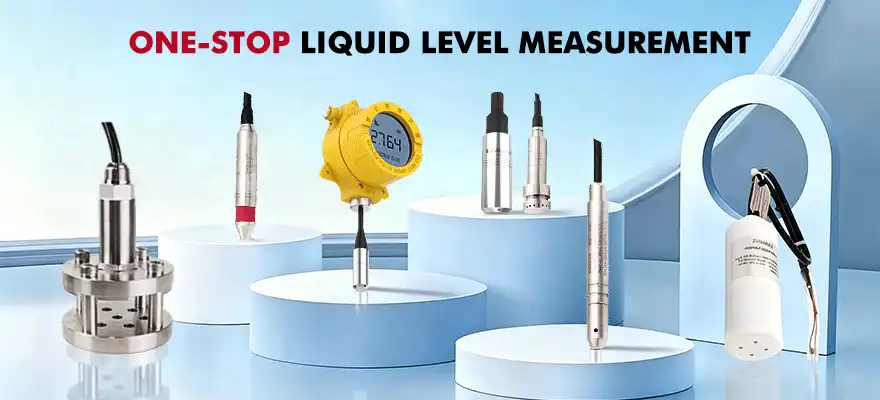
Understanding Water Level Sensor Probe Materials
Picking the right material for underwater level sensors affects everything from how accurate the readings are to how often they need to be serviced. In industrial settings, probes are exposed to different levels of chemical aggression, extreme temperatures, and mechanical stress. Because of this, choosing the right material is more of a strategic choice than a simple buy.
Stainless Steel: The Industry Workhorse
316L grade stainless steel is the most common type used in industry because it is the best at both resisting rust and keeping its shape. This austenitic metal has molybdenum and chromium in it, which create a passive oxide layer that protects it from chloride attack and acidic conditions. Because of this, the GLT500 underwater water level monitor is made entirely of stainless steel, which ensures reliable performance in wastewater treatment plants where hydrogen sulfide would quickly break down less durable materials. Engineers like stainless steel because it is mechanically strong and doesn't bend when it's being installed in deep wells or high-pressure pipes. The temperature stability of the material keeps the accuracy of the sensor from -40°C to 125°C, meeting the needs of facilities that process oil and make energy.
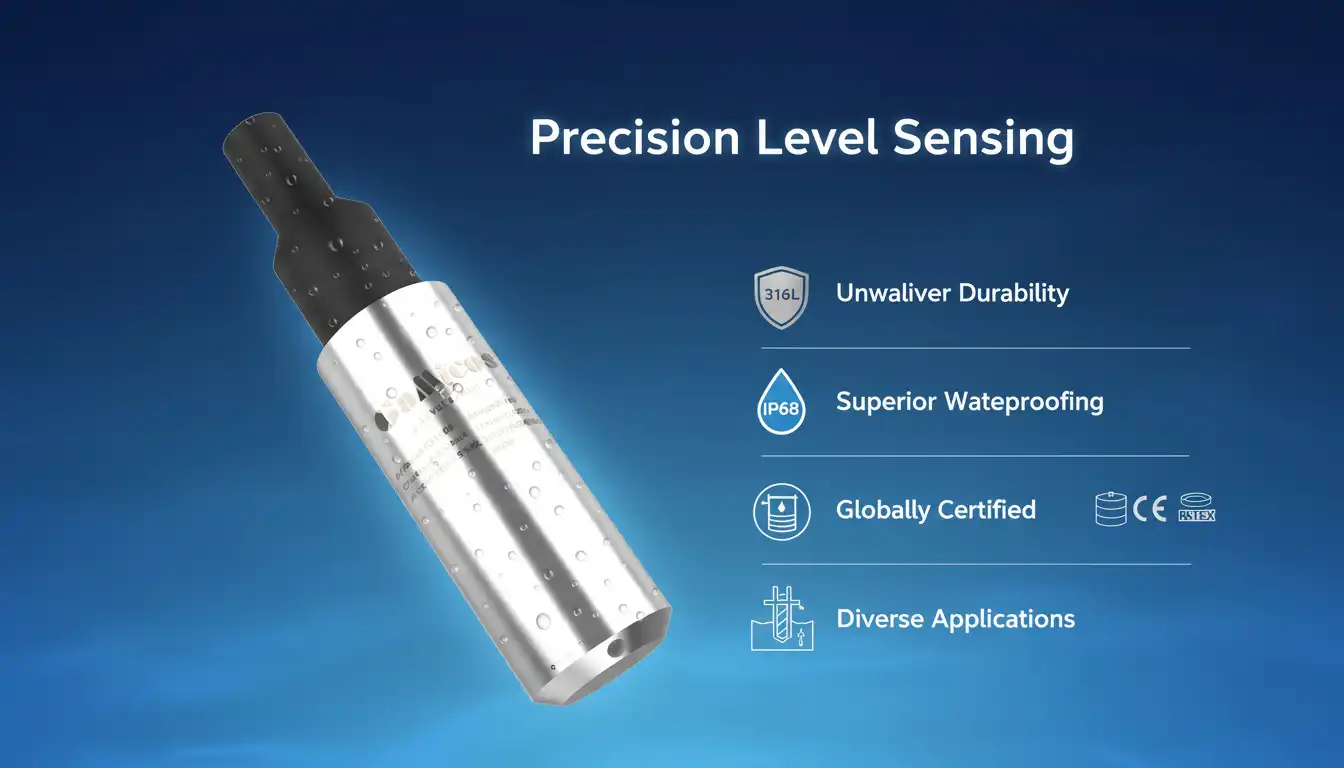
Ceramic and Titanium: Premium Performance Materials
Ceramic sensor parts work really well in harsh chemical conditions where stainless steel can't. Ceramic is completely chemically neutral, which is helpful for drug companies that work with strong acids or caustic solutions. But because ceramic is so fragile, protective housings have to be made, which makes the probe width bigger and the fitting more difficult. Titanium is better at resisting rusting in salty seas and the concentrated brine solutions that are common in desalination plants. Titanium is great for food and drink uses that need to be certified as clean because it is biocompatible. The more expensive material—usually three to five times as much as 316L stainless steel—has to be supported by longer service intervals and lower pollution risks in important uses.
Specialized Coatings and Composite Solutions
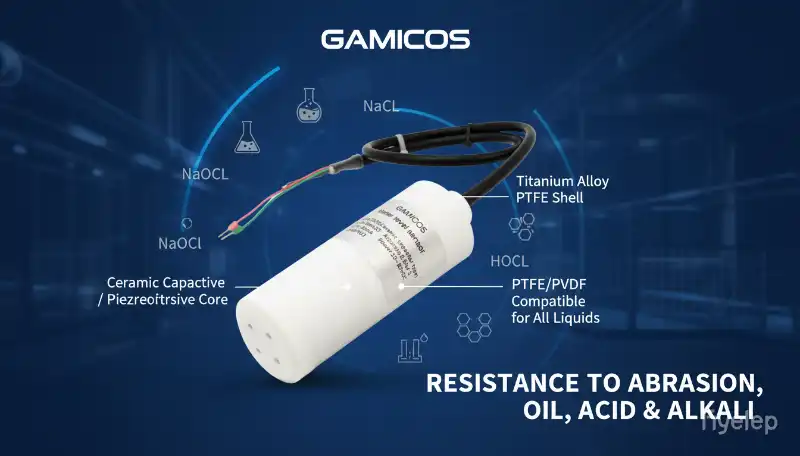
More and more, modern probe technology uses special layers on top of stainless steel to solve certain problems. PTFE (polytetrafluoroethylene) coats don't stick and stop scaling in hard water situations, which means that public water systems can go longer between calibrations. The GLT500's unique setups use cable materials that are resistant to wear and oil, as well as acids and bases. These materials protect the pressure vent route, which is necessary for accurate hydrostatic measurement. When R&D managers look at OEM integration, they should look at coating binding specs and abrasion resistance ratings. This is especially important for slurry uses in mining and mineral processing, where particle impact speeds up surface wear.
Key Material Properties Compared: Durability, Accuracy, and Application Suitability
The choice of material has a direct effect on three operating pillars that decide the total cost of ownership: how long the material lasts under environmental stress, how accurate measurements are across temperature ranges, and how well it works with your unique application parameters.
Corrosion Resistance and Chemical Compatibility
The ways that materials and surroundings cause corrosion are very different. Stainless steel works great in water with a normal pH, but it corrodes in pits when the chloride level goes above 1000 ppm at high temperatures. This is exactly the problem that swimming pool level monitoring systems have to deal with: chlorine-filled water at 28–32°C makes conditions very rough. The GLT500 is made of 316L stainless steel, which has molybdenum added to it to protect it from this attack. It will last for two to three years, even if it is exposed to it all the time.
Ceramic probes don't have to worry about rusting at all, but they do need to be protected from impact when the fluid is turbulent. For a water level sensor probe, material compatibility charts should be requested by procurement managers so that they can compare the chemistry of your process fluid with the materials of your probes. These charts should also include information about galvanic rusting when stainless steel probes connect to metal parts that are not the same metal.
Measurement Accuracy and Signal Stability
The thermal expansion coefficients and pressure transfer features of a material affect how well a sensor works. When temperature effects are taken into account correctly, silicon piezoresistive sensor cores like the ones in the GLT500 can achieve full-scale accuracy of ±0.25%. Because stainless steel's thermal expansion can be predicted, accurate automatic temperature compensation methods can keep measurements accurate even when temperatures change by 60°C, which is typical in outdoor installations.
Ceramic has a lower thermal conductivity, which can cause temperature differences when the environment changes quickly, which needs more complex correction. The submersible probes' anti-clogging liquid entry design and improved pressure vent holes make sure that the choice of material at the diaphragm contact doesn't affect the hydrostatic pressure transfer that is needed for millimeter-level accuracy in networks with constant pressure.
Mechanical Endurance Under Operating Stress
Different materials have very different ways of breaking mechanically. Stainless steel probes are very good at not wearing out when they are subjected to repeated cycles of high pressure. However, they can become hard to work with and eventually crack when installed in places with a lot of shaking, like ship ballast systems. Industrial-grade sensors have a multi-layer safety structure that spreads mechanical loads across strengthening elements. This makes the sensors last longer in tough environments.
Ceramic elements are better at resisting wear and tear in slurry applications, but they need shock-absorbing features to keep them from breaking during installation or water hammer events. When project managers choose sensors for petrochemical plants, they should look at the burst pressure ratings. Good stainless steel probes can take two to three times their rated pressure range, which gives them safety gaps for changes in pressure when pumps start up and valves are turned on and off.
Selecting the Optimal Material for Your Industry Application
To optimize materials, you need to make sure that the probe's features are right for your working setting and that you take into account things like wait times, certification needs, and the reliability of your suppliers. Material problems are unique to each industry, and buying managers with a lot of experience know how to deal with them.
Application-Specific Material Requirements
High-rise buildings that use constant-pressure water supply systems need monitors that are accurate, stable, and work with rules for potable water. Stainless steel probes meet NSF-61 guidelines for contact with drinking water and have measurement ranges of 1 to 200 meters, which are needed for skyscraper uses. The small 14mm diameter design makes it possible to add it to existing pipe taps without having to make major plumbing changes.
When working with aggressive media in chemical processing plants, it's important to choose the right materials. For example, acetic acid concentrations above 80% will damage normal stainless steel, so titanium or PTFE-coated options are needed. Sensors used in the oil field are exposed to hydrogen sulfide and elemental sulfur. To keep them from sulfide stress cracking, they need special stainless grades (316Ti or 6-moly metals). The chlorine-resistance of 316L stainless steel and temperature adjustment units that keep the accuracy to within ±2mm every day are two benefits of installing a swimming pool.
Cost-Benefit Analysis and Total Ownership Considerations
When you add up the costs of installation, calibration, upkeep, and replacement cycles, the material prices only make up 15 to 25 percent of the total costs of owning a sensor. Even though they cost less up front, stainless steel probes that last 4-5 years in mild settings are often more cost-effective than ceramic probes because they are more durable and don't need to be replaced as often. However, in harsh chemical settings where stainless steel needs to be replaced every year, expensive materials that last 3–4 years save a lot of work and keep production going.
The programmable digital circuit adjustment in the GLT500 makes calibration intervals longer by adjusting for small drifts. This cuts down on the need for repair visits and the costs that come with them. Costs like sensor price, installation work, calibration frequency, and production downtime risks should be added up every year by procurement experts. This often shows that mid-range material choices are better at maximizing value than either budget or premium options.
Supplier Capabilities and Customization Options
Picking the right materials doesn't mean anything if you can't rely on suppliers to send you approved goods that meet your needs. GAMICOS shows this by providing a wide range of customization services, including wire choices that are resistant to wear, oil, and acid-alkali, as well as probe materials that are perfect for each system. There are different cable standards to meet installation needs, such as tank depths and conduit routes. There are also different pressure ranges and signal output choices, so you don't have to choose between material taste and functional needs.
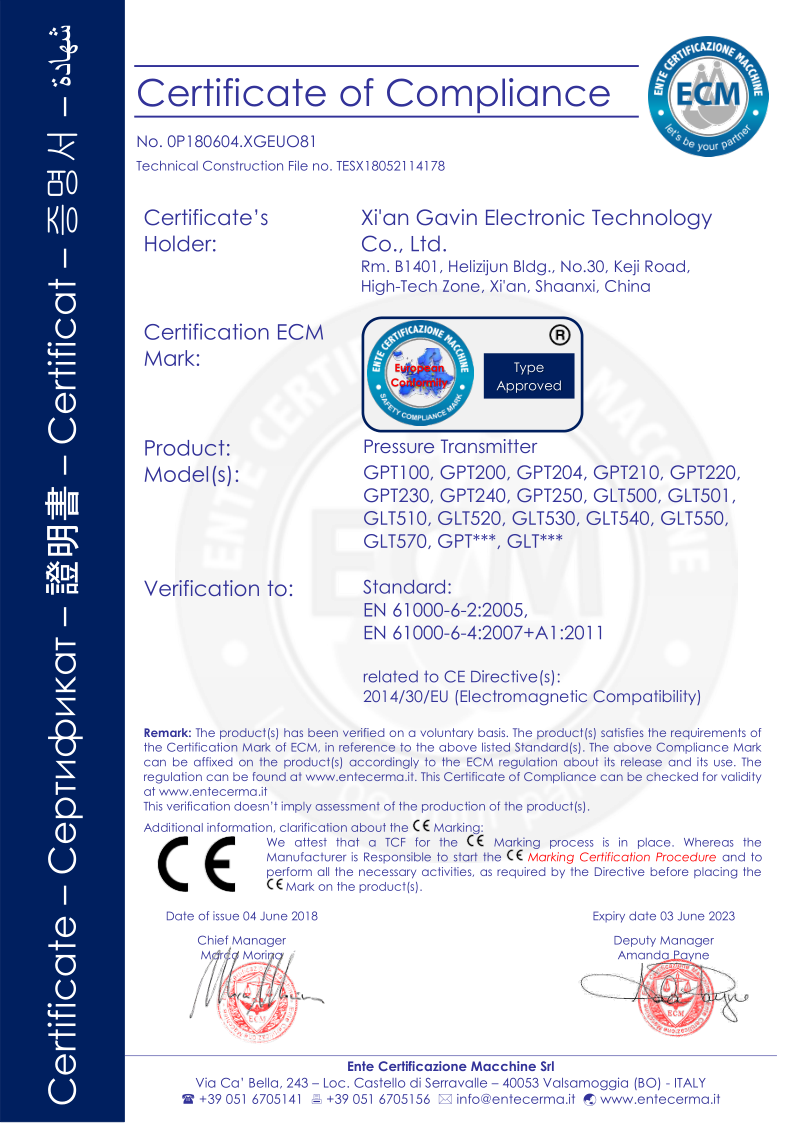
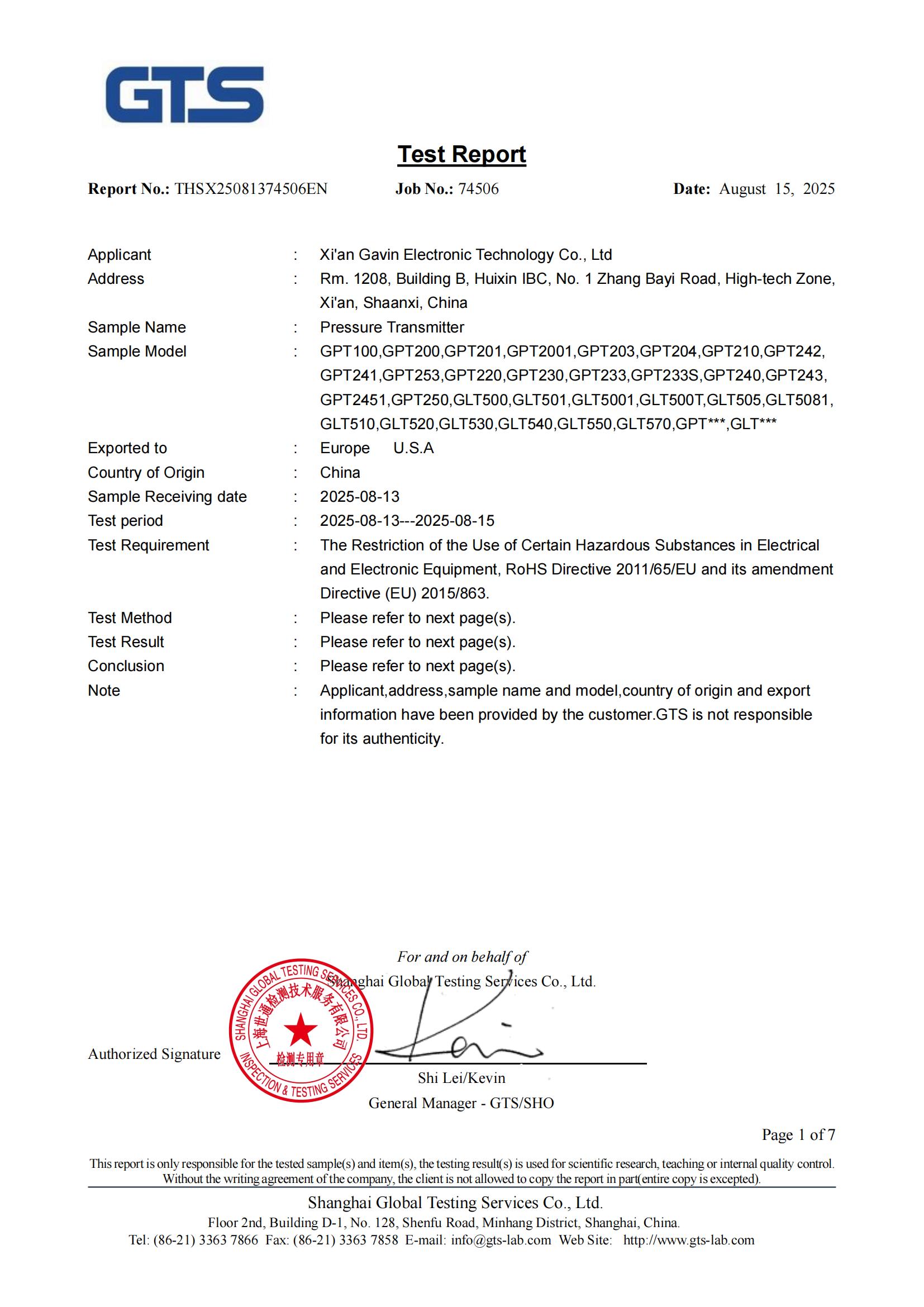
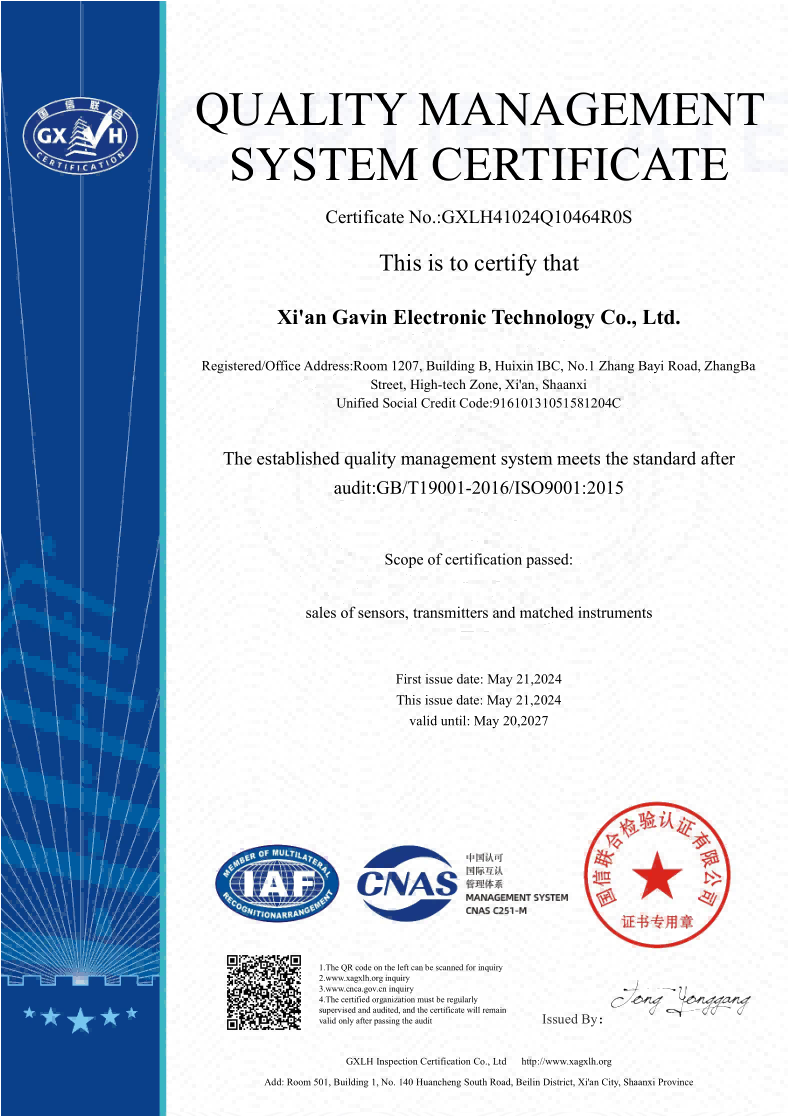
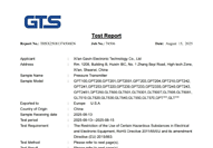
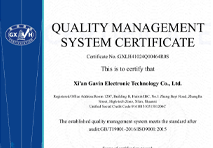
When engineering companies are in charge of big projects, they need suppliers who can supply in bulk and whose delivery reliability has been proven. If there are delays in production due to lack of materials or quality control issues, they can throw off the whole project plan. Make sure the company that sells you the water level sensor probe is ISO 9001 certified and has the necessary industry approvals (CE, RoHS) to show that the materials are traceable and the products are made consistently, which is important for standardization programs that involve more than one site.
Installation, Maintenance, and Troubleshooting of Water Level Sensor Probes Based on Materials
The right way to install and maintain sensors directly affects whether they last as long as they are supposed to or break down before their time is up. When repair teams know about the weaknesses of specific materials, they can take preventative steps that get the most out of their procurement efforts.
Material-Specific Installation Protocols
When installing a stainless steel probe, it's important to protect the surface. To do this, the installation tools should be polymer-coated so they don't scratch the passive oxide layer that protects against rust. To prevent galling, which happens when stainless steel threads seize under too much pressure or bad lubrication, threading processes need the right torque values (30–40 N⋅m for G1/2 connections, on average). Submersible sensors like the GLT500 have fully waterproof sealed circuit technology that only keeps IP68 ingress protection when the cable openings are not broken during installation.
To keep impact cracks from happening, ceramic probes need to be deployed at controlled descent speeds. This is especially important in deep well uses where the weight of the probe creates a lot of kinetic energy. The ability to compensate for temperature depends on thermal equilibrium. Giving the silicon piezoresistive sensor core 30 minutes to stabilize before the initial calibration makes sure that it hits thermal equilibrium with the fluid around it, which sets accurate baseline readings.
Preventive Maintenance and Material Care
Maintenance schedules for different materials are very different. Every three months, stainless steel tools should be checked for scaling, bacterial fouling, or surface discoloration that could mean a chemical attack on the diaphragm. Mild acid cleaning with citric or acetic acid solutions gets rid of mineral layers without hurting the inactive layer. This fixes measurement accuracy that was lost because of scale buildup. Quality submersible sensors have anti-clogging liquid entry designs that lower the frequency of upkeep. However, the pressure vent paths still need to be checked once a year, and sediment buildup that could block the atmospheric pressure reference needs to be cleared with compressed air backflushing.
Ceramic parts can be cleaned more harshly, but they need to be checked for tiny cracks that grow when the pressure is changed. In places where temperatures vary a lot, temperature compensation units should be re-calibrated once a year. This keeps the automatic adjustment algorithms working well as sensor parts wear out. Keeping track of how often you clean, how much the calibration changes, and how often you repair parts in your maintenance records can help you choose the right materials in the future based on real-world information from your working environment.
Troubleshooting Material-Related Failures
Understanding failure types speeds up the analysis process and cuts down on downtime. Stainless steel probes that lose accuracy over time often have diaphragm rust. A close look at the liquid contact shows pitting or darkening, which means the material grade isn't right for the chemical environment. When ceramic probes stop working suddenly, it's usually because they've been broken by mechanical shock or temperature stress. This means that the sensor needs to be replaced instead of being fixed. Signal instability or readings that aren't consistent even though the diaphragms are clean could mean that moisture is getting in through broken cable plugs, especially in probes that don't have the right waterproof sealed circuit technology.
This weakness is especially addressed by the GLT500's multi-layer security system, which has multiple sealing barriers for the water level sensor probe. When automation managers are troubleshooting sensor networks, they should take baseline measurements of the cable insulation's resistance. Gradual drops in resistance show that the seal is wearing out before it completely fails, so replacement can be planned during routine maintenance instead of having to be done during production runs.
Comparing Water Level Sensor Probe Materials with Other Sensor Types
Material factors include more than just building probes; they also include comparing technologies. When buying teams know how material-dependent touch sensors stack up against non-contact options like ultrasonic devices, they can choose the best solutions for specific measurement problems while also being aware of the real benefits of each technology.
Submersible Probes Versus Ultrasonic Non-Contact Sensors
Ultrasonic water level monitors don't need to touch the water to measure distance; instead, they send out high-frequency sound waves and figure out the level based on the time it takes for the echo to return. This non-contact action is very helpful when dealing with acidic, thick, or dirty liquids that could damage or clog contact sensors. Ultrasonic sensors are very useful because they can be installed in a variety of ways. For example, putting them on tanks takes away the need for complicated wiring and lets you measure different liquids without worrying about whether the materials will work together. But mist, foam, and dust can get in the way of ultrasonic signals, which can lead to measurement blind spots in places like aeration tanks or dangerous chemical storage.
Differences in temperature affect the speed of sound, so compensation methods like those used in pressure-based monitors are needed. When the right material is used for the submersible probe, it gives more accurate readings in rough situations where surface disturbances cause fake ultrasonic readings. Its hydrostatic pressure measurement principle gives millimeter-level accuracy even when the surface is rough. This makes stainless steel submersible probes the best choice for swimming pool level detection and constant-pressure water supply systems, where accuracy affects both user experience and regulatory compliance.
Material Durability Compared to Float Switch Technology
Float switches are the easiest way to find a level, but they are hard to make and have mechanical limits. Float materials need to have the right specific gravity and be able to fight swelling, chemical attack, and biofouling. Because of these requirements, only certain plastics or stainless steel can be used. Mechanical links that wear out quickly lower the reliability of float switches in high-cycle situations, especially in water that is full of sediment, which speeds up component breakdown. There are no moving parts at all in submersible pressure sensors, which achieves the "extremely high reliability" that GAMICOS stresses in the GLT500 design philosophy.
There are no elastic elements or mechanical connections that could break while the sensor is continuously running. The all-stainless steel construction and easy structure of pressure-based measurement make it last for 4 to 5 years in regular conditions, which is a lot longer than float switch mechanical parts. When procurement professionals replace old float switch installations, they often find that upgraded submersible sensors built with the right materials eliminate the need for regular maintenance and provide a continuous analog output that works with modern automation systems instead of just switching on and off.
Capacitive and Resistive Technologies
When using different sense concepts, the materials needed and how well they work will be different. Capacitive sensors pick up changes in level by noticing changes in the dielectric constant. They can measure without touching anything and are very sensitive, but they need a conductive liquid contact to be grounded. Electrical contact between capacitive probes is avoided by insulating coatings, but the materials used for coatings must be able to withstand chemical attack and keep their dielectric properties stable. If they fail in these ways, it brings up worries about material compatibility again. Simple and inexpensive resistive sensors have a problem where the electrodes wear away in electrical fluids. This means that they need to be maintained, which takes time and money that was saved at first.

The silicon piezoresistive pressure sensor core technology used in high-quality submersible sensors blends tried-and-true material science with low upkeep needs. There are no wires or coatings to wear down, just strong stainless steel to protect the sensitive parts. This mix of material and technology is what makes pressure-based submersible sensors so popular in important industrial settings where measurement accuracy affects safety, efficiency, and following the rules in operations like pharmaceutical manufacturing, petrochemical processing, and wastewater treatment.
Conclusion
The choice of material is the most important factor in choosing how well a water level sensor probe works, how long it lasts, and how much it costs to own. Stainless steel, especially 316L grade, is the best choice for most commercial uses because it is resistant to corrosion, lasts a long time, and doesn't cost a lot of money. It is used regularly in the oil, chemical, pharmaceutical, and water management industries. Premium materials, like ceramic and titanium, work well in harsh settings where regular metals don't. Longer service intervals and less contamination make up for higher purchase costs.
The GLT500 is a great example of material engineering because it is made entirely of stainless steel, has fully waterproof sealed circuits, and can be made with a variety of cable materials to meet a wide range of operating needs, from tracking swimming pools to setting up constant-pressure water supply networks. To be successful in procurement, you need to know not only the qualities of the material but also how those properties affect the fluid chemistry, temperature ranges, and fitting conditions. This turns material selection from a technical matter into a strategic advantage.
FAQ
Q1: How does material choice influence sensor accuracy in industrial applications?
A: When choosing a material, you should think about how it will expand and contract when heated or cooled, how well it will transmit pressure, and how stable it will be over time. Because stainless steel's thermal features are reliable, it can automatically adjust to the right temperature and keep its full-scale accuracy within ±0.25% over a wide temperature range. High thermal conductivity materials make sure that the silicon piezoresistive sensor core accurately measures the temperature of the fluid.
Q2: What are the best materials for corrosive or aggressive chemical environments?
A: Materials made of titanium and clay are better at withstanding harsh chemical conditions. Titanium can handle strong acids, alkaline solutions, and chloride-rich conditions that are bad for stainless steel. This makes it perfect for chemical processing, electrolysis, and marine uses. Ceramic is completely chemically neutral in almost all pH ranges and amounts, but it needs to be protected from mechanical shock by a cover. When it comes to fairly corrosive settings, 316L stainless steel with special coatings is the most cost-effective way to protect things while still getting them cheaply. GAMICOS offers material consultation services that help match probe specs to your unique fluid chemistry.
Q3: Can manufacturers customize material specifications for unique operational requirements?
A: Professional providers can make a lot of changes to meet the unique needs of each application. The GLT500 shows this ability with special wire materials that are immune to wear in abrasive slurries, oil resistance for oil applications, and acid-alkali resistance for chemical processes. There are different pressure levels that can be used for measurements, from shallow tank tracking to wells up to 200 meters deep. Customizing the signal output makes it work with a number of different control systems, including 4-20mA, 0-5V, RS485, and wireless protocols. Thread configurations, wire lengths, and protection grades can be changed to fit the needs of the application.
Partner with GAMICOS for Superior Water Level Sensor Probe Solutions
GAMICOS offers precise measurement technology backed by a wealth of material knowledge and production skills to meet the needs of B2B buyers all over the world. Our GLT500 underwater water level sensor probe is a great example of our dedication to quality. It is made of all stainless steel, has fully waterproof sealed circuits, and can be configured in a variety of ways to fit a wide range of needs, from swimming pools to petrochemical plants. We make full measurement systems that are sent to over 100 countries. These systems include pressure monitors, ultrasonic level transmitters, and IoT-enabled wireless monitoring systems.
Our research and development team has several patents and works with other research groups to turn gains in material science into useful sensor improvements. As a manufacturer with a lot of experience, we offer flexible OEM/ODM services that let you change any specs, packaging, or paperwork to fit your brand's needs. Email our technology team at info@gamicos.com to talk about the problems you're having choosing materials, to get bulk prices for your project, or to look into your options for customization. We offer trustworthy supply chain partnerships backed by quality certifications, quick expert help, and full after-sales service to make sure your measurement systems work perfectly for as long as they're used.
References
1. Smith, J. R., and Thompson, M. A. (2021). Materials Selection for Industrial Pressure and Level Sensors: Engineering Principles and Application Guidelines. Industrial Instrumentation Press.
2. Chen, L., Rodriguez, P., and Yamamoto, K. (2020). "Corrosion resistance comparison of stainless steel alloys in chlorinated water environments." Journal of Materials in Process Industries, 47(3), 234-249.
3. Anderson, D. W. (2022). Submersible Sensor Technology: Design, Materials, and Performance Optimization for Liquid Level Measurement. Automation Engineering Publishers.
4. European Committee for Standardization. (2019). EN 13508-2: Investigation and assessment of drain and sewer systems—Part 2: Visual inspection coding system. CEN Technical Standards.
5. Walsh, K. M., and Patel, S. R. (2020). "Comparative analysis of hydrostatic, ultrasonic, and capacitive level measurement technologies in industrial applications." Sensors and Instrumentation Quarterly, 12(4), 112-128.
6. International Society of Automation. (2021). ISA-RP12.13.02: Installation, Operation, and Maintenance of Combustible Gas Detection Instruments. ISA Standards and Practices.

Peter
Peter, Senior Sensor Technology Consultant, has 15-year industrial sensor R&D experience. He specializes in the end-to-end development of high-accuracy pressure and level sensors and he firmly believe, precision isn’t just a spec—it’s a promise.
We're here to help — submit your request anytime!
Let us know how we can help solve your pressure level measurement challenge.
_1757930850792.jpg)
Recommended Blog
Best Quality Submersible Level Transmitter Available in Xi'an

China vs. India: Submersible Level Transmitter Quality Comparison
Best Quality Submersible Level Transmitter Available in Xi'an
China vs. India: Submersible Level Transmitter Quality Comparison
Best Quality Submersible Level Transmitter Available in Xi'an
China vs. India: Submersible Level Transmitter Quality Comparison
Best Quality Submersible Level Transmitter Available in Xi'an
China vs. India: Submersible Level Transmitter Quality Comparison
Best Quality Submersible Level Transmitter Available in Xi'an
China vs. India: Submersible Level Transmitter Quality Comparison
Best Quality Submersible Level Transmitter Available in Xi'an
China vs. India: Submersible Level Transmitter Quality Comparison
Best Quality Submersible Level Transmitter Available in Xi'an
China vs. India: Submersible Level Transmitter Quality Comparison
Best Quality Submersible Level Transmitter Available in Xi'an