GLT570 Submersible Pressure Transducer for Harsh Chemicals
Understanding Submersible Pressure Transducers and Their Working Principle
- Understanding Submersible Pressure Transducers and Their Working Principle
- Key Features and Benefits of the GLT570 Submersible Pressure Transducer
- Comparing GLT570 With Other Market Options: Making the Right Choice
- Procurement Considerations for Bulk Buyers and OEMs
- Ensuring Long-Term Performance and Risk Mitigation
- Real-World Applications: Where the GLT570 Excels
- Conclusion
- FAQ
- Partner With a Trusted Submersible Pressure Transducer Manufacturer
- References
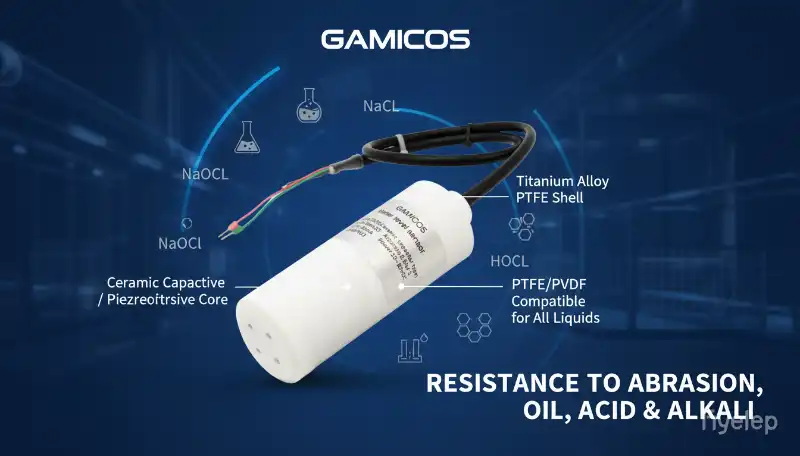
When harsh chemicals are used in industry, picking the right measuring tool is very important for both safety and speed. This problem is faced head-on by the GLT570 submersible pressure transducer, which has a PTFE shell and a ceramic sensing core to work reliably in places where other sensors fail. This device is designed to measure liquid amounts and pressure in media that is very corrosive. It is a unique option for procurement managers, engineering teams, and OEM partners who need reliable instruments. It can be used in a wide range of fields, from making medicines to treating wastewater, thanks to its adjustable transmitter circuit and flexible venting wires.
Understanding Submersible Pressure Transducers and Their Working Principle
What Sets Submersible Sensors Apart?
Submersible level transducers are fundamentally different from regular pressure measuring tools because they can work while being completely submerged in the liquid being watched. These sensors, unlike instruments that are fixed on the surface, measure hydrostatic pressure directly at the bottom of the fluid column. They then turn this pressure into proportional electrical messages that control systems can understand. The waterproof and chemical-resistant design keeps the electronics inside safe from damage from the environment, so it can be used continuously in situations where regular sensors would break down quickly.
How the GLT570 Operates?
The GLT570 uses a piezoresistive submersible pressure transducer system that is housed in a ceramic core. When the pressure changes, the ceramic diaphragm deforms slightly, which changes the resistance of the built-in strain gauges. Through the customizable emitter circuit, these changes in resistance are turned into standard electrical outputs. The clay material comes from well-known makers around the world. It is very stable when the temperature changes and doesn't react with chemicals that are meant to hurt it. This sensing technology can take readings even when it's in tough environments with acids, bases, solvents, and other things that would eat away at metal sensors.
Industrial Applications Requiring Specialized Sensors
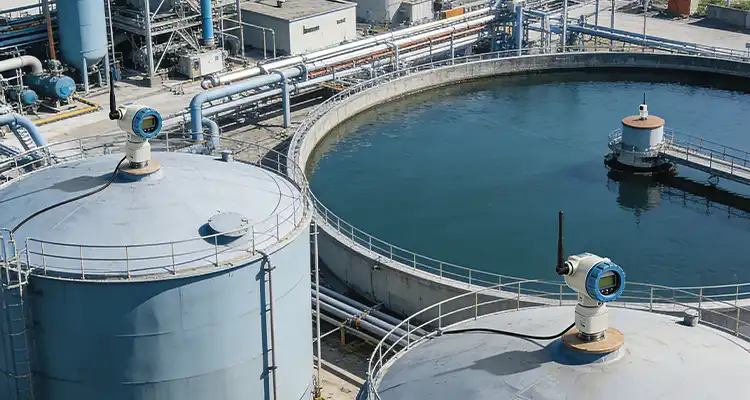
Chemical processing plants use these devices to keep an eye on the amounts of caustic solutions in storage tanks. They are used by wastewater treatment plants to keep track of the amount of liquid in aeration basins and sludge thickening tanks, which are hard to measure because of the biological activity and floating solids. Corrosion-resistant sensors are used in clean liquid tracking by pharmaceutical companies and in hydrocarbon storage and processing units by oil plants. Original equipment manufacturers (OEMs) put these sensors into automated systems that need to be reliable for a long time without having to be replaced often. By knowing about these application scenarios, buying teams can figure out if the GLT570's specs meet their business needs.
Key Features and Benefits of the GLT570 Submersible Pressure Transducer
Exceptional Corrosion Resistance Through Material Selection
Polytetrafluoroethylene (PTFE), a fluoropolymer famous for being chemically neutral and resistant to almost all industrial chemicals, is used in the body of the GLT570. This choice of material makes sure that the sensor's structure stays strong even when it's introduced to strong acids, strong bases, organic solvents, and reactive agents. In addition to this safety, the ceramic heart gives better resistance than regular stainless steel diaphragms. These materials work together to make a shield that stops chemical breakdown. This makes the instruments last longer in situations where regular instruments need to be replaced often because of corrosion-related failure.
Precision Measurement for Process Control
Accuracy of measurements has a direct effect on the safety and quality of processes in business settings. The GLT570 is very accurate because it uses a foreign ceramic sensing element and control circuits that can be programmed. This setup keeps drift to a minimum over time, so values stay the same for as long as the sensor works. The programmable emitter makes it easy to calibrate and change the zero and full-scale settings, which lets you set it up perfectly for different measurement ranges. This accuracy is very important in chemical mixing, where wrong level readings could lead to problems with the quality of the product or dangerous overflow situations.
Customization Options for Diverse Environments
Because workplace settings are very different, the GLT570 has venting cable choices that can be changed to fit different situations. Oil-resistant cables are used in oil and gas uses, and acid- and alkali-resistant versions keep chemicals from getting into the wire along its length. High-strength choices can handle mechanical stress in places where things are likely to be hit or worn down. This customization feature lets buying teams choose setups that work best in their specific fields. This lowers the chance of cables failing too soon, which could affect the accuracy of measurements or pose safety risks.
Simplified Installation and Maintenance
The shape of the submersible pressure transducer makes it easy to place; it just needs to be suspended from a cable at the depth that you want to measure. The programmable circuit makes commissioning easier by letting techs set output settings without having to go through a lot of complicated steps. Because the materials are so strong, they don't need much maintenance, but checking and cleaning them every so often helps them keep working at their best. These features lead to lower installation costs and a lower total cost of ownership, which are important factors for procurement professionals to consider when investing in instruments for big projects or multiple installation sites.
Comparing GLT570 With Other Market Options: Making the Right Choice
Specialized Design Versus General-Purpose Sensors
Most general-purpose level measuring tools have wetted parts made of stainless steel that are good for use with water and light chemicals. Because it is made of PTFE and ceramic, the GLT570 is a unique option for harsh chemical conditions where regular materials don't work. This specialization gives sensors longer life in toxic environments, but it costs more at first than basic sensors. Procurement teams need to decide if the chemically aggressive nature of their application supports buying instruments that won't rust. When you add up the costs of replacement, the time lost, and the safety risks that come with sensor failures in important processes, the math works out in favor of the claim.
Digital Integration Capabilities
Digital communication methods are being used more and more in modern industrial control systems to make data integration easy. The customizable emitter circuit in the GLT570 allows for flexible configurations that make it easier to connect to a variety of control systems. When upgrading old systems or starting new automation projects, this flexibility comes in handy. When sensors need to be set up manually with potentiometers, commissioning takes longer because of the need to manually change output ranges and calibration factors. When managing multi-sensor installs, engineering managers like this feature because it makes system setup faster by making sure that all the units are set up the same way.
Competitive Positioning Against Established Brands
Honeywell, Siemens, and Keller are just a few of the well-known equipment companies that make submersible pressure transducers. The GLT570 competes by using special materials to build it, having low prices, and being able to be customized in many ways. Premium names have higher prices because they are well-known and have large distribution networks. The GLT570, on the other hand, has similar technical performance and fast support for OEM and bulk buy customers. When comparing various suppliers, purchasing managers should ask for thorough specifications and samples so that they can compare the products side by side in real-world settings. This method uses data to find out if higher prices are linked to measured performance gains for certain apps.
Procurement Considerations for Bulk Buyers and OEMs
Sourcing Strategy and Supplier Evaluation
Building ties with makers who offer direct sales platforms is good for bulk buyers and OEM integrators. GAMICOS is both a producer and a distributor, which gives buying teams access to technical knowledge and makes production more flexible. When looking at suppliers, you should think about how well they can meet project deadlines for big needs, whether they are willing to offer volume-based price cuts, and how consistently high-quality their products are in the past. Before signing a big order with a seller, it's a good idea to check their credentials by asking for certification paperwork, quality control processes, and customer references.
Customization for OEM Integration
For OEM uses, submersible pressure transducers often need to be customized to fit certain pieces of equipment. This includes custom wire lengths, electrical connections, and output signals. Flexible production methods are built into the GLT570's design to meet these needs. When starting an OEM relationship, make sure that technical requirements, quality standards, and packing needs are all clearly communicated. Setting up processes for validating prototypes makes sure that the personalized sensors work as expected before they are put into full production. This way of working together cuts down on redesigns that cost a lot of money and delays that can throw off plans for product launches.
Lead Times and Inventory Management
When planning project plans or keeping track of dealer inventory levels, it's important to know how long it takes to make something. Standard setups usually ship faster than custom types that need special cable kits or housings that have been changed. When it comes to production plans, procurement teams should make sure they can easily talk to suppliers, especially for jobs that need to be done quickly. Keeping strategic stock levels of widely used combinations on hand protects against problems in the supply chain and keeps working capital from getting stuck in too much stock. Distributors who work with a lot of different businesses can benefit from keeping a wide range of sensor types on hand that can be used in a lot of different ways.
After-Sales Support and Technical Assistance
Reliable help after the sale is what sets competent sellers apart from transactional ones. GAMICOS offers expert advice at all stages of a product's life, from the original decision phase to installation commissioning and ongoing use. Help with troubleshooting, finding new parts, and warranty service are all part of this help. When looking at different providers, find out how they handle technical help, how long it takes for them to answer questions, and what the warranty terms are. Full support lowers organizational risks and helps keep the process going. This is especially helpful for foreign customers who work in different time zones and need quick technical help when production stops.
Ensuring Long-Term Performance and Risk Mitigation
Environmental Challenges in Harsh Chemical Applications
Chemical processing settings pose a number of risks to the security of sensors. Wet parts can be attacked by corrosive media, which could lead to leaks or measurement shift. Extreme temperatures put a lot of stress on mechanical seals and electrical parts. Solids in suspension or substances that crystallize can clog sensor surfaces and make them less accurate. When procurement teams know about these risks, they can choose tools that are built to work in their unique environments. The materials used to make the GLT570 directly reduce the risk of rust, and following the right installation and upkeep procedures also lowers the risk of fouling and mechanical damage.
Maintenance Protocols for Sustained Accuracy
Even submersible pressure transducers that are very strong need to be serviced every so often to keep working at their best. On inspection dates, the state of the cables should be looked at visually, the security of the mounting should be checked, and the sensing surfaces should be cleaned to get rid of any buildup. Checking the calibration against reference standards makes sure that the accuracy of the measurements stays within acceptable limits. Keeping track of maintenance tasks creates records that help quality management systems work better and makes it easier to look for problems in trends before they become major problems. Teaching maintenance staff the right way to handle sensors avoids damage during service and makes sure they are properly set when they return to service.
Compliance with Industry Standards
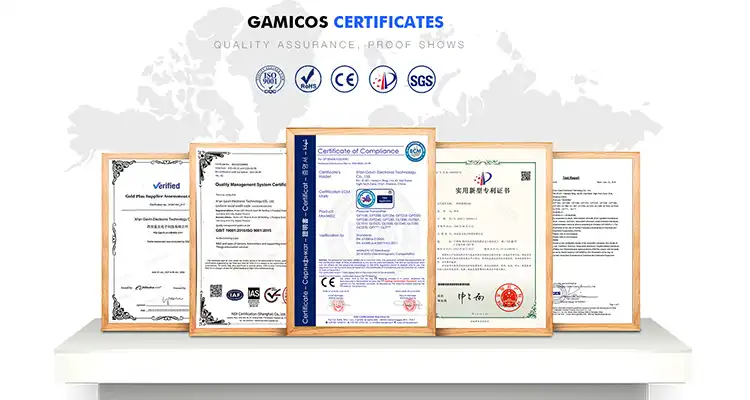
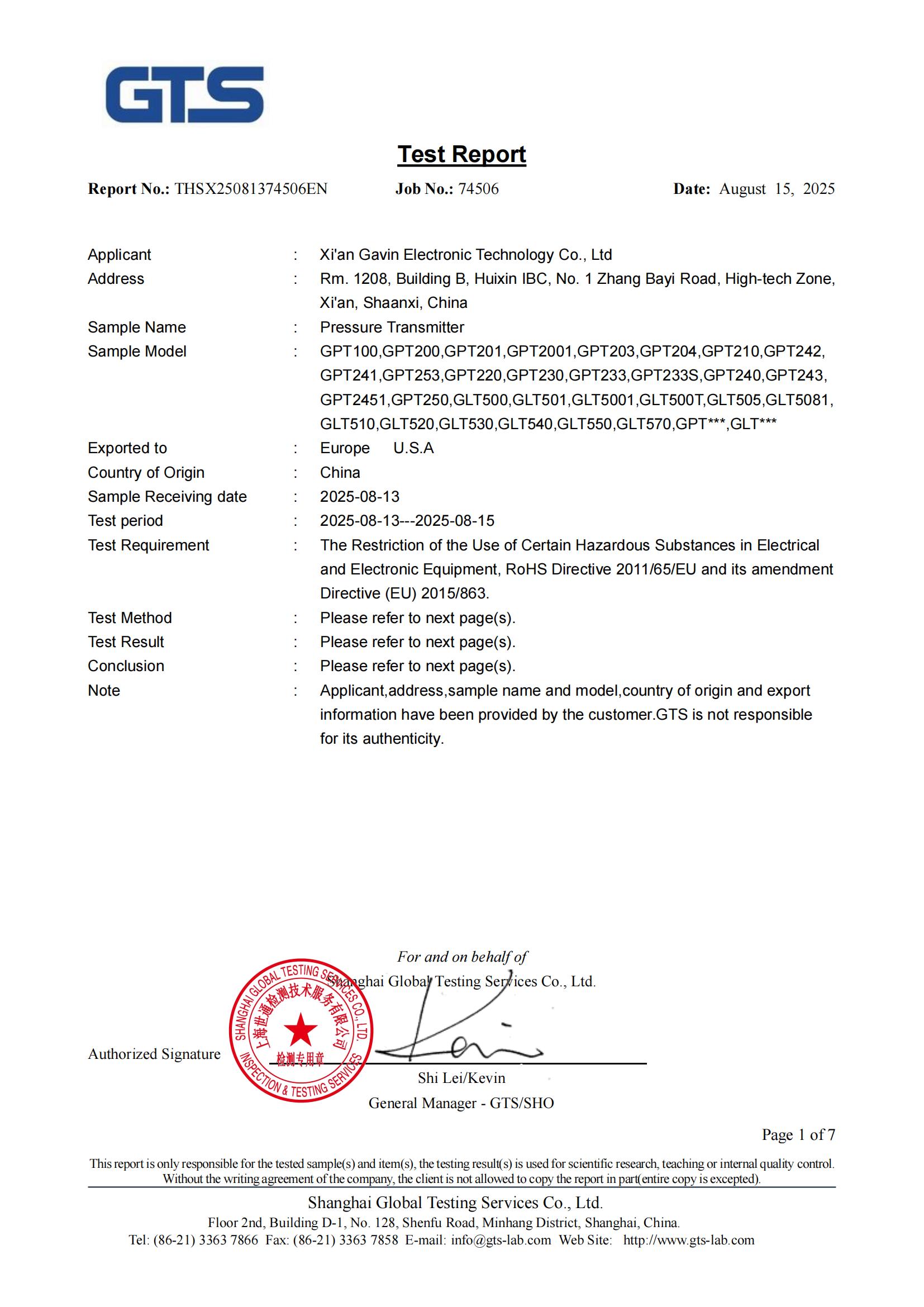
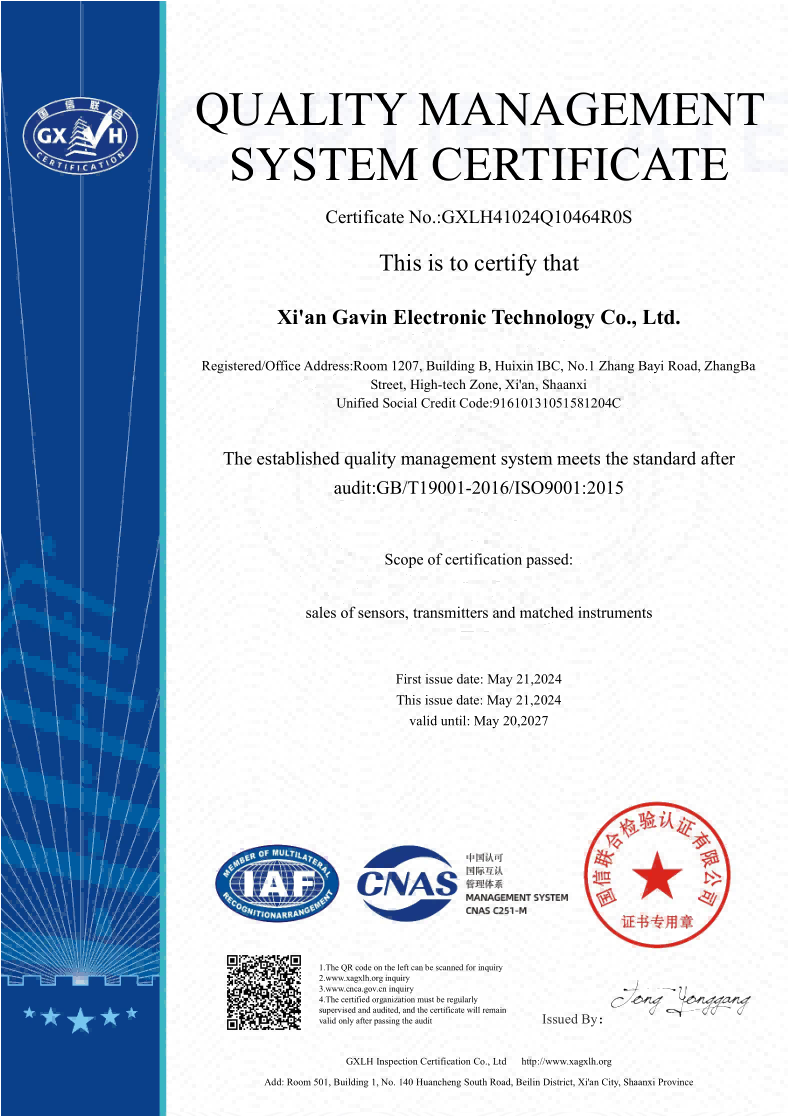
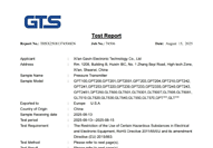
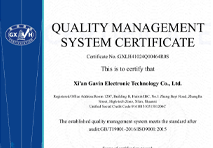
Depending on the use and area, industrial instruments must meet the right safety and quality standards. Certifications like CE, RoHS, and ISO approval show that a company follows well-known standards for quality control, product safety, and caring for the environment. The departments that buy things should make sure that monitors have the right certifications for the job they'll be used for and where they will be installed. This due diligence makes following the rules easier and lowers the risk of being sued. GAMICOS has strict quality control systems that are backed up by certifications from well-known metrology organizations. This gives customers faith in the stability of the products and their compliance with regulations.
Risk Management Through Supplier Partnerships
Having stable supply chains with dependable providers that you build long-term ties with lowers the risks of procurement. Unexpected breakdowns and the costs that come with them are cut down by consistent product quality. Set up ways of communicating make it easy to solve problems quickly when they happen. When a supplier knows how a customer's applications work, they can suggest ways to make the product better or find other options as business needs change. With this relationship approach, suppliers go from being transactional to being strategic friends that help with business success.
Real-World Applications: Where the GLT570 Excels
Wastewater Treatment Facility Monitoring
Accurate level and pressure measurements are needed at every step of the process for both municipal and commercial wastewater treatment. The GLT570 checks the level of liquid in equalization tanks to stop spills that could release waste water into the environment without being cleaned. In aeration basins, pressure monitors control the air supply systems so that organic treatment processes get the most oxygen. To handle discharge cycles effectively, sludge thickening tanks need to have accurate level tracking. In these situations, where pH levels are very different and there is a lot of biological activity, sensors need to be resistant to rust and fouling. The GLT570's PTFE housing and ceramic core meet these exact needs.
Chemical Storage Tank Level Management
Facilities that make and distribute chemicals keep holding tanks with a variety of substances that need special attention. Because the submersible pressure transducer is chemically resistant, it can safely measure acids, bases, solvents, and volatile substances that would quickly damage other sensors. Accurately checking the level keeps you from losing valuable goods because of overflow and keeps the tank from running dry, which could damage pumping equipment or stop the process. The flexible cable choices protect the signal even if the cables come into touch with chemical vapors or liquids that have been spilled around tank installations. Because of these features, the GLT570 is especially useful for sites that need to manage different types of chemicals in a lot of different storage tanks.
Conclusion
When choosing pressure and level instruments for tough chemical conditions, you have to think about how well they work technically, how long they last, and how much they cost. This balance is achieved by the GLT570 submersible pressure transducer, which is made of special materials, can measure accurately, and can be customized to fit the needs of demanding industrial uses. Procurement pros get effective instruments that don't need to be replaced as often, reduce the risks of downtime, and help keep the process safe. Knowing the technical differences between specialized sensors like the GLT570 and general-purpose options helps you make smart buying choices that support your long-term business goals. As industrial processes need stronger measuring tools that can handle harsh chemicals, the GLT570 is a tried-and-true choice that should be thought about for chemical processing, wastewater treatment, and other areas where measurement accuracy is crucial to the success of operations.
FAQ
Q1: What chemicals can the GLT570 safely measure?
A: Most acids, bases, chemical liquids, and oxidizing agents that are used in industrial processes can't damage the PTFE housing or ceramic core. The sensor can work with strong acids (like sulfuric and hydrochloric acid), strong bases (like sodium hydroxide), and different types of oil. For drugs that aren't common or are very volatile, specific compatibility should be checked.
Q2: How does the accuracy of measurements compare to other monitors on the market?
A: The imported ceramic core and customizable control system make it as accurate as high-priced models from well-known brands. Precision depends on the range and setup that is chosen. For industrial process control uses, the precision is usually within acceptable ranges.
Q3: What customization options are available for OEM applications?
A: Customizations can be made to cable length, electrical links, output signals, and housing changes to meet the needs of particular equipment integration. OEM partners can also ask for custom labels, packing, and paperwork to help with the branding and technical writing needs of their products.
Partner With a Trusted Submersible Pressure Transducer Manufacturer
GAMICOS helps buying workers all over the world by providing them with specialized knowledge in pressure and level measurement instruments. The GLT570 submersible pressure transducer is the result of years of research and development that was aimed at fixing problems in harsh chemical conditions. GAMICOS's engineering teams work closely with customers to learn about their needs and suggest the best sensor combinations. Our customer-focused approach makes sure you get the right technical advice and quick support, whether you're looking for single units to replace existing ones or setting up big supply deals for OEM integration.
Email our team at info@gamicos.com to talk about your particular measurement problems, get full technical specs, or set up evaluation units for samples. We are a well-known company that supplies submersible pressure transducers to customers in over 100 countries. We know how hard it can be to do business with people in other countries, so we keep quality standards that meet strict industry standards while offering great value.
References
1. Smith, J.R. & Anderson, K.L. (2021). "Corrosion-Resistant Materials for Industrial Pressure Measurement: A Comparative Analysis." Journal of Industrial Instrumentation Technology, 45(3), 127-142.
2. Chen, W., Thompson, M., & Rodriguez, P. (2022). "Ceramic Sensor Technologies in Harsh Chemical Environments: Performance and Reliability Studies." International Review of Process Automation, 18(2), 56-73.
3. European Committee for Standardization. (2020). "Pressure Transmitters for Industrial Applications: Performance Requirements and Testing Methods." EN Standards Publication Series, Document EN-14203.
4. Martinez, D.A. (2023). "Total Cost of Ownership Analysis for Chemical Processing Instrumentation." Chemical Engineering Procurement Quarterly, 31(1), 88-104.
5. Institute of Measurement and Control. (2021). "Best Practices for Submersible Level Sensor Installation and Maintenance in Corrosive Applications." IMC Technical Guidance Document, TGD-2021-08.
6. Wang, H., Patel, S., & O'Connor, B. (2022). "Comparative Evaluation of Pressure Sensing Technologies for Wastewater Treatment Facilities." Water and Environmental Engineering Journal, 29(4), 203-219.

Peter
Peter, Senior Sensor Technology Consultant, has 15-year industrial sensor R&D experience. He specializes in the end-to-end development of high-accuracy pressure and level sensors and he firmly believe, precision isn’t just a spec—it’s a promise.
We're here to help — submit your request anytime!
Let us know how we can help solve your pressure level measurement challenge.
_1757930850792.jpg)
Recommended Blog
Radar vs Ultrasonic Wireless Level Measurement: A Complete Comparison
Ultrasonic Level Meter vs Capacitive Level Sensor: Key Differences
Ultrasonic Level Meter vs Pressure Sensor: Which One is Better?
Radar vs Ultrasonic Wireless Level Measurement: A Complete Comparison
Ultrasonic Level Meter vs Capacitive Level Sensor: Key Differences
Ultrasonic Level Meter vs Pressure Sensor: Which One is Better?
Radar vs Ultrasonic Wireless Level Measurement: A Complete Comparison
Ultrasonic Level Meter vs Capacitive Level Sensor: Key Differences
Ultrasonic Level Meter vs Pressure Sensor: Which One is Better?
Radar vs Ultrasonic Wireless Level Measurement: A Complete Comparison
Ultrasonic Level Meter vs Capacitive Level Sensor: Key Differences
Ultrasonic Level Meter vs Pressure Sensor: Which One is Better?
Radar vs Ultrasonic Wireless Level Measurement: A Complete Comparison
Ultrasonic Level Meter vs Capacitive Level Sensor: Key Differences
Ultrasonic Level Meter vs Pressure Sensor: Which One is Better?
Radar vs Ultrasonic Wireless Level Measurement: A Complete Comparison
Ultrasonic Level Meter vs Capacitive Level Sensor: Key Differences
Ultrasonic Level Meter vs Pressure Sensor: Which One is Better?
Radar vs Ultrasonic Wireless Level Measurement: A Complete Comparison
Ultrasonic Level Meter vs Capacitive Level Sensor: Key Differences
Ultrasonic Level Meter vs Pressure Sensor: Which One is Better?
Radar vs Ultrasonic Wireless Level Measurement: A Complete Comparison
Ultrasonic Level Meter vs Capacitive Level Sensor: Key Differences
Ultrasonic Level Meter vs Pressure Sensor: Which One is Better?
Radar vs Ultrasonic Wireless Level Measurement: A Complete Comparison
Ultrasonic Level Meter vs Capacitive Level Sensor: Key Differences
Ultrasonic Level Meter vs Pressure Sensor: Which One is Better?
Radar vs Ultrasonic Wireless Level Measurement: A Complete Comparison
Ultrasonic Level Meter vs Capacitive Level Sensor: Key Differences
Ultrasonic Level Meter vs Pressure Sensor: Which One is Better?