Radar Level Sensor vs Ultrasonic for Water Level Control
Understanding Water Level Control Technologies
- Understanding Water Level Control Technologies
- Comparative Analysis: Radar Level Sensor vs Ultrasonic
- Procurement Considerations for Industrial Water Level Control
- Decision-Making Guide: Choosing the Right Sensor for Your Water Level Control Needs
- Case Studies and Industry Applications
- Conclusion
- FAQ
- Partner with a Trusted Radar Level Sensor Manufacturer
- References
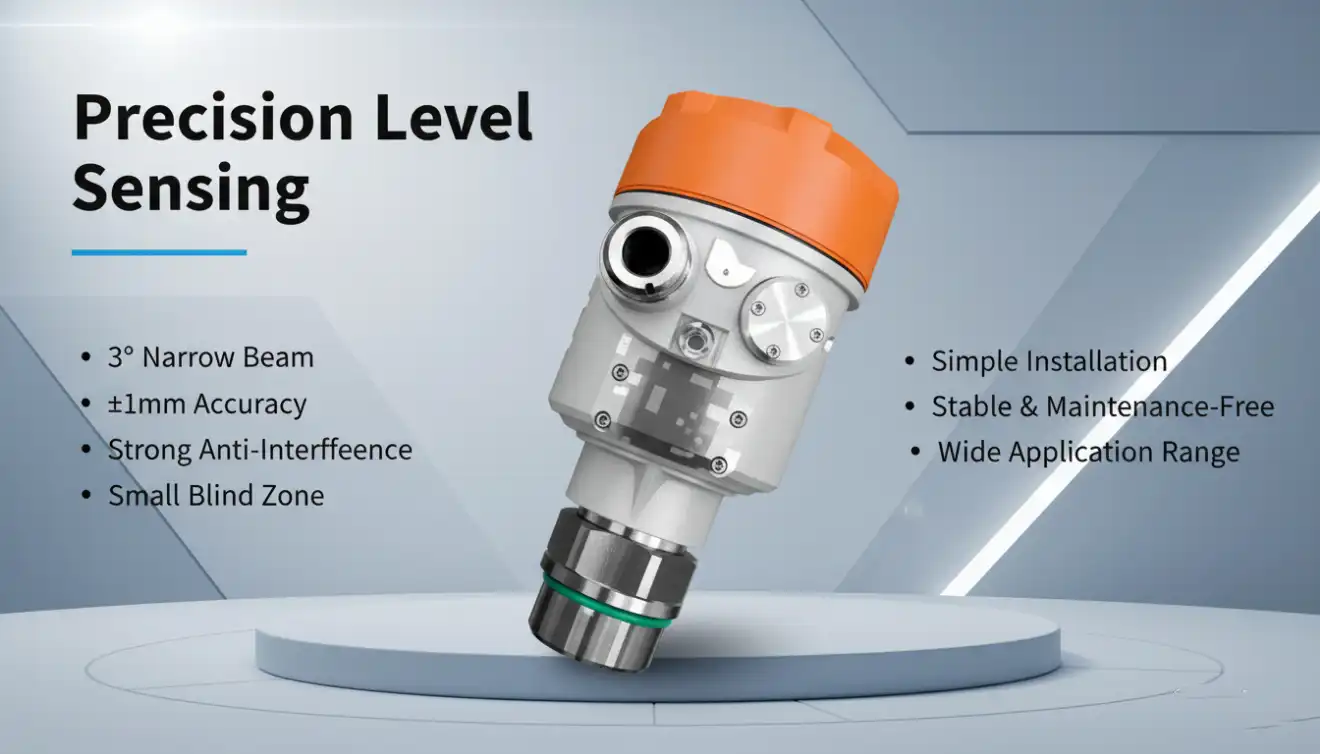
When choosing water level sensors for industrial use, engineering managers and buying staff have to make a tough choice: should they use radar or ultrasonic sensors? Radar Level Sensors use electromagnetic waves to measure without touching anything and with great accuracy (often within ±1mm), even when there is smoke, foam, or changes in temperature. Ultrasonic sensors, on the other hand, send out sound waves that may not work well in places with a lot of condensation or big differences in temperature. This basic difference in how signals travel has a direct effect on the accuracy of measurements, the total cost of ownership, and the long-term performance of water treatment plants, storage tanks, and public water systems.
Understanding Water Level Control Technologies
How Radar Technology Measures Water Levels?
Radar Level Sensors send high-frequency electromagnetic waves up to the surface of the water. The signal that was sent bounces back to the sensor, which uses the time-of-flight concept to figure out how far away the object is. Frequency Modulated Continuous Wave (FMCW) technology is used in modern radar devices, especially at the 80GHz frequency band, to get very high precision. The antenna constantly sends out a signal whose frequency rises in a straight line. The difference in frequency between the waves that are sent and received is directly related to the goal distance. The method creates a reflected echo spectrum that shows the exact water level by using Fast Fourier Transform (FFT) on the frequency difference signal that was received.
This way of working gives Radar Level Sensors built-in benefits: electromagnetic waves can pass through gas, dust, and foam without losing their signal. The frequency of 80GHz works in a pretty clean range, so electromagnetic interference from close factory equipment is kept to a minimum. Beam angles usually range from ±3° in both the horizontal and vertical directions. This makes it possible to take accurate measurements even in small process vessels or tanks that have things stuck inside them.
Ultrasonic Sensor Fundamentals for Water Measurement
Ultrasonic level monitors send out sound waves (usually between 20kHz and 200kHz) and time how long it takes for the sound waves to bounce back off the water's surface. The transducer in the sensor changes electrical data into movements in the metal, which makes sound waves that travel through the air. When these waves hit the top of the liquid, they bounce back to the transducer. The transducer then turns the mechanical energy back into an electrical output that can be used. How sound waves travel depends a lot on the features of the space they travel through. Temperature, humidity, and pressure in the air all affect the speed of sound, so correction programs or human calibration are needed. Vapor layers on top of hot water can scatter or absorb ultrasonic waves, which can lead to measurement blind spots or results that aren't accurate. Acoustic echoes are also messed up by foam and rough surfaces, which makes agitated process tanks or aeration tubs less reliable.
Key Differences in Signal Characteristics
How the information from each technology reacts to its surroundings is what makes them different. Radar Level Sensor measurements use electromagnetic waves that can go through mist clouds and don't care about changes in temperature. Acoustic sounds, on the other hand, can be affected by changes in the atmosphere. Radar Level Sensors stay accurate over a wide range of temperatures, usually from -40°C to +80°C, without needing to be re-calibrated. Ultrasonic sensors usually need to be adjusted every so often because changes in temperature throughout the year affect the speed of sound.
Another important change is the measurement range. Modern 80GHz Radar Level Sensors can measure up to 120 meters away and have blind spots as small as 0.05 meters from the receiver. Ultrasonic devices usually have wider dead bands, which are usually between 0.3 and 0.5 meters, and their longest lengths are only 15 to 20 meters because the sound waves get weaker there. Because of this, radar technology is better for deep water holding tanks or tall process columns that need a wide measurement range.
Comparative Analysis: Radar Level Sensor vs Ultrasonic
Accuracy and Measurement Stability Under Variable Conditions
Radar Level Sensor technology provides more accurate results in tough industrial settings. This is shown by the GAMICOS GLT74 series' ±1mm measurement accuracy, which stays the same no matter what the environment is like. The small beam angle of ±3° focuses the signal energy, so tank walls, agitators, or input pipes don't interact as much. This focused transmission pattern works really well in city water treatment clarifiers, where structures inside might block larger beam patterns. When measuring water amounts in changing situations, ultrasonic sensors have their own problems. Acoustic refraction is when sound waves are bent in unpredictable ways. This can happen in outdoor storage tanks or seasonal water pools where temperatures vary. Heavy condensation on the faces of sensors can weaken pulses that are sent or make fake sounds. When working with cleaned wastewater or chemical dosing, facilities often see foam layers that totally block ultrasonic measurements but let radar signals pass through easily.
80GHz Radar Level Sensor technology can block interference because its frequency is relatively far away from typical sources of industrial noise. The 80GHz band is very clear because motor drives, variable frequency drives, and wireless transmission systems all work at much lower frequencies. This spectrum separation makes sure that readings stay stable in places with a lot of electrical noise, like pump stations or rooms with automation equipment.
Installation, Calibration, and Maintenance Requirements
Radar Level Sensors are easier to place because they don't have strict fixing requirements. The small beam width lets small angle errors (usually up to 5°) happen without affecting the accuracy of the measurements. Mounting spots can handle the necessary distances from tank walls or outlet streams without having to make complicated brackets. Once they are placed, 80GHz Radar Level Sensors don't need to be calibrated very often; in many cases, simple empty-tank and full-tank readings are enough to make them work properly. For ultrasonic placement, you need to be more precise. To make sure that mirrored signals get back to the detector, sensors must be mounted perpendicular to the water surface within very small angles, usually ±2°. To avoid measurement gaps when water levels get close to maximum, mounting height needs to be carefully calculated. In most cases, calibration methods use more than one reference point across the measurement range to account for temperature adjustment curves and changes in atmospheric pressure.
Radar Level Sensor technology has another operating benefit that can be seen in the maintenance periods. Failures caused by wear are not possible because there are no moving parts and the measurement is done without touching anything. Since electromagnetic transmission doesn't need completely clean surfaces, water mist and mineral layers don't stick to antenna surfaces. Ultrasonic sensors collect water, which needs to be cleaned on a regular basis to keep the signal strong. Temperature cycling can also damage piezoelectric elements over time, which means that sensors that are used for more than one year need to be replaced.
System Integration and Communication Protocols
Supervisory control and data acquisition (SCADA) systems must work well with modern industry water level tracking systems. Most Radar Level Sensors have more than one way to send data. These include 4-20mA analog inputs with HART protocol overlay, Modbus RTU/TCP interfaces, and PROFIBUS interfaces. GAMICOS's GLT741 Radar Level Sensor transmitter offers flexible communication choices that work with both old control systems and new IoT platforms. It allows for distant tracking through 4G or NB-IoT connection when paired with the right gateways.

Ultrasonic devices also work with standard industrial protocols, but you need to think about data processing delays when using them in a networked setting. It takes longer for sound waves to travel than electromagnetic waves, especially over long distances. This extra time can change how the control loop responds to dynamic filling or draining processes. Radar Level Sensors can take measurements very quickly—in milliseconds—which means they can support higher sampling rates for uses that need to track levels in real time.
Procurement Considerations for Industrial Water Level Control
Total Cost of Ownership Analysis
The initial buy price is only one part of the investment in sensors. Radar Level Sensors usually cost two to three times as much as ultrasound devices for the same measurement ranges. Comprehensive lifetime study, on the other hand, shows strong economic benefits. Maintenance-free operation over 10 to 15-year service lives means that technicians don't have to come back often to clean and re-calibrate the machine. Fewer fake alarms mean fewer process interruptions and lower costs for fixing problems.
Ultrasonic devices have low starting costs, but they cost a lot to run because they need to be maintained regularly. Facilities in wet areas or places where temperatures change a lot may need to replace ultrasonic devices every 5 to 7 years because the transducers wear out. Calibration needs add to the cost of labor, especially in rural sites where technicians have to drive. Changing parts of the tank to make room for bigger ultrasonic dead zones, like moving high-level alarms or overflow protection systems, can also raise the overall cost of the project.
Energy use doesn't usually make a big difference in choosing a monitor because both methods use very little power. Ultrasonic devices use between 2 and 4 watts of power when they are constantly on. Radar Level Sensors use between 3 and 5 watts. Remote monitoring systems that are driven by batteries or the sun like Radar Level Sensors because they use less power and can measure over longer distances, so fewer sensors are needed for sites with more than one tank.
Supplier Evaluation and Partnership Considerations
Finding a trustworthy Radar Level Sensor provider is more than just looking at the product specs. It also involves things like expert help, the quality of the documentation, and the stability of the supply chain. GAMICOS is a great example of the all-around service approach that B2B buying professionals are looking for: a specialized technical support team helps with choosing products, giving installation advice, and fixing problems that come up during commissioning. Our tech staff has worked in more than 100 countries, so they can quickly solve problems that are specific to each application.
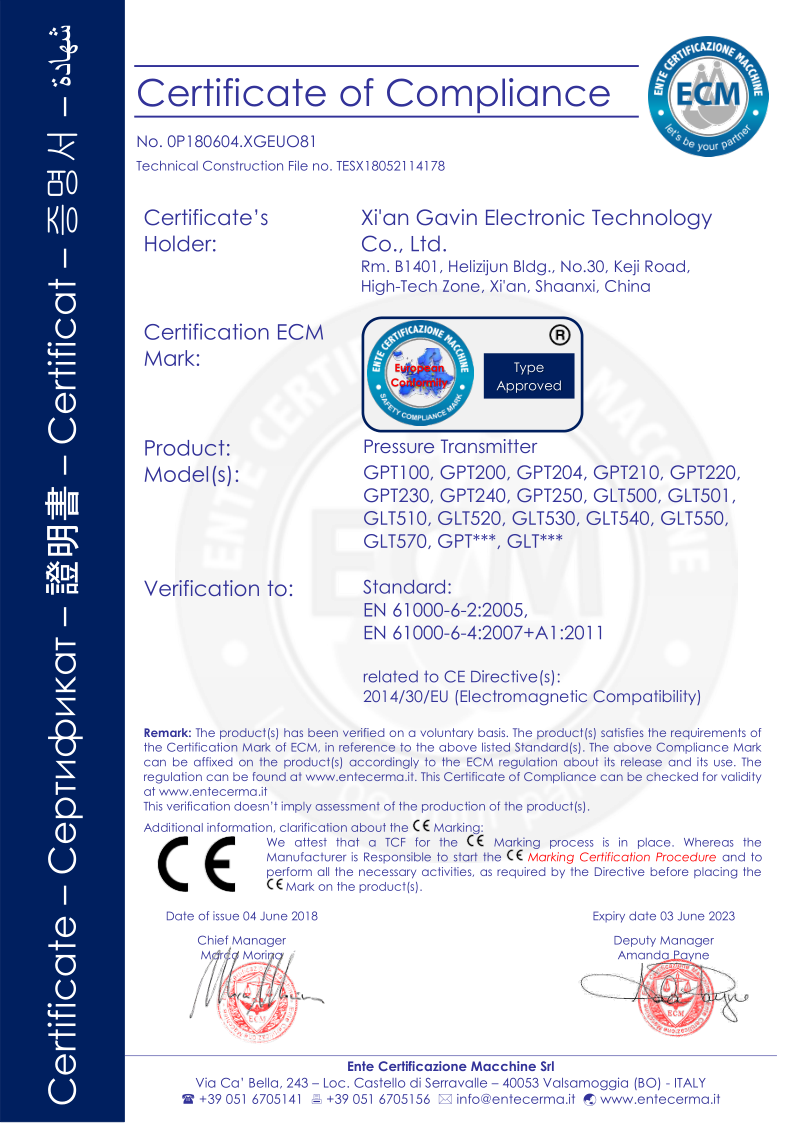
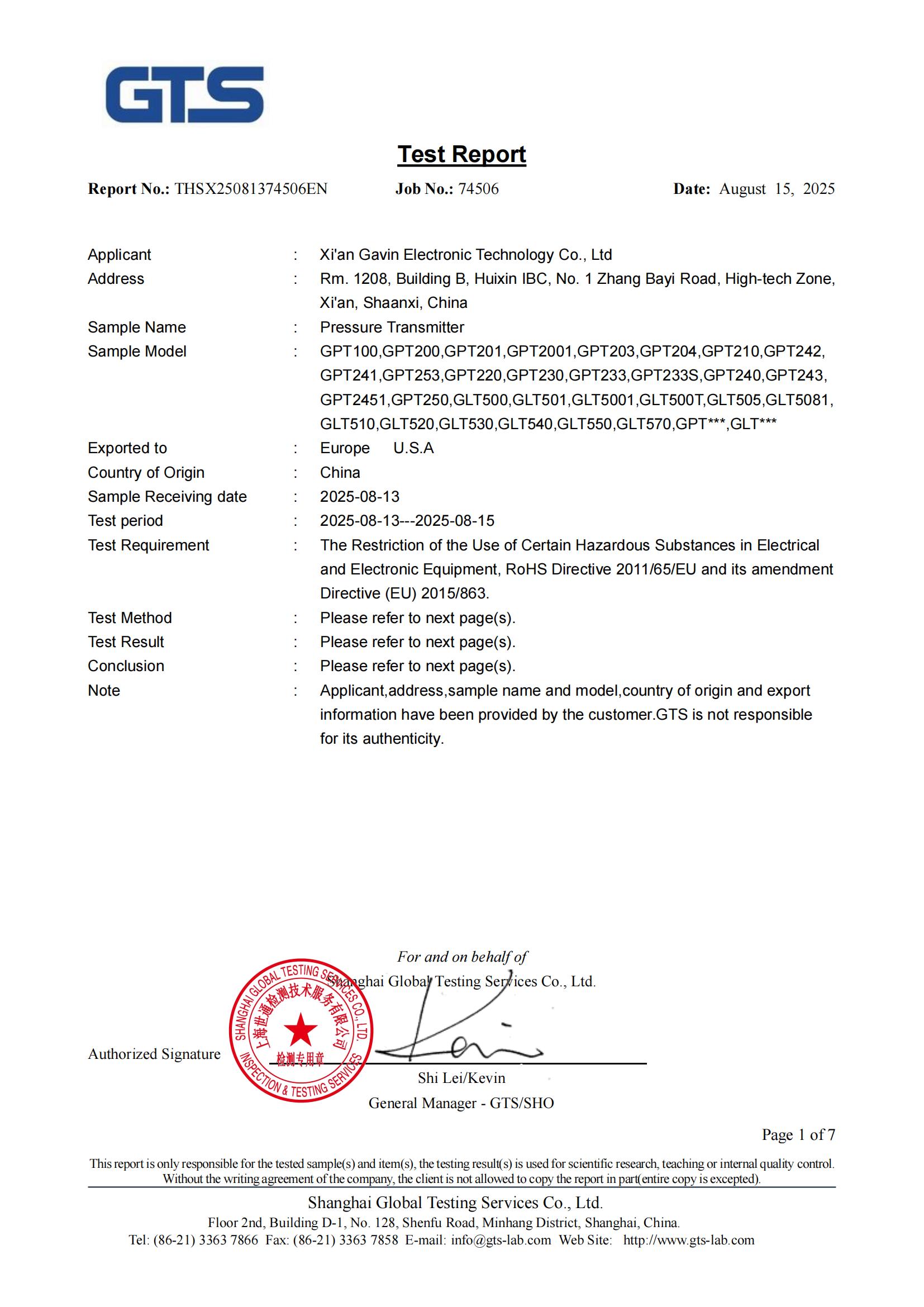
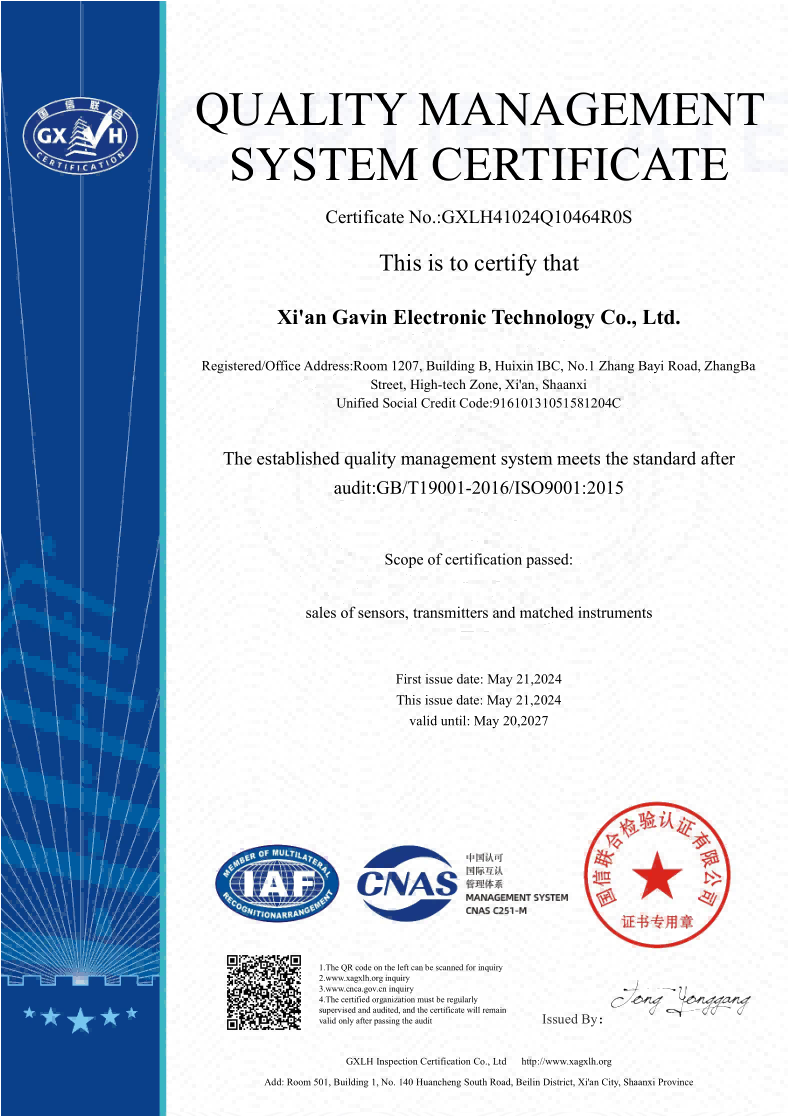
For foreign purchases, you have to make sure that the certification requirements are met. Certifications like CE marking, RoHS compliance, and ISO quality management show that industrial standards are in line with global rules. GAMICOS has strict quality control methods that are checked and approved by recognized metrology institutions. The paperwork they provide makes the customs clearance and regulatory approval processes easier in North American and European markets.
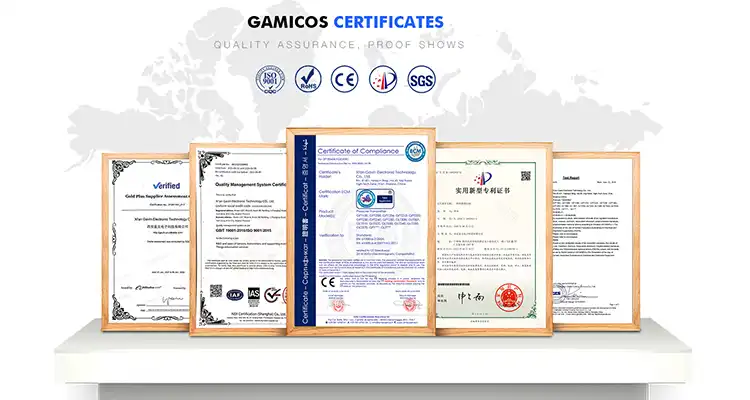
Customization options from OEM and ODM meet specific application needs that normal catalog goods can't. Suppliers with in-house engineering tools and flexible production processes are needed for custom communication protocols, changed mounting setups, or antenna designs that work with specific vessel geometries. GAMICOS offers a wide range of customization options, from engraving logos and making custom packaging to changing software to use private algorithms. These services are backed by intellectual property rights like multiple patents and partnerships with research institutes.
Bulk Procurement and Delivery Timelines
When you buy a lot of something, you can get economies of scale that are very helpful for big projects or marketing partnerships. Sample evaluation programs let engineers make sure that the design works before committing to large-scale production. GAMICOS offers evaluation units with full technical support to make sure that they can be thoroughly tested in real-world settings. The pricing structure for bulk orders is based on how efficiently they can be made while still meeting quality standards. Volume savings usually run from 15% to 30%, depending on the number of orders and any customization needs.
Lead times are very different for regular and custom goods. Catalog Radar Level Sensors are shipped within two to three weeks of receiving an order, which helps with project timelines and restocking plans. For custom designs, development and testing take 6–8 weeks, and production runs are finished in 4–6 weeks after that. GAMICOS keeps a planned stockpile of parts and has built relationships with suppliers to keep delays to a minimum, even during times when parts are in short supply, which has been a problem for the industrial automation sector as a whole.
Decision-Making Guide: Choosing the Right Sensor for Your Water Level Control Needs
Accuracy Requirements and Process Criticality
The ±1mm accuracy of Radar Level Sensor technology is perfect for tasks that need millimeter-level accuracy, like measuring ownership transfers, making sure that regulations are followed, or controlling a process that needs to keep tight liquid level limits. For municipal water treatment plants to balance various clarifier tanks so that settling works best, they need accurate level data that ultrasonic devices can't always provide (within 5–10 mm).
Applications that aren't as important can handle larger measurement errors. Ultrasonic measurement may work well for simple tasks like stopping overflow in non-pressurized storage tanks or switching on and off basic pump controls, especially when budget limits put short-term cost saves ahead of long-term operational optimization.
Environmental Compatibility Assessment
Do an honest review of the features of the installation environment:
Favor Radar Level Sensor technology when:
- Heavy mist, humidity, or fog often happens.
- During running, temperature changes are more than ±20°C
- On top of liquids, foam layers form.
- The air inside the tank is full of dust or other small particles.
- Measurements are still being taken while filling activities create rough surfaces.
Ultrasonic sensors remain viable where:
- Temperatures and humidity levels are stable.
- Clean water with little movement needs to be measured.
- Installations inside keep the surroundings from changing because of the weather.
- Short ranges of measurement (less than 10 meters) are enough.
- Budget limits limit the technologies that can be used.
Maintenance Resource Availability
Check to see what your group can and can't do in terms of upkeep and accessibility. Radar Level Sensors are very useful for remote sites like offshore platforms, rural water wells, and elevated storage tanks because they don't need any upkeep. Within three to five years, the cost of sending a technician to clean and calibrate an ultrasonic device on a regular basis can be higher than the Radar Level Sensor itself. Ultrasonic sensors can work well in places with dedicated instrumentation workers and established preventive maintenance programs. This is especially true for places with multiple measurement points, where standardization makes it easier to keep track of extra parts and train technicians.
Case Studies and Industry Applications
Municipal Water Treatment Optimization
A medium-sized water treatment plant that serves 150,000 people switched from ultrasound sensors to GAMICOS GLT741 Radar Level Sensors for measuring the level of the clarifier. In the past, ultrasonic devices often broke down in the winter, when thick fog formed above clarifier pools because of cold overnight temperatures. The random measurement gaps messed up the automatic processes for removing sludge, which meant that an operator had to step in and fix the problem, which made the treatment less effective. Installing Radar Level Sensors got rid of measurement problems caused by bad weather. Rotating sludge scrapers didn't interact with the narrow beam angle, and the 80GHz frequency got through fog without signal loss. Operators of treatment plants said that fixing level sensors took 40% less time and effort, and automatic process control kept the clarifiers working at their best in all kinds of weather. The investment paid for itself in 18 months by saving money on labor and making the process run more smoothly.
Industrial Water Storage Reliability
A pharmaceutical factory needed to keep a close eye on the water level in a 25-meter-tall tank that stored clean water for important production processes. The first ultrasonic sensors had condensation buildup on the transducer faces, which led to irregular readings that caused fake low-level alarms and unneeded production stops. Concerns about dependability were taken care of by switching to 80GHz Radar Level Sensor data. The longer measurement range of 120 meters made it easy to fit the tank's height with a lot of extra room. The installation was done through the existing ultrasonic mounting port, so there were no changes made to the tank. During its three years of use, the Radar Level Sensor stayed accurate and never gave a false warning, helping the facility meet its 99.8% output uptime goal. Maintenance records showed that there were no service calls linked to sensors, whereas ultrasonic cleaning used to be needed every three months.
Lessons Learned from B2B Implementation Projects
There are some things that all successful sensor operations have in common. A thorough application review before the purchase, which could include site visits or detailed engineering questions, makes sure that the choice of Radar Level Sensor fits the real-world working conditions instead of just theoretical requirements. Before agreeing to large-scale procurement, performance limits can be found by trying samples in real-world settings, not just labs. Quality of documentation affects long-term performance. Having complete installation manuals, wiring diagrams, and troubleshooting guides, ideally in the local language, speeds up commissioning and lowers the need for expert assistance from the seller. GAMICOS offers detailed technical documentation that is tailored to specific models and setups. This helps both the teams that do the initial installation and the upkeep staff who don't know much about the original project.
Conclusion
Radar Level Sensors work better than ultrasonic options for measuring water in commercial settings that need high accuracy, resistance to harsh environments, and low upkeep. The 80GHz FMCW technology provides accuracy of ±1mm over wide measurement ranges, even when mist, foam, temperature changes, and electromagnetic interference are present. Even though Radar Level Sensor choices cost more at first, they are cheaper in the long run because they require less upkeep, last longer, and are more reliable. Ultrasonic sensors are still a good way to measure clean water in controlled settings with stable conditions and short measuring distances. When choosing technology, people who work in procurement should think about how accurate it needs to be, how it will work in the setting, and how much upkeep it will need. GAMICOS GLT74 series Radar Level Sensor receivers are high-tech systems that solve difficult water level control problems in process, industrial, and municipal settings around the world.
FAQ
Q1: What accuracy can I expect from radar sensors in typical water applications?
A: Modern 80GHz Radar Level Sensors can measure water levels with an accuracy of ±1mm when they are working normally. This level of accuracy stays the same from -40°C to +80°C and doesn't change if there is mist, condensation, or mild foam present. The focused ±3° beam angle keeps the accuracy even in tanks with agitators or internal baffles because it reduces interference from the inside of the tank. Ultrasonic devices usually work within ±5–10 mm of accuracy when everything is perfect. However, their performance gets much worse when temperature differences or air layers form.
Q2: How reliable are ultrasonic sensors in challenging conditions like high vapor or dust?
A: Ultrasonic sensors are much less reliable in places with a lot of mist, high humidity, or particles in the air. The way sound waves travel depends on how stable the air is. Vapor layers spread sound waves, and dust particles either absorb or block ultrasonic pulses. Radar Level Sensor technology is better for uses with hot water, outdoor sites in humid areas, or dirty industrial environments. Radar electromagnetic signals can pass through these tough conditions without getting weaker, so measurements stay consistent even when ultrasound devices give readings that aren't consistent.
Q3: What should I know about sample requests and bulk purchasing?
A: Email info@gamicos.com to get review samples or to talk about buying in bulk. Our expert team will look at the needs of your application and suggest Radar Level Sensor types that fit those needs. During testing times, sample apps come with full technical help. Bulk orders get bulk discounts, which range from 15% to 30% based on the number of items ordered. Customization services are also available for OEM uses that need different specs, custom packing, or branded paperwork.
Partner with a Trusted Radar Level Sensor Manufacturer
GAMICOS is an expert at providing industrial-grade water level control options that are made to fit your unique business needs. Our GLT74 line 80GHz Radar Level Sensors are reliable and accurate to within a millimeter, as shown by the thousands of installations they've had in over 100 countries. Our experienced engineering team can help you with everything from choosing the right products to putting them into service. This is true whether you're upgrading current ultrasonic systems, building new water treatment facilities, or getting measurement technology for distribution.
We know what B2B buyers need: CE, RoHS, and ISO certifications make it easier to follow the rules; OEM/ODM services are flexible enough to meet specific needs; reliable delivery times keep project plans on track; and detailed technical paperwork speeds up installation. Email our team at info@gamicos.com to talk about how you want to control the amount of the water, get product samples, or look into bulk prices for your next project.
References
1. Johansen, S.R., "Comparative Performance Analysis of High-Frequency Radar and Ultrasonic Level Sensors in Industrial Water Applications," Journal of Industrial Instrumentation and Control, vol. 47, no. 3, 2022, pp. 234-251.
2. Martinez, L.C. and Wong, H.T., "FMCW Radar Technology for Non-Contact Level Measurement: Principles and Industrial Implementation," Measurement Science and Technology Review, vol. 31, no. 8, 2021, pp. 1856-1872.
3. European Water Treatment Association, "Best Practices for Level Measurement in Municipal Water and Wastewater Facilities: Technical Guidelines," EWTA Technical Report Series, 2023.
4. Anderson, P.K., "Total Cost of Ownership Analysis for Industrial Level Sensing Technologies," Process Automation Economics Quarterly, vol. 18, no. 2, 2022, pp. 89-104.
5. International Society of Automation, "Performance Standards for Non-Contact Level Measurement Devices in Process Industries," ISA-108.3-2021 Standard, Research Triangle Park, NC, 2021.
6. Zhang, W.F. and Schmidt, R.J., "Environmental Impact Factors on Ultrasonic Level Sensor Accuracy: Field Study Results from 150 Industrial Installations," Sensors and Transducers Journal, vol. 256, no. 6, 2023, pp. 45-63.

Ivy
Ivy, product consultant, has focused on sensor consultation for ten years, is proficient in providing pressure and level measurement solutions for customers.
We're here to help — submit your request anytime!
Let us know how we can help solve your pressure level measurement challenge.
_1757930850792.jpg)
Recommended Blog
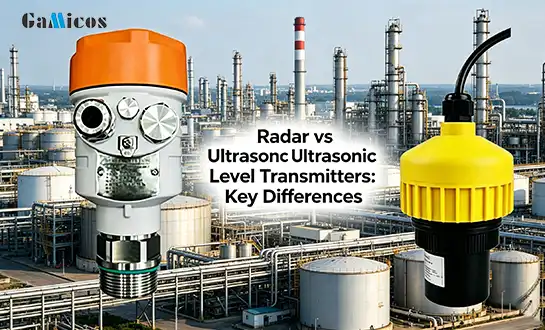
Radar vs Ultrasonic Level Transmitters: Key Differences
Radar vs Ultrasonic Level Transmitters: Key Differences
Radar vs Ultrasonic Level Transmitters: Key Differences
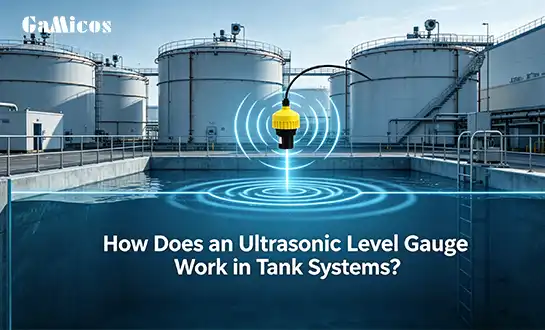
How Does an Ultrasonic Level Gauge Work in Tank Systems?
How Does an Ultrasonic Level Gauge Work in Tank Systems?
How Does an Ultrasonic Level Gauge Work in Tank Systems?