How Submersible Level Sensors Monitor Corrosive Liquids
Understanding the Challenges of Monitoring Corrosive Liquids
- Understanding the Challenges of Monitoring Corrosive Liquids
- How Submersible Level Sensors Work in Corrosive Environments?
- Selecting Submersible Level Sensors for Corrosive Liquids: Key Criteria
- Real-World Applications and Case Studies
- Procurement Guide: How to Source the Best Submersible Level Sensors for Corrosive Liquids?
- Conclusion
- FAQ
- Source Reliable Submersible Level Sensor Solutions from GAMICOS
- References
One of the hardest things to do in all industry areas around the world is getting accurate readings of liquid levels in harsh environments. When a submersible level sensor is fully submerged in liquid, it senses the hydrostatic pressure at the bottom of a tank or well and turns that pressure into reliable electrical signs. When working with harsh chemicals, wastewater, and acidic compounds that can quickly damage regular tracking gear, this measurement concept becomes very important.

Choosing the right sense technology has a direct effect on operational safety, measurement accuracy, and long-term upkeep costs for procurement managers, engineering teams, and OEM partners who work with corrosive media. Throughout this guide, we'll look at the technology behind corrosion-resistant measuring methods, talk about important selection criteria, and give you useful examples from real life. If you understand these principles, you can make smart purchasing choices that protect both your equipment investments and your business's ability to keep running, whether you're updating old infrastructure, planning new automation projects, or finding customized OEM modules.
Understanding the Challenges of Monitoring Corrosive Liquids
Chemical Aggression and Material Degradation
There are several ways that corrosive fluid can damage sensor parts. Acids break down metal housings, alkalis break down polymer seals, and oxidizing agents speed up the wear and tear on materials. When normal stainless steel sensors come into touch with strong sulfuric acid or sodium hydroxide solutions, corrosion starts right away. Within weeks or even days, the structure and accuracy of the measurements are compromised.
Temperature Fluctuations and Pressure Dynamics
When acidic media are used in industrial processes, they often have to work in very cold or very hot temperatures (above 150°C). These heat cycles make sensor materials expand and contract, which could lead to tiny cracks that let harsh chemicals reach sensitive electronics. At the same time, changes in pressure in chemical labs and storage tanks require devices that stay accurate over a large measurement range without slip or hysteresis.
Signal Interference and Contamination Issues
There are often floating solids, vapor condensation, and foam formation in corrosive conditions, all of which mess up measurement signals. These problems are made worse by electrical noise from nearby motors and pumps, and chemical deposits build up on sense elements, making insulation layers that change pressure readings. To fix these problems, you need strong signal processing, advanced sealing methods, and careful material choice that stops buildup while keeping the electrical separation.
How Submersible Level Sensors Work in Corrosive Environments?
Operating Principles and Pressure Measurement
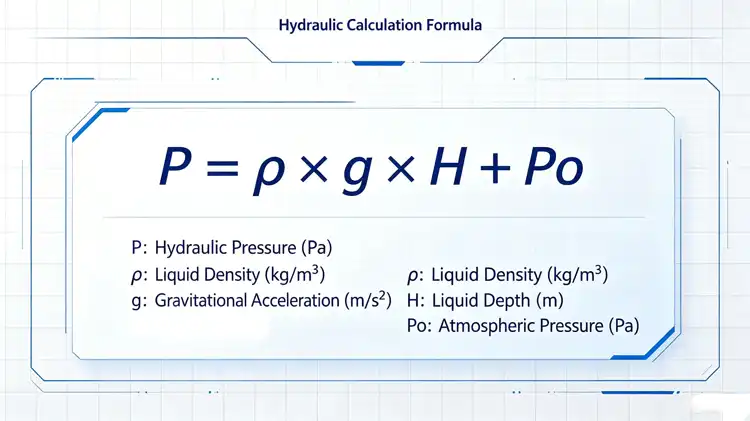
Submersible level sensors find out how deep a liquid is by reading the hydrostatic pressure of the fluid column above the monitoring element. The basic equation for the relationship is Pressure = ρgh, where ρ is the mass of the liquid, g is the speed of gravity, and h is the height of the liquid. The pressure sensor is made up of a piezoresistive ceramic core that turns mechanical stress into changes in electrical resistance. The emitter circuit then turns these changes into standard output signals like 4-20mA or digital protocols. Crystalline ceramics are much more resistant to acid, base, and organic fluid attacks than metal diaphragms, which is why this ceramic technology is so stable. There are tiny resistors built into the clay layer that change their electrical properties when pressure is put on them. These changes in resistance are increased, linearized, and temperature-adjusted so that correct level readings are given no matter what the weather is like.
Material Engineering for Corrosion Resistance
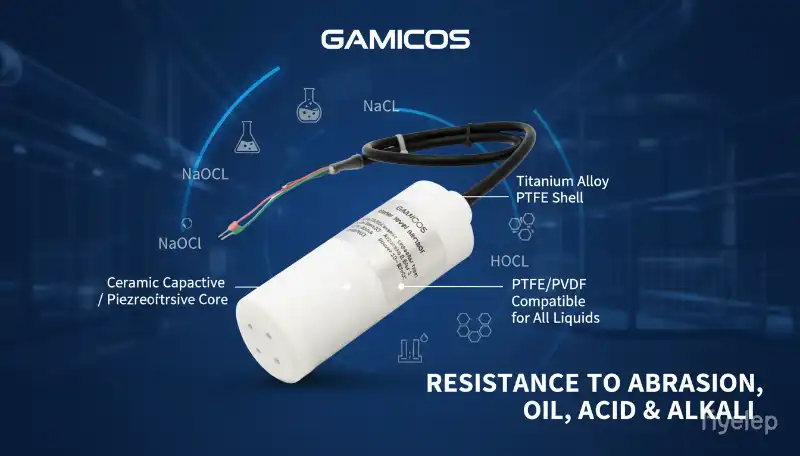
PTFE covering is one of the most important ways to protect against corrosion in harsh chemical conditions. Chemically, polytetrafluoroethylene is very resistant to almost all industrial acids and alkalis. It also keeps its mechanical strength from -200°C to +260°C. The GAMICOS GLT570 corrosion-resistant submersible level sensor is a good example of this design theory. It has a PTFE outer shell and a ceramic pressure core that was sourced from other countries. This two-layer protection keeps sensitive electronics from coming into direct touch with chemicals, and the ceramic element can measure pressure accurately even when it's fully submerged in harsh media.
Signal Processing and Calibration Advantages
Multi-point linearization methods and temperature adjustment routines are used in modern programmable transmitter circuits to turn raw sensor inputs into accurate digital data. The GLT570 has a programmable transmitter that makes it easy to make zero and full-scale changes without having to update any actual parts. This feature is very helpful when setting up sensors in various tanks with different measurement ranges or when devices need to be re-calibrated to account for changes in the process. This flexibility is liked by engineering managers because it cuts down on the need for supplies and speeds up the construction process for big projects.
Selecting Submersible Level Sensors for Corrosive Liquids: Key Criteria
Chemical Compatibility Assessment
The most important decision factor is matching sensor materials to specific acidic media. Chemical compatibility charts can help, but in the real world, mixed substances, changes in temperature, and changes in concentration make forecasts harder to make. Most acids and bases can be used with PTFE-encapsulated sensors. However, knowing whether your application includes oxidizers, organic solvents, or slurries can help you choose the best material for seals, wires, and internal parts.
Accuracy Requirements and Measurement Range
Different tasks need different amounts of accuracy. To keep the quality of the product, chemical dosing systems might need to be accurate to within 0.25%, but overflow protection in holding tanks might be fine with 0.5%. Setting acceptable error bands early on in the selection process keeps you from choosing too many expensive high-precision sensors that aren't needed or too few devices that cause process variability. You should also think carefully about the measurement range. The GLT570 has a wide range of measurement options that can be changed to fit different installation levels. It can be used for small sumps as well as deep tanks. If you choose a submersible level sensor that is rated for twice your maximum predicted depth, you will have a safety gap in case of unusual working conditions and won't have to worry about range limits when you're doing normal operations.
| GLT570 corrosion-resistant level sensor | |
| Pressure range | 0~1mH2O...50mH2O |
| Output signal | 4~20mA,0~5VDC, Customizable |
| Power supply | 10~30VDC |
| Accuracy | 0.25%FS(min.), 0.5%FS(typ.) |
| Operating temperature range | -40~+85 °C |
| Electrical interface | Waterproof outlet |
| Pressure interface | Submersible type |
| Material of pressure membrane | Ceramic |
| Material of housing | PTFE |
Installation Environment and Physical Constraints
The shape of the tank, the limits on access, and the mounting needs all have a big impact on the choice of sensor. Some installations allow putting vertically with rigid support structures, while others need cable installations that hang down or setups that let you enter from the side. Ventilation wire length needs to take into account the depth of the tank and how it needs to be routed to junction boxes or control panels. When engineers plan new buildings, they can say what the best mounting setups are, but when they do retrofits, they often have to work with entry ports and cable paths that are already there, which limits the size and type of sensors that can be used.
Output Signals and Integration Requirements
The inputs that automation systems need are very different. For simple level indication and warning setting, traditional analog 4-20mA outputs are still the norm. However, more complicated process control systems need digital protocols like HART, Modbus, or Profibus that carry diagnostic data along with measurement values. R&D managers who are making OEM equipment parts need to make sure that they work with the control platforms of the target customers. This makes flexible output options an important factor in the buying process.
Real-World Applications and Case Studies
Wastewater Treatment Operations
During the many stages of treatment, municipal and commercial wastewater facilities depend on liquid level measuring a lot. Submersible level sensors watch changes in the incoming flow in adjustment tanks to keep processing rates in check further down the line. To keep the best dwell times for biological treatment, aeration basins need precise level control. Clarifiers and sedimentation tanks, on the other hand, use level data to handle the cycles of sludge removal.
Chemical Storage Tank Monitoring
Pharmaceutical companies, oil factories, and specialty chemical makers all have large tank farms where they store toxic raw materials and finished goods. Leak-tightness is very important in these situations because even small sensor failures can lead to emergency shutdowns, contaminated products, or environmental leaks. Comparative tests show that ceramic core sensors placed in concentrated acid storage last a very long time. Facilities that store hydrochloric acid, sulfuric acid, and nitric acid at market amounts say that PTFE-encapsulated devices have been used continuously for more than five years without drift or failure. This dependability comes from the fact that both the ceramic sensing element and the fluoropolymer shell are chemically inert.
Procurement Guide: How to Source the Best Submersible Level Sensors for Corrosive Liquids?
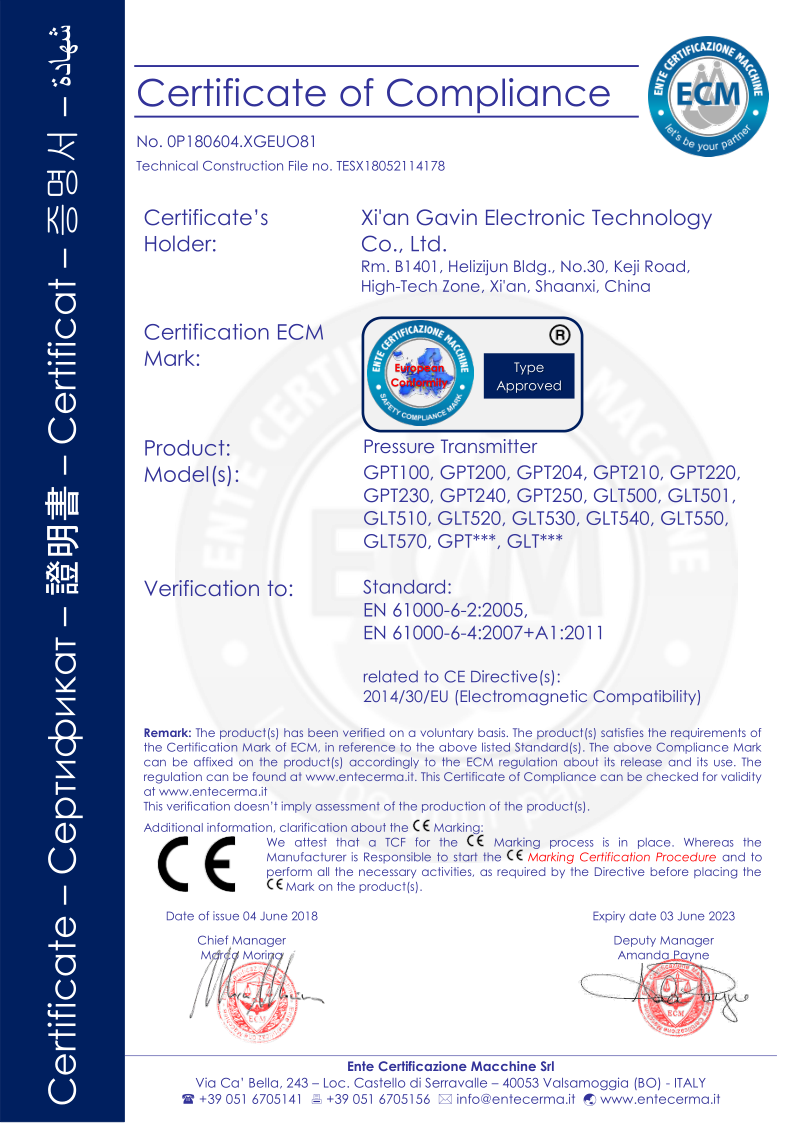
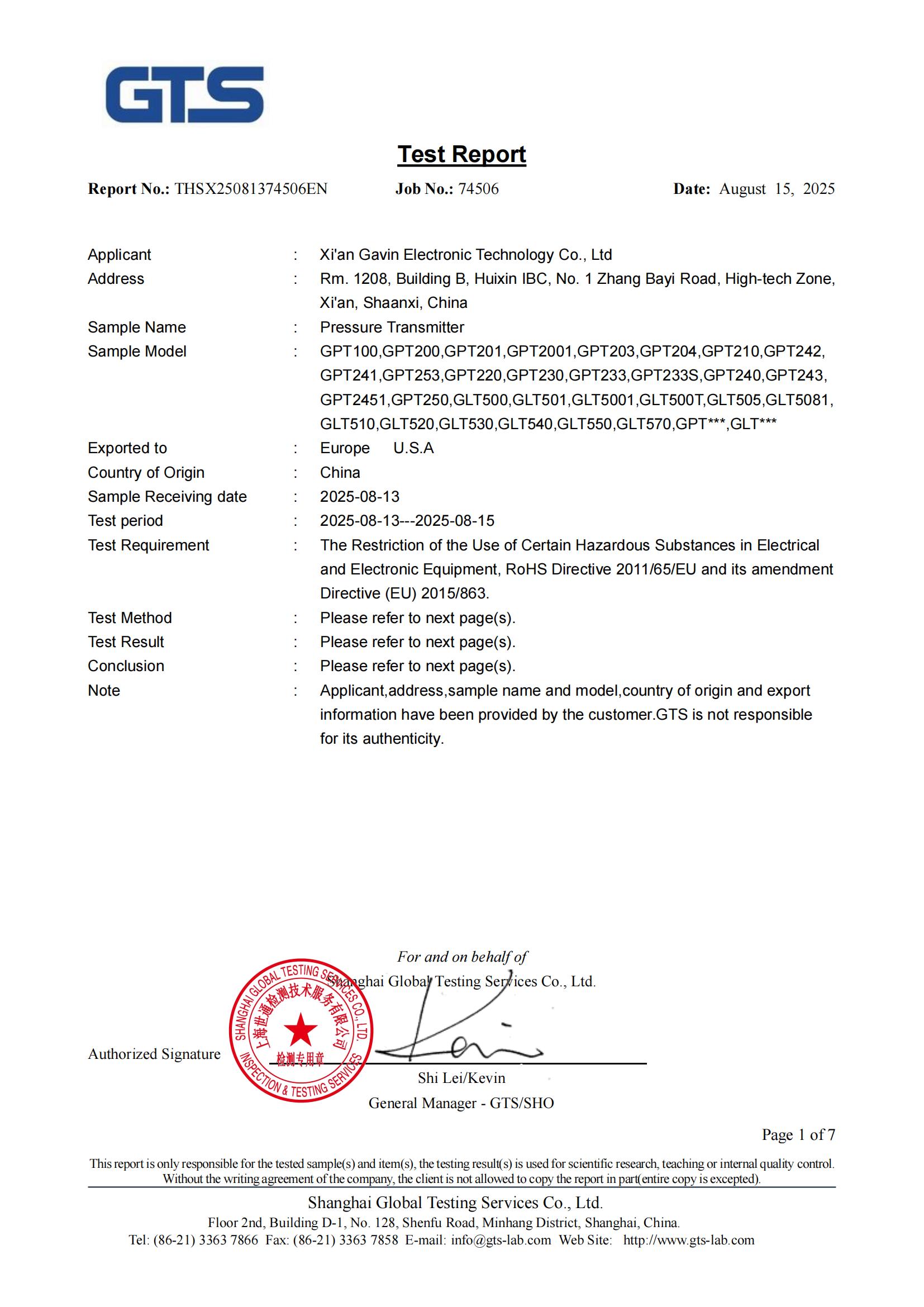
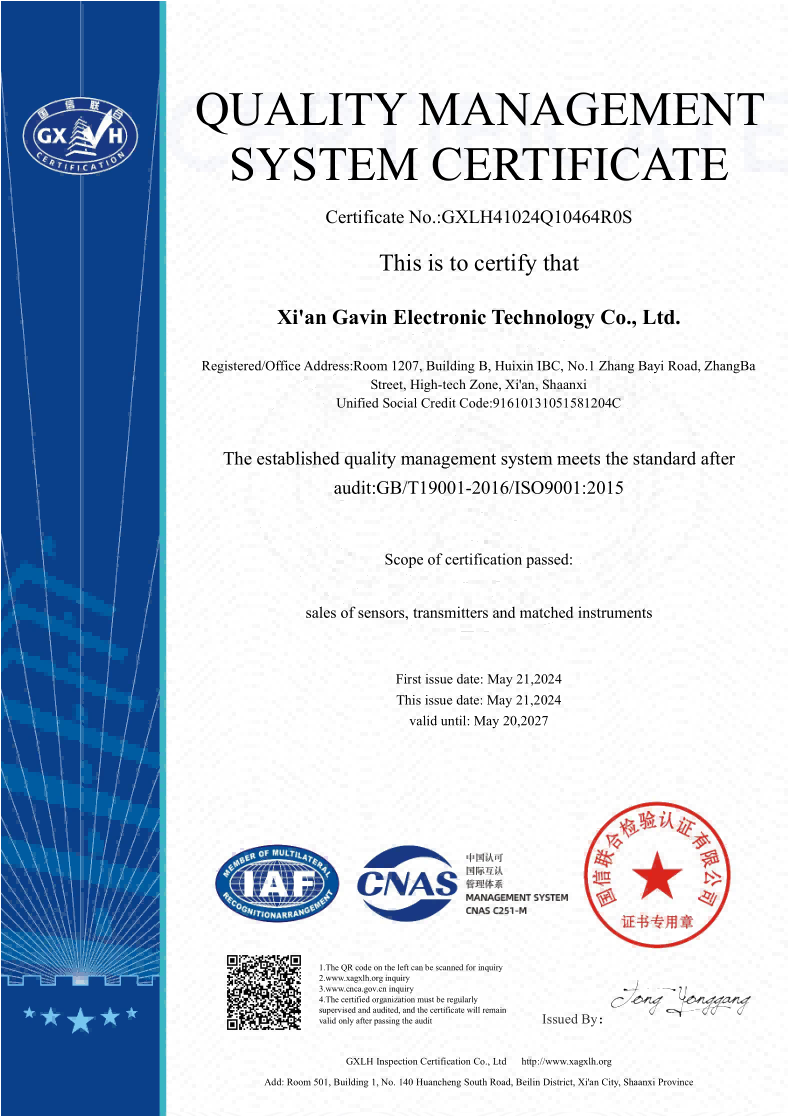
To find your way around the world market for sensors, you have to balance technical requirements with business needs. Well-known foreign names have a history of dependability and a lot of application data to back them up. However, new manufacturers are increasingly offering similar technical performance at competitive prices, especially for OEM applications that need to be made in large quantities. When engineering managers look at possible providers, they should check for third-party approvals that show they meet international standards. GAMICOS sells corrosion-resistant submersible level sensors to 98 countries in North America, Europe, Asia, Africa, and Oceania for the business-to-business market around the world. Our GLT570 line uses ceramic cores from around the world and programmable transmitter technology to give it the accuracy and steadiness needed for tough chemical tracking tasks.
Conclusion
To keep an eye on toxic liquids, you need special sensor technology that strikes a balance between chemical resistance, measurement accuracy, and long-term dependability. The buying team can choose the best options for tough uses if they understand how ceramic pressure sensors, PTFE material protection, and programmable signal processing work. Choosing sensors that are resistant to corrosion and built to last lowers upkeep costs and increases operating exposure. Modern submersible level sensor designs like the GLT570 are a great example. It has ceramic cores that are known all over the world and can be configured in a variety of ways to meet the needs of different installations and chemical problems in industrial markets around the world.
FAQ
Q1: What is a submersible level sensor?
A: This measuring tool works even when it's completely submerged in liquids. It senses the hydrostatic pressure at the installation depth and turns it into electrical signs that are related to the height of the liquid. Because it's small, it can be put right into tanks, wells, and sumps for constant tracking.
Q2: How do you clean a submersible level sensor?
A: If you're not using chemicals, rinse the submersible level sensor with clean water after taking it out of the tank. Mild cleaning solutions can get rid of tough deposits, but don't use rough scrubbing or abrasive tools, as they could damage the ceramic sensor element or PTFE case. For chemical-resistant sensors, you might need special cleaning products that work with both the process media and the sensor materials.
Q3: How often should submersible sensors be calibrated?
A: How often you calibrate depends on how important the program is and how it is being used. For high-precision chemical processes, checks may need to be done every three months. For less demanding uses, checks once a year are usually enough to keep them working well. When compared to metal diaphragm designs, ceramic sensors tend to have less drift, which means that correction intervals can be longer.
Source Reliable Submersible Level Sensor Solutions from GAMICOS
Our engineering team specializes in finding the right corrosion-resistant testing technology for your needs. GAMICOS makes submersible level sensors with PTFE housing, ceramic pressure cores, and special venting wires made for oil, acid, and alkaline environments. These sensors are very resistant to chemicals. We offer standard catalog goods and fully personalized OEM solutions to companies that make automation equipment, handle chemicals, do technical work, and sell instruments in more than 100 countries. Get in touch with us at info@gamicos.com to talk to skilled application experts about your corrosive liquid monitoring needs.
References
1. Johnson, R.M., and Martinez, L.K. (2021). Corrosion-Resistant Materials for Industrial Instrumentation. Industrial Measurement Technology Press.
2. Chen, W., and Thompson, D.A. (2020). "Ceramic Pressure Sensors in Aggressive Chemical Environments," Journal of Process Measurement, 45(3), 178-194.
3. Anderson, P.J. (2022). Liquid Level Measurement Systems: Design and Application. Process Automation Publishing.
4. Garcia, S.R., and Williams, H.T. (2019). "Performance Evaluation of Submersible Sensors in Wastewater Treatment," Water & Environmental Engineering Quarterly, 28(2), 112-129.
5. Mitchell, K.L. (2023). Industrial Sensor Selection Guide for Corrosive Applications. Engineering Reference Series, Volume 17.
6. Zhang, Y., and Roberts, M.E. (2020). "Long-term Stability of PTFE-Encapsulated Pressure Transducers," Measurement Science and Industrial Applications, 52(4), 289-305.

Eva
Eva specializes in bridging the gap between cutting-edge sensor technology and market needs. With 8 years of experience in industrial product marketing, she has successfully launched multiple sensor product lines—from pressure transmitters to fuel level sensor—into global markets.
We're here to help — submit your request anytime!
Let us know how we can help solve your pressure level measurement challenge.
_1757930850792.jpg)
Recommended Blog
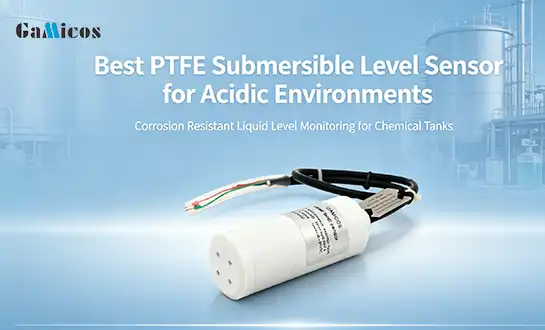
Best PTFE Submersible Level Sensor for Acidic Environments
GLT570 Submersible Pressure Transducer for Harsh Chemicals