Benefits of Using Submersible Diesel Level Sensors in Fuel Tanks
Understanding Submersible Diesel Level Sensors: Basics and Operation
- Understanding Submersible Diesel Level Sensors: Basics and Operation
- Key Benefits of Using Submersible Diesel Level Sensors in Fuel Tanks
- Comparing Submersible Diesel Level Sensors with Alternative Solutions
- How to Choose the Best Submersible Diesel Level Sensor for Your Business?
- Best Practices for Installation, Maintenance, and Troubleshooting
- Conclusion
- FAQ
- Partner with GAMICOS for Your Diesel Fuel Monitoring Solutions
- References
By reading the hydrostatic pressure at the tank's bottom, submersible diesel level sensors provide accurate, constant fuel tracking. This gives businesses the real-time inventory data they need to keep costs down and the supply chain running smoothly. Unlike external measuring tools, underwater sensors stay in direct contact with diesel fuel. This makes sure that measurements are accurate even when there is noise or when the temperature changes. Their strong construction and reliable performance solve common B2B problems like unexpected fuel shortages, wrong bills, and operating downtime, making them the first choice for oil refineries, fleet management operations, and marine applications all over the world.

Understanding Submersible Diesel Level Sensors: Basics and Operation
What Are Submersible Diesel Level Sensors?
There is a special type of liquid level measuring equipment called submersible diesel level sensors that are made to be submerged directly into fuel tanks. These gadgets use silicon piezoresistive pressure sensing technology to find out how heavy the diesel column is above the sensor. They then use this hydraulic pressure to get accurate readings of the level. The GAMICOS GLT5001, which was designed for diesel uses, is an example of this technology. Its integrated design includes automatic temperature adjustment and programmable digital circuit correction, which make sure that measurements stay stable even when the environment changes.
Core Operating Principles
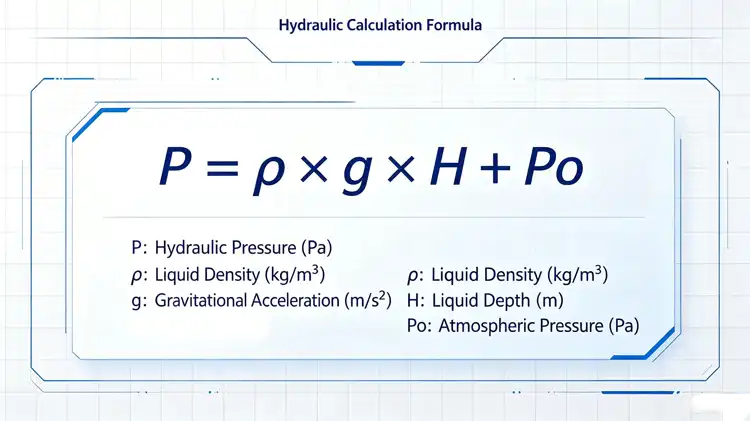
Hydrostatic pressure data is the basis for how things work. When underwater, the sensor picks up changes in pressure that are related to the height of the liquid. This is based on the formula P = ρgh, where ρ is the density of diesel, g is the acceleration due to gravity, and h is the height of the liquid. Diesel density changes with temperature, which could mean that measurements are off by 0.8% to 1.2% for every 10°C change in temperature. More advanced models have temperature adjustment methods built in. The raw pressure data is then changed by signal conditioning circuits into standard analog outputs (4-20mA, 0-5V) or digital protocols (RS485, Modbus) that can be used with industrial SCADA systems and control networks.
Sensor Variants for Specialized Applications
In different working situations, sensor setups need to be changed. Standard threaded models can be permanently installed in stable storage tanks at gas stations and fuel depots. Magnetic suction base models, on the other hand, can be moved around easily in mobile uses like tanks on trucks or temporary refueling stations. Marine-grade models have better resistance to corrosion and vibration damping so they can work in tough marine settings like ballast tracking and extra fuel tanks. The GLT5001's dual configuration lets it work in both fixed and mobile situations. This is because engineering workers working on different kinds of projects told the company about this need.
Key Benefits of Using Submersible Diesel Level Sensors in Fuel Tanks
Knowing the real benefits these diesel level sensors offer helps procurement managers make investment choices and make sure that the technology they choose fits with their business goals. The following perks directly deal with common problems in the industry and help keep costs low in the long term.
Superior Accuracy and Measurement Reliability
The accuracy of measurements made by submersible sensors is usually within ±0.25% to ±0.5% of full scale. This is much better than float-type gauges, which get less accurate over time because of mechanical wear. This accuracy directly leads to financial benefits—a 10,000-liter tank measured with ±0.5% accuracy versus ±2% float gauge accuracy is equal to 50-liters or 200-liters of inventory error. When a facility is in charge of more than one tank, mistakes can add up to large amounts of unaccounted fuel, which can affect both daily budgeting and regulatory compliance reports.
| GLT5001 Submersible Level Sensor | |
| Range | 0m~0.5m…10m(customized) |
| Accuracy | 0.25%F.S(customized), 0.5%F.S(Typical) |
| Medium temperature | -30℃~65℃ |
| Power supply | 12VDC~30VDC |
| Output | 4mA~20mA, RS485, 0V~10V(OEM) |
| Protection grade | IP68 |
The interpolation mistakes that come with separate measurement methods are gone with continuous tracking. Automated inventory management systems can accurately set reorder points based on real-time data streams. This stops both expensive emergency supplies and the cost of having too much inventory. According to engineering managers, switching from using dipsticks to underwater sensor networks cuts inventory errors by 65–80% in the first year of operation.
Exceptional Durability in Harsh Environments
Temperature changes between -40°C and +85°C, the solvent qualities of diesel fuel, water contamination, and vibrations from nearby machines are some of the things that can damage industrial fuel storage settings. Quality underwater sensors deal with these issues by being made of fully welded stainless steel that meets IP68 entry protection standards. This means that the sensors are completely waterproof, even when they are under constant pressure. Before they are sent to users, the GLT5001 goes through a lot of tests to make sure it works. These include pressure cycling tests, accelerated aging processes, and environmental simulation rooms that simulate years of working stress.
Chemical compatibility is important for diesel uses because fuel formulations change around the world and may include biodiesel mixes (up to B20) that are more or less corrosive. Silicon piezoresistive sensing elements with special diaphragm layers don't break down when exposed to both petroleum gasoline and biodiesel. This means that the sensors stay calibrated for months, while cheaper sensors stop working after just a few months. Purchasing managers who work with cold climates really like temperature adjustment features that keep accuracy within ±0.5% across the whole operating range without having to be re-calibrated by hand.
Simplified Installation and Minimal Maintenance Requirements
Timelines and staff costs are directly affected by how hard the installation is. Ultrasonic sensors need to be perfectly aligned and have visible mounting structures, but submersible sensors only need a threaded mounting boss or a magnetic connection point. A two-person team can install an underwater unit in 30 to 45 minutes, which includes connecting the power. Other technologies, on the other hand, need several hours to set up the reflectors and change the calibration.
Because submersibles don't have any moving parts that can wear out, they don't need much maintenance. Visual reviews are done every three months and calibration checks are done once a year. These jobs are usually done without taking sensors out of service. This is different from float-operated systems that need to be adjusted mechanically often or ultrasonic sensors that need to have their lenses cleaned when they are used in dusty places. Over the course of five years, upkeep cost analysis shows that submersible installations need 60–70% less service assistance than mechanical options. This is a strong argument for facilities that run multiple remote sites.
Advanced Connectivity for IoT Integration
Modern underwater sensors can communicate digitally using RS485, Modbus RTU, and wirelessly using LoRa, NB-IoT, and 4G. This makes it easy to integrate them with industrial control systems. With this connection, tracking tanks that aren't connected to the internet becomes networked fuel management ecosystems. In these ecosystems, procurement managers can use central dashboards to see real-time inventory data from various places. Wireless models don't need expensive trenching for cable runs, which is especially helpful for temporary installs or upgrading existing buildings where making changes to the infrastructure would be too expensive.
The skills to integrate data go beyond just reading levels. Advanced models check the temperature, figure out the volume while taking thermal expansion into account, and look for sudden changes in the level that could mean leaks or illegal transfers. These multi-parameter insights help with predictive maintenance strategies. For example, algorithms that look at historical data patterns can figure out the best times to refuel, spot gradual sensor drift that needs to be calibrated, and alert you to problems with tank integrity before they become catastrophic.
Comparing Submersible Diesel Level Sensors with Alternative Solutions
To make smart choices about what to buy, you need to know how the different measurement tools meet the needs of different operations. This method for comparison helps engineering managers figure out what to choose between cost, speed, and application suitability using different options for submersible diesel level sensors.
Submersible vs. Ultrasonic Level Sensors
Ultrasonic sensors can measure diesel amounts by reflecting sound waves without touching the fuel. This makes them useful in situations where fuel contact is not allowed. But there are some problems with stability in business settings. Acoustic transmission speed changes a lot depending on temperature and air makeup, so it needs to be constantly adjusted, which makes things more complicated. When diesel surfaces get foamy, which happens a lot during rough filling operations, ultrasonic signals get scattered. This can lead to measurement mistakes or signal loss completely. When installing, the pipes must be perfectly lined up and perpendicular to the surface of the liquid. Problems with the shape of the tank, such as internal baffles or fill pipes that aren't straight, can cause sound dead zones.

These worries are taken away by submersible sensors, which can measure real pressure no matter what the surface is like, whether there is foam present, or what the air is made of. A study of costs shows that submersible installs are usually 20–30% cheaper than similar ultrasonic systems, even when mounting and testing are taken into account. Leading manufacturers, such as GAMICOS, offer underwater solutions that meet ATEX explosion-proof approval standards. These meet the same safety requirements as ultrasonic options while providing more stable measurements.
Submersible vs. Capacitance Level Sensors
Capacitance technology finds changes in level by measuring changes in the dielectric constant between probe electrodes when the height of the fuel does. This method works well in clean diesel settings, but it doesn't work as well when water or sediment builds up on the probe surfaces and changes the effective dielectric constant, which has nothing to do with the real fuel level. Calibration drift is a constant problem. For example, capacitance sensors usually need to be recalibrated every three months in the field, while quality underwater pressure sensors only need to be checked once a year.
The difficulty of installation varies a lot. Capacitance probes need to be inserted from the top of tanks all the way down. This requires large areas and special handling for probes longer than 3 to 4 meters. Standard threaded connections let submersible sensors be installed at the bottom of tanks, even in tight areas, so they don't need any special lifting tools. Premium capacitance options from brands like Siemens and VEGA are available for specific uses. However, procurement managers always choose submersible pressure sensors for general diesel storage situations because they are more reliable, cost less, and require less tuning.
Evaluation of Wireless Capabilities and Sensor Longevity
Options for wireless connection change how things can be done, especially for networks that store power in different places. Wireless submersible sensors that are driven by batteries and have LoRa or NB-IoT radios make it cheap to keep an eye on tanks that are far away from places with electricity, like building sites, farms, and emergency fuel reserves. Low-power sensor designs can send updates every hour for three to five years on a single charge, so they don't have to pay for ongoing data access costs like cellular solutions do.
Compared to other types of sensors, submersible pressure sensors usually last 10 to 15 years when they are properly set up for diesel work. Ultrasonic sensors, on the other hand, only last 7 to 10 years, and capacitance probes only last 5 to 8 years in the same situations. This edge in durability comes from the fact that the sealed design keeps the electronics inside safe from the outside world and there are no moving parts that can wear out. Major industrial brands like Honeywell and WIKA release dependability data showing that the Mean Time Between Failures (MTBF) for high-quality underwater designs is more than 150,000 hours. This is an important requirement for tasks where sensor failure can lead to expensive downtime or emergency service calls.
How to Choose the Best Submersible Diesel Level Sensor for Your Business?
When choosing strategic sensors, it's important to make sure that the technical specs match the organizational needs, budget, and long-term support needs. This organized method makes it easy for B2B buyers to pick the best diesel level sensor for your company.
Define Application-Specific Requirements
Operational context is what drives sensing design at its core. For fleet management uses involving tanks on vehicles, it's important that the tanks don't move around and have small sizes. These uses often use magnetic fixing systems that can fit different tank shapes without having to be permanently changed. This version of the GLT5001's anti-vibration magnetic suction base solves problems that come up in mobile applications by keeping measurements accurate even when the device is moving and being loaded with shocks.
When you place a stationary storage tank, you can use bigger sensor bodies that are more accurate and have hardwired power and communication links. The shape of the tank is important. Tanks that are tall and narrow (with a height-to-diameter ratio of more than 3:1) need sensors with higher resolution to pick up on small changes in volume, while tanks that are wide and short need sensors that can correctly measure low pressure ranges. Climate affects both the choice of sensor material and the need for improved temperature compensation. For example, in places where winters are -30°C, operations need sensors that have been tested across a wide range of temperatures, not just those that have been defined but not tested in harsh conditions.
Critical Evaluation Metrics for Procurement Decisions
Specifications for accuracy need to be carefully interpreted. It is important to note that manufacturers talk about precision in terms of either percentage of full scale (%FS) or percentage of reading (%RD). A sensor with ±0.5% FS accuracy reading a 5-meter tank gives an error of ±2.5 cm across the whole range. On the other hand, a sensor with ±0.5% RD accuracy reads ±2.5 cm at 5 meters but only ±0.5 cm at 1 meter, which is much better for tracking changing fill levels. To make comparisons that make sense, procurement managers should ask for accuracy standards to be clearly written in both forms.
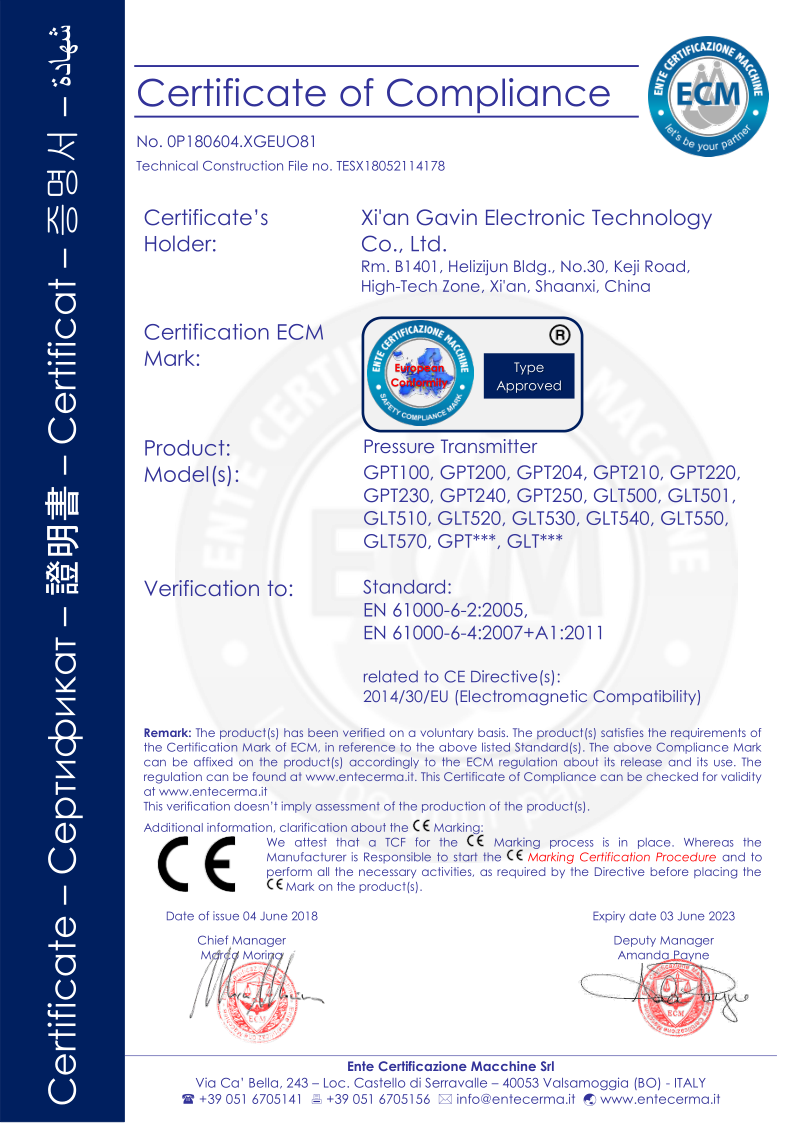
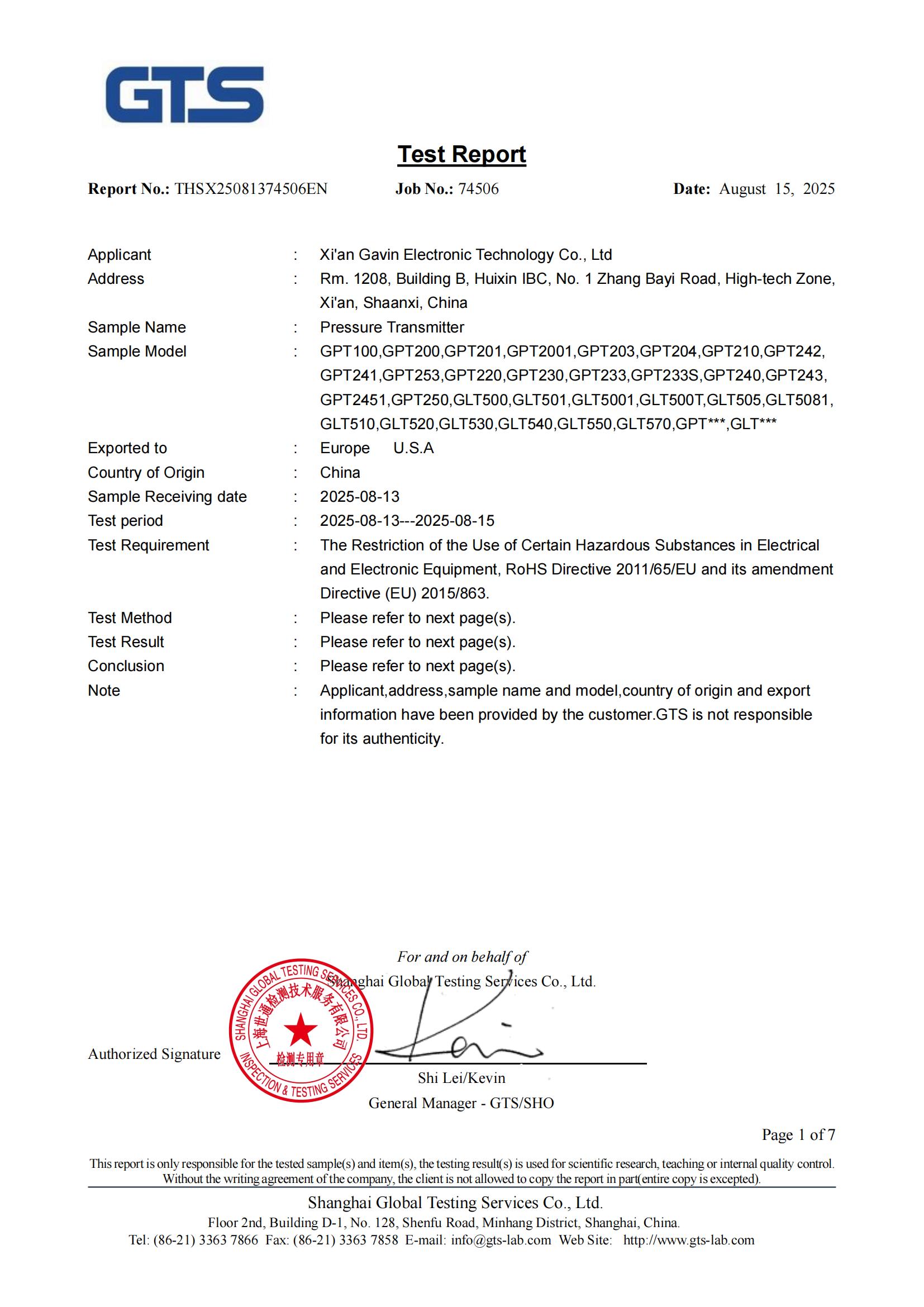
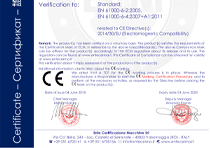
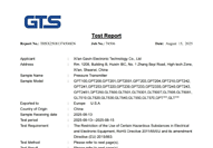
There are more signs of durability than just IP scores. Long-term stability can be predicted by the number of full-range pressure cycles that a sensor can handle before its calibration drift goes beyond what is allowed. High-quality industrial sensors can withstand more than 1 million+ pressure cycles, which means they can be used for years to come for constant tracking tasks. Material approvals are very important for following the rules. For example, sensors that work with oil and gas facilities often need to show that they are ATEX or IECEx explosion-proof certified, CE marked for European markets, and RoHS compliant for environmental rules. The GLT5001's full set of certifications, such as ATEX, CE, and RoHS compliance, makes buying easier for foreign project workers who have to deal with a lot of different regulatory frameworks.
Supplier Reliability and Support Infrastructure
Technical standards don't guarantee that implementation will go well on their own. An important part of evaluating a supplier is making sure they can deliver on time and in large quantities, which is important for companies that want to standardize sensor systems across various facilities. Gamicos keeps a large collection of products in stock and ships them quickly to more than 100 countries. This is something that smaller sellers often can't do.
Total cost of ownership is greatly affected by after-sales assistance. Quick technical support helps fix problems during installation, makes sure sensors are set up correctly for each job, and fixes occasional problems without having to pay for expensive site visits. Warranty terms that range from 12 months (the standard in the industry) to 24 to 36 months (the best options) protect you financially against failures that happen too soon. Procurement managers who work with global operations should check to see if suppliers have regional support centers or if they get expert help from offices far away. Response times can vary between local and international support, which can mean the difference between hours and days spent fixing operational problems.
Best Practices for Installation, Maintenance, and Troubleshooting
When diesel level sensors are set up correctly, they work better and last longer, protecting the money spent on them and making sure that working data is accurate. These tried-and-true methods come from decades of working in the area.
Installation Procedures for Optimal Performance
Preparing the tank comes before installing the sensors. Make sure the mounting locations let the sensors measure accurate fuel levels. Positions near fill pipes or tank exits should be avoided because turbulence during deliveries can cause temporary changes in level, and vortex formation during filling can make measurements less stable. Bottom-center mounting points usually give the most exact readings, but putting off-center works fine if geometric restrictions demand it.
When installing threaded parts, you need to use the right lubricant. Use PTFE thread sealant tape or diesel fuel-safe liquid sealants, and only put them on the male threads. Make sure the first thread stays clean so that the sealant doesn't get into the sensor pressure port. Tighten connections to the torque values recommended by the maker. If you over-tighten, you could damage the sensor bodies or add stress that would affect the calibration, and if you under-tighten, you could cause fuel to leak. For magnetic mounting systems to work, the tank surface needs to be clean and smooth. Get rid of any rust, paint flaws, or other dirt that might get in the way of a secure magnetic contact and let the sensor move while the vehicle is running.
Industrial standards are used for electrical links. For analog output signals (4-20mA), use insulated wire to reduce electrical noise interference. This is especially important in places where variable frequency drives or other high-EMI equipment are close by. High-voltage power lines and sensor wires should be kept at least 30 cm apart for straight runs. For digital communication systems (RS485, Modbus), it's important to pay attention to orientation and make sure the network ends correctly. If the wiring isn't done right, sensor networks can become useless. Before installing wireless sensors permanently, they need to be checked to make sure they have a strong enough signal. Doing site surveys with test tools stops people from finding communication dead spots after the sensors are permanently installed.
Routine Maintenance Protocols and Calibration
Visual checks every three months catch problems early. Check where the cables enter the room for signs of water getting in. Corrosion on connector pins or condensation inside junction boxes are both signs of seal degradation that needs to be fixed right away before the water gets to the sensor electronics. Check to see if the magnetic mounting sensors are securely attached. Vibrations can lessen the magnetic hold over time, especially if the mounting surfaces have rusted or lost their coating since they were installed.
Every year, measurements are checked to make sure they are accurate. In this step, the sensor output is compared to a known reference, which could be a precise pressure calibrator or readings taken from a tank strapping table at different fill levels. If the deviation is more than ±1% of the full scale, the sensor needs to be re-calibrated or replaced. A lot of new sensors, like the GLT5001, have digital correction features that let them be calibrated in the field instead of having to send the units back to the maker, which cuts down on downtime. Keep track of all calibration activities by writing down the times, the names of the technicians who did the work, and the observed deviations. This will help you find performance trends and spot patterns of slow drift that could mean the end of the device's useful life.
Firmware changes can fix bugs in software-enabled sensors or add new features that make them better. Build ties with sensor providers that will send you updates and technology bulletins about how things can be made better. GAMICOS keeps up-to-date technical information about its products available to its customers through lines of contact. This way, customers can gain from ongoing product changes without having to buy new hardware.
Common Troubleshooting Scenarios and Solutions
Signal output reading zero or full-scale even though fuel can be seen usually means there are problems with the electrical link instead of a broken sensor. Check the power source voltage at the sensor connections. Behavior that isn't stable happens when there isn't enough voltage. Check that the signal wiring is still connected and measure the output directly at the sensor connections to find out if the problems are with the sensors or with the wiring or instruments further down the line. If sensors aren't giving any data, the cords might be broken. Conductivity testing finds broken wires that need to be fixed or replaced.
Readings that change erratically without matching changes in the fuel level are a sign of electrical interference or problems with mechanical shaking. Move the sensor wires away from sources of EMI and check the quality of the cable shielding. Extra dampening can help mechanical installations that are vibrating, like rubber isolation screws for threaded sensors or extra magnetic support for units that are suction-mounted. Temperature-related measurement drift that shows up as a slow shift over the seasons means that the temperature isn't being properly compensated for. Check that the sensor's specs match its real working temperature range and think about upgrading to models with better compensation algorithms.
When wireless devices lose all of their signals, they need to be systematically diagnosed. Check the voltage of the batteries in units that use batteries; voltages below the minimums set by the maker can cause communication problems. Test the hardware of the wireless network with known-good sensor units to make sure it works right. Radio frequency interference from close devices using the same frequencies can stop communication. Spectrum analyzers find interference sources so that frequency changes or moving equipment can be used to fix the problem. When testing doesn't lead to a solution, calling provider technical support with full descriptions of the symptoms and information about how the problem is being used speeds up the resolution process.
Conclusion
Submersible diesel level sensors have clear benefits for industrial fuel management. They are more accurate, which means better inventory control, last longer, which lowers upkeep costs, and are easier to install, which makes the job simpler. The technology is mature and has been shown to work reliably in oil, marine, and transportation uses. This makes it the first choice for procurement managers seeking long-term measurement solutions. The GAMICOS GLT5001 is an example of an advanced sensor design that combines silicon piezoresistive technology with a wide range of features, such as IP68 protection, explosion-proof certification, and different mounting choices that can be used for both fixed and mobile applications. Strategic sensor selection aligned with operational requirements, combined with proper installation and maintenance practices, ensures reliable fuel monitoring supporting efficient operations and regulatory compliance across global industrial markets.
FAQ
Q1: How accurate are submersible sensors compared to other diesel level measurement technologies?
A: Under normal circumstances, submersible diesel level sensors can get as accurate as ±0.25% to ±0.5% of full scale, which is better than float-type gauges (±1-2%) and the same level of accuracy as or better than radar and ultrasonic options. Submersible sensors are always accurate, even when the surface is foamy or full of gas, unlike non-contact sensors that are affected by these things. This is because they measure real hydrostatic pressure directly.
Q2: Can submersible sensors operate reliably in extreme cold climates?
A: Quality underwater sensors made for commercial use can compensate for temperature changes and work in a wide range of temperatures, usually from -40°C to +85°C. The GLT5001 has automatic temperature adjustment that keeps its accuracy within ±0.5% across its entire operating range. Instead of depending only on what the datasheet says, sites in cold climates should choose sensors that have been tested in high temperatures to make sure they work.
Q3: What warranty coverage and technical support do leading suppliers provide?
A: Standard industrial sensor guarantees cover production flaws for 12 to 24 months; premium providers offer longer coverage. GAMICOS offers full expert support at info@gamicos.com, helping customers choose the right products, install them correctly, and fix problems. When compared to suppliers that only serve a few markets, those with global delivery networks usually respond faster and have a better understanding of the operational issues that come up in different regions.
Partner with GAMICOS for Your Diesel Fuel Monitoring Solutions
GAMICOS has a lot of experience with liquid level measurement technology, as well as a lot of research and development resources and a global supply chain that helps them serve customers in over 100 countries. Our GLT5001 diesel level sensor meets important B2B needs with its ATEX explosion-proof approval, IP68 protection, flexible mounting options, and multiple outputs that work with a range of industrial automation designs. As a diesel level sensor manufacturer with a lot of experience, we offer full OEM/ODM customization services. We can change the specifications, communication protocols, and packaging of the sensors to fit the needs of your specific project while still meeting strict quality standards that are backed up by international certifications.
Our engineering team provides quick technical support to help you choose the best sensors and set them up correctly, whether you're selecting sensors for a new building, updating old measurement equipment, or setting up standard platforms across multiple sites. Please email our procurement experts at info@gamicos.com to talk about your diesel level sensor needs, get full technical specs, or set up sample test units that will show how well our technology works in your unique working setting.
References
1. Smith, J. R., & Williams, P. T. (2019). Industrial Fuel Management Systems: Technology Selection and Implementation Strategies. Cambridge: Industrial Press.
2. Anderson, M. K. (2021). "Comparative Analysis of Liquid Level Measurement Technologies for Petroleum Applications." Journal of Industrial Instrumentation, 45(3), 178-194.
3. European Committee for Standardization (2020). EN 13616:2020 - Overfill Prevention Devices for Static Tanks for Liquid Fuels. Brussels: CEN Publications.
4. Thompson, L. D., & Kumar, S. (2018). Pressure Sensor Technology: Principles, Applications, and Industrial Best Practices. New York: Technical Publishing International.
5. International Organization for Standardization (2019). ISO 4266-4:2019 - Petroleum and Liquid Petroleum Products - Measurement of Level and Temperature in Storage Tanks by Automatic Methods. Geneva: ISO Standards.
6. Roberts, C. E. (2022). "Lifecycle Cost Analysis of Tank Level Measurement Systems in Commercial Fuel Distribution Networks." Industrial Maintenance & Plant Operation, 83(7), 42-58.

Peter
Peter, Senior Sensor Technology Consultant, has 15-year industrial sensor R&D experience. He specializes in the end-to-end development of high-accuracy pressure and level sensors and he firmly believe, precision isn’t just a spec—it’s a promise.
We're here to help — submit your request anytime!
Let us know how we can help solve your pressure level measurement challenge.
_1757930850792.jpg)


Recommended Blog
How Submersible Level Sensors Monitor Corrosive Liquids
How Submersible Level Sensors Monitor Corrosive Liquids
Wireless Level Transmitter for Agriculture: A Complete Guide
Why Hydrostatic Pressure Sensors Are Ideal for Water Level Measurement
Wireless Level Transmitter for Agriculture: A Complete Guide