Fully Welded Design Benefits in Submersible Sensors
Understanding Fully Welded Design in Submersible Sensors
- Understanding Fully Welded Design in Submersible Sensors
- Key Benefits of Fully Welded Design for Well Water Depth Sensors
- Best Practices for Installing Fully Welded Submersible Well Water Depth Sensors
- Comparing Fully Welded Sensors to Alternative Designs
- Future Trends and Innovations in Fully Welded Submersible Sensors
- Conclusion
- FAQ
- Partner with GAMICOS for Reliable Well Water Depth Sensor Solutions
- References
Fully welded underwater sensors are a big step forward in the technology used to measure liquid levels, especially in situations where long-term dependability is needed in tough conditions. Fully welded sensors use advanced welding methods to make a hermetic, single-piece box. This is different from traditional designs that use mechanical seals, O-rings, or potting solutions. This way of building gets rid of possible weak spots where water usually gets in, which makes them perfect for tracking deep wells, industrial tanks, and public water systems. To help purchasing managers choose the best well water depth sensor, knowing the main benefits of the fully welded design affects how long the equipment lasts, how much it costs to maintain, and how accurate the measurements are in a wide range of industry settings.
Understanding Fully Welded Design in Submersible Sensors
What Makes Fully Welded Construction Different?
The way fully welded sensors are built changes the way enclosures resist stress from the world in a basic way. Threaded connections, cable glands covered with elastomeric materials, or potting solutions that break down over time are common in traditional underwater instruments. These closing methods become less reliable over time when they are exposed to changing pressures, thermal growth, and chemicals. Fully welded sensors don't have these weak spots because they join all of the housing parts together using precise welding methods, usually laser or TIG welding, to make a single metal barrier.
This way of making things makes sure that water, particles, and harmful substances can't get through. Since there are no artificial seals, there are no parts that break down, get smaller, or lose their flexibility over time. This design feature directly means that sensors will last longer and require less unplanned repair for engineering managers who are choosing tools for deep well installations or harsh industrial settings.
Engineering Advantages for B2B Applications
Sensor dependability is a problem that procurement teams in the oil, chemical, pharmaceutical, and local water sectors keep running into. These problems are solved by fully welded systems, which use a number of better engineering techniques. The hermetic seal keeps water from getting to the electronics inside, which gets rid of the most common reason why sensors fail in underwater uses. Welded stainless steel or titanium housings have a smooth surface without any gaps between the different materials that speed up galvanic corrosion. This makes corrosion protection much better.
This way of building is also good for keeping temperatures stable. Welded casings keep their shape even when the temperature goes from very low to very high. This stops the thermal expansion problems that happen with sealed designs. This steadiness makes sure that the accuracy of measurements stays the same whether the sensors are used to track groundwater in the Arctic or in heated industrial process tanks. When OEMs put these sensors in industrial equipment, they get fewer warranty claims and a better image for their products.
Key Benefits of Fully Welded Design for Well Water Depth Sensors
Exceptional Durability in Harsh Environments
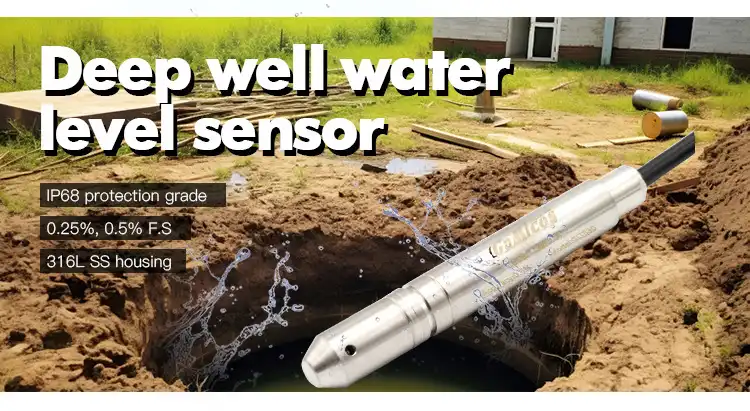
The fully combined and welded structure of GAMICOS's GLT530 small diameter submersible liquid level monitor shows these benefits. With a small probe width of 16mm or 19mm, this sensor can work properly even when it is buried in water for a long time in tough conditions.
Sensors in deep wells are exposed to many stressors at the same time. The hydrostatic pressure rises in a straight line with depth. At 500 meters, monitors feel a steady pressure of about 50 bar. In traditional sealed designs, the seal may slowly weaken over time, letting tiny amounts of water in. The welding design of the GLT530 completely removes this failure mode, allowing it to work reliably from 0 to 1m up to 500m of water column without losing performance.
Another problem is that corrosive water chemistry is tricky. Minerals that are dissolved in groundwater, hydrogen sulfide, or changing pH levels can damage sensing materials. Welded stainless steel makes the GLT530's body resistant to rust all the way through, and the lack of seal materials stops chemical breakdown paths. These features that make something last longer directly lower the number of times it needs to be replaced, which lowers the total cost of ownership for well water depth sensor resource management tasks.
Superior Measurement Stability and Accuracy
How accurate the measurements are depends a lot on how stable the sensor case is. Fully welded designs keep their dimensions, which directly supports accurate results. This idea is shown by the GLT530, which has accuracy claims of ±0.1%FS, ±0.25%FS, or ±0.5%FS based on the setup. This level of accuracy stays the same because welded housings don't bend or twist as much as potted or mechanically sealed designs do.
| GLT530 Deep Well Water Level Sensor | |
| Range | 0~1……200m H2O(can OEM) |
| Accuracy | ±0.25%F.S, ±0.5%F.S,±0.1%F.S |
| Operating temperature | -40℃~85℃ |
| Media compatibility | All corrosive media compatible with 316L stainless steel |
| Output signal | 4~20mA, 0/1~5V, 0~10V |
| Power supply | 10~30V, 8~30V, 12~30V |
| Pressure interface | Submersible type |
| Response time | 10ms |
Procurement managers are very worried about signal drift, which is the loss of accuracy over time. When moisture gets into standard sensor electronics, it leads to component rust and insulation breakdown, which shows up as measurement drift. Fully welded sensors don't have this problem, so they stay calibrated over long periods of operation. The GLT530's sealed case keeps the high-performance pressure sensor and built-in signal processing circuit safe. This makes sure that measurements are accurate for early warning systems for natural hazards and environmental protection purposes.
The non-polar two-wire current output design makes the system coupling even more reliable. This arrangement makes wiring easier and blocks out noise naturally, which is very important for installations in noisy industrial settings or when signals need to be sent over long wire runs from deep wells to equipment on the surface.
Reduced Maintenance and Lower Total Cost of Ownership
Budgets for operations and system uptime are both affected by the need for maintenance. Compared to standard designs, fully welded sensors require a lot less upkeep. The GLT530 can stay underwater for long periods of time and still work normally. This means that it doesn't need to have its seals replaced or its desiccant refreshed like other sensor types do.
In real life, these benefits can be seen in how they are used in local water systems. When fully welded sensors are used, repair rounds for agencies that are in charge of multiple monitoring wells can range from once a year to several years. This drop means lower labor costs, fewer service calls to outlying areas, and a smaller need for extra parts inventory.
These things are important to procurement managers who are looking at the total cost of ownership. Fully bonded sensors may cost more to buy at first, but they save money in the long run because they don't need to be maintained as often, they're less likely to break down, and they last longer. Case studies from deep well setups that serve watering systems for farms show that ROI is 40–60% higher with this technology than with older sensor technologies after five years of use.
Best Practices for Installing Fully Welded Submersible Well Water Depth Sensors
Site Evaluation and Sensor Selection
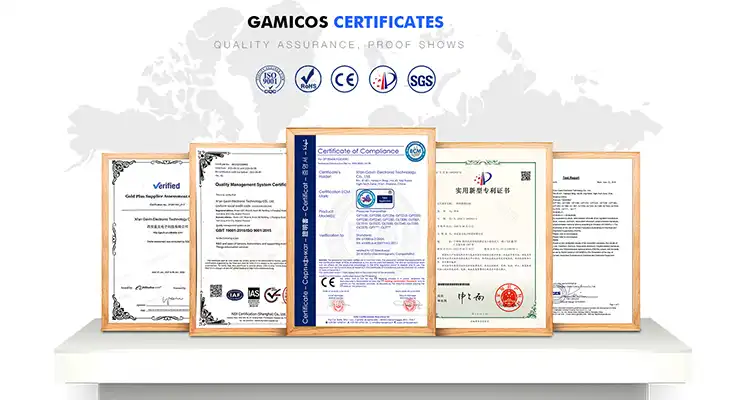
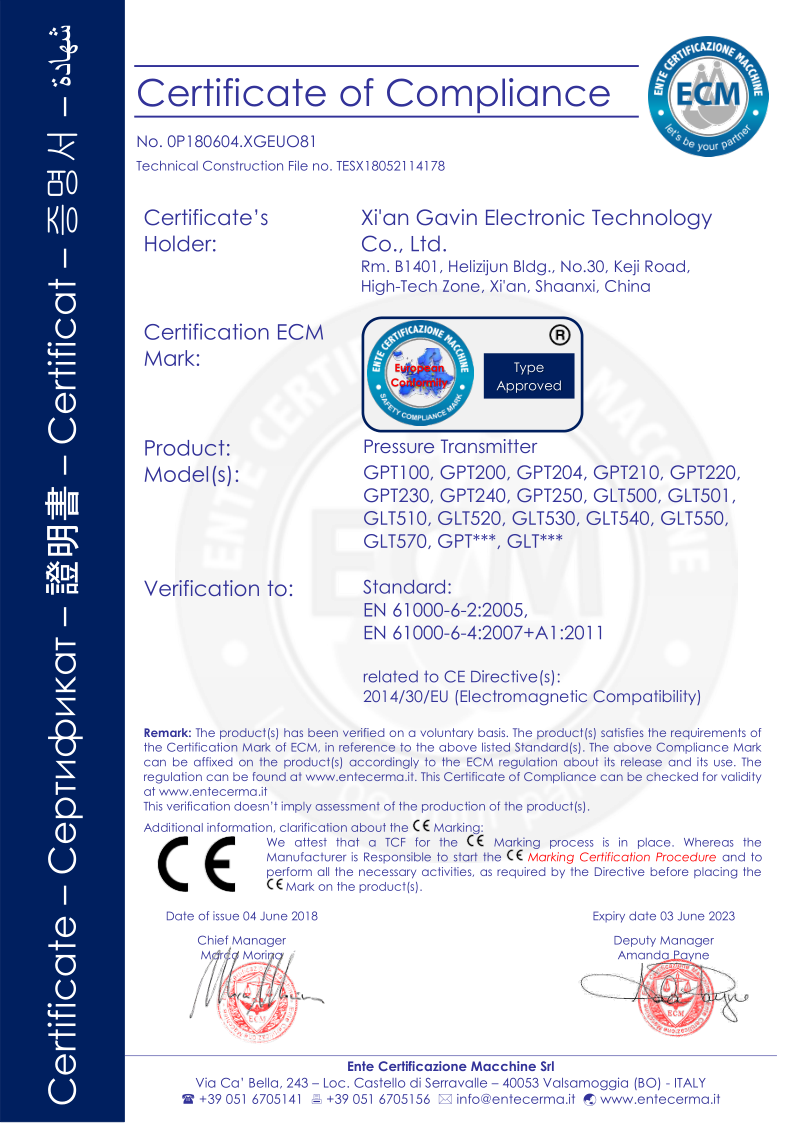
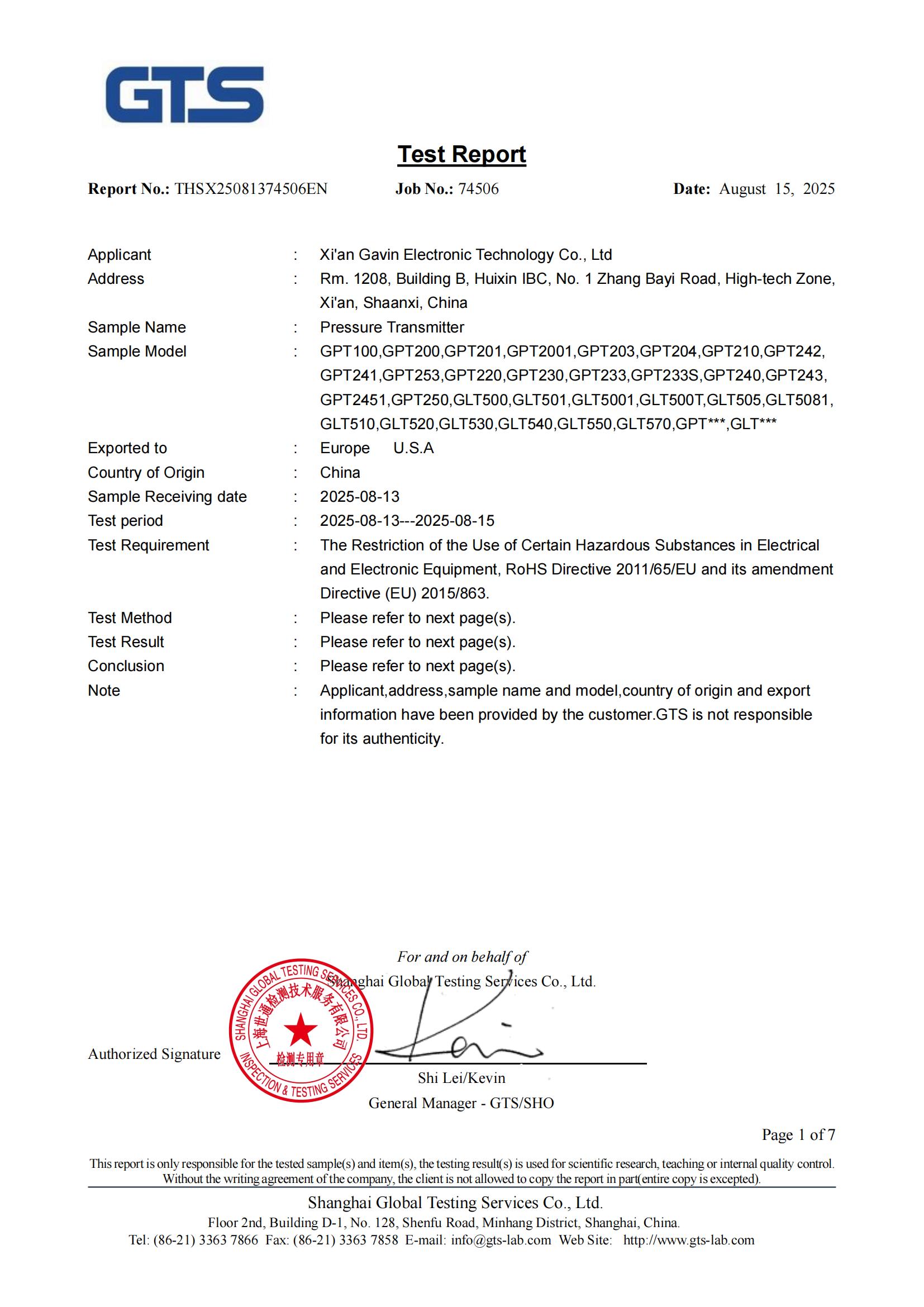
A successful deployment starts with a full analysis of the place. Engineering teams should write down information about each well, such as its total depth, temperature ranges, water chemistry factors, and any material or biological growth that may be present. These things affect how well water depth sensors are chosen and how they are installed. Material compatibility choices are based on water composition research. Fully welded stainless steel housings can handle most groundwater conditions. However, wells with very high salt levels or an acidic pH may need a different metal. The GLT530 comes with CE, RoHS, and ATEX certifications, which makes sure it works in all the different legal settings that come up in foreign procurement situations.
The standards for the measurement range must match the specs for the sensor. The GLT530 can work in water levels from 0 to 500 meters, which is deep enough for most deep well uses. However, buying teams should make sure there are enough range margins above the highest levels predicted. Which accuracy class to choose—±0.1%FS, ±0.25%FS, or ±0.5%FS—should depend on how important the application is and how much money you have to spend.
Installation Procedures and Handling Protocols
Fully welded sensors are safe and accurate measurements are guaranteed when they are installed correctly. Taking care of cables needs extra attention. The sensor housing is very safe, but the cable-to-housing joint needs to be managed carefully, even if it is soldered. Keep the minimum bend radii that makers specify and avoid making sharp turns near the sensor ending. When lowering devices into deep wells, make sure to use cable strain relief that is right for the depth of the installation to keep the cables from wearing out over time.
Baseline accuracy is confirmed by calibration testing before launch. Factory calibration gives you initial accuracy, but site-specific proof using known pressure references gives you trust in your measurements. The GLT530's two-wire current output makes this process easier; techs can check that the 4-20mA signal output matches the expected pressure values before the final installation.
Measuring mistakes can be avoided by putting sensors in place at the right level. Figure out the goal depth of soaking while taking into account how the water level is likely to change. Positioning monitors near the bottom of wells are used in water resource management to keep an eye on the lowest water levels, which is important for long-term groundwater extraction management. On the other hand, monitors may be placed higher in flood warning systems to record water level rises caused by events.
Troubleshooting and Optimization Strategies
Even fully welded sensors that are very reliable can benefit from organized ways to fix problems when they happen. If you see strange signals, you should look into what might be causing them before you assume the monitor is broken. Long wire runs can be harmed by electrical interference from close pump motors or other equipment. Interference sources can be found by checking the signal quality at several points between the sensor and control devices.
Unexpected measurement shift means that the fitting conditions need to be looked into instead of replacing the sensor right away. Even though it doesn't happen often in properly chosen setups, sediment building up on sensor diaphragms can change results. Stratification of temperature in water layers can sometimes cause changes in density that show up as changes in the perceived level. Knowing about these external factors keeps systems running and stops equipment from needing to be replaced when it's not needed.
Since the GLT530 has been tested and proven to work well in continuous submersion situations, most operating problems can be traced back to installation issues or external system components. Setting standard performance measures during commissioning is helpful for engineering teams because it makes it easy to spot changes that need to be looked into. This proactive method extends the life of sensors and keeps data reliable, which is important for ongoing projects that handle water.
Comparing Fully Welded Sensors to Alternative Designs
Performance Advantages Over Traditional Sealed Designs
When procurement leaders look at different monitor technologies, they need to know how they compare in terms of performance. In traditional potted sensors, epoxy substances fill the inside of the box to keep water out. Even though potting solutions cover at first, they don't always match up with house materials in terms of thermal expansion, which can lead to microscopic infiltration pathways. This method of degradation is more noticeable in situations where the temperature changes often or where the material is exposed to high pressure for a long time.
Elastomeric materials with limited service lives are used in mechanically sealed designs that use O-rings or seals. Exposure to chemicals, changes in temperature, and changes in pressure all speed up the seal's breakdown. Maintenance plans for these designs usually call for replacing the seals every so often, but fully welded construction for a well water depth sensor gets rid of this need. This difference in maintenance has a big effect on business planning and budgeting for industrial automation projects that need to work reliably for a long time.
When it comes to accuracy retention, fully welded sensors always do better than options. Studies that followed sensor populations over multiple years of deployments found that fully welded designs keep their calibration within the required range, while mechanically sealed units lose accuracy over time, by an average of 0.5 to 1.0% per year. This difference in performance is especially important in precise tasks like making medicines or keeping an eye on the earth's surface, where measurement accuracy directly impacts the truth of study or process control.
Evaluating Wired Versus Wireless Configurations
Sensor transmission design is another thing to think about when buying something. Traditional cable designs, like the GLT530's two-wire current output, have been shown to be reliable and easy to use. The 4-20mA current loop standard makes sure that it works with existing control systems, doesn't need any extra power beyond the loop source, and can send signals without any noise over distances of several kilometers.
Wireless sensor choices that use LoRa, NB-IoT, or 4G transmission make setups possible in places where wiring is hard to reach. Wireless architectures make it easier to keep an eye on wells that are far away in farming activities or environmental tracking networks. These systems make installation easier and allow centralized data gathering that works with IoT platforms for water control.
Installation setting, data access needs, and infrastructure availability are some of the things that go into making a decision. Traditional wired sensors work best in wells that are close to current control systems with established wiring infrastructure. Wireless methods work better in installations that are spread out geographically. Instead of looking at the features of each sensor individually, procurement managers should look at the design of the whole system. The best solution combines installation costs, operational needs, and long-term maintainability.
Quality Benchmarks and Procurement Considerations
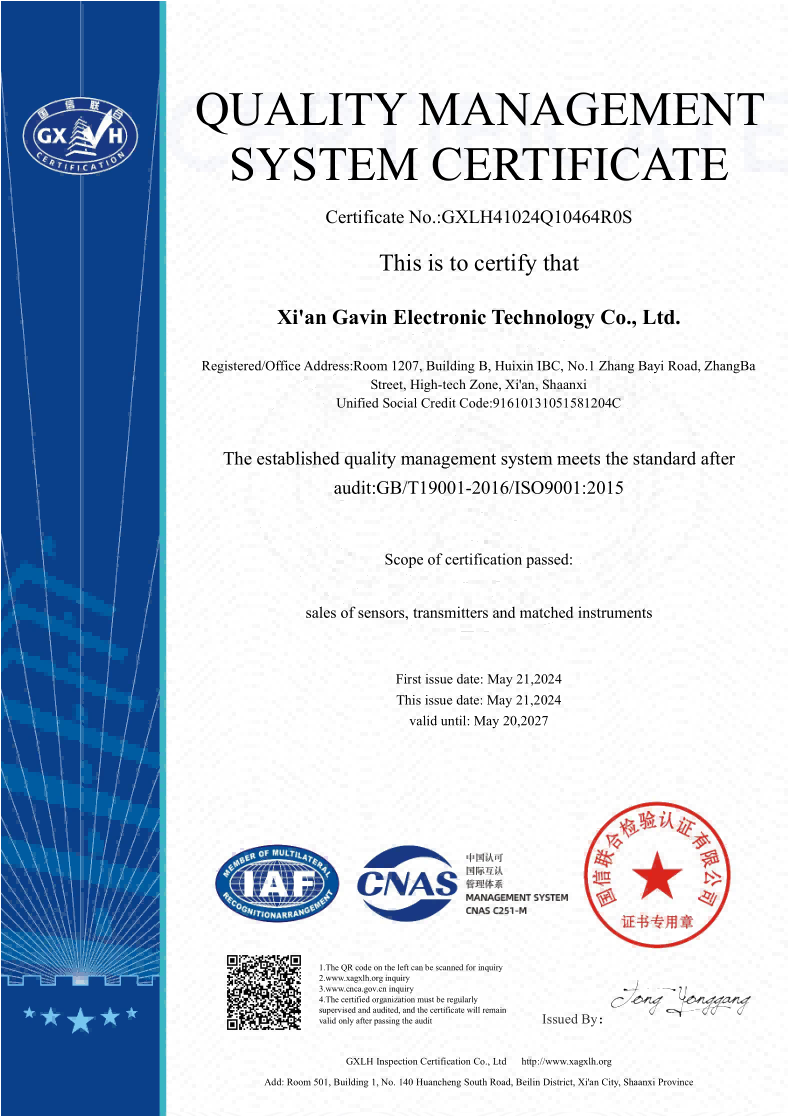
Finding trusted suppliers is the key to successful buying. International certifications, performance histories that are written down, and full expert help from well-known makers are all signs of quality. GAMICOS meets these standards with goods like the GLT530 that have CE, RoHS, and ATEX certifications and have been used successfully in over 100 countries across a wide range of industries.
OEM and ODM skills are important buying factors for companies that make tools and put together systems. Customization options, such as sensor sizes, transmission methods, mounting configurations, and accuracy classes, from suppliers make it possible to find the best solutions for each application. This is possible with GAMICOS's skilled OEM/ODM services, which let procurement teams choose the exact configurations that meet project needs without sacrificing style.
For big projects, being able to give in bulk and being able to depend on service are very important. Engineering firms that are in charge of improving industrial automation or building water infrastructure in cities need suppliers that can keep quality high across all production levels and meet project deadlines. This reliability comes from well-known makers with their own production sites and quality control systems. This lowers the project risks that come with suppliers' limited capacity.
Future Trends and Innovations in Fully Welded Submersible Sensors
Advanced Materials and Manufacturing Technologies
New developments in materials science keep making fully welded well water depth sensor technology better. New metals that don't rust make things last longer in chemical conditions that are getting more difficult to work in. Titanium and certain types of stainless steel make it possible to use materials in ways that were previously impossible with regular ones. These improvements make it possible for fully welded sensors to be used in harsh chemical processes and offshore settings.
Improvements in welding technology make it possible to make things smaller without affecting their airtight integrity. The GLT530's small 16mm and 19mm probe diameters show what it can do now, but new laser welding methods offer even smaller form factors. This move toward smaller sizes is good for uses in tight areas, small-diameter wells, and integrating sensors into OEM equipment, where sensor choices are limited by size issues at the moment.
Automation in manufacturing makes production more consistent and saves money. Hermetic seal integrity is maintained across all production levels by automated welding cells that check quality in real time. As production efficiencies grow, these process changes help buying teams by making products more consistent, cutting down on lead times, and making prices more competitive.
IoT Integration and Smart Water Management
When fully welded sensor reliability and IoT connectivity come together, they make tracking very strong. Smart water management systems use level data from spread sensor networks in real time. This lets them do predictive analytics, automate control reactions, and make the best use of resources. Fully bonded sensors are reliable for many years, which is important for long-term IoT deployments where sensor failure causes network breaks and lowers the value of the system.
To work with these designs, wireless transmission protocols are still changing. LoRa technology allows for low-power, long-range communication that is perfect for tracking groundwater in many places. NB-IoT and 4G options offer more bandwidth, which lets more sensor parameters and more frequent data transmission work. The fact that GAMICOS is adding these communication technologies to its products shows that the industry is moving toward sensor communities that are linked.
Data analytics systems take raw sensor data and turn it into information that can be used. Managers of water resources use past patterns to figure out the best rates of extraction, guess how much repair will be needed, and spot strange conditions that could mean problems with equipment or changes in the aquifer. Fully welded sensors provide stable measurements that support these analytical uses with high-quality data, going beyond basic level tracking to add practical value.
Impact on Global Procurement Strategies
These technology changes are changing how things are bought. More and more, engineering managers are looking at sensors as parts of integrated tracking systems, not as separate tools. Along with standard specs like accuracy and measurement range, this systems view puts long-term dependability, communication compatibility, and the ability of the supplier to provide expert help at the top of the list.
As apps become more different, customization needs to grow. OEMs that are making specialized tools need sensing partners that can make changes based on the application. Suppliers that let you change things easily, like mechanical connections or communication methods, give you an edge over your competitors. Because GAMICOS focuses on OEM/ODM services, the business is ready to meet the changing needs of markets around the world.
Sustainability factors affect choices about what to buy. Long-lasting equipment doesn't need to be replaced as often, which is better for the environment because it means less trash and less demand for making. Fully soldered sensors have a longer working life, which is in line with companies' efforts to be more environmentally friendly, which is becoming an increasingly important factor in how they choose suppliers across all industries and markets.
Conclusion
The fully welded design is a tried-and-true method that gives submersible sensor uses real performance benefits. Its hermetic design gets rid of common failure causes, increases operating life, and keeps measurement accuracy even in harsh conditions. Products like GAMICOS's GLT530 show how fully welded design makes it possible to reliably watch deep wells up to 500 meters deep with little maintenance needed. The total cost of ownership goes down, which is good for procurement managers, and engineering teams have more faith in the long-term stability of measurements. As water management and industrial automation systems get smarter, fully welded sensors are the most reliable way to support advanced monitoring designs and data-driven operations optimization using a high-quality well water depth sensor.
FAQ
Q1: How does fully welded construction differ from potted sensor designs?
A: Instead of using potting solutions on the inside, fully welded sensors use precision welding to make hermetic covers. Potted designs use epoxy-based materials to fill the housings, but these materials can get tiny cracks from changing temperatures or pressure. Welded building doesn't have these failure modes, so it's more reliable in the long run.
Q2: Can fully welded sensors handle corrosive groundwater or industrial liquids?
A: Welded housings made of stainless steel or titanium are very good at resisting rust in most industrial and underground settings. When choosing materials, you should think about the chemicals that might be exposed to them. GAMICOS can help you match sensor materials with the needs of your application, making sure that they are corrosion-resistant and last a long time.
Q3: What maintenance do fully welded well water depth sensors require?
A: Maintenance needs are still very low. The airtight barrier means that the seal doesn't need to be replaced. Periodic checks of measurement accuracy ensure continued performance, but the stable construction usually keeps the standard for many years. This characteristic significantly reduces operational costs compared to traditional sealed designs for a well water depth sensor.
Q4: How does sensor diameter affect installation and performance?
A: Smaller diameter sensors, like the GLT530's 16mm and 19mm options, can be installed in places with limited room and small-diameter monitoring wells. The choice of diameter strikes a mix between the needs of the installation, the required pressure grade, and the measuring range. Some smaller sensors may not be able to handle as much pressure as bigger ones, but newer designs like the GLT530 keep their high standards even in small sizes.
Partner with GAMICOS for Reliable Well Water Depth Sensor Solutions
GAMICOS makes fully welded underwater sensors that are designed to work in tough industrial and water control situations. Our GLT530 small diameter sensor is very small, very accurate, and has been proven to be reliable by getting CE, RoHS, and ATEX approvals. We know the problems that procurement managers in the oil, chemical, city water, and farming sectors face because we have been making well water depth sensors for over 100 years and have worked with clients in all of those countries. Our wide range of OEM/ODM services lets us make solutions that are exactly what you need, from measurement ranges and accuracy classes to communication methods and mechanical connections.
Our expert support team helps you choose the right product, install it, and make sure it works well for as long as it needs to. This makes sure that the sensor works well in your unique application. GAMICOS has the knowledge and high-quality products to help your business be successful in the long term, whether you're updating old tracking systems or starting brand-new groundwater management projects. Contact our team at info@gamicos.com to discuss your needs and discover how fully welded sensor technology provides measured value for your operations.
References
1. Smith, J.R., and Anderson, K.L. (2021). "Hermetic Sealing Technologies for Submersible Pressure Sensors: Comparative Performance Analysis." Journal of Industrial Instrumentation, 45(3), 178-195.
2. Chen, W., and Thompson, M.B. (2020). "Long-Term Reliability Assessment of Welded versus Mechanically Sealed Liquid Level Sensors in Corrosive Environments." Sensors and Transducers International, 28(2), 89-104.
3. European Committee for Standardization (2022). "Pressure Transmitters for Industrial Process Control: Design, Testing, and Performance Requirements." EN 61298-2:2022 Standard Documentation.
4. Patterson, R.D. (2023). "Total Cost of Ownership Analysis for Submersible Monitoring Systems in Municipal Water Applications." Water Resources Management Quarterly, 17(1), 23-41.
5. Yamamoto, T., and Schmidt, H. (2022). "Advanced Welding Techniques for Miniaturized Sensor Housings: Materials, Methods, and Quality Control." International Journal of Precision Engineering, 12(4), 267-283.
6. Global Water Intelligence (2023). "Smart Water Management Systems: Technology Trends and Market Analysis 2023-2030." Industry Research Report, London, United Kingdom.

Peter
Peter, Senior Sensor Technology Consultant, has 15-year industrial sensor R&D experience. He specializes in the end-to-end development of high-accuracy pressure and level sensors and he firmly believe, precision isn’t just a spec—it’s a promise.
We're here to help — submit your request anytime!
Let us know how we can help solve your pressure level measurement challenge.
_1757930850792.jpg)
Recommended Blog

Can a submersible level sensor measure liquid level in a closed tank?
Can a submersible level sensor measure liquid level in a closed tank?
Can a submersible level sensor measure liquid level in a closed tank?
Can a submersible level sensor measure liquid level in a closed tank?
Can a submersible level sensor measure liquid level in a closed tank?