Smart Fuel Tank Monitoring Using Submersible Diesel Level Sensors
Understanding Submersible Diesel Level Sensors and Their Technology
- Understanding Submersible Diesel Level Sensors and Their Technology
- Benefits of Implementing Submersible Diesel Level Sensors in Fuel Tank Monitoring
- Installation and Maintenance Guide for Submersible Diesel Level Sensors
- How to Choose the Right Submersible Diesel Level Sensor for Your Business
- Future Trends and Innovations in Diesel Level Sensing Technology
- Conclusion
- FAQ
- Partner with GAMICOS for Advanced Diesel Level Sensor Solutions
- References
Across all industries, efficient operations depend on being able to handle fuel well. A submersible diesel level sensor gives engineering managers and procurement workers the accuracy and dependability they need when precision is important. These special tools go right into diesel tanks and measure things in real time. This helps with better inventory management, stops expensive fuel theft, and makes it possible to plan ahead for repair. Industries around the world are looking for strong monitoring solutions. To achieve operational success and cost optimization, any company needs to understand how submersible sensor technology solves important fuel management problems.

Understanding Submersible Diesel Level Sensors and Their Technology
How Submersible Sensors Function in Diesel Environments?
The detecting element in submersible fuel level measurement devices is placed directly in the liquid medium. The silicon piezoresistive pressure measuring technology used in this immersion method turns the hydraulic pressure of the fuel column above the sensor into accurate level readings. This direct touch method is more accurate than external methods because it doesn't depend on tank shape, vapor spaces, or surface turbulence, which can be problems in industrial settings that need precision.
Technology Comparison: Submersible vs. Alternative Sensing Methods
There are different operating needs for each type of measurement technology. Ultrasonic sensors send out sound waves that bounce off the surface of the fuel. This means that they can be used in open tanks, but they can be harmed by foam. Capacitive sensors pick up on changes in the electrical properties between probe electrodes, but they need to be calibrated often when the fuel makeup changes. Submersible pressure-based sensors work best in closed systems where direct reading gives accurate results no matter what the world is like. Because they are totally sealed, they can handle being exposed to strong chemicals and still work reliably even when the temperature changes, which is common in fuel storage situations.
Connectivity Options for Industrial Integration
Modern fuel tracking needs the ability to integrate in a variety of ways. Wired sensor setups send signals reliably and without interference, making them perfect for storage sites that don't move and have the infrastructure to support hardwired links. Wireless options using LoRa, GPRS, NB-IoT, or 4G communication methods let you keep an eye on assets that are spread out, like rental cars or marine apps that work abroad. With these connectivity choices, procurement managers can choose solutions that work with current automation systems and plan for when IoT platforms will be fully integrated in the future.

Benefits of Implementing Submersible Diesel Level Sensors in Fuel Tank Monitoring
Precision Measurement and Operational Reliability
External sensing methods often make measurement mistakes, but the direct submerging design cuts down on those mistakes. These devices get rid of problems caused by vapor layers, temperature stratification, or tanks with odd forms by reading hydrostatic pressure at the tank's bottom. Automatic temperature adjustment improves accuracy even more by making sure that numbers stay the same even when temperatures change, which would cause measurement drift otherwise. This diesel level sensor dependability directly leads to more accurate forecasting of fuel use and better control of inventory across supply lines.
Seamless IoT Integration and Remote Management
More and more, modern industrial processes depend on connected systems to give them real-time insight. IoT platforms and submersible fuel sensors work well together, letting you use centralized tracking panels that combine data from different tank sites. Engineering managers can set up automatic alerts for low fuel levels, strange patterns of use, or possible leaks. This connection helps planned maintenance by keeping an eye on signs of fuel quality and patterns of use, which help plan service times before equipment breaks down.
Durability and Reduced Maintenance Requirements
In industrial settings, you need strong tools that can keep working even when things get tough. Submersible sensors are made of fully welded stainless steel and have an IP68 grade, which means they are completely waterproof and resistant to chemicals. Their tough design means that they can handle vibrations, changing pressures, and wide temperature ranges without losing effectiveness. This makes the system last longer and requires less upkeep, so there is less system downtime that affects production plans or fleet operations.
Installation and Maintenance Guide for Submersible Diesel Level Sensors
Step-by-Step Installation Protocol
The right setup of the tank is the first step to a successful sensor placement. Before installing, make sure the tank is depressurized and follow all safety rules for handling fuel. Place the sensor mounting point so that it doesn't touch any areas of high turbulent flow near the fill or exit lines. Make sure the wire entry point stays sealed when you thread the sensor firmly into the mounting fitting. For mobile tank uses, magnetic suction base types can be installed without tools and have anti-vibration features that keep the tank in place while the car is moving.
Follow the manufacturer's wiring diagrams to connect the signal wires, and make sure to keep the cords away from high-voltage equipment that could cause electrical interference. Once the parts have been put together mechanically, the sensors should be calibrated by comparing their results to known fuel levels or certified reference measures. For future use, write down baseline data and configuration factors.
Calibration and Accuracy Maintenance
Calibration keeps measurements accurate for as long as the sensor is used. Set up proof checks to happen every three months or after any major repair that affects the fuel system. When you calibrate a sensor, you compare its output to reference standards and change its zero and span settings using digital interfaces that can be programmed. Advanced sensors that automatically adjust for temperature need very little human work. However, checking the programs that do the adjustment makes sure that they work perfectly across all temperature ranges.
Troubleshooting Common Issues
If sensors give you inconsistent data, check the electrical links regularly for corrosion or loose terminals. Make sure that the voltages from the power source stay within the allowed ranges, and check the line routing for any damage that might be happening. Sudden changes in readings are often a sign of a problem with the mechanics, like a sensor moving or dirt building up on the sensing surface. Vibration-induced loosening that affects measurement stability can be avoided by checking the fastening parts on a regular basis. Knowing when to get technical help, like when you think an internal component is failing or when calibration drift keeps happening, can save you a lot of time and make sure that complicated problems are solved by experts.
How to Choose the Right Submersible Diesel Level Sensor for Your Business
Critical Selection Criteria for Industrial Applications
When making decisions about purchases, you have to look at a lot of technical factors that affect how well something will work in the long run. The measurement range must allow for the deepest tank with enough room to spare, and the precision standards should match the needs of inventory control. Response time affects the ability to watch in real time, which is especially important for automatic systems that dispense or situations where people use a lot of product quickly. The environmental ratings have to meet the conditions of the placement, such as the highs and lows of temperature, chemical exposure, and vibration levels that will be present during use.
It's important to give careful thought to output signal compatibility. Digital protocols like Modbus RTU, RS485, or HART allow for improved diagnostics and setup freedom. Analog outputs like 4-20mA or 0-5V work with traditional control systems. Explosion-proof licenses are needed in dangerous places and may include ATEX, IECEx, or similar approvals, based on the rules in that area.
Evaluating Supplier Capabilities
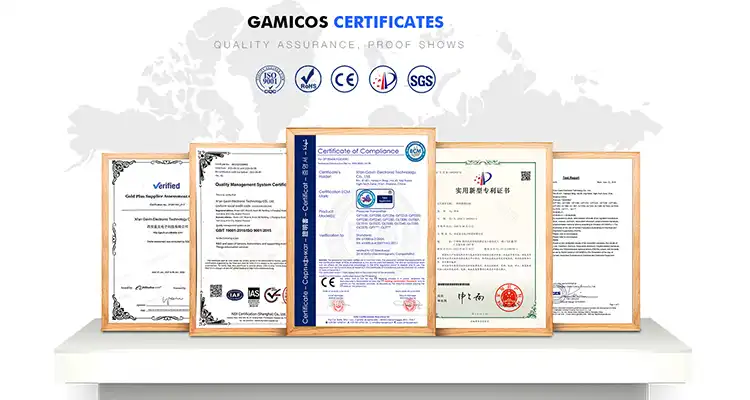
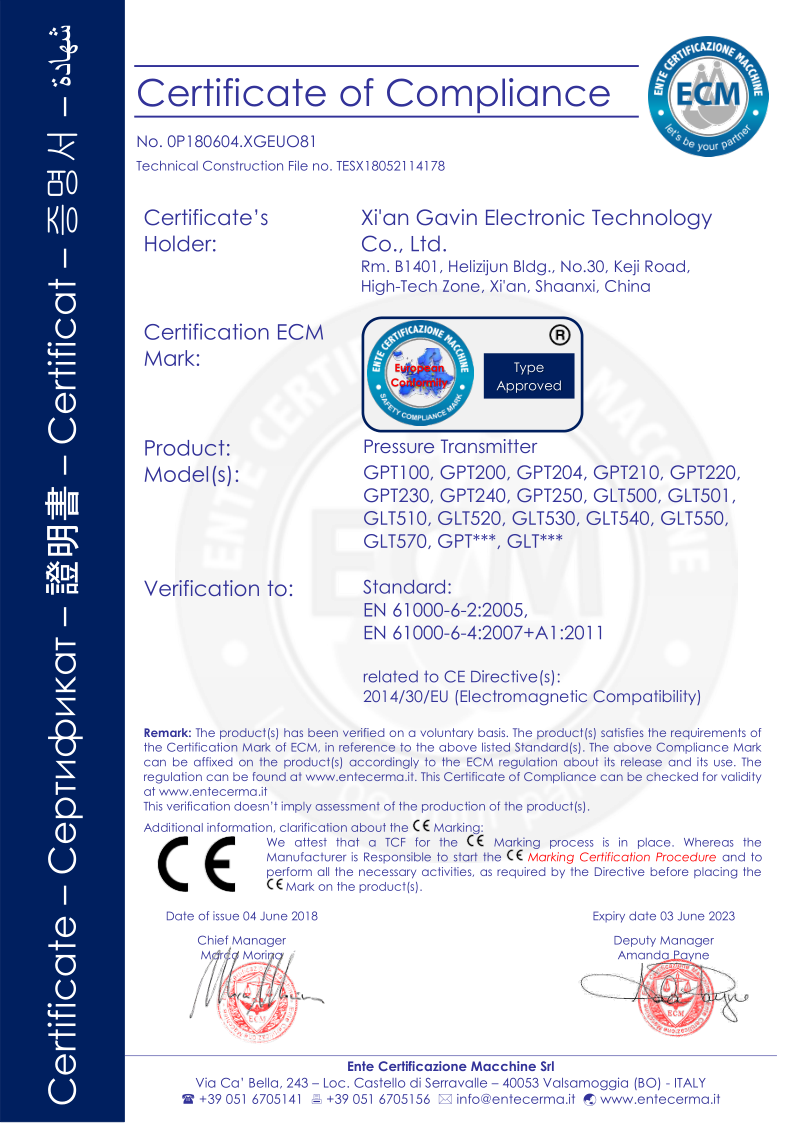
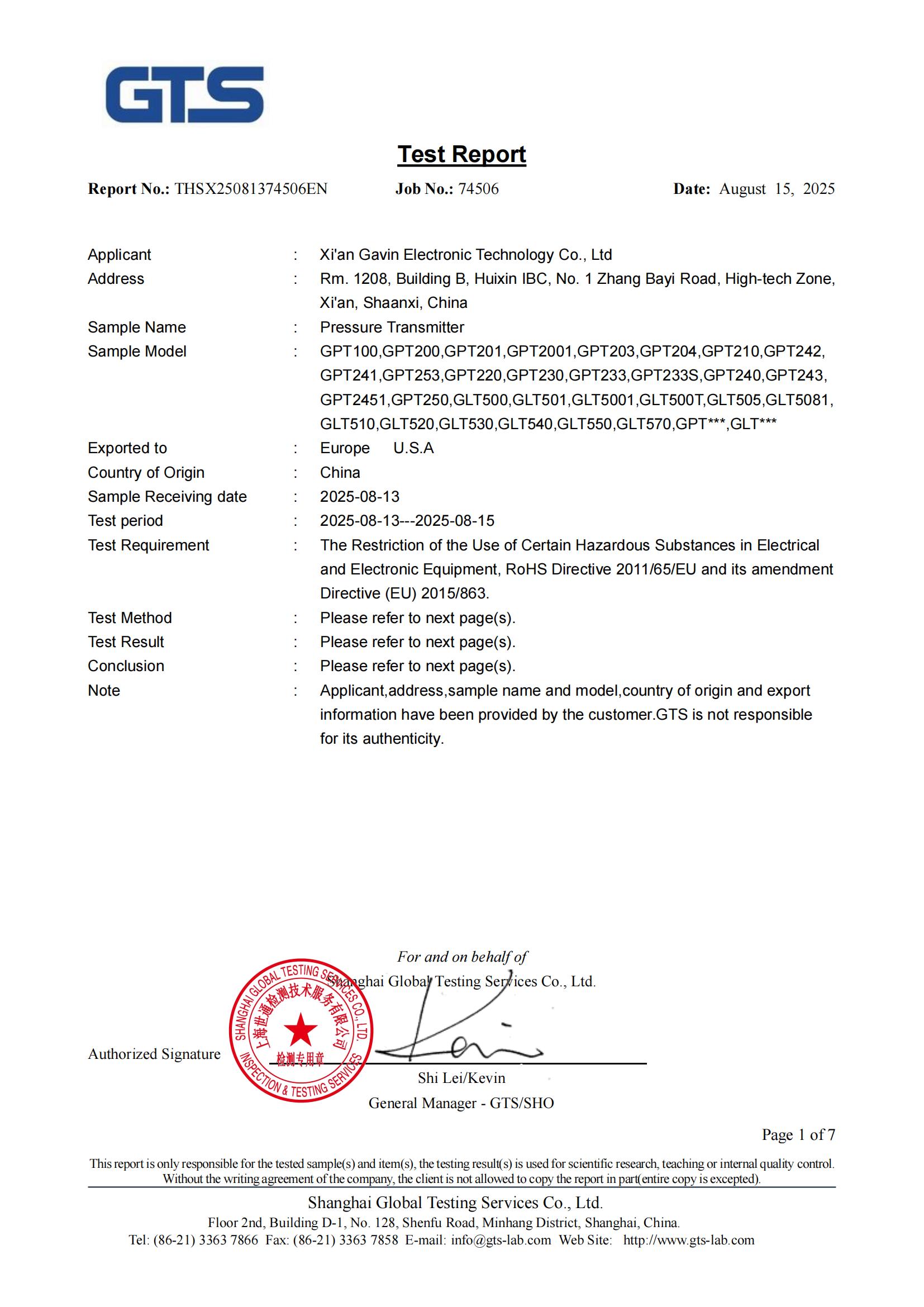
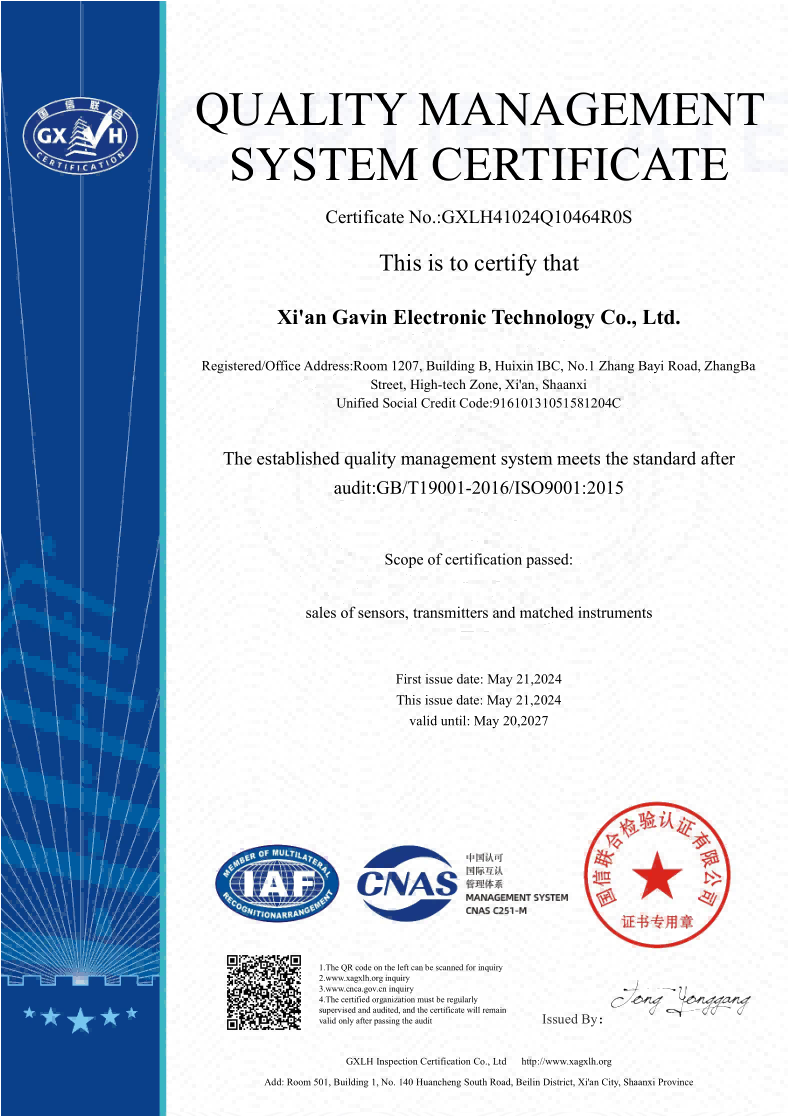
In addition to product requirements, seller skills have a big effect on how well a procurement goes. For big projects or ongoing OEM integration, being able to offer in bulk and keeping to delivery dates is very important. How quickly technical help responds affects how well installations go and how quickly problems are fixed in operations. Certification that meets CE, RoHS, and ISO standards shows that you care about quality and makes foreign adoption easier.
Strategic value is added by customization choices. Differentiated end products are possible through OEM agreements that offer customized diesel level sensor sizes, interface methods, or communication standards. Suppliers that offer flexible packing and customizable paperwork help wholesalers and equipment makers that serve global markets with their branding needs.
GAMICOS GLT5001: Purpose-Built Diesel Monitoring Solution
The GLT5001 is a piece of specialized tech for measuring gas levels that takes these buying factors into account. Its silicon piezoresistive pressure sensor core is very reliable, and automatic temperature adjustment and customizable digital circuit correction make it even better. The sensor sends out standard analog or digital data that can be used with a variety of control systems. This makes it easy to integrate the sensor into different uses.
The product line includes both standard setups for traditional installations and magnetic suction base versions that are best for mobile tank tracking. This is based on a lot of market research and customer feedback. This adaptability meets a wide range of practical needs without lowering performance. Stability in harsh industrial settings is guaranteed by strict quality control tests like pressure cycles, aging tests, and environmental simulations.
Key technical advantages include:
- Integrated design with strong interference resistance - Combined circuits keep signals from getting weaker in places with a lot of electrical noise
- Multiple output options - Adaptable signal types work with current systems and allow for future updates
- Fully welded structure - Gets rid of possible leak paths that could hurt reliability after being exposed to fuel for a long time
- IP68 protection rating - Guarantees operation in fully flooded situations with full protection against dust and water
- Magnetic suction base with anti-vibration design - Lets you quickly set up on mobile tanks while keeping measurements stable while they're in motion
- Certified explosion-proof (ATEX), CE, and RoHS compliant - Meets global safety and environmental standards for use anywhere in the world
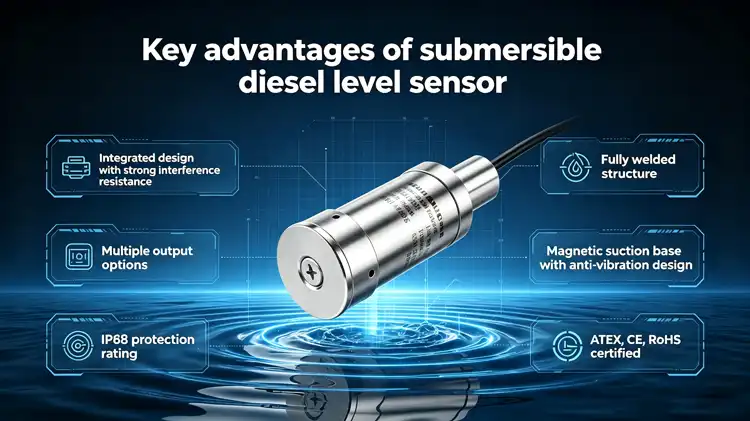
These engineering features directly address the problems that sourcing managers have when they have to choose fuel tracking tools. The combined design makes fitting easier and cuts down on the number of parts that could go wrong. With multiple output options, you don't need to buy expensive gear to convert signals. Full welding stops the seal from breaking down over time, which can happen with threaded or gasketed parts. Compliance licenses make the approval process easier in many places.
In addition to its technical specs, the GLT5001 is useful in a wide range of business settings. Marine uses benefit from building that doesn't rust and can handle vibrations, which is important for keeping an eye on fuel tanks, ballast tanks, freshwater reserves, and sewage compartments on ships. Facilities that store fuel, like gas stations, oil depots, aviation fuel farms, and distribution hubs, can get more accurate level readings by adjusting for temperature changes. This keeps the readings accurate even when the storage amount is big.
Future Trends and Innovations in Diesel Level Sensing Technology
AI-Enhanced Predictive Analytics
New developments in diesel level sensor technology can turn raw sensor data into tactical information that can be used. Machine learning algorithms find changes in usage patterns that aren't normal. These changes could mean theft, leakage, or a problem with the equipment before normal benchmark alerts go off. Predictive models figure out how much fuel will be needed based on past usage, changes in the seasons, and working plans. This makes transport operations and the cost of keeping inventory at optimal levels. To get the most out of measurement spending, these advanced analytics are built on top of solid sensor hardware.
Wireless Communication and Cloud Integration
Cellular and low-power wide-area networks make it possible for next-generation tracking systems to connect to everything. Cloud-based systems collect data from assets that are spread out geographically. This lets fleet managers keep an eye on hundreds of cars or storage sites from a single dashboard. Edge computing processes data locally before sending it, which lowers the amount of bandwidth needed and lets control decisions be made in real time, even when the network goes down. This design for distributed intelligence works well for both small businesses with only one location and large companies with offices all over the world.
Sustainability and Regulatory Compliance
More and more, environmental laws require exact reporting of pollution and tracking of fuel use. Advanced sensor networks provide measurement logs that can be checked, which helps with figuring out carbon footprints and showing compliance with regulations. The ability to find leaks protects underground supplies and keeps the cost of cleaning up the environment to a minimum. As green programs move from being a choice to being the law, the infrastructure for precise tracking stops being a nice-to-have extra and becomes a must-have for compliance. Analysts in the field think that the market for sensors will continue to grow, thanks to investments in technology and pressure from regulators. By setting up strong tracking systems now, businesses are better prepared for the operational and legal needs of the future.
Conclusion
Submersible fuel tracking technology for a diesel level sensor solves important operating problems by providing accurate measurements, strong construction, and a variety of connection options. To choose the right sensing solutions, you need to look at technical specs, the qualifications of the seller, and the supplier's long-term help options that go beyond the initial purchase. When companies put measurement accuracy, system stability, and scalable design at the top of their list of priorities, they save money on fuel, make better use of their assets, and can do preventative maintenance. As industrial technology moves toward smart, connected systems, building a solid network of sensors is becoming essential for businesses that use a lot of fuel to stay ahead of the competition.
FAQ
Q1: What advantages do submersible sensors offer compared to ultrasonic measurement devices?
A: Submersible pressure-based monitors measure fuel levels by immersing themselves in the fuel. This means that foam, air layers, or the shape of the tank don't affect the accuracy of the readings. This direct method of measuring gives accurate readings no matter what the surface conditions are like. This makes underwater technology more reliable for use in sealed tanks and situations where the fuel is being filled quickly or in different ways.
Q2: Which factors most significantly impact measurement accuracy?
A: Temperature correction is the most important factor for accuracy because changes in fuel density with temperature affect level estimates based on pressure. Quality monitors have built-in temperature sensors that use automatic compensation methods. The location of the installation also affects its accuracy. To avoid measurement flaws, mounting should be done away from areas of high turbulence and in the right direction. Precision is maintained throughout the life of an activity by checking the measurements on a regular basis.
Q3: Can these sensors integrate with existing fleet management platforms?
A: Standard industrial communication methods, such as analog outputs, Modbus RTU, and different wireless forms, can be used with modern submersible devices. Because of this, it is possible to join directly to or use protocol gateway devices to connect to most fleet control systems. Digital outputs give more diagnostic information, like health signs for sensors and configuration factors, that go beyond basic level measurement and improve tracking capabilities.
Partner with GAMICOS for Advanced Diesel Level Sensor Solutions
GAMICOS is an expert at providing high-quality testing equipment for businesses, along with full technical help and the ability to make changes to fit specific needs. Our engineering team works with sourcing managers, project engineers, and automation experts to come up with the best sensor combinations for each application. We offer responsive expert support during the entire purchase and deployment process, whether your company needs standard catalog goods or unique OEM solutions.
As a well-known company that makes diesel level sensors and ships them to more than 100 countries, we have a strong supply chain that lets us keep delivery dates for both small prototypes and large production runs. Our quality assurance protocols include strict testing methods that make sure the product works in a wide range of harsh working situations. This gives you peace of mind about its long-term dependability.
Get in touch with our applications engineering team at info@gamicos.com to talk about your needs for fuel tracking. For diesel level sensor supplier partnerships that support your business goals and procurement standards, we provide thorough technical specs, integration advice, and competitive quotes.
References
1. Johnson, M. & Williams, R. (2022). Industrial Fuel Management Systems: Technology and Best Practices. Technical Press International.
2. Anderson, K. (2023). "Pressure Sensor Technology in Harsh Liquid Environments." Journal of Industrial Instrumentation, 45(3), 112-128.
3. European Committee for Standardization. (2021). Explosion Protection Standards for Process Industries: ATEX Compliance Guidelines. CEN Publications.
4. Martinez, L. & Chen, H. (2023). "IoT Integration Strategies for Distributed Asset Monitoring." International Conference on Industrial Automation Proceedings, 267-281.
5. Thompson, S. (2022). Marine Systems Engineering: Sensor Applications in Naval Architecture. Maritime Technology Publishers.
6. Global Industry Analysts. (2024). Level Sensors Market Analysis: Forecast Through 2029. Strategic Market Research Report.

Ivy
Ivy, product consultant, has focused on sensor consultation for ten years, is proficient in providing pressure and level measurement solutions for customers.
We're here to help — submit your request anytime!
Let us know how we can help solve your pressure level measurement challenge.
_1757930850792.jpg)

Recommended Blog

What output signals do submersible level sensors typically provide?
What output signals do submersible level sensors typically provide?
What output signals do submersible level sensors typically provide?
What output signals do submersible level sensors typically provide?