How to Select the Right Level Pressure Sensor for Harsh Environments
How to Select the Right Level Pressure Sensor for Harsh Environments
Understanding Level Pressure Sensors and Their Operating Principles
- Understanding Level Pressure Sensors and Their Operating Principles
- Challenges in Harsh Environments and How to Overcome Them
- Comparing Level Pressure Sensors for Industrial Applications
- How to Select the Right Level Pressure Sensor: Criteria and Guidelines?
- Supplier and Product Insights for Confident Procurement
- Conclusion
- FAQ
- Partner with GAMICOS for Reliable Level Measurement Solutions
- References
To choose the correct level pressure sensor for harsh industrial settings, you need to know about measurement principles, weather challenges, and factors that are specific to the application. A level pressure sensor finds the height of a fluid by sensing the atmospheric pressure that the liquid column puts on it. Standard pressure sensors record different kinds of pressure, but these devices only use pressure data to figure out fluid levels. In tough places to work, like petroleum plants, wastewater treatment plants, or harsh chemical settings, picking a sensor that is durable, accurate, and compatible is very important for long-term success and dependability.

Understanding Level Pressure Sensors and Their Operating Principles
How Level Pressure Sensors Measure Liquid Levels?
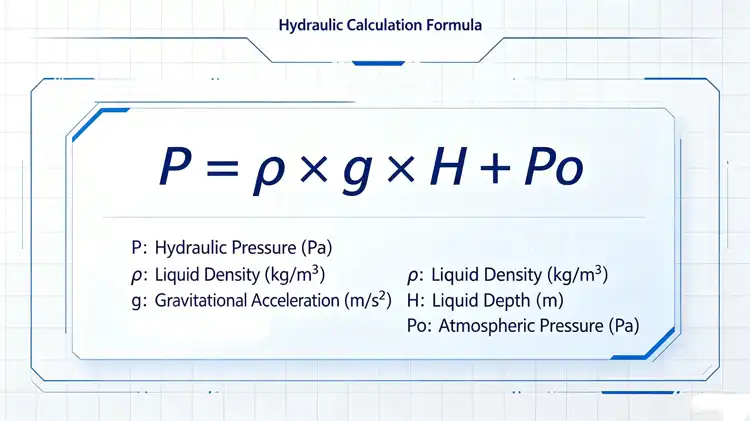
Hydrostatic pressure reading is the basic idea behind how level pressure sensors work. If you put a sensor at the bottom of a tank or cover it in water, it will pick up the pressure from the column of fluid above it. This pressure is directly related to the height of the liquid, which lets the sensor figure out the level very accurately. The equation for the relationship is P = ρgh, where ρ is the height and g is the acceleration of gravity times the density of the fluid. Hydrostatic measurement is accurate in many industrial settings, from treating water to storing oil, thanks to a simple physical concept.
Distinguishing Level Sensors from Standard Pressure Sensors
Both gadgets measure pressure, but they are used for very different things. Standard pressure sensors measure system pressure in lines, pneumatic systems, or HVAC systems and give data in PSI or bar. Level pressure sensors, on the other hand, take pressure readings and turn them into information about the height of the liquid. The results are usually shown in meters, feet, or percentage of tank capacity. Understanding this difference helps procurement managers choose the right instruments for their projects, preventing mistakes that cost a lot of money and ensuring the best system performance.
Key Sensor Technologies: Piezoresistive and Capacitive
In industrial level assessment, silicon piezoresistive sensors are the most common type of technology used. The silicon diaphragm in these devices has strain gauges built into it. When pressure changes the diaphragm's shape, the electrical resistance changes. GAMICOS's GLT500 submersible sensor has a high-reliability silicon piezoresistive core that gives it great long-term stability and dynamic reaction. This technology keeps measurements accurate for longer periods of time, which lowers the need for recalibration and the cost of upkeep. Because silicon is 100% springy, the sensor goes back to its original shape after being pressed on. This keeps the accuracy even after millions of measurement rounds.
Capacitive sensors are another option. They measure how the capacitance between two plates changes as the pressure changes. These gadgets work great in situations where precision is important but cost is low. Ceramic capacitive sensors can handle high temperatures and chemicals well, which makes them good for controlling processes in cars and factories. But piezoresistive sensors usually offer better accuracy and steadiness in important measurement tasks that can't be traded on precision.
Temperature Compensation and Measurement Range Considerations
Changes in temperature have a big effect on the accuracy of the sensor because thermal expansion changes both the receiving element and the recorded fluid density. Advanced sensors have customizable digital circuits that automatically change results based on the temperature of the environment. The GLT500 has full automatic temperature adjustment and signal conditioning, which makes sure that it works the same way in a lot of different temperatures. When choosing a sensor, make sure that it can work in the temperature range that you need it to. For tough industrial settings, this range should be between -40°C and 125°C. Choosing the right measurement range is also very important. Pick a sensor whose pressure range is just a little higher than the highest level you expect to see. This will keep the sharpness high and avoid damage from overpressure.
Challenges in Harsh Environments and How to Overcome Them
Environmental Stressors Affecting Sensor Performance
In industrial settings, level pressure sensors are stressed by many things at once, which can lower their performance or cause them to fail early. Corrosive chemicals break down sensor housings and materials that are wet, which affects the accuracy of measurements and the structure's strength. Extreme temperatures are hard on electronic parts and mechanical locks. For example, high temperatures are bad for industrial processes, and freezing temperatures are bad for outdoor setups. Shock loads, which can be caused by debris, shaking, or water hammer, can damage sensor elements. Long-term exposure to these conditions leads to calibration drift, which means sensors lose their accuracy over time. Eventually, a component fails, requiring expensive repair and process downtime.
Essential Sensor Features for Harsh Conditions
Several safety features are built into robust instruments that are made for demanding uses. Complete waterproof sealing keeps out water that could damage electronics. This is done with fully potted circuits and welded construction instead of O-ring seals that wear out over time. Corrosion-resistant materials are very important. 316L stainless steel is very good at resisting chlorinated water, saltwater, and many industrial chemicals. Special metals like Hastelloy or titanium can handle very strong media. High-precision accuracy standards, usually ±0.25% to ±0.5% full scale, make sure that measures are accurate even when the environment changes. Mechanical longevity is improved by multi-layer safety designs that include strain relief cable entries and reinforced diaphragms.
With its all-stainless steel construction, fully waterproof sealed circuit technology, and multi-layer safety structure, the GLT500 is a great example of these design principles. The pressure vent holes and anti-clogging liquid enter design make the service life longer by stopping sediment buildup that could stop pressure transfer. These features work together to make the product last a very long time in marine, industrial, wastewater treatment, and pharmaceutical settings where equipment dependability affects how well things work.
Installation Best Practices for Maximum Sensor Life
When sensors are installed correctly, their useful life is greatly increased and their measurements remain accurate. Keep submersible sensors 10 to 30 cm above the tank bottom to keep sediment from building up and to protect the sensors from damage from items falling into the tank. Use cable clips or guides to keep the sensor wire in place so it doesn't move around because of fluid turbulence. Letting it hang freely causes wear and tear. Place sensors away from fill streams and agitators, where noise can make measurements less accurate and put stress on the sensors' parts. When you install vented cable sensors, make sure the vent tube goes to a dry place that isn't exposed to extremes of temperature or moisture. If the vent tube gets blocked or condenses, it can lead to measurement mistakes.
Set up regular tuning plans that are right for the criticality of your application and the harshness of the environment—for example, check critical processes every three months and general applications once a year. During calibration, check the physical state for rust, broken cables, and contaminated diaphragms. Write down the average performance so that you can spot steady drift before it affects operations. These steps keep mistakes from happening out of the blue and make sure that buying teams can trust sensor data for making decisions about process control.
Comparing Level Pressure Sensors for Industrial Applications
Submersible Versus Non-Submersible Sensor Selection
Submersible level pressure sensors are a great way to measure the level of a tank. These devices don't need external mounting brackets or process links because they are put straight into the liquid being tested. This makes installation easier. The housing of the sensor can withstand being submerged in water, and the sealed wire construction provides both electrical contact and a reference for atmospheric pressure through an internal vent tube. As long as the materials are compatible, this form can be used for a wide range of tasks, from storing clean water to holding harsh chemicals. Because the whole detecting element stays at fluid temperature, submersible sensors provide very stable measurements. This is because thermal gradient effects are kept to a minimum.
Sensors that aren't submerged in water attach to the outside of the tank using a flanged or threaded process connection. When direct liquid contact isn't possible because of things like very high temperatures, fluids with a lot of viscosity, or the need to remove the sensor for repair without draining the tank, these devices work well. Mounting it on the outside also makes it easy to get to for calibration and cleaning. But for systems that aren't submerged, the position of the process connection and the chance of material buildup or clogging that stops pressure transfer need to be carefully thought out.
Piezoresistive Versus Capacitive Technology Trade-offs
Piezoresistive sensors cost more at first, but they are more accurate, last longer, and work in a wider range of temperatures. The silicon detecting element has very little hysteresis and great reliability, staying accurate to within 0.25% for years of use. Because of these features, piezoresistive technology is the best choice for measuring things that need to be accurate so that the process can be controlled. Examples of these include constant-pressure water supply systems, pharmaceutical batch processes, and custody transfer applications. The technology also has quick reaction times, so it can pick up on sudden changes in level during activities like filling or emptying.
When the needs aren't too high, capacitive devices are a cheap option. Their moderate accuracy—usually ±0.5% to ±1% full scale—is good enough for basic alarm and tank tracking. When made with ceramic diaphragms, capacitive devices can handle high temperatures well and are also resistant to chemicals well. But these sensors are more sensitive to temperature changes, so they need to be carefully adjusted. They may also move over time, so they need to be calibrated more often. Based on the needs of the application, engineering teams should decide if the cost savings are worth the trade-offs in accuracy and security.
Alternative Technologies: Ultrasonic and Radar Sensors
Ultrasonic sensors send out sound waves that bounce off the top of the liquid and record the amount without touching it. This method doesn't involve touching anything, so there are no worries about chemical compatibility or sensor damage. Ultrasonic devices, on the other hand, have trouble with fog, foam, and turbulence, which spread sound waves and make measurements less accurate. Changes in temperature and pressure change the speed of sound, so readings need to be adjusted to be correct. Because of these problems, ultrasonic devices can't be used in many tough industrial situations, especially when there are foaming liquids or very harsh environmental conditions.

Radar level pressure sensors also work without touching anything. They use microwave waves, which are better at getting through vapor and foam than ultrasound. When there are thick layers of foam, radar works great where other means fail. Due to its higher cost and more complicated construction requirements, radar can only be used in situations where its unique features make it worth the investment. By knowing about these changes in technology, procurement managers and engineering teams can match the features of sensors with the needs of applications. This helps them get the best performance and value for their measurement infrastructure.
How to Select the Right Level Pressure Sensor: Criteria and Guidelines?
Critical Selection Parameters for Harsh Environments
Initial level pressure sensor choice is based on the need for accurate measurements. Figure out how accurate you need to be for your process control. For example, ±1% accuracy is fine for general tracking, but ±0.25% or better is needed for automated control systems or custody transfer apps. The choice of material for wet parts is based on how well it reacts with chemicals. Check detailed chemical resistance charts to make sure that 316L stainless steel can handle the materials you're using, or choose rare metals like Hastelloy C for materials that are very toxic. The operating temperature range needs to include both the process temperature and the outdoor temperature, taking into account changes in the seasons and process problems. Check to see if the sensor stays as accurate as needed across this whole range.
System integration is affected by the choice of output signal. Most control systems and PLCs can work with analog outputs, which can be 4-20mA current loops or 0-5V/0-10V voltage signals. Digital protocols like HART, Modbus, or Profibus allow for advanced diagnostics and remote setup, but you need tools that can communicate with them. The GLT500 has more than one signal output option, so it can work with current systems or let you choose your chosen protocols for new installations. The mechanical durability requirements, such as security against intrusion (IP68 for ongoing submersion), resistance to shock, and ability to withstand vibration, must meet or beat the needs of your installation setting.
Balancing Reliability, Cost, and Service Availability
Making decisions involves more than just technical details; they also involve practical issues. Total cost of ownership is directly affected by reliability. A more expensive sensor that has been shown to last longer and be more stable is a better deal than replacing cheap units that break down too soon. In order to find the real life-cycle costs, a cost-efficiency study should include the purchase price, the cost of installation work, the regularity of calibration, and the expected service life. After-sales support is very important, especially for buying things from other countries. Make sure that your seller offers quick technical help in your language and time zone, as well as clear warranty terms and acceptable wait times for replacement units.
GAMICOS provides full expert support, helping customers choose the right products, install them correctly, and fix problems as they happen. Our engineering team knows what procurement managers and project engineers are going through and can help them by giving them personalized solutions instead of just suggesting products. Clear lead times and dependable shipping plans help with project planning and keep costs low by preventing delays caused by missing equipment. Especially when building long-term ties with suppliers, these service factors often set suppliers apart just as much as product specs.
Application-Specific Sensor Configuration Examples
The best performance is achieved by choosing sensors that are right for each use case. For high-rise buildings with constant-pressure water supply systems to keep the outlet pressure fixed even when demand changes, the monitors need to be very accurate and respond quickly. The GLT500 works well for this purpose because its silicon piezoresistive core gives accurate readings and dynamic response features that let real-time control changes be made. It's easy to put in small pump rooms because it's small and has various cable specifications.
Finding the amount of water in a swimming pool requires sensors that can withstand the rust caused by chlorinated water and stay accurate even when the temperature changes as the pool heats up and cools down. The stainless steel construction makes it very resistant to corrosion, and the temperature compensation units built in can adjust to changes in the water temperature, making sure that automatic fill systems are accurate to the millimeter. The basic design and high interference resistance of underwater sensors make them perfect for this use. They work reliably even when there is electrical noise from heaters and pump motors.
Careful material choice and better seals are needed for aggressive chemical storage. If you are keeping strong acids, caustic solutions, or organic solvents that damage stainless steel, choose sensors with Hastelloy or titanium wetted parts. Cables that are immune to oil, acid, and alkali make sure that the wire stays intact even if it gets wet or exposed to chemicals. Wear-resistant wires and high-strength venting tubes keep working well in harsh outdoor conditions and when tanks need to be cleaned. This is especially helpful for bulk storage uses in oil areas and petrochemical plants. These unique setups deal with problems that happen in the real world that standard sensor specs might miss.
Supplier and Product Insights for Confident Procurement
Reputable Manufacturers and Their Market Positioning
Each global level pressure sensor maker brings something different to the field of industrial level measurement. Companies like Siemens, ABB, and Emerson all have complete automation ecosystems that include sensors that work well with their control systems and software platforms. This makes them appealing to businesses that already use these kinds of settings. Both Endress+Hauser and VEGA put a lot of emphasis on measurement knowledge and application engineering, which means they can help with a wide range of difficult applications. WIKA and OMEGA both have large product lines that meet both general and specific needs at prices that are affordable. Yokogawa and Honeywell make devices that work best in refineries and chemical plants for the process businesses. Keller specializes in submarine technology with small designs for uses that don't have a lot of room.
GAMICOS stands out in this tough market by blending strong technical skills with a high level of adaptability. Our system that combines research and development, production, and sales lets us make changes quickly without the delays that come with working with bigger companies. We have clients in more than 100 countries, so we know how to meet the different legal and application standards. This global experience guides the creation of new products, making sure that our sensors solve problems in the real world rather than just meeting the requirements in the manual. Procurement workers like our direct contact model because they can get answers from engineers who know how to use their applications without having to go through multiple sales teams.
Bulk Purchasing, Customization, and Digital Integration
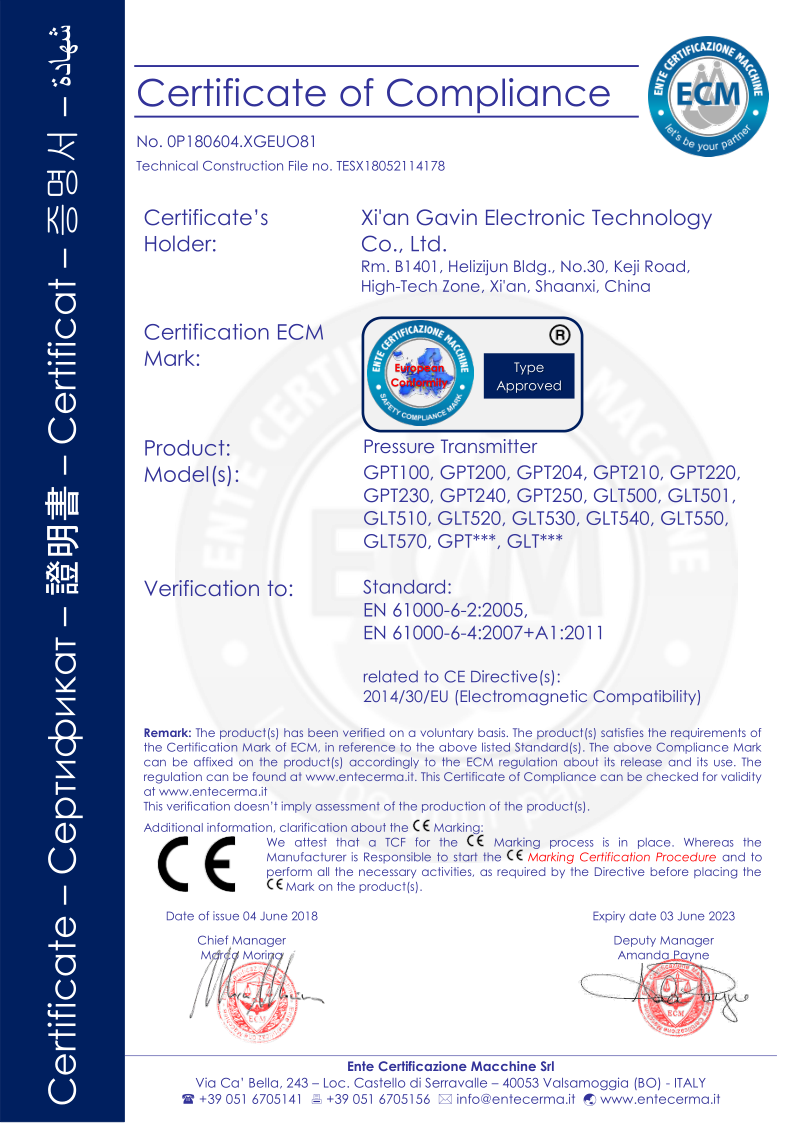
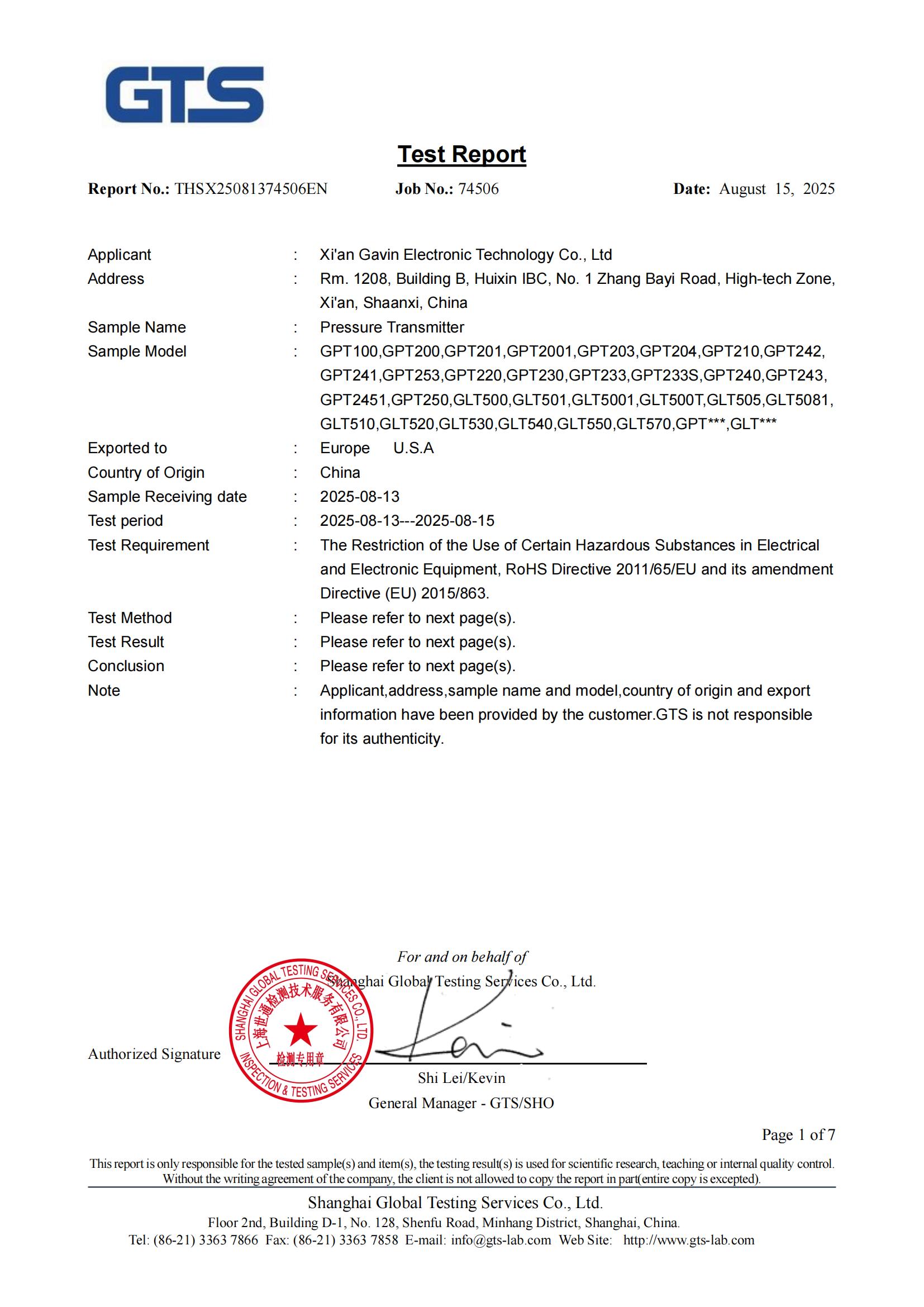
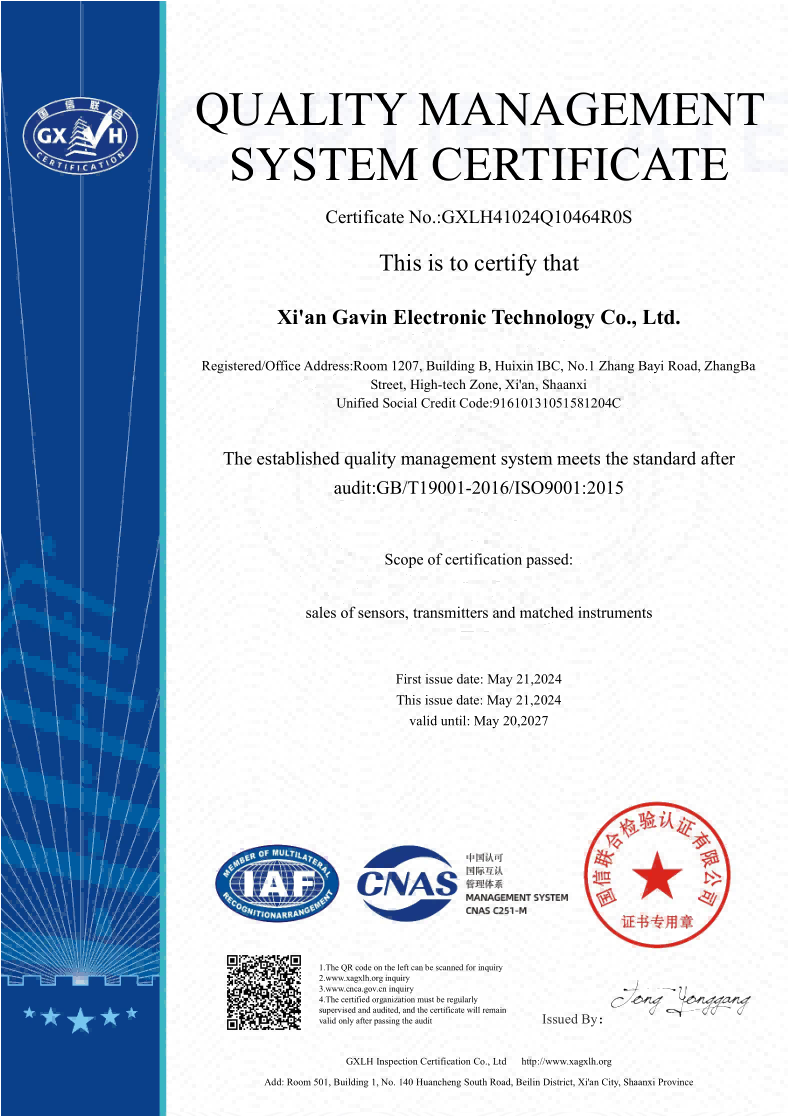
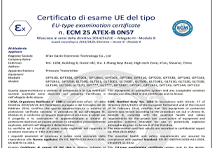
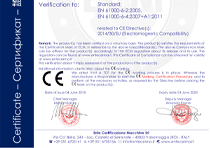
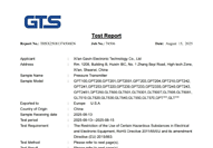
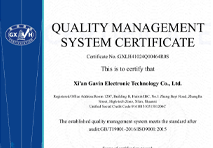
Shopping in bulk, making changes, and combining digital tools Large-scale projects and OEM uses need suppliers who can make a lot of things at a uniform quality level. Check out the production capabilities, quality control systems, and inventory management of possible providers. ISO certification and testing by a third party give customers trust in the regularity of the production. GAMICOS has strict quality control procedures, full inspection systems, and certifications from metrology institutions to make sure that every sensor meets written specs, no matter how many are ordered. Our ability to offer in bulk helps with big industry projects and meeting the inventory needs of distributors with reliable delivery plans.
Customization skills set different providers apart in competitive bidding. In addition to normal catalog items, projects often need different pressure levels, different cable lengths, custom electrical connectors, or different ways to place the goods. GAMICOS offers full OEM and ODM services, changing models, features, packaging, and paperwork to fit the needs of each client. Our open approach includes engraving logos and making custom designs that help customers name their products, which is helpful for equipment makers who want to add sensors to their goods. This customization happens quickly because we work directly with our tech team, which shortens the time it takes to build something.
The move toward smart production and online tracking is shown by digital sensors that work with the Internet of Things (IoT). With Lora, GPRS, NB-IoT, or 4G wireless connection, sensors get rid of the need for wires and make it possible to keep an eye on assets that are far away or moving around. GAMICOS builds these technologies into level measurement tools, letting long pipes and tank farms that can't use standard wired sensors keep an eye on the pressure wirelessly. Cloud-based data management tools collect data from sensors and use it to analyze and send alerts. This changes measurement from fixing problems after they happen to planning maintenance and improving performance.
Post-Purchase Support: Calibration, Warranty, and Technical Assistance
Comprehensive after-sales help sets transactional sellers apart from suppliers who want to build long-term relationships with their customers. As soon as you buy something, you should be able to get it calibrated, either on-site for equipment that has already been put or back to the maker for lab-grade testing against standards that can be tracked. During the seller review process, make sure you know how long it takes to calibrate and how much it costs. The warranty terms show how confident the maker is in the product's reliability. Carefully read the covering length, exclusions, and claim procedures. Strong guarantees that last between 12 and 24 months offer good safety, while warranties that last for very little time may indicate quality issues.
Quick response time from technical support is very helpful when fixing startup problems or figuring out what numbers mean that don't make sense. GAMICOS has a professional technical support team that helps with choosing the right product, installing it, making sure it works right, and making sure that the user is always getting the most out of it so that the sensors work at their best. Our engineers respond quickly, offer maintenance support, fix services, and expert advice to make sure that your system runs smoothly for a long time. We are committed to this even after the warranty time is over because we know that happy clients lead to long-lasting relationships. This support is especially helpful for distributors and importers because it lets them give great service to their end customers without having to keep a lot of internal knowledge.
Conclusion
To choose the best level pressure sensor for harsh industrial settings, you need to carefully look at measurement principles, weather challenges, technology choices, and the supplier's abilities. The GLT500 and other submersible piezoresistive sensors have a lot of great benefits, such as accurate measurements of hydrostatic pressure, strong construction, and full weather safety. A good buying process combines technical requirements with practical issues like accuracy, chemical compatibility, temperature range, and mechanical longevity. It also makes sure that the seller is reliable and offers customization options and support after the sale. Using the selection criteria in this guide, procurement managers, engineering professionals, and project teams can be sure to choose sensors that will give accurate, reliable readings for years of tough use, ultimately improving operational efficiency and safeguarding important industrial processes.
FAQ
Q1: What makes a level pressure sensor suitable for harsh environments?
A: What makes a level pressure sensor work in tough conditions? Sensors made for harsh environments have a full waterproof seal, materials that don't rust like 316L stainless steel, a wide range of working temperatures, and security against impact and vibration. The GLT500 is made of all-stainless steel, has fully waterproof sealed circuit technology, and multi-layer safety structures that are designed to work in harsh industrial settings like chemical processing, wastewater treatment, and marine uses.
Q2: How does temperature compensation improve measurement accuracy?
A: Temperature changes can mess up measurements because they affect both the electronics in the sensor and the density of the fluid. Automatic temperature compensation uses programmable circuits to change values based on the current temperature. This keeps the accuracy of the sensor over its entire working range. This function is especially useful for outdoor locations where the temperature changes with the seasons or for processes that need to work at different temperatures.
Q3: What is the difference between submersible and non-submersible sensors?
A: Submersible sensors are put right into the liquid being measured, which makes installation easier and ensures accurate readings by ensuring full immersion. Sensors that aren't submerged can be attached to the outside of a system through process links. This is helpful when extreme temperatures or highly thick fluids make direct liquid contact difficult. Which setup works best depends on the needs of the application.
Partner with GAMICOS for Reliable Level Measurement Solutions
GAMICOS is ready to help you with your industrial measurement needs by providing you with high-quality level pressure sensor goods and in-depth knowledge of how to use them. As a level pressure sensor manufacturer with a lot of knowledge, we can make solutions that are unique to your area and meet your performance needs. Our GLT500 underwater sensor is made with strong materials and uses proven silicon piezoresistive technology. It is used in difficult situations in the energy, petrochemical, pharmaceutical, and water treatment industries.
In addition to providing excellent goods, we also offer specialized expert help from the initial specification stage through installation, commissioning, and ongoing operation. We know your legal needs and application conditions because we've worked with clients in over 100 countries around the world. Get in touch with us at info@gamicos.com to talk to our research team about your measurement problems and find out how GAMICOS can improve your process tracking with accurate, reliable, and long-lasting sensing solutions.
References
1. Chen, J., & Martinez, R. (2022). Industrial Pressure Measurement Technologies: Principles and Applications in Harsh Environments. Journal of Process Instrumentation, 47(3), 215-234.
2. Anderson, K. L. (2021). Selecting Level Sensors for Chemical Processing: A Practical Guide for Engineers. Chemical Engineering Progress, 117(8), 42-51.
3. Weber, T., & Schmidt, H. (2023). Piezoresistive Sensor Technology: Long-term Stability and Performance in Industrial Applications. Sensors and Actuators Review, 19(2), 128-147.
4. Thompson, M. D. (2022). Submersible Level Transmitters: Installation Best Practices and Troubleshooting. Instrumentation and Control Engineering Handbook, 5th Edition, pp. 567-589.
5. Patel, S., & Liu, Y. (2023). Temperature Compensation Methods for Hydrostatic Pressure Sensors. IEEE Transactions on Industrial Electronics, 70(5), 4821-4830.
6. Rodriguez, A., & Kim, J. (2021). Material Selection for Corrosion Resistance in Level Measurement Applications. Process Equipment and Instrumentation, 38(4), 301-318.

Peter
Peter, Senior Sensor Technology Consultant, has 15-year industrial sensor R&D experience. He specializes in the end-to-end development of high-accuracy pressure and level sensors and he firmly believe, precision isn’t just a spec—it’s a promise.
We're here to help — submit your request anytime!
Let us know how we can help solve your pressure level measurement challenge.
_1757930850792.jpg)
Recommended Blog

Can a submersible level sensor measure liquid level in a closed tank?
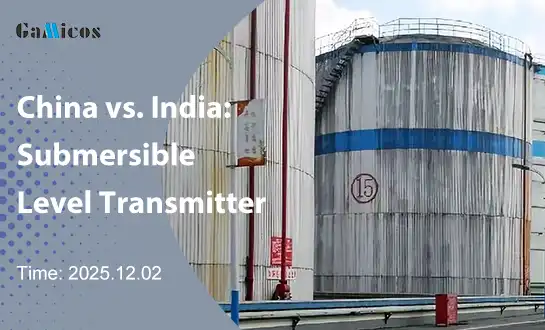
China vs. India: Submersible Level Transmitter Quality Comparison
China vs. India: Submersible Level Transmitter Quality Comparison
China vs. India: Submersible Level Transmitter Quality Comparison
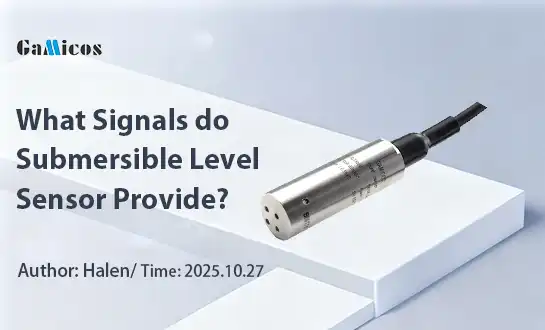
What output signals do submersible level sensors typically provide?
What output signals do submersible level sensors typically provide?
What output signals do submersible level sensors typically provide?
What output signals do submersible level sensors typically provide?