Water Level Sensor vs Float Switch: Which Is Better?
Introduction to Water Level Measurement Technologies
- Introduction to Water Level Measurement Technologies
- Key Differences Between Water Level Sensors and Float Switches
- Pros and Cons: Water Level Sensors vs Float Switches
- Application Scenarios and Decision Criteria for B2B Procurement
- Market Overview and Supplier Insights
- Conclusion
- FAQ
- Partner with GAMICOS for Advanced Water Level Sensor Solutions
- References
An in-depth comparison to help people who work in B2B procurement make the best choice. When industrial engineers and sourcing managers need to keep an eye on liquid levels, they need to decide between a water level sensor and a float switch. The answer relies on the needs of your program. Water level sensors, especially submersible hydrostatic types, are very accurate and can measure continuously. This makes them perfect for complicated industrial automation projects that need to combine precise data. Float switches are a cheap and safe way to turn something on or off. They are good for simple tasks. Knowing these differences will help you make a buying choice that fits your needs, your budget, and your hopes for long-term dependability.
Introduction to Water Level Measurement Technologies
To make smart decisions about what to buy, you must first understand how these basic tools work. Both water level sensors and float switches are very important for keeping an eye on liquid levels, but they do this in very different ways that will affect how well they work for your processes.
Understanding Water Level Sensor Fundamentals
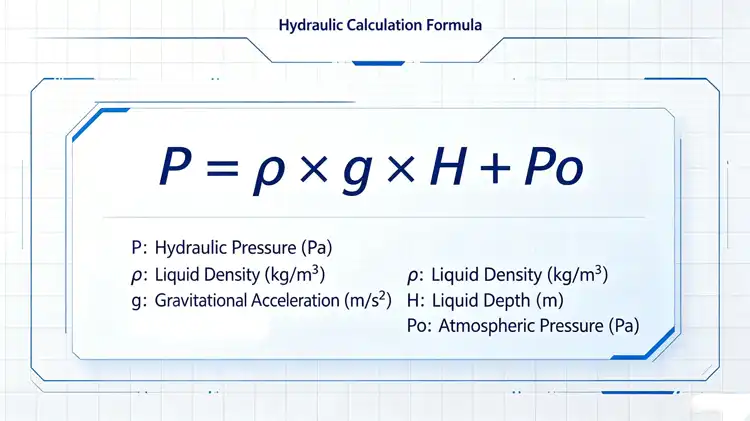
Hydrostatic pressure is used to measure the level of liquids today. When a sensor probe is buried in liquid, the height of the liquid is directly related to the pressure on the detecting element. The math is done using the formula P = ρ × g × H + Po, where pressure readings are used to get exact level values. This technology lets you keep an eye on things all the time with millimeter-level accuracy. This makes it very useful for situations that need real-time data and easy connection with digital control systems. This level of accuracy is needed for process control and safety in many fields, from making medicines to handling petrochemicals.
How Float Switches Work?
Float switches work by being mechanically simple. A float that floats on liquid moves up and down with the level, physically turning on an electrical switch at set places. This simple device gives a binary level reading—either liquid is present or not present at the switch spot. For decades, the technology has been used successfully in industrial settings, especially when simple level warning or pump control are enough. Float switches are still used in many water treatment plants and holding tanks because they don't need any extra power for the detecting element and work regardless of the conductivity or dielectric constant of the liquid.
Critical Applications Across Industries
Different types of sites, like factories, water treatment plants, and OEM system integrators, have different tracking problems. High-rise buildings with constant-pressure water supply systems need stable exit pressure even if demand changes. This means that continuous level data is needed to control the pumps precisely. Pharmaceutical cleanrooms need measurements that are free of contamination and can be fully tracked. For swimming pools, you need options that don't rust and can handle chlorinated settings while still being accurate to the millimeter. When procurement teams understand these different needs, they can better match technology skills to practical realities.
Key Differences Between Water Level Sensors and Float Switches
Technical details show important differences that have a direct effect on choices about what to buy. Beyond basic usefulness, these differences include how hard they are to install, how much upkeep they need, and how much they will cost over their entire life. All of these factors affect the total cost of ownership.
Measurement Methods and Technology Types
A lot of the success gap can be explained by the difference between contact and non-contact methods. Hydrostatic submersible water level sensors pick up changes in pressure as the level of the liquid changes, sending out constant analog readings that are related to depth. Ultrasonic sensors send out sound waves that bounce off of liquid surfaces. They measure time-of-flight to figure out distance without touching the medium, which is helpful for liquids that are acidic or thick. Capacitive sensors check how the electrical capacitance between electrodes changes when the amount of liquid in the dielectric surroundings changes.
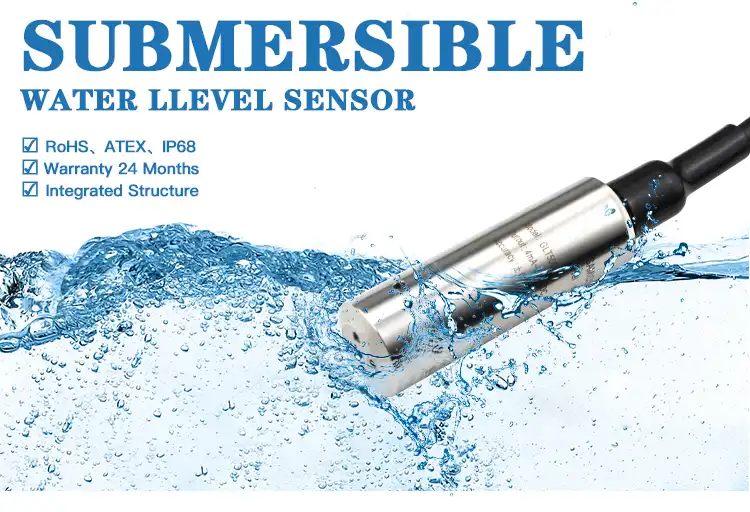
Radar monitors use electromagnetic waves to make very exact measurements without touching anything, even when there is foam or turbulence in the way. Magnetic reed switches are sealed in guide tubes, and mercury tilt switches are inside buoyant housings. Float switches depend on mechanical movement. This mechanical nature restricts accuracy to specific switching points instead of continuous measurement, even though it is simple and has been used before.
Accuracy, Response Time, and Reliability Considerations
Demands for industrial technology are very different. Submersible hydrostatic sensors like the GLT500 can measure with an accuracy of within ±0.25% of full scale. This is very important for managing inventory and controlling processes where volume estimates decide how efficiently products are made. Response times are measured in milliseconds, which lets you watch and change controls quickly in real time. The silicon piezoresistive pressure sensor core automatically adjusts for changes in temperature, so results stay stable even when the temperature changes from -20°C to 80°C. Most float switches are accurate to within ±5–10 mm of the float width. This is fine for simple high/low alarm functions but not good enough for uses that need to track volumes accurately. Mechanical parts can break down in ways that computer instruments don't because of wear, corrosion, or fouling. Response times rely on how fast the liquid is moving and the inertia of the machine. They are usually slower than electronic sensors.
| GLT500 Submersible Level Sensor | |
| Pressure range | 0~1m...200mH20 |
| Output signal | 4~20mA 0~5V 1~5V 0.5~4.5V 0~10V RS485 |
| Power supply | 5V,12~30VDC |
| Operating temperature range | -30~80℃ |
| Comprehensive error | ±0.5%FS, ±0.25%FS |
| long-term stability | ±0.2%FS/year |
| Medium compatible | Compatible with 316L SS of all kinds of medium |
| Protection | IP68 |
Installation and Maintenance Requirements
Submersible sensors are mounted vertically at the bottom of tanks, and cables run to control panels. They don't take up much room. The GLT500's fully waterproof sealed circuit technology and anti-clogging liquid entry design with pressure vent holes make it last longer and require less upkeep. Corrosive substances can't damage 316L stainless steel building in industrial, pharmaceutical, and wastewater settings. There are different types of cables that can be used in difficult settings. These include cables that are resistant to wear, oil, and acid-alkali.
Float switches need enough space for the float to move, which makes installation difficult in places with limited room. Moving parts need to be checked every so often for mechanical binding, buildup, or seal degradation. When exact switching points are needed, testing needs to be done more often than with simple on/off switches. Digital calibration saved in internal memory helps submersible sensors stay accurate without having to be adjusted mechanically.
Pros and Cons: Water Level Sensors vs Float Switches
To find the right balance between technology possibilities and budget constraints, you need to know both the pros and cons of each. This honest evaluation helps buying teams set reasonable goals and choose technology that fits the most important needs of the application.
Advantages of Modern Liquid Level Sensors
There are some things that electronic sensor technology can do that traditional switches can't. Here are the main benefits that are driving growth in industry:
- High-precision continuous measurement: Hydrostatic sensors give off analog outputs (4-20mA, 0-5V, 0-10V) that cover the whole measurement range. This lets you accurately calculate volumes and keep track of your inventory, which is very important for keeping track of medicine batches or fuel distribution.
- Real-time data integration: Standard industrial signal outputs link easily to PLCs, SCADA systems, and IoT platforms. This helps Industry 4.0 projects with digital twins and algorithms for predictive maintenance that lower unexpected downtime.
- Multi-parameter monitoring: Newer models have temperature sensors that adjust the amount of liquids whose properties change with temperature. This is very important for storing petrochemicals and cooking food.
- Non-contact options: Ultrasonic and radar technologies can measure without touching harsh chemicals, which keeps medicinal applications clean and keeps sensors from breaking down from being exposed to chemicals that eat away at metal.
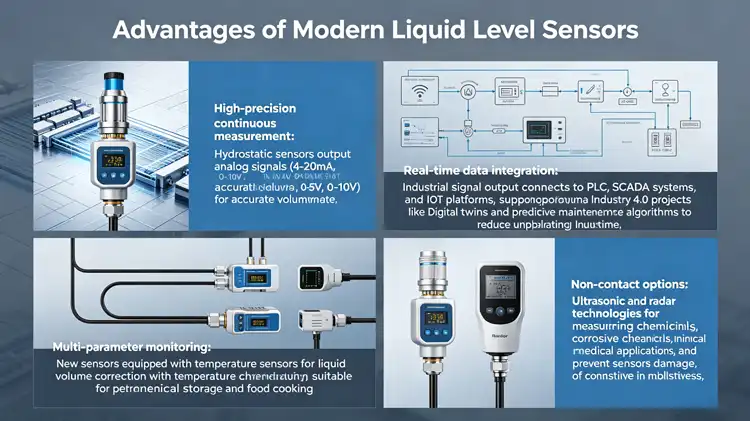
These benefits directly address the complicated needs of industrial automation, where data-driven decisions and process improvement are what give companies a competitive edge. Electronic water level sensors provide the continuous data necessary for these advanced systems.
Benefits of Float Switch Technology
In many situations, simplicity is still useful. There are clear benefits to floating switches that keep them useful:
- Cost-effectiveness: The initial buy prices are 40–60% lower than those of electronic sensors, making them a good choice for projects with limited funds or high-volume OEM uses where basic level detection is enough.
- Power-independent operation: Passive magnetic reed switches don't need any extra power to sense, which makes them safer in potentially dangerous environments and lets them work even when the power goes out.
- Simple troubleshooting: Mechanical action allows for eye inspection and simple multimeter testing, which makes diagnostics easier for support staff who don't have special training.
- Proven dependability: Decades of experience in the field with pump control and overflow prevention show that these systems work well in situations where the environment stays stable and the level of precision needed is low.
These traits make it good for uses that value ease over complexity, especially when current infrastructure and operator comfort level favor established technology.
Limitations and Environmental Constraints
Knowing the different types of failure stops expensive mistakes from happening. When there is intense turbulence that causes pressure changes or high temperature changes that are outside of the compensation range, it can be hard for hydrostatic sensors to work. Damage to cables from wear and tear or rat activity can make them less waterproof. Sensor fouling from particulate buildup needs to be cleaned on a regular basis in highly dirty media, but anti-clogging designs make this less of a problem.
Float switches have trouble working with thick liquids that make it hard for the float to move or media that have solids suspended in them that make the switches stick together. Wave motion can cause false switches when conditions are rough. More than one change point needs more than one float, which adds to the cost and complexity. Extreme temperatures can damage seals and make it harder to float. Both systems experience calibration drift over long periods of time, which is why validation tools are needed for important uses.
Application Scenarios and Decision Criteria for B2B Procurement
Successful deployments and troublesome installations are separated by how well the technology fits the practical situation. Situations from real life show how procurement workers make decisions every day.
Industrial Automation and Process Control
For material balance estimates and regulatory compliance paperwork, chemical processing plants that need to keep an eye on reactor tank levels need to be able to measure continuously with an accuracy of ±0.25%. These needs are met by the GLT500 submersible water level sensor, which has customizable digital circuit correction and signal filtering that gives stable 4-20mA outputs that work with distributed control systems.
Multi-layer safety structures help wastewater treatment plants handle aggressive media and give real-time data for automatic dosing and overflow prevention. Constant-pressure water supply systems in business buildings are good for hydrostatic sense. As the day goes on, demand changes. To keep exit pressure stable while using as little energy as possible, variable frequency drives change pump speeds based on accurate data about tank level. Float switches can't meet the needs of this application, which needs reaction times in milliseconds and constant measurement.
OEM Customization and System Integration
Liquid level sensing is built into the control structures of companies that make automatic brewing systems, pharmaceutical labs, or industrial washing equipment. OEM partners like small sensor designs that can be mounted in a variety of ways and have pressure ranges that can be changed to fit the shape of each tank. The GLT500 has several signal output choices, including analog voltage, current loop, and digital protocols, which makes it easier to connect to a variety of PLC systems. Customized wire lengths and attachment types make installation easier and more reliable.
Finding the amount of water in a swimming pool is an example of a specific need where the features of the sensor directly affect how well it works. Submersible sensors put at the bottom of pools use hydrostatic pressure to accurately measure the depth of the water to the millimeter level. This information is used to figure out the amount for chemical doses and automatic fill systems. Chlorinated water doesn't rust the 316L stainless steel construction, and temperature adjustment units keep the accuracy even as the water temperature changes throughout the day. This accuracy keeps water from going to waste and makes sure the right chemical balance for bathers' safety.
Critical Decision Factors for Procurement Managers
Evaluation models help choose which technologies to use. When specifications and offers come your way, think about these factors in order of importance:
- Accuracy vs. cost trade-offs: Applications that need to keep track of goods for legal or financial reporting purposes can afford to buy higher-quality sensors because they produce better data. When accuracy isn't needed for function, simple overflow protection may be enough to justify cheap float switches.
- Integration needs: Modern buildings that use digital standards like Modbus, HART, and IO-Link benefit from sensors that work with these interfaces because they lower the cost of wiring and allow for centralized troubleshooting. Older systems with sources that can only be analog may work fine with older technology.
- Severity of the environment: Petrochemical sites with flammable atmospheres, high temperatures, or highly corrosive media need sensors that are designed to work in these conditions and have the right certifications (ATEX, IECEx, FM) written down in the purchase specs.
- Access to maintenance: Electronic sensors with longer service intervals are better for remote sites or boats that are serviced during annual shutdowns than mechanical devices that need to be inspected and adjusted often.
- Advantages of buying in bulk: Sticking to dependable sellers with a wide range of products makes managing inventory easier and sets up volume price relationships that lower overall acquisition costs across multiple projects.
Market Overview and Supplier Insights
To find the right seller, you need to know how manufacturers place their products and how to buy them in a way that protects your interests and gets you the best prices.
Leading Manufacturers and Technology Strengths
There are well-known companies with different specialties in the global liquid level sensors market. Honeywell and Siemens both offer complete automation solutions that include level monitors as part of larger control ecosystems. This is helpful for big projects that use architectures from a single vendor. ABB and VEGA are experts in making process instruments for the chemical and petroleum industries. They offer certifications that make their products explosion-proof and materials that work with strong media. Gems Sensors specializes in small OEM solutions for companies that make tools and need custom form factors.
GAMICOS has built a strong reputation by providing pressure and water level sensor solutions to business customers in more than 100 countries. These solutions are used in energy, water management, and industrial automation. The GLT500 underwater sensor is a great example of GAMICOS's engineering style because it combines reliable silicon piezoresistive sensing with strong mechanical design. Fully waterproof sealed circuit technology and anti-clogging liquid entry designs make equipment last longer in tough settings like oil areas and drug manufacturing.
B2B Procurement Strategies
Strategic methods that combine capability, dependability, and cost help sourcing managers get the best deals from their suppliers. Bulk purchasing programs get savings for buying in bulk and make sure that there is enough inventory for ongoing upkeep and production needs. Long-term supply deals keep prices stable and make sure that capacity is allocated correctly when the market is short.
Competitive equipment is set apart by OEM options that can be customized. GAMICOS allows for full customization, including choosing the sensor range, setting up the signal output, and choosing the connection specs and connector types that are best for each application. This gives OEM buyers more options, which makes designing equipment easier and speeds up the time it takes to market. Custom labels and paperwork help target markets show the brand correctly and follow the rules.
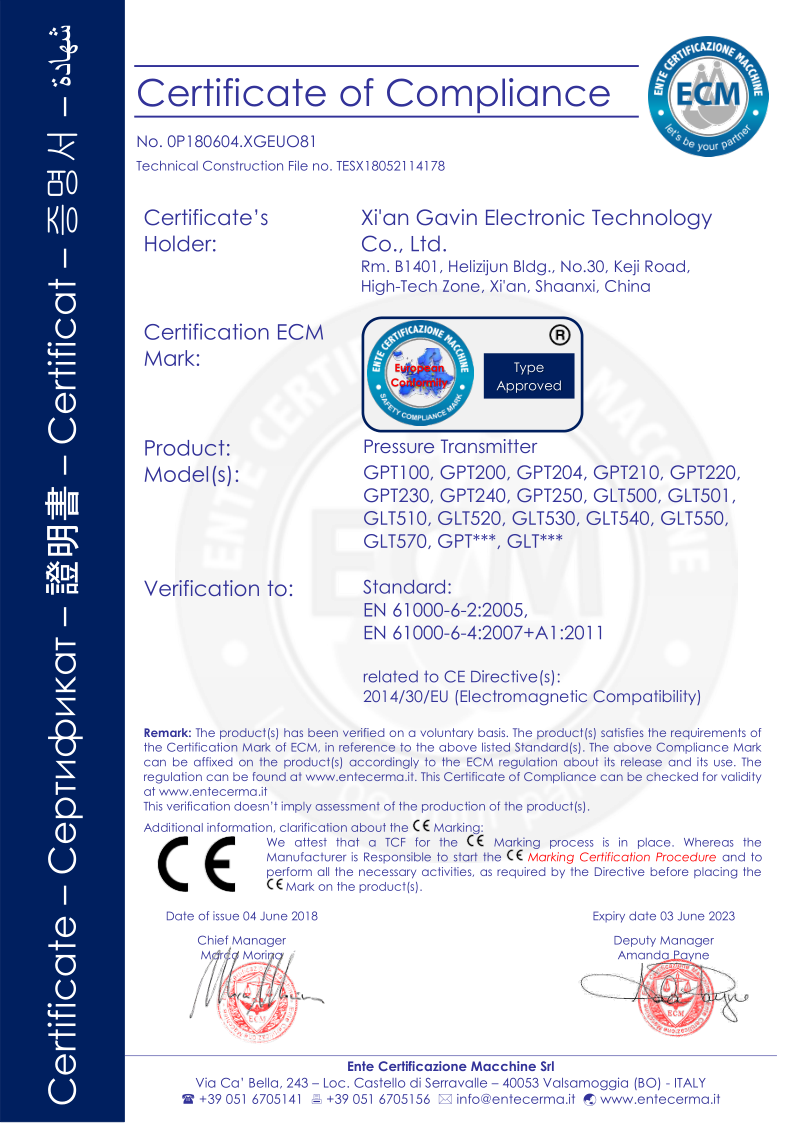
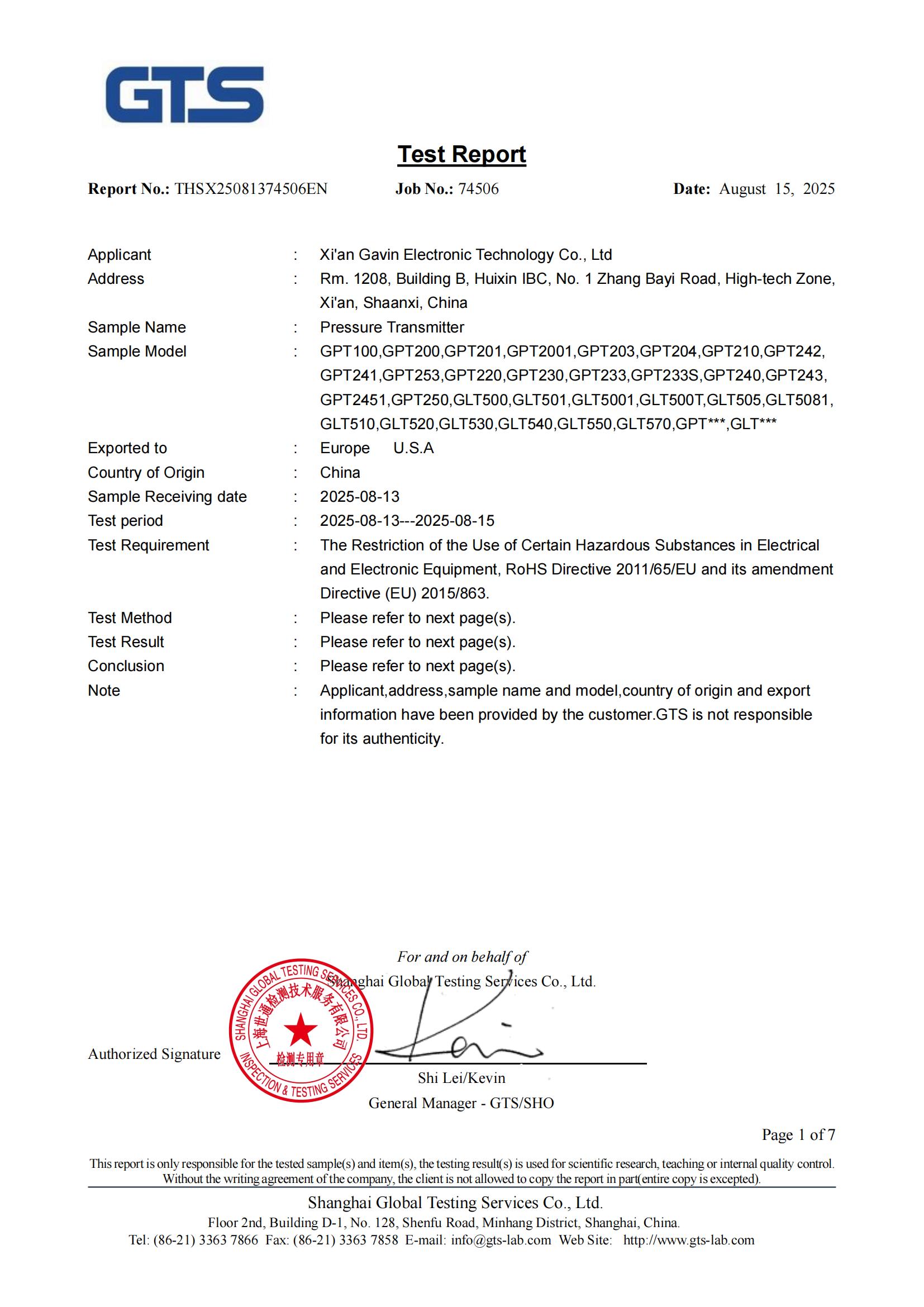
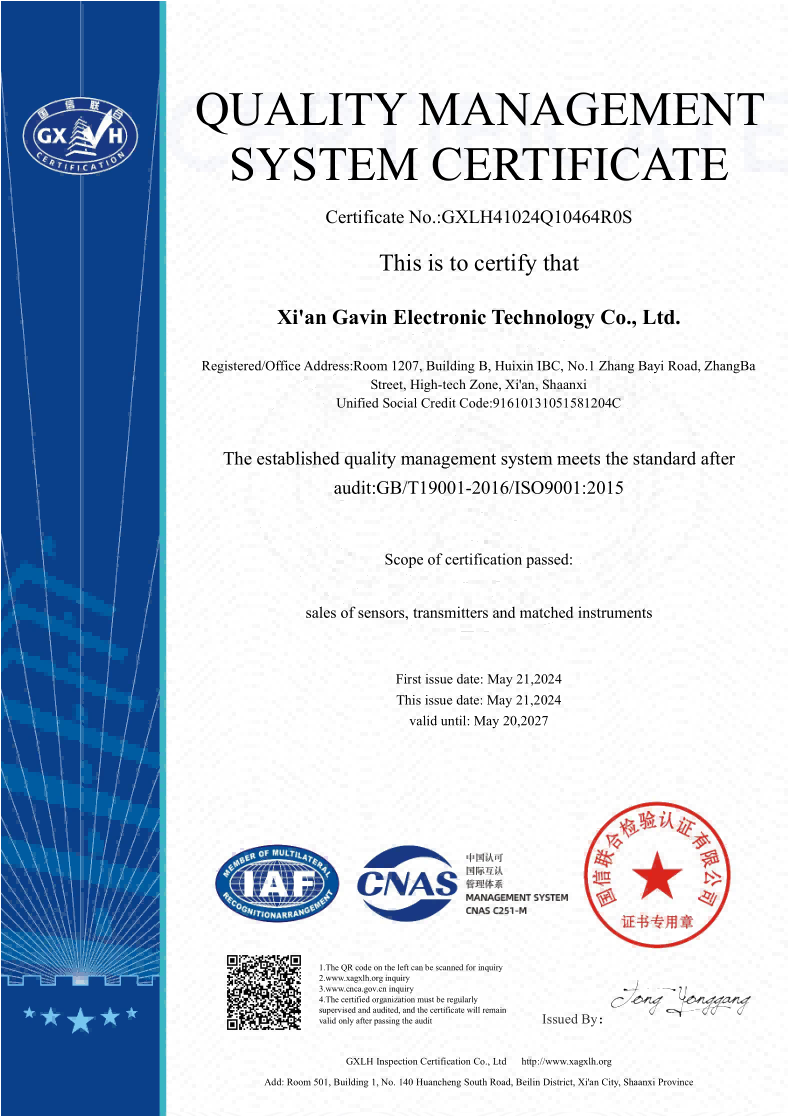
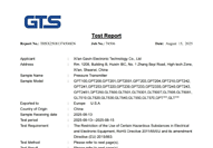
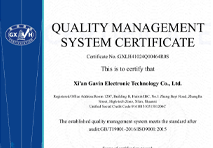
Verifying a supplier's reputation guards against problems with quality and supply. Check for standards like ISO 9001, CE, and RoHS, ask for customer references from people in the same business as you, and look at the technical support options, such as application engineering help and quick responses to problems in the field. GAMICOS has dedicated technical support teams with a lot of knowledge in the field to help customers choose the right sensors and fix problems with installation.
Long-term partnership worth is based on the framework for after-sales service. In the event of a problem, warranty terms, the availability of extra parts, and the ability to provide field service all help to reduce downtime. For fast parts shipping, companies that sell to customers around the world need to have regional support staff or good transportation. GAMICOS has exported to North America, Europe, the Middle East, Southeast Asia, and Australia, so buying teams will always get help, no matter where the plant is located.
Conclusion
Choosing between water level sensors and float switches comes down to the specific needs of the application, taking into account things like accuracy, the ability to work with other systems, the surroundings, and the budget. Hydrostatic underwater sensors offer higher accuracy, continuous measurement, and smooth digital integration that is needed for complicated process control and industrial automation. Float switches are still a cheap way to find the on/off level when ease and mechanical dependability are important for the job. When engineering managers and sourcing professionals understand these basic differences and carefully evaluate a supplier's skills and long-term support infrastructure, they can choose liquid level monitoring solutions that improve performance, lower lifecycle costs, and support operational excellence in a wide range of industrial settings.
FAQ
Q1: How do I evaluate sensor reliability for industrial tank applications?
A: For reliability review, you need to look at more than just the basic requirements. Check the sensor's protection grade (at least IP68 for submersible use), to make sure it works with the liquid you're using, and that its temperature adjustment range matches the temperature of the area where it will be used. Ask for information on MTBF (Mean Time Between Failures) and customer references from related uses. The GLT500 is reliable because it has a multi-layer safety framework and has been used in wastewater treatment, petrochemical, and pharmaceutical sites. Check that the licenses are right for your business, like ATEX for dangerous environments, FDA approval for food contact, or 3-A Sanitary Standards for dairy handling.
Q2: Is it possible for float switches to work with current digital control systems?
A: Modern float switches have reed relay or solid-state outputs that work with PLC digital inputs. This makes it possible to integrate simple features like alarms and pump control. However, they only send out discrete on/off signals at setpoints, which makes process improvement harder than with continuous analog measurement. Using a lot of floats and complicated wiring is needed to change multiple switching points to approximate level indication. Electronic sensors with analog or digital communication methods that give continuous, high-resolution data streams are very useful for applications that need to accurately track volumes, do predictive analytics, or connect to SCADA or IoT platforms.
Q3: What maintenance practices enhance liquid level sensor longevity?
A: Small problems don't get worse when there are regular inspection programs. Every three months, check the state of the cables for wear and damage. The GLT500's anti-clogging design means that you don't have to clean the sensor areas as often, every six months. Every year, check the accuracy by comparing it to measured objects or certified standards. Record the accuracy of the trend to find slow shift that needs to be fixed or replaced. Keep extra sensors on hand for important uses so that you can replace broken ones right away while the broken ones are being fixed. Following the manufacturer's instructions for proper installation—avoiding too much wire strain, securing against vibration, and protecting from mechanical impact—significantly increases operating life.
Partner with GAMICOS for Advanced Water Level Sensor Solutions
GAMICOS has a wide range of options backed by years of experience around the world, making it a great choice for procurement professionals looking for trusted liquid level measurement suppliers for industrial automation projects. GAMICOS is a specialist company that makes water level sensors and has users in over 100 countries. The GLT500 submersible sensor line is designed for tough jobs in the energy, petrochemical, pharmaceutical, and water treatment industries. Our expert support team can help you choose the right sensors, make them fit your needs, and connect them to your system so that you can solve your measurement problems.
We offer flexible OEM/ODM services, such as unique pressure ranges, signal outputs, cable specs, and logos to help your equipment stand out. With strict quality control, foreign certifications, and quick help after the sale, GAMICOS builds the kind of long-term supply chain partnerships that purchasing managers look for. Get in touch with our team at info@gamicos.com to talk about your application needs and get expert advice that fits your budget and business needs.
References
1. Smith, J. & Anderson, K. (2022). Industrial Level Measurement Technologies: Comparative Analysis and Selection Criteria. Process Control Engineering Journal, 45(3), 127-145.
2. Thompson, R. (2021). Hydrostatic Pressure Sensors in Water Management Systems. Automation & Instrumentation Quarterly, 38(2), 89-103.
3. Martinez, L. & Chen, W. (2023). Float Switch Applications and Limitations in Modern Industrial Processes. Journal of Manufacturing Automation, 51(4), 234-248.
4. International Society of Automation. (2020). Recommended Practices for Level Measurement Device Selection and Installation. ISA Technical Report TR-87.01.
5. Peterson, D. (2022). OEM Integration Strategies for Liquid Level Sensors in Equipment Manufacturing. Industrial Design & Engineering Review, 29(1), 56-72.
6. Williams, S. & Kumar, A. (2023). Life Cycle Cost Analysis of Level Measurement Technologies in Chemical Processing. Chemical Engineering Progress, 119(6), 41-54.

Ivy
Ivy, product consultant, has focused on sensor consultation for ten years, is proficient in providing pressure and level measurement solutions for customers.
We're here to help — submit your request anytime!
Let us know how we can help solve your pressure level measurement challenge.
_1757930850792.jpg)
Recommended Blog
What output signals do submersible level sensors typically provide?
What output signals do submersible level sensors typically provide?
What output signals do submersible level sensors typically provide?

Can a submersible level sensor measure liquid level in a closed tank?
Best Quality Submersible Level Transmitter Available in Xi'an
Can a submersible level sensor measure liquid level in a closed tank?
Best Quality Submersible Level Transmitter Available in Xi'an
Can a submersible level sensor measure liquid level in a closed tank?
Best Quality Submersible Level Transmitter Available in Xi'an