Why Hydrostatic Diesel Tank Sensors Are Gaining Popularity
Understanding Hydrostatic Diesel Tank Sensors and Their Working Principle
- Understanding Hydrostatic Diesel Tank Sensors and Their Working Principle
- Why Hydrostatic Diesel Tank Sensors Are Becoming the Industry Standard?
- Key Features and Benefits for B2B Procurement and Fleet Management
- Comparing Hydrostatic Sensors with Other Diesel Tank Sensor Solutions
- Future Outlook: Trends Shaping Hydrostatic Diesel Tank Sensor Adoption
- Conclusion
- FAQ
- Partner with GAMICOS for Advanced Diesel Tank Sensor Solutions
- References
The use of hydrostatic diesel tank sensors is changing how fuel levels are monitored in many industries by solving long-standing problems with measuring accuracy and dependability. These high-tech gadgets use pressure-based measurement to give accurate, real-time information even in difficult working conditions. It has become clear that hydrostatic diesel tank sensor technology is the best option over standard mechanical gauges and float-based systems for procurement managers and engineering teams looking for ways to cut costs and improve system performance. Because they work the same way even when temperatures change, vehicles move, and fuel conditions change, they are essential for current fleet management and industrial fuel storage.

Understanding Hydrostatic Diesel Tank Sensors and Their Working Principle
How Hydrostatic Pressure Measurement Works?
The pressure of the liquid column above the sensing device is what makes hydrostatic fuel level monitors work. As diesel fuel builds up in a tank, it causes pressure equal to the height of the liquid. At their core, these devices have silicon piezoresistive pressure sensors that very accurately turn this mechanical pressure into electrical data. The GAMICOS GLT5001, which is intended to measure diesel tank sensor levels, uses this tried-and-true technology along with automatic temperature adjustment and programmable digital circuit correction to make sure that measurements stay stable even when the environment changes.
Technology Comparison: Hydrostatic vs. Alternative Methods
Ultrasonic sensors need clear transmission lines, and radar systems need complex data processing. Hydrostatic sensors, on the other hand, are easy to set up and keep up. Mechanical float gauges have working parts that wear out over time, and different types of fuel can make it hard to calibrate capacitance-based readings. With hydrostatic measurement technology, the liquid is directly touched, so there are no fake readings from foam, mist, or surface turbulence like there are with non-contact methods. Devices like the GLT5001 are built to last because they are fully welded and have an IP68 grade for security. They can be used in harsh industrial settings like marine fuel tanks and stationary storage facilities.
Integration with Modern Control Systems
These days' hydrostatic sensors can send a number of different types of signals, such as digital communication methods and analog signals. This makes it easy for them to work with automation systems and telematics platforms. Advanced models have signal filtering and digital correction built in, which makes the outputs standard and compatible with current SCADA and fleet management software. This compatibility makes merging easier and lets procurement teams improve old measurement infrastructure without having to completely rebuild the system. This protects previous technology investments while giving them better measurement capabilities.
Why Hydrostatic Diesel Tank Sensors Are Becoming the Industry Standard?
Overcoming Traditional Sensor Limitations
Older fuel level measuring systems often give wrong results because of wear and tear on the parts, changes in calibration, and interference from the surroundings. Float-based gauges get stuck or stop working when it's cold, and resistance sensors rust when they come in contact with water and fuel toxins. These problems with dependability cause problems with operations and make upkeep more difficult. Hydrostatic devices don't have any moving parts and are made of materials that don't rust, which makes failure rates much lower. GAMICOS's magnetic suction base model with an anti-vibration design works especially well for mobile tank tracking tasks where moving the car would affect the performance of a regular diesel tank sensor.
Precision and Durability in Real-World Applications
To get the most out of managing fuel inventory and avoid expensive stockouts or overfills, industrial processes need measurements to be accurate within very small ranges. When the temperature changes, hydrostatic sensors keep their measurements accurate by using automatic compensation methods that change the numbers based on how much the fuel and sensor parts expand or contract. Quality makers use strict manufacturing processes, such as pressure cycling tests, aging methods, and environmental simulations, to make sure that the sensor works the same way throughout its life. These reliability standards are strict enough to meet the needs of oil storage facilities, ships, and heavy equipment companies that work in harsh conditions.
Case Evidence from Industrial Deployments
Fleet owners who use hydraulic fuel tracking have seen big gains in how well their vehicles run. A logistics business that was in charge of 200 industrial cars said that fuel discrepancies went down by 15% after pressure-based monitors were put in place of mechanical gauges. This made it easier to find thieves and figure out how much fuel was being used. Marine workers who keep an eye on fuel and ballast tanks have made sailing safer by getting accurate real-time level data that helps them make decisions about trim optimization and fuel management. These real-world results show why engineering managers and project managers are choosing hydrostatic technology more and more when they are updating old measuring tools or improving industrial automation projects.
Key Features and Benefits for B2B Procurement and Fleet Management
Real-Time Monitoring and Theft Prevention
Accurately tracking fuel levels gives fleet managers real-time information about how much is being used and how much is in stock. This lets them spot any problems that might mean theft, leaks, or poor operation. Continuous data streams from hydrostatic monitors allow automatic warning systems to let workers know when levels are out of range for what is expected. This feature is especially helpful for dealers and agents who are in charge of handling fuel supplies in multiple places, since centralized tracking cuts down on the need for people to check tanks by hand. When you use pressure-based measurement, you get rid of the uncertainty that lets fuel losses go unnoticed in systems with less accurate measuring methods.
Installation Advantages for Industrial Applications
For placement and use, these are the main benefits of hydrostatic diesel tank sensors:
- Simplified mounting procedures: Pressure sensors can be put in at the bottom of tanks using standard NPT or flange connections, so they don't need the complicated alignment steps or calibration of mechanical links that make float gauge installs more difficult.
- Flexible configuration options: Both standard submersible models and magnetic suction base variants can work with a range of tank designs, and sensor types, interfaces, communication protocols, and physical measurements can be changed to meet the needs of the OEM.
- Minimal maintenance requirements: Sealed construction and lack of moving parts shorten the time between services. Routine inspections are limited to checking the integrity of the connections and making sure they are accurate every so often, rather than replacing parts on a set plan.
- Environmental resistance: Structures that are fully sealed and have an IP68 protection rating can handle being washed, being exposed to high or low temperatures, and being exposed to fuel additives that break down sensors with open electronics or mechanical parts.
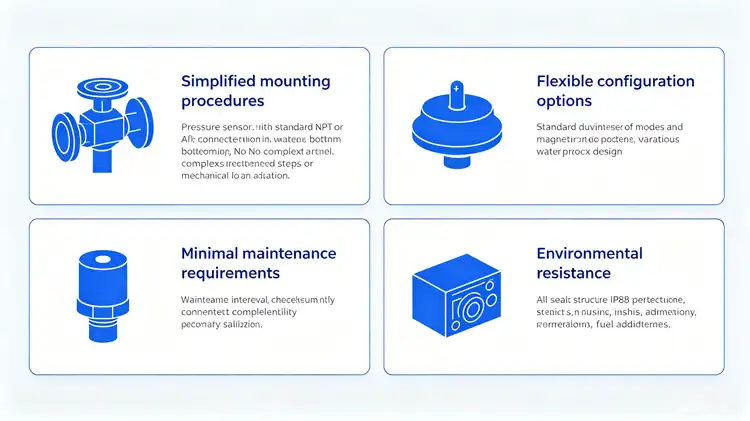
These useful benefits directly lead to lower installation costs and lower total cost of ownership over the sensor's lifetime. This makes hydrostatic technology especially appealing for buying in bulk during fleet upgrade projects. Engineering workers and automation system managers like how easy it is to integrate, which cuts down on project complexity and execution time. They also like how the robust design cuts down on callback service needs, which can hurt the project's ability to make money.
Maintenance Practices and Performance Optimization
Keeping measurement accuracy over long periods of service requires paying attention to the installation surroundings and checking the measurements on a regular basis. By placing sensors away from the turbulent flow entering the tank, changes in dynamic pressure that could affect results are avoided. Electrical interference that could mess up signal transmission in systems with analog outputs can be stopped by making sure there is proper grounding. Quality devices like the GLT5001 are built with an integrated design that makes them very resistant to interference. This makes them less vulnerable to electromagnetic noise from car electrical systems or nearby industrial equipment. Setting up standard readings during commissioning and checking them annually against known reference levels keeps the calibration accurate without having to go through a lot of complicated steps.
Comparing Hydrostatic Sensors with Other Diesel Tank Sensor Solutions
Wired vs. Wireless Configuration Analysis
Regular wired hydrostatic sensors work well with stationary storage tanks and cars that already have wiring harnesses in place because they have constant power and reliable signal transfer through direct electrical connections. Because it has both analog and digital outputs, it can be easily connected to current tracking systems without the need for gateway devices or wireless protocols. Wireless setups using LoRa, GPRS, NB-IoT, or 4G access allow for remote tracking of tank assets that are spread out in places where wiring installation is not possible or would be too expensive. As a trade-off, you have to think about how to handle the batteries and whether the signal will work reliably in rural areas. However, wireless systems don't require cable installations and let you place sensors in a variety of places.
Cost-Benefit Analysis for Procurement Decision-Making
The initial cost of buying hydrostatic sensors is usually higher than the cost of basic mechanical measures, but it is still less than the cost of ultrasound and radar systems when comparing devices with the same level of accuracy. Installation costs are lower for hydrostatic technology because it is easier to put and takes less time to set up than non-contact sensors, which need to be placed precisely and have many parameters set up. Over multiple years of service, the difference in maintenance costs is large, with hydrostatic sensors showing lower failure rates and longer amounts of time between replacements. When procurement managers figure out the return on investment, they should look at things like preventing fuel loss, cutting down on service calls, and improving the accuracy of inventory management. For most fleet uses, these things pay for themselves in 18 to 24 months.
Supplier Selection Criteria and Manufacturer Capabilities
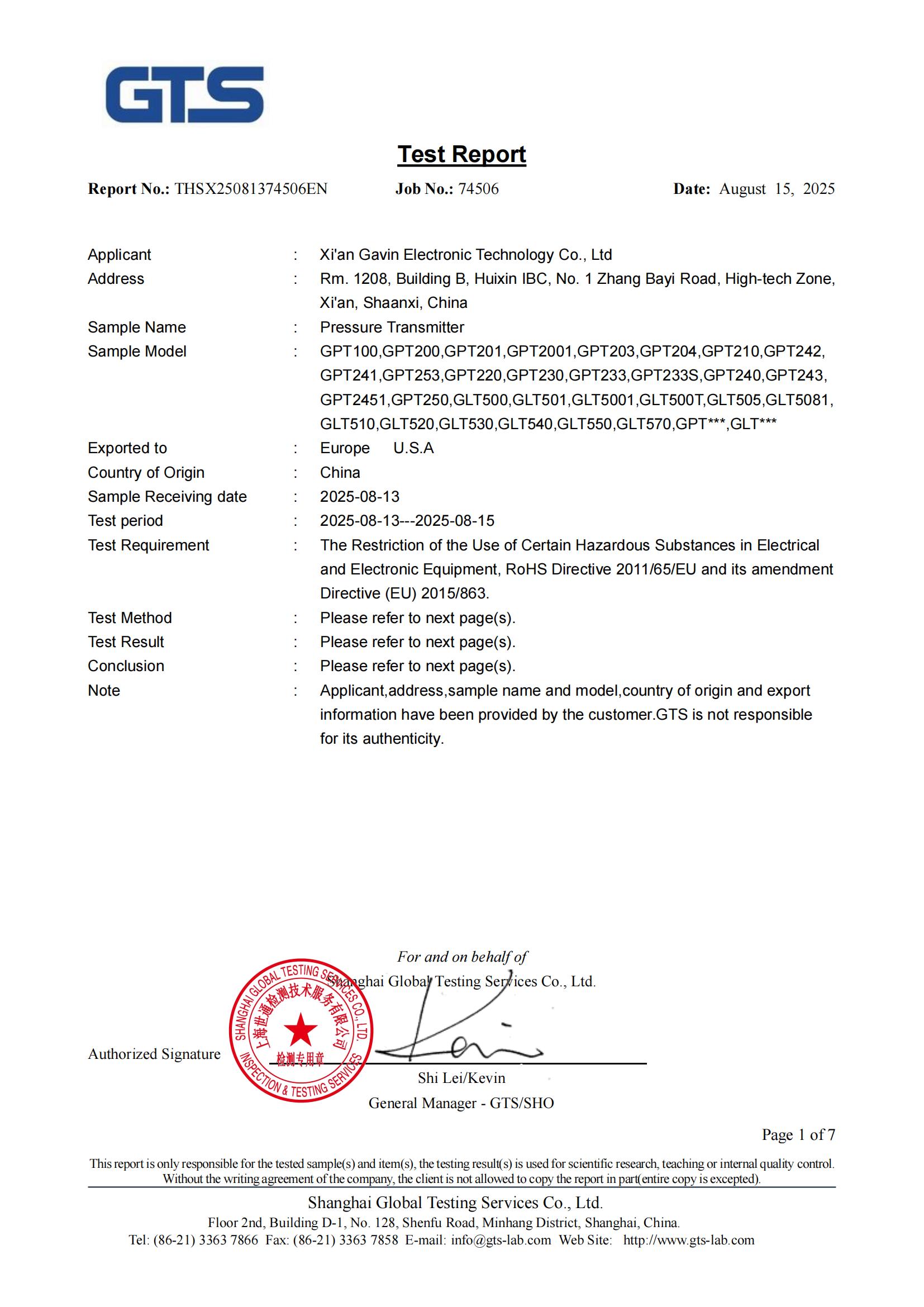
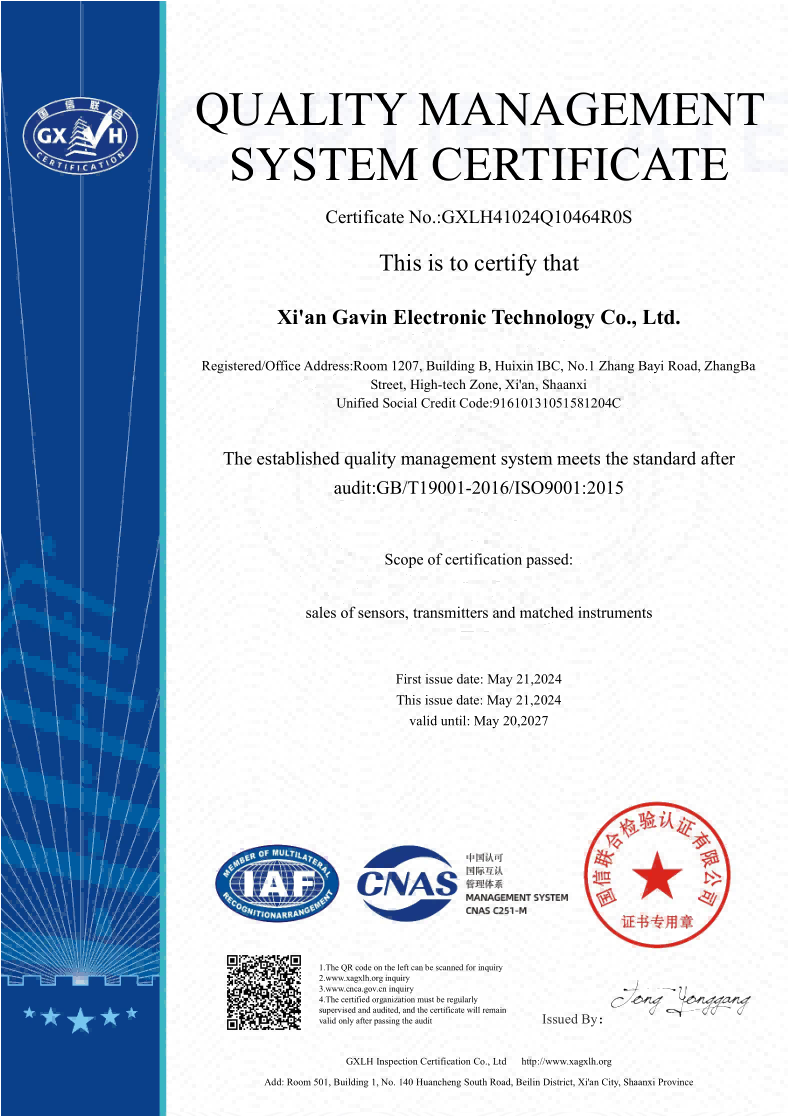
When sourcing managers look at hydrostatic diesel tank sensor providers, they should give more weight to companies that can show they follow international certification standards like CE, RoHS, and, if needed, explosion-proof rates like ATEX. GAMICOS has many certificates and sends goods to more than 100 countries using well-known quality control methods and validation from metrology institutions. Leading providers let you change the size of sensors, their electrical connections, their output ranges, and the ways they talk to each other. This is important for OEM module integration and other specific uses. Long-term relationship success depends on how quickly technical support is responded to and how well after-sales service is set up. This is especially true for foreign procurement, where prompt help keeps operations running smoothly.
Future Outlook: Trends Shaping Hydrostatic Diesel Tank Sensor Adoption
IoT Integration and Predictive Analytics
Putting together hydrostatic sensor technology and Internet of Things platforms makes it possible to do useful things like optimize fleets and plan repairs ahead of time. Cloud-based data collection from spread sensor networks lets you look at how much fuel different groups of vehicles use, finding ways to make them more efficient and noticing when they need repair before they break down. By looking at past data, machine learning systems can figure out when the car will need to refuel and how to best plan its route to save money on fuel. As telematics systems become more common in commercial fleets, new hydrostatic sensors that work with digital communication methods will become important parts of connected vehicle ecosystems that help businesses make better decisions based on data.
Sustainability and Regulatory Compliance Drivers
More and more, environmental laws require accurate fuel tracking to keep track of how much is used and to check the figures for emissions. Hydrostatic monitors help with sustainability efforts by allowing accurate management of fuel inventories, which cuts down on waste from overfilling, spilling, and leaks that aren't noticed. Traditional measures aren't accurate enough to meet the requirements for carbon footprint reports and environmental compliance paperwork. This is what is driving the use of pressure-based diesel tank sensor technology. Industries that have to follow strict rules, like marine operations, chemical processing, and oil storage, know that buying certified measuring tools like the explosion-proof GLT5001 lowers the risk of not following the rules and helps companies live up to their environmental responsibility promises.
Strategic Procurement Approaches for 2026 and Beyond
Purchasing strategies are changing to focus on building long-term relationships with makers that can adapt to changing technology needs and increase production for large orders. R&D managers look for sellers who have a history of coming up with new ideas and a collection of patents that shows they are always improving technology. By focusing on customization and flexibility, businesses can make their products stand out by using customized sensor specifications and standardizing key platforms to keep costs low. As the market for wireless connectivity and advanced diagnostic features grows, procurement teams give more weight to providers who have a lot of experience integrating IoT devices and the technical tools to help with complicated system integration projects in a wide range of industrial settings.
Conclusion
Diesel tank sensors are a big step forward in the way we measure fuel levels. They are more accurate, reliable, and useful in the workplace than older methods. Utilizing pressure as a measurement principle ensures consistent performance in harsh weather conditions while removing the upkeep issues that come with mechanical gauges. When engineering managers, procurement workers, and fleet operators use these sensors, they report measurable changes in how well they handle fuel, stop theft, and lower running costs. As industrial automation keeps getting better and the need for connectivity grows, hydrostatic sensor technology is the basis for smart fuel monitoring systems that help with data-driven optimization and following the rules in the marine, transportation, oil, and industrial sectors.
FAQ
Q1: Why are hydrostatic sensors more accurate than traditional float gauges?
A: Traditional gauges can't give accurate readings because of things like mechanical wear, stuck floats, or calibration drift. Hydrostatic sensors, on the other hand, measure the real pressure that the fuel column is putting out. In direct pressure measurement, there are no mechanical connections or moving parts, which are what cause measurement mistakes in float-based systems.
Q2: What installation considerations apply to diesel tank applications?
A: Full measurement range is used by placing pressure sensors at the lowest possible level in the tank. Moving away from turbulent fill pipes stops changes in dynamic pressure. The magnetic suction base choice makes fitting easier on mobile tanks because it doesn't require permanent mounting changes. Standard threaded or flanged connections are better for stationary uses.
Q3: How often do hydrostatic fuel level sensors require maintenance?
A: The sealed design and lack of working parts make upkeep less necessary. An annual check of accuracy against known reference values shows that performance is still being met. The main maintenance task is to visually check the wire connections and mounting stability on a regular basis. Under normal working conditions, sensors don't need to be replaced for 5 to 10 years.
Partner with GAMICOS for Advanced Diesel Tank Sensor Solutions
Adding tested hydraulic technology to your fuel tracking system will improve operations right away and save you money in the long run. GAMICOS makes high-precision solutions for measuring liquid levels and pressures. The GLT5001 diesel level sensor is one example of a product designed for tough industrial uses. Our wide range of products is used in more than 100 countries, and it can be configured to meet the needs of each OEM. It also has explosion-proof certifications and a number of different transmission methods.
Our professional team is here to help you with the selection, installation, and commissioning of all of your equipment, whether you need standard sensors for standard systems or unique magnetic suction base models for mobile tank monitoring. Get in touch with our diesel tank sensor supply team at info@gamicos.com to talk about your measurement needs, get full specs, or set up product demos that show how our hydrostatic sensing technology can help your business.
References
1. Johnson, M., & Williams, R. (2022). Advanced Fuel Level Measurement Technologies for Commercial Fleet Applications. Society of Automotive Engineers Technical Paper Series.
2. International Maritime Organization. (2023). Guidelines for Marine Tank Level Monitoring Systems and Safety Standards. IMO Publications.
3. Peterson, L. (2021). Comparative Analysis of Industrial Liquid Level Sensing Technologies: Performance and Cost Considerations. Journal of Industrial Automation and Control Systems, 15(3), 112-128.
4. National Institute of Standards and Technology. (2023). Calibration Standards and Best Practices for Hydrostatic Pressure Sensors in Fuel Storage Applications. NIST Special Publication 1200-7.
5. Anderson, K., & Chen, H. (2024). IoT Integration in Fleet Fuel Management: Emerging Technologies and Implementation Strategies. International Journal of Transportation Technology, 8(1), 45-62.
6. European Committee for Standardization. (2022). Pressure Sensors for Explosive Atmospheres: ATEX Certification Requirements and Testing Protocols. CEN Technical Report TR 16789.

Spring
Spring, With 5 years of experience in sensor technology and product development, Mark specializes in helping clients identify the optimal pressure and level sensor solutions for demanding industrial environments。
We're here to help — submit your request anytime!
Let us know how we can help solve your pressure level measurement challenge.

_1757930850792.jpg)



Recommended Blog

Can a submersible level sensor measure liquid level in a closed tank?
Can a submersible level sensor measure liquid level in a closed tank?
Can a submersible level sensor measure liquid level in a closed tank?
Can a submersible level sensor measure liquid level in a closed tank?