Smart Agriculture Pressure Monitoring: Precision Irrigation Solutions
Smart Agriculture Pressure Monitoring: Precision Irrigation Solutions
Understanding Irrigation Pressure Sensors: Technology & Benefits
- Understanding Irrigation Pressure Sensors: Technology & Benefits
- Choosing the Best Irrigation Pressure Sensor: Criteria & Market Comparison
- Installation, Maintenance & Troubleshooting of Irrigation Pressure Sensors
- Real-World Use Cases: Smart Agriculture Pressure Monitoring in Action
- Procurement Strategies for B2B Clients: Ensuring the Best Solution Fit
- Conclusion
- FAQ
- Partner with GAMICOS for Your Irrigation Pressure Sensor Needs
- References
Precision is needed in modern farming. Lack of water, rising costs, and the need for higher food yields all push farming businesses to find better ways to do things. An irrigation pressure sensor is the most important part of precision irrigation because it gives real-time information that turns managing water from guessing to science. These sensors keep an eye on changes in pressure in watering networks to make sure that every plant gets the right amount of water and that the system doesn't break down or waste water. Smart agriculture pressure tracking connects these monitors to digital platforms, which lets farmers keep an eye on things from afar and make changes automatically that make both drip and sprinkler systems work more efficiently.
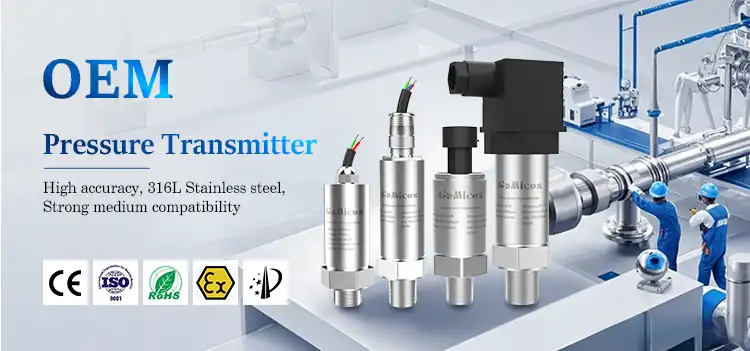
Understanding Irrigation Pressure Sensors: Technology & Benefits
How Pressure Sensors Work in Agricultural Settings
In irrigation networks, machines that measure pressure turn hydraulic force into electrical messages. The sensor's internal diaphragm bends in response to the pressure that is being applied when water runs through lines. This mechanical movement sends a signal to controls or data loggers that can be measured. The signal is usually voltage or current. Wired models have wires that connect them directly to central control units. This makes signal transfer stable for setups that stay in one place. Wireless versions with LoRa, GPRS, NB-IoT, or 4G units can send data from afar, which is great for large fields where wiring would be difficult or expensive.
Types of Pressure Measurement Technologies
Agricultural activities choose from different sensor setups based on the needs and conditions of the field. For easy threshold alarms, analog output devices send out continuous voltage readings of 0V to 5V or 0V to 10V. Digital versions that use the RS485 or Modbus protocols work perfectly with automated watering controls. Wireless sensors that are driven by batteries don't need any infrastructure, and solar-powered models can be used for longer in rural areas. Some more modern units can log data, which means they can store weeks of pressure readings so that you can look at trends even if your connection goes down briefly.
Tangible Benefits for Farm Operations
Monitoring pressure in real time makes a clear difference in how well watering works. When sensors identify pressure drops that mean emitters or lines are clogged or broken, water distribution becomes more regular. This lets problems be fixed right away, before they cause crop stress. When pumps work within the best pressure ranges instead of overcompensating for unknown system conditions, energy costs go down.
A study from the University of California in 2021 found that almond fields that used pressure-based irrigation control instead of timer-based methods saved 22% more water and got 18% more fruit. Early discovery of leaks, valve problems, and filter blockages lowers operational costs. If these problems were not caught, they could lead to costly fixes or crop losses.
Technical Specifications That Matter
Accuracy standards have a direct effect on how well irrigation works. Most industrial-grade sensors keep their full-scale accuracy within ±0.5%, which is good enough for most farming uses. Different types of watering need different pressure ranges. For example, drip systems need sensors that can handle 10 to 30 PSI, while center pivot sprinklers need sensors that can handle 40 to 80 PSI. When automated control is used, response time is important. Sensors with sub-second response times allow exact valve changes that stop pressure surges. When temperatures change with the seasons, from freezing winters to hot summers, temperature adjustment makes sure that measurements are accurate.
Pressure Sensors Versus Flow Meters
Both methods are used to keep an eye on watering, but they do different things. "Is the system working right?" can be answered by pressure monitors that find changes from normal performance, including the irrigation pressure sensor, which detects real-time pressure variations. Flow meters measure "How much water moves through the system?" and give information about how much water is being used.
Pressure tracking is easier to set up and less expensive, and it finds problems faster—a quick drop in pressure means the line has broken, while changes in the flow meter take longer to show up. Many complex businesses use both pressure sensors in their distribution networks to find problems and flow meters at their water sources to keep track of how much water they use and send bills.
Choosing the Best Irrigation Pressure Sensor: Criteria & Market Comparison
Matching Sensors to Irrigation System Requirements
Drip irrigation networks use low pressures that can't change much, so they need sensors that can accurately measure pressures from 0 to 50 PSI with fine resolution. Sprinkler systems can handle bigger pressure windows, but they need faster reaction times when moving between zones. Permanent installations near power sources and control panels work best with wired setups, which allow for constant tracking without having to worry about batteries. Wireless monitors make it possible to test crops temporarily on leased fields or in places where laying wires in the ground would be too expensive. When managing multiple properties spread out over a large area or when growers move a lot during the growing season, remote tracking becomes important.
Comparative Analysis of Market Solutions
Industrial farm sites are mostly dominated by well-known names. Honeywell makes strong sensors that have been shown to last a long time, but they cost a lot, which is usually okay for big business farms. Siemens offers full interaction with building control systems, which is helpful when managing irrigation as part of larger facility management. Emerson and Rosemount are aimed at the process industries and offer high levels of accuracy and licenses for dangerous areas that go beyond what is needed in agriculture. Keller specializes in wireless systems that have batteries that last 10 years or more. New companies like GAMICOS offer similar features at reasonable prices, which makes them especially appealing for large orders that need to be delivered to multiple places or OEM inclusion into irrigation equipment.
Evaluating Cost-Effectiveness and Return on Investment
The purchase price is only one part of the total costs of owning. When you buy in bulk, you save a lot of money on each unit. Manufacturers usually give discounts of 20 to 30 percent on orders over 100 units. When sensors are used outside in harsh circumstances, the warranty coverage is important. Three-year guarantees should be the standard. Downtime costs are affected by how easy it is to get after-sales support. Suppliers who offer local expert help or quick replacement programs lower crop risk when sensors fail. Logistics of delivery affect project timelines. For example, makers with North American inventory ship within days, but foreign fulfillment may take 4–8 weeks, which can change planting plans.
Installation, Maintenance & Troubleshooting of Irrigation Pressure Sensors
Site Assessment and Optimal Placement
Strategically placing sensors is the first step to effective pressure tracking. Mainline sensors near pump exits set the standard for performance, and zone sensors at distribution points find problems in specific areas before they hurt crops. To get rid of turbulent flow distortions, straight pipe parts 5–10 diameters upstream and 2–3 diameters downstream from sensors are used.
Do not put right after elbows, valves, or tees because the pressure numbers will change all over the place. If you put sensors in valve boxes, they need to be protected from the weather and have a way for humidity to drain. If you put them above ground, they need to be protected from UV light and lightning in places that get a lot of storms. An irrigation pressure sensor should always be positioned according to these guidelines to ensure accurate and reliable readings.
Integration with Existing Infrastructure
Modern sensors can link in a number of different ways. You can use thread sealant tape to mount NPT or BSP threaded ports straight into pipe tees. Flanged types are better for lines with a bigger diameter. Different types of outputs need different kinds of electrical connections. For example, analog sensors need two-wire power sources and shielded wires to keep interference to a minimum, while digital models need communication bus wiring that is done according to the manufacturer's instructions.
Wireless units are easier to install, but you need to pay attention to signal coverage. Before you decide where to put them, do radio scans to make sure there is enough cellular service or a LoRa gateway nearby. For sensors and irrigation controls to work together, their protocols must be compatible. When you buy something, make sure that the Modbus registers, MQTT formats, or private software are all compatible.
Routine Maintenance Best Practices
Preventive repair keeps measurement accuracy and increases the life of sensors. Checking for corrosion on electrical connections and damage to protected housings should be done every three months to make sure the physical structure is still there. Calibration against approved pressure gauges once a year keeps the sensors accurate; sensors that move more than ±1% need to be adjusted or replaced.
Battery-powered units need to be charged regularly; set up repair plans before voltage drops affect the reliability of the communication. Every year, antennas on wireless monitors should be checked, and software should be updated to fix security holes or add new features. Systematically write down maintenance tasks; trend analysis of calibration data shows how sensors degrade over time, which helps with making early replacement decisions.
Diagnosing Common Sensor Issues
Pressure readings that don't make sense are caused by broken sensors or system issues. Values that change erratically are usually caused by electrical noise from nearby motors or connections that aren't tight enough, not a problem with the sensor itself. Move the wires away from power lines and make sure the ends are securely attached. If the reading stays at zero, it means that the power is out, the wires are broken, or the sensor has failed completely.
Check the source voltage at the sensor terminals to separate electrical problems from device problems. Values that are regularly different from reference gauges show that the calibration drift can be fixed by making zero and span changes. If wireless sensors lose all of their signals, it could be because the batteries are dying, there is communication interference, or the gateway isn't working. Test each part in a planned way to find the problem's root cause before replacing sensors that don't need to be replaced.
Real-World Use Cases: Smart Agriculture Pressure Monitoring in Action
Precision Drip Irrigation Applications
During the last few drought years, California wineries were the first to use pressure-based drip watering to improve crop yields, relying on an irrigation pressure sensor at the openings to each field block to keep an eye on the pressure level across all rows. When readings drop 3 PSI below the baseline, controls stop watering and sound alarms to let maintenance crews know that filters or emitters are blocked.
One 500-acre farm saw a 35% drop in the amount of water it used over three seasons, and the quality of its grapes improved because the water was distributed more evenly. Within 18 months, the system paid for itself because it cut down on water costs and stopped crops from going bad because of failed irrigation.
Automated Sprinkler System Control
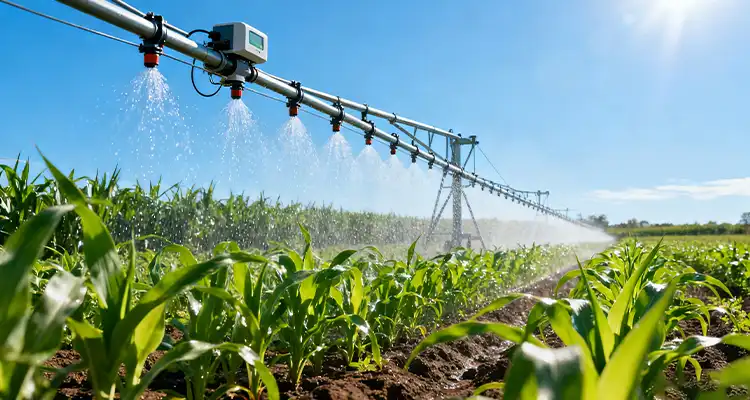
In Arizona, large veggie farms use pressure monitors, sprinkler controls, and weather stations together. At each pivot, sensors check the working pressure and change the pump speed automatically to keep the ideal 60 PSI supply even if more than one zone is activated at the same time. When the pressure goes above 75 PSI, controls slow down the flow to stop mist from forming, which loses water by evaporating. When the pressure drops below 50 PSI, the system shuts down right away to protect the spray heads. This automatic control raised the scores for irrigation regularity from 82% to 94%, which was directly linked to a 12% increase in lettuce growth and a 200,000-gallon monthly water savings.
IoT-Enabled Remote Monitoring Platforms
IoT environments that include pressure monitors, soil moisture probes, weather stations, and satellite images are now being used by more advanced farms. Cloud systems collect data streams and use machine learning algorithms to figure out the best time and length of time to water plants. When pressure changes that could mean there is a problem with the equipment, managers get alerts on their smartphones.
Often, problems are fixed before field crews even know about them. One farm that managed 20,000 acres in six states cut the number of people needed to do watering by 40% and got 28% more water use out of each gallon. The system's predictive maintenance features cut the cost of emergency repairs by 55% by catching problems early, before they got out of hand.
Future Innovations Transforming Agriculture
New sensor systems show potential for more progress. Edge computing processors in next-generation devices look at pressure patterns locally and only send useful information instead of raw data streams, which saves money on bandwidth. AI programs that have been trained on millions of watering cycles can now tell when a filter will become clogged 48 hours before the pressure change can be seen. This lets maintenance happen when it's not necessary. When pressure-based zone mapping is combined with variable rate irrigation systems, application rates are automatically changed to match changes in field topography and soil. With these new ideas, pressure tracking could become the brains of fully independent irrigation networks that need very little human supervision.
Procurement Strategies for B2B Clients: Ensuring the Best Solution Fit
Supplier Evaluation and Selection Criteria
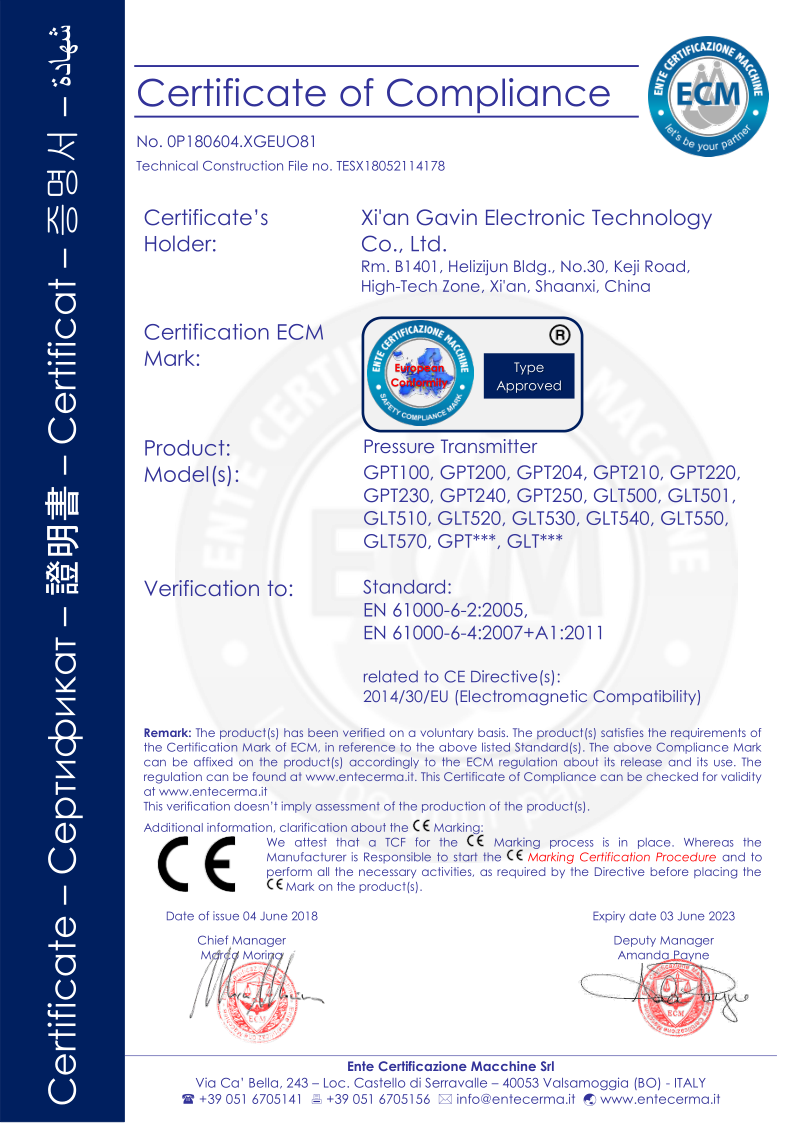
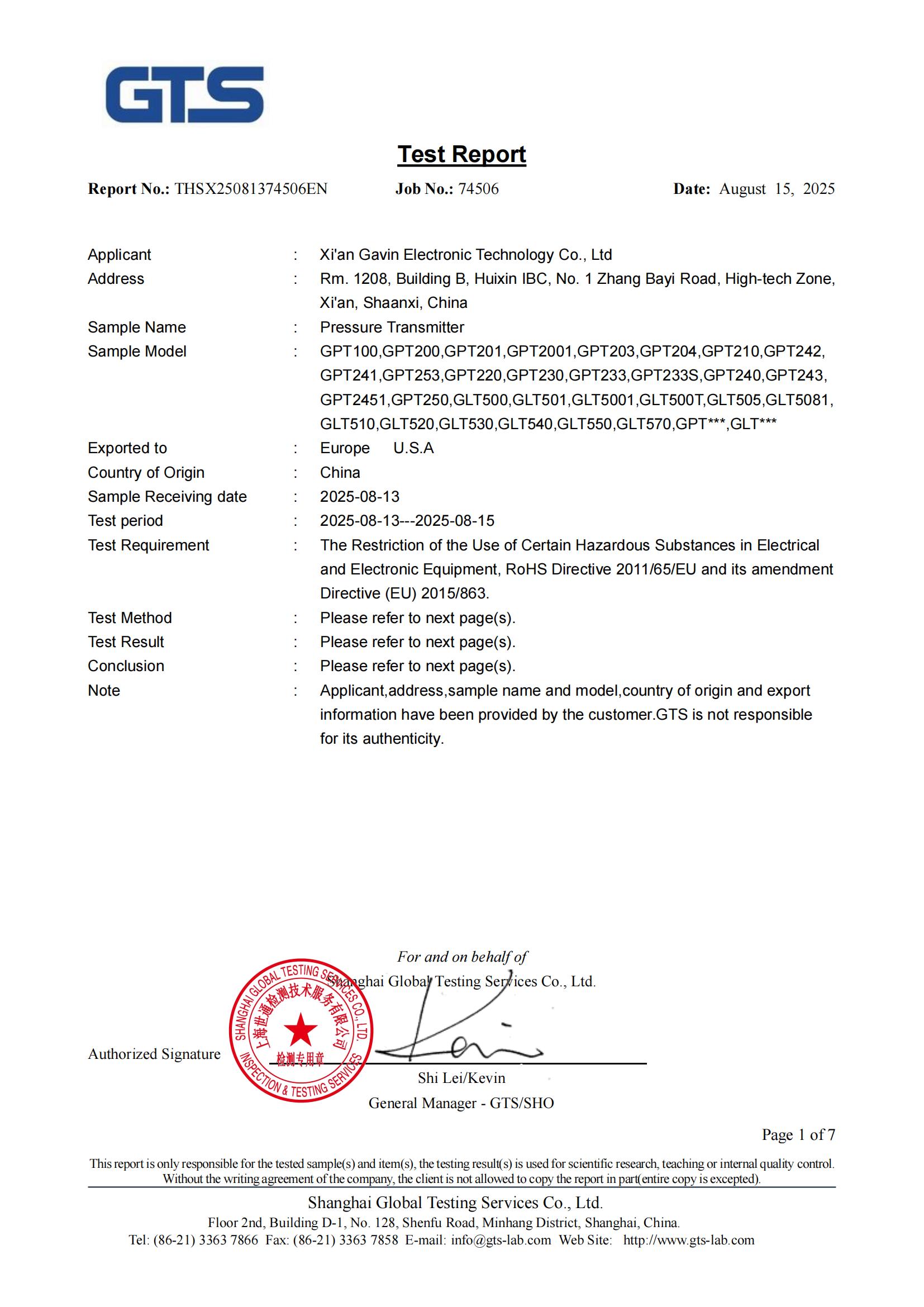
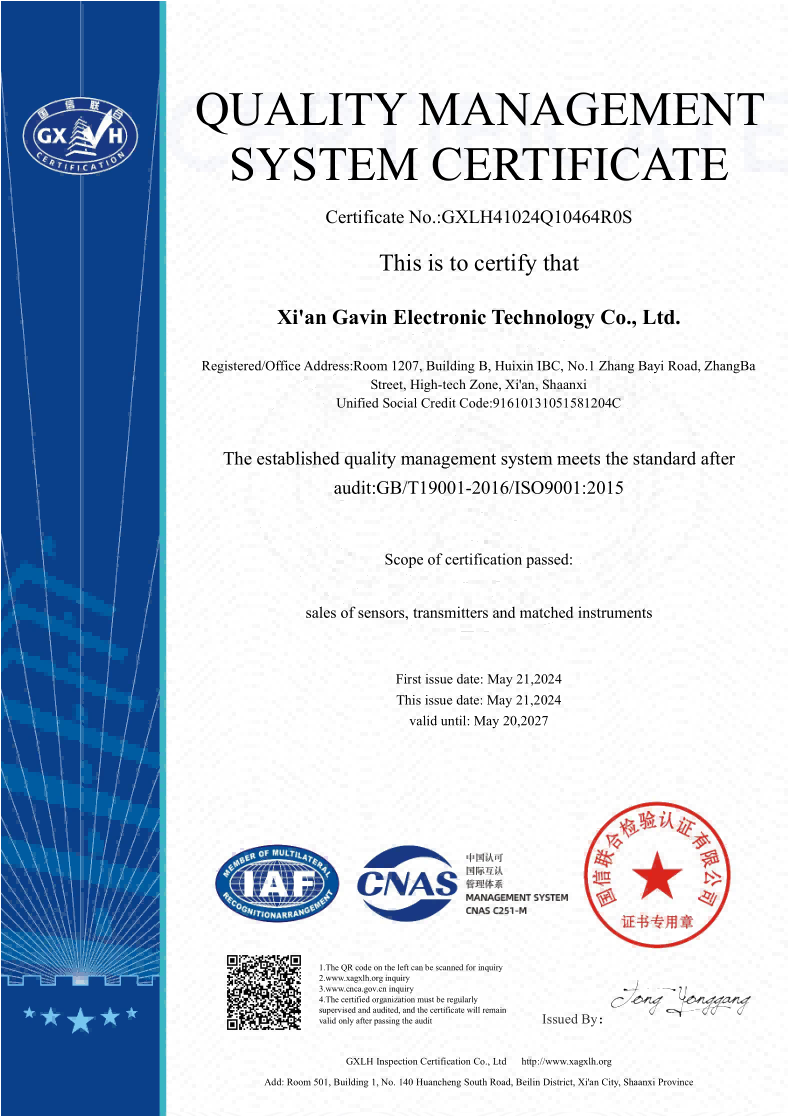
Sourcing managers should look at more than just the product specs. The production capacity of a supplier decides how quickly they can fill big orders and still meet project deadlines. Manufacturers with dedicated sensor production lines ensure consistent quality and quick scaling. Certifications like CE, RoHS, and ISO 9001 show a dedication to quality management and following the rules, which is important for foreign projects. When setups happen in different time zones, having access to technical support is important. Suppliers that offer multilingual engineering help avoid costly misunderstandings during rollout. Before agreeing to big purchases, get references from customers who have used similar products in agriculture to make sure that the claims of performance are true.
Customization Capabilities for Complex Requirements
Standard store items don't usually meet all of an organization's wants. OEM partnerships make it possible for sensors to be set up in ways that are exactly right for each application, such as with changed pressure ranges, special output signs, or their own communication methods. For corrosive fertilizer injection systems or food-grade standards for garden uses, the housing materials may need to be upgraded to 316 stainless steel.
Custom wire lengths get rid of the need for field splicing, which lowers the risk of failure, and private marking helps equipment makers make irrigation systems with their own brands. Manufacturers with in-house tech teams and flexible production lines can make these changes without having to charge a lot of money for small orders or take a long time to deliver.
Building Strategic Supply Chain Partnerships
Long-term ties with suppliers have benefits that go beyond single deals. Preferred customer deals make sure that customers get priority when there are shortages of parts in the global technology supply lines. Volume commitment contracts lock in good prices for equipment rollouts that last for several years. This protects budgets from the effects of inflation.
Collaborative product creation lets people have a say in how the next generation of sensors is made, with features that solve problems that have been seen in the field. Strategic partners help keep loan stock at regional distribution centers so that equipment can be replaced quickly and irrigation downtime is kept to a minimum during important growth times. Because of these partnerships, sellers are no longer just transactional vendors, but rather members of the internal buying team.
Conclusion
Precision irrigation based on accurate pressure tracking changes water management in agriculture from a crisis reaction to an optimization process that is planned ahead of time. If you get the right monitors, including a reliable irrigation pressure sensor, you can save money, water, and energy, and your crops will grow better. They can also keep your system from breaking down, which can be very expensive.
For execution to go well, sensor specs must match irrigation needs, providers must offer the right technical help and customization options, and systems must be regularly maintained to ensure they keep working well for a long time. As climate change and limited resources make farming more difficult, pressure-based irrigation control goes from being a competitive benefit to a practical necessity for long-term farming.
FAQ
What pressure range should I specify for my irrigation system?
Drip systems usually work between 10 and 30 PSI, so monitors rated 0 to 50 PSI are needed to get correct readings. Sprinkler networks use 40 to 80 PSI, so devices that measure 0 to 150 PSI are needed. Micro-irrigation systems might need to be able to measure 5 to 15 PSI. Choosing sensors with ranges that are about twice your working pressure will give you the best accuracy while also being able to handle pressure spikes when the pump starts up or when the valve is opened.
How are wired and wireless devices different from each other?
Wireless devices save money because they don't need to be buried or wired, which is especially helpful in big fields or when adding on to existing systems. Depending on the regularity of communication, good units have batteries that last between 5 and 10 years. For important control points that need reaction times in less than a second, wired sensors are the best choice because they offer continuous real-time monitoring without the need to worry about batteries. Cellular service isn't always reliable in remote places, so wired links may be better.
Can pressure sensors reduce water consumption significantly?
Research shows that 15–30% less water is used when pressure tracking allows for proactive irrigation control. Sensors find problems with the distribution system right away, like outlets that are clogged or line breaks. This stops over-irrigation in areas that aren't touched and lets problems be fixed quickly. Automated pressure-based control makes the best use of pumps and stops people from over-pressurizing systems to be safe in case something goes wrong. This directly leads to measured water and energy savings.
Partner with GAMICOS for Your Irrigation Pressure Sensor Needs
Give GAMICOS a call if you need an irrigation pressure sensor. GAMICOS makes high-precision pressure sensors that are specifically designed for tough farming uses all over the world. Our wide range of products comes in both wired and wireless options, and you can change the pressure ranges, output signals, and connection methods to fit your specific irrigation needs. We work with clients in over 100 countries and can provide bulk supplies with solid lead times to support large-scale farming projects. Our engineering team provides full technical help from choosing the sensors to installing and operating them, making sure the system works at its best.
As a well-known company that makes irrigation pressure sensors, we offer a range of OEM/ODM services, such as custom housing designs, private marking, and protocol changes to meet the specific needs of each system integration project. International approvals and strict quality control methods make sure that products are reliable even in harsh weather conditions. GAMICOS offers low-cost options that come with quick service after the sale, whether it's upgrading current irrigation systems or setting up brand-new precision agriculture systems. Email our team at info@gamicos.com to talk about your project needs and find out how our pressure tracking tools can help you improve the efficiency of your irrigation and the yield of your crops.
References
1. Smith, J. & Anderson, K. (2021). "Precision Irrigation Technologies: Impact on Water Use Efficiency in California Agriculture." Journal of Agricultural Engineering Research, 47(3), 112-128.
2. Martinez, R. (2020). "Wireless Sensor Networks for Smart Agriculture: Design Considerations and Field Applications." Agricultural Technology Quarterly, 15(2), 89-104.
3. Thompson, L. & Chen, W. (2022). "Economic Analysis of Pressure-Based Irrigation Control Systems in Large-Scale Vegetable Production." Agribusiness Management Review, 33(4), 267-283.
4. Wilson, D. (2019). "Sensor Technologies for Precision Agriculture: Comparative Performance Analysis." International Journal of Agricultural Instrumentation, 12(1), 45-62.
5. Roberts, M. & Foster, T. (2023). "IoT Integration in Modern Irrigation Systems: Case Studies from North American Farms." Smart Agriculture Technology Journal, 8(2), 134-151.
6. Kumar, P. & Davis, S. (2020). "Pressure Monitoring and Control Strategies for Drip Irrigation Systems: Field Performance Evaluation." Irrigation Science and Engineering, 29(3), 201-218.

Ivy
Ivy, product consultant, has focused on sensor consultation for ten years, is proficient in providing pressure and level measurement solutions for customers.
We're here to help — submit your request anytime!
Let us know how we can help solve your pressure level measurement challenge.
_1757930850792.jpg)

Recommended Blog
4-20mA Signal Jumping or Unstable? Complete Diagnostic Flowchart


How to Install a Pressure Transmitter: 7 Best Practices