Pressure Sensors in Wastewater Aeration Control
Understanding Corrosion Resistant Pressure Sensors in Wastewater Aeration
- Understanding Corrosion Resistant Pressure Sensors in Wastewater Aeration
- Key Considerations When Selecting Pressure Sensors for Wastewater Aeration
- Practical Applications and Case Studies in Wastewater Aeration
- Maintenance, Procurement, and Supplier Insights for Corrosion Resistant Pressure Sensors
- Future Trends and Innovations in Corrosion Resistant Pressure Sensors for Wastewater Systems
- Conclusion
- FAQ
- Partner with GAMICOS for Reliable Corrosion Resistant Pressure Sensor Solutions
- References
In wastewater aeration control, pressure monitors are very important tools that make sure treatment plants work well and reliably. These gadgets check the air supply pressure, the amount of dissolved oxygen, and the performance of the fan in places with harsh chemicals, high humidity, and toxic compounds. Corrosion resistant pressure sensors are made of special materials and have safe designs that keep the accuracy of measurements for long periods of time. These sensors work consistently in places where regular devices would break down quickly because they use ceramic diaphragms, special stainless steel alloys, and protective coats. This makes them essential for modern wastewater treatment operations.
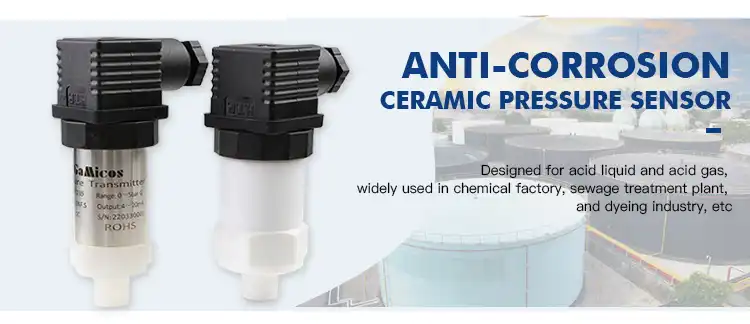
Understanding Corrosion Resistant Pressure Sensors in Wastewater Aeration
Measurement tools in wastewater treatment plants are put through conditions that would kill normal industrial sensors in just a few weeks. When you mix sulfides, chlorides, organic acids, and changing pH levels, you get a situation where choosing the right materials is very important for operation success.
What Makes These Sensors Different
Corrosion-resistant pressure sensors are made with materials and design features that are especially made for working with strong media. Standard sensors use stainless steel and polymer seals, but these specialty devices have ceramic capacitive sensing elements, advanced metal housings, and construction that keeps out air and moisture. When pressure is put on the ceramic diaphragm, it changes shape and acts as one electrode.
The fixed electrode, on the other hand, creates a capacitor. The bending of the diaphragm changes the capacitance between the sensors when the pressure changes. This is measured and turned into an electrical signal that shows the change in pressure. This capacitive pressure sensor design gets rid of metal-to-media touch in key measurement areas. This makes the sensor much more durable in wastewater applications where corrosion is a problem.
Core Operational Principles
In corrosion-resistant designs, the sensing device is usually made up of a flexible ceramic or coated metal diaphragm that is placed on top of a set reference chamber. When the pressure in the air system changes, the diaphragm bends in the same way. Depending on the technology used, this can be measured as changes in capacitance or resistance. Capacitive pressure sensors work great in wastewater applications because they don't need to be touched to measure pressure. This means that they don't wear out and stay calibrated even when they are exposed to harsh chemicals. These changes in physical form are turned into standard outputs by signal processing circuits. These outputs are usually 4-20mA current loops or digital protocols that work well with plant automation systems.
Tangible Benefits for Treatment Operations
Implementing devices that are resistant to rust has many practical benefits. Treatment centers say that sensors last three to five times longer than regular devices, which means they don't need to be replaced as often and don't cost as much to operate. It becomes much easier to keep tight control over the dissolved oxygen setpoints, which have a direct effect on how much energy is used and how well the treatment works. Maintenance plans change from three times a year to once a year, which frees up expert staff to do more important work. These changes lead to measurable cost savings and higher process efficiency, which procurement managers can use to figure out how much to spend on capital equipment.
Key Considerations When Selecting Pressure Sensors for Wastewater Aeration
To choose the right technology for measuring pressure, you need to know how different types of sensors work in wastewater treatment settings and make sure that technical specs match up with working needs.
Material Selection and Technology Comparison
An study of material compatibility is the first step in making a purchase choice. Ceramic capacitive corrosion resistant pressure sensors are better at resisting chemical attack than metal strain gauge designs. This makes them the best choice for situations where they will be in direct touch with media. Diffused silicon pressure sensors are very sensitive and accurate, but they need to be kept away from toxic liquids to keep them safe. Force-sensitive silicon chips have a piezoresistive effect that gives them a high output sensitivity—usually around 100mV at full scale—which makes it easier to connect to control systems. Because monocrystalline silicon is very rigid and doesn't move much, these sensors stay very linear. This makes them repeatable and lowers hysteresis mistakes.
Material prices are very different between systems. Although ceramic-based sensors cost more at first, they end up costing less in the long run because they last longer. Engineering managers should look at more than just the purchase price when reviewing supplier offers. They should ask for lifetime cost studies that include how often the system needs to be replaced, how often it needs to be calibrated, and how much it costs to have the system down for maintenance.
Accuracy and Durability Requirements
To keep dissolved oxygen levels at the right level, aeration control systems need pressure measurements that are accurate to within ±0.25% to ±0.5% of full scale. Tougher requirements have a direct effect on energy economy because even small changes in air supply pressure cause big differences in how much power the blower uses during constant operation. Over time, sensor stability is just as important—devices that have measurement drift need to be re-calibrated all the time, which slows down operations and makes upkeep more difficult.
| Parameters of GPT235 Ceramic Pressure Sensor | |
| Pressure range | -0.1...0~25bar |
| Output signal | 4~20mA, 0~10V, 0~5V, 1~5V, 0.5~4.5v, RS485, IIC |
| Power supply | 8~30V, 14~30V, 3~5V, 5V±10% |
| Accuracy | 0.5%FS/0.25%FS, 0.1%FS (optional) |
| Long-term stability | ≤0.2%FS/Year@0.5%FS |
| Operating temperature | -20℃~85℃, -40℃~125℃ (optional) |
| Storage temperature | -40℃~125℃ |
| Service life | 1 million pressure cycles |
| Shell material | PTFE/PVDF (optional) |
Chemical protection and muscular strength are both parts of durability. Sensors have to be able to handle changes in pressure caused by blowers spinning, temperature changes between room temperature and process temperature, and vibrations from machinery that is turning. Designs for variable capacitance pressure sensors that don't have any moving mechanical parts show better resistance to fatigue, with operating lifetimes of more than ten million pressure cycles without performance decline.
Balancing Investment and Operational Value
Sourcing managers have to explain to stakeholders who are concerned about costs why they should spend money on better sensors. The important thing is to show the total lifecycle economics instead of just the price of individual parts. A thorough study could reveal that sensors that cost 40% more at first but last three times longer and need to be calibrated less often have 60% lower five-year purchase costs. Better air control often saves more energy than the extra cost of the sensors within the first year of use, which is a strong financial case for buying high-quality equipment.
Practical Applications and Case Studies in Wastewater Aeration
Corrosion resistant pressure sensors are very important in wastewater aeration systems because they allow precise process control and system improvement.
Primary Monitoring Applications
These sensors continuously check the air header pressure that comes into aeration basins and sends a signal to the blower that changes its output to match the demand for oxygen. Submersible pressure sensors put in place near the floors of basins measure the depth and pressure of the water, figuring out the level of the liquid that helps with process changes. The submersible pressure sensor measures hydrostatic pressure when it is submerged in liquid and dropped to near the bottom. This lets you draw direct conclusions about the current level without using transmission parts that could break down in difficult conditions.
Differential pressure measurements across air filters let repair teams know when filters are clogged before flow restrictions affect how well they treat the air. Monitoring the blower output pressure keeps equipment safe from overpressure and makes sure there is enough air flow to meet the needs of biological treatment.
SCADA Integration and Control Strategies
Pressure sensors, supervisory control, and data gathering tools are all built into modern treatment plants. This lets them use complex control methods. Cascade control loops use real-time pressure data to change the speed of the fan, the position of the valves, and the operation of the diffuser zones based on changes in the influent load and the setpoints for dissolved oxygen. Capacitive pressure sensors with digital output protocols make SCADA integration easier by getting rid of mistakes in signal conversion and letting diagnostics be done from afar.
Automated fault detection systems look at trends in sensor data to find problems that are starting to happen before the equipment breaks down. A slow drop in pressure could mean that an air line is leaking, while sudden changes in pressure could mean that a control valve isn't working right. With these predictive tools, maintenance can go from being an emergency reaction to being planned actions that keep system delays to a minimum.
Documented Performance Improvements
A city treatment plant that serves 250,000 people swapped out their normal pressure sensors for ceramic capacitive units in their aeration system. Over 24 months, they saw a 23% drop in the cost of replacing sensors, an 18% drop in the amount of energy used by the fans because the controls were more accurate, and the end of three unexpected system shutdowns that were caused by sensor failures. The cost of construction was paid for by upkeep savings and lower energy bills within 14 months.
A wastewater treatment plant for pharmaceuticals replaced devices with ±1% error with corrosion-resistant monitors that are accurate to within 0.25%. Tighter control of dissolved oxygen let them lower the aeration strength by 12% while keeping the treatment working well. This saved $8,400 a month on power costs. Also, the accuracy sensors pushed the average time between calibrations from three months to twelve months, which meant that a lot less upkeep work had to be done.
Maintenance, Procurement, and Supplier Insights for Corrosion Resistant Pressure Sensors
To keep sensors working well and make smart buying choices, you need to know the right way to maintain them and how to judge a seller.
Essential Maintenance Protocols
Regular devices need to be serviced more often than corrosion resistant pressure sensors, but they still benefit from routine care. Visual checks every three months find physical damage or connection wear before they cause measurement mistakes. Using traceable reference standards to check the accuracy of the calibration once a year is recommended, and full recalibration is needed when readings change too much from what is considered normal.
Cleaning procedures must match sensor construction—ceramic diaphragms can handle light acid washes that get rid of mineral deposits, but some surfaces need to be cleaned in a more gentle way. By following the manufacturer's instructions, you can avoid doing harm that weakens the rust protection. When measurement errors show up, techs should check the electrical connections and wire integrity before thinking the sensor is broken, since connection problems are the cause of many apparent device malfunctions.
Supplier Selection and Brand Considerations
Proven corrosion-resistant pressure sensor lines with established track records in wastewater uses are available from reputable makers like Honeywell, Siemens, ABB, and Yokogawa. When evaluating providers, you need to look at more than just the product specs. You also need to look at how reliable the delivery is and how much customization is possible. Engineers who are in charge of multiple projects appreciate providers who offer application engineering help, which helps them choose the best sensors for the conditions at each site.
International buying teams should make sure that providers keep enough inventory and logistics skills to support activities around the world. When you buy in bulk, you can often get better prices and make sure that the product is always available for standard plant designs that are used in multiple locations.
OEM Customization and Supply Chain Benefits
Manufacturers of original equipment and system developers often need customized sensor setups that work with certain enclosure designs, electrical connections, or communication protocols. When suppliers give both OEM and ODM services, they can make products stand out and make system integration easier. Some of the customization options are different pressure port layouts, custom wire lengths, changed output ranges, and private marking that works with equipment branding strategies.
Building relationships with adaptable makers who can meet reasonable customization needs without requiring large minimum order numbers gives you an edge when bidding on projects. Distributors and brokers that serve regional markets benefit from suppliers that allow mixed container orders and acceptable lead times that let them respond to customers quickly without having to keep too much product on hand.
Future Trends and Innovations in Corrosion Resistant Pressure Sensors for Wastewater Systems
The corrosion resistant pressure sensor business keeps growing by coming up with new materials, smart features, and better ways to connect, which make more uses possible.
Advanced Materials and Design Evolution
New materials and changes in design
Nanomaterial coatings research looks like it could make things even more resistant to rust, with smaller layers of protection that keep or improve sensitivity. Composite ceramic materials are resistant to chemicals and have higher dynamic strength. This could allow sensors to take up less space without losing longevity. Improvements to the manufacturing process lower the prices of making advanced designs, which opens up high-end technologies that prevent corrosion to a wider range of customers.
Using hermetic sealing methods from aircraft protects electronics inside from water getting in, which used to shorten the life of sensors in wet wastewater settings. These design improvements make the product last longer and lower the number of failure modes that are caused by being exposed to the environment.
IoT Integration and Predictive Analytics
Internet-of-Things sensors with built-in wireless connection get rid of the need for expensive signal cables in retrofit setups and let you place sensors more efficiently. Streaming data to cloud platforms allows for advanced analytics that find small performance trends that can't be seen with standard tracking methods. Machine learning algorithms look at pressure trends across sensor networks and find outliers that show when equipment will break down hours or days before the normal alarms would go off.
Technical support teams can check the health of devices without having to go to the site to do so with remote sensor diagnostics. This cuts down on maintenance reaction times and trip costs. Automated calibration alerts that are based on real drift rates instead of random time intervals make it easier to plan maintenance and use resources efficiently.
Market Evolution and Strategic Planning
As environmental protection and energy economy become more important to governments, wastewater treatment plants are upgraded. This creates a steady need for new measurement methods. Corrosive measurement problems are common in chemical processing, marine uses, and food production facilities. This means that makers of specialized sensors have more chances to make money.
Instead of choosing devices that only meet current requirements, automation system managers who are planning capital changes should look at sensor platforms that can support future connectivity needs and analytics capabilities. Strategic relationships with makers that are committed to ongoing innovation allow businesses to adopt new technologies as they become more mature, which protects long-term investments in infrastructure.
Conclusion
Corrosion resistant pressure sensors are important parts of infrastructure that make wastewater flow control reliable and effective. Their special construction means that they can resist chemical attacks that would normally kill other devices. They also provide accurate measurements that have a direct effect on how much energy is used and how well the treatment works. The best operational results come from making purchasing choices that balance original costs against lifecycle value. These decisions are backed up by thorough supplier review and strategy customization. As sensor technology changes due to new materials and digital connections, forward-thinking companies that work with skilled makers can take advantage of new features that give them an edge over their competitors.
FAQ
What pressure range do wastewater aeration sensors typically measure?
For basin air headers, aeration system monitors usually measure between 0 and 10 PSI. For blower discharge tracking, they measure between 0 and 100 PSI. Submersible level monitors that measure the depth of an area usually work over a range of 0 to 30 feet of water column equivalent. The best range to use depends on the application. For the highest level of accuracy, devices are made to have standard working pressures in the 25-75% output range.
How often should corrosion resistant pressure sensors be calibrated?
Ceramic capacitive and silicon-based corrosion-resistant pressure sensors usually need to be checked for calibration once a year, and they need to be completely re-calibrated when the readings change more than ±0.5% of the span. Using movable calibrators to do verification checks every three months helps find problems early on. Based on a site-specific risk estimate, more frequent calibration plans may be needed for harsh chemical exposure or critical control uses.
Can existing sensors be upgraded to corrosion resistant versions?
Most setups allow for straight replacement with sensors that don't corrode and have threads and electrical connections that match the current pressure port threads. When you upgrade, you can add better accuracy standards or digital communication methods that make the control system work better. Talking to application engineers makes sure that everything works together and helps choose the best sensors for the site conditions.
Partner with GAMICOS for Reliable Corrosion Resistant Pressure Sensor Solutions
Our experience with treating wastewater comes from installing thousands of systems in commercial and public buildings around the world. Precision corrosion-resistant pressure sensor products are made by GAMICOS. These products use ceramic capacitive technology and cutting-edge materials to maintain accuracy even in harsh settings with lots of air flow. Our research team offers full application support, guiding you to choose the best sensor specs for your unique process conditions and control system needs.
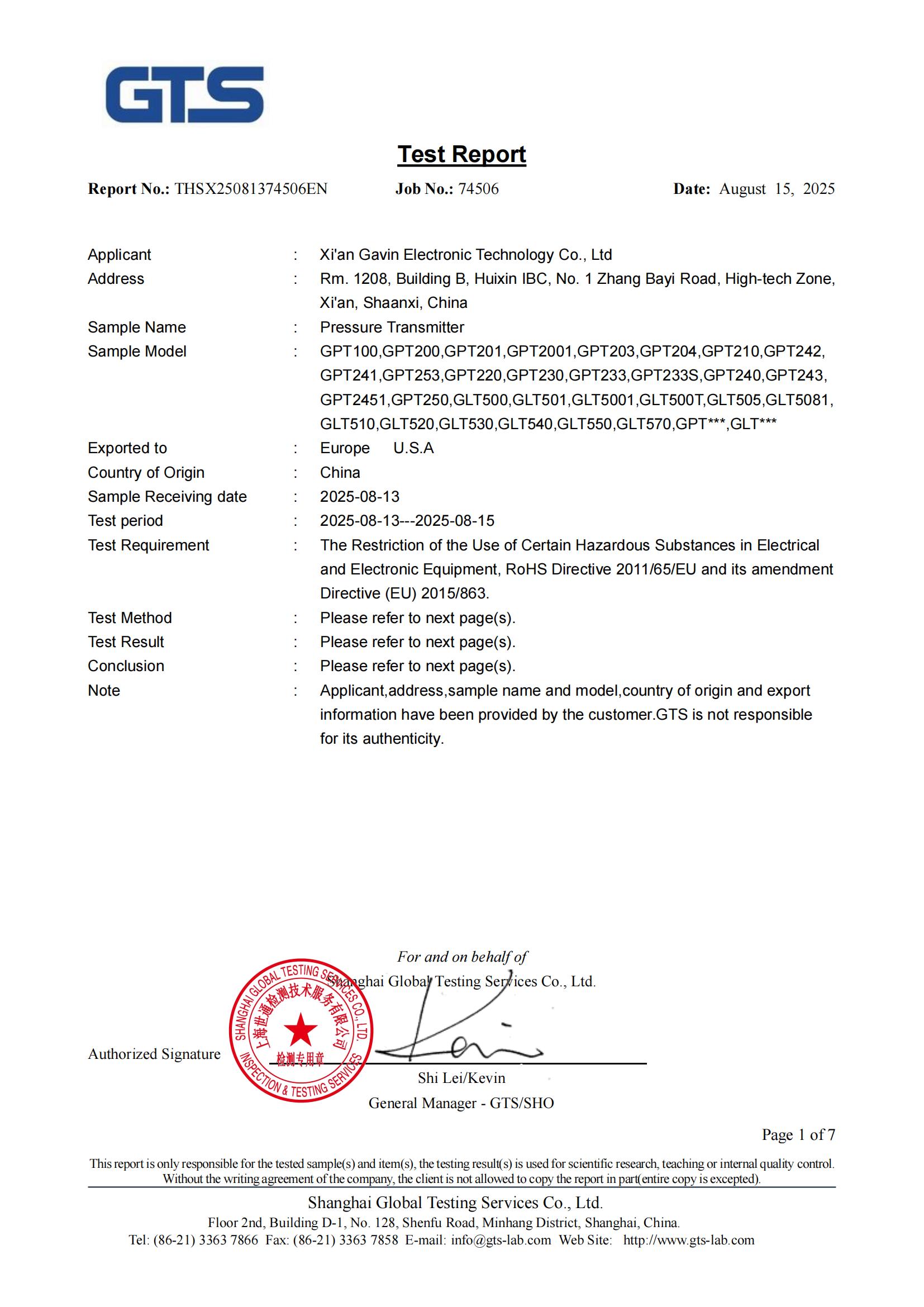
We offer OEM and ODM customization options that can be changed to fit specific interface needs, pressure port configurations, and communication methods that make system interaction easier. Bulk buying programs offer reasonable prices for projects that need to be standardized across multiple sites, while keeping enough material on hand to support flexible delivery schedules. Our quality assurance methods include strict testing protocols and foreign certifications that make sure the products always work right and follow the rules.
Whether you're upgrading aging infrastructure, designing new treatment capacity, or optimizing existing aeration control systems, our technical specialists stand ready to discuss your measurement challenges. Contact our team at info@gamicos.com to explore how GAMICOS corrosion resistant pressure sensor manufacturer capabilities can enhance your operational reliability, reduce lifecycle costs, and support your performance objectives with measurement solutions engineered for demanding wastewater applications.
References
1. American Water Works Association Research Foundation. (2019). Advanced Instrumentation and Control for Wastewater Treatment Plants. Denver: AWWA Publications.
2. Chen, M., & Rodriguez, P. (2021). Corrosion-Resistant Materials for Industrial Pressure Sensors in Aggressive Environments. Journal of Industrial Instrumentation, 48(3), 112-128.
3. International Society of Automation. (2020). Recommended Practice for Pressure Sensor Selection and Application in Water and Wastewater Treatment. Research Triangle Park: ISA Standards.
4. Muller, J., Thompson, R., & Zhao, L. (2022). Capacitive Sensor Technology for Harsh Chemical Process Monitoring. Sensors and Actuators B: Chemical, 354, 131-145.
5. Water Environment Federation. (2021). Aeration System Optimization and Control Strategies: Technical Practice Manual. Alexandria: WEF Press.
6. Williams, D., & Table, K. (2023). Lifecycle Cost Analysis of Corrosion-Resistant Instrumentation in Municipal Wastewater Facilities. Water Engineering and Management, 170(2), 22-31.

Halen
With over 12 years of experience in fluid sensing technology, Halen specializes in helping clients select and optimize oil level sensors for a wide range of industries—including automotive, marine, heavy machinery, and energy.
We're here to help — submit your request anytime!
Let us know how we can help solve your pressure level measurement challenge.
_1757930850792.jpg)
Recommended Blog
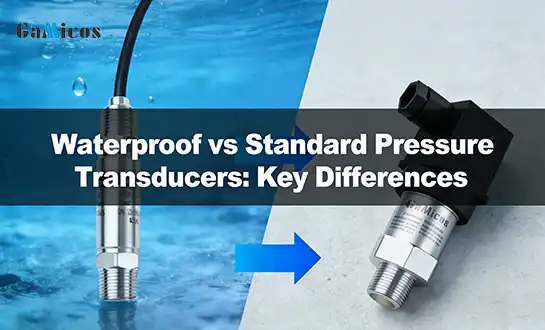
Waterproof vs Standard Pressure Transducers: Key Differences
Waterproof vs Standard Pressure Transducers: Key Differences

Can a pressure transducer measure liquid level in firefighting tanks?
_1761290377465.webp)