Pressure Sensors in Urban Stormwater Reservoirs
Understanding Water Level Pressure Sensors in Stormwater Reservoirs
- Understanding Water Level Pressure Sensors in Stormwater Reservoirs
- Selecting the Right Water Level Pressure Sensor for Urban Stormwater Reservoirs
- Installation, Calibration, and Maintenance of Water Level Pressure Sensors
- Practical Applications and Data Utilization in Stormwater Reservoir Management
- Procurement Guide for B2B Clients: Buying Water Level Pressure Sensors
- Conclusion
- FAQ
- Partner with GAMICOS for Reliable Water Level Pressure Sensor Solutions
- References
Urban stormwater basins use water level pressure sensors to measure atmospheric pressure and keep an eye on and control the depth of the water. These sensors pick up changes in the pressure at the bottom of the pond and turn them into accurate readings of the water level that are needed to stop flooding, protect against overflows, and keep the water clean. These tools let local water officials and engineering contractors react quickly to storms by tracking in real time. This keeps infrastructure and communities safe from water-related dangers.

Understanding Water Level Pressure Sensors in Stormwater Reservoirs
Operating Principles of Hydrostatic Pressure Measurement
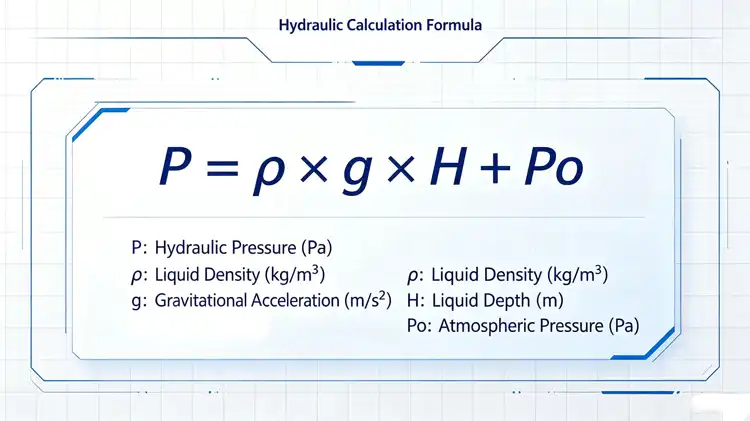
The measurement of hydrostatic pressure is the basis for good tracking of stormwater reservoirs. When buried in water, water level pressure sensors measure the depth by reading the weight of the column of liquid above them. This theory is very reliable because water pressure rises steadily with depth—by about one psi for every 2.3 feet of depth. When pressure is put on the sensor, the diaphragm bends. This mechanical movement is turned into an electrical output by piezoresistive or capacitive elements. This simple physics-based method gives consistent results in a wide range of environmental conditions, which makes it perfect for use in important city building projects.
Submersible vs. Wireless Sensor Technologies
Submersible sensors are attached directly to the bottom of the tank and can measure continuously and very accurately. These devices are made of strong stainless steel or clay that won't rust in sediment-filled stormwater. Their wired links provide stable power and reliable data transfer, but installing them requires careful planning for how to handle the cables.
Wireless water level pressure sensors are the next step in tracking technology. They combine hydrostatic measurement with cellular or radio frequency connection methods. These devices send information from afar using Lora, GPRS, NB-IoT, or 4G networks. This gets rid of the need for costly cable runs across big water sites. Battery-powered portable units make installation easier when connecting isn't possible because of the way things are set up already. The trade-off is that the battery needs to be serviced every so often, and the signal might get messed up in cities with lots of buildings.

Core Advantages for Stormwater Management Applications
Modern pressure-based level sensors can measure with an accuracy of within ±0.25% of the full scale, which is very important when reservoir capacity gaps are small during big storms. Their quick response time—often less than one second—allows real-time tracking that ultrasound sensors can't do when the environment is rough. Non-contact measurement methods are often messed up by trash, foam, and suspended particles in stormwater. Surface changes don't affect submersible water level pressure sensors, though.
Another strong benefit is that it lasts a long time. Industrial-grade sensors can handle temperature changes from -40°C to +125°C, so they can handle environmental conditions without losing their accuracy. IP68 rates for ingress protection mean that the material can be completely submerged, and materials like 316L stainless steel don't rust when they come into contact with chemicals in urban waste. This toughness means that they can be used for many years with little upkeep, which lowers the total cost of ownership for city water offices that are trying to stick to tight budgets.
Selecting the Right Water Level Pressure Sensor for Urban Stormwater Reservoirs
Critical Technical Specifications for Procurement
To choose the right measurement range, you need to carefully look at the features of the pool depth. Most urban sewage ponds are between 10 and 50 feet deep, which means water level pressure sensors with a range of 5 to 75 psi should work well and give good coverage. When the range is too big, it makes measurements less accurate than they need to be, and when it's too small, it could damage the sensors during sudden high water events.
Specifications for accuracy should be carefully looked over. ±0.5% full-scale accuracy is good for general tracking applications, but ±0.25% or better is needed for automated control systems that start pump stations or overflow gates to keep them from activating too early. It doesn't matter which output signal is used. 4-20mA current loops are more noise-resistant over long wire runs than voltage signals, especially in places where there is a lot of electrical noise near pump control screens.
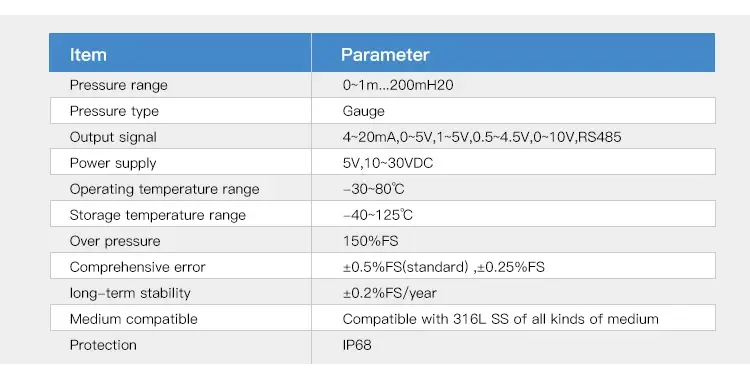
Material suitability greatly increases the service life of sensors. Industrial draining can cause pH levels to be outside of neutral ranges in reservoirs, which means ceramic diaphragms or unique metals other than standard stainless steel are needed. Process links can be damaged if they don't work with the mounting hardware. To avoid expensive changes in the field, it's best to check the thread type (NPT, G-thread, or metric) when buying the parts.
Pressure Sensors vs. Ultrasonic Level Measurement
Ultrasonic water level sensors work by sending out high-frequency sound waves that bounce off the surface of the water and get a reading of the distance from the time it takes to travel. This non-contact method doesn't require submersion, which is helpful when working with highly acidic liquids that would damage touch sensors. It turns out to be easier to install—placing the sensors above the water line gets rid of worries about waterproofing and makes upkeep easier.

However, sonar technology has trouble with the conditions of stormwater reservoirs. Surface turbulence from heavy rain spreads sound waves in unpredictable ways, leading to mistakes in measurements just when correct information is needed the most. Signal transfer is completely blocked by foam that builds up from air or organic matter. Temperature stratification in deep aquifers causes changes in sound velocity that need to be fixed using formulas that make things more complicated. During temperature inversions, dense vapor near the water's top also hurts efficiency.
Through direct touch measurement, water level pressure sensors get rid of these environmental weaknesses. Even though they need to be submerged, they are more reliable than ultrasonic systems in difficult stormwater situations because they don't get affected by surface conditions or interference from the air. As a trade-off, the system needs to be set up more precisely and cleaned regularly to avoid sediment buildup, but these are minor issues that can be dealt with since the measurements are more accurate.
Evaluating Leading Sensor Solutions for 2026
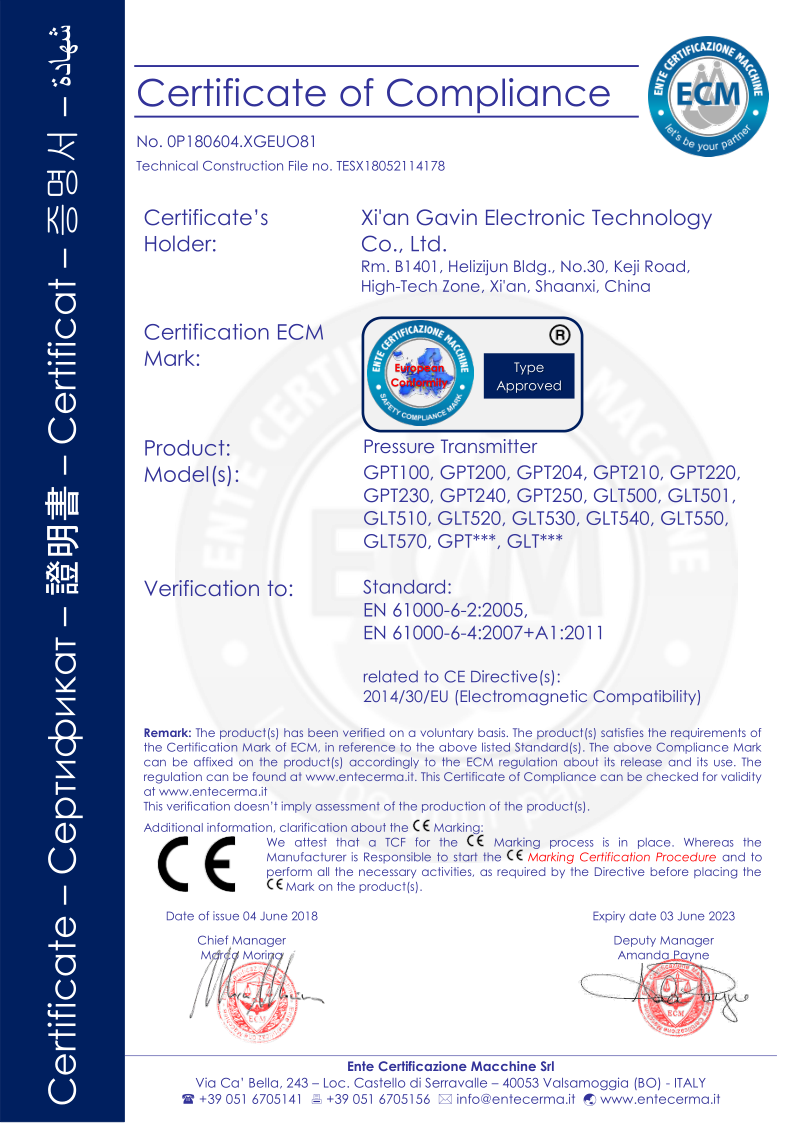
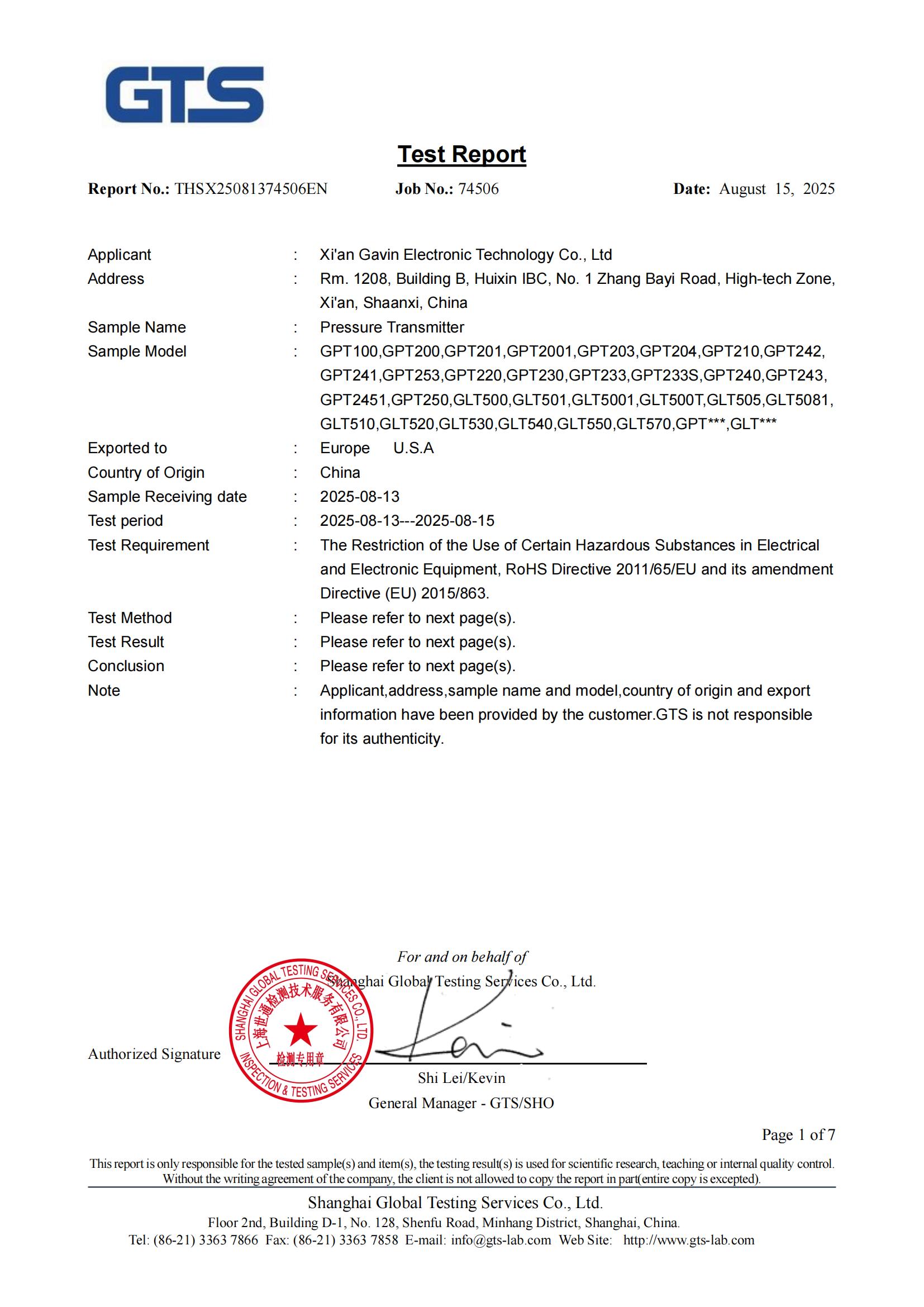
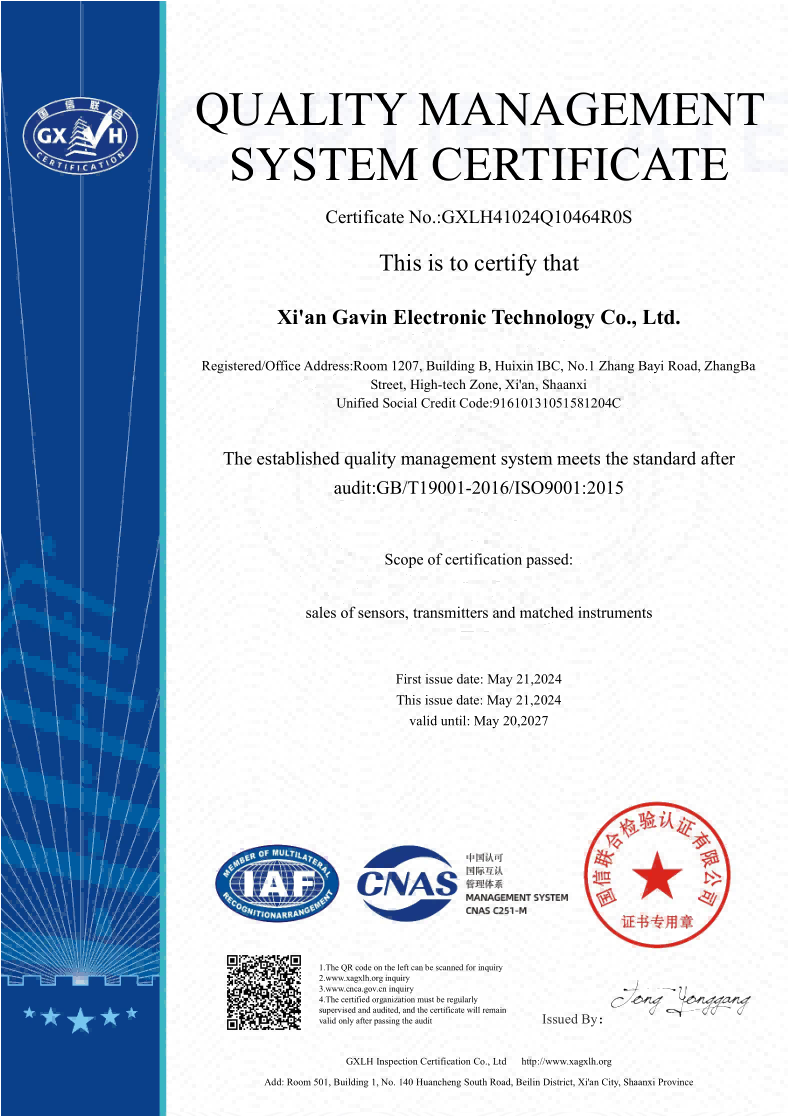
Manufacturers of industrial automation tools look for water level pressure sensors that are stable over time and meet certification requirements. CE and RoHS markings show that a product meets the rules for European markets, and ISO 9001 approval shows that the product meets quality standards for making. Engineering companies look for sensors that have been used successfully in similar city projects and give preference to those that have.
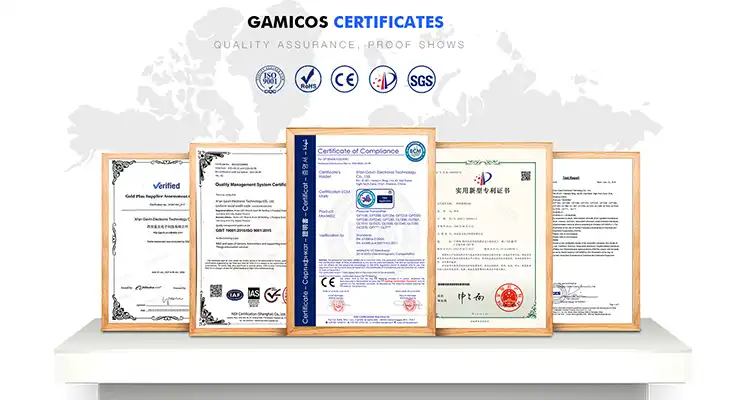
When providers are competing to win a contract, their ability to customize sets them apart. Manufacturers who offer open setup choices are good for OEM clients who need specific interface protocols, like Modbus RTU, HART, or their own systems. Because mounting measurements often need to be changed to fit existing infrastructure, providers who can do their own machining are important partners. It's important to be able to change the communication strategy when adding sensors to older SCADA systems that don't work with standard outputs.
When distributors are handling inventory for multiple projects, the ability to offer in bulk and the dependability of shipping are very important. Manufacturers who keep enough stock on hand and show regular wait times build trust, which is important for long-term relationships in the supply chain. Assessing how fast technical help is during the evaluation phase is often a good way to guess how good the service will be after the sale, especially for products like the water level pressure sensor. This makes evaluating supplier communication during procurement useful.
Installation, Calibration, and Maintenance of Water Level Pressure Sensors
Site Assessment and Mounting Best Practices
When water level pressure sensors are placed correctly, they give more accurate readings while requiring less upkeep. Putting sensors away from the inlet pipes stops pressure changes caused by turbulence that mess up readings. Avoid areas where sediment builds up at the corners of basins because the growth slowly buryes sensors and throws off readings. Mounting along the sidewalls at a mid-depth strikes a mix between ease of access and accurate measurement positioning. However, placing the sensor lower collects a wider range of data.
The mounting gear has to be able to handle both the weight of the sensor and the movement of water. Brackets made of stainless steel with vibration-dampening parts keep sensitive interior parts safe from mechanical stress. Cable strain relief stops stress from moving to electrical connections, which is a frequent place where things break during thermal growth cycles. For submersible sensors to work, the cables need to be aired so that the atmospheric pressure is equalized against the reference side of the detecting diaphragm. If the cables aren't vented, changes in barometric pressure will show up as false changes in level.
Calibration Schedules and Procedures
Before sensors are put to use, they are first calibrated to set a baseline level of accuracy. For most uses, two-point calibration (zeroing at the bottom of an empty tank and checking the span at a known water level) is accurate enough. Three-point calibration adds a mid-range check, which makes the reading more linear over the whole range. For calibration, you need to get reference values from observed targets or portable depth gauges that can be linked to national standards.
How often routine recalibration is done depends on how important the application is and how bad the surroundings is. Because they can save lives, municipal flood control systems need to be checked every three months. In some cases, regular tracking can go up to once a year. Rapid calibration drift in sensors means that the diaphragm is breaking down or the computer parts are getting old, which means that the sensors are getting close to the end of their useful life. Keeping track of the past of testing shows performance patterns that help with planning replacements before they cause problems.
Industrial companies that use quality management systems need testing records that can be tracked. Certificates that list measurement standards, the surroundings during calibration, and the qualifications of the expert are enough to meet audit requirements. When precision pressure controls are used for automated calibration, the process goes faster and there is less room for mistake than when it is done by hand.
Maintenance Protocols for Extended Service Life
Response time and accuracy are slowed down when sediment builds up around sensor diaphragms. Cleaning it every three months with soft brushes and low-pressure water jets gets rid of buildup without hurting sensitive parts. Do not use high-pressure cleaners on electronics because they can push dirt past seals and into the cases. For plants and animals to grow in warm places, you might need light cleaning products that are rinsed off completely so that the dust doesn't affect how flexible the diaphragm is.
Cable checking finds damaged insulation before it lets water in and causes breakdowns. Cleaning should be accompanied by a visual check for cuts, scrapes, or rat damage. Electrical continuity testing finds breaks in partial conductors that can't be seen from the outside. Pay close attention to the connection points because rust at the terminal blocks causes signals to come and go that look like sensor faults, which wastes time while trying to figure out what's wrong.
Getting rid of outside factors is the first step in fixing numbers that don't make sense. Verifying the voltage of the power source makes sure that enough energy is being sent; low voltage causes the output to drift. Signal cables pick up electromagnetic radiation from nearby motors or variable frequency drives. This can be fixed by shielding the cables or changing their route. Once external reasons have been ruled out, zero-point testing in known empty conditions finds sensor drift that needs to be fixed or replaced.
Practical Applications and Data Utilization in Stormwater Reservoir Management
Flood Control and Overflow Prevention Systems
Real-time level tracking lets pumps turn on automatically, which stops the pool from overflowing during big storms. Programmable logic controls get signals from water level pressure sensors and start pumps at set levels. This moves extra water to treatment plants or systems that move it further downstream. This system gets rid of the need for observations made by hand, which could come too late during storms that are forming quickly.
Gradient pump activation based on various level limits reduces the amount of energy used and the wear and tear on the equipment. Starting one pump at 60% capacity, adding a second at 75% capacity, and turning on emergency pumps at 90% capacity stages the reaction based on how bad the storm is. All-or-nothing methods, on the other hand, lose energy and put stress on tools by cycling them too often.
Protecting infrastructure is more than just stopping overflows. The structure's stability is at risk because too much water pressure against the pond walls could weaken the foundation. Alerts from level sensors that go off before the maximum design height are reached let water be diverted ahead of time, protecting capital investments. These alert levels are set by looking at data from past storms. This makes sure that there are a good balance between conservative safety gaps and too many fake alarms that make operators lose faith.
Case Study: Municipal Reservoir Network Modernization
A medium-sized city in the United States replaced unreliable float switches in fifteen stormwater basins with underwater water level pressure sensors. The old system had a lot of false warnings because debris would get stuck in the float mechanisms, and checks had to be done by hand, which took a lot of time and effort. By using wireless devices with 4G connection, site visits were cut by 70%, and staff were redirected to do preventative maintenance.
During the second year of the update, sensor data showed that three basins were regularly filling up faster than what hydraulic models indicated. An investigation found that illegal stormwater connections from nearby commercial sites were making the system load go down. This allowed the authorities to take action. The sensors paid for themselves because they kept emergency pump station upgrades from happening, which would have fixed the symptoms but not the causes. This case shows how accurate measurements can show widespread problems that would not be seen without thorough tracking.
Procurement Guide for B2B Clients: Buying Water Level Pressure Sensors
Identifying Qualified Suppliers and Customization Services
Sourcing managers should judge sellers based on how well they can make goods that aren't in the catalog. Facilities with their own research and development teams can change sensor settings like pressure ranges, output signals, and process connections to fit the needs of a particular application without having to pay a lot of money for changes made by a third party. Patent portfolios show real innovation instead of rebranded copies of existing goods, and working with research centers shows a dedication to making measurement technology better.
Holdings of international certifications show that you care about the market and quality. For North American markets, suppliers should have the right testing facility approvals. In Europe, clients need CE conformity statements. While ISO 9001 certification is a good way to make sure of quality, ISO/IEC 17025 certification for testing labs shows that measurements can be tracked more accurately, which is especially critical for devices like the water level pressure sensor. By asking for proof during the initial seller screening process, compliance problems can be avoided later on.
For wholesalers and developers, OEM and ODM agreements give them branding freedom that is very useful. Custom packaging, engraving with a logo, and paperwork in more than one language all help a product stand out in the market without having to spend money on new production equipment. Make sure you understand who owns the intellectual property and what the terms of exclusivity are right away. For example, some sellers limit sales areas or product changes that could cause problems with other customers.
Pricing Factors and Bulk Procurement Strategies
The price of sensors varies a lot depending on their features and the number of units ordered. Basic submersible units with analog outputs cost about $150 for a thousand pieces, while wireless sensors that can talk to the internet of things (IoT) cost between $400 and $800, based on the communication system. Customization comes with extra costs for tools, which are usually spread out over minimum order numbers of 500 to 1000 units. Prices depend a lot on the accuracy grade. For example, sensors with a ±0.25% accuracy cost 40–60% more than ones with a ±0.5% accuracy because they have to be made with tighter standards and go through more testing.
The choice of material affects both the original cost and the value over time. Standard 304 stainless steel construction is good for most city uses and costs the least. 316L metals, which add corrosion protection, cost 15-20% more. Ceramic diaphragms that are very resistant to chemicals may make sensors more expensive, but they won't break down early in tough settings. Instead of just looking at the purchase price, engineering managers should do total cost of ownership studies that include how often parts need to be replaced and the amount of work that needs to be done on upkeep.
To get big deals, you need to know how suppliers set their prices. Minimum order amounts that lead to price breaks are often the same as production batch sizes. For example, if you order 500 units instead of 400, you may be able to access a tier that offers 12–15% savings if it fills a manufacturing run. By making it easier to plan production and get materials, annual volume agreements get better prices than spot purchases. Payment terms have a small effect on prices. For example, prepayment or lines of credit can lower the supplier's borrowing costs, which could lead to price cuts of 2% to 4%.
After-Sales Support and Warranty Considerations
The level of technical help is what sets key partners apart from commodity providers. Quick help when choosing a product makes sure that the specs meet the needs of the application, which avoids expensive changes in the field. Help with installation through thorough documents, instructional videos, or on-site commissioning speeds up rollout and lowers the risk of problems with integration. Troubleshooting help when practical problems happen reduces downtime. Suppliers with 24-hour hotlines show that their loyalty goes beyond the sale.
The terms of the warranty show that the maker trusts the product to work well. Standard one-year covering guards against problems with the way the product was made, but it's not very useful for sensors that are supposed to last five years. When contracts are extended to three years, they really protect you, but the parts that don't cover abuse or damage from the environment need to be carefully looked over. Make it clear if warranties only cover new parts or also cover work and shipping costs, since the costs of field service often go over the costs of the parts.
Long-term operating success depends on calibration services and the supply of consumables. Quality management systems are easier to follow when suppliers offer traceable calibration through plant return service or qualified local partners. Having spare parts for old models saves investments in sensor networks. When suppliers stop making goods without providing transition support, customers are left with replacement choices that don't work with their existing networks. Setting these support parameters during procurement helps relationships last beyond the original transactions.
Conclusion
Water level pressure sensors are now an important part of handling urban stormwater reservoirs because they provide the accurate measurements and dependability that modern water infrastructure needs. Their ability to work nonstop in tough conditions, along with their adaptable installation choices and ability to integrate with other systems, meets important needs in water quality control and preventing flooding.
When choosing the right devices, you need to think about the total cost of ownership, technical specs, and the supplier's abilities. If you place and take care of these instruments correctly, they will work reliably for years to come, protecting communities and structures from water-related hazards and making operations run more smoothly. Pressure measurement technology is at the center of smart city water management projects because it is becoming more and more digital and connected to the internet of things (IoT).
FAQ
What measurement range do I need for a typical urban stormwater reservoir?
Most stormwater ponds in cities are between 10 and 50 feet deep, which means they need a pressure range of 5 to 25 psi. Choosing a sensor with a range of 0 to 30 or 50 psi gives you enough coverage and precision for tracking and control tasks. Ranges from 0 to 75 psi or 0 to 100 psi may be needed for pools deeper than 50 feet. Don't make the sensor too big, because as the size goes up, the measurement quality goes down. For example, a 0-100 psi sensor that is measuring 20 feet of water only uses 40% of its span, which lowers its accuracy. Talking to application engineers will help you choose the best range, taking into account both your present needs and any changes that might be made to the reservoir's capacity in the future.
How often should stormwater reservoir pressure sensors undergo calibration?
How often calibration is done relies on how important the product is and how bad the environment is. Flood control systems that could affect people's lives need to be checked every three months, and regular level tracking may go up to once a year. Sensors that are in places with a lot of soil or chemical toxins may need to be calibrated more often than sensors that are in cleaner places. Specific gaps are sometimes required by regulations.
Municipal systems that are supervised by the EPA should check the standards that apply. Recording the past of calibration shows performance trends; sensors that need to be adjusted often are getting close to the end of their useful life. Setting up risk-based calibration schedules strikes a balance between the trust in measurements and the allocation of upkeep resources.
Can wireless pressure sensors match the reliability of wired installations?
When properly designed and placed, modern wireless sensors offer durability that is close to that of wired counterparts. With hourly transmissions, the battery usually lasts between 3 and 5 years, which is long enough for most tracking tasks. Checking for cellular service during site surveys keeps connection problems from happening. NB-IoT and 4G networks offer strong coverage in cities, but places that are far away may need different technologies.
External antennas are sometimes needed because of signal interference from metal buildings or installations buried in the ground. The trade-off is between replacing the batteries on a regular basis and not having to pay for cable equipment. Wired sensors are still better for important tasks that need reaction times in the millisecond range, but wireless technology works well for most stormwater tracking tasks where minute-long update intervals are fine.
Partner with GAMICOS for Reliable Water Level Pressure Sensor Solutions
GAMICOS provides high-quality pressure measuring equipment designed for tough flood control tasks. Our tech team has decades of experience making sensors that work perfectly in tough environments. We are a well-known company that makes water level pressure sensors. We help business customers in North America, Europe, and other places by customizing pressure ranges, output signs, communication methods, and mounting options.
Our factory keeps a lot of goods on hand so that both prototype orders and large production orders can be filled quickly. Besides offering reasonable prices, we also offer detailed technical advice to help you choose the right product, as well as prompt after-sales support for as long as your sensor is in use. Email our team at info@gamicos.com to talk about your needs for tracking stormwater reservoirs and find out how our solutions can improve efficiency while keeping project costs low.
References
1. American Society of Civil Engineers (2021). Guidelines for Stormwater Management System Design and Instrumentation. ASCE Press, Reston, Virginia.
2. Chen, W., & Rodriguez, M. (2023). "Comparative Analysis of Pressure and Ultrasonic Level Measurement in Municipal Water Infrastructure." Journal of Hydraulic Engineering, 149(4), 04023012.
3. International Society of Automation (2022). ISA-12.27.01: Requirements for Process Measurement and Control Devices in Hazardous Locations. ISA Standards and Practices Department, Research Triangle Park, North Carolina.
4. National Institute of Standards and Technology (2020). NIST Special Publication 811: Guide for the Use of Pressure Measurement Instruments. U.S. Department of Commerce, Washington, D.C.
5. Thompson, R., Kumar, S., & O'Brien, K. (2024). "IoT-Enabled Pressure Sensor Networks for Smart City Water Management." Water Resources Management, 38(2), 673-691.
6. Water Environment Federation (2023). Design of Urban Stormwater Controls: Manual of Practice No. 23. WEF Press, Alexandria, Virginia.
Spring
Spring, With 5 years of experience in sensor technology and product development, Mark specializes in helping clients identify the optimal pressure and level sensor solutions for demanding industrial environments。
We're here to help — submit your request anytime!
Let us know how we can help solve your pressure level measurement challenge.
_1757930850792.jpg)
Recommended Blog

How to Choose a Well Level Sensor for Deep-Bore Applications?