How Temperature Affects Level Measurement
Understanding the Fundamentals of Level Measurement and Temperature Influence
- Understanding the Fundamentals of Level Measurement and Temperature Influence
- Detailed Effects of Temperature on Different Types of Water Level Sensors
- Best Practices and Calibration Techniques to Mitigate Temperature Effects
- How to Choose the Right Water Level Sensor Considering Temperature Conditions
- Future Trends in Level Measurement Technology Addressing Temperature Challenges
- Conclusion
- FAQ
- Partner With GAMICOS for Temperature-Resilient Level Measurement Solutions
- References
Changes in temperature are still one of the most underrated but most important things that affects the accuracy of measurements in commercial settings. When procurement managers and engineering teams work with a water level sensor or any other technology for measuring liquids, they need to know how temperature affects the technology. Changes in temperature can affect the density of fluids, the materials used in sensors, and the way electrical parts move.
All of these things can lead to measurement mistakes, which can be anything from small differences to expensive system failures. Accurate level reading in a range of temperature conditions saves equipment, keeps processes running smoothly, and makes sure that petrochemical plants, medicinal facilities, and water treatment operations follow the rules.
Understanding the Fundamentals of Level Measurement and Temperature Influence
Industrial level measurement systems are very different in how they work and how they react to changes in temperature. Because each type of monitor reacts to changes in temperature in a different way, selection factors are very important for making buying decisions.
Core Level Sensor Technologies and Their Operating Principles
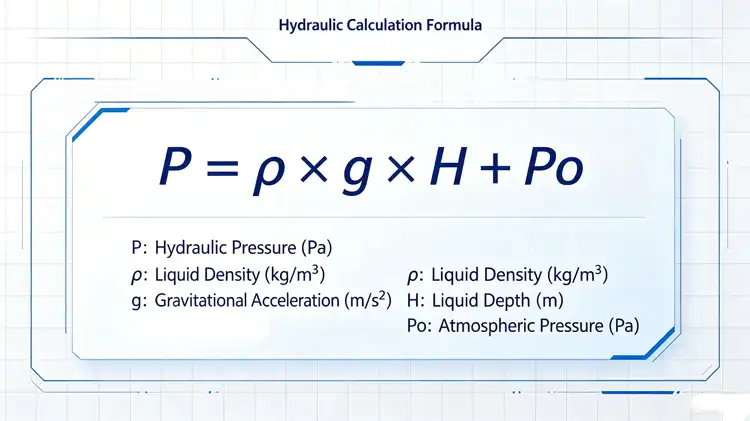
Pressure monitors work with the idea of hydrostatic pressure, which says that the height of a liquid column creates an equal amount of pressure. Using the equation P = ρ × g × H + Po, we can directly connect pressure (P) to depth (H), the density of the liquid (ρ), and the force of gravity (g). Because of this, pressure monitors are very sensitive to changes in density caused by temperature.
Sound waves from ultrasonic devices bounce off of liquid objects and are used to figure out distance by timing how long the waves take to move. When the amount of liquid rises or falls, capacitive devices measure how the dielectric constant changes between the electrodes. Mechanical buoyancy is what float switches work on, and physical movement is what sets off the switching processes. Each technology has its own benefits. Ultrasonic sensors can measure without touching the fluid, which makes them good for toxic fluids, while pressure-based designs can be accurate to the millimeter level in many industrial settings.
How Temperature Variations Impact Sensor Performance
Changes in temperature have more than one effect on tracking devices. The actual size of a sensor changes when the material expands. For example, metal housings expand while sealing parts shrink at different rates, which could compromise the waterproof integrity. When the temperature changes, transistors, resistors, and capacitors change how they work electrically. This is called drift. When working outside of their ideal temperature ranges, signal processing circuits may add noise or fix mistakes.
The growth of the tank and fluid adds to the problems. Due to thermal growth of both the liquid and the container walls, a storage container that holds 10,000 liters at 20°C may have a very different real amount at 60°C. Without the right correction, sensors show changes in level that don't match the amount of material present. Temperature changes between day and night can make it look like product volume has gone up or down when it hasn't. This is especially bad for managing inventory in oil storage.
Key Temperature-Related Measurement Challenges
Temperatures rarely stay stable in industrial settings. Chemical reactions go through stages of heating and cooling. Temperatures inside outdoor tanks change with the seasons, going from -20°C in the winter to +45°C in the summer. These changes in temperature cause three main problems: sensor drift, which makes readings less accurate over time; fast shifts in calibration when temperatures change quickly; and higher measurement noise, which makes it hard to see what the real amount is. When buying teams understand these problems, they can come up with solutions that use strong materials that can keep their accuracy over a wide range of temperatures and automatic temperature correction.
Detailed Effects of Temperature on Different Types of Water Level Sensors
Each type of monitor reacts differently to changes in temperature, so certain things need to be thought about when choosing tools and planning an installation.
Ultrasonic Sensor Temperature Sensitivity
The speed of sound waves moving through air changes by about 0.17% for every degree Celsius. If nothing is done to fix it, an ultrasonic monitor set at 20°C that measures a 5-meter distance will show an error of about 42 mm at 45°C. Modern ultrasonic devices have temperature monitors built in that constantly change the calculations for motion so that they stay accurate even when the temperature outside changes.
These effects are made worse by humidity, since water vapor changes the density of the air and how sound travels. Installations in damp places, like water treatment plants or cooling towers, need sensors with better compensation methods. Some more advanced models record both temperature and humidity at the same time and use multivariable corrections to level estimates.
Pressure-Based Sensor Performance Under Thermal Stress
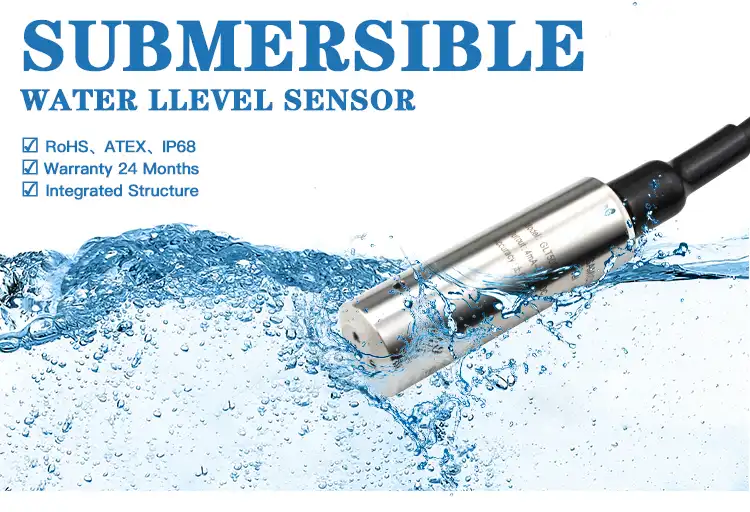
The temperature has the most direct effect on submersible level monitors, including the water level sensor. The GLT500 underwater water level sensor solves these problems by automatically adjusting the temperature inside its silicon piezoresistive pressure core. This gadget uses customizable digital circuit adjustment to keep readings accurate across its entire working range by making changes based on real-time temperature data.
Here are some of the best things about this device:
- All stainless steel construction keeps the device stable at high temperatures and reduces measurement errors caused by expansion. It also resists rust in chlorinated water, chemical solutions, and saltwater environments.
- Fully sealed circuit technology keeps electrical parts from getting damaged by thermal cycles and keeps moisture out, which speeds up failure in hot places.
- Multiple pressure ranges allow for different installation levels, from shallow swimming pools that need ranges of 0 to 2 meters to deep well tracking that needs ranges of 0 to 100 meters.
- Anti-clogging liquid entry design with pressure vent holes and anti-clogging liquid entry design make sure that the atmospheric pressure reference is correct, even when warmth causes air to expand in the vent tubes.
When temperatures change from 5°C to 50°C throughout the year, these benefits directly solve production problems that constant-pressure water supply systems face in high-rise buildings and swimming pool level sensing uses. The device uses the hydraulic pressure principle to figure out level with millimeter-level accuracy. This makes it good for projects that need to be accurate and stable over time.
Capacitive Sensor Dielectric Constant Changes
The dielectric constant of a liquid changes with temperature. For example, water's dielectric constant drops by about 0.4% for every degree Celsius. A sensitive sensor that measures the level of water will show changes even if the level stays the same. Even more sensitive are petroleum products; some fuels change their dielectric constant by 1% to 2% for every 10°C change.
When calibrating, the fluid and its estimated temperature range must be taken into account. When engineering managers order capacitive sensors for chemical processing, they should make sure that the sellers give them temperature characterization data and that the model they choose has the right compensation for the medium being tested.
Float Switch Mechanical Response to Temperature
Systems that use buoyancy have two problems: changes in the density of the float material and changes in the density of the stream both affect the switching points. Plastic floats may become softer at high temperatures, which can change how they move. Changes in viscosity affect how the float moves. When heated, some water-based solutions become more viscous, while thick oils become more flexible.
Stainless steel floats are more stable at high temperatures than plastics ones. The construction is made of 316L stainless steel, which doesn't rust and keeps its density constant across a wide range of temperatures. This makes the switches stable for both swimming pool monitoring and industrial process uses.
Best Practices and Calibration Techniques to Mitigate Temperature Effects
To keep measurements accurate when temperatures change, you need to use a system that includes proper testing, regular maintenance, and smart adjustment strategies.
Laboratory Versus Field Calibration Methods
Temperature, pressure, and reference values can be calibrated in a lab under controlled conditions to get very accurate results. Sensors are usually calibrated at more than one temperature point. Testing at the minimum, ambient, and highest stated temperatures is normal practice. This multi-point calibration makes adjustment models that are saved in the memory of the sensor.
Field calibration takes into account installation factors that can't be fully simulated in a lab. Performance of a water level sensor is affected by turbulence, the direction of the structure, and the specific properties of the fluid. Purchasing managers should give more weight to sellers who offer both factory calibration certificates and help with field setup. The customizable digital circuit in the GLT500 lets field workers make site-specific fixes without having to send the equipment back to the factory. This cuts down on downtime during system setup or maintenance.
Integrated Temperature Sensors and Compensation Algorithms
Modern pressure detectors have small temperature sensors next to the part that measures pressure. These sensors keep an eye on the temperature all the time and send information to microprocessors that make changes in real time. There are many types of compensation methods, ranging from simple linear fixes to complicated polynomial equations that take into account nonlinear heat effects over a wide range of temperatures.
Automatic temperature adjustment is something that all good industrial sensors do. Specifications for purchases should clearly state that this feature is needed, especially for uses where temperature changes can reach more than 20°C. Full automatic temperature adjustment is one of the most important features of the GLT500, setting it apart from cheaper models that don't have this function.
Maintenance Protocols and Troubleshooting Guidelines
By scheduling regular inspections, you can stop heat degradation from causing problems that you didn't expect. Every three months, you should check the waterproof seal to make sure it is still in good shape. Thermal cycling puts stress on seals and cable openings where water usually gets in. Visual inspection shows that the wire is damaged by UV light or mechanical wear that is sped up by temperature-induced material stiffening.
The output of the sensor is compared to standard readings as part of performance verification. Baselines for comparison can be found with portable level indicators or by hand using steel tapes. Deviations more than ±1% of the span mean that the product needs to be re-calibrated or that a part is wearing out. Checking that the ambient conditions are right for the sensor, looking for thermal gradient effects (where sensor bodies are in different temperature zones), and making sure the vent tube integrity is correct for submersible installations where blocked vents cause measurement errors are the first steps in fixing temperature-related problems.
Real-World Case Study Applications
In Texas, an oil storage center had problems with its inventory that kept happening in the summer when tank temperatures hit 50°C. An investigation showed that their current monitors weren't able to adjust to the daily 35°C change in temperature. Putting in temperature-compensated underwater sensors instead cut measurement mistakes from ±3% to ±0.25%, which stopped thousands of dollars in monthly false inventory losses.
A medicinal water treatment plant had to keep the store of purified water within ±2mm of accuracy, even though the temperature changed by 15°C from season to season. They used pressure-based level reading with temperature compensation built in, along with methods for checking the system every month in the field. This setup kept measurement precision within the required range for three years without having to be re-calibrated. This shows that choosing the right sensors and following the right upkeep procedures are important for long-term performance.
How to Choose the Right Water Level Sensor Considering Temperature Conditions
When choosing the right level measurement tools, you have to think about a lot of technical factors, practical needs, and the total cost of ownership.
Critical Selection Criteria for Temperature Performance
The range of operating temperatures is the most important characteristic. Most industrial monitors can work in temperatures between -10°C and +60°C, but some specialized devices can work in temperatures between -40°C and +125°C for difficult situations. Accuracy specs should clearly state how well the sensor works across the whole temperature range. For example, a sensor that says it is accurate to within 0.25% at 20°C might not be accurate to within 1% at the coldest or warmest temperatures without any adjustment.
As important as immediate precision is measurement reliability under thermal cycling. Sensors that show little to no drift over thousands of thermal cycles are needed for equipment that has to deal with daily temperature changes. Long-term stable standards, which are usually given as a percentage change per year, show how often the calibration needs to be done. A water level sensor that stays stable over a year to within 0.1% is useful in the chemical processing and energy industries because it lowers upkeep costs and makes process control more reliable.
Industry-Leading Suppliers and Technology Comparison
Well-known brands like Siemens, Honeywell, Endress+Hauser, and Schneider Electric make a wide range of level measuring products that include improved temperature correction. The Siemens SITRANS line uses digital signal processing to compensate for multiple variables, and Honeywell's SmartLine receivers have self-diagnostics that find thermal drift before accuracy goes down.
GAMICOS has a lot of experience making custom level reading products for a wide range of industries. Our GLT500 submersible sensor is used for exact level monitoring in swimming pools and constant-pressure water supply networks in business buildings. For situations where submersible placement isn't possible, our wider product line includes ultrasonic and radar technologies. Our engineering team knows the specific temperature problems that automation equipment makers, engineering contractors, and OEM partners needing custom solutions face because their devices have been sent to over 100 countries and are used in fields ranging from petrochemicals to wastewater treatment.
Importance of Vendor Support and Custom Capabilities
The quality of technical help is often what sets good purchases apart from great relationships. Application engineering help from suppliers helps match sensor technology to specific process conditions. Common mounting mistakes that hurt thermal performance can be avoided by following the instructions for installation. For example, putting sensors near heating elements or in direct sunlight can cause temperature changes that are hard to fix, even with good adjustments.
Customization features let you meet specific needs that normal goods can't. People often ask for customized cables that can handle oil for use in oil fields, materials that can handle acid and soda for use in chemical processing, and longer cable lengths for deep well tracking. Equipment makers can add level sensors to their goods with the right branding, paperwork, and certification for target markets with the help of OEM/ODM service providers.
Future Trends in Level Measurement Technology Addressing Temperature Challenges
Level measurement skills are still getting better thanks to new technologies that promise better performance in tough thermal circumstances.
Advanced Materials and Electronics Development
The thermal expansion rates of new sensing materials have gone down, and they are more stable across a wider range of temperatures. Silicon carbide pressure monitors stay accurate from -55°C to +200°C, which lets them be used in harsh settings where expensive exotic alloys were once needed. Ceramic sensitive elements are more stable at high temperatures than metal electrodes and are less likely to be damaged by chemicals.
New developments in electronics include analog-to-digital converters that can automatically adjust for temperature and microprocessors that can make complex changes for multiple variables. These parts lower the need for tuning while increasing the temperature ranges that can be used. Improvements in power consumption make it possible for battery-powered wireless monitors to last for years without any upkeep in remote locations with harsh weather.
IoT-Enabled Smart Sensors and Predictive Maintenance
When connected to the internet of things, level monitors go from being simple measuring tools to smart system parts. In addition to level data, smart devices constantly record temperature. They send this data to central tracking platforms via LoRa, GPRS, NB-IoT, or 4G networks. Cloud-based analytics find patterns of degradation before they happen. For example, slow rises in temperature-corrected measurement noise indicate that sensor problems are about to happen, which sets off maintenance alerts.
Predictive calibration algorithms learn how sensors work over time and change the compensation settings automatically as parts get older. With this feature, calibrations can be done more than once a year instead of once every year. This lowers maintenance costs while increasing efficiency. Remote monitoring lets one person keep an eye on many sites spread out across the world. This is especially useful for keeping an eye on pipelines, environmental issues, and industry facilities that are spread out geographically.
Industry 4.0 Impact on Measurement Accuracy
As manufacturing goes digital, measurements need to be more accurate than ever before to support tight process control. Level sensors work with business resource planning tools, programmable logic controllers, and distributed control systems to create closed-loop input that makes the quality of the product better. Chemical reactors change feed rates based on temperature-corrected level measures to keep exact stoichiometric ratios. Real-time temperature compensation data feeds process models that optimize output parameters.
Machine learning programs look at old measurement data along with temperature records to find connections that make the process run more smoothly. A food processing company might find certain mixtures of temperatures that predict the best quality of the product and then adjust its operations automatically to keep these conditions. These features make level measurement more like strategic process intelligence than just tracking, which is why it's worth spending money on high-end sensor technology that performs better in hot conditions.
Conclusion
Temperature has a big effect on the accuracy of level measurements in all sensor systems and industry settings. By following the right steps for calibration, choosing devices that automatically adjust for temperature, and setting up regular maintenance schedules, you can keep measurement accuracy even when the temperature is high or low. On the global market, there are both well-known suppliers and specialized companies like GAMICOS that make custom products for a wide range of industrial fields, including the water level sensor. As IoT and Industry 4.0 ideas get better, temperature-aware smart sensors will offer reliability and intelligence that have never been seen before. Picking the right technology now is an investment in long-term business greatness.
FAQ
What temperature range should industrial level sensors withstand?
Standard industrial sensors can work in temperatures ranging from -10°C to +60°C, which is enough for most indoor uses. Extended-range devices that can work from -40°C to +125°C are needed for outdoor setups or processes that need to be done in harsh circumstances. For reliability's sake, always make sure that the sensor's stated working range is at least 10°C wider than the temperature fluctuations that are expected in your application.
How often should temperature-compensated sensors require recalibration?
In normal situations, good sensors that can automatically adjust for temperature usually stay accurate for 12 to 24 months before they need to be calibrated again. In harsh settings with high temperature changes, corrosive fluids, or mechanical stress, it may be necessary to check every three months. Calibration once a year is the best way for the business to balance the cost of maintenance with the guarantee of accuracy.
Can existing sensors be upgraded with temperature compensation?
It is not possible to adapt older analog sensors that don't have built-in temperature correction. To upgrade, the sensor needs to be replaced with a more modern device that has electronics for measuring temperature and making adjustments. Most of the time, this investment pays off quickly because better accuracy cuts down on process waste and stocking errors, usually more than paying the cost of the replacement within a few months.
Partner With GAMICOS for Temperature-Resilient Level Measurement Solutions
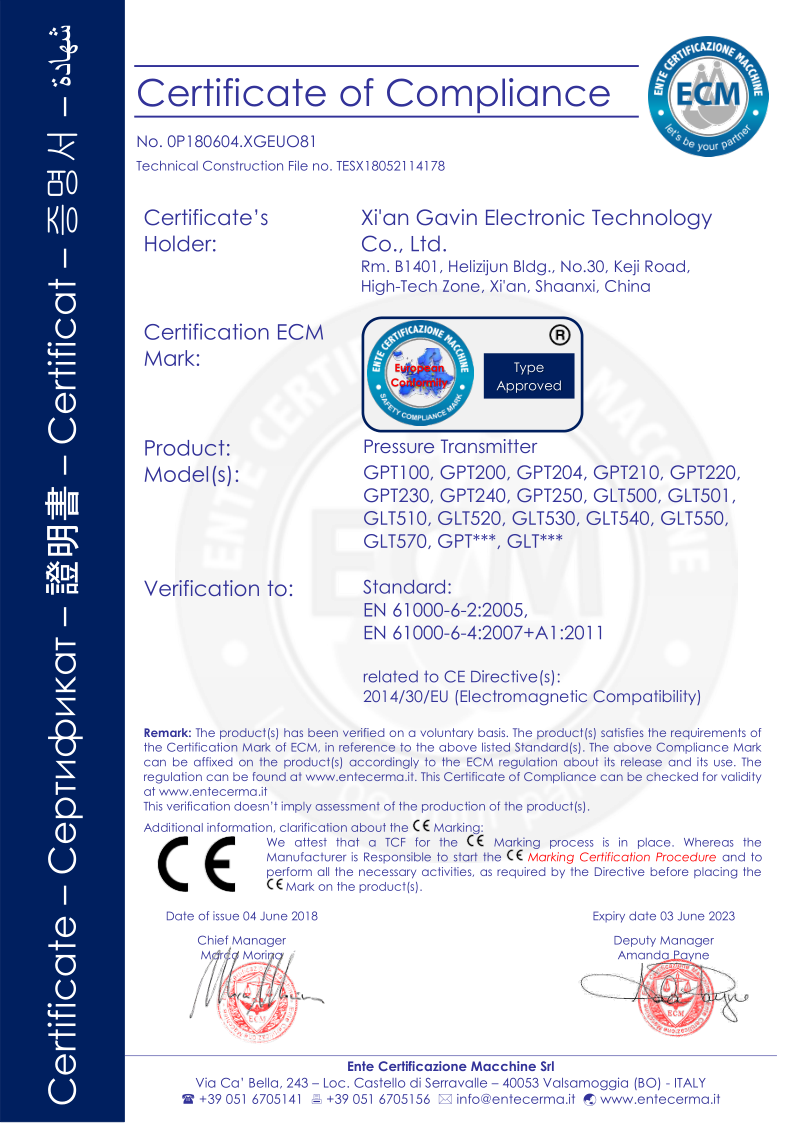
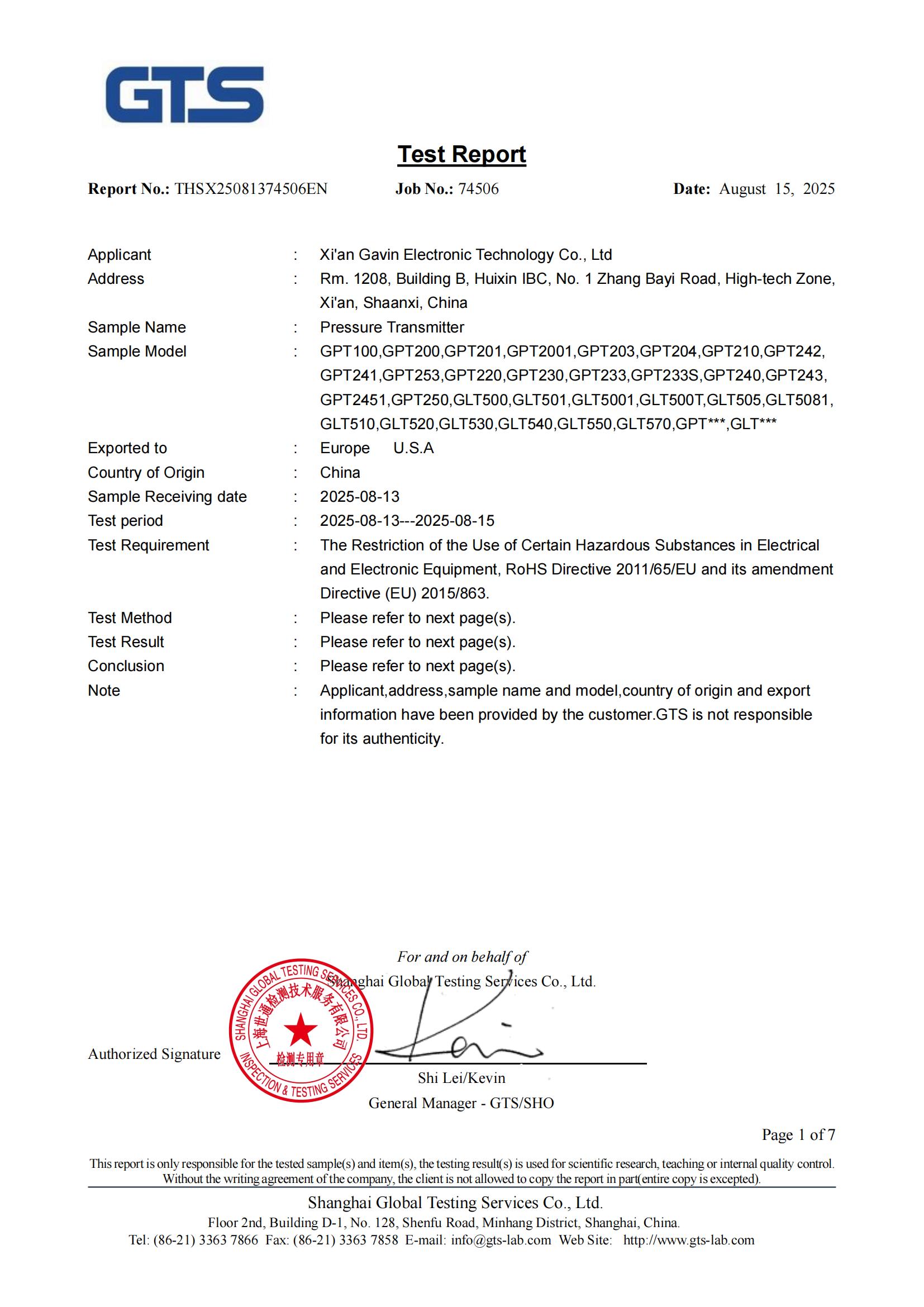
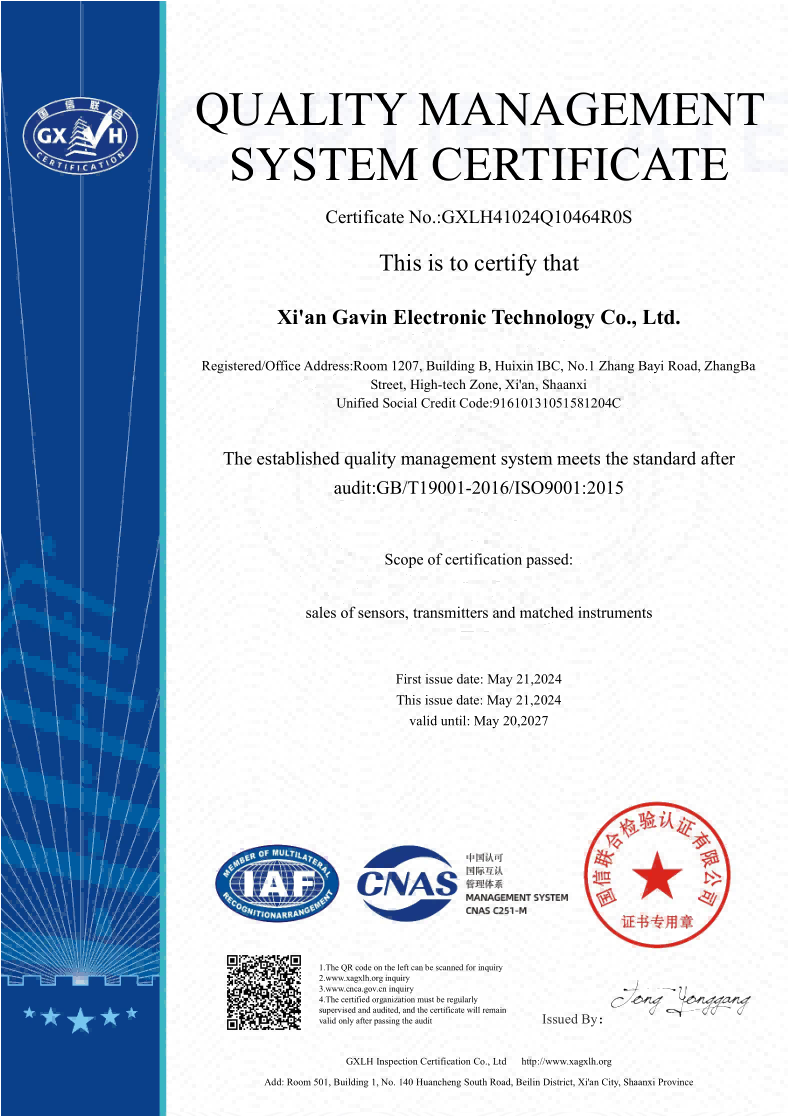
Precision level and pressure measurement tools made for tough industrial settings are what GAMICOS does best. The GLT500 submersible water level sensor is made of strong stainless steel, automatically adjusts to changes in temperature, and can be programmed to make corrections. It is perfect for tracking swimming pools and systems that provide steady pressure water. As a top water level sensor maker that works with more than 100 countries, we offer full OEM/ODM customization, which includes custom cables, communication methods, and certifications that meet international standards like CE, RoHS, and ISO.
Our engineering team has a lot of experience in the energy, water treatment, chemicals, pharmaceuticals, and oil and gas industries, so they know how to solve the temperature problems your products are having. We help building workers, companies that make automation equipment, and instrument distributors by giving them expert advice, helping them with installation, and quick service after the sale to make sure that measurements are accurate for a long time.
GAMICOS has a wide range of products, allows for easy customization, and provides expert support that your procurement team needs, whether they're upgrading current systems or choosing tools for new projects. Get in touch with us at info@gamicos.com to talk about your temperature-compensated level measurement requirements and find out how our solutions can help you be more precise in your work.
References
1. Webster, J. G. (2017). The Measurement, Instrumentation, and Sensors Handbook: Spatial, Mechanical, Thermal, and Radiation Measurement. CRC Press.
2. Liptak, B. G. (2018). Instrument Engineers' Handbook: Process Measurement and Analysis (5th ed.). CRC Press.
3. Hughes, T. A. (2020). Measurement and Control Basics (5th ed.). International Society of Automation.
4. Nyce, D. S. (2016). Linear Position Sensors: Theory and Application. John Wiley & Sons.
5. Bela, L. (2019). Level Measurement in Industrial Applications: Practical Guidelines for Optimal Sensor Selection and Installation. Springer.
6. International Society of Automation (2021). Temperature Compensation Methods for Industrial Pressure and Level Sensors: ISA Technical Report. ISA Standards and Practices Department.

Peter
Peter, Senior Sensor Technology Consultant, has 15-year industrial sensor R&D experience. He specializes in the end-to-end development of high-accuracy pressure and level sensors and he firmly believe, precision isn’t just a spec—it’s a promise.
We're here to help — submit your request anytime!
Let us know how we can help solve your pressure level measurement challenge.
_1757930850792.jpg)
Recommended Blog
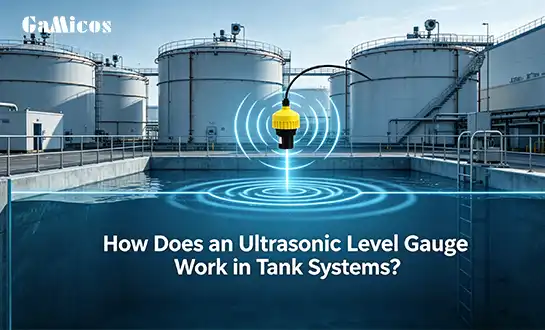
How Does an Ultrasonic Level Gauge Work in Tank Systems?
How Does a Fuel Level Sending Unit Improve Gauge Accuracy?
How Does an Ultrasonic Level Gauge Work in Tank Systems?
How Does a Fuel Level Sending Unit Improve Gauge Accuracy?
How Does an Ultrasonic Level Gauge Work in Tank Systems?
How Does a Fuel Level Sending Unit Improve Gauge Accuracy?
How Does an Ultrasonic Level Gauge Work in Tank Systems?
How Does a Fuel Level Sending Unit Improve Gauge Accuracy?