Guide to Installing a Submersible Water Level Sensor Probe
Understanding Submersible Water Level Sensor Probes
- Understanding Submersible Water Level Sensor Probes
- Step-by-Step Installation Guide for Submersible Water Level Sensor Probes
- Comparing Submersible Water Level Sensor Probes with Other Technologies
- Procurement Considerations for B2B Clients
- Maximizing Performance and Longevity of Submersible Water Level Sensor Probes
- Conclusion
- FAQ
Whether your liquid measurement system gives you accurate data or causes you operational headaches depends on how well you install a water level sensor probe. These days, water level sensor probes are an important part of process control, industrial automation, and garbage management. These gadgets work by turning hydrostatic pressure into electrical signs. They give accuracy down to the millimeter level, which helps procurement teams and engineering managers keep the system's purity. B2B clients can get the most accurate measurements while reducing downtime and upkeep costs by understanding the installation process, choosing the right technology, and buying strategies.

Understanding Submersible Water Level Sensor Probes
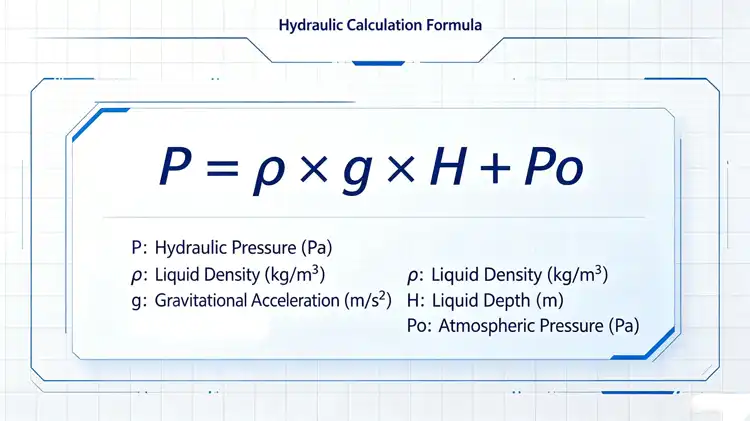
Submersible pressure-based level monitors find out how deep a liquid is by measuring the atmospheric pressure of the fluid column above the monitoring element. The formula for how it works is P = ρ × g × H + Po, where P is the pressure at the surface of the sensor, ρ is the density of the liquid, g is the speed of gravity, H is the depth below the surface, and Po is the pressure of the air above the liquid. Unlike acoustic sensors, which can have trouble with foam or mist, this pressure-based measurement method always gives accurate results, no matter how the tank is shaped or how the liquid surface is textured. A water level sensor probe provides reliable data in these conditions.
Core Technologies and Components
Deep-sea tools today are built around a silicon piezoresistive pressure sensor core. With this technology, changes in mechanical pressure are turned into changes in electrical resistance. Complex electronics then turns these changes into standard industrial signs. The GAMICOS GLT500 is a good example of this method because it has fully automated temperature adjustment and customizable digital correction circuits that keep measurements stable even when the environment changes. The all-stainless steel construction can handle the harsh conditions in petroleum plants, drug factories, and wastewater treatment plants.
Key Features for Industrial Reliability
In industrial settings, sensors must be able to handle tough working conditions for a long time. Sensitive electronics are kept dry by multi-layer safety structures, and fully waterproof sealed circuit technology stops the fails that happen with cheaper designs. Anti-clogging liquid entry designs with pressure vent holes keep the service life longer by stopping the buildup of grit that makes accuracy worse. These features are very important in many situations, from tracking oil fields to city water supply networks, where broken sensors can stop important processes and require expensive repairs.
Common Industrial Applications
Constant-pressure water supply systems depend on accurate level readings to keep the exit pressure fixed even when demand changes. This technology is used to make sure that high-rise buildings, business centers, and industrial facilities always have water and protect their equipment. Finding the level of a swimming pool is another important task that needs millimeter-level accuracy to make sure it is done safely and efficiently.
This method for measuring hydrostatic pressure works perfectly for pools of all sizes, and the 316L stainless steel design doesn't break down when chlorinated water comes in contact with it. In addition to these uses, water level sensor probes are used in places like shipping, pharmaceutical manufacturing, wastewater treatment plants, and fuel storage facilities to control the level of liquids. This is important for safety and efficiency.
Step-by-Step Installation Guide for Submersible Water Level Sensor Probes
Successful launches are different from systems that are constantly out of sync because they weren't installed correctly. Before putting a water level sensor probe into a tank or pond, engineering managers and project managers need to think about a number of things. Long-term success and the total cost of ownership are affected by the planning part.
Pre-Installation Planning and Site Assessment
The first step in evaluating the environment is to look at the properties of the liquid, such as its mass, viscosity, temperature range, and chemical make-up. For sensors that are meant to work in acidic or basic conditions, they need special cable materials that have better strength. The GLT500 can be customized with wires that are resistant to wear, oil, and acids and bases, so it can be used for a variety of measurement tasks.
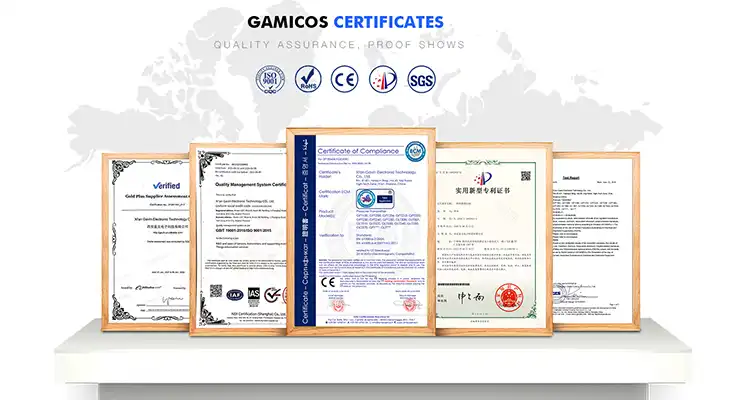
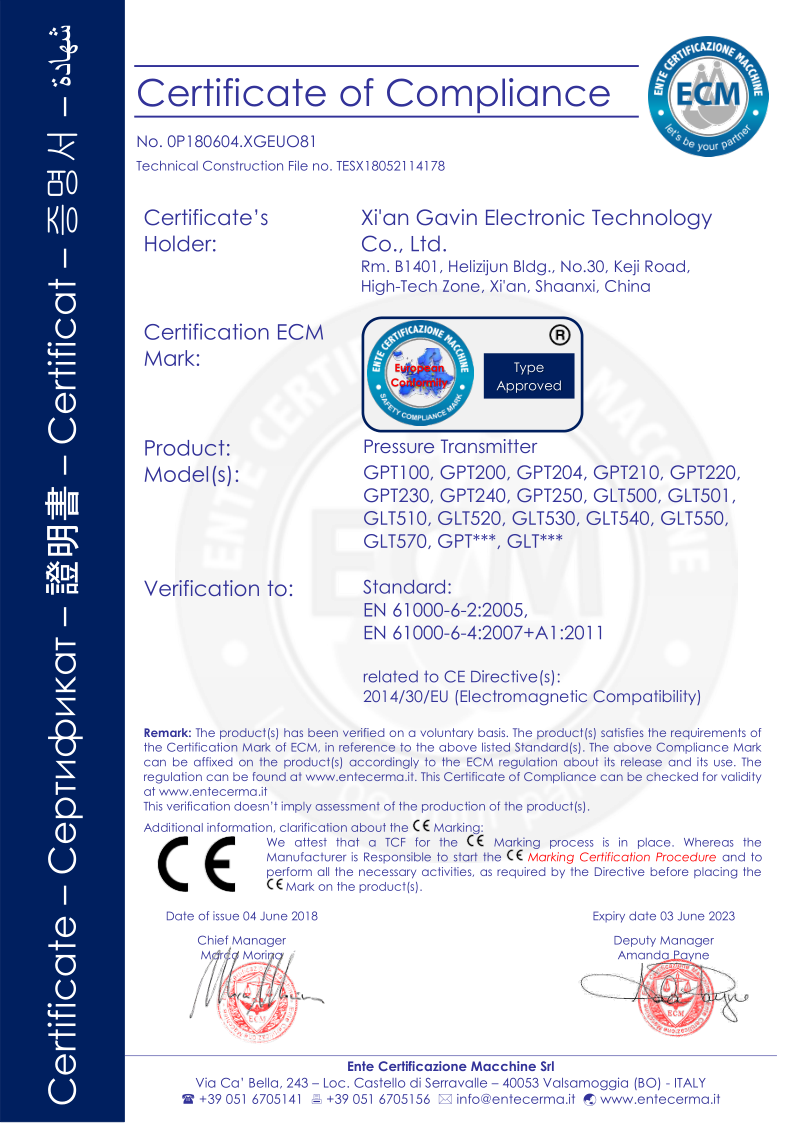
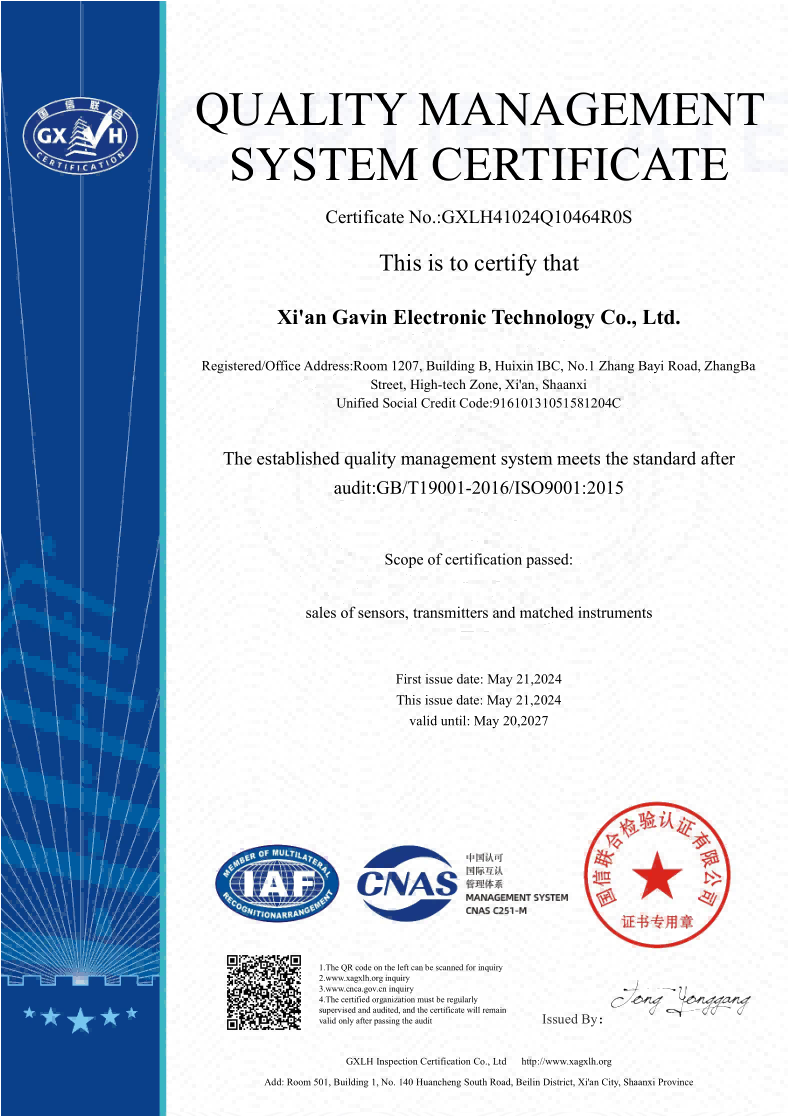
The highest depth of the liquid affects the measurement range. For different uses, pressure ranges are offered from 1 to 200 meters. Teams in charge of buying things should make sure that the models they are considering have the right certifications. For example, CE, RoHS, and ISO compliance make sure that the models are compatible with international safety standards and make the approval process easier.
Mechanical Mounting and Cable Management
The sensor tip should go down to the lowest amount of liquid that is expected, but it shouldn't touch the bottom of the tank, where sediment builds up. Using mounting clamps or support systems, the device is put in the right place at the right depth. When arranging cables, you need to be very careful not to cause kinking, abrasion, or strain that could damage the internal conductors.
There are high-strength venting cables with special tools that can be used in places where wires are subjected to mechanical stress or harsh chemicals. The venting tube inside the wire evens out the pressure at the sensor diaphragm, so measurements are always accurate even if the pressure in the environment changes. This is what makes high-quality submersible sensors different from protected gauge-pressure devices.
Electrical Connections and Signal Integration
Standard industrial output signs make it easier to connect to control systems and data gathering tools that are already in place. Simple rules govern the connection process: find out what kind of power is needed, match the signal type (4-20mA, 0-5V, RS485, or wireless protocols), and make sure there is good grounding to avoid electrical noise interference. Different pressure ranges and signal output choices make the device adaptable to a wide range of automation designs. When integrating with IoT platforms for remote tracking, wireless connection features get rid of the need for expensive cables and let control rooms receive real-time data.
Calibration and Verification Procedures
Post-installation testing checks the accuracy of the measurements before the device is turned on. The process includes comparing the readings from the sensors to known levels of liquid that were found by measuring by hand or using reference tools. Temperature correction units fix how temperature changes the density of liquids and how well sensors work.
Built-in high-quality sensors have a high sensitivity and a fast response time, so they can accurately show changes in the dynamic level. Calibration records keep track of average performance and set points for when repair should be done in the future. Automation system managers should set up regular checks, usually every six months to a year, but this can change based on how important the application is and how the system is being used.
Comparing Submersible Water Level Sensor Probes with Other Technologies
The choice of technology has a big effect on the accuracy of measurements, the amount of upkeep needed, and the total cost of ownership. Understanding the differences between a water level sensor probe and other ways of sensing helps procurement managers choose the best options for each job.
Submersible Probes versus Ultrasonic Sensors
By sending out high-frequency sound waves and measuring the round-trip time, ultrasonic devices can figure out how far away they are from the surface of the liquid. This method doesn't involve touching anything, so it's clean and good for corrosive liquids. However, ultrasonic technology has trouble with foam, air, and rough surfaces that spread sound waves. Submersible pressure-based devices get rid of these worries because they measure hydraulic pressure directly, giving accurate results no matter what the surface conditions are like. Submersible probes are easier to install than sensors that are mounted on top of tanks, which can't always be done because of room or structure issues.
Float Switches and Capacitive Level Sensors
You can easily turn float switches on and off at set levels, but they don't have the ongoing measurement feature that is needed for process control and inventory management. Capacitive sensors pick up changes in the electrical capacitance between the probe and the tank wall as the level of the liquid changes. This allows for continuous measurement, but tuning needs to be changed when the properties of the liquid change. When used in their normal working ranges, submersible pressure probes give continuous, accurate readings that are not affected by changes in the density or dielectric qualities of the liquid.
Wireless and IoT-Enabled Monitoring
In today's workplace settings, remote tracking tools that cut down on site visits and allow for planned repair are becoming more and more important. Wireless submersible sensors with LoRa, GPRS, NB-IoT, or 4G transmission units send data in real time to cloud platforms that can be accessed from any device that can connect to the internet. Advanced analytics, trend analysis, and automatic alerting systems that let workers know about problems before they become serious are all made possible by this connectivity. When R&D managers look at upgrading sensors, they should focus on wireless features that make setups flexible enough to adapt to changing business needs.
Procurement Considerations for B2B Clients
When making strategic choices about buying, it's important to weigh the original costs against the long-term value, dependability, and provider support capabilities. Sourcing managers who are in charge of buying a water level sensor probe have to look at more than just unit price.
Pricing Structures and Volume Advantages
Most of the time, bulk purchase deals lead to big price cuts. This is especially true for OEM customers who need regular sensor sources for making equipment. Suppliers with flexible minimum order amounts can work with both large-scale industrial projects and small-scale test operations. Clear price systems that split the cost of the base sensor from the cost of customization make budgeting much more accurate. When engineering managers compare prices, they should ask for the total landed costs, which include shipping, taxes, and any accessories that are needed. This way, they can avoid being surprised by extra costs.
Lead Times and Supply Chain Reliability
Delivery plans are directly affected by how much can be produced and how well material is managed. Well-known makers keep common setups in stock, which lets standard orders be filled quickly and within days. Custom requirements that need unique connections, mounting hardware, or communication methods make wait times longer so that manufacturers can make the necessary changes. Sourcing managers should ask for clear delivery promises and ask about options for speeding up production in case of urgent replacements. Strong bulk supply capabilities set trusted partners apart from sellers who might have trouble allocating during times of high demand.
Evaluating Supplier Credentials
Reputable sensor makers show what they can do by having certificates, patent portfolios, and customer examples from a wide range of businesses. GAMICOS is a good example of this type of company because it sells goods in over 100 countries and serves thousands of customers every year in North America, Europe, Asia, Africa, and Oceania. The company's specialized research and development (R&D) department, many patents, and partnerships with research institutes make sure that products are always getting better to meet market needs. Metrology institutions that have approved quality assurance methods give people trust in the accuracy and long-term stability of measurements.
Customization and Technical Support
OEM and ODM services let products be changed to fit specific uses. This includes adding custom sensor ranges, using special materials, changing the size, and putting the product in branded packages. This freedom is very helpful for companies that make tools and want to add level monitors to their own systems. Full expert help during the whole process of choosing a product, installing it, commissioning it, and using it makes the sensor work better and lowers the risks of implementation. Responding quickly to after-sales service needs, such as timely maintenance, repair coordination, and expert advice, ensures long-term system stability and customer happiness.
Maximizing Performance and Longevity of Submersible Water Level Sensor Probes
As long as you do preventative maintenance and follow best practices for operation, a water level sensor probe will last longer and keep measuring accurately throughout its lifetime. When managers of automation and industrial control systems use these strategies, they lower the total cost of ownership and keep their systems from going down without warning.
Routine Inspection and Preventive Maintenance
Visual checks done on a regular basis can find physical damage, worn cables, or rust before they get bad enough to stop the sensor from working. Cleaning methods get rid of dirt buildup or bacterial growth that could affect how pressure is transmitted. The service period depends on the type of liquid. For example, clean water uses may only need to be inspected once a year, while wastewater or chemically aggressive environments need to be checked every three months. Recording what was found during inspections creates performance trends that help with planning when to replace something and how much it will cost.
Calibration Management and Drift Correction
Measurement drift happens slowly over time as sensor parts wear out or when environmental factors change the calibration. Using reliable reference standards for regular calibration checks keeps the accuracy within the limits set by the specifications. A lot of factories have calibration labs with deadweight testers or precise pressure guides that let them check things themselves. When drift goes beyond what is acceptable, either the accuracy is restored through recalibration processes or the sensor needs to be replaced. Under normal conditions, the service life lasts four to five years. In hard settings with high particulate loads, extreme temperatures, or harsh chemicals, the service life drops to two to three years.
Technology Upgrades and System Integration
As technology improves, it becomes possible to add new features to older systems. If you switch from an analog 4-20mA output to digital transmission methods, you can get more diagnostic data and it will be easier to integrate the system. Wireless tracking upgrades get rid of the need for cables and allow access to measurement data from afar. When multiple sensors are connected to a central IoT platform, their data is combined. This helps with complete building management and proactive maintenance plans. These improvements help businesses change their operations as needed without having to update their whole systems.
Conclusion
Installing a water level sensor probe correctly requires careful planning, good performance, and smart choices about what to buy. When matched correctly to the surroundings and system needs, the technology provides accurate and reliable liquid level measurement in a wide range of industrial settings. When procurement teams work with experienced makers who offer full support, the ability to customize products, and proven product quality, they gain a competitive edge.
Regular testing and maintenance keep measurements accurate throughout the sensor's lifetime, and updates to technology put facilities in a position to use new IoT and remote tracking features. If engineering managers and sourcing professionals follow the advice in this piece, they will be able to safely choose, install, and maintain submersible level sensors that improve process control and operational efficiency.
FAQ
How frequently should submersible water level sensor probes be calibrated?
How often calibration is done depends on how important the tool is and where it is used. Checks for non-critical tracking applications may be done once a year, while checks for critical process control applications need to be done every six months. In harsh settings with high temperatures or liquids that are very acidic, calibration checks need to be done more often to find measurement shift early.
Can submersible probes withstand chemically aggressive environments?
Quality water level sensor probes made from 316L stainless steel can withstand a wide range of toxic liquids, such as chlorine water and many industrial chemicals. Specialized wire materials protect against oils, acids, and alkalis even more. When buying sensors for very harsh settings, making sure that the seller knows about chemical compatibility is important for choosing the right materials.
What are typical lead times for bulk sensor orders?
Standard versions usually ship within one to two weeks from well-known makers who keep stock. Lead times are extended to three to four weeks to account for manufacturing changes caused by custom specs that need special wires, changed pressure ranges, or unique output signals. For pressing needs, there may be choices for faster production.

Peter
Peter, Senior Sensor Technology Consultant, has 15-year industrial sensor R&D experience. He specializes in the end-to-end development of high-accuracy pressure and level sensors and he firmly believe, precision isn’t just a spec—it’s a promise.
We're here to help — submit your request anytime!
Let us know how we can help solve your pressure level measurement challenge.
_1757930850792.jpg)
Recommended Blog
How Submersible Level Sensors Monitor Corrosive Liquids

Benefits of Using Submersible Diesel Level Sensors in Fuel Tanks
How Submersible Pressure Sensors Improve Closed Chemical Tank Safety
Water Level Sensor Probe Maintenance Tips for Longer Service Life
How Submersible Level Sensors Monitor Corrosive Liquids
Benefits of Using Submersible Diesel Level Sensors in Fuel Tanks
How Submersible Pressure Sensors Improve Closed Chemical Tank Safety
Water Level Sensor Probe Maintenance Tips for Longer Service Life
How Submersible Level Sensors Monitor Corrosive Liquids
Benefits of Using Submersible Diesel Level Sensors in Fuel Tanks
How Submersible Pressure Sensors Improve Closed Chemical Tank Safety
Water Level Sensor Probe Maintenance Tips for Longer Service Life
How Submersible Level Sensors Monitor Corrosive Liquids
Benefits of Using Submersible Diesel Level Sensors in Fuel Tanks
How Submersible Pressure Sensors Improve Closed Chemical Tank Safety
Water Level Sensor Probe Maintenance Tips for Longer Service Life