OEM Diesel Level Sensor Solutions for Industrial Projects
Understanding Diesel Level Sensors: Technology and Types
- Understanding Diesel Level Sensors: Technology and Types
- Choosing the Right Diesel Level Sensor: A B2B Procurement Guide
- Installation and Maintenance Guide for Diesel Level Sensors
- Enhancing Industrial Efficiency with OEM Diesel Level Sensor Solutions
- Where and How to Purchase Diesel Level Sensors for Industrial Projects?
- Conclusion
- FAQ
- Reliable Diesel Level Sensor Manufacturer for Your Industrial Projects
Getting an accurate reading of the fuel level is very important in workplace settings, where even small errors can cause problems, put people in danger, and cost money. These problems can be solved by OEM diesel level sensor systems that keep track of fuel levels reliably and in real time in a wide range of industrial settings. From oil refineries and chemical plants to ships and bulk fuel storage facilities, these precise tools help sourcing managers and engineering teams keep track of supplies, keep expensive equipment from breaking down, and make sure that safety standards are met. It is now possible for advanced sensor technologies to work smoothly with automated tracking systems. This means that configurations can be changed to fit the needs of any industry setting.

Understanding Diesel Level Sensors: Technology and Types
Industrial fuel management needs accurate tools that can work in hard conditions and keep their accuracy over time. There have been big changes in the technologies used in fuel measurement systems, especially when they are used with oil products and industrial fluids.
Core Technologies Behind Fuel Measurement
Modern fuel level measurement uses a number of tried-and-true methods, each of which has its own benefits based on the needs of the business. Submersible sensors work by reading the weight of a liquid column to figure out the level very accurately using hydrostatic pressure sensing. This method works especially well for storing diesel where changes in temperature can affect the density of the fuel.
Ultrasonic monitors use the way sound waves travel to figure out how far away they are from the surface of a liquid. These non-contact devices work well in storage tanks that are above ground, but they need to be aware of air and temperature differences that can mess up signal transmission. Capacitive sensors can reliably pick up changes in electrical capacitance as fuel levels change. They work best in places where temperatures change only slightly. Magnetostrictive technology is an advanced method that uses interactions between magnetic fields along a tool to find the exact height of the fuel. This method is very accurate over a wide range of measurement ranges, so it can be used for setups with a lot of storage space.
Comparing Sensor Configurations for Industrial Applications
In different industrial settings, different types of sensors are needed. Submersible hydrostatic sensors work great in situations where they need to be in direct touch with fuel because they are built to last and don't need much upkeep. Their fully sealed design keeps them from getting dirty and lets them handle being exposed to oil products for long periods of time. Non-contact sensing methods work well in situations where direct touch with the fuel is difficult or where placement restrictions make it hard to get to liquid surfaces. Since ultrasonic devices are mounted above the liquid, there are no worries about whether the chemicals used in the measurement components will react with them. Technicians can get to sensors without having to empty tanks, which makes repair easier.
Calibration Requirements and Maintenance Protocols
The accuracy of the measurements from a diesel level sensor rests on how well the calibration is matched to the fuel and the situations under which it is used. When dealing with petroleum goods, temperature adjustment is very important because diesel fuel's density increases by about 0.08% per degree Celsius. Good monitors have built-in temperature adjustments that keep them accurate even when the weather changes.
Drift can be found before it affects operational choices by regularly checking against known reference values. We suggest writing down standard readings during the initial installation and comparing them on a regular basis to find small changes in the calibration. Most industrial sensors stay accurate within ±0.25% of full scale as long as they are properly kept. This helps with managing supplies and setting up automatic ordering systems.
Choosing the Right Diesel Level Sensor: A B2B Procurement Guide
When choosing fuel measurement tools for industrial projects, procurement managers have to think about a number of things. Selection factors include more than just the initial purchase price. They also include the total cost of ownership, how well it works with current infrastructure, and how well the seller can support it.
Critical Decision Factors for Industrial Procurement
Different businesses have very different needs for measurement accuracy. For power production, ±0.5% accuracy is fine for bulk fuel storage, but ±0.1% accuracy is needed for custody transfer uses. By knowing exactly what level of accuracy you need, you can avoid over-specification and make sure that important applications get the speed they need. Resistance to the environment is also very important. In seaside marine facilities, sensors must be able to handle salt spray and high humidity. In chemical plants, sensors must be able to work with vapors that could be harmful. When submerged for a long time, the IP68 protection grade keeps water out and works well for most submersible uses.
Logistics of installation affect both the cost of operation at the start and how well it works in the long run. Sensors that need to be inserted into the tank are harder to install than non-contact options, but they usually work better. Wireless designs get rid of the need for pipe runs and make retrofitting easier, but they require a constant power source or need to be maintained with batteries.
Evaluating Supplier Capabilities and Support
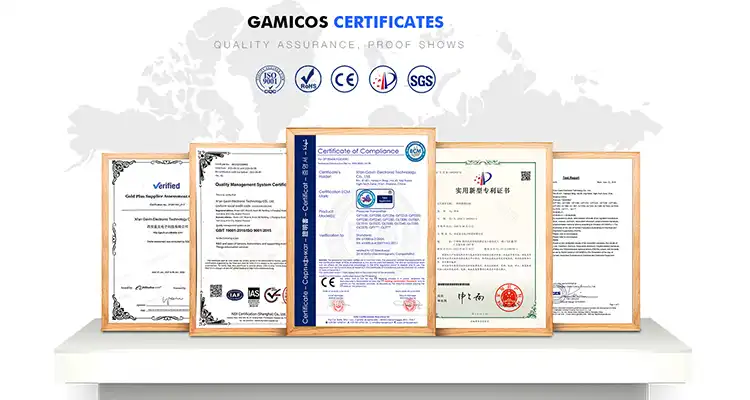
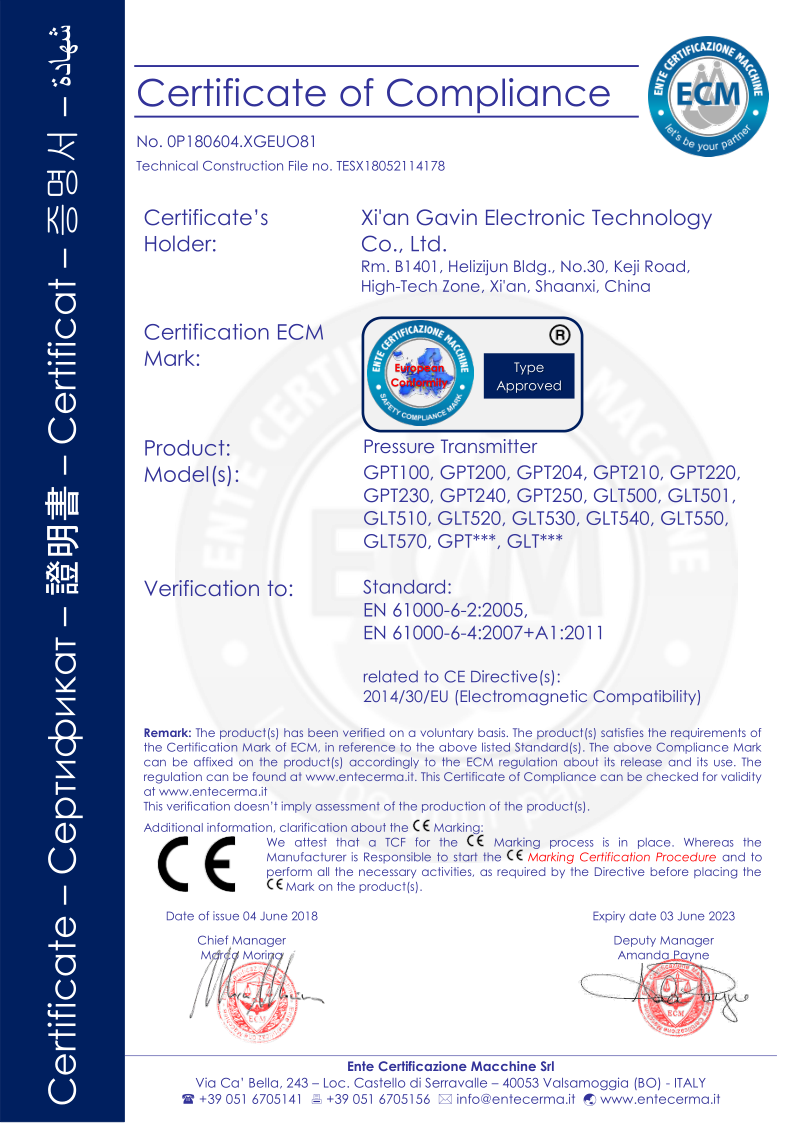
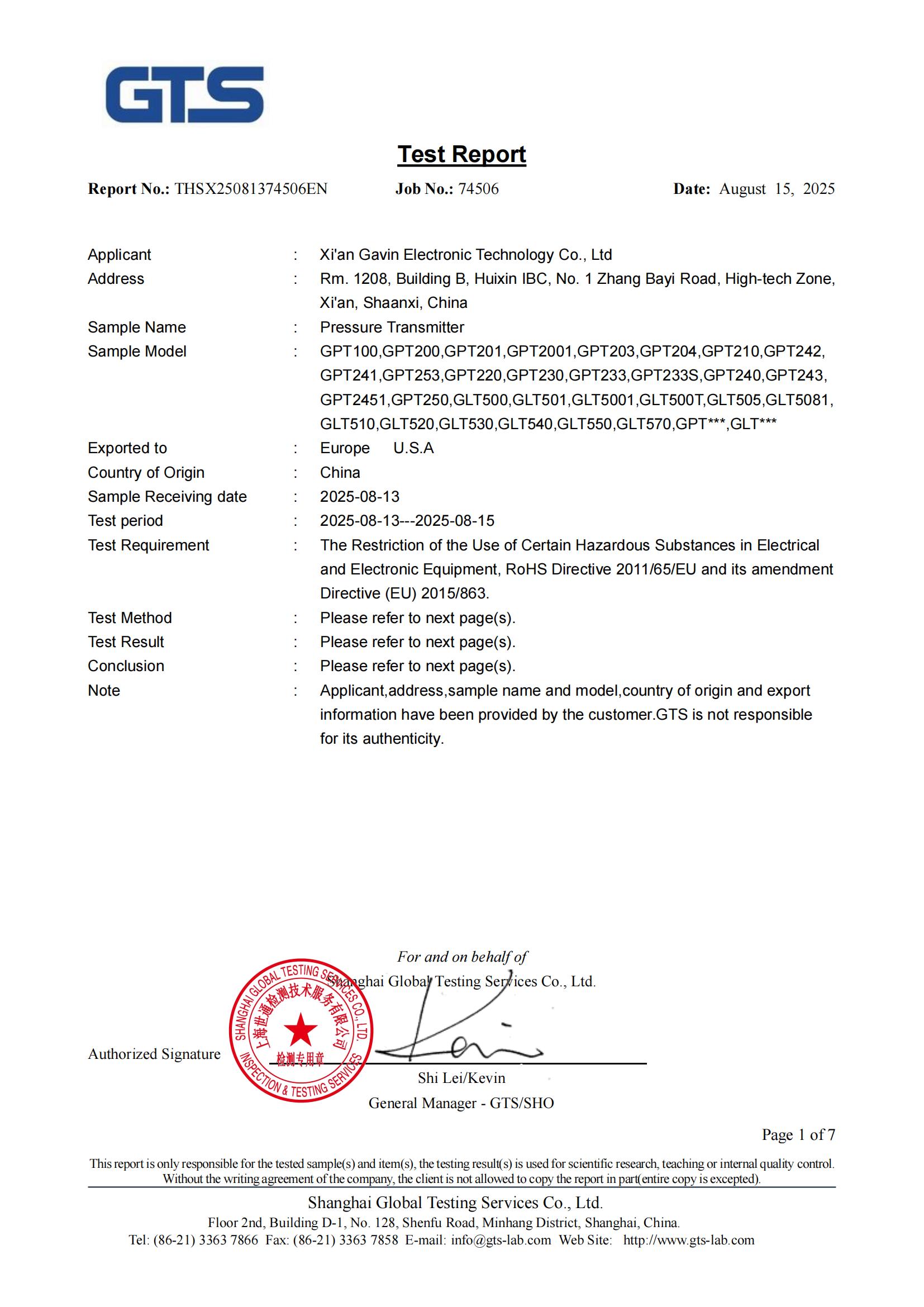
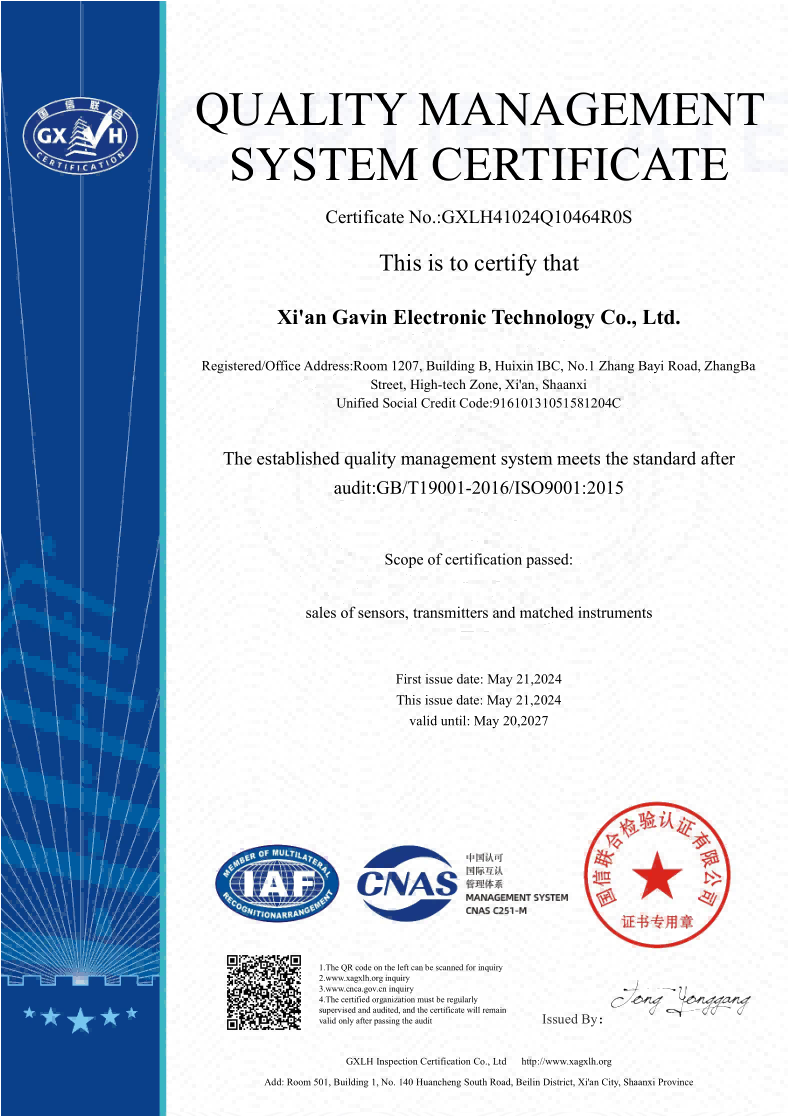
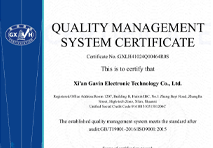
Well-known brands like Honeywell and Siemens offer stability that has been tested and backed by a lot of application experience. Their goods usually cost a lot, but they come with a lot of information and help networks around the world. For standard setups, regional providers often offer faster expert support and more affordable prices. Check a possible supplier's quality certifications, especially ISO 9001 for manufacturing methods and product certifications like ATEX for explosion-proof equipment or CE marking for compliance with the European market. RoHS compliance makes sure that materials are chosen in a way that is good for the environment.
Wired Versus Wireless Configuration Trade-offs
Traditional cable sensors like the diesel level sensor provide constant power and data transfer without the need to worry about replacing batteries. Standard analog outputs (4-20mA) or digital methods like Modbus make it easy to connect them to current control systems. Cable runs and conduit security are part of the installation costs, which can add up to a lot for big sites. Wireless sensors make placement easier and allow tracking in places where wires wouldn't work. In open areas, modern wireless protocols allow for safe contact lengths of more than 1,000 meters. However, physical barriers may require repeater sites. Depending on how often they are reported, batteries usually last between 3 and 7 years, so regular repair rounds are needed for remote installations.
Installation and Maintenance Guide for Diesel Level Sensors
When you place the sensor correctly, it sets the stage for reliable fuel level tracking for the entire life of the sensor. Engineering managers can avoid common installation mistakes and get accurate numbers from the first commissioning by learning about rollout best practices.
Pre-Installation Site Assessment
Before putting in any sensors, you should carefully check the shape of the tank, the fuel's properties, and the surrounding surroundings. Find the best place to put the sensors so that they don't get stuck in areas that are likely to get rough during the filling process or where foam could build up and change the results. Keep an eye on how close the level is to tank vents, heating fans, or anything else that could cause localized level changes. Check to see if the materials that were wet by the sensor can be mixed with saved fuel. Diesel fuel doesn't cause much rust by itself, but water or biofuel mixes can make some sealants and elastomers less effective. Extreme temperatures at installation sites may be higher than what sensors can handle, so they need to be housed in warm cases or mounted in ways that keep them cool.
Step-by-Step Process for Deployment
Getting the tank ready for underwater sensors starts with making sure the holes are the right size and the threads are ready. To make sure the gasket seals properly, clean the fixing areas very well. When putting sensors in through existing holes, check the threads for damage that could affect the quality of the seal. It's important to make sure that electrical links are properly grounded and that signal cables are routed away from high-voltage power lines that could cause noise. For long-distance analog data, use shielded wire and stick to the maximum run lengths that the maker specifies. Digital methods are better at blocking noise, but you have to pay attention to how the network ends and how it is addressed.
Checking the zero and span readings against known standard values is part of the initial calibration. Fill tanks to a number of fixed heights, giving fuel surfaces time to settle down before sensor outputs are recorded. Keep track of these standard data for future use in troubleshooting. Fix any offsets that are needed to get sensor readings to match up with the real fuel amounts that can be found by looking at the shape of the tank.
Proactive Maintenance and Troubleshooting
As part of regular inspections for a diesel level sensor, sensor housings should be looked at visually for damage, wire connections should be checked, and current readings should be compared to predicted values based on recent fuel transactions. Most problems are found before they affect activities by doing verification checks once a month. Typical issues include readings that aren't consistent because of moisture in the electrical connections, readings that change over time because the sensor is getting older, or readings that change quickly after lightning hits or power spikes. Systematic troubleshooting starts with checking the voltage of the power source, making sure the cables are intact, and comparing readings with measures made by hand using calibrated dipsticks.
Get to know the OEM technical help teams before problems happen. Manufacturers of good products offer application engineering help for complicated setups and can often figure out what's wrong by looking at output trends and working conditions from afar. Keep track of all the maintenance tasks you do so you can find trends that could lead to better planning for future installations.
Enhancing Industrial Efficiency with OEM Diesel Level Sensor Solutions
Modern fuel tracking systems go beyond simple level readings to provide strategic operating information. Adding inventory management platforms, predictive repair systems, and automated buying processes creates value that goes beyond just keeping an eye on tanks.
Introducing the GAMICOS GLT5001 Diesel Level Sensor
This GLT5001 was specially designed by GAMICOS for measuring diesel fuel in tough industrial settings. At its core is a silicon piezoresistive pressure element that works very well and turns the weight of the fuel column into accurate electrical signals. Automatic temperature correction adjusts readings to account for changes in diesel density caused by yearly temperature changes, keeping them accurate without any additional work from the user. Customization is possible for certain tank shapes and types of fuel thanks to programmable digital circuits. Signal processing ensures clean outputs that can be used with common industrial control systems. The sensor can send data in both analog and digital formats, so it can be used with both old and new IoT systems.
After doing a lot of study on the market and getting comments from oil distribution facilities, marine operators, and bulk fuel suppliers, we came up with two configurations: a standard model that can be permanently fixed and a magnetic suction base version that can be used for portable tank monitoring. This magnetic mounting design has anti-vibration features that keep the connection safe even on mobile devices that are always moving.
These are the main speed features that set the GLT5001 apart:
- Robust Construction: Fully welded stainless steel housings last a long time in oily settings. The IP68 rating makes sure that the sensor works reliably even when it is completely submerged in water. This is because water gets into sensor electronics over time and breaks them down.
- Application Versatility: Both fixed and portable mounting choices can be used for a wide range of tasks, from bulk storage that stays in one place to mobile fuel distribution cars.
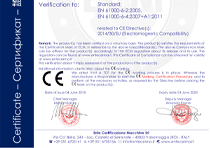
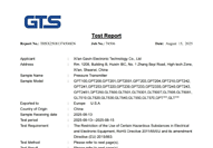
- Standards Compliance: ATEX approval proves the design is explosion-proof and can be used in dangerous places. The CE stamp and RoHS approval make sure that the product meets international safety and environmental standards.
- Interference Resistance: Motors, pumps, and radio frequency sources that are common in industrial buildings can't cause electrical noise because the design is integrated and uses advanced filters.
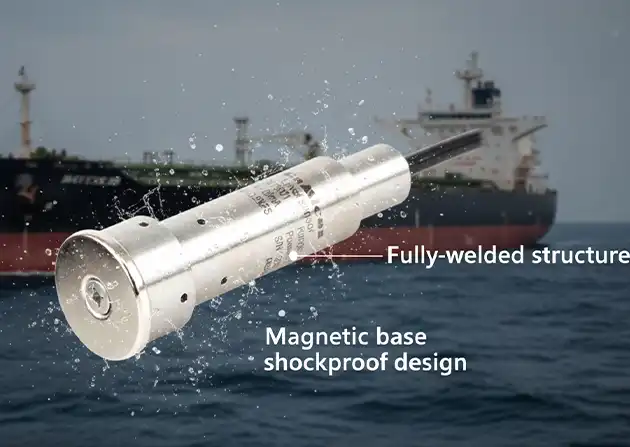
These features help industrial robotics managers with real problems they face in the workplace. The GLT5001 is perfect for important fuel monitoring installations because it is approved to be explosion-proof, can be mounted in a variety of ways, and has been proven to work reliably in oil and gas applications.
Real-World Applications in Marine and Fuel Storage
The GLT5001 is used by marine boats to keep an eye on their fuel bunkers, ballast tanks, and freshwater stores. The magnetic base design works especially well for checking cargo holds and extra tanks where fixed placement wouldn't be practical. Real-time level data is linked to systems that control the ship. This helps with planning the trip and adjusting the trim, and it stops dangerous free surface effects from tanks that are only partly full.
These sensors are used in storage terminals, blending processes, and managing supplies on loading racks at fuel delivery sites. With automated tank gauging, people don't have to use dipsticks to measure as much, which makes the workplace safer by limited exposure to vapors and getting rid of transcription mistakes in inventory records. Temperature-compensated readings help make sure that control transfer calculations are correct and that actual inventory and transaction records are automatically matched up. The sensor is approved to not explode, and it works with automatic fueling systems, which is good for places that handle aviation fuel. Precise level tracking keeps the tank from overfilling while trucks are unloading, and just-in-time inventory management keeps working capital from getting stuck in fuel stocks.
Leveraging IoT Integration for Operational Intelligence
These days, managing fuel with a diesel level sensor includes more than just keeping an eye on it. It also includes predictive data and automatic reaction systems. Wireless choices let you keep an eye on fuel storage spots that are spread out from afar. Data from different sites is collected and displayed on a central dashboard that buying managers and operations teams can access. Trend study of fuel usage trends helps predict demand and find the best ordering times that balance the costs of keeping inventory with the logistics of delivery. Automated low-level alerts send out orders to restock tanks before they reach critical levels. This keeps operations from being interrupted by sudden fuel shortages.
Integration with maintenance management systems connects the amount of fuel used to the number of hours that the equipment is used, revealing a drop in efficiency that points to a growing technical issue. This method of planning ahead cuts down on unplanned downtime by finding problems early on, when they are easier to fix and cheaper than emergency repairs.
Where and How to Purchase Diesel Level Sensors for Industrial Projects?
To strategically source fuel measurement tools, you have to find a balance between technical needs, price limits, and the supplier's abilities. B2B buying teams can find trusted long-term partners more easily if they know about the different ways to buy things and how to evaluate them.
Evaluating OEM Suppliers and Distribution Channels
Working directly with original equipment makers (OEMs) can be helpful for big projects or uses that need to be customized. OEMs offer professional help for applications, unique calibration services, and documentation that is made to fit each placement. This straight connection is especially helpful when setting up and fixing problems with complicated interfaces.
Authorized distributors get help from the maker and offer local stock and expert support in the area. They usually keep popular setups in stock so they can be sent out right away, and they can also help with application for standard installations. Distribution partnerships are a good way to get new tools or add to systems that already exist and use well-known sensor types. Online business-to-business (B2B) sites let you compare prices and get in touch with many suppliers, but they also need to make sure that the products they sell are real and that the suppliers are legitimate. Buying through these channels is best for people who have clear requirements and can look over technical datasheets on their own.
Negotiating Bulk Orders and Customization Services
When you commit to buying a lot of something, you may be able to get better prices, longer warranty terms, and faster expert help. When planning big projects or making sure that all of your facilities use the same type of sensor, talk to your suppliers early on in the design process about how to price in bulk and set delivery dates that work with your project's goals. Customization services include everything from simple changes to parameters to full OEM private marking. When you buy more than the manufacturer's minimum order quantity, you can usually specify cable lengths, output signal ranges, mounting tools, and enclosure materials without having a big effect on the cost. For more complex customizations like special certificates or the creation of new features, early involvement and prototype proof are needed.
Ensuring Supply Chain Reliability
Set clear deadlines for deliveries and penalties for late orders that could cause the project to take longer to start up. Ask for production wait times for both standard goods and custom configurations, and make sure that your project plan has enough room for these times. Reliable sellers keep extras of popular parts on hand as a safety net and can make delivery promises that are reasonable based on how much they can currently make.
As the number of purchases goes up, quality paperwork becomes more and more important. Need material certificates, calibration records, and test results that show the product meets the requirements. These papers help get equipment approved for controlled areas and make it possible to track down items for guarantee claims or failure analysis. Long-term supply deals are good for everyone involved. They help producers plan their production better by showing them what customers want and making sure they can get it. Customers also get better prices and reliable availability. Include plans for reviewing specifications on a regular basis so that new technologies can be added without changing how buying is normally done.
Conclusion
Reliable fuel level measurement is essential for business success in all fields, from processing oil to shipping goods by sea. Today's OEM diesel level sensor options use tried-and-true measurement methods along with more modern features like temperature compensation, digital connection, and approved explosion-proof construction. To do a good job of procurement, you need to find providers who can provide long-term help while also taking into account technical requirements, installation limitations, and total ownership costs.
With its sturdy build, multiple mounting options, and wide range of approvals for tough uses, the GAMICOS GLT5001 is a great example of what's possible right now. When businesses use strategic sourcing methods that focus on relationships with suppliers, the ability to customize products, and the dependability of the supply chain, they can get the most out of their investments in fuel tracking equipment while also making sure that measurements are accurate, which is important for safety and making money.
FAQ
Q1: How often should fuel level sensors undergo calibration verification?
A: How often calibration checks are done depends on how important the application is and how it is being used. Usually, applications for custody transfers need to be checked against approved reference standards every month or three months. In stable settings, general inventory tracking may make verification plans last up to a year. Extreme temperatures, contaminated fuel, and mechanical shaking all speed up drift rates, which means that checks need to be done more often. Keeping track of trends over time and writing down standard readings during commissioning help set the best proof plans for each installation.
Q2: What distinguishes hydrostatic pressure sensors from ultrasonic measurement technology?
A: Hydrostatic pressure sensors measure the weight of fuel by touching it directly with liquid. They are very accurate and don't care much about the makeup of vapors or temperature differences above liquid surfaces. They need to go through the tank and keep parts wet in fuel conditions. Ultrasonic monitors are put on top of liquid objects and use the time it takes for sound waves to travel to figure out the level. This method makes installation easier, but you need to think about the intensity of the air, the presence of foam, and the sound waves reflecting from inside the tank. In diesel uses where foam often forms during filling, pressure-based measurement is usually more accurate.
Q3: Can diesel level sensors integrate with existing fuel management software platforms?
A: Standard industrial communication methods, such as 4-20mA analog signals, Modbus RTU/TCP, and wireless choices like LoRaWAN or cellular connectivity, can be used with modern sensors. These connections make it easy to connect to supervisory control and data acquisition (SCADA) systems, building management platforms, and tools designed specifically for managing fuel. To make it easier to connect to current infrastructure, suppliers offer protocol documents and integration help. Through API interfaces, wireless sensors that can connect to the cloud can be connected to management platforms. This lets online tracking happen without having to make major changes to the control system.
Reliable Diesel Level Sensor Manufacturer for Your Industrial Projects
Industrial activities in more than 100 countries trust GAMICOS's precision-engineered fuel monitoring systems. Our GLT5001 diesel level sensor is approved to not explode and has accurate readings even when the temperature changes. It can also be mounted in a variety of ways that are perfect for oil and gas uses. Our technical team gives you expert advice that is specific to your needs, whether you're upgrading fuel storage infrastructure at chemical plants, setting up automatic tank gauging systems, or giving marine boats reliable level tracking.
We offer a wide range of OEM and ODM services to help procurement managers and engineering teams. These include custom calibration ranges, unique mounting hardware, and private marking that helps your brand stand out. Before being sent out, each sensor goes through strict pressure cycling, weather testing, and individual calibration verification. This makes sure that the sensors work the same way from the time they are installed until they are no longer needed.
Email our application tech team at info@gamicos.com to talk about the data problems you're having. We'll give you thorough technical specs, cheap quotes for large orders, and delivery plans that work with the goals of your project. Because we've worked with clients in the oil, chemical, marine, and industrial automation industries before, we can suggest the best sensor combinations that meet performance needs and stay within budget. To find out how GAMICOS diesel level sensor options improve business efficiency and meet foreign certification standards, you can ask for product samples or set up a technical consultation.

Ivy
Ivy, product consultant, has focused on sensor consultation for ten years, is proficient in providing pressure and level measurement solutions for customers.
We're here to help — submit your request anytime!
Let us know how we can help solve your pressure level measurement challenge.
_1757930850792.jpg)
Recommended Blog