GLT530 Small Diameter Submersible Level Sensor Overview
Introduction
- Introduction
- Understanding the GLT530 Small Diameter Submersible Level Sensor
- Core Components and Working Principles of the GLT530 Sensor
- Installation, Maintenance, and Troubleshooting Guide for GLT530
- Advantages and Applications of GLT530 in Global B2B Procurement
- Purchasing Guide: How to Select and Procure the GLT530 Sensor?
- Conclusion
- FAQ
- Partner with GAMICOS for Reliable Well Level Sensor Solutions
- References
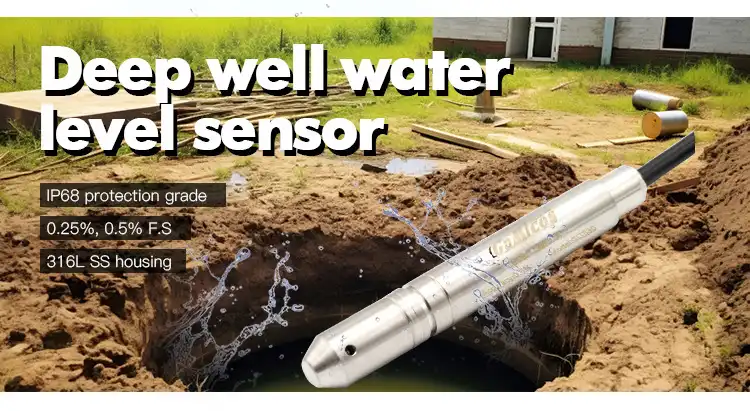
The GLT530 small diameter submersible level sensor is a unique product made by GAMICOS that is great for accurately tracking groundwater in small areas. This accurate well level sensor has a small 16-19 mm probe width and can measure from 0 to 500 meters of water column. This makes it essential for deep well uses where regular equipment just won't fit. Its fully welded and sealed design means it can keep working even when underwater for long periods of time. This gives accurate data that is needed for managing water resources, keeping an eye on the environment, and controlling industrial processes.
Introduction
It has always been hard for supply managers and engineering teams to keep an eye on the water levels in deep wells and small boreholes. Standard measuring tools are often too big to place, which can affect the quality of the data or require costly changes to the well. The GLT530 Small Diameter Submersible Level Sensor faces these problems head-on by providing a simplified design that doesn't compromise on performance or reliability.
This sensor was made by our team at GAMICOS for uses where installation room is limited but measurement accuracy can't be reduced. If you're in charge of municipal water resources, industrial automation projects, or putting OEM modules into specialized equipment, knowing what the GLT530 can do will help you make sourcing decisions that improve operational efficiency and meet strict international standards.
This summary talks about the technical details, how things work, the best ways to install them, and the buying factors that sourcing managers, R&D teams, and project engineers care about the most. The GLT530 should meet your specific measurement needs and quality standards. That's why we want to give you all the information you need.
Understanding the GLT530 Small Diameter Submersible Level Sensor
What Makes Small Diameter Sensors Essential?
When used with narrow well walls, monitoring wells, or observation boreholes, traditional level measuring tools often don't work very well. The GLT530 was designed to work around these space problems while still keeping industrial-level accuracy. This sensor can fit into small areas that would normally require expensive drilling changes or not be possible to measure at all because the probe widths come in 16mm and 19mm sizes.
The submersible's design is based on measuring atmospheric pressure. As the sensor goes deeper into the well, the water column above it puts pressure on it that is equal to the depth of the liquid. The high-performance pressure sensor element built into the GLT530 turns the pressure into an electrical signal. The integrated signal processing circuit then turns this signal into a standard current output. This method gives accurate readings that don't change, even when the surroundings is tough.
Comparing Level Measurement Technologies
Understanding how different well level sensor technologies compare helps us figure out the best ways to use the GLT530 before we look at its specific benefits:
- Ultrasonic sensors It is possible to figure out how far something is by measuring the time it takes for sound waves to travel. They work well in open tanks and at the surface, but they don't work well in narrow wells because the casing walls block the signal. Also, changes in temperature and foam can make them less accurate.

- Capacitive sensors Capacitive sensors pick up on changes in the dielectric properties of the space between the electrodes. These work well for some liquids, but they need to be in close contact with the thing being tested, and changes in the coating or chemical make-up can mess them up.
- Submersible pressure sensors Sensors that are submerged in water, like the GLT530, measure how heavy the stream of liquid above them is. This method works great for deep wells because it doesn't depend on the width of the well, can measure continuously no matter what the liquid surface conditions are, and stays accurate over a wide range of measurement ranges, from 1 meter to 500 meters of water column.
The design theory behind the GLT530 is based on making it reliable in harsh circumstances. Its fully welded sealed design keeps water out of the electronics inside, and the stainless steel case doesn't rust when exposed to different types of water. The non-polar two-wire current output makes installation easier because there are no worries about polarity when connecting in the field.
Core Components and Working Principles of the GLT530 Sensor
Engineered for Harsh Environments
The GLT530's long-term dependability depends a lot on the materials that were used. The sensor body is made of corrosion-resistant stainless steel that can handle being submerged for a long time in groundwater that has minerals, sulfates, and other chemicals that could be harmful to electronics. This design makes sure that measurements stay stable even in difficult hydrogeological conditions that are common in systems that track deep aquifers and control industrial water. The fully soldered method of closing gets rid of the places where leaks could happen that happen with threaded or gasketed designs. Every seam is put through a lot of pressure tests to make sure it stays waterproof at forces equal to the highest rated depth. Because of this care in closing, the GLT530 can work steadily underwater for years without losing performance or breaking down because of water.
Specifications for cables and connectors should be carefully looked over because wire failure is one of the most common problems with underwater sensors in the field. The GLT530 has a strengthened polyurethane wire that can handle being cut, exposed to UV light, and attacked by chemicals. The design of the cable includes strain relief elements that keep the wires inside from getting damaged during installation or when they are moved by flow. There are standard terminations for connectors that make sure they work with current control systems and data loggers.
Signal Processing and Measurement Accuracy
A silicon piezoresistive pressure detecting element is attached to a stainless steel diaphragm, which is the first part of how the GLT530 works. The detecting element goes through mechanical stress when water pressure acts on this diaphragm. This changes its electrical resistance. This change in resistance is related to the pressure that is being applied, which in turn is related to the depth of the water column above the sensor. This change in resistance is amplified by an integrated signal processing circuit, which then turns it into a two-wire 4-20mA current loop output.
The 4mA output is the lowest measured range, which is zero pressure, and the 20mA output is the highest calibration range. This current output method is much better than voltage signals because the current stays the same throughout the transmission line, no matter how long it is or how much resistance it has. This keeps the signal strong even when the cables are hundreds of meters long.
As part of the calibration process, the sensor is put in contact with known pressure sources that can be tracked back to national standards. Each GLT530 is multi-point calibrated across its full measurement range while it is being made. To account for temperature effects, non-linearity, and zero offset, compensation methods are written into the signal processing circuit. This leads to high accuracy standards of ±0.1%FS, ±0.25%FS, or ±0.5%FS, based on what the customer wants and what the application needs. Temperature correction needs extra attention. When the temperature of the water changes, it affects both the sensing element and the liquid's density. The GLT530 has a temperature sensor built in that constantly checks the conditions and lets the processing circuit make changes in real time. This adjustment makes sure that the accuracy of the measurements stays within the acceptable range of temperatures that are common in groundwater tracking tasks.
Installation, Maintenance, and Troubleshooting Guide for GLT530
Step-by-Step Installation Process
The accuracy of measurements and the life of sensors are directly affected by how well they are installed. Before putting the GLT530 into action as a well level sensor, you should carefully check the spot to record the well casing's width, depth, accessibility, and any possible obstacles. Make sure that the width of the probe you choose gives you enough room inside the well wall for any pumps, pipes, or other equipment that is already there. Before you start installing, check the sensor and wire for any damage that happened during shipping. Use the right fittings that won't damage the sensor case to connect the sensor to a deployment wire or support line. Slowly lower the sensor into the well while releasing the cable in a controlled way to keep it from bending or kinking.
Place the sensor at a depth that will keep it underwater even when the water level changes with the seasons. This depth should be about 2 to 3 meters below the lowest expected water level. Use a strain relief clamp to hold the wire in place at the wellhead. This keeps weight and mechanical stress from moving to the sensor links. Connect the signal wire to your control system or data logger by following the wiring diagram that came with your model. The two-wire design makes connections easier, but make sure that the loop power source specs fit the needs of your GLT530 model.
Routine Maintenance Protocols
Regular repair keeps sensors working well and extends their life. We suggest checks every three months for the first year after deployment and then once a year after success is proven. During maintenance trips, the visible wire should be looked at visually for damage, the mounting hardware should be checked to make sure it is secure, and the electrical connections should be checked for corrosion or looseness. Get the sensor out of the machine every so often to check the pressure port and diaphragm for signs of biological growth, mineral buildup, or trash buildup. Avoid using rough materials or strong chemicals that could damage the diaphragm when cleaning the sensor surface. Instead, use soft brushes and distilled water.
If you are working in wells that have a lot of minerals or living things in them, you may need to clean more often. Verification of calibration should happen once a year or as often as your quality management requires. To do this, the results from the GLT530 must be compared to a standard measurement, like a steel-tape water level meter. If the deviations from the measurement range are more than ±1%, the unit needs to be recalibrated. This can be done by sending it back to GAMICOS or using approved calibration tools if your building has it.
Common Troubleshooting Scenarios
Readings that stay the same, change rapidly, or fall outside the 4-20mA band are common signs of signal errors. Check the strength of the power source to make sure it meets the requirements. Check the links between the cables for water, corrosion, or broken ends. Check the loop resistance to make sure it's within the acceptable range for the length of your wire and the way your power source is set up. Over time, sensor drift shows up as a slow change from standard readings. The GLT530 is designed to reduce drift, but long-term exposure to harsh circumstances or diaphragm contamination can make it less accurate. If the drift goes beyond what is allowed, get the sensor, clean it well, and do a calibration check. If the drift keeps happening even after cleaning, it means that the maker needs to re-calibrate or replace the sensors.
Unexpected changes in readings could be caused by things in the surroundings instead of a problem with the monitor. The sensor correctly records changes in water level that happen because of pumping, refilling events, or changes in barometric pressure. If you need this level of accuracy, put a barometric pressure converter or reference sensor in a well that is blocked off. This will help you tell the difference between changes in the air pressure and changes in the water level.
Advantages and Applications of GLT530 in Global B2B Procurement
Key Advantages for Industrial Buyers
There is no doubt that the GLT530's small size is its best feature. A lot of projects that keep an eye on the environment and industries use wells that are hard to get to or tracking spots that are too small for regular sensors to be used. The 16mm and 19mm diameter choices let you measure in 1-inch and 3/4-inch monitoring wells without having to rebuild the well or change the casing, which would add costs and time to the job.
The quality of data used for process control, compliance reports, and practical decision-making is directly affected by how accurately measurements are made. The GLT530 is accurate to within ±0.1%FS to ±0.5%FS, which meets or beats industry standards for uses like industrial process monitoring, water resource management, and hydrological tracking. This accuracy helps you make sure choices when you're improving dewatering operations, keeping an eye on groundwater drawdown, or checking the levels of storage tanks.
Here are the main benefits of the GLT530 that engineering managers and buying teams always like:
- Extended measurement range With an extended measurement range from 1 meter to 500 meters water column, shallow monitoring wells can be used with the same sensor family as deep aquifer observation points. This makes it easier to keep track of supplies and train repair staff on technical issues.
- Robust construction The strong design, fully welded sealing, and stainless steel case make sure that the sensor works reliably in chemically aggressive groundwater, high-temperature environments, and situations where it will be submerged for a long time without the need for as much upkeep as more delicate sensor technologies.
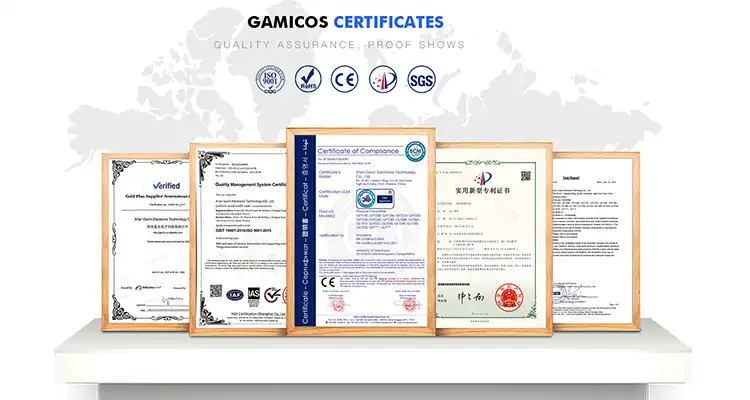
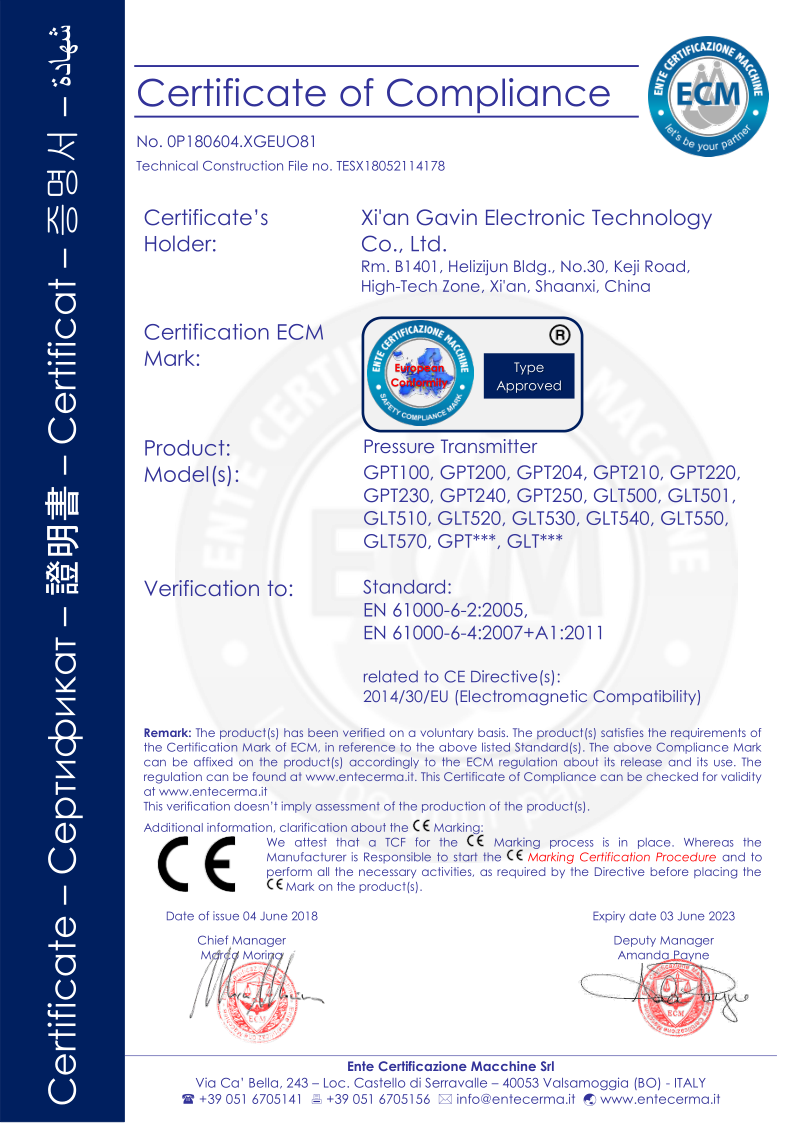
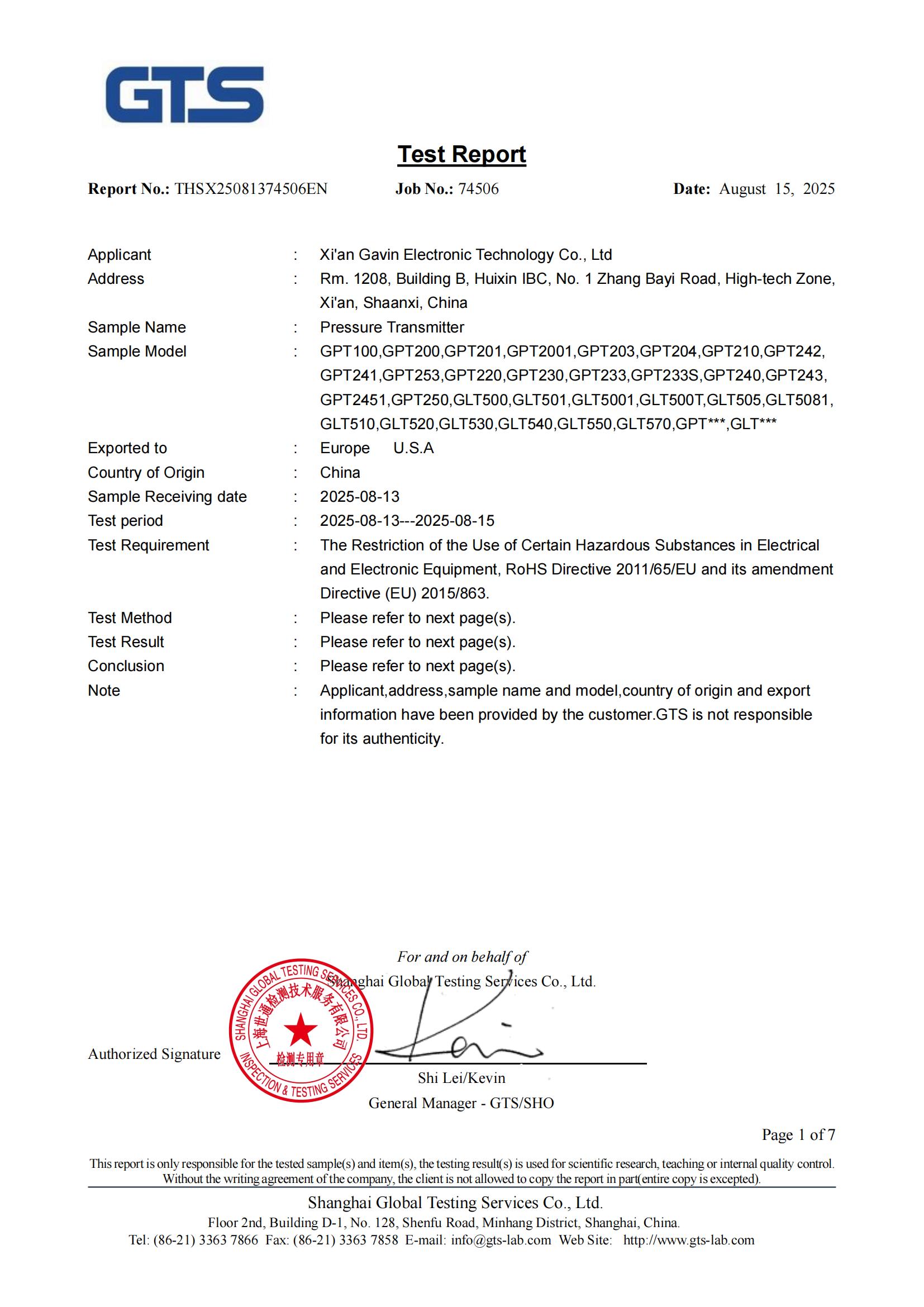
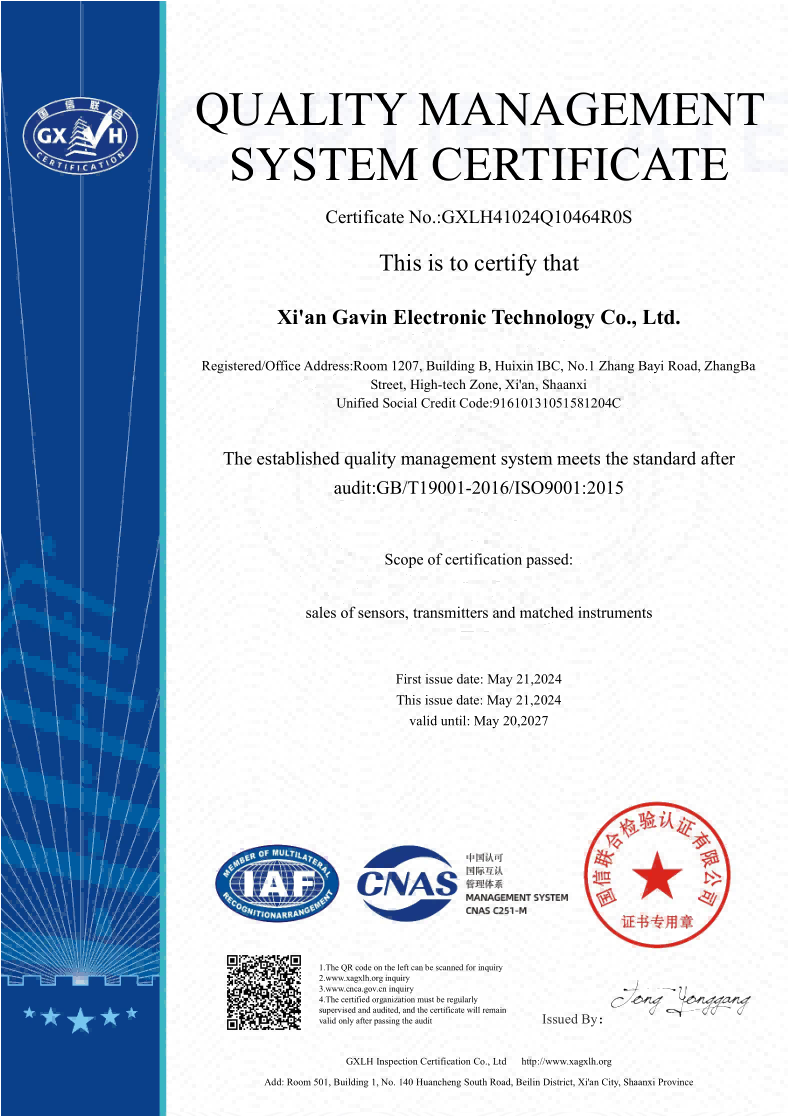
- International certifications International certificates like CE, RoHS, and ATEX compliance make buying easier for international projects because they meet the different legal needs of markets in North America, Europe, the Middle East, and Asia-Pacific without needing regionally specific versions.
- OEM customization capability OEM customization lets equipment makers and system integrators choose cable lengths, connector types, output ranges, and housing changes that work perfectly with their own systems. This speeds up the development process and makes installation easier for end users.
These technical and business advantages show up as real benefits all the way through the purchase and rollout process. The easier rollout process in small areas is appreciated by installation teams. When compared to optical or ultrasound options, maintenance staff can go longer between service visits. Project managers like that the performance is predictable and there is less chance of field breakdowns that stop important tracking systems.
Diverse Application Scenarios
One of the main areas where the GLT530 really shines is in municipal water systems. These well level sensors are put in monitoring wells around wellfields by water companies to see how the aquifer reacts to pumping, find the movement of contamination plumes, and find the best ways to take water that meet supply needs and maintain sustainable output. The stable and accurate sensor makes it possible to report on legal compliance while also allowing real-time operating changes that make the system work better.
Monitoring groundwater is becoming more and more important for agricultural irrigation projects that need to make the best use of water and follow rules about sharing. The GLT530 gives farmers and irrigation districts real-time information about how fast wells heal, how they fill during different times of the year, and how pumping affects wells nearby. This information helps people make better choices about how to handle water so that long-term aquifer health is protected while crop production needs are met. Monitoring oil tank farms, controlling chemical processes, keeping an eye on pharmaceutical water systems, and food preparation are just some of the industrial uses. Different industries have different needs when it comes to how well things work together, how accurate they need to be, and how they should be certified. Because the GLT530 can be customized and is built to last, it can handle these different needs while keeping its core performance stable.
Environmental monitoring programs use small diameter underwater sensors to characterize polluted sites, track the performance of remediation systems, and do long-term monitoring after the site has been closed. For projects like old factories, landfills, and underground storage tank farms, you need sensors that are stable, don't need much upkeep, and can work for years without being watched. The GLT530's design immediately meets these needs while also meeting the standards for accuracy and documentation that regulatory bodies expect.
Accessibility, power availability, and connection infrastructure are some of the problems that come up when watching a remote spot. Because it doesn't use much power, the GLT530 can work with data logging devices that are driven by the sun. Its two-wire output makes it easy to connect to sensor equipment that works with a number of different communication methods. We've seen successful uses in geotechnical monitoring networks, offshore platforms, and mine dewatering operations. The reliability of the sensors directly affects the safety and cost performance of the project.
Purchasing Guide: How to Select and Procure the GLT530 Sensor?
Matching Specifications to Your Requirements
Setting up the right GLT530 starts with figuring out where you will be measuring and what kind of performance you need. Check the inside diameter of your well casing or tracking point to see if the 16mm or 19mm probe diameter gives you enough room to place it. Take into account any turns, obstacles, or pump equipment that could make it hard to place sensors. Figure out the range of measurements you need by setting the highest and lowest water amounts you want to keep an eye on. The GLT530 can work in water depths from 1 meter to 500 meters, which is enough for most commercial and groundwater uses. It is better to choose a range that is close to the real measurement span than to choose an overly large range that lowers the accuracy and resolution.
The environment affects the materials and building needs. Check the chemical of the water, such as the pH, the minerals that are dissolved, and the temperature changes. Most groundwater conditions can be handled by the normal stainless steel design. However, places that are very corrosive might need special materials or protective coatings. Talk to our expert team about your unique needs to make sure you choose the right materials.
How accurate you need to be depends on how much measurement error your program can handle. tracking for regulatory compliance usually needs ±0.25%FS or better, while tracking for general trends might be okay with ±0.5%FS. When you want higher accuracy, you have to go through more steps of testing and manufacture with tighter tolerances, which affects the price. You should weigh your real needs against your budget. The power and output requirements must match the control system you already have. Make sure that the two-wire 4-20mA output on your data collection system or processor has the right amount of loop power. Write down any specific needs you have for wire length, connector types, or output scale that may need to be met during production.
Cost-Effectiveness and Total Value Analysis
The price of direct sensors is only one part of the total cost of the project. When looking at the GLT530 against other technologies or goods, you should think about how much it will cost to install, how often it needs to be maintained, how long it should last, and how much it will cost to replace. Despite possibly costing more at first, the GLT530's simple installation process and low upkeep requirements often lead to lower lifecycle costs compared to less durable options.
When you buy in bulk, you can get discounts for buying in bulk, which is good for big projects or groups that want to use the same sensor systems everywhere. We keep our prices flexible so that we can accommodate pilot projects and first reviews while still rewarding bigger orders. Tiered pricing makes distributors and installers more competitive in their target markets and makes sure they have enough margins for value-added services.
Custom orders cost more for engineers and tools, but they allow for the best system interaction, which cuts down on installation time and makes the experience better for the end user. OEM partners should check to see if custom wire lengths, specialized connectors, or housings that have been changed save enough time and improve performance to make the costs of customization worth it. Our team works together to find customization strategies that are both performance goals and budget facts while still being cost-effective.
Comprehensive Vendor Support and Partnership
A successful procurement of sensors includes more than just delivering the goods. It also includes professional help, documentation, and service after the sale. GAMICOS has a professional support team that is available to help with choosing the right sensors, installing them, fixing problems, and making sure they work best for each application. This help is especially helpful during the completion phase of a project, when unexpected site conditions or integration problems come up. Delivery dependability affects project timelines and promises to finish.
We keep basic configurations in stock so that we can complete orders quickly. Stock things are usually shipped within 3–5 business days of an order being confirmed. Manufacturing wait times for custom setups depend on how complicated the specifications are, but are usually between 2 and 4 weeks. Clear information about wait times helps with project planning and keeps schedule delays from becoming too expensive.
Our trust in the quality and dependability of the GLT530 is shown by the warranty coverage. Standard warranty terms cover production flaws and part breakdowns under standard working conditions for 18 months from the date of delivery. For important uses where the cost of downtime justifies extra coverage, there are choices for extended warranties. If problems do happen, they can be fixed quickly thanks to clear insurance paperwork and easy claim processes.
Technical paperwork includes specification sheets with lots of information, installation guides, wiring diagrams, and testing papers that can be tracked back to national standards. Custom OEM projects get paperwork packages that are made to fit the needs of the end user. These packages include branded materials and application-specific instructions. Full paperwork helps with quick installation, makes upkeep easier, and makes it easier to follow the rules when checking sensor performance is needed.
Conclusion
Precision groundwater measurements can be made with the GLT530 Small Diameter Submersible Level Sensor in tight areas where other sensors can't work well. As a well level sensor, its small (16–19 mm) probe width, high accuracy (up to ±0.1%FS), and strong, fully welded construction make it perfect for the needs of water resource managers, industrial process engineers, and environmental tracking experts. International certifications like CE, RoHS, and ATEX make sure that the product meets all the rules in all places around the world. OEM customization choices make it easy to fit into unique systems and equipment. The GLT530 is a reliable and low-maintenance measuring tool that helps you make good decisions and run your business successfully, whether you're in charge of city water supplies, industry processes, or environmental cleanup projects.
FAQ
Q1: How does the small diameter benefit installation in existing wells?
A: With a 16mm or 19mm diameter, the GLT530 can be used in monitoring wells and viewing holes that are too small for normal sensors. This gets rid of the need to redo the well or change the cover, which adds to the cost and time of the job. The small size also lets it be installed next to existing pump equipment without causing any problems, making the most of the limited well room.
Q2: Can the GLT530 operate reliably in chemically aggressive groundwater?
A: The fully welded stainless steel construction doesn't rust when minerals, changing pH levels, and chemical substances that are common in industrial groundwater dissolve in it. The sealed design keeps wetness out, which can damage less durable sensors and cause them to fail early. Cleaning the sensor diaphragm on a regular basis keeps it accurate, even when the water chemistry is hard to read during long-term tracking programs.
Q3: What maintenance does the GLT530 require for long-term operation?
A: Visual checks every three months for the first year and then once a year for maintenance are usually enough for most uses. As part of maintenance, the stability of the cables is checked, the sensing diaphragm is cleaned if mineral deposits or biological growth show up, and the accuracy of the calibration is checked against reference measures. The strong design and high-quality parts mean that it doesn't need as much upkeep as optical or ultrasonic options, which need to be serviced more often.
Partner with GAMICOS for Reliable Well Level Sensor Solutions
To choose the best submersible level reading technology, you need to find a balance between long-term dependability, professional performance, and cost-effectiveness. As a company that makes well level sensors and has done business with other companies in more than 100 countries, GAMICOS blends precise engineering with quick customer service that engineering teams and buying managers depend on. Real-world application problems and customer comments from industrial automation, environmental tracking, and water resource management projects around the world drive our GLT530 sensor line's constant improvement.
We do more than just sell products. We also give full OEM/ODM services, such as custom wire assemblies, modified housings, and application-specific calibrations that make the integration process easier. Our foreign certifications and quality management systems give sourcing managers the peace of mind they need when they form relationships in the supply chain. Our flexible production and quick transportation help you stay on schedule with your projects, whether you need a few prototypes to test or a lot of them to use on a large scale.
Contact our technical sales team at info@gamicos.com to discuss your specific well level sensor requirements. We'll help you look over measurement requirements, suggest the best options, and provide detailed quotations that support your procurement decision-making. Experience the difference that committed engineering expertise and customer-focused service bring to your liquid level measurement challenges.
References
1. Nielsen, D.M. (2006). Practical Handbook of Environmental Site Characterization and Ground-Water Monitoring, Second Edition. CRC Press.
2. Weight, W.D. (2008). Hydrogeology Field Manual, Second Edition. McGraw-Hill Professional.
3. International Organization for Standardization. (2014). ISO 9001:2015 Quality Management Systems—Requirements. Geneva: ISO.
4. American Water Works Association. (2013). Groundwater: Manual of Water Supply Practices M21, Fourth Edition. Denver: AWWA.
5. Buckley, D.K., & Zegeer, D. (2003). Groundwater Monitoring Well Design and Construction. In Nielsen, D.M., ed., Practical Handbook of Environmental Site Characterization and Ground-Water Monitoring. Boca Raton: CRC Press.
6. European Committee for Standardization. (2016). EN 61326-1:2013 Electrical Equipment for Measurement, Control and Laboratory Use—EMC Requirements. Brussels: CEN.

Eva
Eva specializes in bridging the gap between cutting-edge sensor technology and market needs. With 8 years of experience in industrial product marketing, she has successfully launched multiple sensor product lines—from pressure transmitters to fuel level sensor—into global markets.
We're here to help — submit your request anytime!
Let us know how we can help solve your pressure level measurement challenge.
_1757930850792.jpg)
Recommended Blog
Top Benefits of 316L Stainless Steel Corrosive Liquid Sensors
How Submersible Well Level Sensors Optimize Pump Performance
Why Radar Level Sensors Excel in Pharmaceutical Process Tanks
Top Benefits of 316L Stainless Steel Corrosive Liquid Sensors
How Submersible Well Level Sensors Optimize Pump Performance
Why Radar Level Sensors Excel in Pharmaceutical Process Tanks
Top Benefits of 316L Stainless Steel Corrosive Liquid Sensors
How Submersible Well Level Sensors Optimize Pump Performance
Why Radar Level Sensors Excel in Pharmaceutical Process Tanks
Top Benefits of 316L Stainless Steel Corrosive Liquid Sensors
How Submersible Well Level Sensors Optimize Pump Performance
Why Radar Level Sensors Excel in Pharmaceutical Process Tanks
Top Benefits of 316L Stainless Steel Corrosive Liquid Sensors
How Submersible Well Level Sensors Optimize Pump Performance
Why Radar Level Sensors Excel in Pharmaceutical Process Tanks