Choosing a Submersible Pressure Sensor for Wastewater Plants
Understanding Submersible Pressure Sensors in Wastewater Applications
- Understanding Submersible Pressure Sensors in Wastewater Applications
- Critical Factors to Consider When Choosing a Submersible Pressure Sensor
- Comparing Submersible Pressure Sensors: Making an Informed Decision
- Procurement Guide: How to Buy Submersible Pressure Sensors for Wastewater Plants
- Troubleshooting and Maintaining Submersible Pressure Sensors in Wastewater Environments
- Conclusion
- FAQ
- Partner with GAMICOS for Reliable Wastewater Monitoring Solutions
- References
For wastewater treatment plants, picking the right submersible pressure sensor isn't as simple as picking one off the wall. It's about making sure that the tough technology fits the harsh conditions of the treatment area. Sensors for wastewater plants need to be able to handle corrosive chemicals, changing temperatures, and being submerged in water all the time while still giving correct, consistent data. A submersible pressure sensor made for these situations is essential for keeping an eye on the level and making sure it stays safe, follows the rules, and works for a long time. If you want to avoid expensive downtime and keep the integrity of your process, it's important to know what makes a sensor special, whether you're starting a new project or updating old infrastructure.

Understanding Submersible Pressure Sensors in Wastewater Applications
What Makes Submersible Pressure Sensors Essential for Wastewater Treatment?
To keep the process stable and meet strict water quality standards, wastewater treatment plants need to keep a close eye on things. Submersible pressure sensors, which are also called level tools or submersible pressure transmitters, are put right into waters to find out the hydrostatic pressure at different depths. This pressure reading turns into exact level readings that let workers keep track of tank amounts, stop overflows, and get the best chemical dosing. Unlike devices that are only fixed on the surface, these sensors can be submerged continuously. They don't get clogged up with sludge, grease, or microbes, which would damage other technologies.
Core Technologies That Power Reliable Measurements
These days, underwater devices use special technologies to make sure they last and work correctly. Piezoresistive sensing elements are very good at turning mechanical pressure into electrical signs, and cores made of ceramic are more resistant to chemicals than other materials. These devices use hydrostatic measurement to figure out the level of liquid by looking at the pressure of the fluid column above the monitor. Advanced types have adjustable transmitter circuits that make it easy to calibrate and make zero/full-scale changes to fit the needs of the installation without having to take the sensor out of the tank.
Key Applications Across Wastewater Treatment Processes
In wastewater treatment plants, these sensors do a lot of important things. They keep an eye on the amount of water in the equalization tanks and sedimentation ponds to make sure there aren't any spills or dry spots that would mess up biological processes. In aeration tanks, the air is controlled to make sure there is enough oxygen for the breakdown of pollutants. Accurate level readings are needed at pumping stations so that pumps can be controlled automatically. This saves energy and keeps equipment from breaking down from dry runs. Sludge thickening tanks work better when they are closely watched so that the discharge cycles are optimized. This makes the whole business more efficient and cuts down on running costs.
Critical Factors to Consider When Choosing a Submersible Pressure Sensor
Evaluating Measurement Accuracy and Precision Requirements
Accuracy has a direct effect on how well process controls work and how well they follow the rules. Depending on how important the measurement point is, wastewater uses usually need sensors that are accurate within ±0.25% to ±0.5% of full scale. For dosing control and compliance reports, it's necessary to be more precise because even small differences can lead to regulation violations or the waste of expensive treatment chemicals. Carefully read the manufacturer's datasheets and make notes of both the accuracy requirements and the long-term stable measures. Sensors with drift rates below 0.1% per year stay calibrated for longer, which means they don't need to be serviced as often and provide accurate data for longer amounts of time.
Matching Depth Range to Your Application Needs
Choosing the right measurement bands keeps submersible pressure sensors from getting damaged and makes sure they work at their best. Find out how deep the liquid can go at the installation site, and then pick a monitor whose range is at least 20% wider than that to account for pressure spikes or foam buildup. Standard ranges can be used for uses less than 10 meters deep, but sensors rated for 50 meters or more are needed for deeper installs or high-pressure areas. When sensors aren't rated properly, they could get mechanical damage or reach their measurement limits. On the other hand, when ranges are too high, they lose sharpness and accuracy in everyday use.
Understanding Calibration Protocols and Long-Term Stability
Calibration is important for keeping measurements accurate over the life of a sensor. Factory testing gives you initial accuracy, but changes in temperature, chemical exposure, and mechanical stress in the field can cause drift over time. Programmable circuits make recalibration easier because they let you change the zero and spread without having to send the units back to the maker. Set up calibration checks to happen every six to twelve months, but change how often they happen based on the seriousness of the application and any government rules. Keep track of the past of calibration to find patterns that show how sensors are wearing out. This way, you can change them before they stop working and cause problems.
Installation Best Practices That Ensure Sensor Longevity
How sensors are installed has a big effect on how well they work and how long they last. Place sensors at least 10 to 15 centimeters above the bottom of the tank to keep dirt from interfering with them and to protect them from damage from debris. Make sure the link wire is properly secured and has enough strain relief to avoid stress that could break the hermetic seal or damage the wiring inside. Use protective tubing in places with a lot of foot traffic to keep wires away from sharp edges and moving parts. The releasing capillary inside the wire must stay clear and dry so that it can adjust to changes in the air pressure. If you have the right venting, you can avoid measurement mistakes caused by changes in barometric pressure or wetness getting into electronics and breaking them down.
Comparing Submersible Pressure Sensors: Making an Informed Decision
Technology Comparison: Ceramic vs. Piezoresistive Sensing Elements
Knowing about core sensing technologies can help you choose gadgets that work best in your surroundings. Ceramic-based submersible pressure sensors are very resistant to chemicals, which makes them perfect for highly acidic wastewater with acids, bases, or industrial waste. These things stay true even when they are exposed directly to hostile media. Although piezoresistive sensors are very sensitive and have a fast reaction time, they usually need extra protection when they are in harsh chemical conditions. Many new designs use both methods, with ceramic diaphragms covering piezoresistive elements. This makes the designs long-lasting and accurate, which is important for wastewater uses that need to be very accurate.

Waterproof Rating Standards: IP68 vs. IP69K Explained
According to their Ingress Protection (IP) scores, sensors can stop water and dust from getting in. Devices with an IP68 rating can be submerged in water deeper than one meter for long amounts of time, meeting basic wastewater standards. The IP69K rating makes the product more resistant to high-pressure, high-temperature washdowns that happen a lot in wastewater treatment plants for food and drugs. When giving scores, you should look at more than just the body of the sensor. You should also look at where the cables enter and how they connect to the power. These are weak spots where bad designs let water in and cause the sensor to fail early.
Material Selection for Corrosion Resistance
The housing material has a big effect on how long a sensor lasts in harsh sewer settings. Stainless steel 316L can handle slightly acidic or chloride-rich environments, but it may rust in other places. Titanium is more expensive, but it is better at resisting rust over a wider pH range. Polytetrafluoroethylene (PTFE) housings are very resistant to chemicals and keep sensors safe in harsh settings where metals would break down quickly. The GAMICOS GLT570 is an example of this method; it is made of PTFE and has ceramic sensor elements that make it resistant to highly acidic gases and liquids. This mix of materials makes sure that the sensor will work reliably in harsh wastewater treatment situations and chemical storage tracking situations where other sensors would fail early.
Cost Considerations and Total Ownership Value
The initial buy price is only one part of the total cost. Compare choices by taking into account how often they need to be calibrated, how long they should last, and how often they need to be maintained. Cheap sensors might need to be replaced every year, but high-end ones will work reliably for five years or more. When buying in bulk, you can often get discounts for buying more. Procurement teams that are in charge of more than one site should discuss price structures that reward bigger orders. Extra costs are kept to a minimum with extended contracts and company support. Find real value by figuring out the cost per year of solid service instead of the cost up front.
Procurement Guide: How to Buy Submersible Pressure Sensors for Wastewater Plants
Identifying Reputable Suppliers and Manufacturers
Working with well-known manufacturers guarantees you can get good items, professional help, and support for a long time. In the field of industrial instruments, global companies such as Keller, Honeywell, VEGA, Siemens, ABB, Endress+Hauser, and TE Connectivity have long histories of success. These businesses put a lot of money into research and development to make sure their goods use the newest technologies and meet new standards. Regional experts like GAMICOS provide affordable options that can be strongly customized and offer quick help that is specifically designed to meet the needs of B2B buying. Look into the history of the provider, customer reviews, and case studies that show how it has been used successfully in similar situations to yours.
Interpreting Certifications and Compliance Documentation
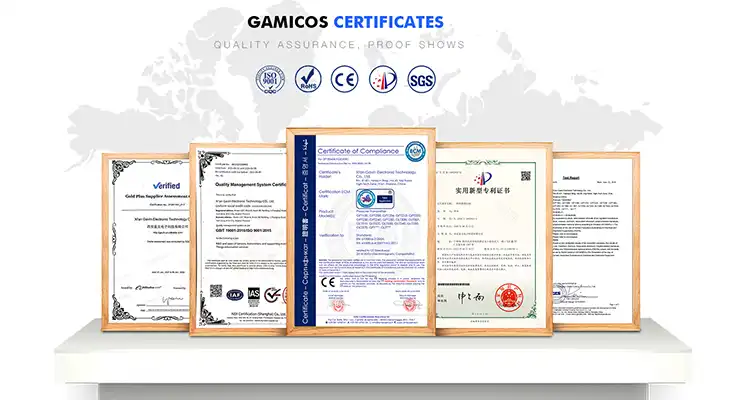
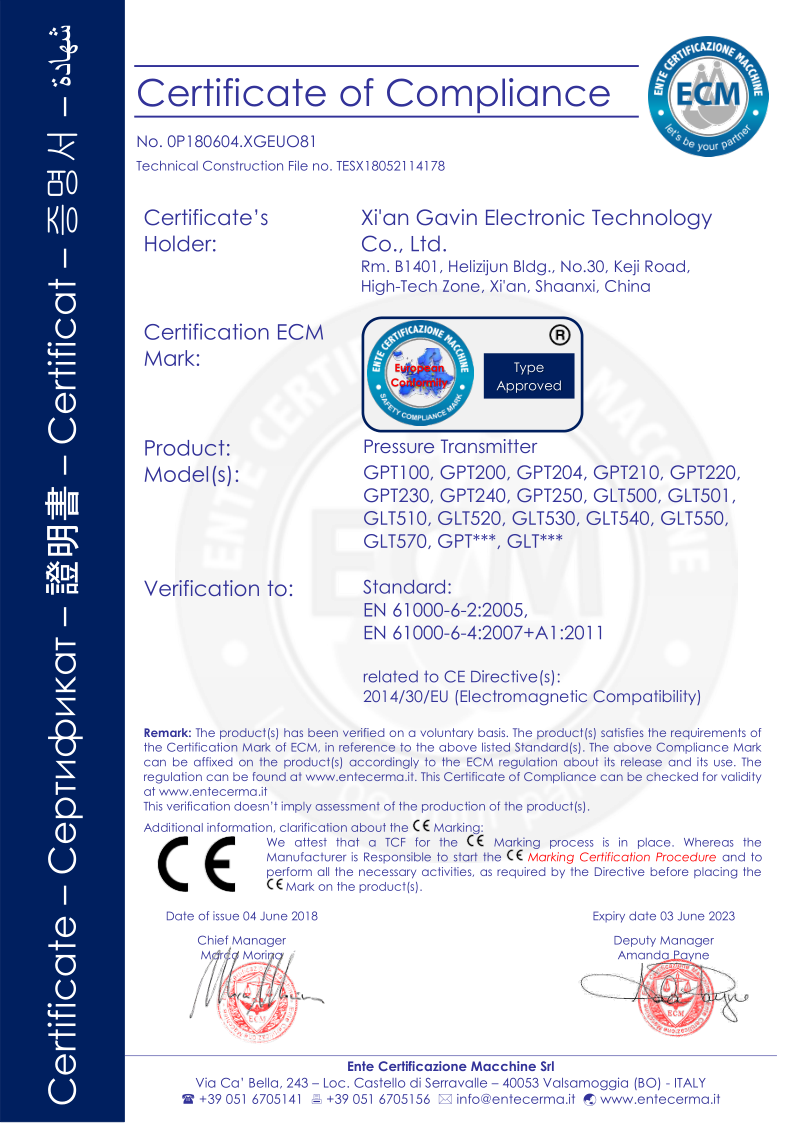
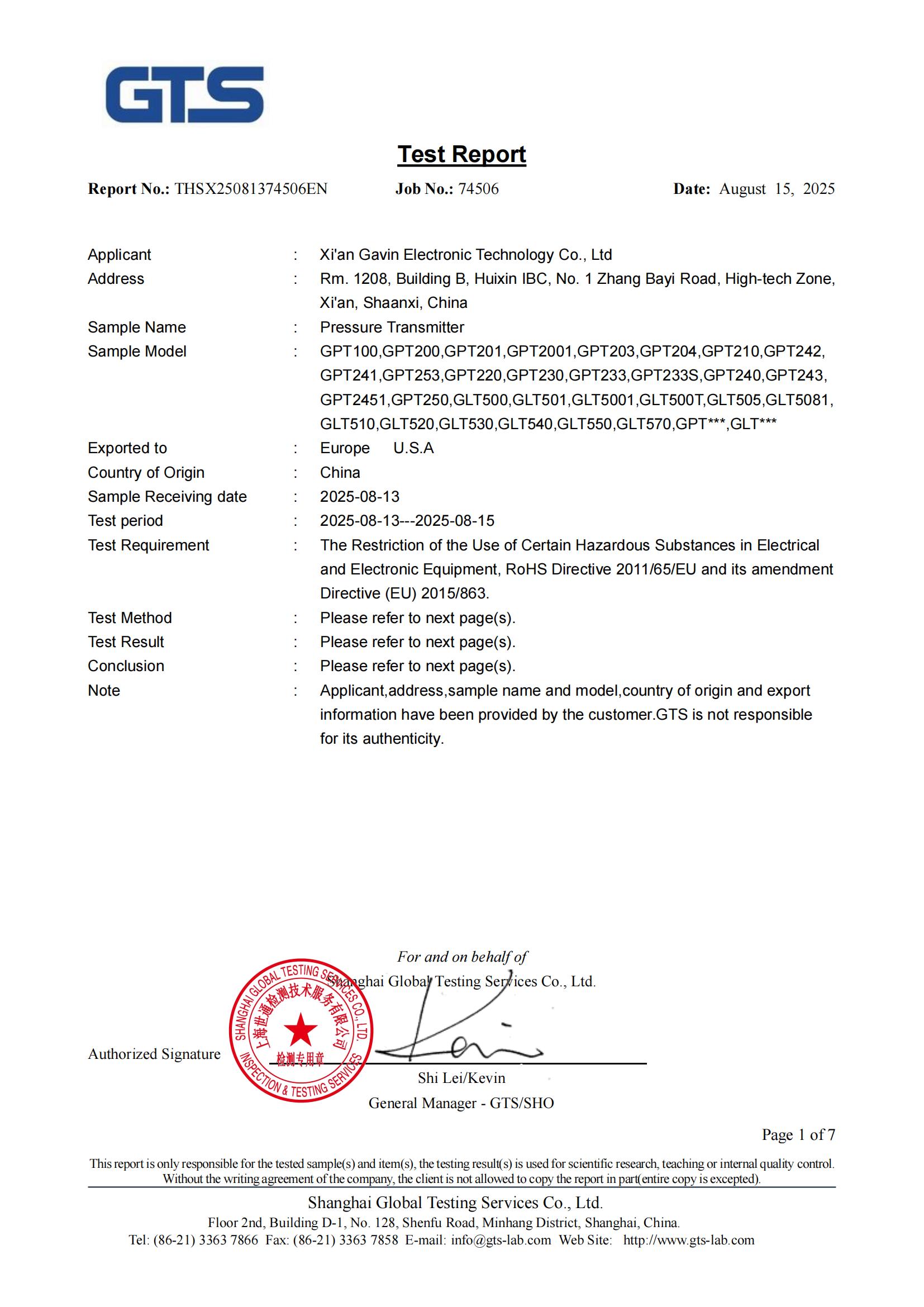
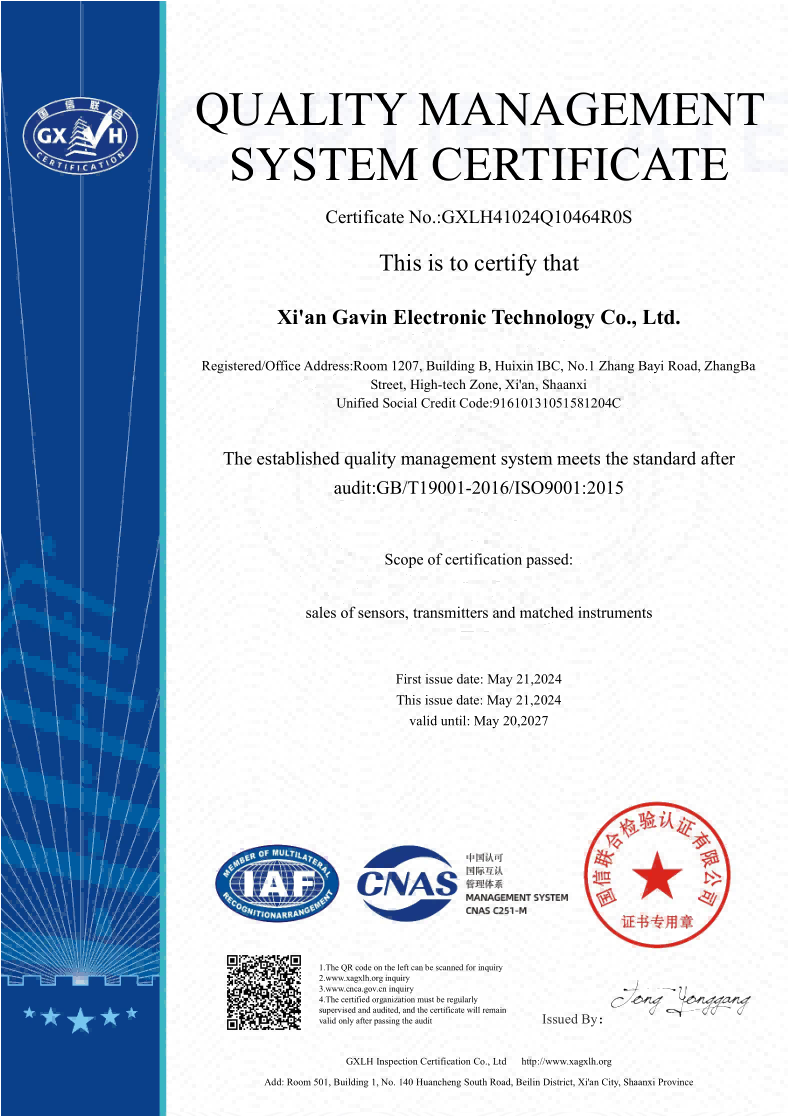
International certificates show that a product meets standards for quality, safety, and the environment. The CE mark means that the product meets European standards, which is necessary for products sold in the EU. RoHS compliance makes sure that banned substances don't go beyond the amounts allowed, which helps reach goals for environmental sustainability. If your building handles explosive atmospheres or food, you may need to follow industry-specific standards like ATEX (explosive atmospheres) or FDA (food processing). ISO 9001 approval shows that your quality management system is strict. During the buying process, make sure you get all the necessary paperwork and that the certificates apply to specific product types and not just manufacturer facilities.
Evaluating Technical Specifications from Datasheets
Datasheets have important information for making smart choices, but they need to be carefully interpreted. In addition to basic accuracy and range specs, you should also look at temperature compensation ranges. The temperature of wastewater changes with the seasons, and sensors that aren't adjusted for this introduce big mistakes. Check the output signal choices (4-20mA, 0-10V, and digital standards) to make sure they work with the control systems you use.
If you are watching for quick changes in level, check the reaction time requirements. Power needs must be matched by the infrastructure that is available. Two-wire 4-20mA loop-powered designs make installation easier in places that don't have their own power sources. The GLT570's programmable emitter circuit is very flexible; it lets you change the setup to fit different installation needs without having to change the hardware.
Negotiating Bulk Orders and Customization Options
Strategic methods to buying are good for big projects. To get better prices, buy a lot of submersible pressure sensors at once and put them in various places. Talk about delivery plans that work with project timelines. Phased deliveries can match the progress of building while reducing the need for storage. Check out the customization choices, such as cable lengths that are adjusted to fit installation levels, venting cables that are made for environments that are oily or acidic, and custom calibration ranges that make the resolution work best for your needs.
When you work with an OEM, you can add your own brand to products and include them in bigger automation packages. GAMICOS is an expert at customizing these kinds of cables, and they have strong oil-resistant, acid-alkali resistant, and high-strength vented cables that can be set up for a wide range of field conditions. This way, sensors can work perfectly no matter what the conditions are like.
Troubleshooting and Maintaining Submersible Pressure Sensors in Wastewater Environments
Recognizing Common Performance Issues and Their Causes
Fixing problems with and taking care of submersible pressure sensors in wastewater settings starts with identifying common problems. Signal drift is the most common problem. It shows up as slow measurement creep that has nothing to do with real level changes. Some of the reasons for this are membrane fouling from biological growth or chemical deposits, electronic components wearing out, or water getting in through openings that aren't working right.
A lot of the time, sudden reading jumps are caused by wire issues like corroded links, broken cables, or loose leads. If you lose all signals, it means that either the power source is broken or the sensor has been badly damaged by chemicals or force. Setting up standard performance documents during commissioning helps find strange behavior early, so that problems can be fixed before they get worse and cost a lot to fix.
Implementing Effective Preventive Maintenance Schedules
Regular repair keeps sensors working well and extends their life. Set up visible inspections every three months to check the state of the cables, the integrity of the connections, and any physical damage. Cleaning the sensor every two years gets rid of the buildup of dirt and grime. To clean the sensor, use soft brushes and light soaps that are safe for the material. Stay away from rough tools and harsh acids that damage the protected coatings.
An annual check of the calibration using reference standards makes sure that the accuracy of the measurements stays within the limits. For important measurement places, keep extra sensors on hand so that they can be quickly replaced if one fails while the broken ones are being fixed or calibrated. Write down all of your repair tasks so that you have past records that you can use to plan future replacements and find places where installations are problematic.
Leveraging Manufacturer Support Resources
Reputable makers offer full help after the sale. Applications experts who work on technical hotlines can help with installation problems and operational problems. Often, problems can be fixed directly without having to visit the site. Installation guides, calibration methods, and debugging flowcharts can all be found online, 24 hours a day, seven days a week. Maintenance teams learn how to properly handle sensors, install them, and figure out what's wrong through training programs. When problems are too big for the company to handle, they send out field service experts to fix and diagnose the problem on-site. Keep your contact information up to date and register your goods so that you can get to them when you need to.
Conclusion
It's important to find the right balance between technical performance, environmental stability, and long-term value when choosing submersible pressure sensors for wastewater plants. Knowing the basic technologies, checking important details, and working with trustworthy providers will make sure that your monitoring system gives you correct data all the time, which supports operating excellence.
The GLT570's PTFE housing, ceramic sensing elements, and flexible venting lines show how specialist engineering can solve the unique problems that come up with wastewater. Using the right installation methods and performing regular upkeep will make sensors last longer and reduce the number of unexpected breakdowns. By following these rules, the procurement and engineering teams can safely choose devices that meet current needs and also allow for growth and technological progress in the future.
FAQ
Q1: How often should I calibrate submersible pressure sensors in wastewater applications?
A: How often you need to calibrate varies on the seriousness of the application and the rules that apply. Most wastewater tracking spots should be checked every six to twelve months, as is the norm. Checks may need to be done every three months for important apps that control chemical doses or report on compliance. Harsh settings with harsh chemicals or high or low temperatures speed up drift, which means that correction needs to be done more often. On the other hand, longer times are possible when conditions are stable and temperatures and pH levels are mild. Check the past of calibration. If submersible pressure sensors always stay within the limits, you might want to think about slightly increasing the time between calibrations. Keep records of all testing actions to support regulatory compliance and keep audit trails.
Q2: Can submersible sensors handle chemically aggressive wastewater?
A: Chemical compatibility is based on the choice of material. Standard stainless steel sensors work well in slightly corrosive settings, but they break down quickly in strong acids, alkalis, or solutions that are high in chloride. Extreme chemical contact doesn't hurt special materials like PTFE housings and ceramic sensor elements. Combining PTFE construction with ceramic cores sourced from around the world, the GLT570 is the perfect example of corrosion-resistant design. It is made to handle highly acidic gases and liquids. When selecting sensors, give manufacturers particular chemical composition data, such as pH ranges, specific chemicals present, and concentration levels. This will help them suggest the right materials that will ensure long-term reliability.
Q3: What distinguishes submersible sensors from standard pressure transducers?
A: Submersible sensors have special features that allow them to stay submerged for a long time. Their tightly sealed housings keep water out of gadgets. For accurate level reading, connection wires must have venting capillaries that can adjust for changes in air pressure. Lightning strikes are common in outdoor sites, and built-in overvoltage safety protects against them. Long-term chemical contact doesn't cause materials to rust. Standard pressure transducers are usually mounted on the outside and measure pressure through process links instead of direct soaking. This means that they can't be used for tank level tracking tasks that need the special features that submersible sensors have.
Partner with GAMICOS for Reliable Wastewater Monitoring Solutions
Operators of wastewater treatment plants need measuring tools that are accurate and last a long time in harsh conditions. In addition to making submersible pressure sensors, GAMICOS also makes goods like the GLT570 that are designed to work in corrosive wastewater and chemical storage. Our PTFE-encased sensors with ceramic cores offer excellent chemical protection. Programmable circuits make field setup easy, and flexible venting cables ensure optimal performance no matter the properties of the media. We help engineering contractors, automation equipment makers, and procurement managers who are looking for long-term supply chain partnerships by sending our goods to more than 100 countries and offering full OEM/ODM services.
Our skilled expert team helps you choose the right sensors, guides you through installation, and provides ongoing support to make sure your tracking systems work reliably year after year. When you need to upgrade current infrastructure or choose monitors for a new building, GAMICOS can help. Their custom solutions are backed by international certifications and strict quality control. Email us at info@gamicos.com to talk about your unique needs for tracking wastewater. Our application experts will help you find the best configurations that meet your technical needs, your budget, and your delivery deadlines. This will help you achieve business excellence through better measurement technology.
References
1. Johnson, M. R., & Williams, T. A. (2023). Industrial Pressure Measurement: Technologies and Applications in Water Treatment. Technical Publishing International.
2. Chen, L., & Roberts, D. P. (2022). "Material Selection for Corrosion Resistance in Wastewater Instrumentation." Journal of Industrial Automation and Control, 48(3), 215-234.
3. European Committee for Standardization. (2021). EN 60529:2021 - Degrees of Protection Provided by Enclosures (IP Code). CEN Publications.
4. Anderson, K. J. (2024). Sensor Technologies for Environmental Monitoring: A Practical Guide for Engineers. McGraw-Hill Professional.
5. International Society of Automation. (2023). ISA-12.27.01: Requirements for Process Sealing Between Electrical Systems and Flammable or Combustible Process Fluids. ISA Standards and Practices.
6. Martinez, S. E., & Thompson, H. K. (2022). "Calibration Protocols and Maintenance Strategies for Submersible Level Sensors in Municipal Wastewater Treatment." Water Environment Research, 94(6), 1142-1158.
Spring
Spring, With 5 years of experience in sensor technology and product development, Mark specializes in helping clients identify the optimal pressure and level sensor solutions for demanding industrial environments。
We're here to help — submit your request anytime!
Let us know how we can help solve your pressure level measurement challenge.
_1757930850792.jpg)
Recommended Blog
Best PTFE Submersible Level Sensor for Acidic Environments
GLT570 Submersible Pressure Transducer for Harsh Chemicals
Best PTFE Submersible Level Sensor for Acidic Environments
GLT570 Submersible Pressure Transducer for Harsh Chemicals
Best PTFE Submersible Level Sensor for Acidic Environments
GLT570 Submersible Pressure Transducer for Harsh Chemicals
Best PTFE Submersible Level Sensor for Acidic Environments
GLT570 Submersible Pressure Transducer for Harsh Chemicals
Best PTFE Submersible Level Sensor for Acidic Environments
GLT570 Submersible Pressure Transducer for Harsh Chemicals
Best PTFE Submersible Level Sensor for Acidic Environments
GLT570 Submersible Pressure Transducer for Harsh Chemicals