Non-Polar Two-Wire Output in GLT530 Level Transmitters
Understanding Non-Polar Two-Wire Output Technology in GLT530 Level Transmitters
- Understanding Non-Polar Two-Wire Output Technology in GLT530 Level Transmitters
- Types of Well Level Sensors and Their Integration with GLT530
- Installation and Calibration Guide for GLT530 in Well Water Level Monitoring
- Benefits and Applications of GLT530 with Non-Polar Two-Wire Output in Industrial Settings
- Troubleshooting and Performance Optimization of GLT530 Level Transmitters
- Conclusion
- FAQ
- Partner with GAMICOS for Precision Groundwater Monitoring Solutions
- References
Picking the right measurement equipment is very important when it comes to deep well tracking where accuracy and ease of use are important. The GLT530 level transmitter combines non-polar two-wire output technology with accurate pressure sensing to make a reliable product for tough industrial settings. This well level sensor gets rid of the need to worry about polarity during installation, which cuts down on wire mistakes and speeds up deployment. The GLT530 can measure up to 500 meters of water column and has probe sizes from 16mm to 19mm. It is designed to meet the high standards of industrial automation, water resource management, and remote monitoring uses all over the world.

Understanding Non-Polar Two-Wire Output Technology in GLT530 Level Transmitters
The GLT530 has improved non-polar two-wire output technology that makes setups in the field much easier. With traditional polar systems, technicians have to pay close attention to how the positive and negative terminals are connected. With non-polar wiring, technicians can connect the emitter without worrying about how the polarity is oriented. This new design feature cuts down on installation time by a large amount and almost completely removes costly wiring mistakes that can cause delays in commissioning plans.
Core Principles Behind Non-Polar Wiring
Non-polar two-wire technology sends power and signals through the same two wires, so it doesn't matter which way the link is oriented. The GLT530's internal circuitry instantly changes polarity based on the attached voltage, handling the current loop signal without any problems. The transmitter's small body contains advanced signal processing circuits that allow it to work with both directions. The system keeps a standard 4-20mA output that works directly with programmable logic controllers, data collection systems, and SCADA platforms that are popular in factories.
Technical Advantages Over Traditional Polar Systems
When installing traditional pole receivers, extra care needs to be taken, especially when the cables need to go down hundreds of meters into a well. In most systems, switching the polarity can damage sensitive circuits or give wrong information. The GLT530 completely gets rid of these weaknesses. Maintenance teams like being able to quickly reconnect wires during retrofits or system extensions without having to look at wiring diagrams. This feature is very helpful in remote setups where there aren't many tools for debugging and where downtime costs a lot.
Enhanced System Reliability for Well Level Monitoring
Its non-polar output directly helps keep measurements stable in deep well and groundwater tracking uses. The fully soldered sealing structure keeps wetness out of the internal parts, and the non-polar design keeps the signal strong even after the wire is disconnected many times. With accuracy scores of ±0.1%FS, ±0.25%FS, or ±0.5%FS based on setup, the transmitter sends accurate data that is needed for controlling industrial processes, managing water resources, and early warning of geological hazards. The GLT530 is a reliable choice for B2B clients who are in charge of handling vital infrastructure because it is built to last and has smart wiring design.
Types of Well Level Sensors and Their Integration with GLT530
Choosing the right measurement technique relies on the needs of the product, the environment, and the need for integration. Procurement teams can make better decisions when they know how different kinds of sensors work with the GLT530 platform.
Pressure-Based Hydrostatic Sensors
The GLT530 well level sensor uses hydraulic pressure measurement and has a high-performance pressure monitor built into its small probe. The monitor measures the pressure of the fluid column above it as it goes under water. Because this pressure is directly related to the depth of the liquid, it is possible to get a good idea of the level. The small diameter (16mm or 19mm) design makes it possible to put in small holes and tight areas where bigger instruments would not fit. This method works really well for tracking deep wells, where long-term security and constant submersion are very important.
Ultrasonic Level Measurement Technology
Ultrasonic sensors work by sending sound waves into a liquid and timing how long it takes for those waves to return to the sensor. Ultrasonic technology works well in open tanks, but it doesn't work well in narrow wells because the signal return patterns get complicated. The GLT530's pressure-based method completely gets rid of these issues, giving accurate readings no matter how big the well is or how rough the surface is. Ultrasonic sounds can be messed up by foam or heavy mist in some places, but hydrostatic measurement stays accurate.
Compatibility Considerations for Deep Wells
For deep well installations, monitors must be able to handle high pressures and long times of submersion. The GLT530 can measure depths from 1 meter to 500 meters, so it can be used for a wide range of situations. Its welded sealing and combined construction give it IP68 level security, so it can work reliably in difficult conditions below the ground. The non-polar two-wire output makes it easier to join to current infrastructure, whether it's an old control system or a new Internet of Things platform. Because it can do so many things, the GLT530 is perfect for engineering workers who have to deal with different site requirements and instrument dealers who work with a wide range of clients.
Installation and Calibration Guide for GLT530 in Well Water Level Monitoring
Installing and calibrating things correctly has a direct effect on how accurate measurements are and how reliable they are over time. Following organized processes will ensure that the GLT530 works at its best from the time it is first set up until it is retired.
Site Preparation and Mounting Procedures
Before putting the GLT530 into action, you should look at the well structure and make a note of the width limits and depth needs. The transmitter's probe has a small width, which makes it easier to place in holes with little room for error. Connect the sensor to a suspension cable that is rated for the depth of the placement. Make sure that the cable provides both mechanical support and an electrical link. Carefully lower the sensor to the depth you want to measure, making sure it doesn't touch the walls of the well, which could damage the probe or change the results. Use the right strain release to secure the wire at the wellhead so it doesn't move during operation.
Wiring Best Practices with Non-Polar Output
The non-polar two-wire output for a well level sensor makes it much easier to connect electrical devices. Don't worry about the polarity when you connect the two signal lines to the control system's current input ports. Make sure that the power source meets the needs of the transmitter. For standard industrial uses, this is usually 12–36VDC. The 4-20mA current loop gives power to the sensor and sends signals to the tracking system. When installing things in places where electromagnetic radiation is a risk, shield the wires properly. To keep people safe and make sure signals work right, grounding methods should follow local electrical rules and industry standards.
Calibration Procedures for Measurement Accuracy
Calibration sets up the connection between the pressure that is recorded and the amount of the liquid. The GLT530 is factory-calibrated to work in most situations, but precision must be confirmed at the spot where it will be used. Write down the zero-point number when the sensor is in air or at the lowest amount of liquid that you expect to see. Check the span point at a known level of liquid by comparing the output from the emitter to a standard measurement, like a steel-tape water level meter. If differences are too big, you can change the calibration settings through the connected control system. Write down calibration data for records of upkeep and to meet legal requirements.
Addressing Common Installation Challenges
Environmental safety is one of the most important things to think about when installing something. The welding design of the GLT530 keeps water out, but make sure that the sealing around the cable entry points at junction boxes stays strong. Allow enough wire slack in wells where temperatures change a lot to account for thermal expansion and contraction. When putting in places where there are a lot of earthquakes, add more cable locking points to keep the cables from moving around. Check the links and attaching hardware on a regular basis, especially when the system is first turned on, to find problems before they affect its performance.
Benefits and Applications of GLT530 with Non-Polar Two-Wire Output in Industrial Settings
The GLT530 has measurable benefits that match the goals of B2B buyers in many different businesses. Knowing about these benefits helps sourcing managers and engineering teams make investment choices that make sense and improve business results.
Cost Efficiency and Reduced Lead Times
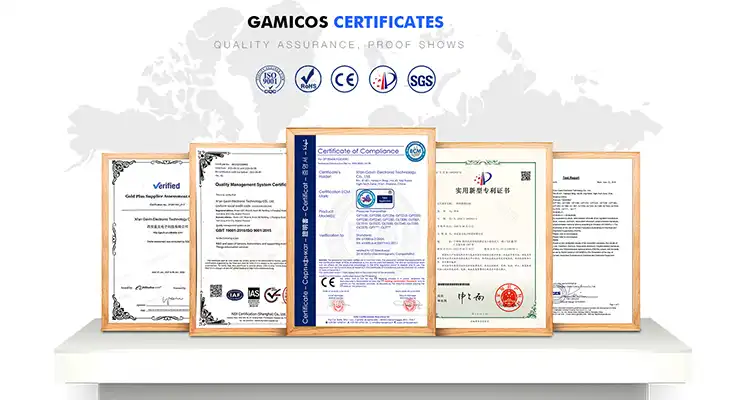
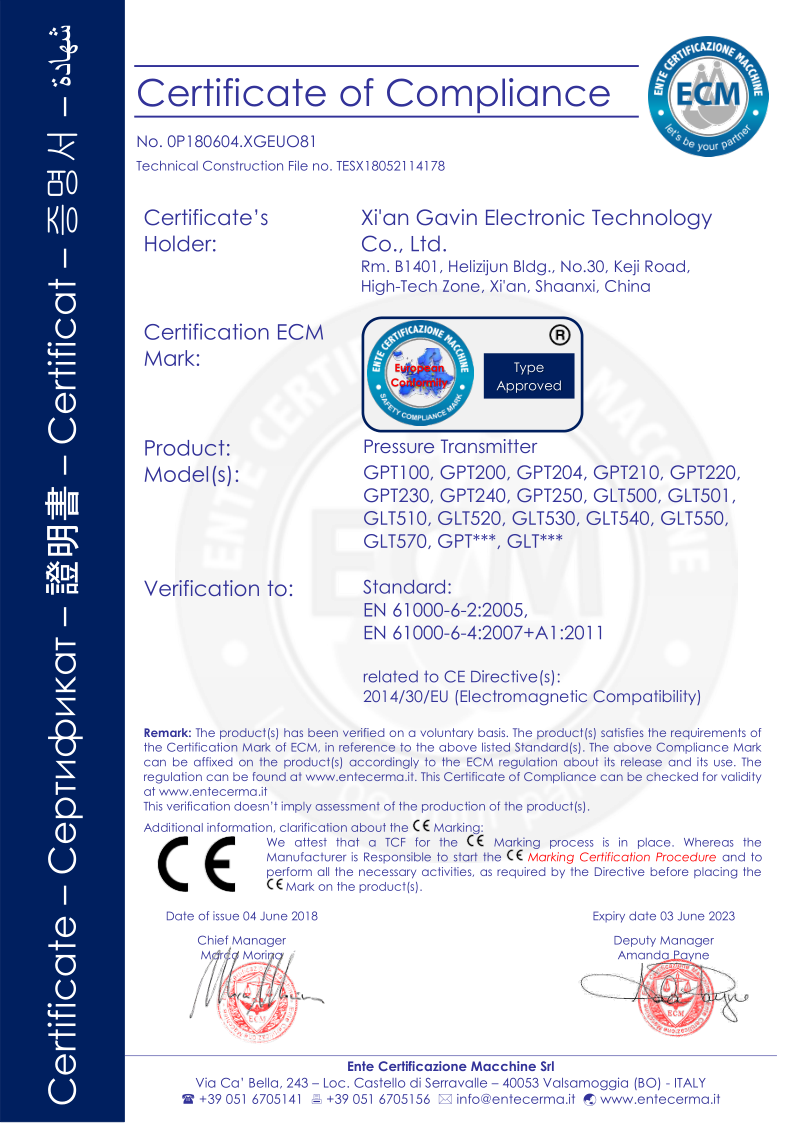
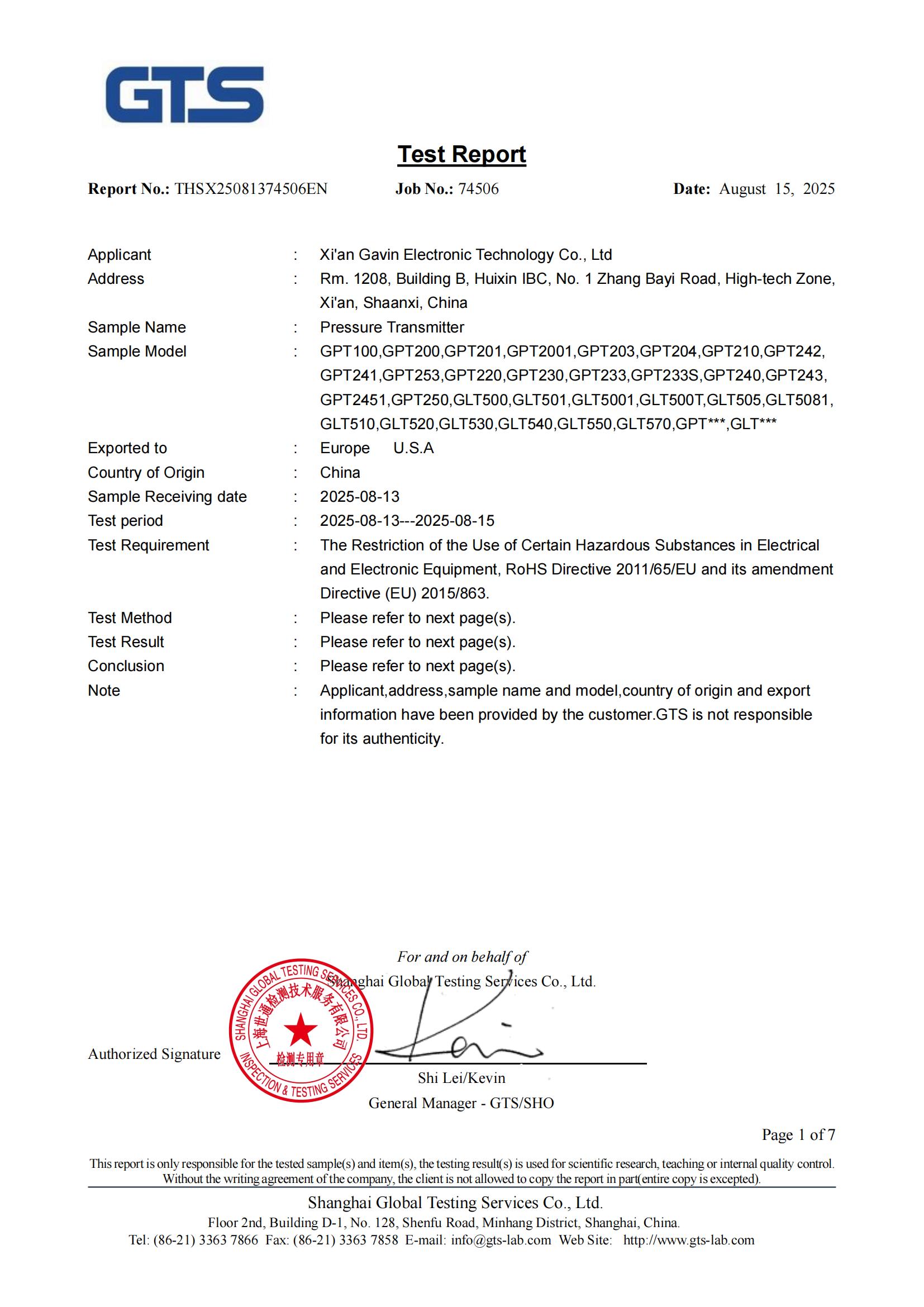
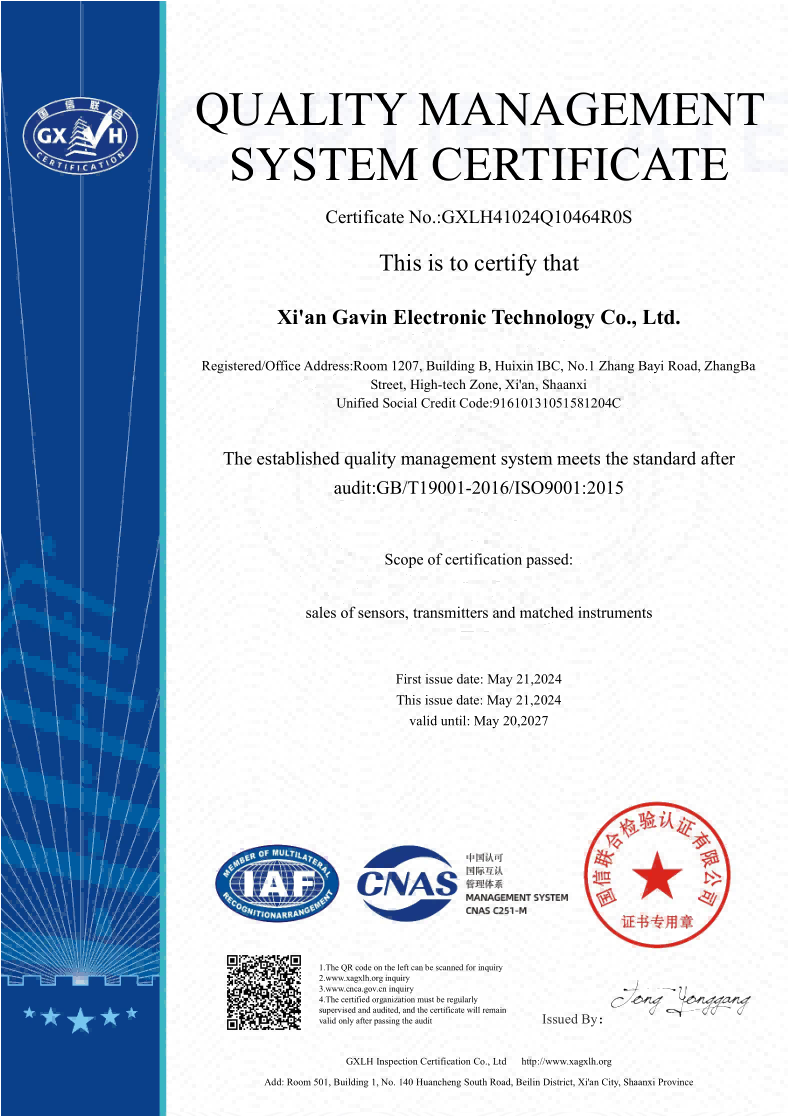
It is easier to set up and maintain the GLT530 because of how it is designed, which directly saves money. Compared to polar emitters, installation time is about 30% shorter because workers don't have to check the polarity. One type of the transmitter can be used for uses from shallow monitoring to 500 meters deep, which cuts down on the number of units that need to be kept on hand. GAMICOS keeps its bulk supply strong, and its wait times are designed to fit project timelines. In North America, Europe, and other places where compliance paperwork speeds up the buying process, CE, RoHS, and ATEX licenses make it easier to get goods through customs and get regulatory approval.
Agricultural Water Management Applications
In farming settings, tracking groundwater with a well level sensor like the GLT530 needs reliable, low-maintenance equipment that can work in faraway areas with little supervision. The GLT530 is great for tracking watering wells because it gives real-time information that helps people decide how much water to use and keeps aquifers from running dry. The non-polar output makes it easier to connect to solar-powered remote tracking systems that are popular in farming. Because the transmitter has a small diameter, it can work with existing well infrastructure without needing expensive changes. This makes it a cheap option for farm managers and companies that make farming tools that need to measure large areas.
Industrial Deep Well Monitoring
Oil, chemical, and energy companies depend on exact level measurements to keep their processes running smoothly and keep an eye on safety. Specifications for the GLT530's high accuracy (down to ±0.1%FS) meet strict industry needs where measurement accuracy has a direct effect on product quality and operating safety. When built with the right wet materials, the fully submersible design can handle tough chemical conditions. Integration with SCADA systems allows tracking of multiple well sites from one place, which improves practical awareness and reaction times. Engineers like how flexible the emitter is during project execution because the non-polar output works with a wide range of control system designs without the need for custom wiring.
Remote Environmental Monitoring Systems
Long-term data on groundwater levels is used by environmental groups and research centers to study ecosystems and predict hazards. The GLT530 is built to last, so measurements will stay accurate even after years of running without anyone being there. When used with data loggers or wireless tracking units, the transmitter is the main part of networks that keep an eye on everything. The 4-20mA current output works well with analog-to-digital converters and edge computing devices, which lets you handle and send data more efficiently locally. This connection helps long-term water management plans that use accurate, dependable measurement data to make policy choices and plan how to share resources.
Troubleshooting and Performance Optimization of GLT530 Level Transmitters
To keep transmitters working at their best, technical problems need to be found and fixed in a planned way. Knowing the most common types of failure and how to diagnose them cuts down on downtime and makes tools last longer.
Identifying Signal Interference Issues
Noise can get into the 4-20mA current loop from nearby electrical devices through electromagnetic interference. This can show up as measurement changes or results that aren't consistent. Check the shielding on the cables and make sure they are properly grounded along the data line. When it is physically possible to do so, move power cords away from signal wires. Putting surge protectors at entry points to the control panel protects the electronics in the radio from voltage spikes caused by lightning or switching transients. The GLT530's signal processing hardware filters out noise, but keeping the electrical surroundings clean is the best way to get the best performance.
Addressing Calibration Drift
Pressure monitors like a well level sensor may show a little change in tuning over long periods of time because of mechanical stress or temperature cycling. Set up regular plans for verification—usually once a year or every six months, based on how important the application is. Steel-tape water level meters or calibrated test tools can be used to compare the numbers from the transmitter to the reference measures. Write down any differences and re-calibrate when numbers go beyond the allowed tolerance bands. Extreme temperatures and other environmental factors can speed up drift rates, which means that things that need to be checked often need to be checked more often.
Resolving Wiring and Connection Faults
Even though the GLT530's non-polar design prevents polarity mistakes, connection problems still happen from time to time. Circuit resistance goes up when end links are loose, which affects the accuracy of the current loop. Check all the connection spots for rust or water damage, especially on installs that will be outside. Damage to the cable from physical stress or rodent action stops all signal transfer. Use cable problem locators on long wire runs where it's not possible to look at them visually. Keeping detailed installation paperwork speeds up repair by giving you points of reference to check the circuit.
Maintenance Best Practices for Sensor Longevity
Regular care keeps the measurement accuracy of an emitter and makes it last longer. When getting sensors out for cleaning, check the outside of the probe for damage or worn-down cover. Mineral buildup from hard water can happen on pressure sensor parts, which needs to be cleaned gently with the right chemicals. Check to see if the wire strain relief is still in place and that the cables' covering hasn't broken down. When makers release updates that fix known problems or add new features, you should update the software. The GLT530's modular design makes it easy to change parts when they break. However, regular care will usually keep it running smoothly for years.
Importance of Responsive Supplier Support
Having access to skilled technical help speeds up the process of fixing problems and cuts down on costly downtime. GAMICOS offers full support throughout the entire lifecycle of a device, from the original decision process to upkeep and troubleshooting. The engineering team knows how to deal with the unique problems that come up in industrial automation settings and can give useful advice that is tailored to the needs of each application. Strong relationships with suppliers are especially helpful when adding to or replacing an existing system. Technical advice is needed to make sure that all the installed equipment works well together and is compatible.
Conclusion
The GLT530 level transmitter uses non-polar two-wire output technology with accurate pressure reading to make a strong device that can be used as a well level sensor in tough industrial settings. Its small size, wide measurement range, and easy installation meet important procurement goals like low cost, dependability, and operating freedom. The GLT530 can work in a wide range of settings, from deep commercial wells to farms that need to watch groundwater. It can do this while still providing accurate measurements that are needed to make smart decisions. Because it has international certifications and can be customized by OEMs, it is a good choice for global B2B buyers who want to work with reliable liquid level measurement partners.
FAQ
Q1: What advantages does non-polar two-wire output provide over traditional wiring?
A: The GLT530's non-polar two-wire output means that techs don't have to worry about polarity during installation. They can connect it without checking the positive and negative ends. This design cuts down on installation time by about 30% and almost completely removes wiring mistakes that can damage equipment or give wrong readings. This technology is especially helpful when cables need to be disconnected and then reconnected for system repair or growth.
Q2: Can the GLT530 integrate with battery-powered remote monitoring systems?
A: Because it doesn't use much power, the GLT530 can work with data acquisition systems that are driven by the sun or batteries, which are popular in remote locations. Most remote terminal units and monitoring devices can connect straight to the standard 4-20mA current loop. When planning battery-powered systems, you need to figure out the total power costs that include the transmitter's current draw and the needs for telemetry tools.
Q3: What are typical lead times when ordering GLT530 transmitters in bulk?
A: GAMICOS keeps common GLT530 configurations in stock so that large orders can be filled quickly. Depending on where the thing is going and how many are ordered, lead times for stock items are usually between two and four weeks. Lead times may go up to 4 to 6 weeks for custom setups that need specific probe lengths, accuracy grades, or OEM changes. Get in touch with our expert sales team to talk about your project's schedule and look into choices for faster delivery if you need something right away.
Partner with GAMICOS for Precision Groundwater Monitoring Solutions
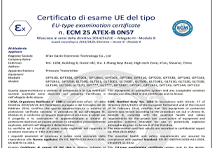
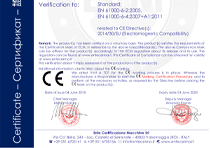
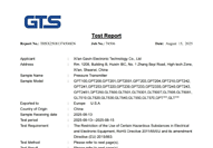
GAMICOS is an expert at providing high-precision liquid level measurement technology that is made for use in factories all over the world. As a maker of the GLT530 well level sensor, we can fully customize OEM and ODM orders to make sure that the transmitters meet all of your exact requirements for probe sizes, accuracy rates, and communication methods. Our goods meet safety standards in North America, Europe, and around the world thanks to certifications like CE, RoHS, and ATEX.
Our engineering team offers full technical support from the original selection process through installation and continued maintenance, which keeps systems running at their best and minimizes downtime. GAMICOS has the knowledge and high-quality products that B2B procurement workers want for projects like tracking deep wells, agricultural water resources, or industrial process control. Get in touch with our experts at info@gamicos.com to talk about your unique needs and find out how our tried-and-true measurement solutions can improve the reliability and efficiency of your operations.
References
1. Smith, J.R., and Chen, L. (2021). "Advanced Hydrostatic Level Measurement in Deep Well Applications." Journal of Industrial Instrumentation and Control, Vol. 34, No. 2, pp. 145-162.
2. Thompson, M.K. (2020). "Non-Polar Two-Wire Transmitter Technology: Design Principles and Field Applications." Measurement Science and Technology Quarterly, Vol. 18, No. 4, pp. 78-94.
3. Anderson, P., Martinez, R., and Williams, D. (2022). "Comparative Analysis of Level Sensing Technologies for Groundwater Monitoring." Water Resources Management Review, Vol. 29, No. 1, pp. 213-237.
4. European Committee for Standardization (2019). "EN 61326-1: Electrical Equipment for Measurement, Control and Laboratory Use - EMC Requirements." Brussels: CEN Publications.
5. Peterson, H.G. (2023). "Submersible Pressure Transmitters in Industrial Automation: Performance Optimization and Maintenance Strategies." Industrial Process Engineering Handbook, 5th Edition, pp. 567-589.
6. International Society of Automation (2020). "ISA-50.00.01: Fieldbus Standard for Use in Industrial Control Systems - Part 4: Current Loop Signal Transmission." Research Triangle Park: ISA Standards Department.

Spring
Spring, With 5 years of experience in sensor technology and product development, Mark specializes in helping clients identify the optimal pressure and level sensor solutions for demanding industrial environments。
We're here to help — submit your request anytime!
Let us know how we can help solve your pressure level measurement challenge.
_1757930850792.jpg)
Recommended Blog
How Submersible Pressure Sensors Improve Closed Chemical Tank Safety
Water Level Sensor Probe Maintenance Tips for Longer Service Life
Water Level Transducer Buying Guide for Global Importers
Top Benefits of Using a Submersible Water Level Transducer
How Submersible Pressure Sensors Improve Closed Chemical Tank Safety
Water Level Sensor Probe Maintenance Tips for Longer Service Life
Water Level Transducer Buying Guide for Global Importers
Top Benefits of Using a Submersible Water Level Transducer