Top Benefits of Using a Submersible Water Level Transducer
Understanding Submersible Water Level Transducers and Their Core Advantages
- Understanding Submersible Water Level Transducers and Their Core Advantages
- Top 5 Benefits Driving Procurement Decisions in B2B Markets
- Technical Insights – What Makes Submersible Water Level Transducers the Preferred Choice?
- Procurement Guide – How to Choose and Buy the Best Submersible Water Level Transducer?
- Future Trends and Innovations in Submersible Water Level Transducers
- Conclusion
- FAQ
- Partner with GAMICOS for Reliable Water Level Transducer Solutions
- References
When it comes to measuring the exact level of a liquid in harsh industrial settings, underwater water level transducers are the most reliable and accurate choice. These pressure-based monitors are designed to give real-time information from inside the liquid. This makes them necessary for a wide range of uses, from treating garbage to maintaining a constant water supply. These devices offer millimeter-level accuracy that regular float switches can't match because they turn hydraulic pressure into electrical messages. This feature meets the most important needs of engineering managers, buying pros, and automation experts who need reliable measurement technology.

Understanding Submersible Water Level Transducers and Their Core Advantages
Submersible water level transducers are a special kind of pressure measuring device that is made to be submerged in liquids. These devices work by measuring hydrostatic pressure, which means that the sensor element sits at a set depth within the medium being watched. This is different from ultrasonic or radar sensors, which take readings from above the liquid surface.
How Pressure-Based Measurement Works?
The main part of the technology is a silicon piezoresistive pressure sensor element that can reliably measure how heavy the stream of liquid above it is. The change in pressure is turned into a proportional electrical output signal as the amount of the liquid changes. This concept makes sure that performance stays the same even if there is foam, turbulence in the liquid, or mist that could mess up non-contact testing methods.
These days, submersible level monitors have automatic temperature adjustment circuits that change readings based on changes in the fluid's or the air's temperature. This function is especially useful in situations where the temperature of the water changes with the seasons or during operating cycles. This technology is shown by the GAMICOS GLT500 submersible water level sensor, which has customizable digital circuit correction and signal filtering built in. It sends standard industrial output signals that can be used with PLCs, SCADA systems, and data loggers.
Why Submersible Designs Outperform Traditional Alternatives?
Submersible transducers don't just send on-off messages like float-based level switches do; instead, they send constant analog or digital output. This ability to measure continuously lets you use complex process control methods and find level problems quickly. Quality underwater sensors are usually made of all-stainless steel, like the 316L stainless steel used in the GLT500. This type of steel is very resistant to corrosion from chlorinated water, sewer contaminants, and many industrial chemicals.
The waterproof sealed circuit technology keeps water out of the electronics inside, so they can work reliably even when underwater for long amounts of time. Customization is possible for tanks of all sizes, from small swimming pools to deep industrial reservoirs, thanks to the different pressure ranges and signal output choices. Also, anti-clogging liquid entry designs with pressure vent holes keep debris from building up, which could affect the accuracy of measurements over time.
Top 5 Benefits Driving Procurement Decisions in B2B Markets
Several important performance and cost factors are used by sourcing managers and project engineers to judge liquid level measurement technologies. These evaluation factors regularly give submersible pressure water level transducers high marks, making them the best choice for both new installs and equipment upgrades.
Enhanced Measurement Accuracy and Long-Term Stability
When you're in charge of water supply systems, chemical batch processes, or environmental tracking sites, accuracy is very important. Most submersible pressure sensors are accurate to within ±0.25% to ±0.5% of full scale, and they don't change much over years of use. This security cuts down on the number of times that the system needs to be re-calibrated and lowers the chance that wrong level readings will mess up the process.
Temperature compensation in devices like the GLT500 keeps this level of accuracy even when the working temperature ranges that would make uncompensated sensors make big mistakes. Purchasing managers know that this technical advantage directly leads to lower operational risk and a lower total cost of ownership compared to measurement technologies that aren't as stable.
Exceptional Versatility Across Industrial Applications
One great thing about submersible level sensors is that they can be used in a wide range of testing situations. The GLT500 is flexible and can be used in many areas, such as shipping, oil fields, petrochemicals, wastewater treatment, and water conservation. Its chemical resistance profiles and wire specs can be changed to fit different needs.
These sensors give constant-pressure water supply systems for high-rise buildings and business structures the real-time level information they need to keep the pressure at the right level even when demand changes. The stable measurement lets pump control programs work that save energy while making sure there is enough water. In the same way, the sensors can measure the depth of a swimming pool to within millimeters, which is fine for automated systems that add water to keep the pool at the right depth while wasting as little water as possible. Engineering contractors like that a single sensor platform can be used for different stages of a project or types of facilities. This makes purchasing easier, cuts down on the need for extra parts, and makes servicing processes more consistent.
Simplified Installation and Minimal Maintenance Requirements
Timelines and labor prices are directly affected by how easy it is to install. Most of the time, all that is needed to place a submersible transducer at the right measurement point is a mounting weight or clamp and a way to connect the wire to the control system. As opposed to ultrasound or radar technologies, this one doesn't need complicated fixing structures, calibration targets, or alignment steps.
Unlike float switches with mechanical connections, these don't have any moving parts, which makes them much easier to maintain. Once they are put in place, underwater devices work reliably for years with little help other than checking them every so often. Quality sensors have a multi-layer safety structure that makes them last longer, even in harsh circumstances. This cuts down on unexpected downtime and the cost of emergency repairs. When putting together whole systems for end users, distributors and OEM companies like how reliable this is. The expected performance profile makes it easier to plan warranties and assign technical support resources.
Robust Data Output Options for Seamless System Integration
Sensors in modern factories need to be able to easily talk to a variety of control systems. Most submersible level sensors can send signals in more than one format. These can be 4-20mA current loops, 0-5V or 0-10V voltage signals, or digital standards like RS485 or Modbus.
This adaptability makes sure that it works with old PLCs, new SCADA platforms, and tracking systems that use the Internet of Things. The GLT500 sends out standard industrial signals that can be easily connected to automation equipment from major makers, without the need for signal converters or special interface modules. The simple merging process speeds up product development cycles and makes systems less complicated, which R&D managers who work on OEM goods like. With customizable digital circuits, brands can change communication methods to fit their needs, which helps their strategies for standing out in their target markets.
Cost-Effectiveness and Scalable Purchasing Options
It's possible that submersible pressure sensors are more expensive than simple float switches at first, but overall cost analysis always shows that the pressure-based method is better. The mix of higher accuracy, longer service life, low upkeep needs, and less work needed for installation makes for a strong return on investment.
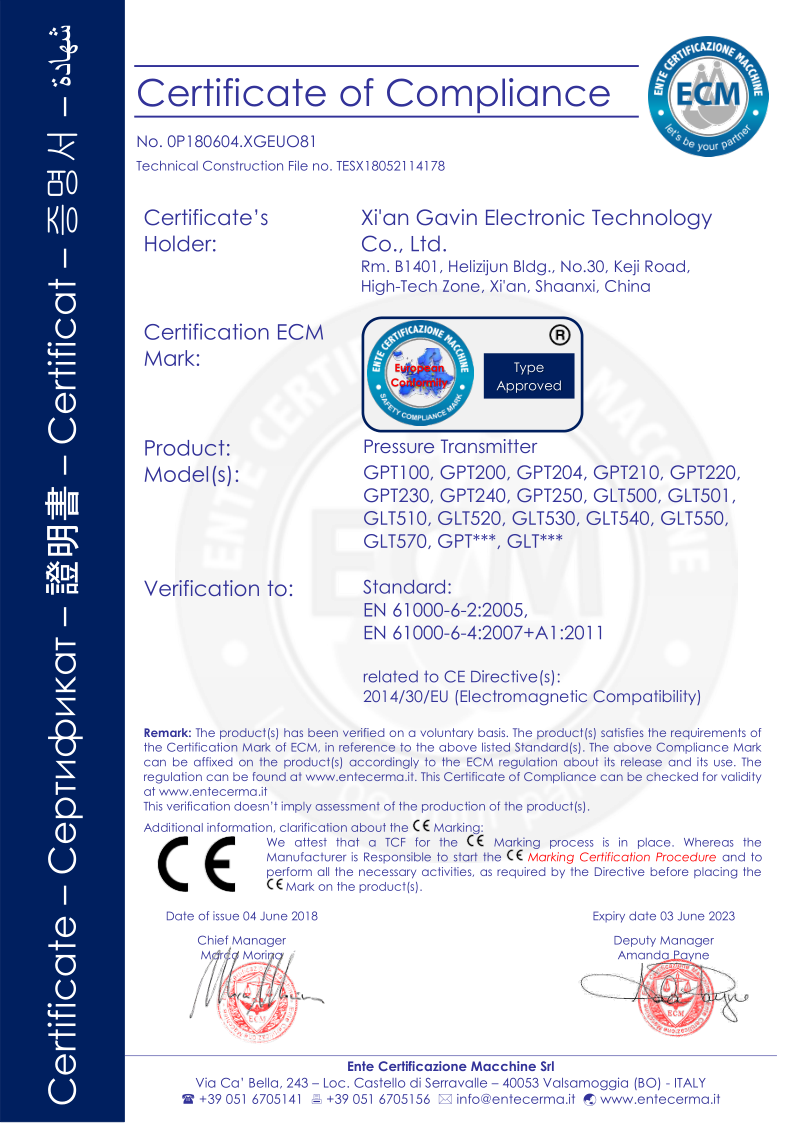
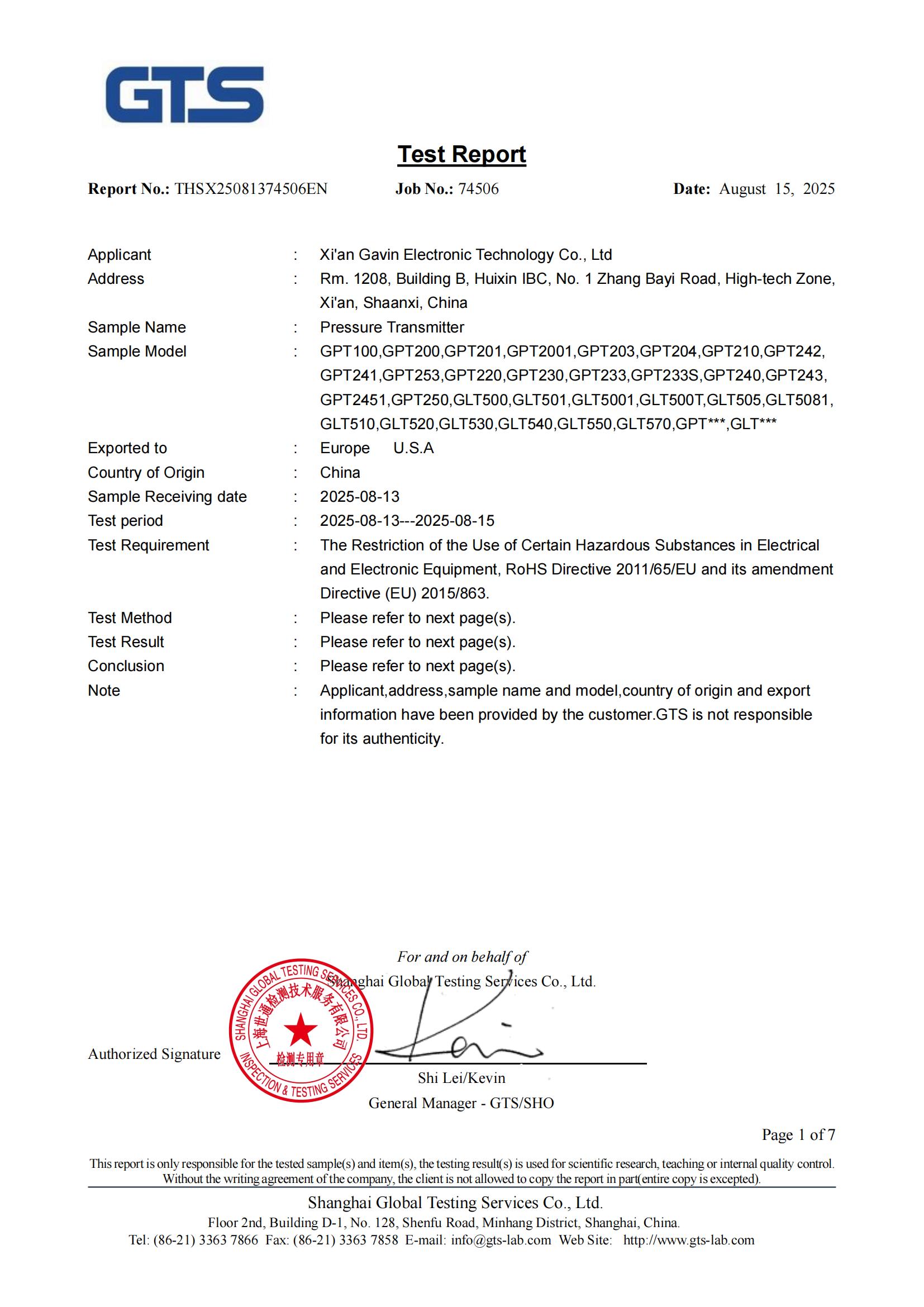
Bulk buying programs from well-known manufacturers allow distributors, contractors, and end users who are in charge of multiple setups to save even more money. OEM customization services, such as wires that don't wear down, don't leak oil, or don't react badly with acids and bases, let products stand out without having to pay a lot of money for developing completely new sensors. Importers and wholesalers benefit from regular product quality and reliable shipping schedules that keep the supply chain running smoothly. International standards like CE, RoHS, and ISO that most reputable makers have make it easier to follow the rules in many markets, which makes distribution between regions easier to manage.
Technical Insights – What Makes Submersible Water Level Transducers the Preferred Choice?
Understanding the technical principles behind the performance of submersible water level transducers helps procurement professionals make choices that are in line with long-term operating goals and application needs.
Sensor Core Technology and Material Selection
The pressure-sensing element is the most important part of any underwater level sensor. Silicon piezoresistive technology is used in high-quality sensors. In this technology, tiny strain gauges built into a silicon plate change the electrical resistance based on how much pressure is applied. When compared to other measuring methods, this solid-state technology is very predictable, repeatable, and temperature stable.
Chemical compatibility and service life are based on the choice of material for wetted parts. 316L stainless steel, which is often used for sensor bodies and diaphragms, is very good at resisting rust from seawater, polluted water, and many acids and bases. Custom cable jackets, like the GLT500's choices for being resistant to wear, oil, and acid-alkali, protect against certain environmental dangers that can be found in petrochemical plants, industrial wastewater systems, and marine settings.
Environmental Protection and Durability Features
Industrial liquid level measurement is often done in tough settings with changing temperatures, mechanical shocks, and fluids that are contaminated. Submersible instruments deal with these problems in a number of different ways. The fully waterproof sealed circuit technology stops water from getting in, which would damage electrical parts and lead to measurement errors or failures. Standardized testing techniques show that these sealing methods work by giving them high IP ratings, usually IP68 for continued submersion. Multi-layer protection systems spread out mechanical stresses and keep sensitive parts safe from outside hits. Because devices like the GLT500 are small, the sensor's physical profile is also small. This makes it less likely that floating trash or repair work in tanks and sumps will damage the sensor.
Signal Processing and Output Characteristics
For industrial control systems to get the stable, accurate results they need from raw pressure readings, the signals must be carefully processed. In order to keep the accuracy of the readings across all operating temperature ranges, automatic temperature correction circuits take into account the effects of temperature on both the sensing element and the fluid being measured.
Programmable digital adjustment methods can make sensor output more linear, account for small differences in manufacturing, and allow for custom scale to meet the needs of a given application. This programmability lets OEMs make changes to the sensor hardware without having to rebuild it. This speeds up the time it takes to market for goods that are designed for specific uses. Piezoresistive sensors have very quick reaction times, usually measured in milliseconds. This lets you control processes in real time and quickly find changes in level. It is very helpful in systems that change a lot, like pumping stations and batch processing processes, where levels change fast.
Procurement Guide – How to Choose and Buy the Best Submersible Water Level Transducer?
To strategically source measurement instruments, you need to carefully look at technical specs, the supplier's skills, and the total cost of ownership. This organized method cuts down on the risks of buying things while making sure that the goods chosen meet current needs and can be used with new systems in the future.
Defining Application-Specific Requirements
To choose the right sensor, you must first clearly write down the measurement factors and the weather conditions. Some important things to think about are the highest and lowest amounts of liquid that need to be monitored, the level of accuracy and resolution that is needed, the chemical make-up of the fluid, its temperature range, and the mounting options that are available. It is important that the water level transducer's pressure range matches the highest point of the liquid column and has enough room to spare so that the sensor doesn't get too busy when something goes wrong. Standard ranges usually cover 0 to 1 meter to 0 to 200 meters of water column. For specific uses, custom ranges are also available.
Output signal selection relies on the needs of the control system and the length of the wire runs. Current loop outputs (4-20mA) work best in noisy factories and over long cable runs. Voltage outputs, on the other hand, may be enough for shorter lengths and setups that aren't as harsh on the electricity. When adding many sensors to a networked tracking system, digital communication methods can help.
Evaluating Supplier Credentials and Product Quality
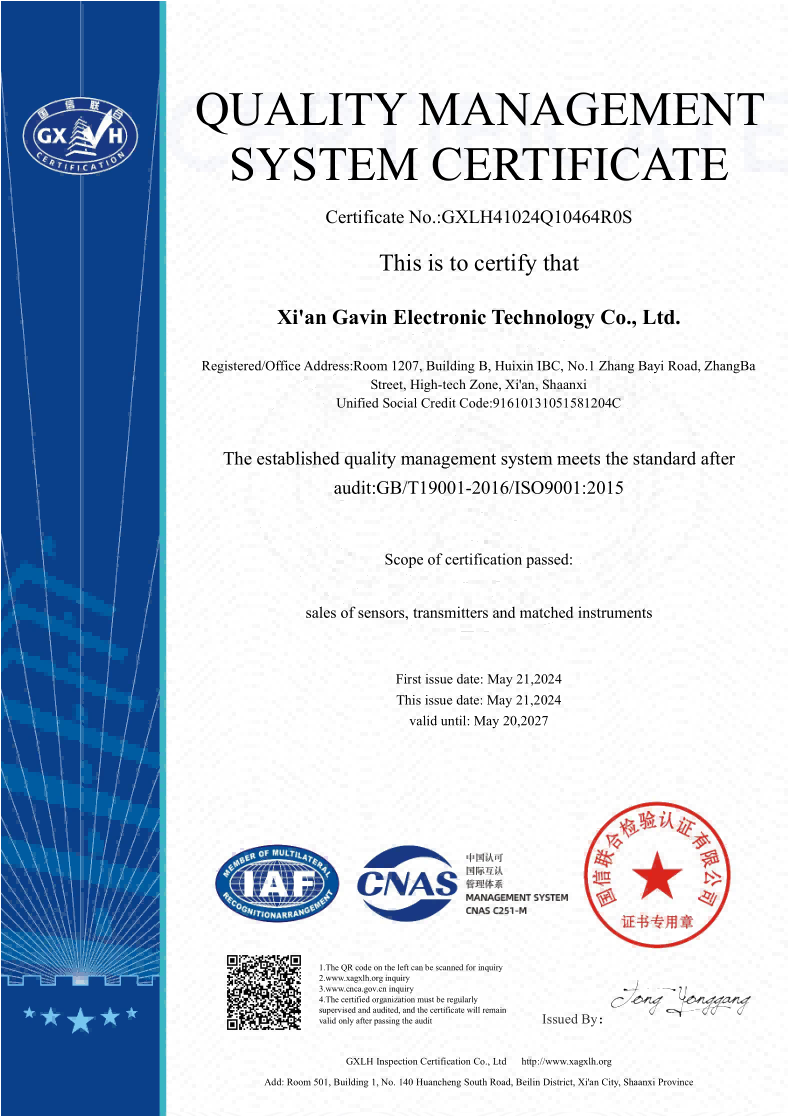
When you buy from a business to business seller, you need to be sure that their products will be consistent. Engineering managers should make sure that potential providers have quality management systems that are approved to ISO 9001 or a similar standard, that their products have the right approvals (CE, RoHS) for the markets they want to reach, and that they offer recorded calibration that can be traced back to national or international standards.
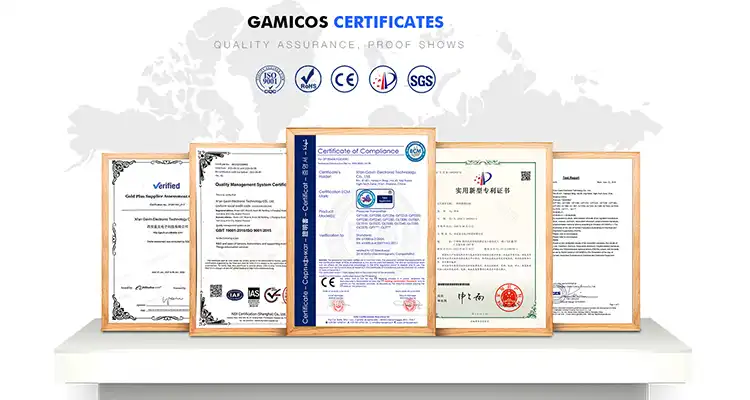
GAMICOS is a good example of the kind of provider that makes long-term relationships work. The company has shown it can work in global B2B markets by sending its goods to more than 100 countries and serving tens of thousands of customers every year. The specialized research and development department, multiple patents, and partnerships with research centers all show that the company is investing in new technology and not sticking to old designs. Warranty terms and after-sales help systems protect you against problems with the product and how it works. Downtime and project delays are kept to a minimum by having responsive technical support teams that help with product selection, installation, and fixing.
Customization Options for OEM and Specialized Applications
Standard stock items work well for many general measurement needs, but custom sensor setups are often better for more specific uses. OEM customers who are making their own tools really value sellers who can customize their products in a number of ways. Cable specs are a popular place for customization. The fact that the GLT500 comes with different wire choices, such as ones that are resistant to wear, oil, and acid-alkali, shows how carefully chosen materials can be used to solve specific environmental problems. Customizing the length of the cable allows for a variety of placement shapes and sizes without waste or poor reach.
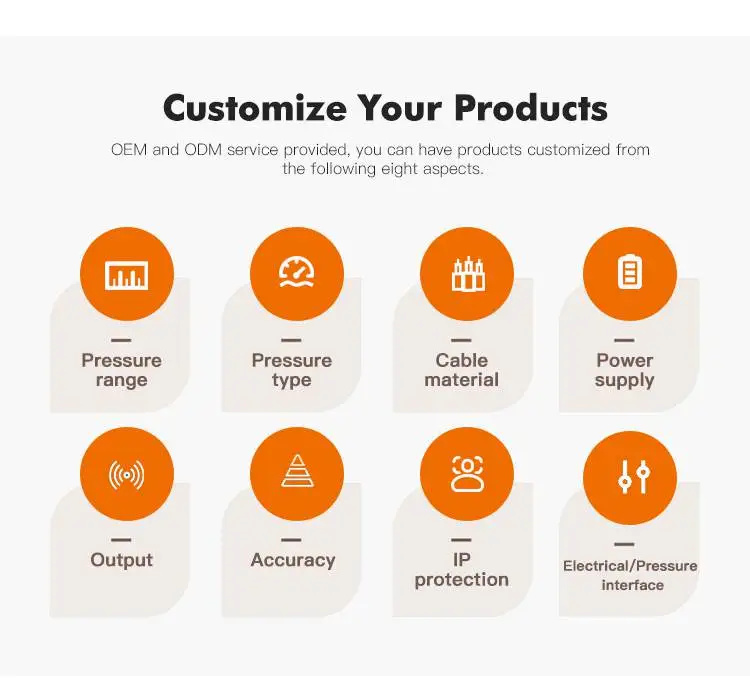
Programmable digital circuits let you change the scaling of the output, the damping properties, and the settings for the communication protocol. Because of this, OEM customers can make their goods stand out while using tried-and-true sensor technology instead of making completely new ones. Customizing packaging and paperwork helps with maintaining brand personality and following the rules in many different markets. For distributors and OEM users, it's easier to get into new markets when suppliers offer private labeling, custom package design, and paperwork in more than one language.
Future Trends and Innovations in Submersible Water Level Transducers
As digital communication, improved materials, and data analytics come together to make sensing solutions that are smarter and more useful, the development of industrial measurement technology keeps speeding up.
IoT Integration and Smart Monitoring Systems
With Internet of Things connectivity, water level transducer devices go from being inactive measuring tools to being active parts of larger building management systems. New sensor designs include wireless communication units that work with protocols like LoRa, GPRS, NB-IoT, and 4G. This lets data be collected from afar without having to connect cables. Using these connection technologies, GAMICOS makes wireless measuring tools that meet the needs of spread-out sites like remote pumping stations, farm irrigation systems, and environmental monitoring networks. Cloud-based data systems collect data from many sensors, use analytics tools to find patterns and outliers, and give users useful information through web panels and mobile apps.

This connection makes it possible for predictive repair plans to be used, in which sensors are replaced before they stop working completely and cause problems with operations. When you combine level data with other operational factors like flow rates, energy use, and machine runtime, you can optimize the whole facility in a way that you couldn't do with separate measurement devices.
Advanced Materials and Enhanced Durability
New developments in material science keep making underwater water level transducers more useful in more situations. Ceramic sense elements and special coats are being studied because they might make things more resistant to rough slurries, harsh chemicals, and high temperatures that are hard for regular stainless steel designs. As hardware gets better, embedded software is also getting better. Machine learning techniques built into sensor firmware might be able to fix fouling issues, make calibration changes automatically, and filter out measurement noise in a way that adapts to the working conditions.
Sustainability and Energy Efficiency Considerations
The design and selection of sensors are affected by the growing concern for protecting the environment. Low-power electronics make it possible for battery-powered wireless devices to work in rural areas without access to electricity. This saves money and time on installation and has less of an effect on the environment than laying power lines. Accurate level reading helps save water directly by letting you precisely control irrigation systems, find leaks in distribution networks, and make cleaning processes work better. More and more, factories are realizing that accurate measurements mean better use of resources. This means that better sensor performance is important for both the economy and the environment.
Conclusion
Submersible water level transducers have benefits that can be measured and are important to B2B buying workers in many fields. Their pressure-based measurement principle gives them accuracy and dependability that simpler technologies can't match, and their sturdy construction means they'll keep working in harsh conditions. Products like the GAMICOS GLT500 are very flexible and can be used for a wide range of tasks, from managing swimming pools to handling petrochemicals. This makes purchasing easier and standardizes repair procedures. As the Internet of Things (IoT) and advanced analytics change how factories work, these sensors change from simple measuring tools to smart system parts that let people make decisions based on data and improve operations.
FAQ
Q1: What distinguishes submersible water level transducers from float switches?
A: Float switches only show isolated high or low level points, but submersible water level transducers measure levels continuously in either analog or digital over their whole range. With constant tracking, you can precisely control the process, look at trends, and find problems early on, which isn't possible with simple on-off switching devices.
Q2: Which factors most significantly influence sensor measurement accuracy?
A: Changes in temperature, installation location, fluid density, and the quality of the sensor calibration are the main things that decide how accurate a reading is. Good sensors automatically adjust to changes in temperature and keep working well across their recommended temperature ranges, so outside factors don't affect the results too much.
Q3: Are submersible pressure sensors compatible with existing PLC systems?
A: Yes, standard industrial outputs (4-20mA, 0-10V, RS485) make sure that all major brands of PLCs can work with it. Sensors like the GLT500 can connect directly to analog input units in a control system; they don't need any special connections or signal converters.
Partner with GAMICOS for Reliable Water Level Transducer Solutions
Finding the right measurement technology takes more than just looking at different standard sheets. You need a partner who wants you to succeed. GAMICOS has been helping engineering firms, original equipment makers, and wholesalers in more than 100 countries for more than ten years with measuring liquid level and pressure. Our GLT500 underwater water level transducer sensor shows how dedicated we are to quality. It combines precise silicon piezoresistive technology with tough stainless steel construction that can handle the harshest industrial settings.
As a dedicated water level sensor maker, we can help you meet your buying goals by offering open OEM/ODM customization, bulk supply with reliable delivery schedules, and full expert support from choosing the right product to installing it and beyond. Our engineering team works closely with clients to make sure that the sensors they order are exactly what they need to do their job, whether that means using special cable materials for harsh chemicals, special pressure ranges, or special communication protocols.
Get in touch with our team at info@gamicos.com to talk about your measurement problems and find out how our tried-and-true sensor technology can help you run your business more efficiently and reliably. We're ready to help you with your next job by providing you with professional know-how, fair prices, and the kind of quick response service that makes partnerships last.
References
1. Johnson, M.R., & Williams, P.T. (2021). Industrial Pressure Measurement: Principles and Practice. Technical Publishing International.
2. Chen, L., & Rodriguez, A. (2022). "Comparative Performance Analysis of Liquid Level Sensing Technologies in Industrial Applications." Journal of Process Control Engineering, 48(3), 234-251.
3. International Society of Automation. (2020). ISA-5.1-2009 Instrumentation Symbols and Identification. Research Triangle Park: ISA Standards.
4. Anderson, K.L. (2023). "Advances in Submersible Pressure Transducer Technology for Water Management Systems." Water Resources Engineering Quarterly, 15(2), 88-103.
5. European Committee for Standardization. (2019). EN 60529: Degrees of Protection Provided by Enclosures (IP Code). Brussels: CEN Technical Standards.
6. Mitchell, D.J., & Yamamoto, H. (2022). Smart Sensors and IoT Integration in Industrial Automation. Boston: Industrial Technology Press.

Halen
With over 12 years of experience in fluid sensing technology, Halen specializes in helping clients select and optimize oil level sensors for a wide range of industries—including automotive, marine, heavy machinery, and energy.
We're here to help — submit your request anytime!
Let us know how we can help solve your pressure level measurement challenge.
_1757930850792.jpg)
Recommended Blog
How Submersible Level Sensors Monitor Corrosive Liquids
How Submersible Pressure Sensors Improve Closed Chemical Tank Safety
Water Level Sensor Probe Maintenance Tips for Longer Service Life
Water Level Transducer Buying Guide for Global Importers
How Submersible Level Sensors Monitor Corrosive Liquids
How Submersible Pressure Sensors Improve Closed Chemical Tank Safety
Water Level Sensor Probe Maintenance Tips for Longer Service Life
Water Level Transducer Buying Guide for Global Importers
How Submersible Level Sensors Monitor Corrosive Liquids
How Submersible Pressure Sensors Improve Closed Chemical Tank Safety
Water Level Sensor Probe Maintenance Tips for Longer Service Life
Water Level Transducer Buying Guide for Global Importers