Water Level Transducer Buying Guide for Global Importers
Understanding Water Level Transducers: Key Concepts and Principles
- Understanding Water Level Transducers: Key Concepts and Principles
- Critical Considerations When Buying Water Level Transducers
- Leading Water Level Transducer Brands and Supplier Evaluation
- Matching Water Level Transducer Types to Your Business Needs
- Purchase Process and Procurement Best Practices for Global Importers
- Conclusion
- FAQ
- Partner with GAMICOS for Precision Liquid Level Measurement Solutions
- References
One of the most important choices that B2B buying managers and engineers working on industrial automation projects have to make is which water level transducer to use. These accurate measuring tools turn the height of a liquid level into electrical signs. This allows for real-time tracking that is needed in chemical plants, water systems, wastewater treatment plants, and oil operations. When looking for reliable liquid level monitoring options, global importers have to deal with a lot of complicated technical requirements. They also have to balance the need for accuracy, the need for durability, and the total cost of ownership across foreign supply lines.

Understanding Water Level Transducers: Key Concepts and Principles
What Is a Water Level Transducer and How Does It Differ from Basic Sensors?
A water level transducer is an electronic device that can accurately measure the height of a fluid and turn that reading into standard electrical signals that can be used in automation systems. These advanced devices offer continuous analog or digital outputs, such as 4-20mA current loops or RS-485 digital protocols, unlike simple float switches that only give single on/off signs. Process automation systems can keep accurate liquid amounts in tanks, reservoirs, and industrial vessels with this constant measurement feature.
Core Operating Principles Behind Liquid Level Measurement Technology
Several tried-and-true rules are used to figure out the level of a liquid in modern times. Pressure-based underwater sensors find the depth of a well by measuring the hydrostatic pressure of the liquid column above the receiving element. They do this by using well-known relationships between pressure and height. The piezoresistive silicon sensor cores in these devices are very good at picking up on small changes in pressure. Ultrasonic technology sends out high-frequency sound waves that are bounced off of wet surfaces. The time-of-flight is used to figure out how far away something is. Radar devices use electromagnetic waves instead of sound waves, which makes them work better in places with foam, gas, or very high or low temperatures.
Main Types of Transducers Used Across Industrial Applications
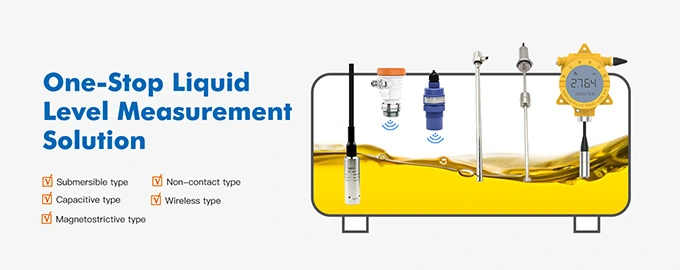
Different types of transducers are used in different industries. Installing submersible pressure monitors at the bottom of tanks gives you a direct reading of the water level, which is great for deep wells and storage tanks. Non-contact ultrasonic devices that are placed on top of watery surfaces work well in situations where corrosive chemicals are present and submerging the sensor would be hard to maintain. Capacitive sensors reliably work in conductive fluids because they can pick up changes in the dielectric properties as the amount of the liquid changes. Radar level receivers can be very accurate to the millimeter level in harsh situations like high temperatures, high pressures, and rough media that other technologies have trouble with.
Key Advantages: Accuracy, Reliability, and Operational Versatility
These tools can measure with an accuracy of within ±0.25% full scale, which is important for managing supplies and keeping an eye on processes in the food and drug making industries. Their strong construction means that they will work for years without any repairs in harsh settings. Temperature compensation methods keep the accuracy over a wide range of temperatures, and the different output choices make it easier to connect to SCADA networks, distributed control systems, and programmable logic controllers that are used in factories.
Typical Applications from Water Wells to Wastewater Treatment
In community wells, water level transducers keep an eye on the level of groundwater to make sure that extraction rates are sustainable and that the aquifer doesn't run dry. These tools are used by industrial tank farms to keep track of their stock of chemicals, large liquids, and fuel products. Submersible monitors are used in clarifiers, digesters, and wet wells at wastewater treatment plants to make treatment more efficient and stop overflows. Precision level measurement is important in the constant-pressure water supply sector to keep delivery pressure stable in high-rise buildings and business complexes. This protects equipment and keeps water quality consistent.
Critical Considerations When Buying Water Level Transducers
Evaluating Measurement Accuracy, Sensitivity, and Environmental Compatibility
Specifications for purchases of a water level transducer must list the levels of accuracy that are needed based on how important the application is. Pharmaceutical processes need accuracy of ±2mm, while tank stocking control can handle ±5mm. Environmental factors have a big effect on choosing the right sensor. Temperature ranges, pressure ratings, and chemical interaction decide which materials are best for building the sensor. In swimming pool level monitoring systems, stainless steel 316L doesn't rust when it comes into contact with chlorinated water, and special coats keep it safe from harsh acids used in chemical processing.
Understanding IP Ratings and Waterproof Requirements for Harsh Conditions
The level of ingress protection tells you how well a cage keeps out water and dust. IP68-rated submersible sensors can stay submerged for a long time at certain depths, which is important for fixed placements underwater. Fully waterproof sealed circuit technology keeps electronics inside safe from water damage, so they work well even in wet places for a long time. When there is trash, sediment, or biological growth that could damage the sensor, multi-layer safety structures make it last longer.
Choosing Between Analog and Digital Output Types for System Integration
Analog outputs, such as 4-20mA current loops, offer straightforward, reliable signals that work with older control systems and allow for cable runs of up to 1000 meters without signal loss. Digital standards, like RS-485 Modbus, HART, or Profibus, let you do advanced diagnostics, change how things are set up, and create multi-drop networks where many sensors share communication lines. GAMICOS's GLT500 submersible sensor has more than one signal output choice, so procurement managers can choose setups that work with current infrastructure and also make sites ready for digital transformation projects in the future.
Installation Best Practices and Maintenance Requirements for Optimal Performance
When installed correctly, measurements are accurate and last a long time. Submersible sensors need to be mounted securely so that they don't move and change the results. They also need to have pressure vent holes that aren't blocked. Quality devices have anti-clogging liquid entry designs that reduce the number of times they need to be serviced. Venting cable specifications must meet the needs of the application. Standard cables work well in normal conditions, while oil-resistant, acid-alkali-resistant, and high-strength choices are better for tough conditions in the chemical, marine, and petroleum industries.
Supply Chain Factors: Lead Times, Warranty Policies, and After-Sales Support
Global exporters have to look at more than just the product specs when judging a seller. Bulk order capacity makes sure that there is always enough capacity for big projects and ongoing OEM needs. Reliable delivery dates keep projects on track, which is especially important when repairing broken equipment or meeting building goals. A full guarantee shows that the maker is confident in the product's durability, and helpful technical support teams help with selection, setup, and problem-solving throughout the product's lifecycle.
Leading Water Level Transducer Brands and Supplier Evaluation
Established Global Brands: Technology Strengths and Market Positioning
Siemens has advanced level measurement technology that is built into larger automation environments. This makes it appealing to businesses that have settled on their control platforms. Honeywell makes tough industrial sensors and offers a lot of application tech help. Endress+Hauser is known for making high-precision process instruments with advanced testing features that come at higher prices. GAMICOS has a competitive edge because it can customize products easily, make them quickly, and offer cost-effective solutions to importers in 98 countries.
Assessing Manufacturer Capabilities for Your Technical Requirements
When doing a technical review of a water level transducer, you should look at things like compatibility with measurement ranges, output signal choices, and environmental rates that match the conditions of the application. Look over the written accuracy specs for the right amounts of temperature and pressure. Check to see if the building materials are chemically compatible with the fluids being tested. Check that the approval meets the requirements of target areas, such as CE, RoHS, and ISO standards. The GLT500's customizable digital circuit correction and automatic temperature compensation make sure that it works the same way in all kinds of situations.
Evaluating Suppliers Based on Bulk Capabilities and Distribution Networks
Sourcing managers need to check how much a seller can make, especially for OEM integration projects that need a lot of pieces every year. Manufacturing freedom lets different wire lengths, mounting setups, and materials be used to meet the specific needs of each application. Lead times and logistics costs are affected by distribution infrastructure. For example, sellers with regional warehouses cut down on shipping times and freight costs compared to those who handle orders directly from factories across countries.
Matching Water Level Transducer Types to Your Business Needs
Segmenting Requirements by Application Environment and Operational Challenges
To check on deep wells, you need submersibles with a small diameter and long lines that can reach depths of 200 meters or more. Sensors that have long measurement ranges and are easy to place are good for large storage tanks. OEMs that put sensors in equipment need their products to have small sizes, a variety of mounting choices, and specs that can be changed to make them stand out. Swimming pools need construction that doesn't rust and can stand up to chlorinated water all the time. They also need to be able to keep the millimeter-level accuracy needed for automatic chemical dose systems.
Pressure vs. Ultrasonic vs. Capacitive: Matching Technology to Application
Hydrostatic pressure monitors work best in places where there is only liquid because they provide accurate measurements that aren't affected by air or foam. Ultrasonic devices are useful in situations where submerging a sensor in a liquid is not possible or where there are several liquids with different thicknesses. Capacitive technology works well with conductive slurries and fluids that other ways have trouble with. When making foam, you shouldn't use ultrasonic monitors. Instead, radar technology works better because foam layers block out sound waves.
Customization Options: Specifications, Scaling, and Future-Proofing Investments
GAMICOS offers full OEM and ODM services for water level transducer products, such as custom pressure ranges, unique wire constructions, and different signal outputs that work with customers' system designs. Engraving logos and customizing paperwork help distributors with their branding efforts. Programmable measurement ranges make it possible for single sensor types to work in more than one situation. This makes managing supplies easier and makes buying things less complicated. Businesses can use these adaptable options to meet changing needs without having to rethink their whole measurement systems.
Purchase Process and Procurement Best Practices for Global Importers
Where and How to Source Quality Devices: Platforms and Direct Channels?
Reliable B2B platforms connect importers with recognized makers, making it easier for importers to find and compare suppliers at the start. Working directly with the manufacturer's technical teams lets you have in-depth conversations about specifications that make sure the product fits the application. People can get hands-on experience with products and meet new people at trade shows. GAMICOS has fast foreign sales support that helps procurement workers with the process of creating specifications, getting quotes, and fulfilling orders.
Verifying Datasheets, Certifications, and Compliance Documentation
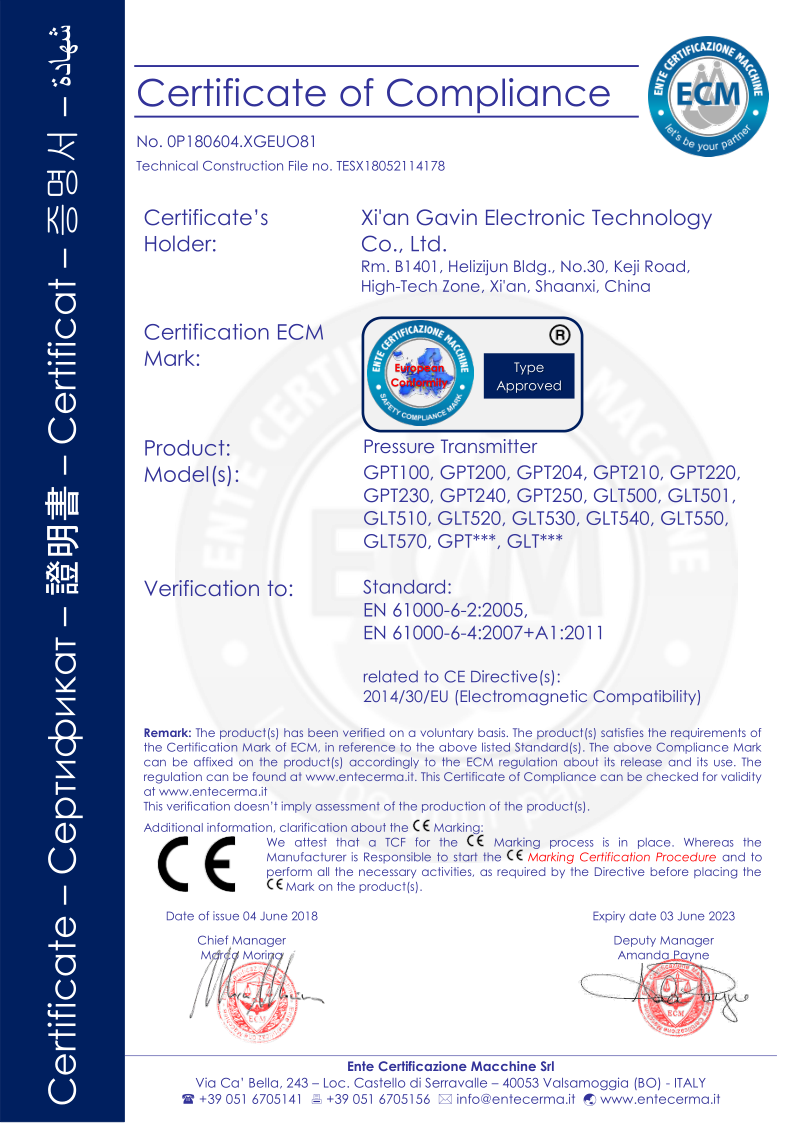
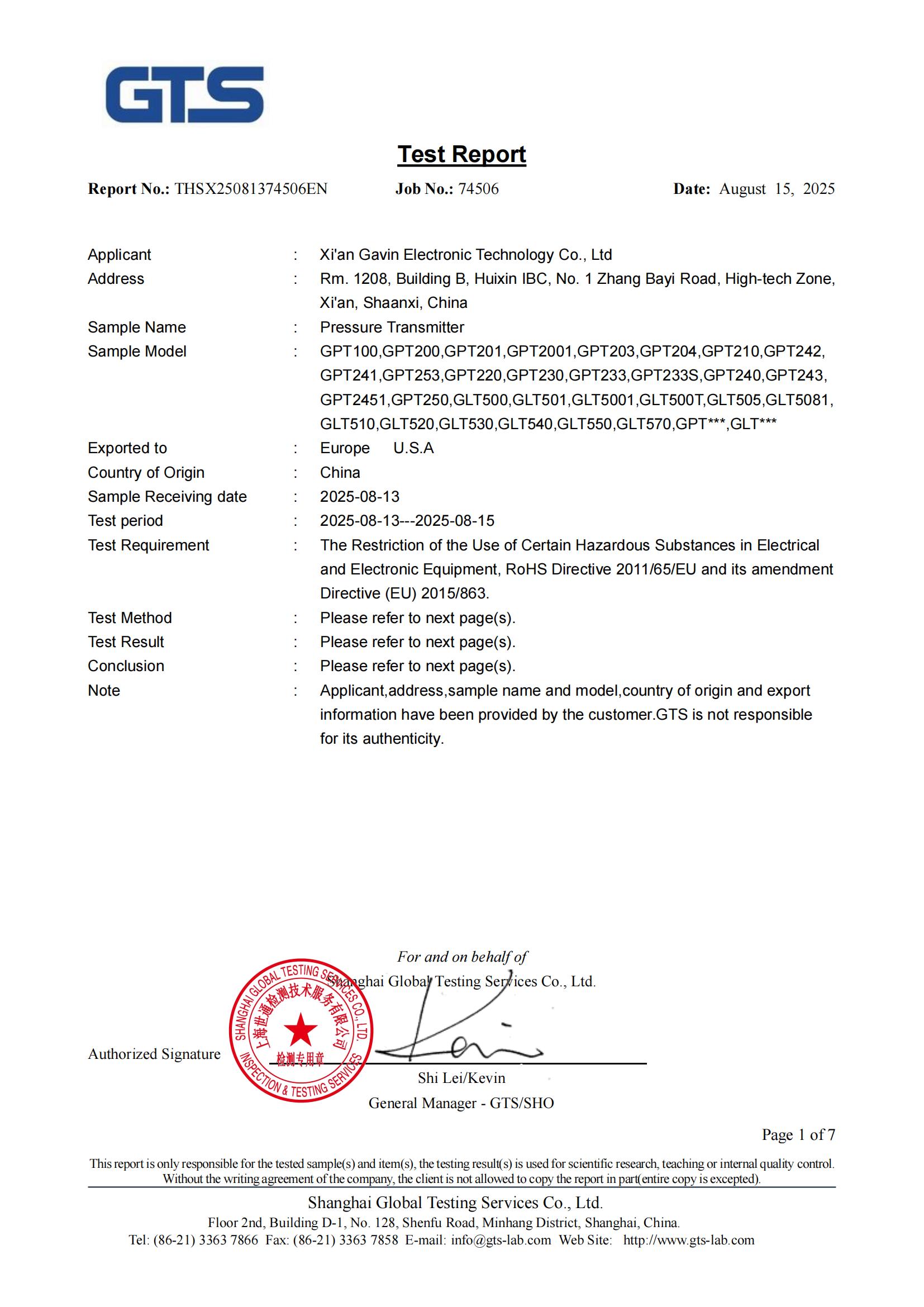
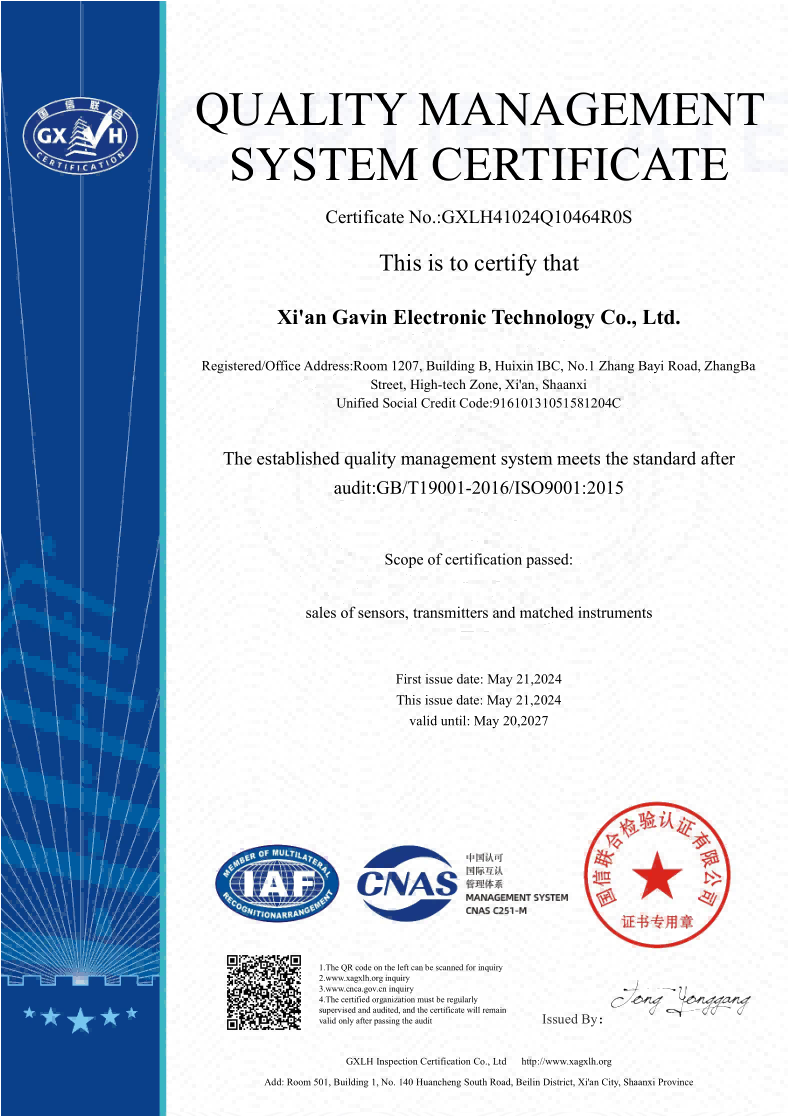
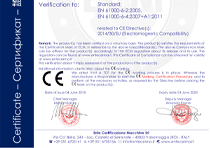
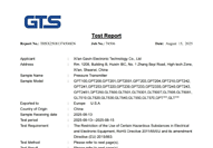
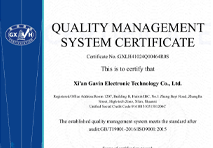
Ask for full scientific datasheets that show the accuracy over a range of working temperatures, the response time, and the long-term stability. Check for third-party approvals from well-known testing labs that say the product meets the necessary standards. Check the material certificates to make sure that the wet parts meet the standards for application compatibility. Quality documentation shows that the maker is committed to being open and meeting legal requirements.
Negotiating Pricing, Bulk Discounts, and Custom Manufacturing Terms
Most of the time, volume agreements allow for better pricing. Talk about your expected yearly needs to set up tiered price structures. Custom manufacturing may have costs for making tools for unique designs, but spreading these costs out over many production runs keeps unit prices low. Payment terms, shipping plans, and warranty conditions need to be written down clearly so that there are no mistakes during the completion of the order.
Warranty Coverage and Planned Maintenance Strategies Reducing Total Cost
Standard guarantee periods are between one and three years, but longer coverage is available for important uses that are worth the extra money. Make it clear what the guarantee doesn't cover when it comes to improper fitting or use outside of the rated conditions. Set up calibration plans that meet the accuracy needs of the application. Most industrial sensors stay in specification for 12 to 24 months between calibrations. Preventive upkeep, such as cleaning and checking connections on a regular basis, keeps equipment from breaking down too soon and extends its life.
Conclusion
To buy water level transducers successfully, you need to find a balance between technical performance and total ownership costs. You also need to build relationships with trusted suppliers that can support your long-term operational needs. Global buyers need to look at measurement principles, suitability with different environments, output signal choices, and the manufacturer's skills to find the best products for their needs. Established makers of submersible pressure sensors are known for their dependability, while new providers like GAMICOS offer great value by letting you customize the sensors and providing quick support. Specifications that are well thought out, suppliers that are screened, and clear business terms are the building blocks for projects that meet performance standards and keep buying risks under control across international supply chains.
FAQ
Q1: How Do I Select the Best Water Level Transducer for My Specific Application?
A: First, you need to define the measurement range, the level of accuracy that is needed, and the external factors, such as temperature, pressure, and chemical exposure. Think about whether immersion or non-contact measurement will work better for your project. When choosing output signals, think about how they will work with other control systems. Talk to application engineers. They can help you choose the right technologies based on setups that have worked well in similar fields.
Q2: What Factors Most Significantly Influence Device Accuracy in Practical Installations?
A: Changes in temperature have an effect on the electronics in sensors and the measured density of fluids. For precise uses, automatic temperature adjustment is necessary. Measurement drift can be avoided by making sure the installation is stable and oriented correctly. Changing air pressure doesn't affect the accuracy of underwater monitors as long as they have the right venting. Regular tuning checks make sure that the performance continues to meet specifications for the whole service life.
Q3: Can These Sensors Integrate with Modern Automation and IoT Systems?
A: Modern devices for measuring liquid levels work with many different industrial standards, which makes it easy to connect them to programmable controls, SCADA systems, and cloud-based tracking platforms. Digital contact choices make it easier to set up things remotely, view diagnostic data, and plan for future repair. LoRa, NB-IoT, and 4G connection are all types of wireless transmission technologies that make tracking possible in places where wired infrastructure would not work or would be too expensive.
Partner with GAMICOS for Precision Liquid Level Measurement Solutions
GAMICOS makes high-quality water level transducer options for companies that make industrial automation equipment, building contractors, and wholesalers all over the world. Our GLT500 underwater sensor uses tried-and-true piezoresistive technology and is built to last. It can accurately measure things in wastewater treatment, oil and chemical processing, and public water systems. We can make a lot of changes to fit your needs, like using different types of cables, different pressure ranges, and different output setups. Our expert team helps with everything, from choosing the right product to putting it into service. They back this up with strict quality control and quick service after the sale. Get in touch with info@gamicos.com to talk to skilled application engineers about your problems measuring liquid levels. Find out how GAMICOS, your reliable water level transducer provider, can help your world business with cost-effective accuracy.
References
1. Johnson, M. & Williams, R. (2022). Industrial Liquid Level Measurement Technologies: Principles and Applications. Process Instrumentation Press.
2. International Society of Automation (2021). "Selection Criteria for Level Measurement Devices in Process Industries." ISA Technical Report TR-89.
3. Chen, L. (2023). "Comparative Analysis of Submersible Pressure Sensors in Wastewater Treatment Applications." Journal of Environmental Engineering Technology, 15(3), 245-261.
4. European Committee for Standardization (2020). Pressure Sensors for Industrial Process Control - Performance Requirements and Testing Methods. EN 60770 Standard.
5. Anderson, K. (2022). Global Supply Chain Management for Industrial Instrumentation: Procurement Best Practices. McGill-Harper Business Publications.
6. World Water Instrumentation Council (2023). "Technical Guidelines for Level Measurement in Municipal Water Systems." WWIC White Paper Series, Volume 8.

Eva
Eva specializes in bridging the gap between cutting-edge sensor technology and market needs. With 8 years of experience in industrial product marketing, she has successfully launched multiple sensor product lines—from pressure transmitters to fuel level sensor—into global markets.
We're here to help — submit your request anytime!
Let us know how we can help solve your pressure level measurement challenge.
_1757930850792.jpg)
Recommended Blog
What output signals do submersible level sensors typically provide?
What output signals do submersible level sensors typically provide?