Response Time Too Slow for Application? Dynamic Pressure Selection Guide
Response Time Too Slow for Application? Dynamic Pressure Selection Guide
Understanding Fast Response Pressure Sensors
- Understanding Fast Response Pressure Sensors
- Comparison of Fast Response Pressure Sensor Technologies
- Selecting the Right Fast Response Pressure Sensor for Your Application
- Real-World Applications and Case Studies
- How to Procure Fast Response Pressure Sensors Smoothly?
- Conclusion
- FAQ
- Partner with GAMICOS for Superior Fast Response Pressure Sensor Solutions
- References
Every millisecond counts when changes in pressure happen that quickly. A fast response pressure sensor is your first line of defense against measurement delays that could hurt the quality of your products, cause safety issues, or stop production lines. In high-stakes situations like chemical processing, aircraft testing, and automated manufacturing, the time it takes for sensors to respond directly affects whether your system responds correctly or fails horribly. This guide gives sourcing managers, engineers, and procurement experts useful information on how to choose dynamic pressure measurement options that are fast and accurate, making sure that they work perfectly in tough industrial settings.

Understanding Fast Response Pressure Sensors
What Defines a Fast Response Pressure Sensor
Normal pressure sensors work great for keeping an eye on steady conditions but not so well for quick changes in pressure. A fast response pressure sensor is different because it can track short-term events like pressure spikes, oscillations, or sudden drops. Response times are usually recorded in microseconds to milliseconds instead of seconds. Specialized measuring parts, well-thought-out mechanical designs, and high-tech signal conditioning circuits that reduce the time it takes for electrical output to match changes in pressure make this possible.
Core Technologies Enabling Rapid Response
A lot of high-speed pressure sensors are based on piezoresistive technology. Silicon pressure sensors with tiny resistors etched right onto a diaphragm are used in these gadgets. When pressure changes the shape of this membrane, the resistance values change in a way that can be measured. Because they have a thin plate and convert electricity directly, piezoresistive sensors can respond in less than one millisecond, which makes them perfect for process control and industrial automation.
The basic idea behind piezoelectric sensors is very different. When put under mechanical stress, some solid materials give off an electric charge. Because there are no middle steps in this straight energy conversion, reaction times are very fast, often in the microsecond range. Piezoelectric sensors, on the other hand, record changes in dynamic pressure rather than static pressure. This means that they are great for studying shock waves, combustion, and vibrations but not for taking constant static pressure readings.
Signal Output Considerations
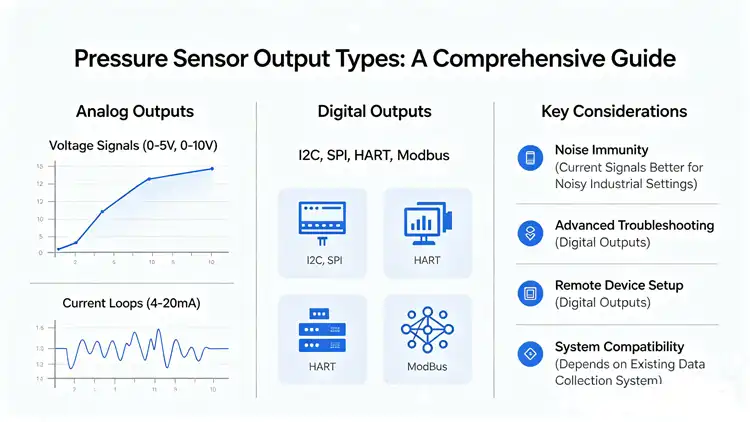
These days, industrial pressure sensors send out a variety of signs that can be used with different types of systems. The 4-20 mA current loop is still popular because it doesn't pick up noise on long wire runs and the current changes evenly across the pressure range. 0–10 V voltage sources work well for short lengths and low power needs. Digital protocols like Modbus, HART, and RS485 make it possible for complex contact with industrial control systems. They send more than just pressure values; they also send diagnostic data, setup parameters, and information about calibration. To keep the fast signal properties, high-frequency pressure sensors usually have analog outputs with a wider bandwidth or special digital connections.
Comparison of Fast Response Pressure Sensor Technologies
Response Time Benchmarks Across Technologies
Response times for standard industrial pressure sensors are usually between 50 and 300 milliseconds, which is long enough for tracking tank levels or HVAC systems where conditions change slowly. For hydraulic systems and air controls, fast response pressure sensor versions cut this time down to 1 to 10 milliseconds. High frequency pressure sensors push the limits even further, getting reaction times of less than one millisecond for uses such as analyzing engine combustion, testing ballistics, or quickly cycling valves.
The shape has a direct effect on speed. Because they have less mass and drag, smaller sensing diaphragms act more quickly. But miniaturization needs to be weighed against the need for longevity. For example, a diaphragm that is designed for microsecond reaction might not be strong enough to withstand harsh industrial settings with pressure spikes or mechanical vibration.
Piezoresistive Versus Piezoelectric Selection
Different types of businesses use piezoresistive sensors, which are very useful. Because they can measure both steady and dynamic pressure, they can be used in situations that need to be monitored all the time with some fast changes. A silicon pressure sensor built into a stainless steel case can work in tough chemical conditions and respond in less than one millisecond. Most of the time, the accuracy is within 0.1% to 0.5% of the full scale, and the pressure goes from zero to 10,000 bar or more.
Piezoelectric sensors are only useful for measuring things that change over time. Their self-generating charge output stops power source drift, but it can't keep up with real DC reaction. With amazing temporal precision, these sensors pick up pressure waves, pulsations, and shock waves. Some uses are keeping an eye on the combustion chamber in engines, measuring blast pressure for defense testing, and analyzing dynamic force in tools for testing materials.
Evaluating Industry-Leading Brands
Honeywell, Bosch, and Sensata are well-known companies that have built their names by coming up with new sensor technologies for decades. Honeywell's piezoresistive pressure sensors are built to last and are very accurate. They are used in aircraft and military, where dependability is essential. Bosch is an expert in sensor technology for cars and makes millions of high-volume units every year that are all the same high quality. Sensata makes sensors that work well in tough environments, even when they are exposed to high temperatures, vibrations, and media that breaks down easily.
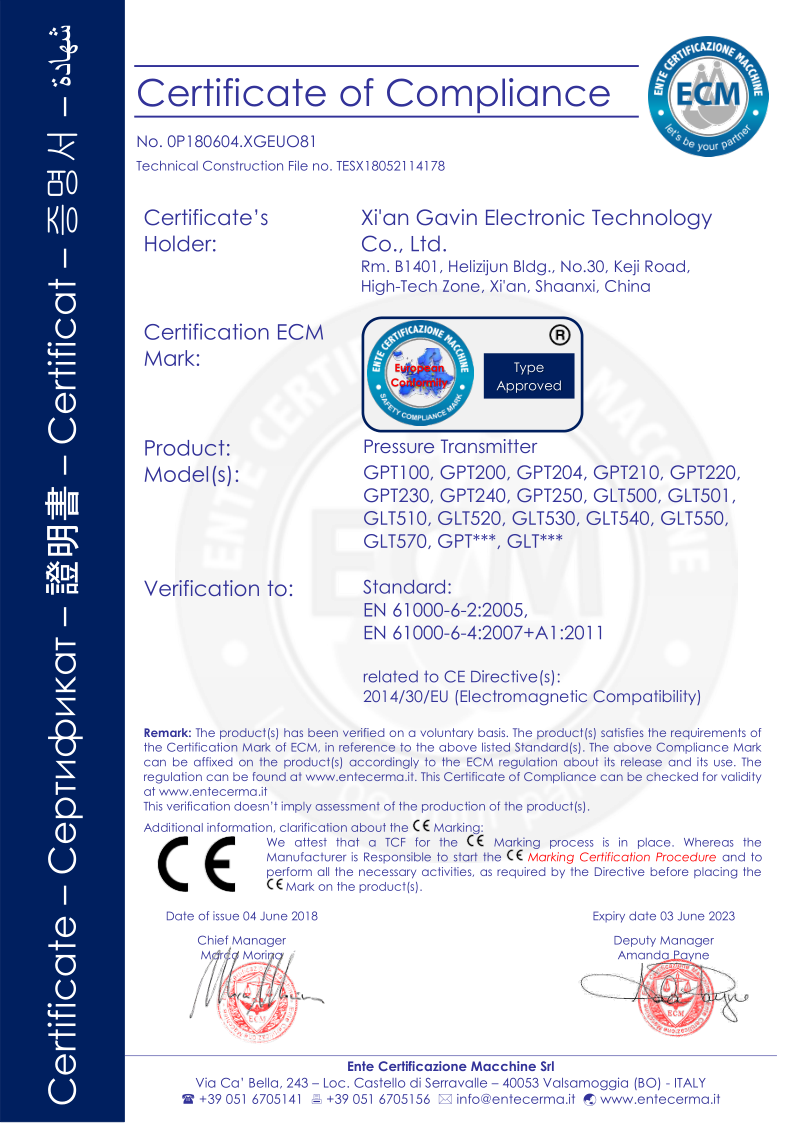
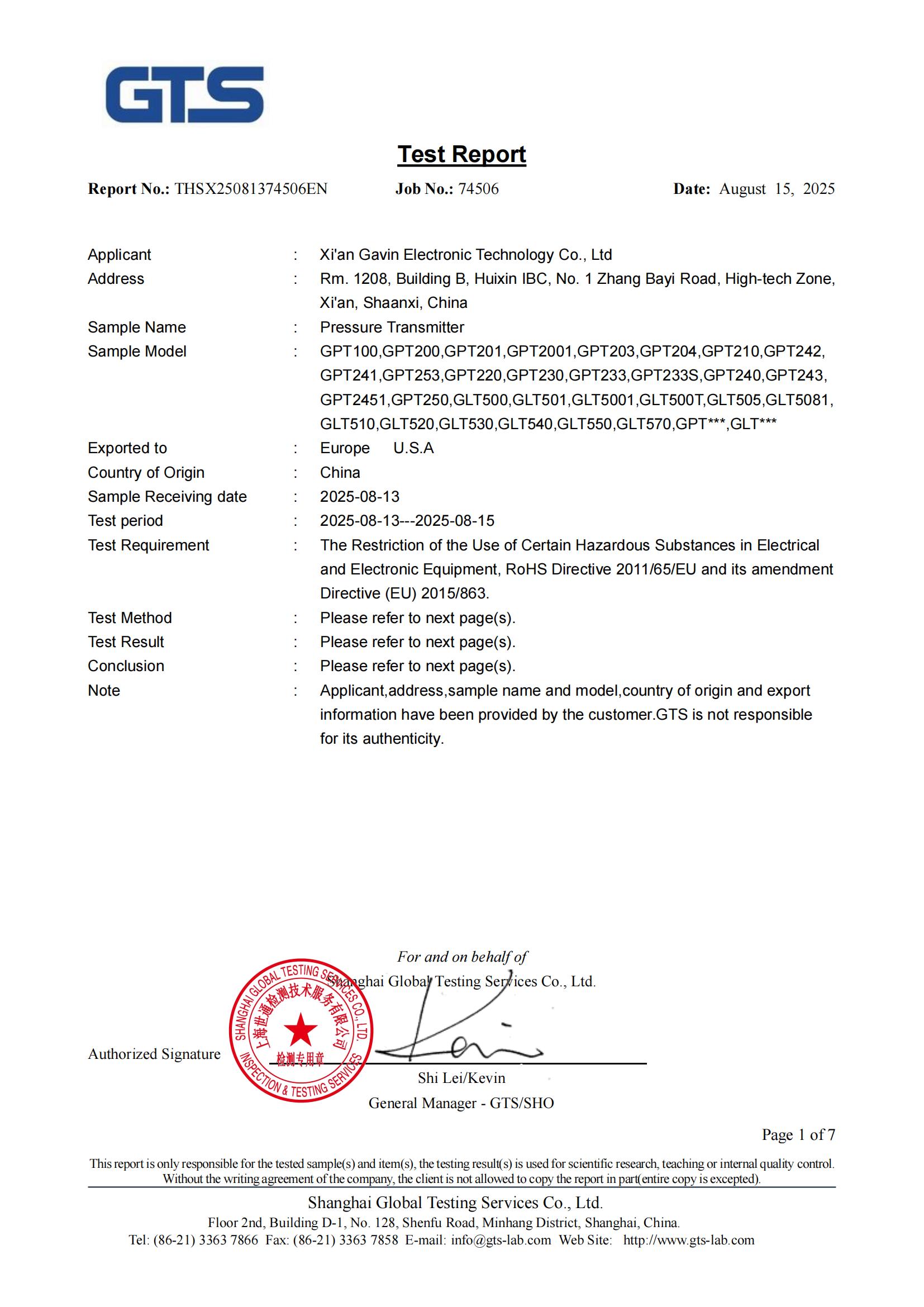
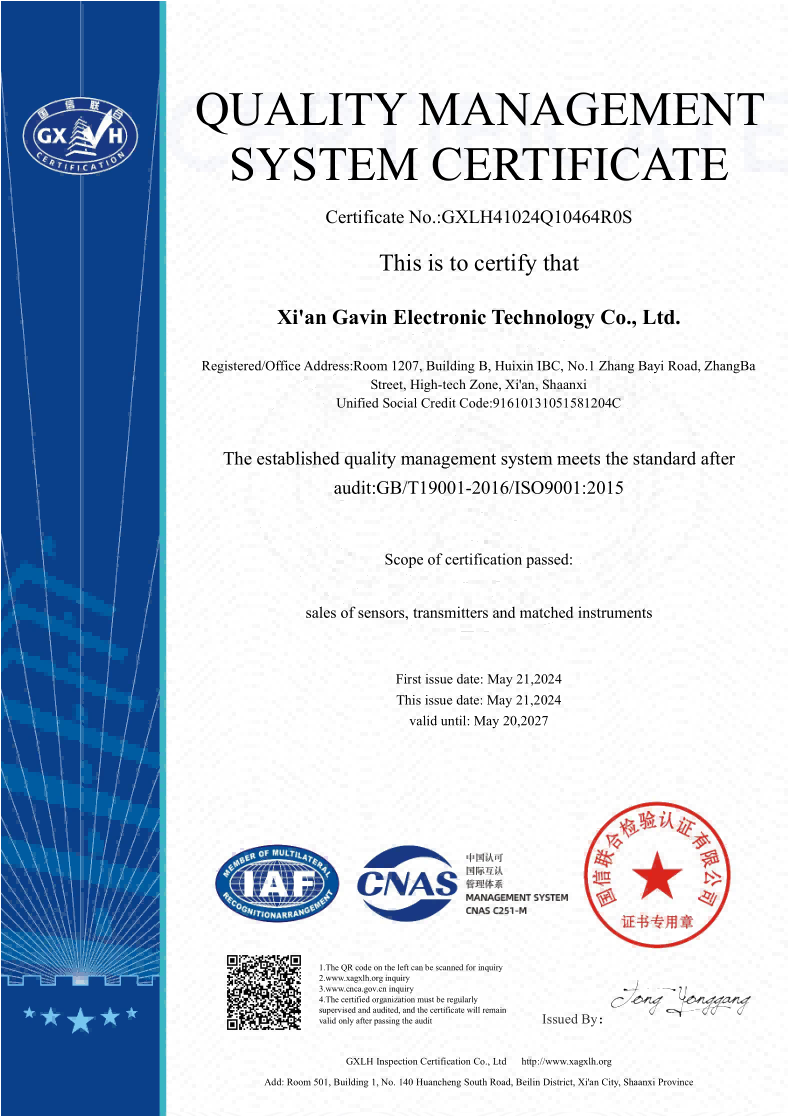
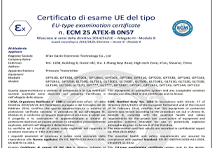
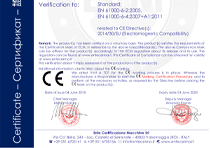
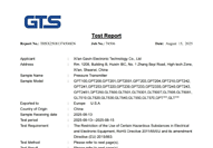
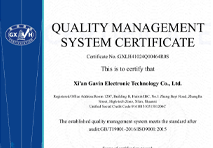
New suppliers, such as specialized makers from places with good facilities for technology, now offer competitive options. OEM customers and wholesalers who manage global supply lines often like these companies because they offer cost savings, the ability to customize products, and shorter wait times. Checking licenses like CE marking for European markets, RoHS compliance for environmental standards, and ISO quality management systems gives you peace of mind no matter where the seller comes from.
Selecting the Right Fast Response Pressure Sensor for Your Application
Defining Application Requirements
To choose the right sensors, you must first be able to measure the performance factors. How quickly does the pressure in your system change? In just five milliseconds, a hydraulic press can cause pressure spikes that need a fast response pressure sensor reaction time of less than two milliseconds to correctly record peak values. How accurate does your process need to be? For example, making medicines might need accuracy of ±0.1%, but less important tasks can handle accuracy of ±0.5%.
Environmental factors are very important. Extremes in operating temperature can affect how well and how long a sensor works. Chemical compatibility tells us if wet materials made of stainless steel are enough or if we need to use unusual metals. Vibration and shock levels determine how to place things and how strong the parts are. Electrical area classifications—risky areas that need intrinsic safety or explosion-proof housings—add more layers of requirements that affect both cost and source choice.
Interpreting Technical Specifications
Datasheets have important information on them, but you need to know how the business works to understand what it means. Different measurement criteria may be used to describe response time, such as the time it takes to hit 90% of the end number (T90) or 63% (time constant). Check to see which standard applies. The frequency response specs tell you the highest frequency of pressure oscillation that the sensor can correctly track, which is very important for uses that change over time.
Choosing a pressure range requires careful strategic thought. For best precision and to avoid overstress, the operating pressure should be between the middle two-thirds of the sensor's full-scale range. A 0-1000 psi sensor is better for a system that works at 500 psi than a 0-500 psi unit because it gives you more protection against short-term overpressure while still giving you enough detail.
Output Signal Compatibility
Output signal consistency makes sure that the merging goes smoothly. Can you connect 4-20 mA power to your control system, or does it need to talk to other devices using Modbus? For voltage outlets to work, they need high-impedance loads to keep the signal from getting weak. By checking the electrical specs, problems with integration that are too expensive to fix during testing are avoided.
Cost Analysis and Supplier Partnership
Costs of procurement go beyond the unit price. Lead times affect project plans. Catalog items usually ship within days, but custom sensors could take weeks or months. Minimum order amounts have an effect on the cost of keeping goods and on cash flow. When OEM uses need thousands of units every year, volume savings become important.
Supplier ties add a lot of value that goes beyond price. Costly mistakes can be avoided with technical help during the design and integration stages. Long-term working continuity is protected by after-sales service, such as calibration services, repair programs, and the availability of new parts. Distributors with local supplies in your area can speed up emergency repairs and cut down on downtime costs, which can be much higher than the cost of buying sensors.
Different sellers offer different customization options. Can they change the electrical plugs so that they fit with the cables you already have? Will they change the pressure port holes to make fitting easier? When OEM partners need private labeling, they need providers who can offer a range of branding choices. These services help people form relationships that go beyond just buying things. This makes the supply chain more resilient, which is helpful when there are problems in the market or not enough capacity.
Real-World Applications and Case Studies
Automotive Safety and Performance Systems
Many pressure sensors are built into modern cars to keep an eye on the fuel injection, brake hydraulics, engine burning, and tire inflation. In common rail diesel systems, fast response pressure sensor units keep track of injection events that happen in milliseconds or less. This makes it possible to precisely measure fuel usage, which improves both economy and emissions. Rapid crash sensors must sense changes in pressure caused by slowing down in order to release airbags within 20 milliseconds of impact.
Performance testing laboratories push the limits of what sensors can do. In order for engine dynamometers to measure cylinder pressure during combustion cycles at 10,000 RPM, sensors must be able to record changes in pressure every few microseconds. These high frequency speakers use special piezoelectric elements and charge amplifiers to keep the integrity of the signal over frequencies higher than 100 kHz.
Industrial Automation and Process Control
During batch operations, chemical reactors often have pressure transients. These happen when reagents are added, the temperature changes, or exothermic reactions happen quickly, which normal sensors miss completely. Putting in high-speed pressure sensors with a one-millisecond response time lets control valves get input in real time, which keeps things safe and stops damage to equipment or changes in product quality.
In metal casting, hydraulic presses use carefully controlled fluid pressure to make forces. Changes in pressure during ram journey change the size of the part and the life of the die. Fast reaction sensors that watch these transients give information that helps improve press cycles, balancing the speed of output with the life of the tools. Complex closed-loop control methods can be used when programmable logic computers are connected through Modbus or HART protocols.
Aerospace and Defense Applications
Absolute pressure sensors are very reliable at tracking altitude, airspeed, and cabin pressure for aircraft flight control systems. For sensors to respond quickly and accurately across a wide temperature range, they need to be able to change altitude quickly during battle moves or emergency descents. Multiple sensor arrays with voting logic make sure that the system keeps running even if one sensor fails. This shows that the choice of sensors has a direct effect on the mission's success and the safety of the crew.
For testing weapons, you need to be able to record blast pressure patterns with a precision of one microsecond. Piezoelectric pressure sensors placed close to detonation sites measure the features of shock waves that help with the design of warheads and the building of protective structures. These extreme uses show sensor technology at its most powerful, but the basic ideas can also be used in industrial settings that need accurate, quick pressure readings.
How to Procure Fast Response Pressure Sensors Smoothly?
Identifying Trustworthy Suppliers and Distributors
Global B2B sites have changed the way businesses buy things by connecting buyers with sellers all over the world. To figure out how trustworthy a seller is, you need to look at their certifications, read customer reviews, and talk to them in detail about their expert skills, especially regarding products like the fast response pressure sensor. Well-known wholesalers keep connections with many makers and can help you compare products and usually keep popular models in stock for quick shipping.
Trade shows are great places to see goods in person, talk to engineering teams, and discuss terms in person. Leading sensor makers show off their newest technologies at major trade shows in North America, Europe, and Asia. These exchanges help build connections that make buying things, getting technical help, and fixing problems easier throughout the lifecycle of an object easier.
Bulk Purchasing Strategies and Customization
When you commit to a certain amount of goods, you can get better prices and faster delivery when there are capacity issues. By negotiating yearly purchase agreements with tiered pricing, you can get better deals on larger amounts while still keeping some flexibility through planned releases that are in line with production forecasts. These deals are good for everyone involved. Buyers get better prices and a promise of delivery, and sellers can plan their capacity based on what they know about demand.
Customization turns ordinary items into the best answers for your needs. Changes were made to the pressure ports to fit current plumbing connections. Custom wire lengths get rid of the need for field splicing and the stability issues that come with it. Changes to the pressure levels make the result work best in certain situations. When you talk about your needs early on in the buying process, suppliers can come up with cost-effective ways to customize your order, which could lead to standardizing unique setups for future orders.
Leveraging After-Sales Support for Long-Term Success
Technical help lasts after the initial buy. Application experts help with best practices for installation, resolving integration issues, and making the most of sensor performance within the limits of the system. Calibration services keep sensors accurate over their entire useful life, which is important for uses that need to be able to prove their measurements. Repair plans make assets last longer while keeping costs down over their whole life.
When relationships between suppliers are based on openness and communication, they can handle problems in the supply chain better. Sharing predictions about production lets providers set aside capacity. Working together to solve problems during quality events builds trust and encourages ongoing progress. These partnerships turn price talks in buying from rivalries into strategic partnerships that give companies a competitive edge by letting them measure things better.
Conclusion
There are many technical, business, and operational factors that need to be balanced when choosing the right fast response pressure sensors. To make the first choice, you should know about the basic technologies—piezoresistive and piezoelectric principles—and decide whether steady measurement capability or pure dynamic reaction is more important. Careful study of the specifications makes sure that the sensors you choose have the reaction times and levels of accuracy you need while also being able to handle the weather challenges that are unique to your application.
Working with trustworthy suppliers who can offer customization, expert help, and on-time delivery builds a strong supply chain that keeps production going. As manufacturing processes need faster responses and more precise control, choosing the right sensors is an investment that pays off in the form of higher safety, better product quality, and higher working efficiency, all of which have a direct effect on how competitive a company is.
FAQ
What response time qualifies a sensor as "fast response"?
Conventions in the industry say that sensors with response times less than 10 milliseconds are fast response variants, which are different from normal transmitters that react in 50 to 300 milliseconds. Applications involving shock waves, tracking combustion, or high-speed valve control often need reaction times of less than one millisecond. These can be reached with piezoelectric or specially designed piezoresistive designs. Always check to see if the response time given is T90 (time to 90% of end number) or time constant (63%), as these are two very different measurements.
Can I replace a standard pressure sensor with a fast response model?
Pressure port threads, electrical links, and mounting measurements all affect how physically compatible two things are. Functionally, fast reaction sensors can usually do more than standard sensors because they can measure both static pressures and quick changes in pressure that standard sensors miss. But make sure that the pressure range, precision standards, and output signal types are all compatible with what your system needs. Some high-speed sensors give up pressure range or weather resistance in exchange for reaction speed, so it's important to compare datasheets carefully.
Which factors affect accuracy in dynamic pressure measurement?
Changes in temperature affect the accuracy of sensors by changing the thermal zero shift and spread. Good sensors have temperature correction built in, so they stay accurate over a wide range of working temperatures. Measurement noise can come from mechanical shaking, especially in piezoelectric sensors that are sensitive to acceleration. These effects are lessened by using the right attachment methods and vibration separation. During transients, pressure overshoot may briefly go above the full-scale limits of the sensor, which could lead to measurement mistakes or damage that lasts.
Partner with GAMICOS for Superior Fast Response Pressure Sensor Solutions
GAMICOS offers pressure measurement technology that is precisely designed to meet the needs of your most demanding dynamic applications. In our large selection, we have silicon pressure sensors and high frequency pressure transducers that are made to respond quickly in areas like process control, industrial automation, and specialized testing. As a fast response pressure sensor maker with a lot of experience, we can make any changes you need, from changing the pressure ranges and electrical interfaces to making custom housings and communication methods that work with your existing systems.
Our expert team works together with procurement professionals, engineering managers, and project leads to come up with the best solutions that balance performance, dependability, and cost-effectiveness. Certified to meet international standards and backed by strict quality control, GAMICOS goods are used by customers in over 100 countries and have been shown to last in the toughest circumstances. Our global transportation network and flexible production capacity help you reach your supply chain goals, whether you need a few prototypes for research and development projects or a lot of products delivered on a regular schedule.
Contact our application engineers at info@gamicos.com to talk about your unique needs, get full datasheets, and get cheap quotes for fast response pressure sensor solutions. Through new technology and an unwavering dedication to customer success, we turn measuring problems into competitive benefits.
References
1. Webster, J.G. (2019). The Measurement, Instrumentation and Sensors Handbook: Spatial, Mechanical, Thermal and Radiation Measurement. CRC Press.
2. Bao, M. & Wang, W. (2021). Micro Pressure Sensors: Principles and Applications in Engineering. Springer International Publishing.
3. Fraden, J. (2016). Handbook of Modern Sensors: Physics, Designs, and Applications (5th Edition). Springer.
4. Tian, B., Zhao, Y., Jiang, Z., & Hu, B. (2018). "Dynamic Characteristics Analysis of Piezoresistive Pressure Sensor." Sensors and Actuators A: Physical, 272, 21-27.
5. Gregory, O.J. & You, T. (2020). Piezoresistive and Piezoelectric MEMS Strain Sensors for Harsh Environments. IEEE Sensors Journal, 20(12), 6340-6348.
6. Keil, S. (2017). Technology and Practical Use of Strain Gages: With Particular Consideration of Stress Analysis Using Strain Gages. Wilhelm Ernst & Sohn.

Ivy
Ivy, product consultant, has focused on sensor consultation for ten years, is proficient in providing pressure and level measurement solutions for customers.
We're here to help — submit your request anytime!
Let us know how we can help solve your pressure level measurement challenge.
_1757930850792.jpg)
Recommended Blog
Smart Pressure Sensors in Industry 4.0: Predictive Maintenance
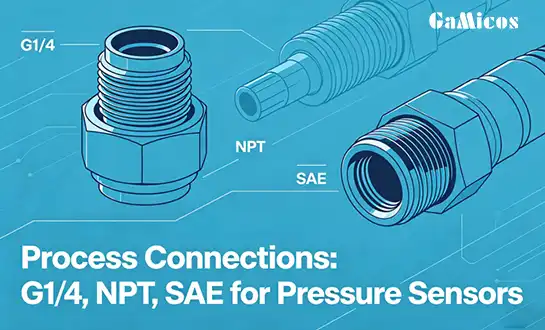
Process Connections: G1/4, NPT, SAE for Pressure Sensors
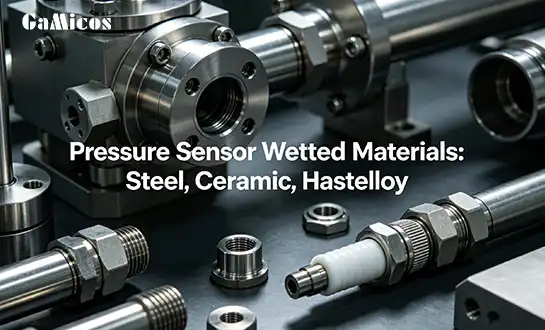
Pressure Sensor Wetted Materials: Steel, Ceramic, Hastelloy
Pressure Overload Damaged Sensor? Overpressure Protection & Recovery
Pressure Sensor Power Supply Issues: Voltage Fluctuations & Surge Protection
Smart Pressure Sensors in Industry 4.0: Predictive Maintenance
Process Connections: G1/4, NPT, SAE for Pressure Sensors
Pressure Sensor Wetted Materials: Steel, Ceramic, Hastelloy
Pressure Overload Damaged Sensor? Overpressure Protection & Recovery
Pressure Sensor Power Supply Issues: Voltage Fluctuations & Surge Protection
Smart Pressure Sensors in Industry 4.0: Predictive Maintenance
Process Connections: G1/4, NPT, SAE for Pressure Sensors
Pressure Sensor Wetted Materials: Steel, Ceramic, Hastelloy
Pressure Overload Damaged Sensor? Overpressure Protection & Recovery
Pressure Sensor Power Supply Issues: Voltage Fluctuations & Surge Protection
Smart Pressure Sensors in Industry 4.0: Predictive Maintenance
Process Connections: G1/4, NPT, SAE for Pressure Sensors
Pressure Sensor Wetted Materials: Steel, Ceramic, Hastelloy
Pressure Overload Damaged Sensor? Overpressure Protection & Recovery
Pressure Sensor Power Supply Issues: Voltage Fluctuations & Surge Protection