Pressure Transmitter Maintenance Strategy Guide
Understanding Pressure Transmitter Maintenance Essentials
- Understanding Pressure Transmitter Maintenance Essentials
- Pressure Transmitter Maintenance Checklist for Reliable Operations
- Maintenance vs Replacement: Making Cost-Effective Decisions
- Insights into Top Pressure Transmitter Brands and Their Maintenance Programs
- Optimizing Pressure Transmitter Maintenance for Accuracy and Longevity
- Conclusion
- FAQ
- Partner with GAMICOS for Expert Pressure Transmitter Solutions
- References
Industrial measurement systems that work well depend on effective pressure transmitter maintenance. Regular maintenance keeps things accurate, extends the life of equipment, and stops expensive unexpected breaks that delays output. Structured maintenance procedures help us fix common problems like measurement drift, signal instability, and sensor wear and tear before they affect the safety of the process or the quality of the product. These precise tools are used by factories in the chemical, petroleum, pharmaceutical, and energy sectors to keep their operations running smoothly and in line with regulations.
Understanding Pressure Transmitter Maintenance Essentials
Defining Maintenance Objectives
The main goal of any maintenance program is to keep measurements accurate and make sure that the system will work reliably for a long time. Pressure transmitters constantly check important process factors. Their work is directly connected to the quality of the product, the safety of workers, and the protection of the environment. Setting maintenance goals helps us avoid problems instead of just fixing them when they happen, which lowers the overall cost of ownership and keeps output going.
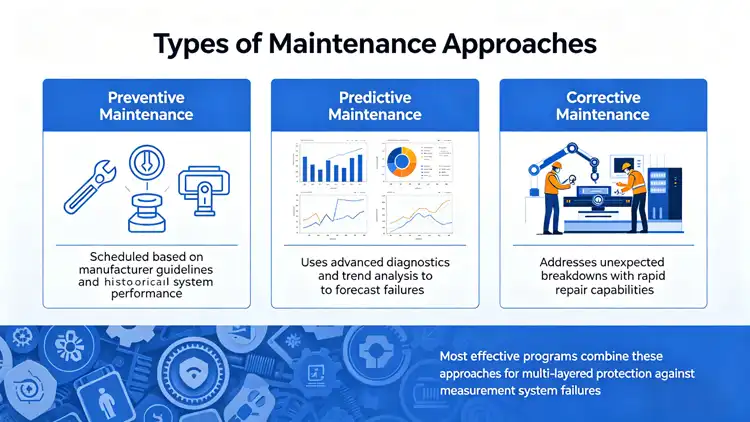
Types of Maintenance Approaches
Depending on the operational setting and business goals, different maintenance methods work best. Preventive maintenance is done at set times based on what the maker says and how well the system has worked in the past. Regular reviews, cleaning, and accuracy checks are all part of this method, and they help find problems early on. Advanced diagnostics and trend analysis are used in predictive maintenance to predict breakdowns before they happen. This makes the best use of resources and cuts down on actions that aren't needed. Corrective maintenance fixes problems that happen out of the blue and needs the ability to fix things quickly. Most programs that work mix these approaches, making multiple layers of defense against measurement system breakdowns.
Recognizing Key Failure Indicators
When technical teams understand early warning signs, they can intervene before minor issues escalate. This proactive approach is a key part of pressure transmitter maintenance, helping to reduce downtime, extend equipment life, and maintain measurement accuracy.
Measurement drift is a slow change from the true number. This can happen because the sensor is getting old or the process is getting dirty. Loss of signals or contact that doesn't work all the time can mess up control systems and cause fake alarms. Readings that aren't stable could mean that there is electrical interference, mechanical damage, or bad fitting. Problems are also indicated by physical signs such as rust, process buildup, or building damage. These signs have a direct effect on how well products are made, how safe the workplace is, and how quickly they are found.
Determining Maintenance Frequency
Maintenance times are very different for different businesses and uses. To meet strict legal requirements, pharmaceutical manufacturing needs to be checked often. Usually, this means that testing needs to be done once every three months or so. Chemical processing plants schedule repair for every six months during planned shutdowns so that it doesn't affect operations too much. Energy centers put more emphasis on equipment that is used in safety-critical services and have stricter plans. Extreme temperatures, vibrations, and toxic atmospheres can speed up wear and tear, so gaps need to be shorter. Knowing about these factors helps purchasing managers and engineering leaders make repair plans that are both cost-effective and fit the needs of their unique operations.
Pressure Transmitter Maintenance Checklist for Reliable Operations
Visual Inspection Procedures
An important part of any repair practice is a systematic visual check. First, we look for cracks, dents, or other signs of impact damage on the transmitter housing that could make environmental safety less effective. Process links need to be carefully checked for leaks, damaged threads, or bad seals. Electrical conduit and wire entrances need to be checked to make sure that the defense against moisture intrusion stays in place. The tools for mounting should be stable and not move or misalign too much. By writing down these findings, you can use them as starting points to track trends of wear and tear over time.
Cleaning and Environmental Protection
Process pollution has a big effect on how well measurements work and how long equipment lasts. To keep the worker safe, the cleaning process starts by isolating the transmitter using the right lockdown steps. When working with thick or crystallizing substances, using a soft solvent can break up buildup without hurting delicate diaphragms. Electronic cases and terminal blocks can be cleaned with compressed air to get rid of particle pollution. Environmental factors like dust buildup, condensation of water, and exposure to chemicals that are corrosive mean that specific safety measures are needed, such as airtight shelters and regular checks of the seals.
Calibration Methodology and Tools
Accurate calibration keeps measurements accurate and makes sure that quality control systems are followed. Using precise pressure sources, the calibration process compares the output of the transmitter to standards that can be tracked. For important tasks, dead weight tests are the most accurate, while small pressure calibrators are easier to use for checking in the field. We show the accuracy of the zero point, the uniformity of the span, and the hysteresis over the whole measurement range. Verification of temperature correction guarantees accuracy even when the environment changes. Digital calibration certificates with information on how to track them meet audit standards and help quality documentation systems work.
Electrical System Verification
Electrical soundness has a direct effect on how reliable signals are and how stable transmission is. The first step in testing is to check the energy levels in the power source to make sure they are within the required ranges. Loop resistance tests find problems with connections or worn-out wires that are stopping signals from getting through. Insulation resistance testing finds ground problems caused by water getting in or insulation breaking down. We check the connectivity and accuracy of parameters for smart devices that use digital communication methods like HART, Profibus, or Modbus. Checks for terminal tightness stop links from breaking down randomly, making it hard to figure out what's wrong.
Troubleshooting Common Issues
For troubleshooting to work, you need to use a structured method that combines technical understanding with real-world experience. When numbers aren't lining up, we rule out outside causes like power changes or electromagnetic interference before we think the transmitter might be broken. Zero drift issues are usually caused by changes in the atmospheric temperature, increasing stress, or contamination of the diaphragm. Damage to the wires, mistakes in setting up the protocol, or network interference can all cause communication problems. Real-life examples show how methodically ruling out possible causes can quickly fix problems and keep upkeep costs and production downtime to a minimum.
Maintenance vs Replacement: Making Cost-Effective Decisions
Total Cost of Ownership Analysis
Making financial decisions about maintaining assets requires a comprehensive cost analysis that goes beyond simply estimating repair expenses. In the context of pressure transmitter maintenance, this means considering lifecycle costs, downtime risks, calibration frequency, and long-term reliability to ensure the most cost-effective strategy.
We figure out the total cost of ownership by adding up the initial purchase price, the cost of installation, the cost of regular upkeep, the regularity of calibration, the number of spare parts on hand, and the estimated lifespan. Older transmitters have hidden costs like more failures, longer downtime for fixes, and less accurate measurements that lower the quality of the output. Procurement managers can figure out the best time to replace equipment by comparing these collected costs to the cost of buying new equipment with better features.
Advantages of Smart Transmitter Technology
Modern smart pressure transmitters have improved diagnostics that change the way they need to be maintained in a big way. Self-diagnostic features keep an eye on the health of sensors all the time, finding problems before they stop working properly. Remote calibration verification cuts down on the number of times that needs to be done by hand, which saves money on labor costs and makes things safer by limiting access to dangerous areas. Predictive programs look at performance trends to guess how long something will last and plan replacements ahead of time. Digital communication methods send and receive state updates in real time, which lets condition-based maintenance plans make the best use of resources.
Selecting Maintenance Service Providers
Companies that don't have their own experts can benefit from working with skilled service providers who can do specific technology tasks. Technician certification levels, the accuracy and traceability of testing equipment, reaction time promises, and service coverage in specific areas are some of the things that are used to judge a company. Clear price models with clear descriptions of the scope of work keep costs and budget overruns from happening. When you bundle standard maintenance, emergency fixes, and calibration services into one comprehensive service contract, you can be sure of predictable costs and promised performance levels. Referencing similar business applications proves the provider's skills and dependability.
Insights into Top Pressure Transmitter Brands and Their Maintenance Programs
Manufacturer-Specific Requirements
Leading brands each have their own care tips that are based on their design ideas and technology platforms. Emerson Rosemount transmitters are built to last and don't need much maintenance. In stable situations, calibration plans can go up to a year in between visits. Siemens instruments put a lot of emphasis on their diagnostic features, which allow for condition-based upkeep methods. Yokogawa devices have long-term stability standards that allow for longer testing rounds. Performance and ease of upkeep are both good in ABB transmitters, thanks to their flexible designs that make it easy to change parts quickly. Knowing these brand-specific traits helps procurement experts match the choice of tools with the ability to maintain it and the preferences of the operations team.
Support Network and Service Quality
Global makers keep up a large support system that is necessary for doing business across borders. Authorized service shops have factory-trained techs who use specialized tools and original parts to make sure that fixes are done correctly. Technical hotlines offer online fixing help, which cuts down on downtime and visits to the site that aren't necessary. In-house maintenance teams can get help from online tools like repair manuals, calibration instructions, and video lessons. Warranty programs and extended service agreements protect your finances against breaking down before they should. These service networks are worth a lot more than the cost of the tools they use, especially for businesses that run in more than one country.
Durability and Reliability Ratings
Long-term upkeep costs are affected by changes in how reliable transmitters are, which can be seen in industry performance data. Mean time between failures (MTBF) numbers show how long something should work before it needs to be fixed. Stability standards tell you how long devices will stay calibrated and accurate without needing to be adjusted. Environmental scores show how well something can handle harsh circumstances, which lowers the chance of failure. Testimonials from clients in chemical plants, refineries, and pharmaceutical facilities show how durable something really is in harsh work environments. When it comes to maintenance work and working availability, these reliability measures tell you exactly what you need to know.
Optimizing Pressure Transmitter Maintenance for Accuracy and Longevity
Environmental Control Strategies
Keeping pressure transmitters out of harsh environments is a key aspect of pressure transmitter maintenance, as it significantly extends service life and helps maintain high measurement accuracy over time. Using insulated containers or heat tracing to control the temperature keeps outdoor structures from freezing and high-temperature processes from getting too hot. When you use flexible fastening systems to block vibrations, you lower the mechanical stress that leads to zero drift and early sensor fatigue. By using the right materials and protected coatings, you can stop corrosion from happening, which stops housing degradation and link failures. These strategic environmental controls lower the cost of ownership over time and the number of times that upkeep needs to be done.
Accuracy Verification Protocols
Between full calibration rounds, transmitters continue to meet process standards as long as they are checked for accuracy on a regular basis. Using portable reference standards for quick proof only takes minutes, but it gives you trust in the quality of the measurements. Statistical process control methods keep an eye on trends in calibration drift and schedule repair when patterns of variation show up. Documentation systems that keep track of proof results help with quality system checks and following the rules. This organized method strikes a balance between monitoring accuracy and making the best use of resources.
Advanced Diagnostic Tools
Modern repair programs use advanced monitoring tools that change the way things are done from being reactive to being proactive. Handheld communicators can access internal diagnostic factors that show small drops in performance that can't be seen with regular tracking. Vibration research finds mechanical issues that make measurements less stable. Thermographic testing finds problems with electrical connections before they break. Software for managing assets collects data from many transmitters and uses analytics to set the order of upkeep tasks based on the real state of the equipment rather than arbitrary plans.
Staff Training and Competency Development
No matter how much technology changes, human knowledge is still the most important part of maintenance plans that work. Organizational capability is increased by comprehensive training programs that cover best practices for installation, testing, and repair. Manufacturer certification classes make sure that technicians are qualified and follow the right steps. Cross-training programs make sure that there are no holes in information when employees leave or are hired. Teams that do maintenance stay up to date on new technologies by learning about them all the time. These investments in people make investments in real tools more useful.
Integration with Asset Management Systems
By linking transmitter repair to plant asset management as a whole, working synergies and business knowledge are created. Computerized maintenance management systems (CMMS) plan preventative maintenance jobs, keep track of when work orders are finished, and keep records on the history of equipment. Enterprise asset management tools connect the performance of tracking systems to the results of production, which lets you figure out how dependability affects the efficiency of operations. Predictive maintenance modules look at patterns of failure across groups of equipment to find general problems that need better design or changes to how they are used. With this unified method, maintenance goes from being a tactical necessity to a strategic economic benefit.
Conclusion
Using a complete pressure transmitter maintenance plan helps keep measurements accurate, increases the life of the equipment, and stops costly production interruptions. Industrial sites keep operations running smoothly while making the best use of their repair resources by using preventive schedules, predictive diagnostics, and thorough troubleshooting. When deciding whether to buy new smart transmitters or keep the old ones in good shape, you need to carefully weigh the costs and benefits of both options, taking into account the total costs of ownership and the needs of operation. Working with respected makers and qualified service providers guarantees access to technical know-how and original parts that will last for a long time.
FAQ
How often should pressure transmitters be calibrated?
How often you need to calibrate depends on how important the application is, what the rules say, and how the machine is being used. For compliance reasons, pharmaceutical and food industry systems usually need to be calibrated every three to six months. In general industrial uses, testing is usually done once a year, at the same time that plants shut down. If you check the accuracy of high-stability transmitters in non-critical services every so often, you may be able to extend the time between checks to 18 to 24 months. In harsh settings with high or low temperatures, vibration, or contact to corrosives, calibration needs to be done more often to keep the measurements accurate.
What are early warning signs of transmitter failure?
Several signs point to problems that need to be addressed. Gradual measurement shift means that the sensor is getting worse or is contaminated, which is lowering its accuracy. Signal loss that comes and goes could mean that there are problems with the electrical link or the communication system. If the output stream has strange noise, it could be due to electromagnetic interference or an unstable power source. Moisture inside cages, corroded leads, or process leaks around connections are all physical signs that need to be looked into right away. By noticing these early warning signs, you can take action before full crashes stop activities.
Should maintenance be performed in-house or outsourced?
This choice strikes a balance between professional skill, task volume, and cost. Companies that have their own instrumentation experts, calibration tools, and enough transmitters can benefit from in-house repair programs that are flexible and quick to respond. Professional service providers are often more cost-effective for smaller sites or those with specific high-accuracy needs because they can access expert techs without having to hire full-time staff. Cost and quality are both improved by hybrid methods that combine regular jobs that are done in-house with professional checks every so often.
Partner with GAMICOS for Expert Pressure Transmitter Solutions
Maintaining peak performance across your measurement infrastructure requires both quality equipment and expert technical support. GAMICOS helps engineering managers and procurement specialists get the most out of their pressure measurement systems by combining decades of experience making sensors with detailed upkeep instructions. Our line of pressure transmitters includes both standard and unique options that can be used in a wide range of industries, from making chemicals to making medicines.
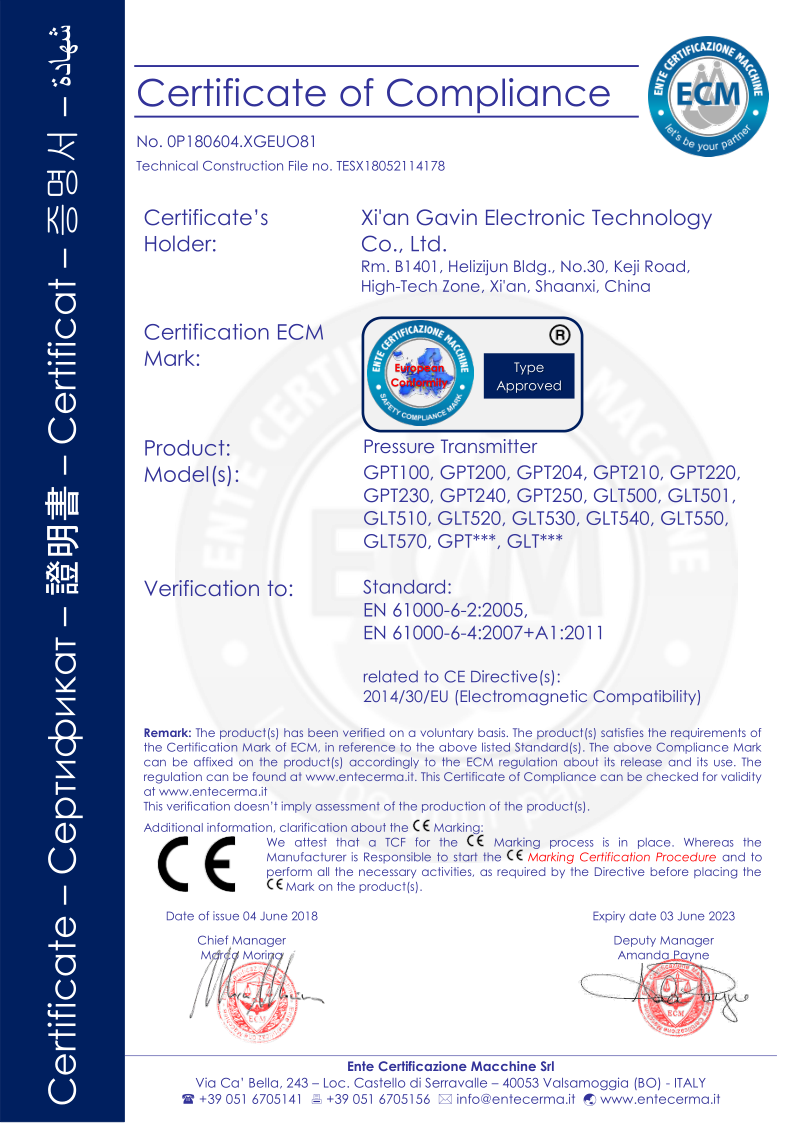
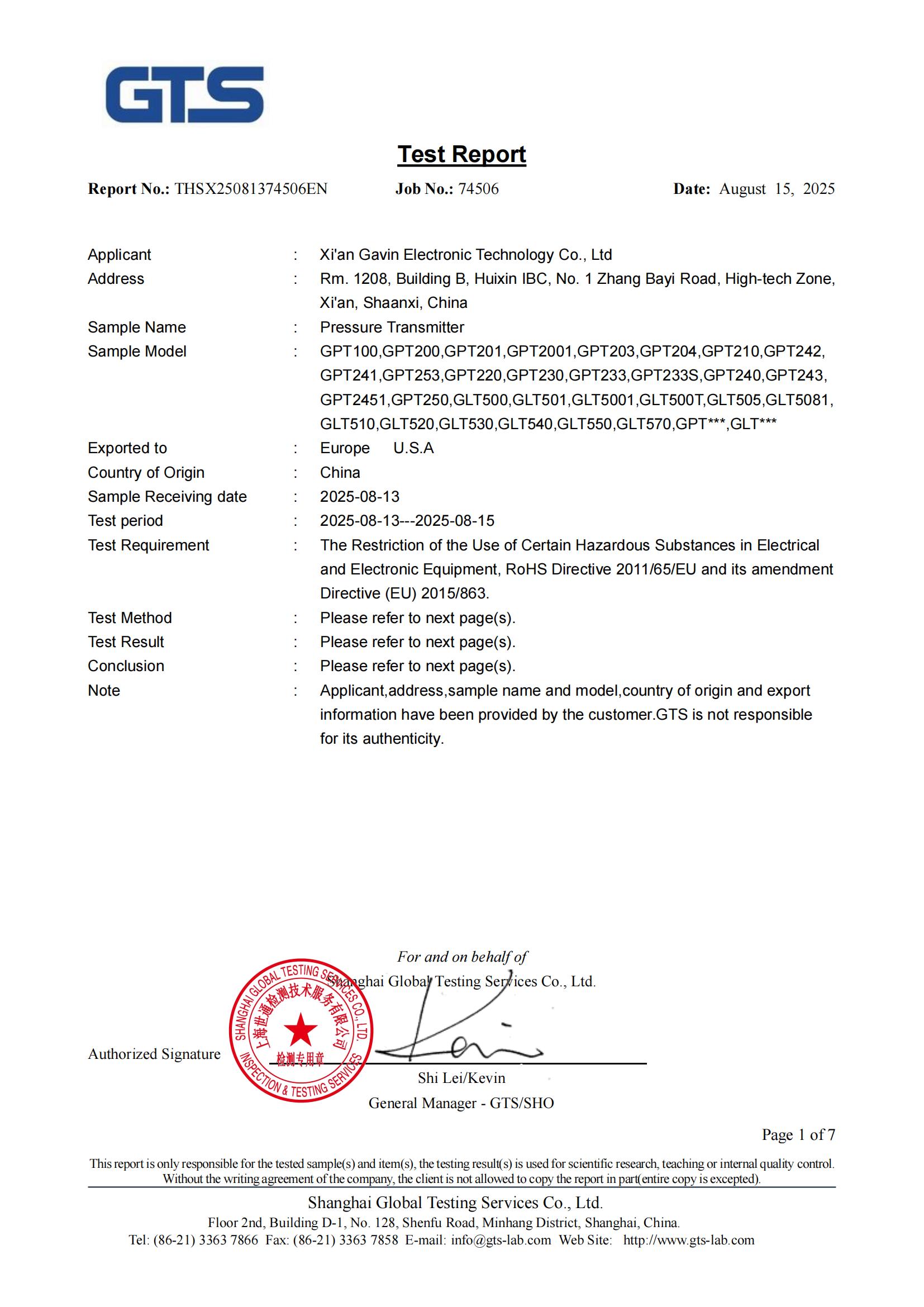
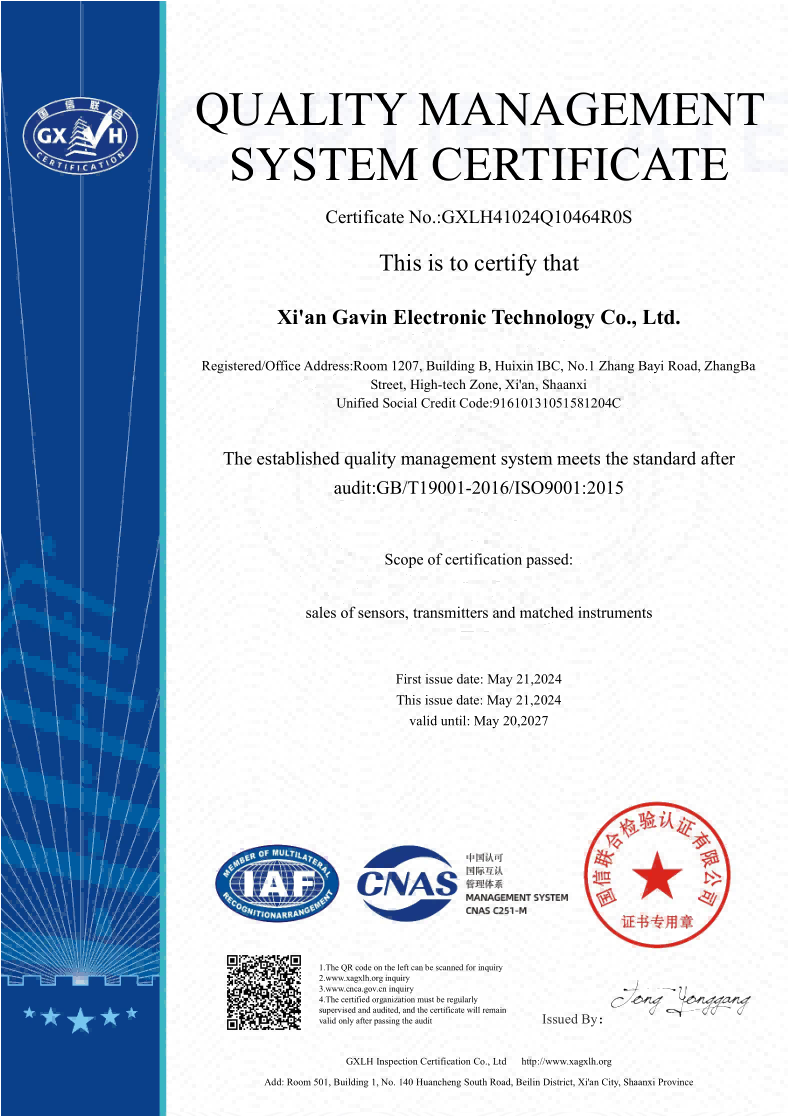
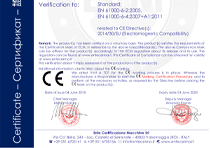
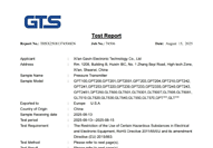
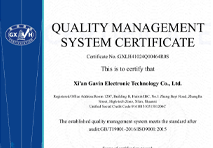
As you may know, getting solid pressure transmitter maintenance help from overseas suppliers can be hard. GAMICOS handles these issues by providing quick technical support at info@gamicos.com, clear instructions in many languages, and OEM/ODM customization options that can be tailored to specific maintenance needs. Our quality assurance procedures and international certifications give you peace of mind about long-term dependability, which lowers your total maintenance costs and guarantees accurate measurements.
References
1. Johnson, M. R., & Thompson, A. L. (2021). Industrial Instrumentation Maintenance: Best Practices for Pressure Measurement Systems. Technical Publishing International.
2. Peterson, K. W. (2020). "Predictive Maintenance Strategies for Process Instrumentation." Journal of Industrial Automation and Control, 15(3), 127-145.
3. Anderson, S. C., & Williams, R. J. (2022). Pressure Transmitter Calibration Handbook: Techniques and Standards. Measurement Technology Press.
4. Chen, L., & Rodriguez, M. (2021). "Reliability Analysis of Smart Pressure Transmitters in Chemical Processing." Process Safety and Environmental Protection, 148, 892-904.
5. International Society of Automation. (2020). ANSI/ISA-51.1-2022: Process Instrumentation Terminology. ISA Standards and Practices Department.
6. Davidson, P. R., Mitchell, T. S., & Brown, K. A. (2023). Total Cost of Ownership for Industrial Measurement Equipment: A Comprehensive Guide. Industrial Press Inc.

Peter
Peter, Senior Sensor Technology Consultant, has 15-year industrial sensor R&D experience. He specializes in the end-to-end development of high-accuracy pressure and level sensors and he firmly believe, precision isn’t just a spec—it’s a promise.
We're here to help — submit your request anytime!
Let us know how we can help solve your pressure level measurement challenge.
_1757930850792.jpg)

Recommended Blog
4-20mA Signal Jumping or Unstable? Complete Diagnostic Flowchart
How to Install a Pressure Transmitter: 7 Best Practices
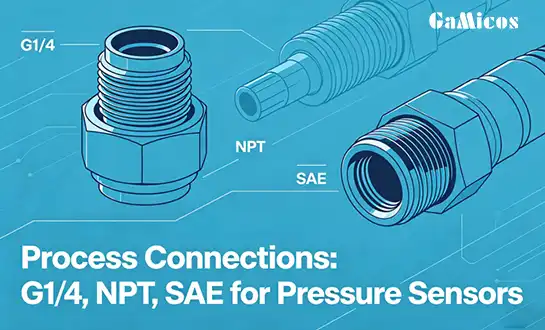
Process Connections: G1/4, NPT, SAE for Pressure Sensors

Pressure Sensor Wetted Materials: Steel, Ceramic, Hastelloy
Response Time Too Slow for Application? Dynamic Pressure Selection Guide

Pressure Sensor Selection Guide: 10 Steps from Specs to Brands
4-20mA Signal Jumping or Unstable? Complete Diagnostic Flowchart
How to Install a Pressure Transmitter: 7 Best Practices
Process Connections: G1/4, NPT, SAE for Pressure Sensors
Pressure Sensor Wetted Materials: Steel, Ceramic, Hastelloy
Response Time Too Slow for Application? Dynamic Pressure Selection Guide
Pressure Sensor Selection Guide: 10 Steps from Specs to Brands
4-20mA Signal Jumping or Unstable? Complete Diagnostic Flowchart
How to Install a Pressure Transmitter: 7 Best Practices
Process Connections: G1/4, NPT, SAE for Pressure Sensors
Pressure Sensor Wetted Materials: Steel, Ceramic, Hastelloy
Response Time Too Slow for Application? Dynamic Pressure Selection Guide
Pressure Sensor Selection Guide: 10 Steps from Specs to Brands
4-20mA Signal Jumping or Unstable? Complete Diagnostic Flowchart
How to Install a Pressure Transmitter: 7 Best Practices
Process Connections: G1/4, NPT, SAE for Pressure Sensors
Pressure Sensor Wetted Materials: Steel, Ceramic, Hastelloy
Response Time Too Slow for Application? Dynamic Pressure Selection Guide