Pressure Sensor Selection Guide: 10 Steps from Specs to Brands
Step 1: Understand Your Pressure Measurement Needs
- Step 1: Understand Your Pressure Measurement Needs
- Step 2: Learn About Pressure Sensor Types and Working Principles
- Step 3: Analyze Sensor Specifications for Optimal Performance
- Step 4: Compare Leading Brands and Product Lines
- Step 5: Procurement Best Practices for Pressure Sensors
- Step 6: Specify Output Signals and Interface Requirements
- Step 7: Verify Material Compatibility and Media Contact
- Step 8: Define Installation and Mounting Requirements
- Step 9: Implement Wireless and IoT Integration Strategies
- Step 10: Validate Through Testing and Supplier Qualification
- Conclusion
- FAQ
- Partner with GAMICOS for Expert Pressure Sensor Solutions
- References
It's very important to pick the right pressure monitor for your industrial automation project. When I work with procurement workers and engineering managers, the hardest thing for them isn't finding options, it's sorting through all the different names, technologies, and specifications to find the right one. Without a planned Pressure Sensor Selection process, you'll have to guess, make mistakes that cost a lot of money, and worry about whether your measurement systems will give you reliable, consistent data every year. This guide shows you ten useful steps that will help you turn difficult technical choices into clear, doable options for your unique application needs.

Step 1: Understand Your Pressure Measurement Needs
Identify Your Specific Application Scenario
Every industrial use has its own specific measuring problems. In oil facilities, sensors keep an eye on processes that are risky and are under a lot of pressure. In pharmaceutical cleanrooms, on the other hand, clean designs are needed to keep things from getting contaminated. I've seen automated projects fail because the teams didn't do this basic research. Your monitor needs to be perfectly aligned with the place where you work, whether it's a chemical plant, a food and drink production line, or an HVAC system.
Assess Environmental Conditions
Extreme temperatures, humidity levels, and mechanical shaking all have a big effect on how well sensors work. If a sensor works perfectly in a lab with controlled temperatures and humidity, it might stop working in a few weeks if it is exposed to the weather or chemical vapors that are bad for it. Think about whether the temperature at the construction site changes a lot, if there is a lot of humidity that could damage electronics, or if there is constant shaking from machinery nearby. These things will directly affect the types of sensors you need, their building designs, and the levels of safety they need.
Determine Pressure Range and Precision Requirements
Accurately defining the pressure range is a critical step in pressure sensor selection, as it prevents measurement errors, avoids overloading the sensing element, and significantly extends the operational lifespan of the sensor. Take readings of both your regular working pressure and any possible pressure spikes that might happen when you start up, shut down, or have an emergency. For safety, the maximum pressure number on your monitor should be at least 1.5 times higher than the highest pressure you expect. Different uses need very different levels of accuracy. Some can handle errors of ±1%, while others need accuracy of ±0.1% or better. Make these standards clear before you judge goods.
Match Sensitivity and Response Times to System Dynamics
Sensors that can respond quickly, usually in milliseconds, are needed for dynamic systems where pressure changes quickly. In static pressure tracking uses, sensors with slower response times can be used. How small of a change in pressure the sensor can accurately pick up is called its sensitivity. High-speed manufacturing, air control systems, and safety-critical applications can all benefit from devices that can respond quickly and are very sensitive to changes in pressure.
Step 2: Learn About Pressure Sensor Types and Working Principles
Understand Core Sensor Technologies
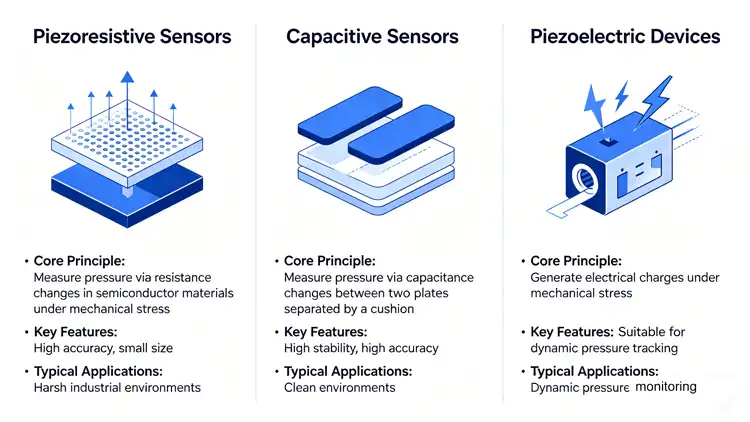
Based on how they work at their core, different pressure sensor systems are used for different things. Piezoresistive sensors are very accurate and small, so they can be used in tough industrial settings. They measure pressure by finding changes in resistance in semiconductor materials when they are mechanically stressed. Capacitive sensors measure pressure by changing the capacitance between two plates that are divided by a cushion. These sensors are very stable and accurate in clean environments. When put under mechanical stress, piezoelectric devices make electrical charges. This makes them perfect for tracking changes in dynamic pressure instead of static pressure.
Compare Advantages and Limitations
Piezoresistive devices work well in a wide range of temperatures and can handle high-pressure situations, but they may experience thermal shift if they are not properly compensated. Capacitive sensors are great for measuring low pressures with little drift, but they are sensitive to electromagnetic interference, so you need to be very careful about how you place them. Piezoelectric types react right away to changes in pressure, but they can't measure steady pressure, so they can only be used for dynamic tasks like checking how an engine burns or analyzing shock waves.
Evaluate Emerging Sensor Innovations
New developments in microelectronics and materials science have led to the creation of ceramic capacitive pressure sensors. These sensors have the longevity of ceramic diaphragms and the accuracy of capacitive sensing. These new ideas make metal diaphragms much more resistant to rust, chemical contact, and wear and tear, which means they last longer in harsh environments. Micro-Electro-Mechanical Systems (MEMS) technology has made sensors smaller while also making them work better. This means that they can be used in battery-powered portable devices and equipment that doesn't have a lot of room.
Step 3: Analyze Sensor Specifications for Optimal Performance
Evaluate Critical Performance Metrics
Accuracy is the biggest difference between what the gauge says and what the real pressure is. It is usually shown as a percentage of the full scale. Sensitivity tells you how much the output signal changes when the pressure changes. Stability is the sensor's ability to keep values the same over time without drifting. Repeatability is how closely the sensor gets the same reading when recording the same pressure over and over again. These four requirements are the basis for judging how well a monitor works.
Consider Calibration and Standards Compliance
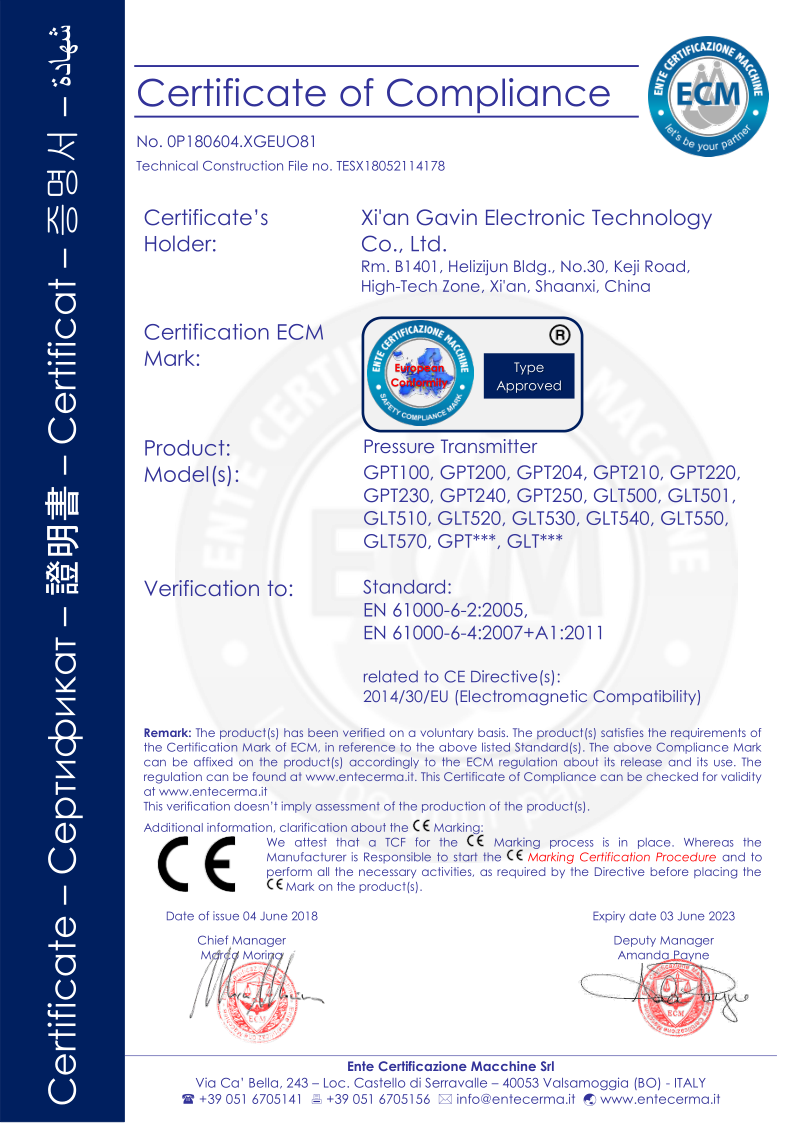
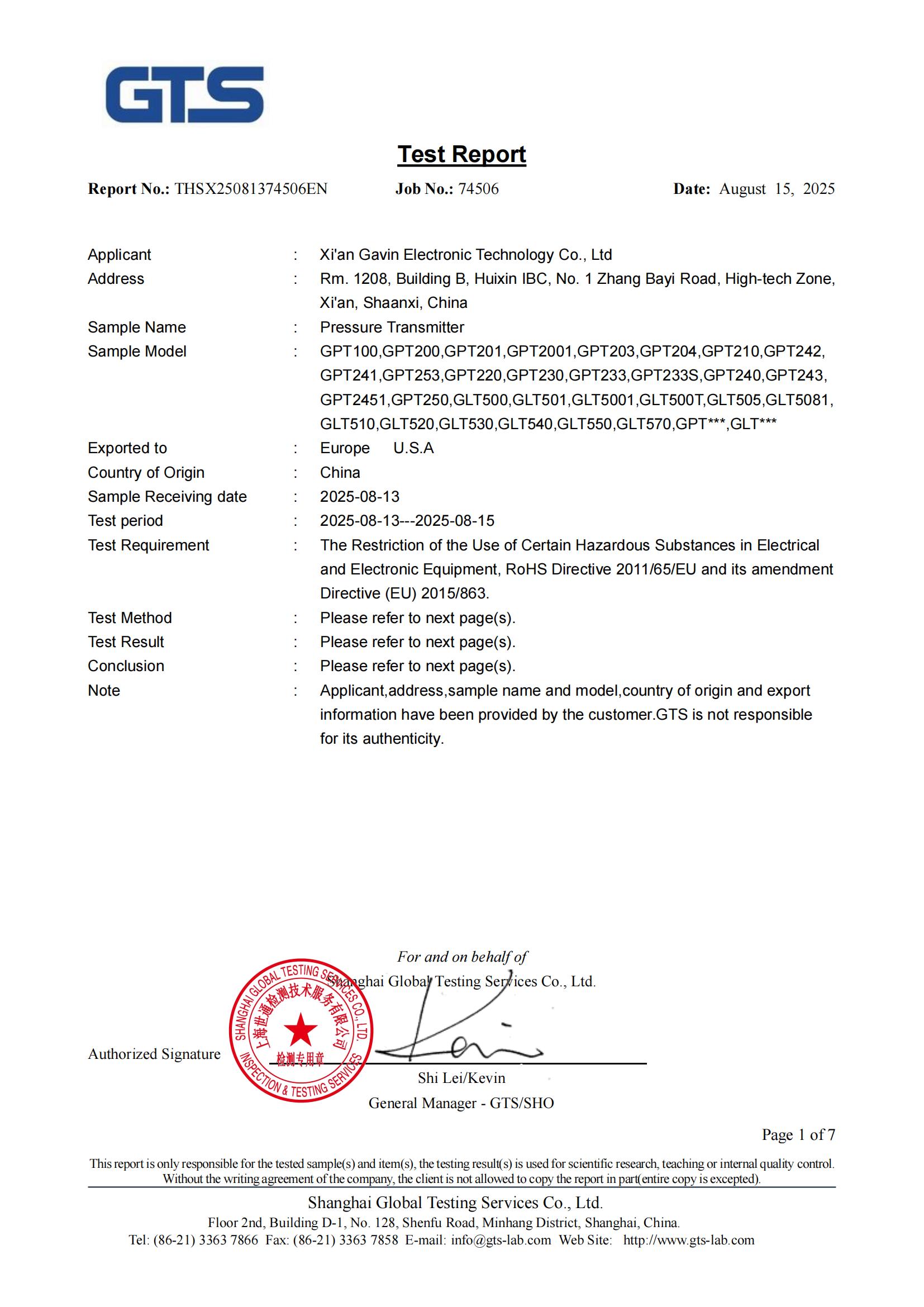
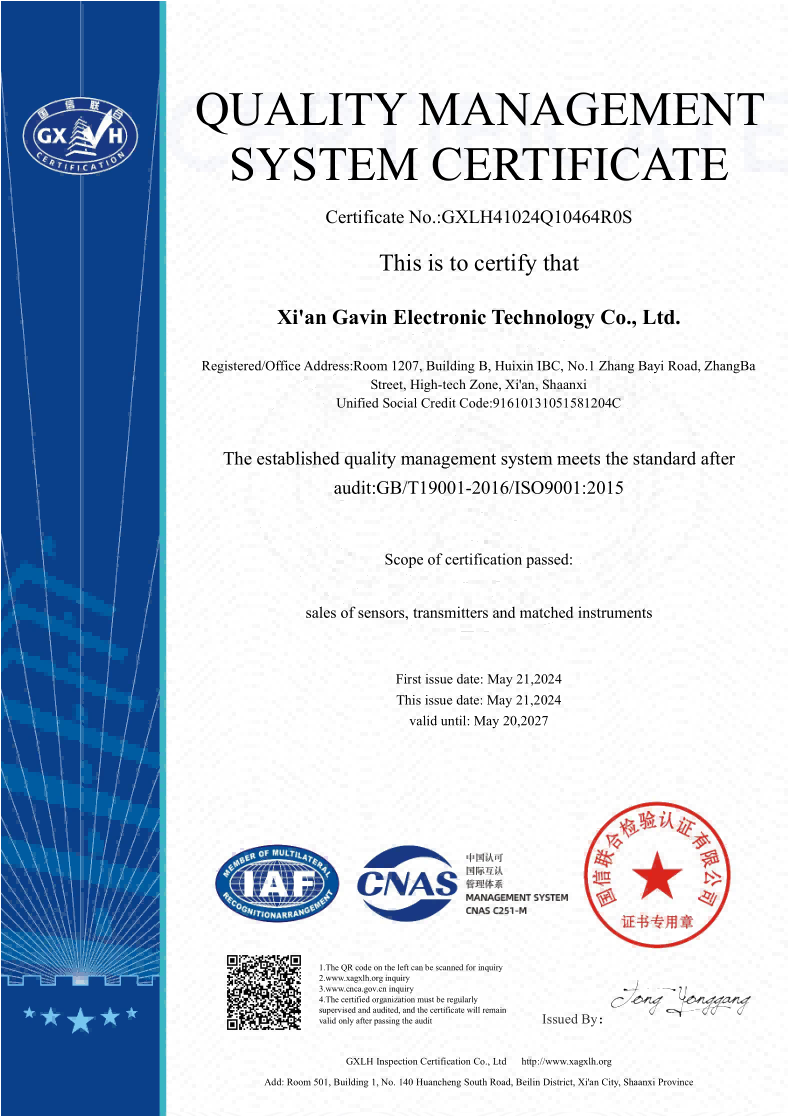
Regular testing keeps the accuracy of the measurements for as long as the sensor is used. Most industrial uses need to be calibrated once a year against known standards. However, important processes may need to be checked every three months or once a month. Sensors that are approved to ISO, CE, RoHS, and industry-specific standards show that they meet world standards for quality. When you're buying for regulated industries like food processing or medicines, you need certification paperwork for audit trails and regulatory reports.
Account for Environmental Compensation
All pressure monitors give wrong readings when the temperature changes because of changes in how electrical parts work and how they expand and contract. Good sensors have temperature compensation hardware that changes results automatically based on the temperature of the environment. Long-term drift happens when sensor materials get old, moving the zero point or spread over time. If you choose sensors with written long-term stable standards and plan for regular recalibration, the accuracy will not drop over years of continuous use.
Step 4: Compare Leading Brands and Product Lines
Overview of Trusted Global Manufacturers
Well-known names like Honeywell, Bosch, and Sensata have built their reputations over many years of consistently high-quality engineering and production. These businesses keep very large catalogs of their products that include a wide range of pressure levels, output signs, and environmental scores. Their position in the market makes sure that new parts, technical information, and application support are available all over the world. However, niche makers often have an edge in certain areas, such as wireless pressure tracking, ultra-high accuracy measurement, or custom OEM solutions.
Assess Customization Capabilities for OEM Applications
When OEM buyers add pressure monitors to their equipment, they need providers who can make changes easily. This includes changing the size of the housing, the electrical connections, the pressure ports, and the transmission methods so they work with current systems. Suppliers who have worked with OEMs before know how important it is to keep specs the same across production runs, offer white-label packaging, and keep intellectual property safe during joint development projects.
Evaluate Technical Support and After-Sales Service
How quick suppliers are has a direct effect on project timelines and the continuation of operations. Before placing a large order, you should test the support of the seller by asking for expert advice, sample units, and thorough instructions on how to use the product. Check out their guarantee terms. Full warranties that cover production flaws give you peace of mind, while limited warranties could mean that there are quality issues. When sensors are used in remote areas or mission-critical situations, they need to be able to get to regional service centers, get new parts, and use expert troubleshooting tools.
Step 5: Procurement Best Practices for Pressure Sensors
Implement Strategic Sourcing Approaches
Finding multiple suitable suppliers is the first step to effective buying. Don't just depend on one source. This approach of diversification guards against problems in the supply chain, lets you negotiate prices fairly, and gives you other choices when requirements change. In North America and Europe, reputable wholesalers keep local stock, which cuts down on wait times compared to direct imports. But building ties with manufacturers that offer direct purchasing methods can help you get bulk discounts and get first pick during times of high demand.
Optimize Cost Without Compromising Quality
When you buy in bulk, you can save a lot of money, especially on standard sensor types that are used in many setups. Knowing how prices will change in 2026 can help you figure out the best times to place your orders. Price changes are caused by things like lack of parts and changes in the cost of raw materials, but smart buyers can plan ahead to avoid these problems. But picking sensors based only on price often leads to a higher total cost of ownership when you consider the need for tuning, shorter operating life, and more failures that stop production.
Build Long-Term Supplier Partnerships
Supply chain ties that work well go beyond simple purchases and include agreements based on trust and cooperation. Sharing project roadmaps and expected quantities helps suppliers make the best use of their production space and raw materials. Trial sample swaps lower technical risk by letting engineering teams check how well sensors work before placing big orders. When suppliers are kept up to date on performance feedback, application problems, and new needs, they can suggest better methods or different ways of doing things.
Step 6: Specify Output Signals and Interface Requirements
Determine Compatible Output Signal Types
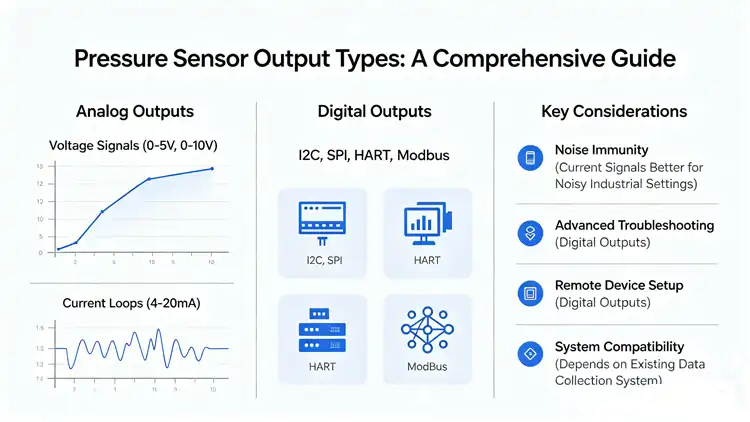
Pressure sensors generate different types of output signals depending on their design and application, making pressure sensor selection critical to ensure compatibility with control systems, data acquisition equipment, and overall system requirements. Voltage signals (0-5V, 0-10V) and current loops (4-20mA) are available as analog outputs. Current signals are better at blocking noise over long wire runs in noisy industrial settings. Digital outputs use standards like I2C, SPI, HART, or Modbus, which lets you do advanced troubleshooting, set up the device from afar, and connect it to networked control systems. Which output type allows for seamless connection depends on the system you already have in place for collecting data.
Evaluate Communication Protocol Compatibility
Standardized communication methods are being used more and more in industrial control systems to connect sensors. The HART protocol adds digital communication on top of 4-20mA analog data. This lets you watch the process and set up sensors at the same time. Fieldbus technologies, such as Profibus and Foundation Fieldbus, let many sensors share a single transmission wire. This makes installation cheaper in big buildings. LoRa, GPRS, NB-IoT, and 4G are all wireless methods that get rid of all cables. This is especially helpful for keeping an eye on faraway tank farms, pipelines, or rotating equipment.
Address Power Supply Considerations
Power needs for sensors vary from low-power designs that only need microamperes and can run on batteries to high-performance units that need controlled power sources. Loop-powered sensors get their power from the 4-20mA signal loop, which makes placement easier because there is no need for separate power lines. Wireless sensors that are driven by batteries give you a lot of installation options, but you need to plan when to change the batteries or find ways to extend their useful life, like using solar cells or vibration energy converters.
Step 7: Verify Material Compatibility and Media Contact
Select Appropriate Wetted Materials
Process fluids must not corrode or attack the parts of the sensor that come into touch with the measured media, which are usually the diaphragm and pressure port. 316L stainless steel is very good at resisting rust in most water, oil, and light chemicals situations. Hastelloy metals can handle acids and chlorides that are very bad for steel. Titanium is stronger than steel, and it doesn't rust or corrode in salt water. Ceramic diaphragms are great for slurries, gritty particles, and chemicals that respond quickly. They are very resistant to wear and don't react with chemicals.
Consider Hygienic and Sanitary Requirements
Applications in science, pharmaceuticals, food, and drinks need clean sensor designs that stop germs from growing and can handle harsh cleaning methods. Sanitary certified sensors have surfaces that are smooth and free of cracks, certain diaphragm flat designs, and materials that are FDA-approved. Tri-clamp links make it possible to install and remove things without using tools for cleaning and testing. If you know whether your process needs to Clean-In-Place (CIP) or Sterilize-In-Place (SIP), you can choose monitors that can handle hot water, steam, or chemical sanitizers without losing performance.
Address Seal and O-Ring Compatibility
When materials that aren't compatible with process media come into touch with them, they often fail at pressure port seals and O-rings. EPDM seals work well with water and steam, while Viton seals work well with most fuels and mild chemicals. Perfluoroelastomer (FFKM) covers can handle harsh poisons and high temperatures, but they make sensors more expensive. By comparing your process media to maker seal compatibility charts, you can avoid early fails and contamination problems that could hurt the quality or safety of your product.
Step 8: Define Installation and Mounting Requirements
Assess Physical Space Constraints
When modifying old equipment or making small machines, the sensors that can be used are often limited by the room that is available for installation. The size, shape, and location of the pressure port on the sensor body must all fit within the mounting covers so they don't get in the way of other parts or servicing access. Small sensor designs with little dead space are useful in places where media slowdown is a problem, like in food processing lines or pharmaceutical batch systems where product holdover makes cleaning hard.
Specify Pressure Port Configurations
Pressure lines vary significantly depending on geographic location and typical usage conditions, making pressure sensor selection highly dependent on factors such as local standards, environmental conditions, and system design requirements.
Threaded links (NPT, BSPT, and metric threads) make installation safe, but you need to use the right thread sealant. Flanges and other process fittings work well with big pipes and high pressures. Flush diaphragm designs don't have any pressure port holes, so media can't build up in fluids that are thick or full of particles. Picking the right connection type makes installation easier, lowers the chance of leaks, and makes sure it works with current pipe systems.
Plan for Maintenance Access
Installing sensors in places that need lifts, scaffolds, or process shutdowns to get to creates extra work for support staff. Placing positioning sensors at easy-to-reach heights with enough space for diagnostic tools and cable links makes regular checks and calibration confirmation easier. Planning different measurement places or installing extra sensors helps with maintenance tasks without stopping important processes. This is especially helpful in industrial settings that run all the time, where unplanned downtime costs a lot of money.
Step 9: Implement Wireless and IoT Integration Strategies
Evaluate Wireless Sensor Advantages
Wireless pressure monitors don't need signal cables or conduit, which saves money on installation costs. This is especially helpful in big buildings or when tracking equipment is spread out and cable routing is blocked by objects. Wireless designs that are driven by batteries allow for temporary tracking while they are being set up, for troubleshooting intermittent problems, or for gathering data before committing to permanent installations. As the need for tracking grows, wireless networks can easily be expanded, allowing for gradual adoption instead of needing the whole system to be installed all at once.
Address Wireless Implementation Challenges
How well a wireless signal works relies on its range, how well it can pass through obstacles, and how much electromagnetic interference there is from nearby equipment. Structures made of metal, concrete walls, and electrical equipment can all block or mess up wireless signals, so sensors and network ports need to be placed carefully. Because of worries about battery life, it is important to find a balance between measurement frequency and operating length. Frequent measurements drain batteries quickly, while infrequent sampling might miss important events. Protocols for encryption and authentication keep wireless data safe from people who shouldn't have access to it, which is important for apps that need to be secure.
Integrate with Industrial IoT Platforms
Modern wireless pressure sensors link to IoT platforms in the cloud that collect data from sensors spread out, use analytics algorithms, and come up with insights that can be used. These platforms let you keep an eye on things from anywhere with an internet connection, send automatic alerts when readings go over certain limits, and look at past data to see how things are slowly breaking down before they fail completely. Choosing sensors that work with the IoT environment you want to use makes integration easy and prevents private lock-in, which makes it harder to expand the system in the future.
Step 10: Validate Through Testing and Supplier Qualification
Conduct Pilot Testing Programs
Buying sample sensors to test them in the real world lowers the risk before placing large orders. Place samples in conditions that are typical of the operation and keep an eye on their performance for a few weeks or months, comparing their readings to those from standard tools. Write down any affects that temperature has, long-term stability, signal noise, and any actions that you didn't expect. This real-world data gives you a lot more trust than just reading the specs on a datasheet, especially when you're using new sensor technologies or sources that your company hasn't worked with before.
Perform Supplier Quality Audits
For important infrastructure projects or high-volume OEM uses, checking the manufacturing skills and quality systems at suppliers' facilities is a must. By looking at the suppliers' production methods, testing routines, quality control procedures, and calibration tools, you can tell if they meet the standards needed to provide consistent product quality. Formal quality management systems are shown by certifications like ISO 9001, but direct viewing gives a better picture of how things are really done than following written instructions.
Establish Performance Benchmarks
Setting quantitative performance benchmarks lets you compare different sensor choices in an unbiased way and keeps track of performance over the span of a product. Establish important performance markers, like the accuracy of measurements under certain conditions, the average time between failures, the rate of calibration drift, and the number of guarantee claims. By keeping performance records for various sensor deployments, you can find the best goods, see which units are having problems that need fixing, and make decisions based on data for future procurement cycles.
Conclusion
When choosing pressure sensors, pressure sensor selection must consider technical requirements, practical application needs, budget constraints, and the supplier’s expertise to ensure reliable performance and long-term value. Procurement teams can make smart decisions that improve system performance and lower the total cost of ownership by following these ten steps in a planned way, from figuring out what measurements are needed to making sure they work through testing. The market for pressure sensors is very diverse, with options that can be used in almost any situation if they are properly matched to the needs. Spending time on detailed selection processes stops mistakes that cost a lot of money, guarantees long-term dependability, and builds supply chain relationships that help your facilities keep running at their best.
FAQ
What factors most significantly influence pressure sensor accuracy?
Changes in temperature are the biggest problem with accuracy because they cause both mechanical and computer parts to expand and contract. Good monitors have temperature compensation built in, which changes the results instantly. The precision of measurements can also be affected by the qualities of the medium, like its viscosity and density, especially when differential pressure is being used. Calibration against reliable standards on a regular basis fixes drift and keeps precision high for the whole life of the device.
How frequently should pressure sensors be calibrated?
How often you need to calibrate depends on how important the application is, what the rules say, and how stable the sensor is being seen to be. Most industrial uses use yearly calibration schedules that find a good mix between the accuracy of measurements and the cost of upkeep. Calibration checks may need to be done every three months for critical safety systems or controlled businesses like pharmaceuticals. Monitoring sensors that aren't used for important tasks may not need to be calibrated for up to two years if data from the past shows that they will remain stable over that time.
Which sensor types best suit harsh environmental conditions?
Extreme temperatures, high pressures, and corrosive media don't bother piezoresistive sensors whose housings are made of stainless steel or an unusual metal. Abrasion and chemical attacks that would destroy metal diaphragms don't work on capacitive ceramic sensors. In flammable environments, sensors that are rated for dangerous places and have explosion-proof certifications keep things from starting on fire. By choosing the right ingress protection grades (IP67 or IP68), you can make sure that wetness and dust can't get in when you're outside or doing a washdown.
Partner with GAMICOS for Expert Pressure Sensor Solutions
When you work with experienced suppliers who are aware of the particular difficulties your business faces, pressure sensor selection becomes much simpler. The company GAMICOS makes very accurate pressure sensors, liquid level sensors, and wireless measuring tools for tough industrial uses in the chemical, pharmaceutical, food and beverage, energy, and oil and gas industries. Your Pressure Sensor Selection is guided by our research team, who helps you find the best options that balance performance, durability, and cost-effectiveness. We offer full OEM and ODM services that let you change any specs, interfaces, or communication methods so that our products work with your current systems without any problems. You can talk to our technical experts at info@gamicos.com about your specific needs, ask for sample units to test, or learn more about how our approved pressure sensor solutions can improve the accuracy of your measurements and the stability of your operations.
References
1. Johnson, M. R., & Williams, K. T. (2023). Industrial Pressure Measurement: Technologies and Applications. Academic Press.
2. Chen, L., et al. (2022). "Advances in MEMS Pressure Sensor Design for Industrial Automation." Journal of Micromechanics and Microengineering, 32(4), 045002.
3. Robertson, D. A. (2024). Sensor Selection and Procurement Strategies for B2B Manufacturing. McGraw-Hill Professional.
4. International Society of Automation (2023). ISA-51.1-2023: Process Instrumentation Terminology Standard. ISA Publications.
5. Zhang, Q., & Anderson, P. (2023). "Comparative Analysis of Pressure Sensor Technologies in Harsh Environments." Sensors and Actuators A: Physical, 358, 114422.
6. Smith, T. J., et al. (2024). Industrial IoT Integration: Wireless Sensors and Cloud Platforms. Wiley-IEEE Press.

Ivy
Ivy, product consultant, has focused on sensor consultation for ten years, is proficient in providing pressure and level measurement solutions for customers.
We're here to help — submit your request anytime!
Let us know how we can help solve your pressure level measurement challenge.
_1757930850792.jpg)
Recommended Blog
How do I choose the right sanitary pressure transmitter for my application?

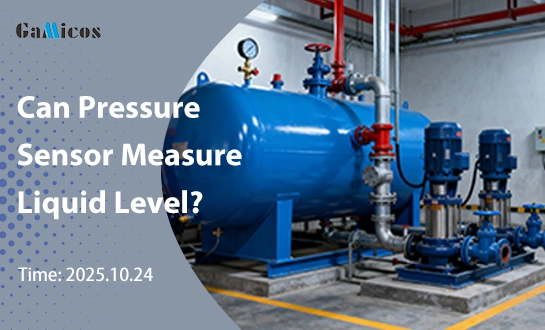
Can a pressure transducer measure liquid level in firefighting tanks?
_1761290377465.webp)
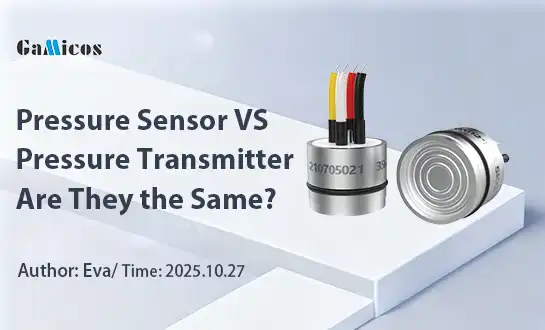
Pressure Sensor VS Pressure Transmitter: Are They the Same Thing?
How do I choose the right sanitary pressure transmitter for my application?
Can a pressure transducer measure liquid level in firefighting tanks?
Pressure Sensor VS Pressure Transmitter: Are They the Same Thing?
How do I choose the right sanitary pressure transmitter for my application?
Can a pressure transducer measure liquid level in firefighting tanks?