How Ceramic-Core Sensors Improve Corrosion Resistance
Understanding Corrosion Challenges in Submersible Level Sensors
- Understanding Corrosion Challenges in Submersible Level Sensors
- Introduction to Ceramic-Core Sensor Technology
- Advantages of Ceramic-Core Submersible Level Sensors for Industrial Applications
- How to Choose Ceramic-Core Submersible Level Sensors: A Procurement Guide
- Best Practices for Installation, Calibration, and Maintenance
- Conclusion
- FAQ
- Partner with GAMICOS for Reliable Submersible Level Sensor Solutions
- References
By switching metal or polymer sensing elements with chemically inert ceramic materials, ceramic-core technology completely changes how submersible level sensors work in harsh settings. These ceramic cores get rid of the ion exchange and galvanic rust paths that break down regular sensors in harsh liquids. When used in submersible level sensor designs, ceramic parts keep their shape and measurement accuracy even when they are exposed to high pH levels, saline solutions, and caustic chemicals on a regular basis. This solves one of the biggest problems that procurement and engineering teams in all industrial sectors have with reliability.
Understanding Corrosion Challenges in Submersible Level Sensors
When measuring industrial liquids, there are major durability issues that have a direct effect on daily costs and the reliability of the process. When submersible level sensors work in tough fluid conditions, they are threatened by multiple types of corrosion at the same time.
Material Degradation in Harsh Liquid Environments
Media that are acidic are always trying to damage traditional metal sensor elements. Stainless steel parts, even though they are known for being strong, can rust and crack when they come into contact with chloride-rich or low-pH chemicals. Chemicals that grow and break down polymer-based sensors, especially in organic liquids or oxidizing agents, make them less useful. This wear and tear on the material leads to measurement drift, which makes process control less accurate and less in line with regulations.
Economic and Operational Consequences
Failures of sensors caused by corrosion have costs that affect all parts of a business process. Unplanned breaks for replacing sensors throws off production plans, and recalibrations need to be done often, which requires the work of specialized technicians. Signal drift from corroded parts lowers the quality of the product and makes it more likely that the company will not follow the rules in controlled fields like food processing and medicines. According to engineering managers, replacing a standard sensor three to five times more often happens in acidic uses than in normal water measurement, which makes the total cost of ownership much higher.
Limitations of Conventional Protective Strategies
Standard methods for preventing rust only offer partial answers. Under mechanical stress, protective layers finally break or delaminate, revealing substrates that are weak. Regular review and repair of sacrifice anode systems makes upkeep more difficult. Upgrading materials to unusual metals makes them much more expensive to buy, but they don't ensure long-term resistance to all corrosive agents. Because of these problems, people are looking for completely different ways to build sensors.
Introduction to Ceramic-Core Sensor Technology
Ceramic-core submersible level sensors are a big change in how measurement tools survive corrosion by using the qualities of the material itself instead of applying protective coatings.
Fundamental Properties of Ceramic Sensing Elements
Ceramic materials are chemically neutral in almost all industrial fluids, which is an impressive property. Ceramics don't lose their shape like metals do or plastics do because their covalent and ionic bonds don't break down when chemicals attack them. Ceramics made of aluminum oxide and zirconia don't react much with acids, bases, liquids, or salt solutions across the whole pH range used in industry. Molecular stability directly affects measurement accuracy, as clay dimensions and mechanical qualities stay the same over a long period of time.
Integration into Submersible Measurement Systems
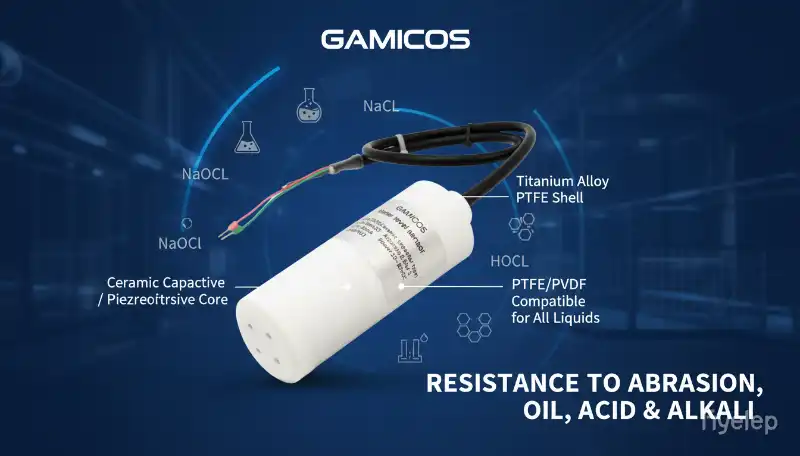
In modern ceramic-core designs, the ceramic element is placed at the important fluid contact, which is where measuring pressure or level takes place. This method is shown by the GAMICOS GLT570 corrosion-resistant submersible level sensor, which uses a ceramic core from a well-known maker as its main detecting element. The ceramic diaphragm changes the barometric pressure into a deflection that can be measured. Electronic circuits then turn this deflection into standard outputs for industry. The ceramic core and electronics are protected by a PTFE shell that completely blocks rust and keeps all parts that come into contact with measured media safe.
Compatibility with Industrial Control Systems
Through customizable transmitter circuits, ceramic-core sensors work with current automation systems without any problems. The GLT570 design makes it easy to calibrate and change the zero and full-scale levels, so it can be used with older systems without changing the control architecture. The output signals are the same as normal analog (4–20 mA) and digital methods. This means that adopting ceramic-core technology won't require many changes to the software used for data acquisition and process control. This flexibility solves a major buying issue related to the price of switching technologies.
Advantages of Ceramic-Core Submersible Level Sensors for Industrial Applications
Ceramic-core technology improves performance in measured ways that directly address the problems that procurement teams find when they look at sensor options. Here are the main reasons why ceramic-based submersible level sensors are better:
Extended Operational Lifespan: Ceramic sensing elements often last longer than ten years in corrosive environments where regular sensors need to be replaced every 18 to 24 months. This is because ceramic doesn't break down in the same ways that metal and polymer devices do: electrochemically and chemically. Engineering teams at pharmaceutical facilities say that installations of ceramic sensors have kept the accuracy of calibration within the original specs for more than eight years in chemical environments called CIP that would have killed stainless steel sensors in just a few months.
Superior Measurement Stability: The dimensional stability of ceramic sensors stops the signal drift that happens when metal sensors rust. Pressure sensors with ceramic diaphragms keep their zero-point accuracy within ±0.1% of full scale over many years of service, while similar metal designs tend to drift by ±0.5% each year. This stability lowers the number of recalibrations needed from three times a year to once a year. This cuts down on the cost of maintenance work while improving the accuracy of process control.
Broad Chemical Compatibility: Ceramics don't react with many industrial chemicals, so you don't have to match specific sensing metals to specific fluid chemicals. Strong acids, caustic alkalis, organic liquids, and oxidizing agents can all be handled by a single ceramic-core sensor design. Three or four different metal sensors would need to be made for each of these situations. The PTFE shell and ceramic core of the GLT570 provide dedicated corrosion protection that is resistant to harsh media in chemical processing, wastewater treatment, and oil and gas uses.
Reduced Total Cost of Ownership: Ceramic-core sensors cost more to buy at first than basic stainless steel units, but lifetime cost research always shows that ceramic technology is better. Over the lifetime of five years, equipment that doesn't need to be replaced as often, requires less upkeep, doesn't cause as many process interruptions, and doesn't require emergency purchases usually has a 40–60% lower total ownership cost. For bulk buying programs and OEM makers who put sensors into equipment packages, these saves are especially big.
All of these benefits change how industrial operations measure liquid levels in tough conditions, turning sensors from things that need to be fixed often into reliable long-term measurement equipment.
How to Choose Ceramic-Core Submersible Level Sensors: A Procurement Guide
To choose the best ceramic-core submersible level sensors, you need to carefully look at the application parameters and the supplier's skills to make sure the solutions meet your unique operational needs.
Evaluating Process Parameters
Liquid science is what makes sensor selection possible. Write down all the chemicals that come in touch with the sensor, such as cleaning products, process fluids, and any chemicals that could cross-contaminate it. Ceramic cores can handle almost all chemicals, but wire materials, housing seals, and electrical links need to be matched to the environment. This is taken care of by the GLT570, which has high-strength, durable, oil- and acid- and alkali-resistant wires that can be changed to fit different field situations.
Measurement range needs to be taken into account when choosing the sensor body length and pressure rating. Most submersible designs can work in depths from 0.5 meters to over 200 meters, and can handle pressures from 5 kPa to 2 MPa. The accuracy requirements need to take into account both the initial range and the long-term stability. For example, ceramic-core designs usually offer full-scale accuracy within ±0.25% to ±0.5% with little drift over time.
| Parameters of GLT570 | |
| Pressure range | 0~1mH2O...50mH2O |
| Output signal | 4~20mA,0~5VDC, Customizable |
| Power supply | 10~30VDC |
| Accuracy | 0.25%FS(min.), 0.5%FS(typ.) |
| Operating temperature range | -40~+85 °C |
| Electrical interface | Waterproof outlet |
| Pressure interface | Submersible type |
| Material of pressure membrane | Ceramic |
| Material of housing | PTFE |
Comparing Sensor Technologies
Ceramic-core pressure-based measurement works best when it comes to direct liquid contact, which is where chemical protection is most important. Radar and ultrasonic devices don't like to touch fluids, but they have trouble with foam, vapor, and rough surfaces that are common in chemical processes. Float switches are easy to use, but they don't have the accuracy and ongoing measurement that modern process control needs. When used with dirty or filmy liquids, capacitance probes get clogged up, but ceramic diaphragms naturally get rid of dirt.
Supplier Evaluation Criteria
For important measurement purposes, a brand's image is very important. Established companies like GAMICOS have worked with clients in 98 different countries and have a lot of knowledge in the field. This shows that they can solve a wide range of application problems. Check the quality of the supplier's technical support by consulting with them before you buy. Knowledgeable teams can help you choose the best sensors and plan their installation more efficiently.
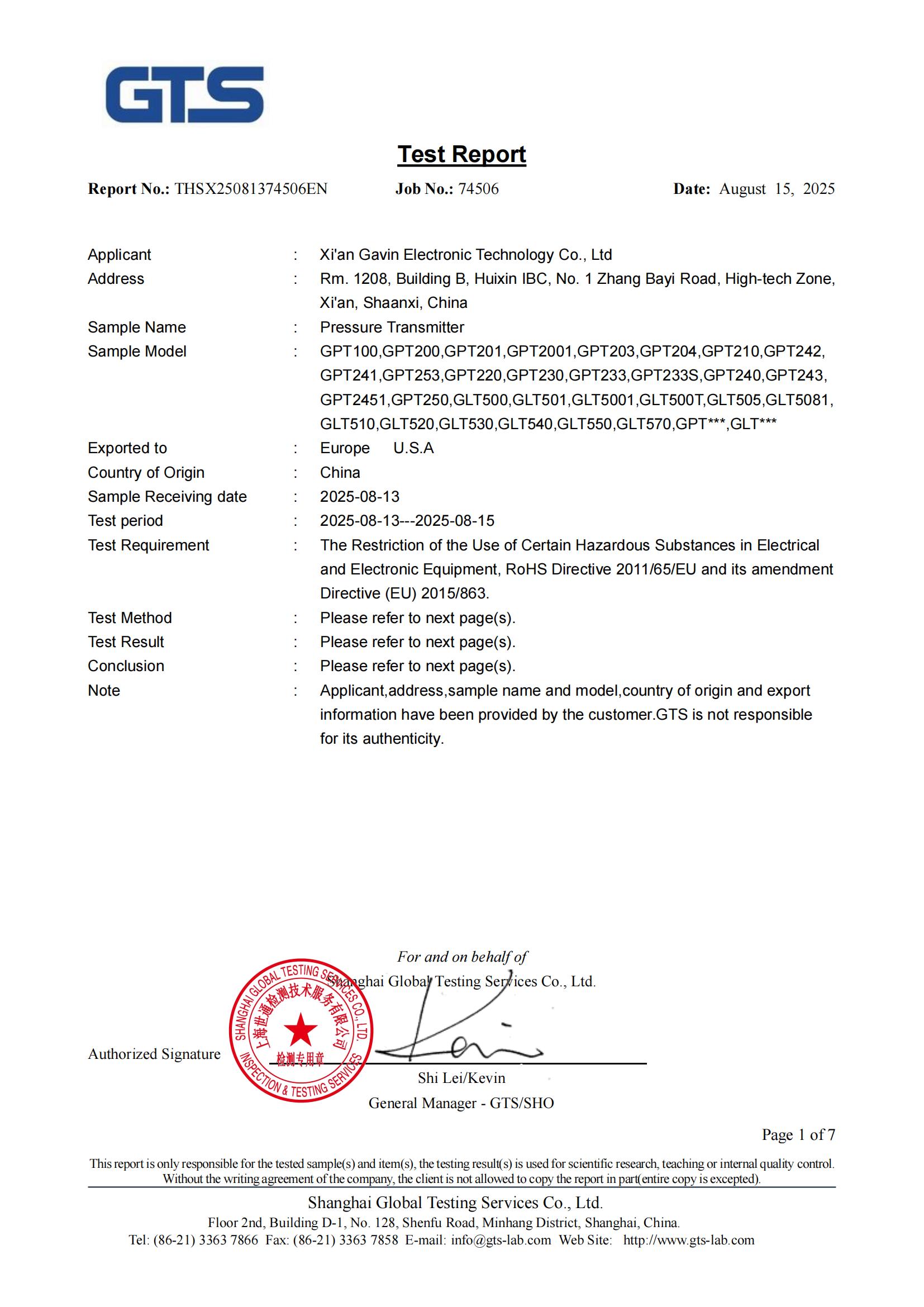
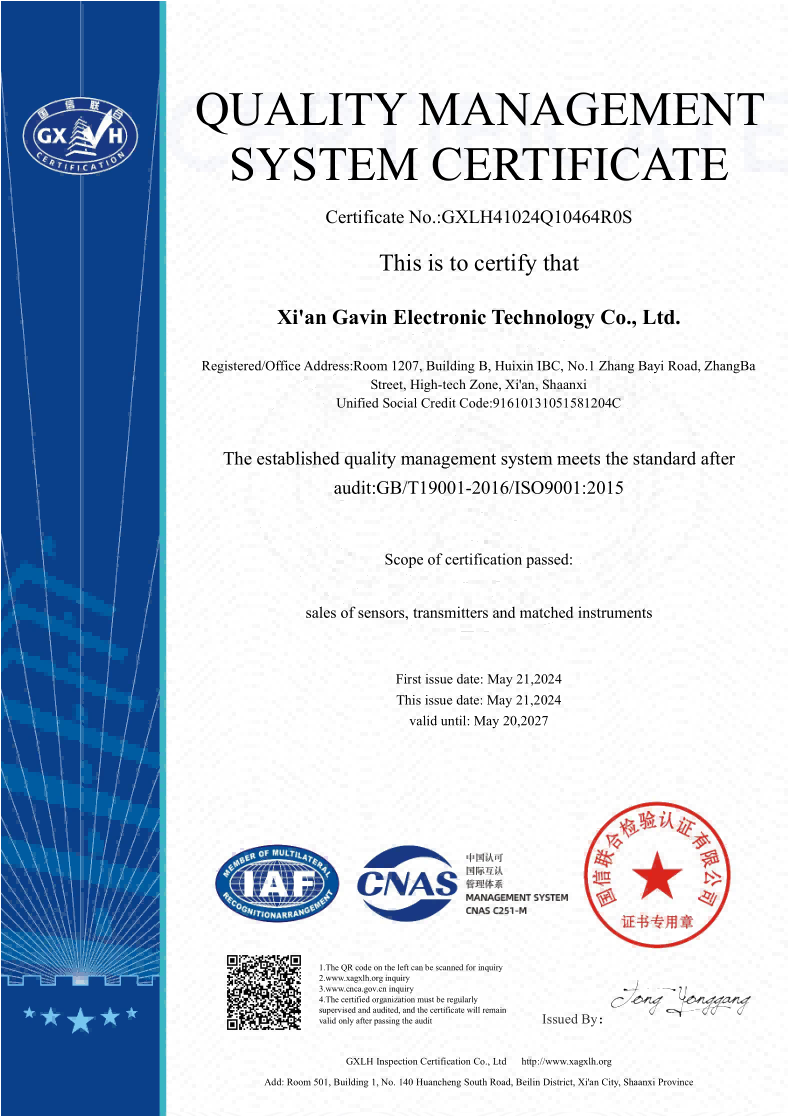
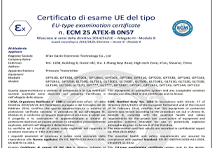
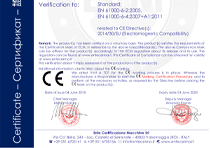
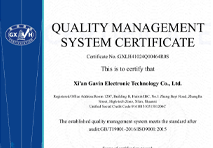
Customization capabilities become critical for OEM integration and specialized applications. GAMICOS offers full OEM/ODM services that include full customization of models, parameters, packing, and paperwork. This makes sure that sensors fit perfectly into equipment designs and meet customer branding needs. Certification compliance (CE, RoHS, ISO) gets rid of legal hurdles for goods that are going to be sold in other countries.
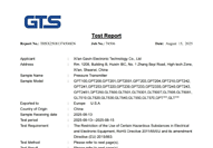
Supply chain reliability protects against problems with production. Check the suppliers' ability to make things, how they handle stockpiles, and how often they send. Being able to offer in bulk is important for big projects and equipment makers who need to make sure that sensors arrive on time every time. GAMICOS has strong quality control, which is backed up by strict testing methods and certifications from metrology institutions. This makes it easier to trust that the products they give will be consistent.
Cost Optimization Strategies
A study of the total cost of ownership shows what ceramic-core sensors are really worth. Figure out how often conventional sensors need to be replaced, how much it costs to calibrate them, how much downtime costs, and how much greater emergency procurement costs. Then, compare these costs to the longer lifespan and lower care of ceramic choices. When you buy in bulk, you can usually get price cuts of 15% to 25% and make sure you have enough for projects that will last for years.
Best Practices for Installation, Calibration, and Maintenance
When ceramic-core submersible level sensors are used correctly, they work better and last longer, making sure that the technology lives up to its full potential.
Installation Guidelines for Corrosion Resistance
The setting of a sensor has a big effect on how well it measures and how long it lasts. Pick places where liquid flow isn't too fast or too slow to keep mechanical stress on sensing parts to a minimum. Fixing a steel pipe in the liquid and putting the probe inside it protects it mechanically and keeps the flow steady when installing in static wells or tanks. Using cable clips for suspension installation works well for tank uses, but care must be taken to relieve cable strain so that connectors don't get damaged.
Sealing quality needs extra care in places that are corrosive. Cable entry places are where most failures happen because corrosive fumes move along cable paths and into equipment. The GLT570's special vented wires protect against this weakness by using materials that are resistant to wear, oil, acid, and alkali in the right amounts for the fitting. The right way to route cables keeps liquid from pooling near connections and keeps bend radius requirements in check to protect the integrity of the internal conductor.
Calibration Protocols and Tools
Modern ceramic-core sensors make tuning easier by having customizable circuits that let field adjustments be made without having to change the hardware. The first adjustment sets accurate zero and span points that are right for the placement. The programmable transmitter circuit in the GLT570 makes it easy to calibrate and change the zero and full-scale. This lets techs use portable calibrators or control system connections to get the most accurate readings.
Annual proof tests make sure that the accuracy of the measurements stays within the limits. Ceramic sensors don't need full multi-point recalibration like conventional sensors do. Instead, they only need to confirm the zero point. This saves time and effort during calibration. Regularly write down the results of testing to keep track of long-term stability and spot any strange behavior patterns right away.
Maintenance and Cleaning Procedures
Ceramic sensor elements are better at not getting clogged than metal diaphragms, but they should still be cleaned every so often in situations where there are solids in the fluid or biological growth. Rinse sensors with clean water to get rid of non-chemical liquids or use light cleaning solutions to get rid of tough deposits. Don't use rough tools or strong chemicals that could damage the wire materials or housing seals. Ceramic surfaces are resistant to almost all cleaning agents, but parts around them need to be handled more gently.
Cables should be checked when they are due for regular repair. Check for signs of mechanical damage, chemical breakdown, or rust in the connections. Replace broken wires right away to keep wetness out, which can affect the accuracy of measurements. If you pay attention to these basic maintenance tasks, your sensors will last much longer than most designs, which will help you avoid unplanned downtime in toxic environments.
Conclusion
Ceramic-core technology fixes the rust problems that keep regular submersible level sensors from working reliably in industrial liquid measurement tasks. Modern designs get longer service life, more stable measurements, and better chemical compatibility than older ones because they replace metal and polymer sensor elements that can break with chemically neutral ceramic materials. The GLT570 is a great example of this new technology. It has ceramic sensing cores, a PTFE housing, and wires that can be customized to protect against corrosion in a wide range of challenging situations, from tracking chemical storage to treating wastewater. Procurement teams get measured value from fewer replacements, lower maintenance costs, and more reliable processes. These benefits directly lead to better supply chain relationships and more competitive operations.
FAQ
Q1: What lifespan can we expect from ceramic-core sensors compared to stainless steel designs?
A: In harsh environments where stainless steel sensors need to be replaced every 18 to 24 months, ceramic-core submersible level sensors can last 10 years or more. This big difference in life comes from the fact that ceramic doesn't react with electrochemical corrosion processes that break down metal parts.
Q2: Do ceramic-core sensors perform reliably in highly acidic or alkaline environments?
A: In the industrial pH range, from strongly acidic (pH 1) to strongly alkaline (pH 14) liquids, ceramic sensing elements keep their measuring accuracy and structural integrity. The PTFE body of the GLT570 adds extra security, making it completely resistant to corrosion in even the harshest chemical conditions.
Q3: Are ceramic-core sensors compatible with existing monitoring systems?
A: Ceramic-core designs work well with common industrial control systems because they have customizable emitter circuits that send out analog and digital signals that are standard in the industry. There are no changes that need to be made to the current data gathering system or process control software in order to install it.
Partner with GAMICOS for Reliable Submersible Level Sensor Solutions
The ceramic-core measurement technology offered by GAMICOS has been tested and works well. The company also offers full technical help and a lot of customization options. Our seller of the GLT570 corrosion-resistant submersible level sensor has designed solutions for the toughest chemical processing, wastewater treatment, and storage tracking tasks. Our engineering and purchasing teams profit from our more than 20 years of experience in the field. We have served customers in over 100 countries with goods that are certified to meet international standards. Get in touch with our technology experts at info@gamicos.com to talk about your unique measurement problems and get suggestions for sensors that will work best for your needs. You can get samples of our products to make sure they work well in your unique process, and our certified product catalogs have full specs. You can count on GAMICOS to turn your problems with measuring corrosive liquids into effective long-term tracking options.
References
1. Smith, J.R., & Anderson, K.L. (2021). Advanced Materials for Industrial Pressure Measurement: Ceramic Sensing Technologies. Journal of Industrial Instrumentation, 45(3), 112-128.
2. Chen, W., Rodriguez, M., & Patel, S. (2022). Corrosion Resistance Performance of Ceramic Diaphragm Sensors in Chemical Processing. Chemical Engineering Technology Review, 38(2), 201-219.
3. International Society of Automation (2023). Best Practices for Submersible Level Sensor Selection and Installation in Corrosive Environments. ISA Technical Report TR-589.
4. Mueller, H., & Zhang, L. (2020). Long-Term Stability Analysis of Ceramic-Core Pressure Transducers in Wastewater Applications. Water & Wastewater Instrumentation, 15(4), 67-82.
5. Thompson, R.D. (2022). Total Cost of Ownership Comparison: Ceramic versus Metal Sensing Elements in Industrial Level Measurement. Process Instrumentation Economics Quarterly, 29(1), 34-51.
6. European Committee for Standardization (2023). Material Selection Guidelines for Liquid Level Sensors in Aggressive Chemical Environments. CEN Technical Specification TS-16942.

Eva
Eva specializes in bridging the gap between cutting-edge sensor technology and market needs. With 8 years of experience in industrial product marketing, she has successfully launched multiple sensor product lines—from pressure transmitters to fuel level sensor—into global markets.
We're here to help — submit your request anytime!
Let us know how we can help solve your pressure level measurement challenge.
_1757930850792.jpg)
Recommended Blog
Guide to Installing a Submersible Water Level Sensor Probe
Guide to Installing a Submersible Water Level Sensor Probe
Guide to Installing a Submersible Water Level Sensor Probe
How Submersible Level Sensors Monitor Corrosive Liquids
Water Level Transducer Buying Guide for Global Importers
Top Benefits of Using a Submersible Water Level Transducer
Choosing a Submersible Pressure Sensor for Wastewater Plants
How Submersible Level Sensors Monitor Corrosive Liquids
Water Level Transducer Buying Guide for Global Importers
Top Benefits of Using a Submersible Water Level Transducer
Choosing a Submersible Pressure Sensor for Wastewater Plants
How Submersible Level Sensors Monitor Corrosive Liquids
Water Level Transducer Buying Guide for Global Importers
Top Benefits of Using a Submersible Water Level Transducer
Choosing a Submersible Pressure Sensor for Wastewater Plants
How Submersible Level Sensors Monitor Corrosive Liquids
Water Level Transducer Buying Guide for Global Importers
Top Benefits of Using a Submersible Water Level Transducer
Choosing a Submersible Pressure Sensor for Wastewater Plants
How Submersible Level Sensors Monitor Corrosive Liquids
Water Level Transducer Buying Guide for Global Importers
Top Benefits of Using a Submersible Water Level Transducer
Choosing a Submersible Pressure Sensor for Wastewater Plants
How Submersible Level Sensors Monitor Corrosive Liquids
Water Level Transducer Buying Guide for Global Importers
Top Benefits of Using a Submersible Water Level Transducer
Choosing a Submersible Pressure Sensor for Wastewater Plants
How Submersible Level Sensors Monitor Corrosive Liquids
Water Level Transducer Buying Guide for Global Importers
Top Benefits of Using a Submersible Water Level Transducer
Choosing a Submersible Pressure Sensor for Wastewater Plants